Diving Science, History & Theory

Computer Multilevel Diving: Using Technology to Dive More Efficiently and Conservatively

What Is Multilevel Diving?

Traditional dive tables were originally designed around square-profile dives, where the diver descends to a single maximum depth and remains there for most of the dive before ascending.

In reality, most dives do not follow this pattern.

Divers naturally move through different depth zones during a dive:

  • Descending to deeper areas briefly
  • Ascending gradually to shallower sections
  • Exploring reefs, walls, or wrecks at varying depths

This is known as multilevel diving.

Modern dive computers continuously calculate nitrogen absorption and decompression status throughout these depth changes, allowing the diver to manage exposure more accurately than traditional static dive tables alone.

At N9BO℠, we teach multilevel diving as realistic dive profile management rather than theoretical table planning.


How Dive Computers Changed Diving

Before dive computers became common, divers relied primarily on printed decompression tables and pre-planned profiles.

Although effective, tables required conservative assumptions because they could not continuously track changing depth in real time.

Dive computers transformed diving by allowing:

  • Continuous decompression calculations
  • Real-time nitrogen tracking
  • Dynamic no-decompression limits
  • Accurate ascent rate monitoring

The computer adjusts calculations instantly as depth changes during the dive.

This provides a much more realistic representation of the actual dive profile.

At N9BO℠, we explain that dive computers improved efficiency by adapting to the diver instead of forcing the diver into rigid profiles.


Why Multilevel Profiles Matter

Most dives naturally become shallower over time.

For example, a diver may:

  • Begin by exploring a deeper wall section
  • Move gradually upward along the reef
  • Finish the dive in shallow water during the safety stop phase

This profile reduces nitrogen loading more effectively than remaining deep for the entire dive.

Because nitrogen absorption slows at shallower depths, multilevel profiles often allow:

  • Longer overall dive times
  • Increased conservatism
  • Improved gas efficiency
  • Reduced decompression stress

The dive computer continuously recalculates this changing exposure throughout the dive.

At N9BO℠, we emphasise that intelligent depth management is one of the keys to efficient diving.

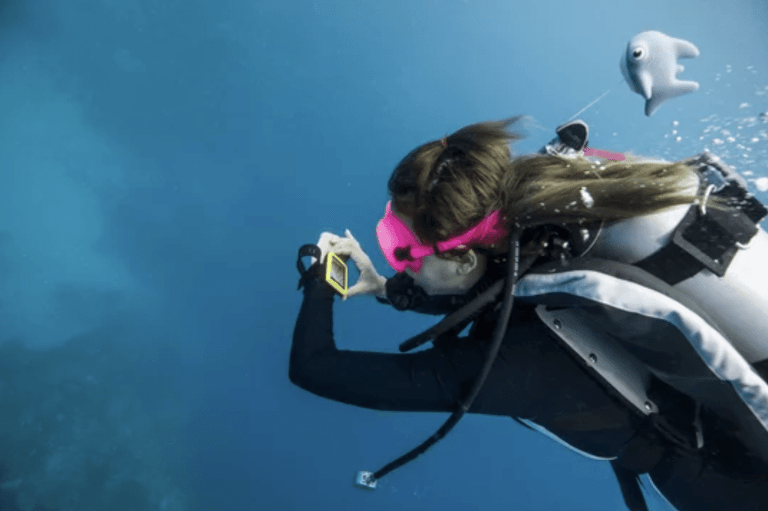
A scuba diver in full kit swims underwater, surrounded by clear blue water and bubbles rising above them. The diver is looking at a device on their wrist and holding a lead in one hand.

Understanding What the Computer Is Actually Doing

Although dive computers appear simple on the surface, they are continuously processing decompression algorithms based on pressure exposure and time.

The computer monitors:

  • Current depth
  • Dive time
  • Ascent rate
  • Nitrogen loading models
  • Surface intervals and repetitive exposure

Using this information, the device calculates:

  • Remaining no-decompression time
  • Safety stop recommendations
  • Surface interval information
  • Repetitive dive exposure

The diver therefore receives ongoing feedback about decompression status throughout the dive rather than relying solely on pre-dive calculations.

At N9BO℠, we teach divers to understand the principles behind the computer rather than treating it as a “black box”.


The Importance of Conservative Diving

One of the biggest misconceptions about dive computers is that they exist to maximise bottom time aggressively.

In reality, modern dive computers are most valuable when used conservatively.

The computer provides tools to:

  • Improve situational awareness
  • Manage nitrogen exposure intelligently
  • Reduce unnecessary decompression stress
  • Maintain safer ascent behaviour

Strong divers use computers to support disciplined decision-making rather than push physiological limits.

Features such as:

  • Conservative settings
  • Safety stop reminders
  • Ascent rate warnings

are designed specifically to encourage safer diving practices.

At N9BO℠, we reinforce that the computer is a safety management tool, not a licence for aggressive dive profiles.


Ascent Control and Safety Stops

One of the most important benefits of modern dive computers is ascent monitoring.

Rapid ascents remain one of the major contributing factors in decompression-related incidents.

Dive computers therefore help divers maintain:

  • Controlled ascent rates
  • Proper safety stop duration
  • Stable decompression management

Many units provide visual or audible warnings if the diver ascends too quickly.

This improves awareness and encourages more disciplined ascent procedures.

Safety stops also become easier to manage because the computer provides precise timing and depth reference throughout the stop.

At N9BO℠, we teach that safe diving depends heavily on disciplined ascents rather than simply bottom time management.
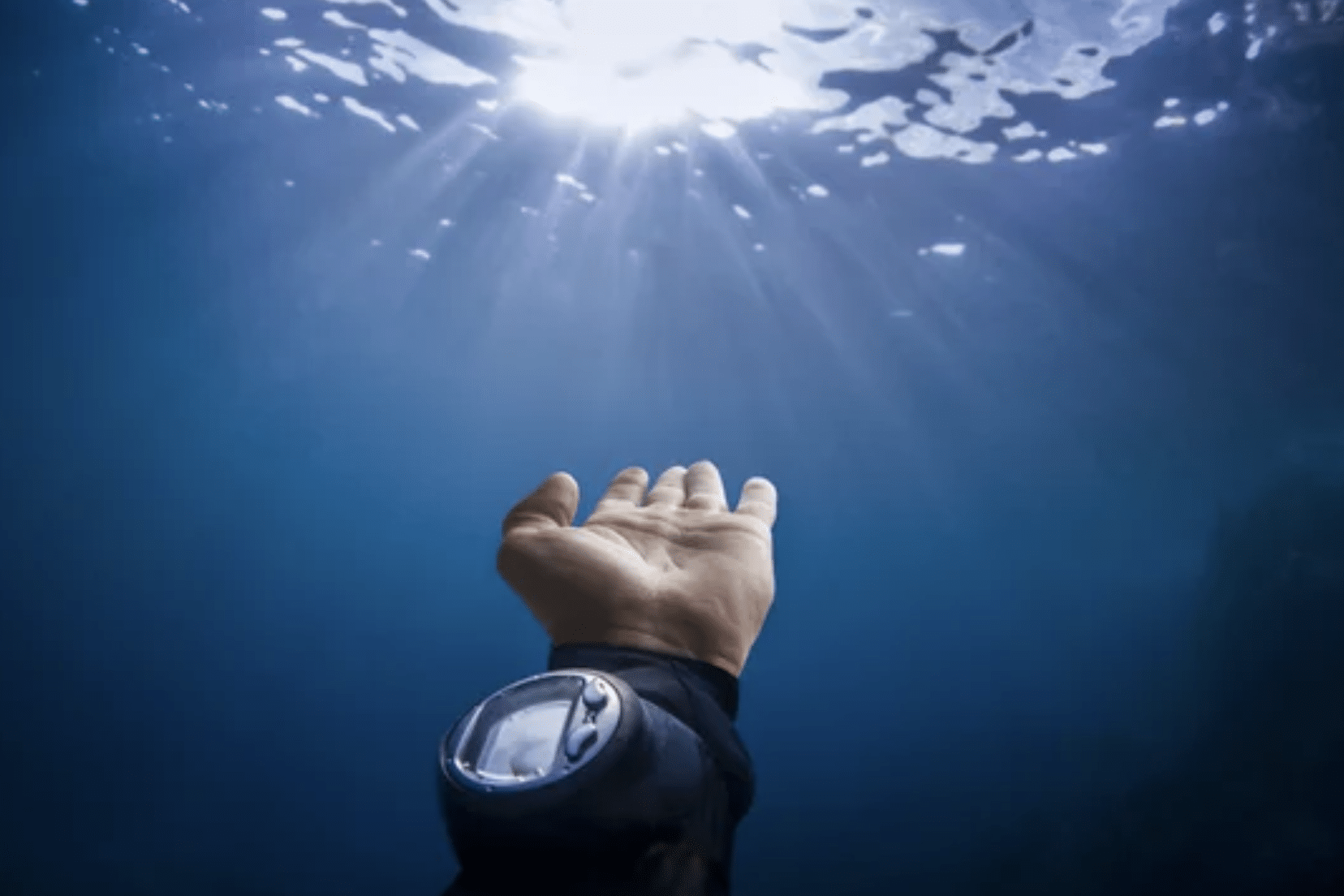
A diver’s hand, wearing a diving watch, reaches up towards the sunlit water surface from underwater, with rays of sunlight streaming through the blue water.

Task Loading and Situational Awareness

Although computers simplify decompression calculations, divers must avoid becoming overly dependent on the device.

Poor habits can develop when divers:

  • Fixate constantly on the screen
  • Ignore environmental awareness
  • Rely entirely on electronics without understanding dive planning principles

The dive computer should support situational awareness, not replace it.

Divers must still monitor:

  • Gas supply
  • Depth changes
  • Team positioning
  • Navigation
  • Environmental conditions

Technology improves safety only when combined with awareness and judgement.

At N9BO℠, we emphasise that divers should understand their dive even if the computer fails.


Computer Limitations and Human Responsibility

Dive computers are powerful tools, but they still operate using mathematical models rather than direct physiological measurement.

The computer cannot fully account for:

  • Fatigue
  • Hydration
  • Stress
  • Cold exposure
  • Individual physiological variation

Two divers following identical profiles may still respond differently physiologically.

For this reason, divers must remain conservative and avoid blindly trusting numbers alone.

Good judgment always remains more important than electronic capability.

At N9BO℠, we teach that the diver—not the computer—remains responsible for the dive.


Multilevel Diving and Dive Planning

Computer multilevel diving also changes how divers plan dives operationally.

Instead of planning around a single maximum depth, divers begin thinking in terms of:

  • Progressive depth reduction
  • Efficient route design
  • Environmental sequencing
  • Gas and decompression optimisation

This often leads to smoother and more efficient dives overall.

For example:

  • Deep portions of the site are explored first
  • Shallower sections are visited later
  • Safety margins naturally increase throughout the dive

This creates a more logical and physiologically efficient dive structure.

At N9BO℠, we encourage divers to think about dive profiles dynamically rather than statically.


Operational Mindset

Computer Multilevel Diving reinforces a critical principle of modern diving: efficient diving depends on understanding exposure, not simply following limits.

Dive computers provide extraordinary real-time awareness, but strong divers still rely on:

  • Conservative planning
  • Environmental awareness
  • Controlled ascent behaviour
  • Situational judgement

The most effective divers are not the ones chasing maximum no-decompression time. They are the divers who use technology intelligently while maintaining discipline and awareness underwater.

At N9BO℠, we approach computer multilevel diving as a combination of technology, physiology, and operational judgement.

The computer can calculate exposure. Only the diver can manage behaviour.
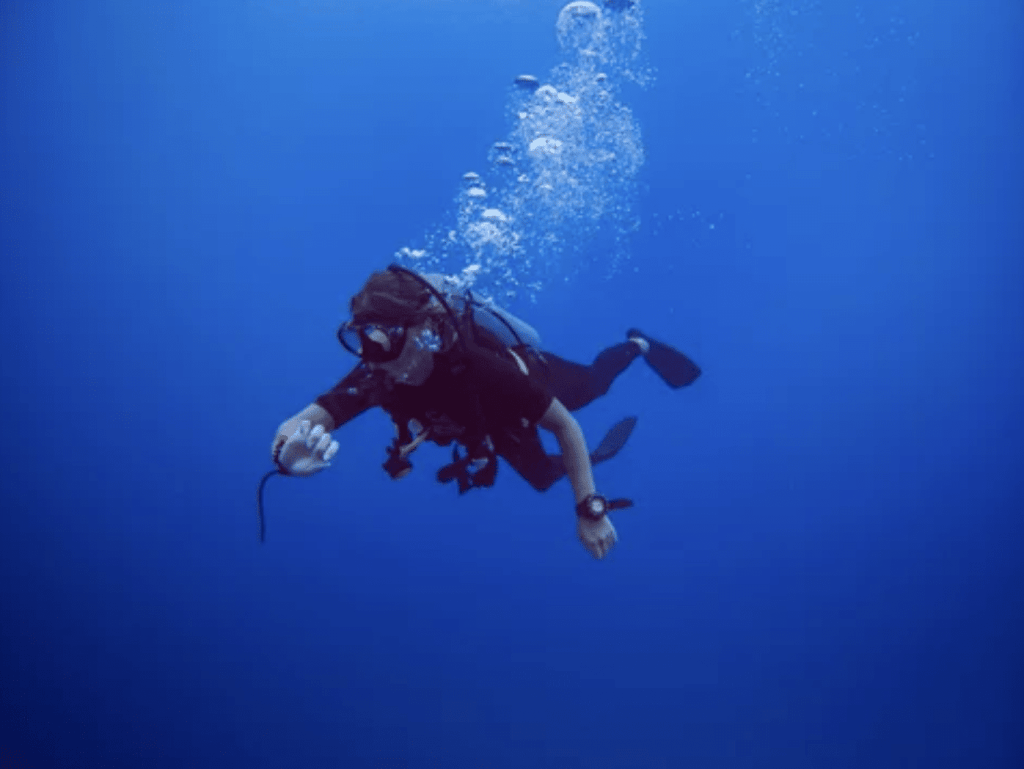
A scuba diver in full kit swims underwater, surrounded by clear blue water and bubbles rising above them. The diver is looking at a device on their wrist and holding a lead in one hand.


Dive Smarter with Modern Dive Planning Technology

Contact N9BO℠ to begin Computer Multilevel Diving training and develop the knowledge, awareness, and planning discipline required to use modern dive computers safely and effectively.


From the N9BO℠ Knowledge Base


Share this

Night Diving: Exploring the Underwater World After Dark

Why Night Diving Feels Completely Different

A familiar dive site can become almost unrecognisable after sunset.

During daylight dives, divers rely heavily on broad visual references, natural light, and long-distance awareness. At night, visibility narrows dramatically to the area illuminated by a dive light.

This changes the entire psychological and operational experience underwater.

Colours often appear richer under artificial light, shadows become more pronounced, and marine life behaviour changes significantly. The diver becomes more focused, more deliberate, and generally more aware of movement and sound in the surrounding environment.

Many divers describe night diving as feeling like an entirely new world rather than simply a dive conducted in darkness.

At N9BO℠, we teach that night diving transforms not only the environment, but also the diver’s perception of it.


The Ocean Changes at Night

One of the greatest attractions of night diving is the opportunity to observe marine life behaviour that rarely occurs during the day.

Many species become more active after dark. Predators begin hunting, nocturnal animals emerge from shelter, and daytime species settle into resting behaviour.

Night divers often encounter:

  • Octopus and hunting cephalopods
  • Lobsters and crustaceans
  • Sleeping reef fish
  • Bioluminescent organisms
  • Predatory feeding behaviour

The reef itself changes rhythm completely between day and night.

This creates a more immersive and often more intimate underwater experience because divers move slowly and focus on smaller details illuminated by their lights.

At N9BO℠, we encourage divers to approach night dives with patience and observation rather than speed and distance.


Light Becomes Your Primary Reference

During a night dive, the diver’s torch effectively becomes their connection to the environment.

Without natural light, divers depend heavily on:

  • Primary dive lights
  • Backup lighting systems
  • Light communication techniques
  • Controlled beam management

The light determines:

  • What the diver sees
  • How navigation is maintained
  • How team communication occurs
  • How marine life is observed

This immediately changes situational awareness and increases the importance of equipment preparation.

Divers quickly learn that poor light discipline can:

  • Blind teammates temporarily
  • Reduce environmental awareness
  • Create confusion or disorientation

At N9BO℠, we teach that underwater lighting is both a navigation tool and a communication system.

A scuba diver underwater shines a torch toward a dark rock wall, surrounded by deep blue water and rising air bubbles.

Psychological Adaptation to Darkness

For many divers, the most significant challenge in night diving is psychological rather than technical.

Darkness naturally increases:

  • Sensory focus
  • Uncertainty
  • Perceived isolation
  • Task loading and awareness demands

Even experienced divers may initially feel elevated stress during their first night dives.

However, once divers adapt to the environment, many discover that night diving becomes calmer and more relaxing than daytime diving. Reduced visual distraction often leads to:

  • Slower breathing
  • More controlled movement
  • Improved focus and buoyancy

The course helps divers become comfortable operating with reduced visibility and narrower visual references.

At N9BO℠, we believe confidence at night comes from preparation, awareness, and controlled adaptation.


Navigation and Orientation at Night

Navigation becomes significantly more important once natural visual references disappear.

Divers must maintain awareness of:

  • Exit direction
  • Team positioning
  • Depth and bottom profile
  • Compass orientation
  • Light references and environmental markers

Without strong navigation discipline, disorientation can occur surprisingly quickly at night.

For this reason, night divers are trained to:

  • Use compass navigation effectively
  • Maintain consistent awareness of the dive route
  • Stay close to the team
  • Monitor environmental references continuously

Situational awareness becomes narrower at night, making structured procedures more important.

At N9BO℠, we teach that night diving rewards methodical and disciplined divers.


Buoyancy and Controlled Movement

Night diving naturally encourages slower and more deliberate movement underwater.

Because visibility is reduced, divers must rely more heavily on:

  • Buoyancy control
  • Trim awareness
  • Careful propulsion techniques

Poor buoyancy at night can easily lead to:

  • Contact with the reef or bottom
  • Sediment disturbance
  • Loss of orientation
  • Increased stress and confusion

As a result, many divers discover that night diving actually improves their overall underwater control.

The environment encourages patience and precision rather than fast movement.

At N9BO℠, we emphasise that slow, controlled diving becomes especially valuable after dark.

A scuba diver observes marine life at night, surrounded by fish, a large stingray in the foreground, and a shark near a rocky reef, all illuminated by underwater lights.

Communication and Team Awareness

Communication procedures change significantly during night diving.

Divers commonly use light signals to:

  • Gain attention
  • Confirm status
  • Indicate direction
  • Signal problems or communication requests

Maintaining visual contact with teammates becomes essential because darkness can separate divers quickly if awareness declines.

The team must therefore remain:

  • Organised
  • Close enough for communication
  • Consistent in movement and pace

Strong buddy awareness becomes one of the defining characteristics of safe night diving.

At N9BO℠, we reinforce that effective communication becomes even more important when visibility decreases.


Equipment Preparation and Redundancy

Night diving requires more deliberate equipment preparation than many standard daytime dives.

Divers must ensure:

  • Primary lights are fully charged
  • Backup lights are available
  • Equipment is streamlined and accessible
  • Gauges and instruments are visible in darkness

Small equipment problems become more significant at night because visual troubleshooting is more difficult underwater.

Pre-dive preparation and checks therefore become particularly important.

At N9BO℠, we emphasise that strong preparation reduces stress and improves confidence before entering the water.


Environmental Respect and Marine Interaction

Night diving often places divers in close proximity to sensitive nocturnal marine behaviour.

Responsible divers avoid:

  • Excessive light exposure on animals
  • Aggressive pursuit of marine life
  • Touching or disturbing resting species

Calm observation generally leads to better wildlife encounters and less environmental impact.

Divers also learn how artificial light affects underwater behaviour and visibility.

The objective is observation and appreciation rather than disruption.

At N9BO℠, we believe the best night dives occur when divers become quiet observers within the environment.


Operational Mindset

Night diving reinforces a fundamental diving principle: awareness becomes more important as visibility decreases.

Darkness narrows perception and removes many familiar visual references. Divers must therefore rely more heavily on:

  • Procedure
  • Team coordination
  • Navigation discipline
  • Controlled movement
  • Calm decision-making

The strongest night divers are not necessarily the boldest. They are the divers who remain relaxed, observant, and methodical underwater.

At N9BO℠, we approach night diving as controlled adaptation to a changing environment.

The ocean does not become more dangerous at night—but it does demand greater awareness and respect.

Two scuba divers swim above a coral reef in deep, dark blue water, illuminated by a beam of light from above. The underwater scene highlights the coral formations and the divers’ silhouettes.


Discover the Underwater World After Dark

Contact N9BO℠ to begin night diving training and develop the confidence, awareness, and underwater control required to safely explore the ocean after sunset.


From the N9BO℠ Knowledge Base


Share this

Search & Recovery Diving: Locating and Recovering Objects Underwater

What Is Search & Recovery Diving?

Search & Recovery diving involves locating and retrieving objects underwater in a controlled and systematic manner.

These operations may include:

  • Lost diving equipment
  • Anchors and mooring systems
  • Small vessels or machinery
  • Evidence and operational items
  • Salvage or training objects

Unlike standard sightseeing dives, Search & Recovery operations are objective-driven. The diver enters the water with a defined task, structured procedures, and operational priorities.

The environment itself becomes secondary to mission completion, requiring divers to balance awareness, navigation, communication, and physical task management simultaneously.

At N9BO℠, we describe Search & Recovery diving as controlled underwater problem-solving.


Why Search Skills Matter

Many divers underestimate how difficult locating objects underwater can become, even in relatively shallow water.

Visibility, current, bottom composition, depth, and environmental repetition can make small objects effectively invisible without structured procedures.

A diver searching randomly underwater often wastes:

  • Time
  • Gas
  • Energy
  • Situational awareness

Search training introduces systematic methods that improve efficiency and dramatically increase the probability of locating the target.

The course teaches divers how to:

  • Define search areas
  • Select appropriate search patterns
  • Maintain orientation
  • Work effectively as a team

At N9BO℠, we emphasise that successful searches depend more on discipline and planning than luck.


Understanding Search Patterns

One of the central components of Search & Recovery diving is the use of structured search patterns.

Depending on the environment and operational objective, divers may use:

  • Circular search patterns
  • U-patterns
  • Expanding square searches
  • Jackstay or grid searches

Each pattern is designed to maximise coverage while maintaining orientation and efficiency underwater.

The choice of pattern depends on factors such as:

  • Visibility
  • Bottom terrain
  • Current
  • Target size
  • Available manpower and equipment

Divers quickly learn that organised procedures produce significantly better results than improvised searching.

At N9BO℠, we treat search methodology as a navigation and planning discipline.

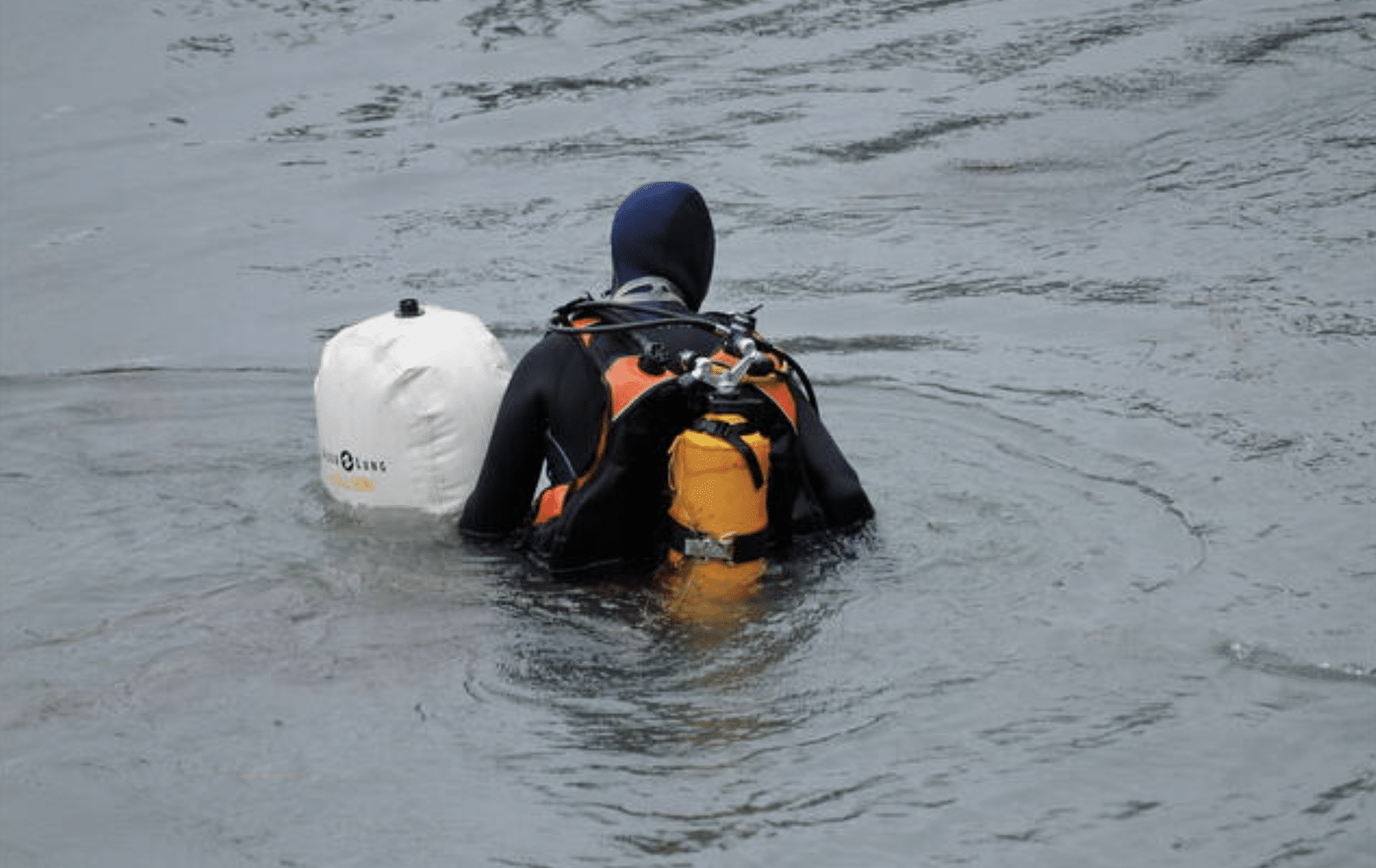
A person in a wetsuit and scuba gear holds a large white floating device while wading in calm water.

Navigation and Underwater Orientation

Search operations rely heavily on accurate underwater navigation.

Divers must maintain awareness of:

  • Direction of travel
  • Search boundaries
  • Team positioning
  • Distance covered
  • Exit and ascent points

Compass use therefore becomes critical, particularly during low visibility or large-area searches.

Poor navigation can compromise the entire operation by creating:

  • Missed coverage areas
  • Diver separation
  • Increased gas consumption
  • Loss of orientation

Search divers must remain methodical and avoid becoming distracted or rushed during the operation.

At N9BO℠, we teach that navigation discipline directly determines search effectiveness.


Task Loading and Situational Awareness

Search & Recovery diving significantly increases task loading compared to standard recreational diving.

The diver must simultaneously manage:

  • Buoyancy and trim
  • Navigation
  • Environmental awareness
  • Search procedures
  • Communication and team coordination
  • Gas management

This requires calmness and controlled prioritisation.

Divers who become overly focused on locating the object often lose awareness of depth, direction, or gas reserves. Strong Search & Recovery divers learn how to divide attention effectively without losing overall situational control.

At N9BO℠, we emphasise that awareness must always remain broader than the task itself.


Recovery and Lift Procedures

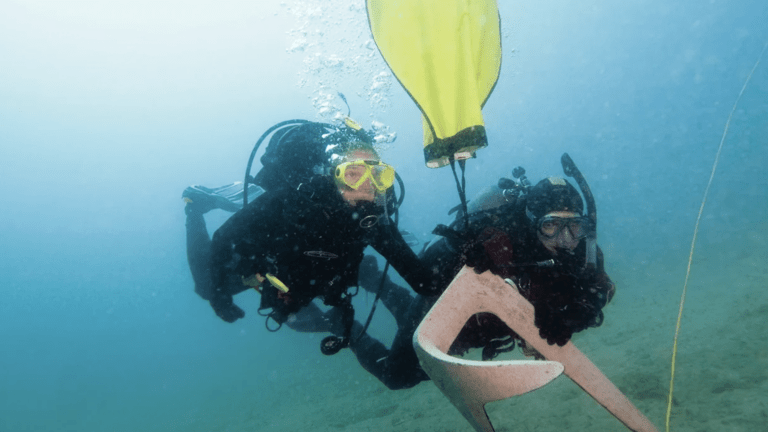
Locating the object is only part of the operation. Recovery introduces an additional layer of complexity.

Depending on the object, divers may use:

  • Lift bags
  • Recovery lines
  • Mechanical advantage systems
  • Controlled towing or lifting procedures

The course introduces principles such as:

  • Buoyancy and weight management
  • Controlled ascent of recovered objects
  • Preventing uncontrolled lift situations
  • Securing and rigging objects safely

Poorly managed lift operations can quickly become hazardous due to rapid buoyancy changes or entanglement risks.

For this reason, recovery procedures are conducted methodically and conservatively.

At N9BO℠, we reinforce that controlled lifting is more important than rapid recovery.


Buoyancy and Precision Control

Search operations often occur close to the bottom, making buoyancy control especially important.

Poor buoyancy may:

  • Disturb sediment and destroy visibility
  • Damage evidence or fragile objects
  • Reduce search effectiveness
  • Increase diver fatigue and workload

Divers therefore develop:

  • Stable trim
  • Precise finning techniques
  • Controlled hovering ability
  • Accurate positioning near the target area

The more stable the diver becomes, the more effective the search operation becomes overall.

At N9BO℠, we teach buoyancy as a precision control system during operational diving.

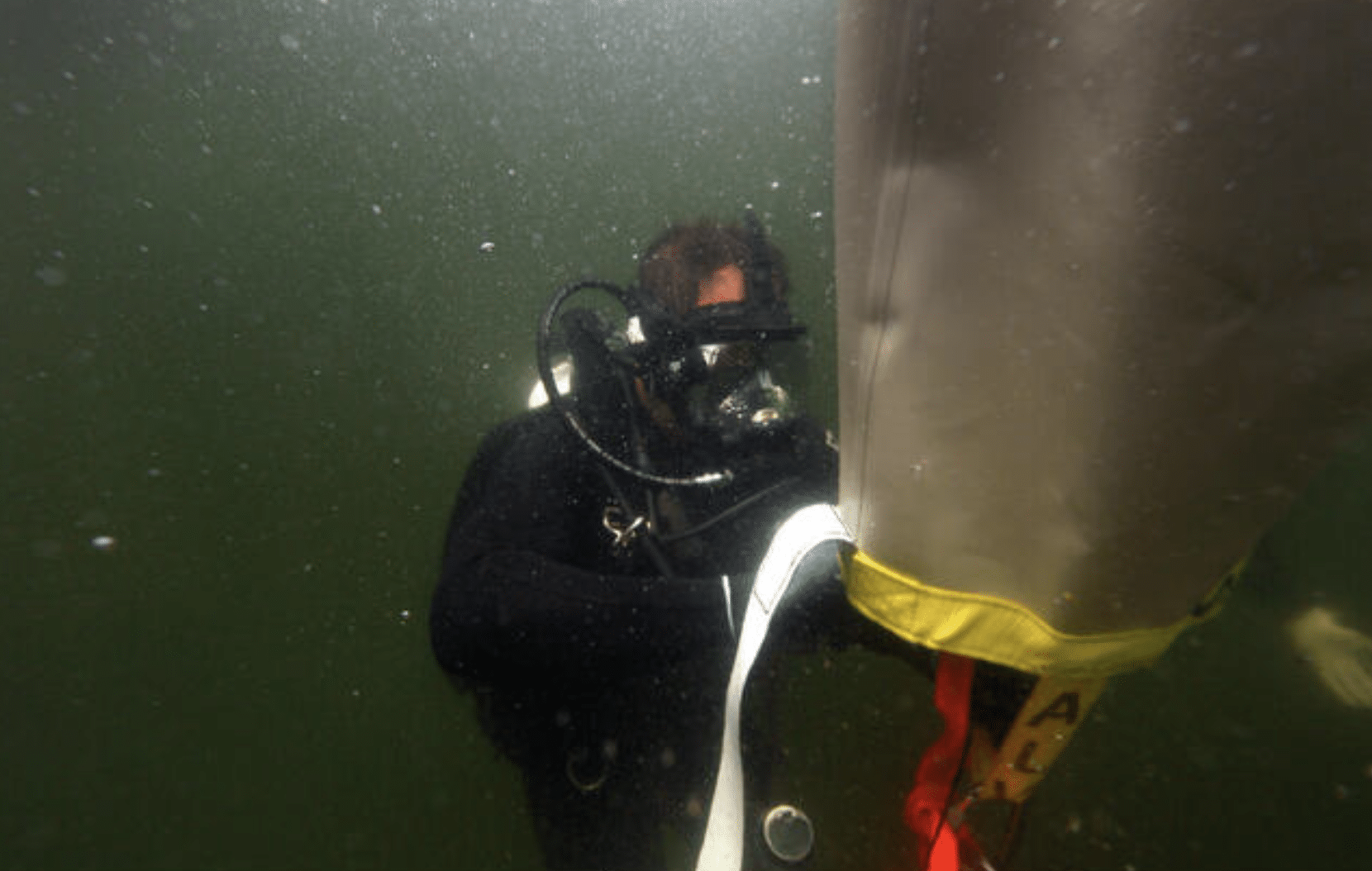
A scuba diver underwater in murky greenish water, wearing full diving kit and holding onto a large, partially inflated lift bag with yellow and white straps.

Teamwork and Communication

Search & Recovery operations are rarely individual activities. Team coordination plays a central role in operational success.

Divers must maintain:

  • Clear communication
  • Defined responsibilities
  • Consistent search spacing
  • Structured operational sequencing

Surface support teams may also coordinate:

  • Search grids
  • Diver tracking
  • Lift operations
  • Recovery logistics

The operation becomes a coordinated system rather than a collection of individual divers.

At N9BO℠, we emphasise that organised teams outperform highly skilled individuals working independently.


Environmental and Operational Conditions

Search operations frequently occur in less-than-ideal conditions.

Divers may encounter:

  • Reduced visibility
  • Current and surge
  • Cold water
  • Entanglement hazards
  • Soft sediment or silty bottoms

These conditions increase workload and often reduce efficiency.

The diver must therefore remain calm, patient, and procedural even when progress feels slow.

Operational success often depends on maintaining discipline over time rather than rushing the search.

At N9BO℠, we reinforce that methodical operations consistently outperform aggressive ones underwater.


Applications Beyond Recreational Diving

Search & Recovery skills apply across multiple diving disciplines and industries.

These include:

  • Public safety diving
  • Salvage operations
  • Scientific and archaeological projects
  • Commercial diving support
  • Operational and military diving environments

The foundational principles remain the same:

  • Planning
  • Navigation
  • Team coordination
  • Controlled recovery procedures

For many divers, Search & Recovery training also improves overall underwater awareness and confidence during normal dives.

At N9BO℠, we position Search & Recovery as both a speciality skill and a broader operational development programme.


Operational Mindset

Search & Recovery diving reinforces a critical principle: successful underwater operations depend on procedure, discipline, and controlled execution.

The diver must avoid:

  • Tunnel vision
  • Rushed searching
  • Loss of situational awareness
  • Improvised recovery attempts

Instead, effective Search & Recovery operations rely on:

  • Structured planning
  • Navigation accuracy
  • Team coordination
  • Calm task management

Strong operational divers are not necessarily the fastest or strongest. They are the divers who remain organised and methodical under pressure.

At N9BO℠, we approach Search & Recovery diving as a discipline built on awareness, precision, and procedural control.

The object may be lost underwater, but the operation itself should never lose structure.

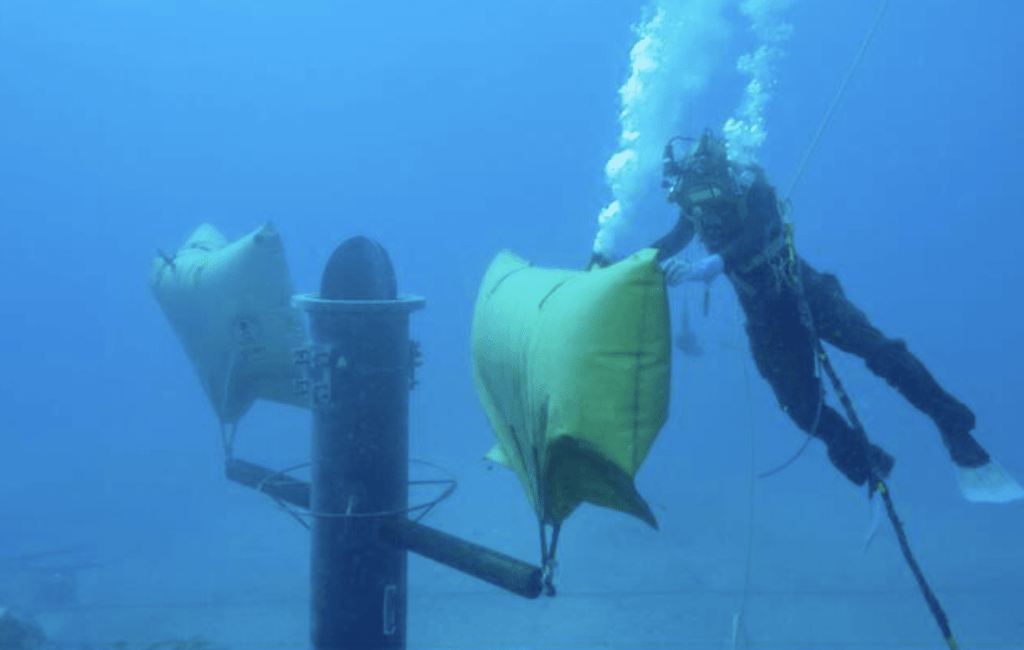
A diver underwater attaches large yellow lifting bags to a submerged metal structure while bubbles rise from the diver’s equipment. The scene takes place in clear blue water, suggesting an underwater construction or salvage operation.


Navigate Underwater with Confidence and Precision

Contact N9BO℠ to begin underwater navigation training and develop the awareness, compass skills, and environmental understanding required to move safely and confidently beneath the surface.


From the N9BO℠ Knowledge Base


Share this

Underwater Navigation: Knowing Where You Are Beneath the Surface

Why Navigation Matters in Diving

One of the most common challenges divers experience underwater is disorientation. Unlike on land, underwater environments often lack stable visual references, and depth, visibility, current, and terrain can quickly distort perception.

Even relatively simple dive sites can become confusing once a diver loses awareness of direction or position.

Good navigation allows divers to:

  • Return accurately to exit points or boats
  • Maintain orientation during the dive
  • Reduce stress and uncertainty
  • Improve gas and time management
  • Operate more safely as a team

Navigation is therefore far more than a compass skill. It is a core component of underwater awareness and operational control.

At N9BO℠, we teach navigation as environmental awareness supported by disciplined procedure.


The Challenge of Navigating Underwater

The underwater environment changes how humans perceive direction and movement.

Factors such as:

  • Reduced visibility
  • Lack of horizon reference
  • Current movement
  • Light distortion
  • Depth changes

can create confusion surprisingly quickly.

Divers also tend to focus narrowly on marine life, photography, or the dive itself, causing them to lose track of orientation gradually over time.

Unlike surface environments, underwater terrain can also appear repetitive, especially on sandy bottoms or large reef systems.

This makes structured navigation procedures extremely important.

At N9BO℠, we emphasise that divers rarely become lost suddenly. Disorientation usually develops progressively through reduced awareness.


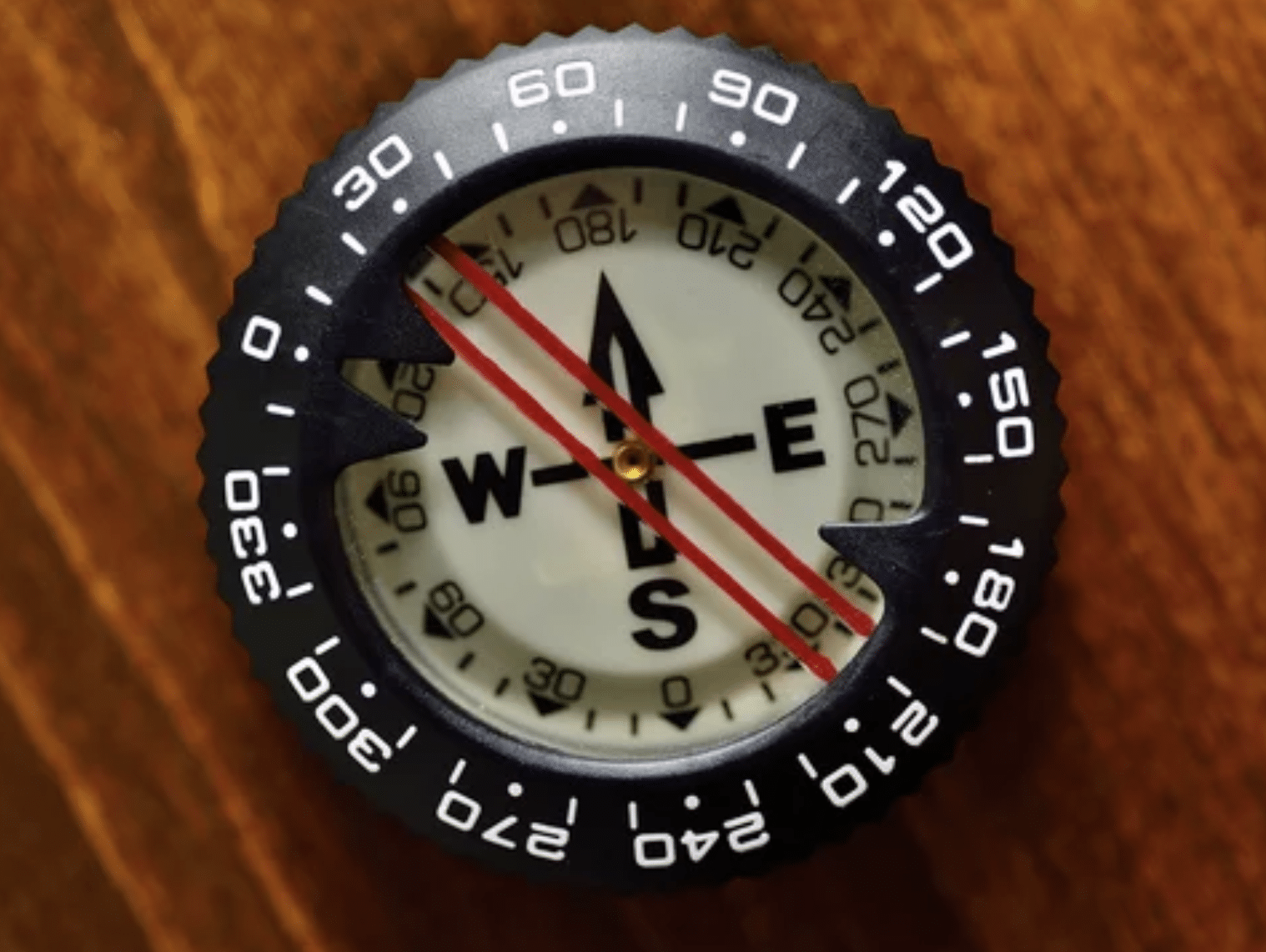
Compass Navigation

The underwater compass is one of the most important navigation tools available to divers.

The course introduces divers to:

  • Compass headings
  • Reciprocal navigation
  • Straight-line swimming
  • Square and triangular navigation patterns
  • Combined compass and environmental navigation techniques

Although modern dive computers and GPS systems exist, the underwater compass remains one of the most reliable and universally applicable navigation tools.

Divers learn that effective compass navigation depends not only on reading the instrument correctly, but also on maintaining:

  • Stable buoyancy
  • Proper trim
  • Consistent body positioning
  • Controlled movement underwater

Even small changes in body alignment can gradually alter direction over distance.

At N9BO℠, we teach that compass navigation is ultimately a precision movement skill.

A close-up of a black and white compass resting on a wooden surface, with red directional lines crossing its face and the cardinal points (N, E, S, W) clearly marked.

Natural Navigation Techniques

While compasses are important, strong divers also learn how to navigate naturally using environmental references.

Natural navigation may include:

  • Sunlight direction
  • Bottom contours and terrain shape
  • Current direction
  • Reef structure
  • Shadow and light orientation
  • Surface reference points

Experienced divers continuously combine these environmental cues with compass awareness to build a broader understanding of their position underwater.

This creates more adaptable and resilient navigation capability.

Natural navigation also strengthens environmental observation and situational awareness.

At N9BO℠, we encourage divers to navigate with their entire environment, not just a compass.


Situational Awareness and Team Positioning

Navigation is closely linked to overall situational awareness.

Divers must continuously monitor:

  • Direction of travel
  • Depth and bottom profile
  • Team spacing and communication
  • Current movement
  • Exit location and distance

This becomes especially important in:

  • Reduced visibility
  • Drift diving
  • Wreck environments
  • Night diving
  • Complex reef systems

Good navigation keeps the team organised and reduces unnecessary stress or confusion during the dive.

Poor navigation, by contrast, often leads to increased gas consumption, anxiety, and rushed decision-making.

At N9BO℠, we reinforce that navigation failures are often awareness failures first.


Buoyancy and Navigation Efficiency

Navigation and buoyancy control are closely connected.

Divers with unstable buoyancy often struggle to maintain:

  • Consistent compass headings
  • Stable movement patterns
  • Accurate distance estimation

Poor buoyancy also increases task loading, making navigation more difficult overall.

As divers improve trim and movement efficiency, navigation generally becomes smoother and more precise.

This is one reason navigation training often improves overall diving performance well beyond orientation alone.

At N9BO℠, we teach that efficient divers are usually easier to navigate because they move predictably and remain stable underwater.

A person in a black wetsuit sits on a white, weathered bench with their hand resting on the surface. They are wearing a large black wristwatch over the sleeve of the wetsuit.

Estimating Distance Underwater

One of the most difficult underwater navigation skills is distance estimation.

Because visibility and environmental scale change underwater, divers frequently misjudge how far they have travelled.

The course therefore introduces methods for estimating distance using:

  • Kick cycles
  • Time measurement
  • Environmental references
  • Controlled swimming speed

Learning to estimate distance accurately improves:

  • Return navigation
  • Gas planning
  • Team coordination
  • Dive timing

This becomes increasingly important during larger or more complex dives.

At N9BO℠, we emphasise consistency and awareness rather than speed during navigation exercises.


Navigation Under Stress and Reduced Visibility

Navigation skills become even more important when environmental conditions deteriorate.

Reduced visibility, current, darkness, or task loading can quickly increase stress and disorientation.

Divers who already possess strong navigation discipline tend to remain calmer because they maintain awareness of:

  • Exit direction
  • Team position
  • Environmental layout

This reduces panic and improves decision-making during unexpected situations.

The course therefore develops not only technical navigation skill, but also confidence and composure underwater.

At N9BO℠, we believe navigation competence directly supports psychological control during difficult dives.


Applications Across Different Types of Diving

Navigation skills apply across almost every diving discipline.

Strong navigation is essential for:

  • Reef diving
  • Drift diving
  • Wreck diving
  • Night diving
  • Search and recovery
  • Public safety diving
  • Cave and technical diving

As dive complexity increases, navigation usually becomes more structured and procedural.

For this reason, foundational navigation training benefits divers at every level of progression.

At N9BO℠, we position navigation as one of the most transferable skills in diving.


Operational Mindset

Underwater navigation reinforces a critical principle: awareness determines control.

Divers who understand where they are, where they are going, and how to return safely operate with greater calmness and confidence underwater.

Strong navigators are not simply divers who can follow a compass heading. They are divers who continuously observe, interpret, and adapt to the underwater environment.

This requires:

  • Situational awareness
  • Environmental observation
  • Controlled movement
  • Team coordination
  • Procedural discipline

At N9BO℠, we approach navigation as a complete underwater awareness system rather than an isolated technical skill.

The best divers rarely appear lost because they are continuously paying attention long before confusion begins.

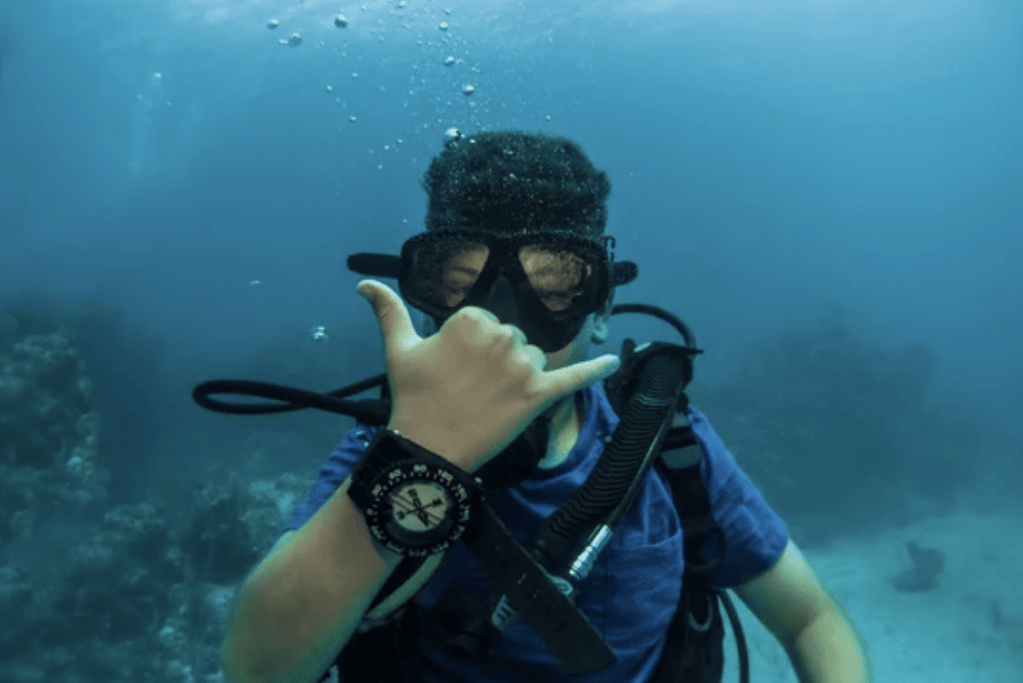
A scuba diver underwater in clear blue water makes a shaka hand sign, wearing a diving mask, snorkel, and a wrist compass, with bubbles rising above and coral visible in the background.


Navigate Underwater with Confidence and Precision

Contact N9BO℠ to begin underwater navigation training and develop the awareness, compass skills, and environmental understanding required to move safely and confidently beneath the surface.


From the N9BO℠ Knowledge Base


Share this

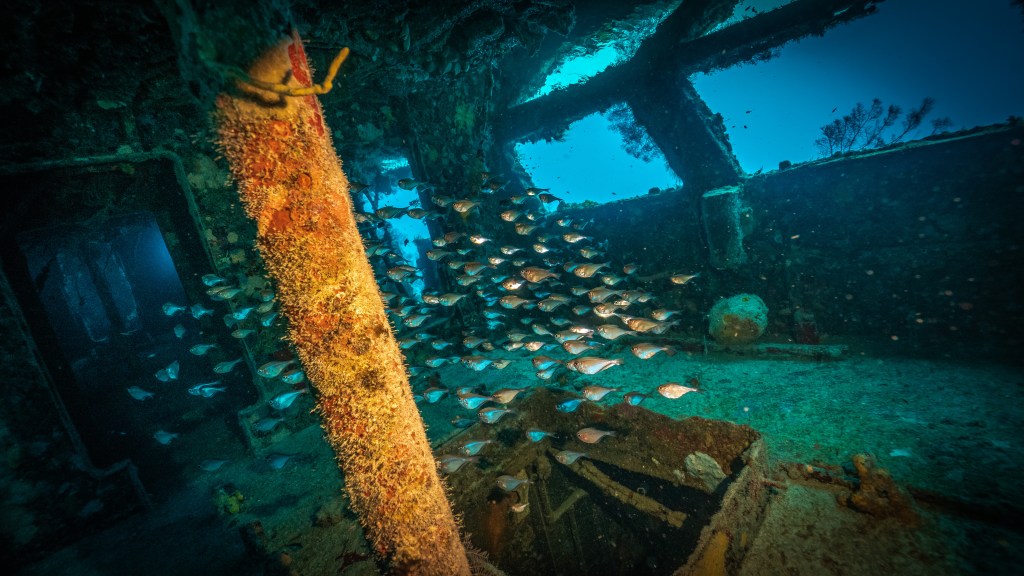
Wreck Diving: Exploring History Beneath the Surface

What Is Wreck Diving?

Wreck diving involves exploring submerged structures that have been intentionally sunk, accidentally lost, or naturally submerged over time. These may include:

  • Ships and cargo vessels
  • Aircraft
  • Military wrecks
  • Artificial reefs
  • Vehicles and industrial structures

Most wreck dives remain outside the structure itself or within areas where natural light and direct access to the surface are maintained. More advanced penetration diving requires additional specialised training and procedures.

The objective is controlled exploration of submerged structures while maintaining environmental awareness and operational discipline.

At N9BO℠, we describe wreck diving as the intersection of exploration, history, and underwater awareness.


Why Wrecks Fascinate Divers

Wrecks create a unique underwater experience because they combine natural and human history within the same environment.

Every wreck carries a story. Some represent maritime trade routes, naval operations, engineering history, or local cultural heritage. Others have evolved into thriving artificial reefs supporting extensive marine ecosystems.

Divers are often drawn to wrecks because they offer:

  • Large-scale underwater structure
  • Historical significance
  • Increased marine life activity
  • Navigation and exploration opportunities

Swimming alongside a ship resting silently underwater creates a very different atmosphere from reef diving alone. The structure itself becomes part of the experience.

At N9BO℠, we encourage divers to approach wrecks with curiosity, awareness, and respect.


Artificial Reefs and Marine Ecosystems

Over time, wrecks frequently transform into highly productive marine habitats.

The structure provides:

  • Shelter for fish and invertebrates
  • Surfaces for coral and sponge growth
  • Feeding and breeding areas
  • Protection from current and predators

As marine life colonises the wreck, the site often becomes a concentrated ecosystem supporting a wide range of species.

Many intentionally sunk wrecks are specifically designed to function as artificial reefs while simultaneously creating new diving environments.

The diver therefore experiences not only the wreck itself, but also the marine ecosystem that develops around it.

At N9BO℠, we teach that wreck diving is as much about observing marine adaptation as exploring underwater structure.

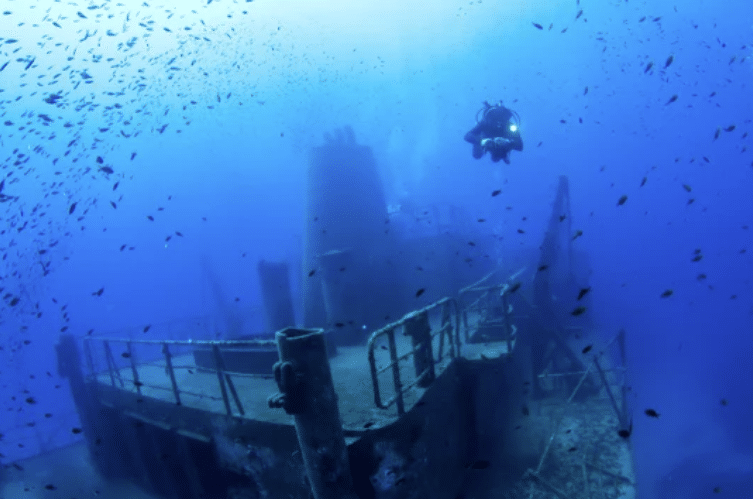
A scuba diver swims above the sandy floor of a sunken shipwreck under clear blue water, with bubbles rising and a large underwater structure visible in the background.

Buoyancy, Trim, and Precision Control

Wreck environments demand significantly greater buoyancy control than many open-water dives.

Sharp edges, confined spaces, overhead sections, and fragile marine growth mean that uncontrolled movement can:

  • Damage the wreck or surrounding ecosystem
  • Disturb sediment and reduce visibility
  • Increase entanglement or injury risk

Divers must therefore maintain:

  • Stable neutral buoyancy
  • Controlled trim and body positioning
  • Precise propulsion techniques
  • Strong spatial awareness

Unlike open sandy environments, wrecks often leave little margin for careless movement.

At N9BO℠, we treat buoyancy and movement control as primary safety systems during wreck exploration.


Navigation and Situational Awareness

Wrecks can become surprisingly disorientating underwater, particularly on larger structures where multiple decks, openings, and pathways begin to look similar.

Divers must maintain awareness of:

  • Orientation relative to the surface
  • Exit routes and ascent areas
  • Team positioning
  • Current direction and movement

Large structures can also distort perception because depth, visibility, and scale appear differently underwater.

The diver therefore learns to continuously monitor surroundings rather than becoming fixated on individual features or artefacts.

At N9BO℠, we emphasise that good wreck navigation depends on overall environmental awareness rather than memorising the structure.


Environmental Conditions Around Wrecks

Wrecks interact with the surrounding water environment in ways that can significantly affect diving conditions.

Structures may:

  • Alter current flow
  • Create turbulence or sheltered areas
  • Trap sediment
  • Block natural light

This changes visibility, navigation, and overall dive planning.

Divers quickly learn that visibility can deteriorate rapidly if sediment is disturbed, especially around enclosed areas or lower decks.

Lighting also changes considerably around large structures. Even shallow wrecks may contain dark or shadowed sections that require additional awareness.

At N9BO℠, we teach divers to understand how structure and environment interact underwater.


Hazards and Operational Awareness

Although wreck diving can be highly rewarding, submerged structures still introduce hazards that require discipline and awareness.

Common considerations include:

  • Corroded metal and sharp edges
  • Fishing line and entanglement hazards
  • Unstable structures
  • Reduced visibility
  • Depth and current exposure

Divers must also resist the temptation to enter confined or overhead areas beyond their training level.

Many wreck-related incidents occur because divers become overly focused on exploration while losing awareness of gas supply, depth, navigation, or environmental conditions.

At N9BO℠, we reinforce that patience and control are more important than aggressive exploration.

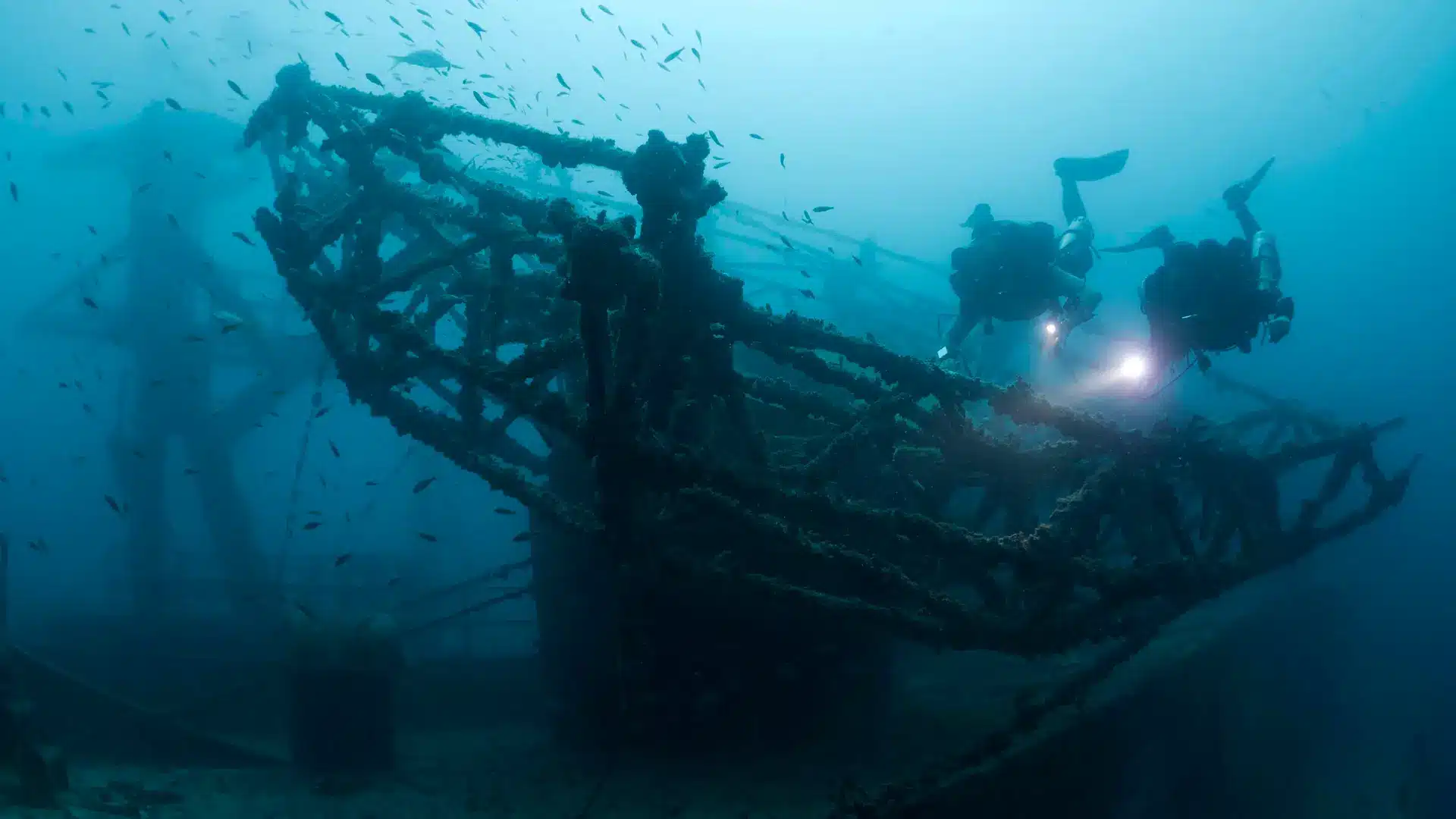
Three scuba divers explore a large, rusted shipwreck underwater, surrounded by small fish and illuminated by the divers’ torches in the blue ocean depths.

Historical and Cultural Responsibility

Many wrecks are historically significant sites and, in some cases, war graves or protected heritage areas.

Responsible wreck diving includes:

  • Avoiding unnecessary contact
  • Respecting local laws and protected zones
  • Leaving artefacts in place
  • Preserving the integrity of the site

The objective is observation and appreciation rather than disturbance or collection.

Divers become temporary visitors within environments that often hold historical, cultural, or memorial significance.

At N9BO℠, we encourage divers to act as custodians of underwater history rather than consumers of it.


The Psychological Appeal of Wreck Diving

Wreck diving creates a unique psychological atmosphere that many divers find deeply compelling.

The combination of:

  • Structure and scale
  • Silence and shadow
  • Historical context
  • Marine life colonisation
  • Exploration and discovery

creates an experience unlike almost any other underwater environment.

For many divers, wrecks stimulate curiosity and imagination in ways that natural reefs alone may not.

This sense of exploration is one of the reasons wreck diving remains one of the most popular areas of diver development worldwide.

At N9BO℠, we believe wreck diving connects adventure, education, and environmental awareness in a uniquely powerful way.


Operational Mindset

Wreck diving reinforces an important operational principle: complex environments require disciplined diving behaviour.

The structure itself introduces:

  • Increased task loading
  • Navigation complexity
  • Environmental hazards
  • Psychological distraction

Divers must therefore maintain:

  • Calm situational awareness
  • Controlled buoyancy
  • Conservative decision-making
  • Respect for both the environment and the structure

Strong wreck divers are not defined by how deeply they penetrate or how aggressively they explore. They are defined by precision, awareness, and operational discipline.

At N9BO℠, we approach wreck diving as structured exploration supported by planning, control, and environmental respect.

The wreck may belong to the past, but safe exploration depends entirely on present awareness.

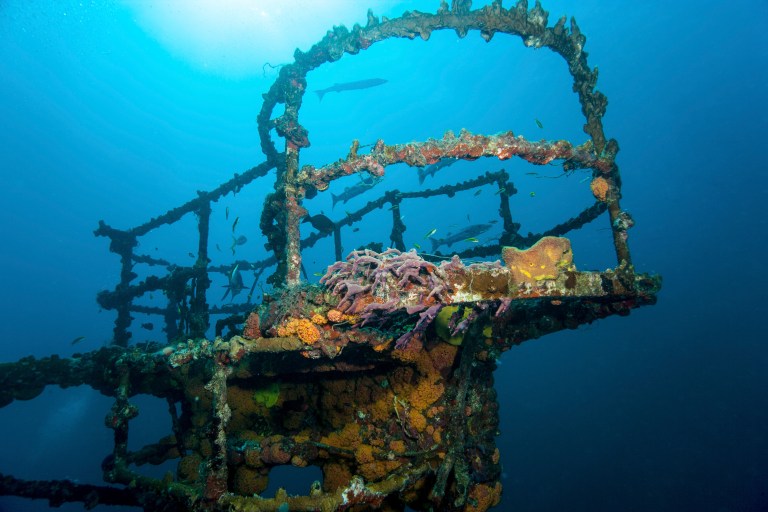
A school of small fish swims inside a sunken shipwreck underwater, surrounded by rusty metal beams and blue light filtering through broken windows.


Explore Underwater History Safely and Responsibly

Contact N9BO℠ to begin wreck diving training and develop the buoyancy, awareness, and environmental discipline required to explore submerged structures safely and confidently.


From the N9BO℠ Knowledge Base


Share this

Drift Diving: Moving with the Ocean Instead of Against It

What Is Drift Diving?

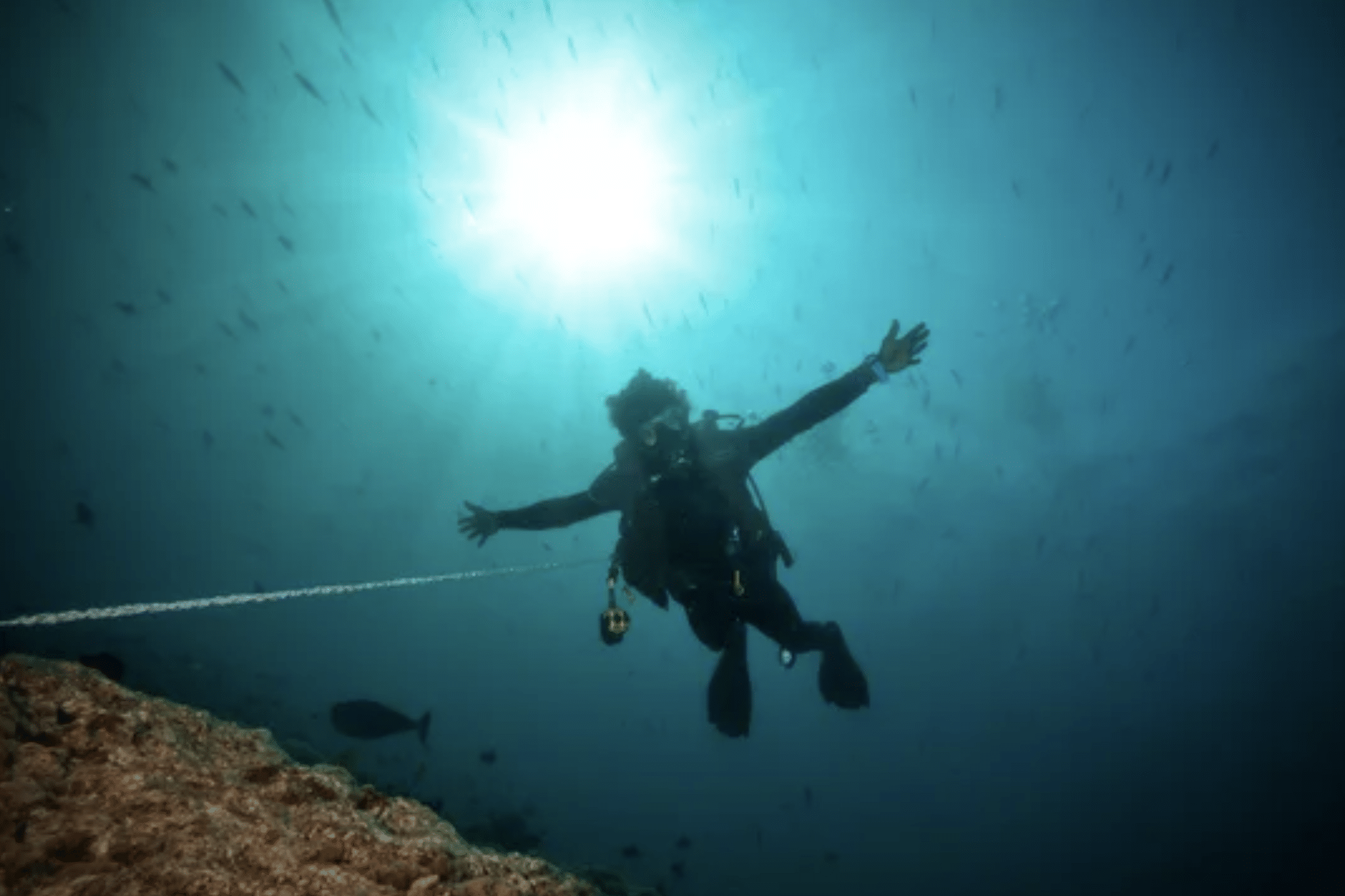
In most recreational dives, divers move through the water primarily using finning and propulsion techniques. During a drift dive, the current itself becomes part of the dive plan.

Instead of resisting water movement, divers move with the current while maintaining buoyancy, spacing, and situational awareness. The current effectively transports the dive team along the planned route.

This creates a very different underwater experience. The environment appears to flow past the diver naturally, often creating the sensation of effortless flight underwater.

Drift diving may occur in:

  • Coastal reef systems
  • Channels and passes
  • Wall dives
  • Offshore pinnacles
  • Oceanic current zones

At N9BO℠, we describe drift diving as learning to work with the environment rather than against it.


Why Divers Enjoy Drift Diving

One of the main attractions of drift diving is efficiency and immersion.

Because the current assists movement:

  • Physical exertion decreases
  • Gas consumption may improve
  • Larger areas can be explored during a single dive

Divers often experience:

  • Fast-moving pelagic encounters
  • Large reef systems
  • Dynamic marine ecosystems influenced by current flow

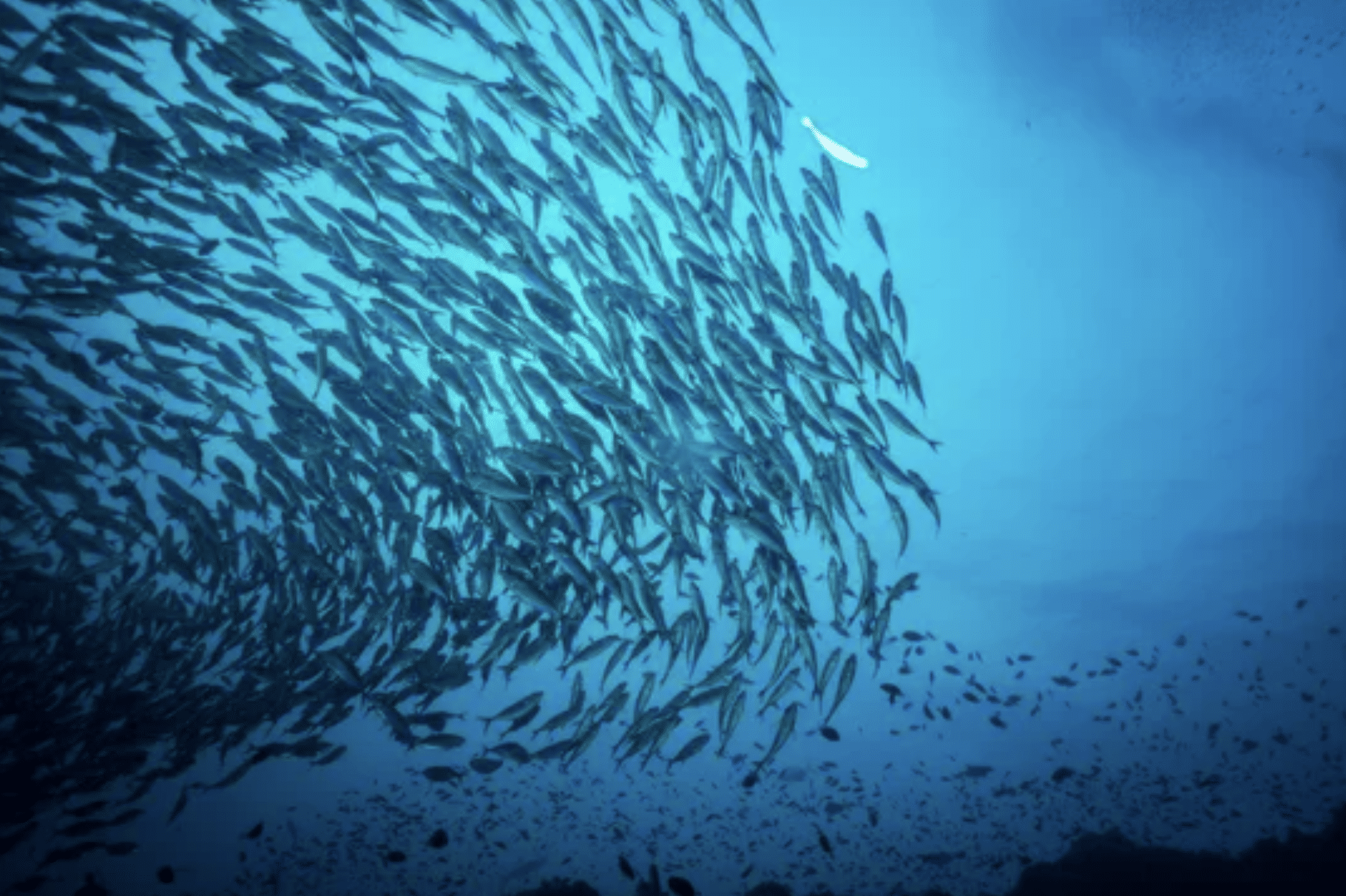
Many marine species actively use currents for feeding and migration, making drift dives particularly rich in marine life activity.

The sensation itself is also unique. Moving naturally with the ocean creates a highly relaxed and immersive experience when conducted correctly.

At N9BO℠, we believe drift diving gives divers a deeper appreciation for how water movement shapes the underwater world.


Understanding Current and Water Movement

Successful drift diving depends on understanding current behaviour.

Currents may vary in:

  • Speed
  • Direction
  • Depth influence
  • Tidal relationship
  • Surface versus subsurface movement

Some drift dives involve slow and gentle current, while others may involve strong water movement requiring significantly greater control and awareness.

Divers must learn how:

  • Terrain affects current flow
  • Obstacles create turbulence or shelter
  • Tidal cycles influence conditions
  • Surface conditions may differ from underwater conditions

The objective is not simply to “go with the flow”, but to understand and manage the environment intelligently.

At N9BO℠, we teach current awareness as a core environmental skill rather than a speciality trick.

A scuba diver underwater stretches their arms wide, attached to a safety line near a rocky seabed, with sunlight streaming down from the surface above.

Buoyancy and Body Positioning

Drift diving places major emphasis on buoyancy and trim control.

Poor buoyancy in current can quickly lead to:

  • Rapid depth changes
  • Increased gas consumption
  • Loss of team positioning
  • Contact with reef or marine life

Divers must remain stable and streamlined while allowing the current to move them naturally.

The less drag the diver creates, the easier the dive becomes.

Body positioning also affects speed and stability. Small adjustments in trim and profile can dramatically change how the diver interacts with the current.

At N9BO℠, we emphasise that buoyancy control becomes even more important once the environment starts moving around you.


Team Awareness and Communication

Drift dives require strong team coordination because current can separate divers quickly if awareness declines.

Divers must maintain:

  • Proper spacing
  • Visual contact
  • Clear communication
  • Consistent depth profiles

The team must also understand:

  • Entry procedures
  • Drift direction
  • Exit strategy
  • Emergency protocols

Unlike stationary dives, stopping during a drift dive is not always practical or desirable. This means planning and communication become especially important before entering the water.

At N9BO℠, we reinforce that strong dive teams communicate before problems occur.


Boat Support and Surface Procedures

Many drift dives rely heavily on boat support.

Typically, the dive boat follows the divers throughout the dive while monitoring bubbles or delayed surface marker buoys (DSMBs). At the end of the dive, divers surface and are recovered downstream.

This requires:

  • Accurate timing
  • Good diver tracking
  • Effective surface procedures
  • Clear coordination between crew and divers

In stronger current environments, surface signalling devices such as DSMBs become essential safety equipment.

Divers must also understand:

  • Controlled descents in current
  • Negative entries where required
  • Safe surface behaviour during pickup

At N9BO℠, we treat drift diving as a coordinated operation between divers and surface support teams.

A large shoal of fish swims together in clear blue ocean water, creating swirling patterns. Sunlight filters down from above, illuminating the scene.

Environmental Awareness During Drift Dives

Current dramatically influences marine ecosystems.

Drift dives often expose divers to:

  • Schools of pelagic fish
  • Feeding stations
  • Cleaner stations
  • Soft coral systems thriving in moving water

Understanding how marine life interacts with current improves both environmental awareness and wildlife encounters.

Divers also learn how to position themselves without disturbing the reef or creating unnecessary contact while moving with the water flow.

The current itself becomes part of the underwater ecosystem rather than merely a condition to manage.

At N9BO℠, we encourage divers to observe how water movement shapes underwater life and behaviour.


Managing Stress and Staying Relaxed

One of the biggest challenges for new drift divers is psychological rather than technical.

Many divers initially feel uncomfortable surrendering control to moving water. The instinct to fight the current often leads to:

  • Overexertion
  • Increased breathing rate
  • Poor buoyancy control
  • Elevated stress levels

The course teaches divers to relax, remain streamlined, and work with the environment instead of resisting it.

Once this mental adjustment occurs, drift diving often becomes one of the most effortless and enjoyable forms of diving.

At N9BO℠, we teach that calmness and adaptation are more effective than force underwater.


Safety and Operational Planning

Although drift diving can feel effortless, it still requires careful operational planning.

Factors that must be considered include:

  • Current strength and direction
  • Tidal timing
  • Diver experience level
  • Entry and exit points
  • Surface conditions
  • Emergency procedures

Strong current environments can rapidly become hazardous if planning is poor or environmental conditions deteriorate.

The objective is controlled movement, not uncontrolled drift.

At N9BO℠, we emphasise conservative planning and environmental respect during all current-based diving operations.


Operational Mindset

Drift diving reinforces a fundamental principle of diving: efficient divers adapt to the environment rather than trying to overpower it.

The current is neither an obstacle nor an enemy. It is part of the operational environment and must be understood, anticipated, and used intelligently.

Strong drift divers are defined by:

  • Calmness
  • Situational awareness
  • Buoyancy control
  • Team coordination
  • Environmental understanding

At N9BO℠, we approach drift diving as controlled environmental interaction supported by planning and awareness.

The ocean is always moving. Drift diving teaches divers how to move with it safely and efficiently.

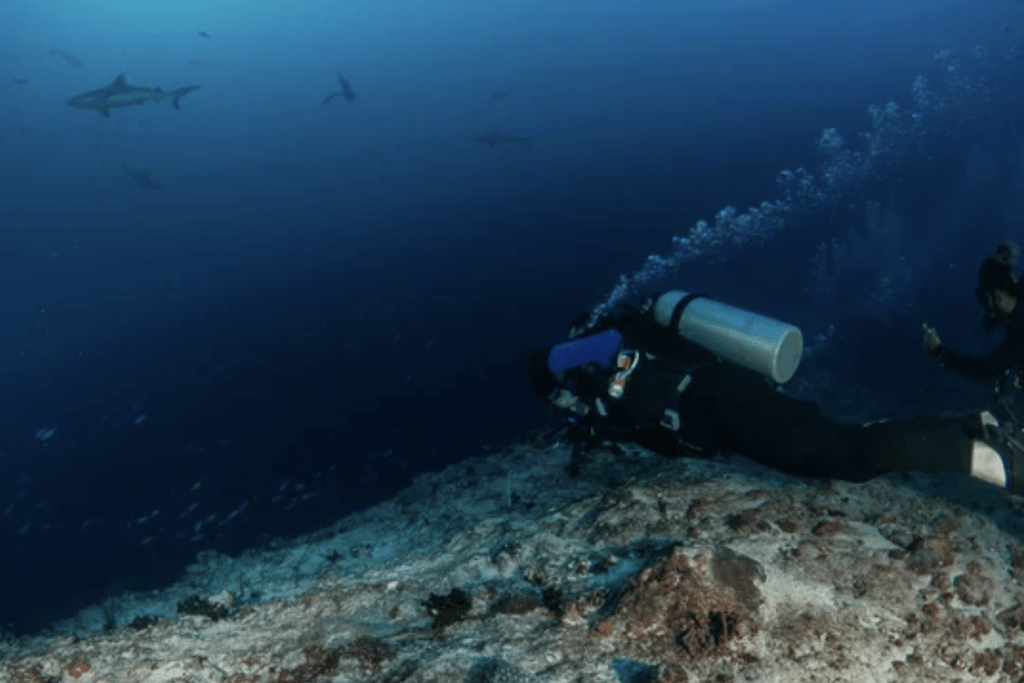
Two scuba divers swim near a rocky seabed while several sharks swim in the distance, surrounded by deep blue water and rising bubbles.


Move with the Ocean, Not Against It

Contact N9BO℠ to begin drift diving training and develop the awareness, buoyancy control, and environmental understanding required for safe and enjoyable current diving.


From the N9BO℠ Knowledge Base


Share this

What Is a DPV? Understanding Diver Propulsion Vehicles

Understanding the Purpose of a DPV

A Diver Propulsion Vehicle is essentially an underwater transport system. Instead of relying entirely on finning and physical effort, the diver uses motorised propulsion to move efficiently through the water.

The DPV pulls the diver forward while the diver maintains steering, buoyancy, and situational awareness.

This allows divers to:

  • Travel longer distances
  • Conserve energy and gas
  • Reduce workload during extended dives
  • Maintain greater efficiency in current or large environments

Although DPVs are often associated with technical diving, they are also widely used in recreational, scientific, military, public safety, and cave diving operations.

At N9BO℠, we describe DPVs as force multipliers for underwater mobility.


How a DPV Works

A DPV uses an electric motor powered by rechargeable batteries to drive a propeller system. The diver holds onto the unit while the motor provides forward propulsion through the water.

Most DPVs include:

  • A propulsion motor
  • Battery compartment
  • Speed controls or trigger systems
  • Buoyancy adjustments
  • Steering handles and tow points

The diver normally rides behind the DPV in a streamlined position while controlling direction and speed.

Unlike surface vehicles, DPVs are designed for neutral or slightly negative buoyancy and are engineered to operate efficiently underwater.

At N9BO℠, we emphasise that DPV control depends on trim and body positioning rather than brute force.


Why Divers Use DPVs

The primary advantage of a DPV is efficiency.

Swimming underwater consumes significant energy and increases gas consumption. Over long distances, this can limit exploration range and increase diver fatigue.

DPVs allow divers to:

  • Extend exploration distance
  • Reach remote sections of caves or wrecks
  • Reduce physical workload
  • Preserve gas reserves for mission objectives

In technical diving, this capability becomes especially valuable because large cave systems or deep wreck penetrations may involve extremely long transit distances.

For recreational divers, DPVs can also increase enjoyment by allowing effortless movement over reefs and larger dive sites.

At N9BO℠, we teach that DPVs improve operational capability when used with proper discipline and planning.


DPVs in Technical Diving

DPVs are heavily associated with technical diving because they dramatically expand operational range.

Technical divers commonly use DPVs during:

  • Cave exploration
  • Deep wreck penetration
  • Long decompression dives
  • Survey and exploration projects

Without propulsion assistance, many technical dive objectives would become physically impractical or excessively demanding.

However, DPVs also increase task loading significantly. The diver must manage:

  • Navigation
  • Buoyancy
  • Speed control
  • Team positioning
  • Gas management
  • Equipment awareness

The DPV therefore becomes another life-support-related system that must be monitored and controlled continuously.

At N9BO℠, we reinforce that DPVs expand capability but also increase operational complexity.

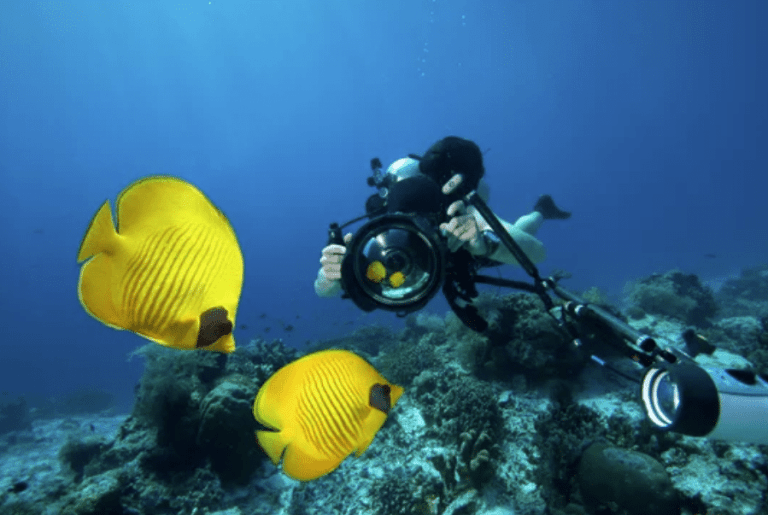
Scuba diver in wetsuit wearing mask and fins swimming underwater, holding a large underwater camera housing with a light attached.

Buoyancy and Trim Become Critical

One of the first lessons divers discover when using DPVs is that buoyancy and trim become even more important.

Poor body positioning creates:

  • Increased drag
  • Reduced battery efficiency
  • Instability during propulsion
  • Difficulty maintaining control

The diver must remain streamlined and stable while moving at higher speeds than normal swimming.

DPVs also amplify poor diving habits. Small buoyancy problems become more noticeable when travelling quickly underwater.

For this reason, strong foundational diving skills are essential before progressing into DPV use.

At N9BO℠, we teach that good DPV divers are usually already highly controlled divers.


Speed Changes Underwater Awareness

DPVs allow divers to move much faster than normal finning speeds, which changes how the underwater environment is perceived and managed.

Higher speed reduces:

  • Reaction time
  • Margin for navigation errors
  • Ability to stop quickly

The diver must therefore maintain greater situational awareness and plan movements more carefully.

This is especially important in:

  • Caverns and caves
  • Wreck penetration
  • Low visibility environments
  • Areas with entanglement hazards

DPVs should never encourage rushed or aggressive diving behaviour.

At N9BO℠, we emphasise that speed underwater must always remain controlled and deliberate.


Battery Management and Redundancy

Because DPVs rely entirely on battery power, energy management becomes an important operational consideration.

Divers must monitor:

  • Battery runtime
  • Speed settings
  • Distance travelled
  • Return requirements

Technical DPV operations are generally planned conservatively to ensure sufficient power remains for the exit phase of the dive.

Many advanced operations also incorporate redundancy planning in case of:

  • Battery failure
  • Propeller entanglement
  • Flooded motor systems
  • Trigger or control malfunction

The DPV is therefore treated as mission-critical equipment rather than a simple recreational accessory.

At N9BO℠, we emphasise that propulsion planning is part of overall dive planning.

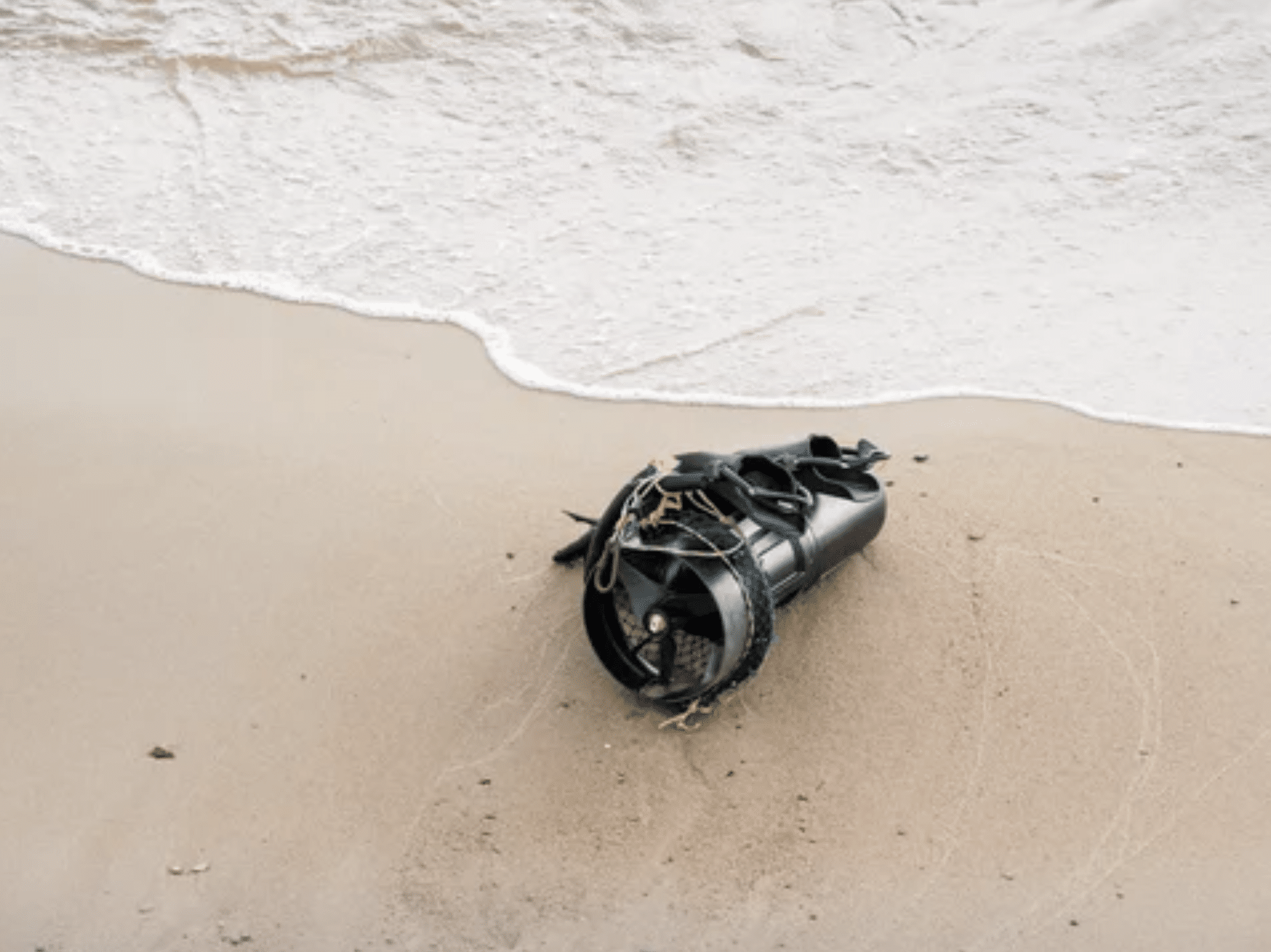
A small underwater scooter tangled with green rope lies on wet sand near the shore, with gentle waves approaching from the top of the image.

Environmental Awareness and Responsible Use

DPVs can easily damage fragile underwater environments if used carelessly.

Poor control may:

  • Disturb sediment
  • Damage coral or cave formations
  • Stress marine life
  • Reduce visibility for the team

Responsible DPV use therefore requires:

  • Stable buoyancy
  • Controlled speed
  • Good spatial awareness
  • Respect for environmental limitations

Many of the same principles found in technical diving apply directly to DPV operation: slow is smooth, and smooth is efficient.

At N9BO℠, we reinforce that environmental protection remains more important than speed or range.


DPVs for Recreational Divers

Although DPVs are often associated with technical diving, recreational DPV diving has become increasingly popular.

Recreational divers use DPVs for:

  • Reef exploration
  • Drift assistance
  • Extended sightseeing dives
  • Photography and videography support

Modern recreational DPVs are generally smaller, simpler, and easier to operate than technical exploration scooters.

However, proper training is still important because propulsion changes buoyancy control, navigation, and overall dive dynamics.

At N9BO℠, we encourage divers to approach DPV use with the same discipline applied to all specialised diving equipment.


Operational Mindset

DPVs reinforce an important operational principle: increased capability always requires increased discipline.

The vehicle allows the diver to travel farther, move faster, and reduce workload, but it also increases task loading, environmental impact potential, and operational complexity.

Strong DPV divers are defined not by speed or distance, but by:

  • Control
  • Efficiency
  • Awareness
  • Conservative planning
  • Environmental discipline

At N9BO℠, we approach DPV diving as controlled underwater mobility rather than underwater “speed”.

The vehicle does not replace diving skill. It amplifies it—for better or worse.

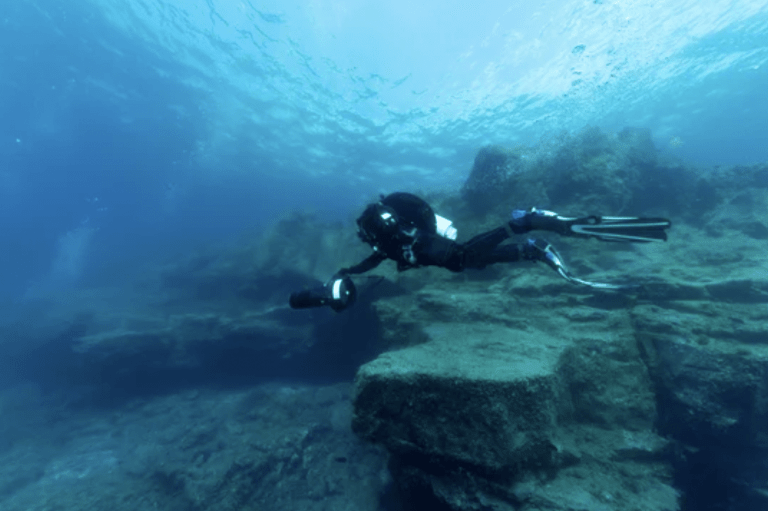
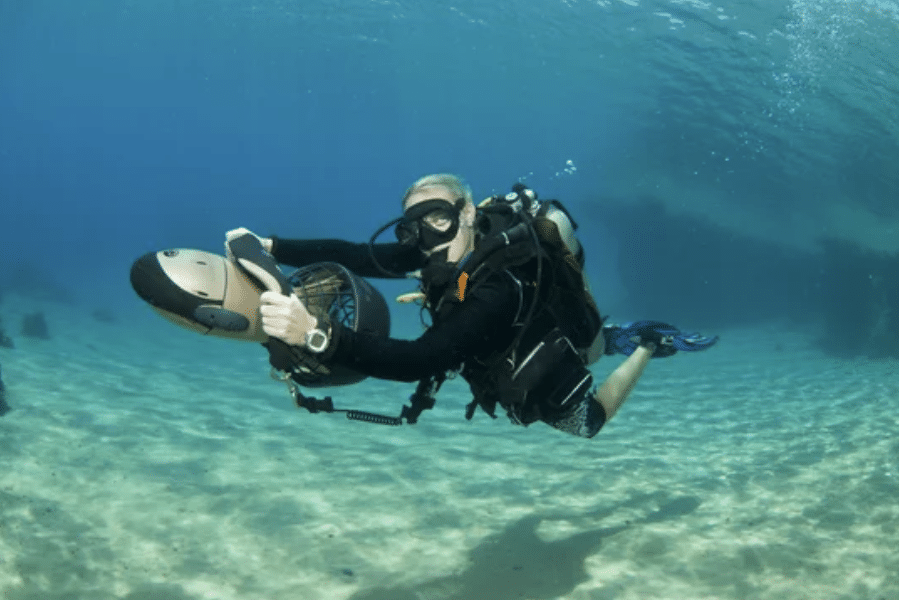
A scuba diver in full kit holds onto an underwater scooter while exploring a coral reef, surrounded by deep blue water.


Expand Your Underwater Range with Control and Efficiency

Contact N9BO℠ to begin DPV training and develop the buoyancy, awareness, and operational discipline required for safe and efficient underwater propulsion.


From the N9BO℠ Knowledge Base


Share this

What Is Nitrox? Understanding Enriched Air Diving

Understanding Normal Air First

To understand nitrox, divers first need to understand what standard compressed air contains.

Normal atmospheric air is approximately:

  • 21% oxygen
  • 78% nitrogen
  • 1% trace gases

When divers breathe compressed air underwater, the body absorbs nitrogen because increasing pressure forces inert gas into body tissues.

During ascent, this nitrogen must be released slowly through respiration. If ascent occurs too quickly or nitrogen loading becomes excessive, decompression illness may occur.

Standard recreational diving therefore involves continuous management of nitrogen exposure.

At N9BO℠, we teach nitrox by first understanding the role nitrogen plays in diving physiology.


So What Changes with Nitrox?

Nitrox simply contains more oxygen and less nitrogen than normal air.

For example:

  • EAN32 contains 32% oxygen and 68% nitrogen
  • EAN36 contains 36% oxygen and 64% nitrogen

By reducing the amount of nitrogen in the breathing gas, the diver absorbs less nitrogen during the dive.

This changes decompression exposure significantly.

The diver is still breathing compressed gas underwater, but the physiological nitrogen load becomes lower compared to diving the same profile on air.

At N9BO℠, we describe nitrox as a gas management tool rather than “special air”.


The Main Benefit: Reduced Nitrogen Exposure

The biggest advantage of nitrox is reduced nitrogen absorption.

Because the diver absorbs less nitrogen:

  • No-decompression limits become longer
  • Surface intervals may become more efficient
  • Repetitive dives generally create less nitrogen loading

This is especially valuable during:

  • Multiple dives per day
  • Liveaboard operations
  • Dive travel schedules
  • Training programmes involving repetitive dives

For many recreational divers, nitrox provides additional conservatism rather than simply longer dive time.

Divers often report feeling less fatigued after repetitive diving, although this remains partly subjective and varies between individuals.

At N9BO℠, we emphasise nitrox as a safety and efficiency tool rather than a way to aggressively extend dives.

A hand holds a digital dive computer showing 32.0 next to scuba diving equipment, with water visible in the background.

Nitrox Does Not Mean “Unlimited Diving”

One of the most common misconceptions is that nitrox removes decompression limits entirely.

It does not.

Although nitrogen exposure decreases, oxygen exposure increases. Oxygen becomes the new limiting factor.

As depth increases, oxygen partial pressure rises. Excessive oxygen exposure can lead to central nervous system (CNS) oxygen toxicity, which may cause convulsions underwater.

For this reason, nitrox mixtures have maximum operating depths (MODs) that must never be exceeded.

For example:

  • EAN32 typically has a recreational MOD of approximately 33 metres
  • EAN36 has a shallower MOD of approximately 28 metres

The higher the oxygen percentage, the shallower the safe operating depth becomes.

At N9BO℠, we teach that nitrox changes dive limitations—it does not remove them.


The Relationship Between Depth and Oxygen

The key principle in nitrox diving is oxygen partial pressure.

As a diver descends, ambient pressure increases. This means the oxygen being breathed becomes progressively more concentrated physiologically, even though the gas mixture itself remains unchanged.

This is why oxygen exposure must be monitored carefully during nitrox diving.

Divers therefore learn to calculate:

  • Maximum Operating Depth (MOD)
  • Oxygen exposure limits
  • Oxygen partial pressure (PO₂)

Understanding these calculations is fundamental to safe nitrox use.

At N9BO℠, we emphasise that nitrox diving is based on pressure management and gas awareness.


Nitrox and Dive Computers

Modern dive computers make nitrox diving far easier than in the past.

The diver enters:

  • Oxygen percentage
  • Maximum PO₂ limit

The computer then adjusts decompression calculations automatically.

However, divers must still understand the underlying theory rather than relying blindly on electronics.

A computer can process numbers, but the diver remains responsible for:

  • Gas verification
  • Correct settings
  • Depth awareness
  • Exposure management

At N9BO℠, we teach divers to understand the gas first and trust technology second.

Two scuba divers in wetsuits swim underwater in dark, clear water, with bubbles rising above them. Both wear large oxygen cylinders, and one diver points upwards while the other looks on.

Gas Analysis and Cylinder Identification

One of the defining procedures in nitrox diving is analysing the breathing gas before the dive.

Divers must personally verify:

  • Oxygen percentage
  • Maximum operating depth
  • Correct cylinder labelling

This is critical because incorrect gas assumptions can create serious safety risks.

Nitrox cylinders are therefore marked clearly, and divers learn how to:

  • Use oxygen analysers
  • Record gas percentages
  • Confirm MOD calculations

This process introduces divers to a more disciplined and technical approach to gas management.

At N9BO℠, we reinforce that divers are responsible for verifying the gas they breathe.


Who Uses Nitrox?

Nitrox is now widely used across both recreational and technical diving.

It is especially popular among:

  • Frequent recreational divers
  • Liveaboard divers
  • Dive professionals
  • Technical divers using decompression gases

For recreational diving, nitrox is often used conservatively to reduce nitrogen exposure during repetitive dives.

In technical diving, enriched oxygen mixtures may also be used strategically during decompression.

The gas itself is therefore extremely versatile, but the planning and procedures become more advanced as diving complexity increases.

At N9BO℠, we position nitrox as one of the most useful and practical advancements in modern diving.


Why Nitrox Changes Diver Mindset

Learning nitrox often changes how divers think about breathing gas and dive planning.

Many recreational divers initially view air as a fixed and unquestioned part of diving. Nitrox introduces the concept that breathing gas can be selected and planned based on operational requirements.

This creates greater awareness of:

  • Gas composition
  • Physiological exposure
  • Dive planning discipline
  • Operational limits

For many divers, nitrox becomes the first step toward more technical and analytical diving approaches.

At N9BO℠, we view nitrox training as both practical gas education and mindset development.


Operational Mindset

Nitrox reinforces a fundamental principle of diving: gas selection affects physiology, safety, and operational capability.

By reducing nitrogen exposure, nitrox can increase conservatism and improve efficiency during repetitive diving. However, the increased oxygen percentage introduces new considerations that require proper training and disciplined procedures.

The strongest nitrox divers are not the ones pushing limits. They are the divers who understand:

  • Gas composition
  • Oxygen exposure
  • Depth limitations
  • Conservative planning

At N9BO℠, we approach nitrox as controlled gas management rather than enhanced recreational performance.

The gas itself is simple. Understanding how to use it responsibly is what matters.

Three scuba diving cylinders stand upright on a wooden jetty by clear blue sea water under a bright sky. One cylinder has a green and yellow NITROX label.


Dive Smarter with Enriched Air Nitrox

Contact N9BO℠ to begin your nitrox training and learn how enriched air can improve dive planning, efficiency, and safety through disciplined gas management.


From the N9BO℠ Knowledge Base


Share this

Altitude Diving: Understanding How Elevation Changes Diving Operations

What Is Altitude Diving?

Altitude diving refers to any diving activity conducted at elevations significantly above sea level. Although definitions vary between agencies, altitude diving generally begins at approximately 300 metres / 1,000 feet above sea level.

As elevation increases, atmospheric pressure decreases. This changes the pressure relationship between the diver and the surrounding environment, directly affecting decompression calculations and gas absorption.

Many divers incorrectly assume that depth alone determines decompression stress. In reality, ambient pressure is the critical factor.

At N9BO℠, we emphasise that altitude changes the entire pressure environment in which the diver operates.


How Altitude Affects Pressure

At sea level, the atmosphere exerts greater pressure on the body than it does at elevation. As altitude increases, atmospheric pressure decreases progressively.

This means:

  • Divers begin the dive with lower ambient pressure
  • Nitrogen loading and elimination behave differently
  • Equivalent decompression stress increases at shallower depths

A dive conducted at altitude therefore creates a different decompression profile compared to the same dive at sea level.

For example, a 20-metre dive in a mountain lake may impose decompression stress closer to a deeper sea-level dive because the diver is surfacing into a lower-pressure environment.

At N9BO℠, we teach altitude diving as pressure management rather than simply mountain diving.


Decompression Considerations

Decompression planning becomes significantly more important during altitude diving.

Because atmospheric pressure is reduced, nitrogen elimination becomes less efficient after surfacing. This increases decompression stress and can elevate the risk of decompression illness if standard sea-level procedures are used incorrectly.

Altitude diving therefore requires:

  • Altitude-adjusted dive tables or computers
  • Modified ascent planning
  • Conservative dive profiles
  • Careful repetitive dive management

Many modern dive computers include altitude modes that automatically adjust calculations based on elevation.

However, divers must still understand the underlying theory rather than relying blindly on technology.

At N9BO℠, we emphasise that understanding decompression principles improves decision-making when conditions change.


Buoyancy and Equipment Considerations

Reduced atmospheric pressure also affects buoyancy characteristics and equipment behaviour.

At altitude:

  • Exposure suit buoyancy may feel different
  • Surface buoyancy characteristics change slightly
  • Cylinder pressure readings can be affected during transport between elevations

Divers often notice subtle changes in weighting requirements compared to sea-level diving.

Cold water is also common in many altitude environments, increasing the importance of thermal protection and exposure management.

Proper equipment preparation and buoyancy checks therefore become especially important.

At N9BO℠, we reinforce that environmental adaptation starts before entering the water.

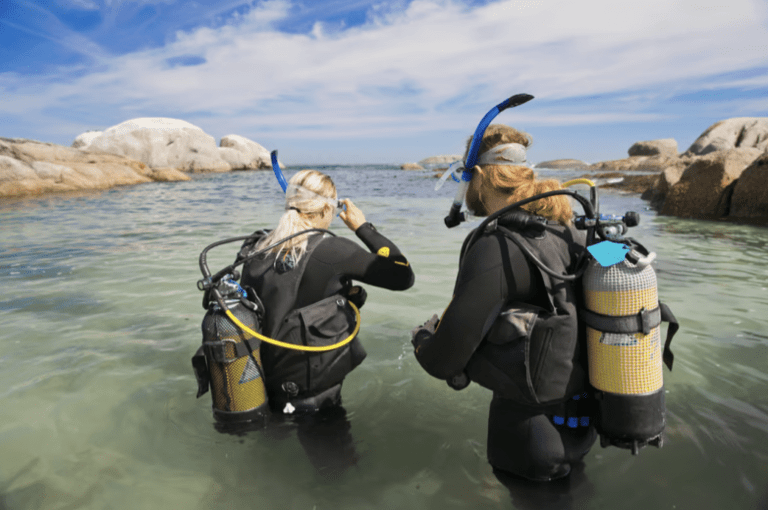
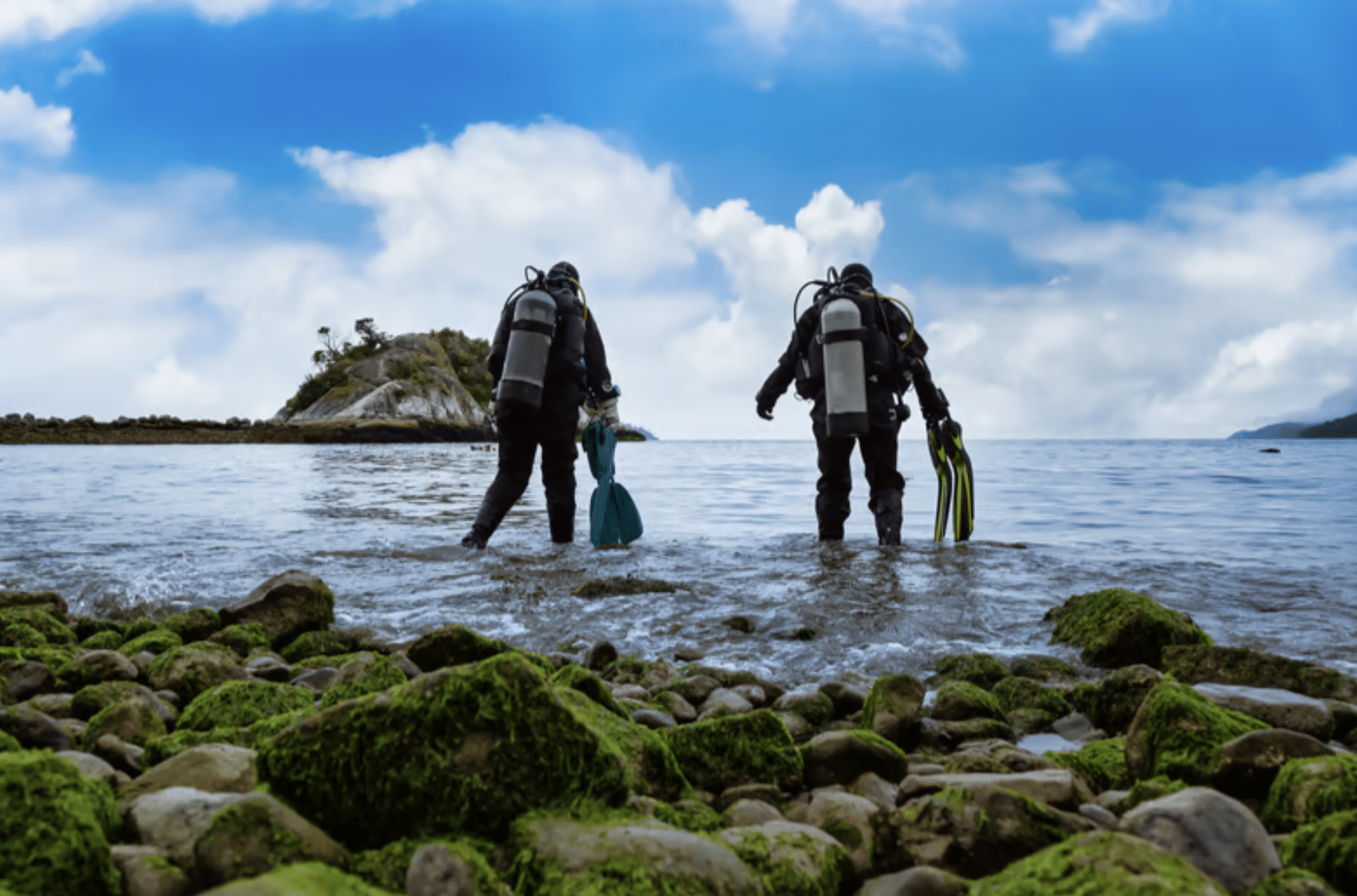
Two scuba divers in wetsuits and cylinders walk from a rocky, moss-covered shore into the sea, carrying fins, with a small island and a partly cloudy blue sky in the background.

Physiological Effects of Altitude

Altitude itself can affect the body before diving even begins.

As elevation increases, oxygen availability decreases slightly due to reduced atmospheric pressure. This may contribute to:

  • Faster fatigue
  • Reduced physical performance
  • Mild shortness of breath during exertion
  • Increased dehydration risk

Divers travelling rapidly from sea level to altitude may also experience mild altitude-related symptoms before entering the water.

Combined with cold water and exertion, these factors can increase physiological stress during diving operations.

At N9BO℠, we emphasise hydration, rest, and conservative planning during altitude diving activities.


Environmental Conditions in Altitude Diving

Altitude diving environments are often dramatically different from tropical or coastal recreational sites.

Divers may encounter:

  • Cold water temperatures
  • Reduced visibility
  • Remote access locations
  • Rocky shore entries
  • Variable weather conditions

Mountain lakes and reservoirs can also contain thermoclines where water temperature changes rapidly with depth.

These environmental factors increase task loading and require stronger situational awareness and preparation.

At N9BO℠, we teach divers to adapt operational planning to environmental realities rather than ideal conditions.


Dive Planning and Conservative Procedures

Successful altitude diving depends heavily on conservative planning.

Key considerations include:

  • Limiting depth and bottom time
  • Monitoring repetitive dive exposure carefully
  • Extending surface intervals where appropriate
  • Maintaining slow ascent rates
  • Avoiding aggressive dive profiles

Travel after diving also becomes important. Ascending further in altitude shortly after diving increases decompression stress and may significantly increase decompression illness risk.

Divers must therefore plan both the dive and post-dive travel profile carefully.

At N9BO℠, we emphasise that altitude diving requires patience and procedural discipline.

A scuba diver swims underwater over a sandy and mossy seabed, surrounded by blue-green water and rising bubbles from their breathing apparatus.

Training and Skill Development

Although experienced recreational divers may conduct basic altitude dives safely with proper guidance, formal altitude diving training improves understanding and risk management significantly.

Training typically includes:

  • Altitude decompression theory
  • Dive computer and table adaptation
  • Environmental considerations
  • Emergency procedures and planning

The course also reinforces broader diving principles such as pressure relationships, gas behaviour, and decompression awareness.

Altitude diving therefore strengthens overall diver understanding, not only mountain diving capability.

At N9BO℠, we believe environmental specialities improve operational adaptability across all diving disciplines.


Psychological and Operational Adaptation

Divers unfamiliar with altitude environments often underestimate how different these dives can feel operationally.

Cold water, remote settings, reduced visibility, and decompression awareness combine to increase mental workload.

The diver must remain:

  • Calm
  • Conservative
  • Methodical in planning and execution

This environment rewards discipline rather than aggression or overconfidence.

At N9BO℠, we encourage divers to approach altitude diving with respect for both the environment and the physiological changes involved.


Operational Mindset

Altitude diving reinforces a fundamental principle of diving physics: pressure governs everything underwater.

Changes in atmospheric pressure affect decompression, buoyancy, physiology, and operational planning. Divers must therefore adapt procedures rather than assuming sea-level methods remain valid.

The strongest altitude divers are those who:

  • Plan conservatively
  • Understand pressure relationships
  • Adapt to environmental conditions
  • Maintain disciplined ascent and decompression control

At N9BO℠, we approach altitude diving as an exercise in environmental adaptation and pressure management.

The environment may look calm at the surface, but elevation changes the physics beneath it.

A scuba diver in red kit swims underwater among submerged tree trunks and green grass, with sunlight filtering through the clear blue water.


Explore Higher Elevations with Confidence

Contact N9BO℠ to begin altitude diving training and develop the knowledge, awareness, and planning discipline required for safe diving above sea level.


From the N9BO℠ Knowledge Base


Share this

PADI Advanced Open Water Diver: Building Experience Beyond the Basics

Purpose of the Advanced Open Water Course

The Advanced Open Water course is intended to move divers beyond basic entry-level certification and introduce them to a broader range of diving activities.

While the Open Water Diver course focuses on foundational safety and core skills, the Advanced Open Water programme emphasises experience and adaptation. Divers are exposed to new conditions, environments, and task loading under instructor supervision.

The course allows divers to:

  • Improve overall diving confidence
  • Develop greater situational awareness
  • Experience deeper and more complex dives
  • Explore specialised areas of recreational diving

Importantly, the course is not designed for “advanced experts”. It is a structured progression programme aimed at helping divers gain experience safely.

At N9BO℠, we describe Advanced Open Water as an experience-building course rather than an expert-level qualification.


Learning Through Diving

One of the defining characteristics of the course is that learning occurs primarily through diving itself.

Rather than extensive classroom sessions, divers complete a series of Adventure Dives that introduce new skills and environments directly in the water.

This practical approach helps divers develop:

  • Comfort in unfamiliar situations
  • Improved buoyancy and control
  • Better underwater awareness
  • Increased confidence through repetition

The emphasis is on exposure and adaptation rather than mastery of a single speciality.

At N9BO℠, we believe divers improve most effectively through structured real-world experience.


The Core Adventure Dives

The course includes five Adventure Dives, two of which are mandatory:

  • Deep Dive
  • Underwater Navigation Dive

The remaining dives are selected based on interest, local environment, and operational conditions.

Common elective dives include:

  • Peak Performance Buoyancy
  • Night Diving
  • Wreck Diving
  • Drift Diving
  • Fish Identification
  • Boat Diving

This flexibility allows divers to experience multiple areas of recreational diving while discovering personal interests and strengths.

At N9BO℠, we tailor dive selection to maximise both learning value and environmental suitability.

A person wearing a black wetsuit sits on a weathered white wooden surface, with their hand relaxed over the edge. They have a large black diving watch strapped over their wetsuit at the wrist.

The Deep Dive Experience

The Deep Dive introduces divers to depths beyond the Open Water training limit, typically progressing to a maximum of 30 metres / 100 feet.

This experience teaches divers how depth affects:

  • Gas consumption
  • Buoyancy control
  • Light and colour perception
  • Physiological and cognitive performance

Divers also learn the importance of increased planning and awareness at greater depth.

The objective is not simply to go deeper, but to understand how the underwater environment changes as depth increases.

At N9BO℠, we emphasise that depth introduces responsibility as much as opportunity.


Underwater Navigation and Situational Awareness

The Navigation Dive develops one of the most important diving skills: orientation underwater.

Divers learn how to:

  • Use a compass effectively
  • Navigate using natural references
  • Estimate distance underwater
  • Return accurately to exit points or boats

Good navigation improves safety, reduces stress, and increases overall confidence during dives.

It also strengthens situational awareness by teaching divers to continuously monitor their environment and position.

At N9BO℠, we treat navigation as a foundational control skill rather than a speciality task.


Building Buoyancy and Efficiency

As divers gain experience through multiple Adventure Dives, buoyancy control naturally improves.

Different environments and tasks require:

  • Better trim and body positioning
  • More precise finning techniques
  • Improved breathing control

The course encourages divers to become more relaxed and efficient underwater rather than simply task-focused.

This directly improves gas consumption, awareness, and overall diving enjoyment.

At N9BO℠, we emphasise that buoyancy is one of the strongest indicators of overall diving competence.

A scuba diver explores a sunken shipwreck underwater, surrounded by small fish and deep blue water.

Exposure to Different Diving Environments

A major value of the course is environmental exposure. Many divers complete Open Water training in controlled or relatively simple conditions.

Advanced Open Water introduces divers to:

  • Reduced visibility
  • Greater depth
  • Current and drift conditions
  • Night environments
  • Boat operations

This broader exposure develops adaptability and helps divers become more comfortable outside ideal conditions.

The course builds familiarity gradually while maintaining instructor supervision and structured progression.

At N9BO℠, we believe adaptability is developed through controlled exposure, not theory alone.


Confidence and Psychological Development

The programme also has an important psychological effect. Many divers finish their Open Water course still feeling relatively inexperienced or uncertain.

The Advanced course provides additional guided experience that helps remove hesitation and improve underwater confidence.

This confidence develops through:

  • Repetition of core skills
  • Exposure to new conditions
  • Successful completion of progressively more complex dives

As comfort increases, breathing becomes calmer, awareness improves, and divers become more capable overall.

At N9BO℠, we believe confidence should be earned through structured experience rather than assumed through certification alone.


Progression Beyond Advanced Open Water

The Advanced Open Water course also acts as a gateway to further training.

It prepares divers for:

  • Rescue Diver programmes
  • Speciality courses
  • Professional pathways such as Divemaster
  • Technical diving foundations

The additional depth and experience gained during the course provide a stronger platform for future progression.

For many divers, this is the point where recreational diving begins to evolve into a long-term activity rather than a one-time experience.

At N9BO℠, we position Advanced Open Water as the beginning of broader diving development.


Operational Mindset

The Advanced Open Water course reinforces that experience is one of the most important components of diver development.

Certification alone does not create competence. Capability develops through exposure, repetition, and controlled progression into more varied environments.

The course is designed to expand the diver’s comfort zone gradually while reinforcing safe procedures and situational awareness.

At N9BO℠, we approach Advanced Open Water as a confidence and capability-building programme that prepares divers for more independent and adaptable recreational diving.

The goal is not simply to dive deeper or try new activities. The goal is to become a more capable diver overall.

A scuba diver wearing a black wetsuit, mask, and fins uses an underwater scooter to glide above the sandy sea floor, with clear blue water and faint outlines of rocks or structures in the background.

Expand Your Diving Experience with Confidence

Contact N9BO℠ to begin your PADI Advanced Open Water Diver course and develop the experience, awareness, and confidence needed to explore more of the underwater world safely.


From the N9BO℠ Knowledge Base


Share this
Facebook
Instagram
X (Twitter)
TikTok
Youtube
Whatsapp