Diving Science, History & Theory

Diving in Thailand: Why It Remains One of the World’s Premier Diving Destinations

A Destination Built for Divers

Few countries offer the combination of warm water, excellent visibility, abundant marine life, and well-developed diving infrastructure that Thailand provides.

Whether exploring the Andaman Sea on the west coast or the Gulf of Thailand to the east, divers have access to hundreds of dive sites spread across tropical islands, offshore pinnacles, submerged reefs, and marine parks.

The country’s diving industry has evolved over several decades, producing world-class training facilities, experienced instructors, and dive operations capable of supporting every level of diver training and exploration.

At N9BO℠, we often describe Thailand as one of the best places in the world to learn, develop, and continue a lifelong diving journey.


The Andaman Sea

The Andaman Sea is widely regarded as Thailand’s premier diving region.

Famous destinations such as Phi Phi, Phuket, Khao Lak, the Similan Islands, Koh Bon, Koh Tachai, and Richelieu Rock attract divers from around the world seeking exceptional marine biodiversity and spectacular underwater landscapes.

Massive granite boulders, swim-throughs, pinnacles, soft coral gardens, and vibrant reef systems create dramatic underwater scenery unlike almost anywhere else in Southeast Asia.

Marine life commonly encountered includes:

  • Leopard sharks
  • Blacktip reef sharks
  • Turtles
  • Barracuda
  • Trevally
  • Moray eels
  • Octopus
  • Seahorses
  • Whale sharks (seasonally)
  • Manta rays (seasonally)

The diversity of life means that every dive can offer something different.

At N9BO℠, we believe the Andaman Sea delivers some of the finest tropical diving in the world.


The Gulf of Thailand

The Gulf of Thailand offers a distinctly different diving experience.

Destinations such as Koh Tao, Koh Samui, and Koh Phangan have become famous for diver training, relaxed island culture, and accessible dive sites.

The Gulf is particularly well known for:

  • Extensive coral reefs
  • Artificial reefs
  • Pinnacle diving
  • Training-friendly conditions
  • Seasonal whale shark sightings

Many divers complete their first certification dives in the Gulf before expanding their experience into more advanced environments elsewhere in Thailand.

Its generally calm conditions make it an excellent environment for developing confidence and foundational skills.

At N9BO℠, we often recommend the Gulf as an ideal place for divers beginning their underwater adventures.
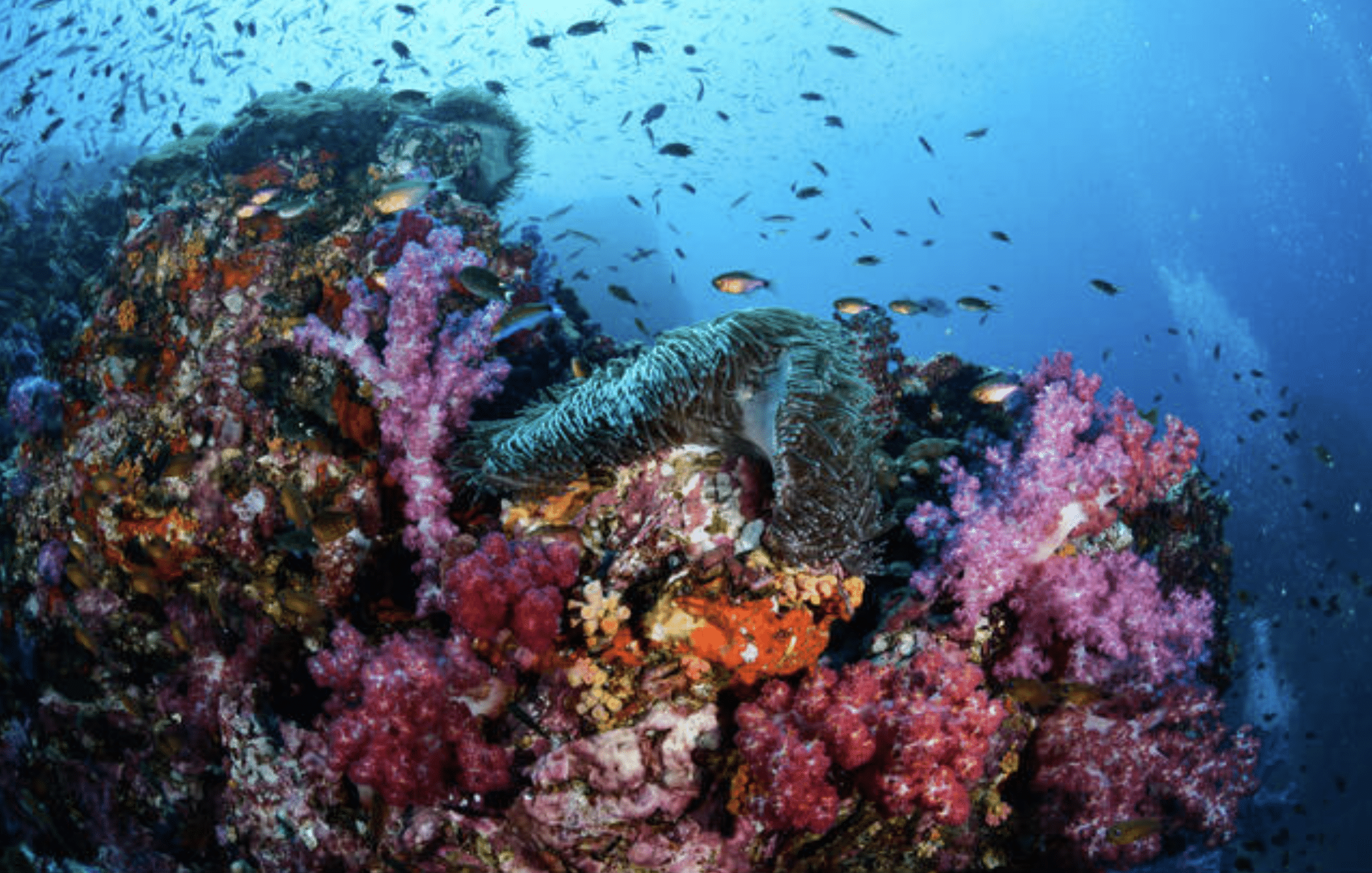
A vibrant underwater coral reef scene with pink, red, and orange corals, small colourful fish swimming around, and clear blue water in the background.

Marine Biodiversity

Thailand sits within the Coral Triangle region’s broader sphere of influence, resulting in extraordinary marine biodiversity.

Divers may encounter:

  • Hard and soft corals
  • Reef fish species in enormous numbers
  • Nudibranchs
  • Pipefish
  • Frogfish
  • Seahorses
  • Cuttlefish
  • Squid
  • Reef sharks
  • Rays
  • Sea turtles

Macro photographers and wide-angle enthusiasts alike find endless opportunities beneath the surface.

One dive may reveal tiny nudibranchs measured in millimetres, while the next may involve a whale shark passing through the blue.

At N9BO℠, we believe Thailand’s biodiversity is one of its greatest underwater assets.


A Training Ground for Every Diver

One of Thailand’s greatest strengths is the range of training opportunities available.

Divers can progress through:

  • Entry-level certifications
  • Advanced diver programmes
  • Rescue training
  • Professional development courses
  • Technical diving
  • Cave and cavern training
  • Rebreather programmes
  • Public safety diving

The availability of experienced instructors and diverse diving environments allows students to develop skills in real-world conditions rather than purely controlled settings.

At N9BO℠, we see Thailand not only as a destination for diving but as a destination for diver development.


Technical Diving Opportunities

Beyond recreational diving, Thailand has become an important location for technical diver training.

Deep reefs, offshore pinnacles, wrecks, and suitable environmental conditions support programmes including:

  • Decompression procedures
  • Advanced Nitrox
  • Trimix
  • Technical sidemount
  • Closed-circuit rebreathers
  • Extended range diving

The country’s year-round diving opportunities allow technical divers to maintain proficiency and gain valuable experience in varied conditions.

At N9BO℠, we believe Thailand offers one of the most complete technical diving training environments in Asia.

Colourful long-tail boats decorated with ribbons are lined up on a sandy beach under palm fronds, with turquoise water and lush, rocky islands in the background on a sunny day.

The Importance of Marine Conservation

Thailand’s marine ecosystems face many of the same challenges affecting oceans worldwide.

Coral bleaching, pollution, marine debris, and tourism pressure require ongoing conservation efforts.

Fortunately, many dive operators actively participate in:

  • Reef monitoring
  • Marine conservation projects
  • Debris removal dives
  • Coral restoration initiatives
  • Citizen science programmes

Divers increasingly play an important role in protecting the environments they enjoy.

At N9BO℠, environmental stewardship forms an essential part of responsible diving.


More Than Just the Diving

While Thailand’s underwater world is remarkable, the overall experience extends well beyond the dive sites.

Visitors enjoy:

  • Tropical islands
  • Exceptional food
  • Rich cultural traditions
  • Friendly local communities
  • Modern tourism infrastructure
  • Easy travel connections

This combination of world-class diving and enjoyable travel experiences helps explain why so many divers return year after year.

For many people, a diving trip to Thailand becomes the beginning of a long-term relationship with the country.

At N9BO℠, we regularly see divers arrive for a short holiday and leave planning their next visit.


A Destination for Every Experience Level

Whether you are:

  • Trying scuba diving for the first time
  • Completing an Open Water course
  • Working towards professional certification
  • Exploring technical diving
  • Pursuing underwater photography
  • Seeking large marine life encounters

Thailand offers suitable opportunities.

The diversity of sites, conditions, and training options means there is always another challenge, another reef, or another adventure waiting beneath the surface.

At N9BO℠, we believe this variety is one of the reasons Thailand remains a global diving leader.


Operational Mindset

Diving in Thailand demonstrates a simple but powerful reality: world-class diving is about more than visibility and marine life.

The country’s success as a diving destination comes from the combination of:

  • Diverse underwater environments
  • Strong training infrastructure
  • Accessible dive sites
  • Experienced professionals
  • A vibrant diving community

Together, these elements create opportunities for divers of every experience level to learn, explore, and grow.

At N9BO℠, we view Thailand as far more than a holiday destination. It is a place where diving careers begin, skills are developed, friendships are formed, and lifelong memories are created.

The reefs, wrecks, and marine life may bring divers to Thailand for the first time, but the overall experience is often what brings them back.

A scuba diver swims near a large shoal of butterflyfish above a coral reef in clear blue water. The diver observes the fish, which have white bodies with black stripes and orange accents.

Discover the Best of Thailand’s Underwater World

Contact N9BO℠ to learn more about diving opportunities in Phi Phi, the Similan Islands, and throughout Thailand, and start planning your next underwater adventure.


From the N9BO℠ Knowledge Base


Share this

SDI Underwater Hunter and Collector Diver: Ethical Harvesting Beneath the Surface

What Is Underwater Hunting and Collecting?

Humans have gathered food from the sea for thousands of years. Long before scuba equipment existed, coastal communities relied upon breath-hold diving, fishing, and harvesting techniques to collect food and resources from the ocean.

Modern scuba equipment allows divers to access underwater environments safely and efficiently, opening opportunities to collect shellfish, crustaceans, and other legally permitted marine species while exploring the underwater world.

The SDI Underwater Hunter and Collector Diver course introduces divers to these activities in a structured and responsible manner. The emphasis is not simply on collecting marine resources but on doing so safely, ethically, and within local laws and regulations.  

At N9BO℠, we believe that responsible harvesting begins with knowledge, preparation, and respect for the marine environment.


Understanding Local Laws and Regulations

One of the most important lessons within the course is understanding that underwater hunting and collecting are highly regulated activities in many parts of the world.

Species protections, seasonal closures, size limits, catch limits, protected areas, and equipment restrictions may all apply depending on location.

Successful underwater hunters understand that legal compliance is not optional. It is a fundamental responsibility.

Divers learn how to research local regulations, identify protected species, and understand harvesting restrictions before entering the water.

At N9BO℠, we teach that the first step in collecting anything underwater is knowing whether it can be collected at all.


Developing Species Identification Skills

Responsible collection depends on accurate identification.

Divers must be able to distinguish between:

  • Legal and protected species
  • Mature and juvenile animals
  • Harvestable and non-harvestable organisms
  • Similar-looking species with different regulations

Incorrect identification can lead to environmental damage, regulatory violations, and unnecessary impacts on marine ecosystems.

The course encourages divers to develop observation skills and species knowledge before attempting collection activities.

At N9BO℠, we believe that identification skills are just as important as diving skills when harvesting marine resources.

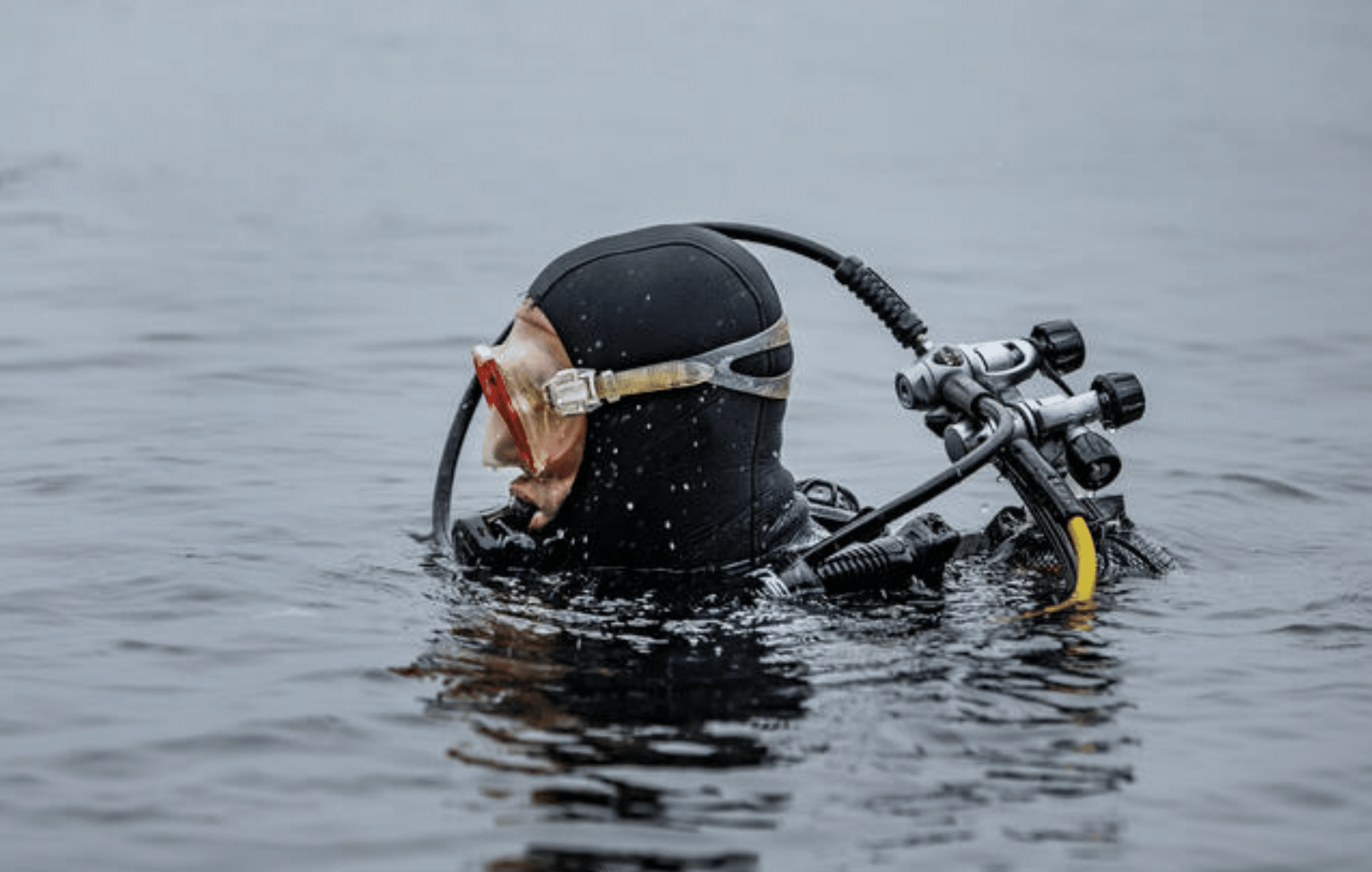
A scuba diver in a black wetsuit and red goggles is partially submerged in water, wearing a full set of diving kit with an oxygen cylinder on their back.

Safe Collection Techniques

Collecting marine resources underwater requires specialised techniques that differ significantly from ordinary recreational diving.

Divers learn how to:

  • Approach target species safely
  • Use collection equipment responsibly
  • Maintain buoyancy while handling objects
  • Secure collected items properly
  • Avoid damaging surrounding habitats

The focus remains on efficient collection while minimising environmental disturbance.

Good technique protects both the diver and the ecosystem.

At N9BO℠, we emphasise that successful harvesting should leave the environment looking largely untouched.


Buoyancy and Environmental Protection

One of the biggest challenges for underwater collectors is maintaining excellent buoyancy control while focusing on a target.

Divers concentrating on a shellfish, lobster, or other marine resource can easily lose awareness of their position and unintentionally damage reefs, seagrass beds, or other sensitive habitats.

The course reinforces:

  • Precise buoyancy control
  • Situational awareness
  • Proper finning techniques
  • Environmental stewardship

These skills help divers interact with the underwater environment responsibly.

At N9BO℠, we teach that environmental protection should never be sacrificed for a successful collection.


Planning the Dive

As with any diving activity, proper planning plays a critical role.

Underwater hunters and collectors must consider:

  • Tides
  • Currents
  • Visibility
  • Bottom conditions
  • Local regulations
  • Target species behaviour

Effective planning improves both safety and success.

Divers quickly discover that understanding environmental conditions often contributes more to success than spending additional time underwater.

At N9BO℠, we believe preparation is one of the most valuable tools any diver can carry.

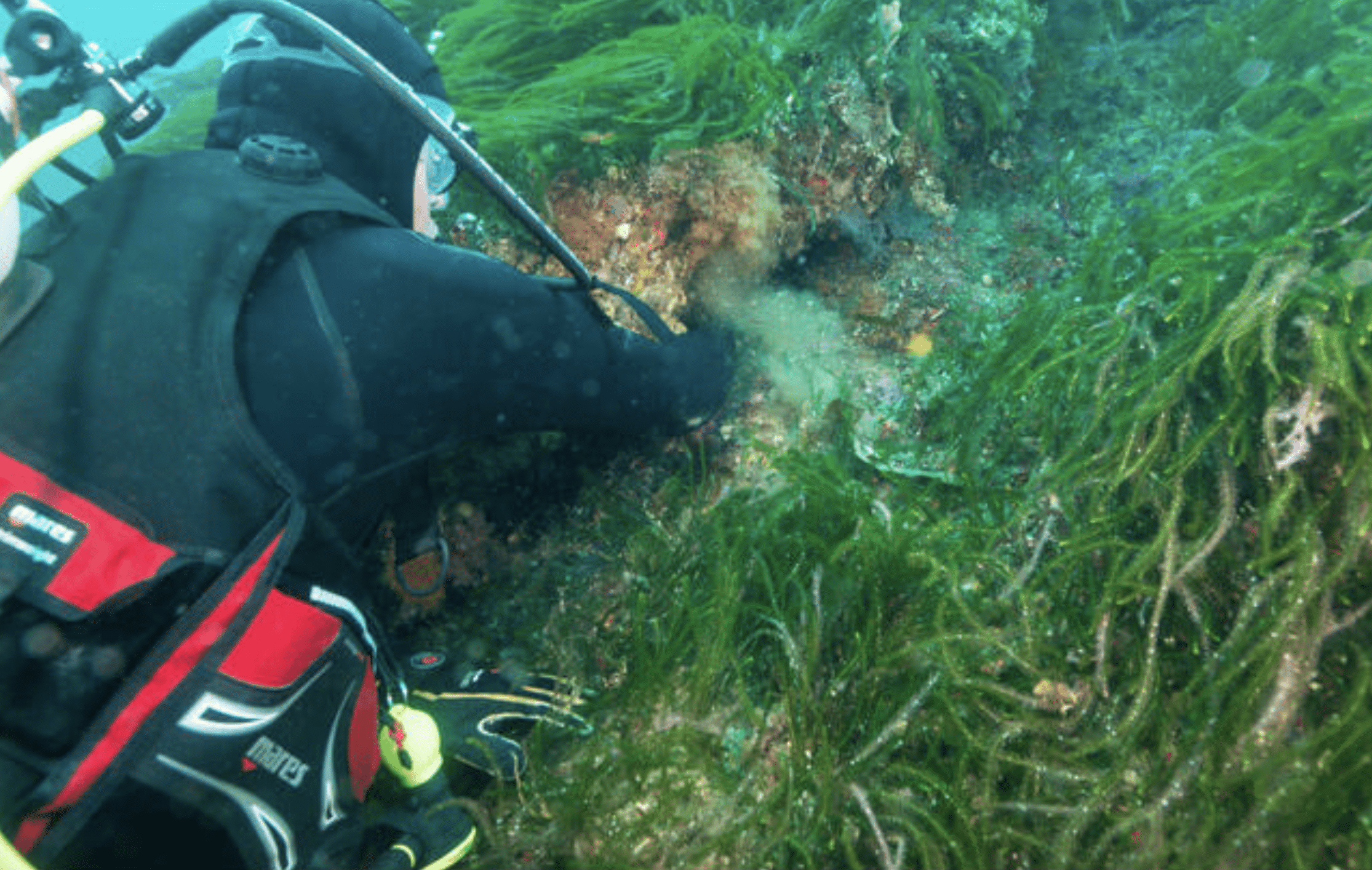
A scuba diver in a black wetsuit and red gear reaches into a rocky crevice surrounded by green underwater plants and algae. The diver appears to be exploring or searching within the underwater environment.

Harvesting Sustainably

The long-term future of underwater hunting and collecting depends on sustainability.

The course promotes responsible practices such as:

  • Taking only what is needed
  • Respecting size and catch limits
  • Avoiding breeding individuals where appropriate
  • Minimising habitat disturbance
  • Following local conservation measures

Sustainable harvesting ensures that future generations of divers can continue enjoying the same opportunities.

At N9BO℠, we view conservation and harvesting as complementary responsibilities rather than opposing concepts.


Developing Self-Reliance Underwater

Underwater collection activities often require divers to divide their attention between navigation, buoyancy, marine life observation, and collection tasks.

As a result, participants develop:

  • Increased situational awareness
  • Better buoyancy control
  • Enhanced task management
  • Improved underwater observation skills
  • Greater environmental understanding

These abilities frequently improve overall diving competence far beyond the speciality itself.

At N9BO℠, we find that many divers become more observant and more capable after learning to hunt and collect responsibly.


More Than Collecting Food

While many divers initially pursue the course because of an interest in harvesting seafood, the programme often creates a deeper appreciation for marine ecosystems.

Understanding species behaviour, habitat requirements, breeding cycles, and environmental relationships helps divers become more knowledgeable ocean users.

The course encourages participants to view themselves as stewards of the marine environment rather than simply consumers of its resources.

At N9BO℠, we believe the best underwater hunters are often among the strongest advocates for marine conservation.


Operational Mindset

The SDI Underwater Hunter and Collector Diver course reinforces a simple but important principle: responsible collection begins with responsibility.

Successful underwater hunters develop:

  • Environmental awareness
  • Species knowledge
  • Sound judgement
  • Strong buoyancy skills
  • Respect for regulations

These qualities contribute to safer diving and more sustainable use of marine resources.

At N9BO℠, we approach underwater hunting and collecting as a combination of skill, discipline, and stewardship.

The goal is not simply to take something from the ocean. The goal is to interact with it responsibly while ensuring its long-term health and sustainability.

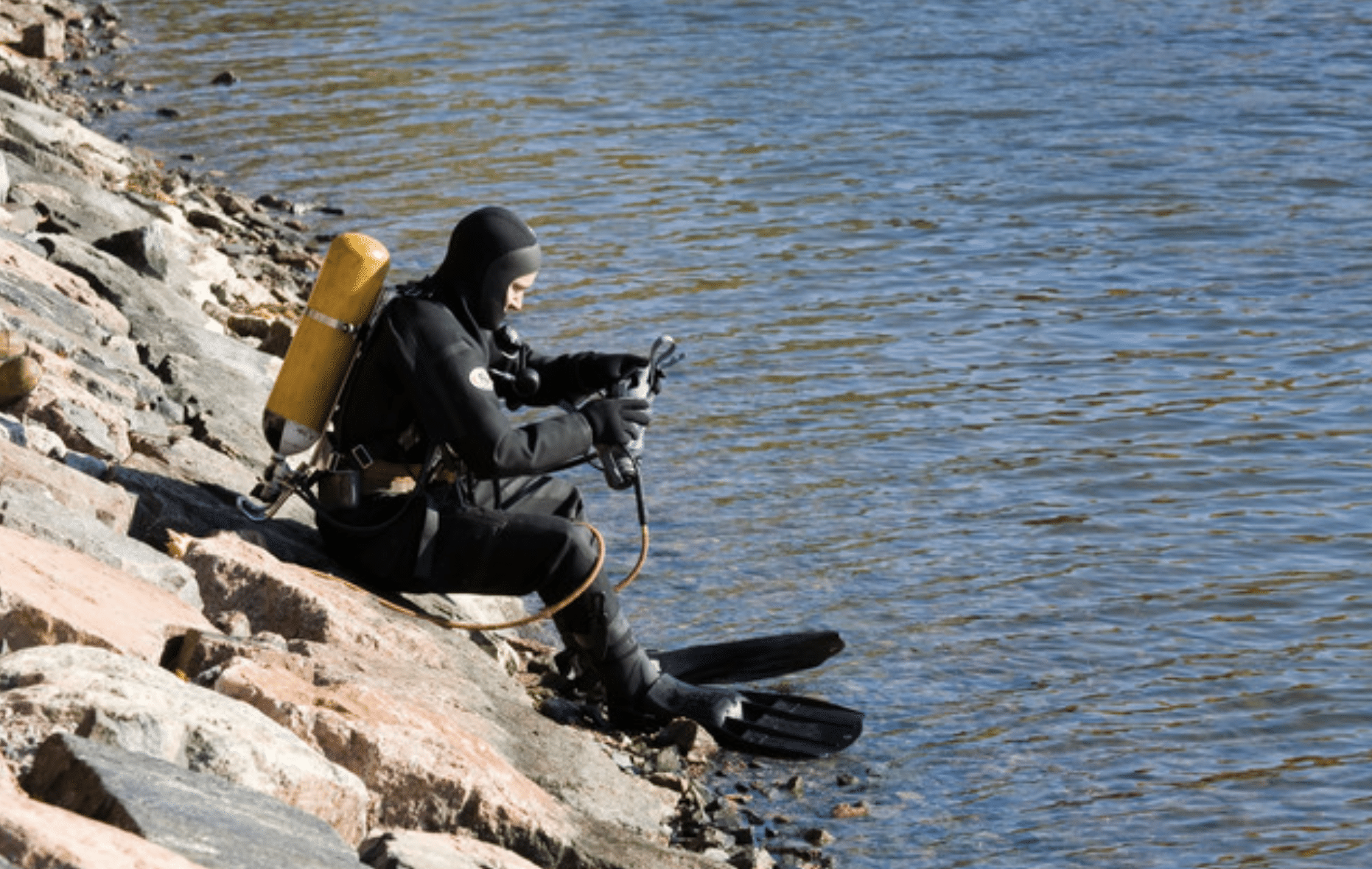
A scuba diver in a black wetsuit and yellow oxygen cylinder sits on rocky shore, adjusting equipment while facing a body of water.

Learn to Harvest Responsibly

Contact N9BO℠ to enrol in the SDI Underwater Hunter and Collector Diver course and develop the knowledge, environmental awareness, and practical skills required for safe and sustainable underwater harvesting.


From the N9BO℠ Knowledge Base


Share this

SDI Shore / Beach Diver: Mastering the Art of Shore-Based Diving

What Is Shore and Beach Diving?

When most people imagine scuba diving, they picture boats heading towards offshore reefs or distant dive sites. However, a significant amount of diving around the world takes place directly from the shore.

Shore diving offers a unique level of flexibility and independence. Divers can often access excellent reefs, walls, wrecks, and marine habitats without requiring a boat, skipper, or complex logistics.

The challenge is that shore diving introduces its own set of environmental considerations. Unlike stepping off a boat into open water, divers must first negotiate the shoreline itself.

The SDI Shore / Beach Diver course focuses on teaching divers how to evaluate these conditions and operate safely in coastal environments.  

At N9BO℠, we often describe shore diving as one of the most rewarding forms of diving because it combines exploration, planning, and environmental awareness.


Why Shore Diving Requires Special Skills

Many new divers underestimate how challenging a shoreline can be.

Conditions that appear calm from the surface may involve:

  • Wave action
  • Shore break
  • Surge
  • Tidal movement
  • Slippery rocks
  • Uneven entry points

These factors can influence both safety and enjoyment if not managed correctly.

The Shore / Beach Diver course teaches divers how to assess conditions before entering the water and how to select the safest and most efficient entry and exit procedures.

At N9BO℠, we teach that successful shore diving begins before the equipment is assembled.


Understanding Coastal Conditions

One of the most important aspects of the course is learning how to evaluate the environment.

Students learn how to assess:

  • Weather conditions
  • Wind direction
  • Surface conditions
  • Wave patterns
  • Tides
  • Local currents

Understanding how these factors interact helps divers make informed decisions about whether conditions are suitable for diving.

Many diving incidents can be prevented simply by recognising unfavourable conditions before entering the water.

At N9BO℠, we emphasise that environmental awareness is one of the most valuable skills a diver can develop.

Four scuba diving air cylinders stand upright on sandy beach with a blurred sea and distant boat in the background under a clear sky.

Entry and Exit Techniques

Entering and exiting the water safely is often the most technically demanding part of a shore dive.

Different shorelines require different approaches. A sandy beach entry differs significantly from entering across rocks, coral rubble, jetties, or coastal platforms.

Students learn techniques for:

  • Beach entries through surf
  • Rocky shoreline entries
  • Giant stride and seated entries where appropriate
  • Controlled exits in varying conditions
  • Equipment management during entry and exit

These skills help reduce stress and improve overall safety during the dive.

At N9BO℠, we teach that a smooth entry often sets the tone for the entire dive.


Navigation from the Shore

Boat divers often descend directly on a planned dive site. Shore divers usually need to navigate to and from underwater features after entering the water.

The course therefore introduces:

  • Shore-based dive planning
  • Navigation techniques
  • Natural navigation methods
  • Compass use
  • Route planning and orientation

Divers learn how to identify landmarks both above and below the surface and how to maintain awareness of their position throughout the dive.

Good navigation not only improves safety but also helps maximise bottom time and enjoyment.

At N9BO℠, we believe confident navigation creates confident divers.


Equipment Considerations

Shore diving often requires carrying equipment from a parking area or staging point to the water.

This introduces practical considerations that boat divers may rarely encounter.

Students learn how to:

  • Organise equipment efficiently
  • Conduct shoreline equipment checks
  • Enter the water without damaging equipment
  • Manage equipment during surf entries and exits

The course also highlights the importance of physical preparation and planning when conducting longer shore entries.

At N9BO℠, we teach that efficiency on land often translates into efficiency underwater.

A group of scuba divers in wetsuits and gear enter the clear blue sea from a pebbly beach, with mountains visible in the distant background under a clear sky.

Building Independence and Self-Reliance

One of the greatest benefits of shore diving is the freedom it provides.

Divers are not dependent on:

  • Boat schedules
  • Departure times
  • Passenger limits
  • Offshore logistics

This flexibility encourages greater self-reliance and planning ability.

Students learn how to evaluate a dive site independently, develop dive plans, and make informed decisions about conditions and safety.

These skills often improve overall diver competence far beyond shore diving alone.

At N9BO℠, we view shore diving as one of the best ways to develop independent diving judgement.


Marine Life and Coastal Exploration

Many exceptional underwater environments are located close to shore.

Shore divers frequently enjoy access to:

  • Coral reefs
  • Rocky reefs
  • Seagrass beds
  • Macro photography sites
  • Artificial reefs
  • Coastal wrecks

Because shore dives are often conducted at a slower pace, divers frequently discover marine life and underwater features that may be overlooked during faster boat dives.

The course encourages divers to explore these environments responsibly while maintaining environmental awareness and buoyancy control.

At N9BO℠, we believe some of the best underwater discoveries are found just a few fin kicks from the shoreline.


A Skill That Applies Worldwide

Whether diving in tropical destinations, temperate coastlines, lakes, quarries, or remote expedition locations, the principles learned during the Shore / Beach Diver course remain valuable.

The ability to:

  • Assess conditions
  • Plan effectively
  • Navigate confidently
  • Enter and exit safely

applies to virtually every form of diving.

Many experienced divers consider shore-diving skills to be among the most practical and frequently used abilities they possess.

At N9BO℠, we teach shore diving as a fundamental diving skill rather than simply a speciality activity.


Operational Mindset

The SDI Shore / Beach Diver course reinforces a simple but important principle: the dive begins at the shoreline, not underwater.

Successful shore divers develop:

  • Environmental awareness
  • Planning skills
  • Navigation ability
  • Self-reliance
  • Sound judgement

These qualities contribute to safer, more enjoyable diving while expanding the number of dive sites available to explore.

At N9BO℠, we approach shore diving as a combination of preparation, observation, and adventure.

The ocean may begin at the shoreline, but for many divers, that’s where some of the best diving begins as well.

Three sets of scuba diving kit, including cylinders and regulators, are standing upright on sandy beach with the sea and a clear sky in the background.

Explore More Dive Sites Without a Boat

Contact N9BO℠ to enrol in the SDI Shore / Beach Diver course and develop the skills needed to safely plan, navigate, and enjoy shore-based diving around the world.


From the N9BO℠ Knowledge Base

Share this

SDI Air Fill Station Technician: The Safety Professional Behind Every Cylinder Fill

What Is the SDI Air Fill Station Technician Course?

Most divers simply hand over a cylinder and expect it to be filled safely and correctly. Few realise the level of responsibility involved in operating an air fill station.

The SDI Air Fill Station Technician course was developed to provide proper training for individuals responsible for filling compressed gas cylinders with air. The programme focuses on safety, risk management, air quality, cylinder handling, and compressor operation, ensuring that candidates understand not only how to fill cylinders but also why specific procedures must be followed.  

At N9BO℠, we often say that safe diving starts at the compressor, not at the dive site.


Why Proper Cylinder Filling Matters

A scuba cylinder may appear simple, but it contains compressed gas stored at extremely high pressures.

Improper filling procedures can lead to:

  • Contaminated breathing gas
  • Damaged cylinders
  • Equipment failure
  • Serious injury
  • Catastrophic accidents

The fill station technician plays a critical role in preventing these risks by following established procedures and maintaining strict safety standards.

The course helps candidates understand that filling cylinders is not merely a routine task. It is a safety-critical responsibility that directly affects every diver who uses the equipment.  

At N9BO℠, we teach that attention to detail at the fill station protects divers long before they enter the water.


Understanding Breathing-Grade Air

One of the most important topics covered during the programme is breathing-grade air.

Many people assume that compressed air is simply air placed into a cylinder. In reality, breathing gas quality must meet specific standards to ensure it is safe for human consumption underwater.

Students learn about:

  • Air quality standards
  • Contaminants and impurities
  • Moisture control
  • Carbon monoxide hazards
  • Air analysis procedures
  • Compressor filtration systems

Understanding these factors is essential because poor air quality can have serious consequences for diver safety.  

At N9BO℠, we emphasise that the quality of a dive often depends on the quality of the air inside the cylinder.

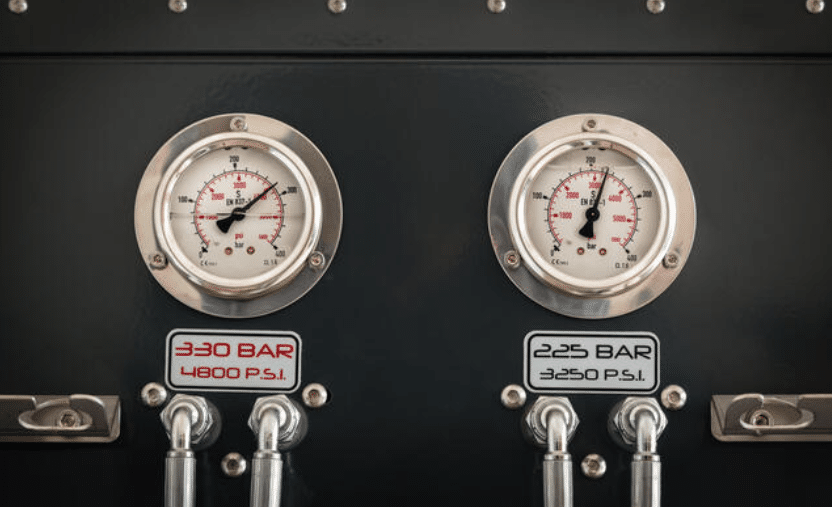
Two pressure gauges mounted on a panel display readings in bar and psi units. The left gauge shows 330 bar (4,800 psi), and the right gauge shows 225 bar (3,250 psi). Metal pipes are connected below each gauge.

Safe Cylinder Handling and Inspection

Before a cylinder is filled, it must first be inspected and handled correctly.

The course teaches candidates how to:

  • Identify obvious cylinder defects
  • Verify inspection status
  • Handle cylinders safely
  • Transport cylinders correctly
  • Recognise situations that require further inspection

This knowledge helps technicians avoid filling cylinders that may present safety concerns.

The programme also requires completion of the SDI Visual Inspection Procedures (VIP) eLearning course, ensuring candidates understand the importance of cylinder condition and inspection requirements.  

At N9BO℠, we teach that a cylinder should always be evaluated before it is connected to a compressor.


Learning About Compressors and Fill Stations

Many divers never see the equipment responsible for producing the breathing gas they use.

The Air Fill Station Technician course introduces candidates to:

  • Compressor systems
  • Air production equipment
  • Filtration systems
  • Fill station design
  • Safety devices and controls
  • Operational procedures

Understanding how these systems function helps technicians identify potential problems before they affect air quality or safety.  

The course provides valuable insight into the behind-the-scenes operation of every professional dive centre.

At N9BO℠, we believe understanding equipment leads to safer and more reliable operations.


Who Should Take This Course?

The programme is particularly valuable for:

  • Dive centre staff
  • Compressor operators
  • Equipment technicians
  • Dive professionals
  • Serious recreational divers

Anyone involved in cylinder filling operations can benefit from the knowledge provided during the course. Many instructors and Divemasters also complete the programme to gain a broader understanding of dive centre operations and gas management procedures.  

At N9BO℠, we encourage every professional diver to understand how the gas they breathe is produced and delivered.

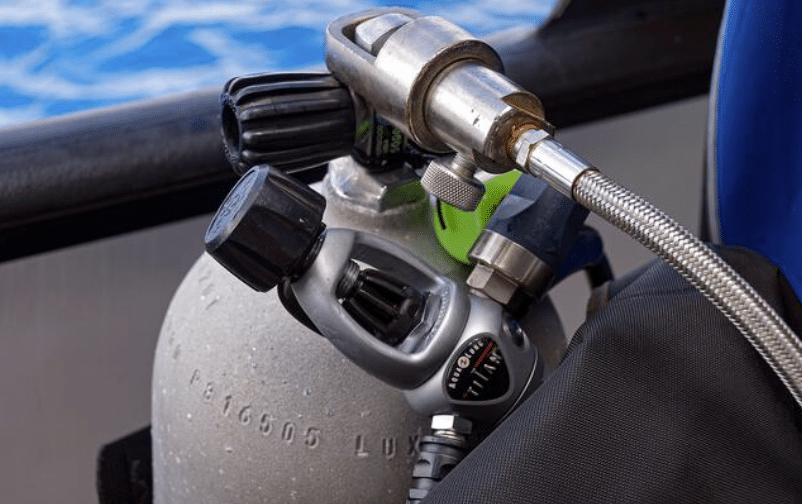
Close-up of a scuba diving cylinder with attached regulator and pressure gauge, placed on a boat near water.

A Valuable Skill for Dive Professionals

For those pursuing professional diving careers, the Air Fill Station Technician certification can be particularly useful.

Dive centres rely heavily on staff who understand:

  • Compressor operation
  • Cylinder management
  • Air quality procedures
  • Safety systems
  • Equipment handling

The certification demonstrates a commitment to operational safety and provides practical skills that contribute directly to day-to-day dive centre operations.  

At N9BO℠, we view compressor room knowledge as an important part of becoming a well-rounded dive professional.


More Than Just Filling Cylinders

One of the biggest misconceptions about fill station operations is that the process is simple.

In reality, technicians must constantly monitor:

  • Air quality
  • Equipment performance
  • Cylinder condition
  • Filling rates
  • Safety procedures

The role requires discipline, attention to detail, and a strong understanding of operational safety.

A professional fill station technician contributes directly to diver safety with every cylinder they fill.

At N9BO℠, we teach that professionalism often means mastering the tasks that divers never see.


Operational Mindset

The SDI Air Fill Station Technician course reinforces a simple but critical principle: safe diving begins with safe breathing gas.

The technician’s responsibilities extend beyond operating equipment. They become part of the safety chain that protects divers before, during, and after every dive.

Strong Air Fill Station Technicians develop:

  • Attention to detail
  • Safety awareness
  • Equipment knowledge
  • Operational discipline
  • Professional responsibility

These qualities contribute to safer diving operations and higher standards throughout the industry.

At N9BO℠, we approach the Air Fill Station Technician course as professional safety training rather than simply compressor training.

Every diver trusts the gas in their cylinder. This course teaches you how to earn that trust.

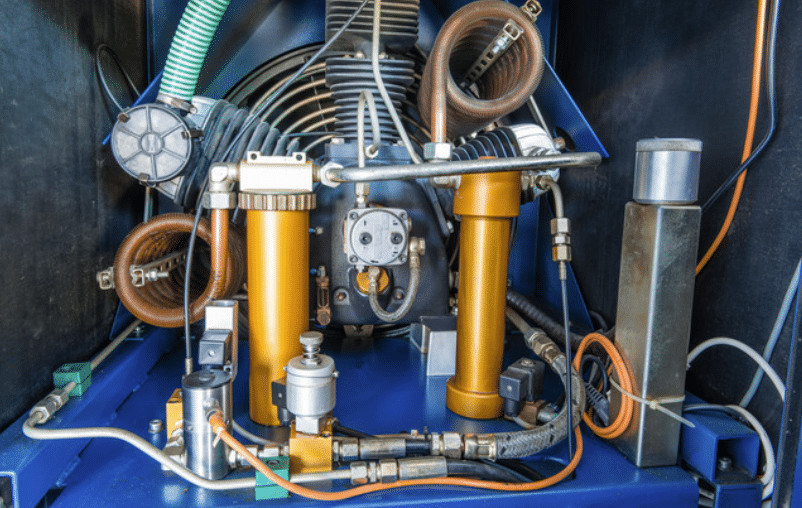
Industrial hydraulic/pneumatic machinery with orange vertical cylinders, hoses, coils and metal components on a blue base, likely part of a compressor or pump system.

Become Part of the Safety Chain

Contact N9BO℠ to enrol in the SDI Air Fill Station Technician course and develop the knowledge and practical skills required to safely inspect, handle, and fill compressed air cylinders.


From the N9BO℠ Knowledge Base


Share this

SDI Course Director: Developing the Next Generation of Dive Professionals

What Is an SDI Course Director?

Every diver remembers their first instructor. Every instructor remembers their Instructor Trainer or Course Director.

The SDI Course Director occupies a unique position within the professional development pathway. Rather than teaching entry-level divers, Course Directors focus on developing future dive leaders and instructors.

Their primary responsibility is preparing instructor candidates to become competent, professional, and effective educators. This includes conducting Instructor Development Courses (IDCs), mentoring professional candidates, evaluating instructional performance, and ensuring that future instructors understand both the practical and professional responsibilities of diver education.

At N9BO℠, we often describe the Course Director as the instructor behind the instructors.


The Highest Level of Educational Leadership

Becoming a Course Director is not simply a matter of accumulating certifications.

Candidates typically spend years developing experience as:

  • Divemasters
  • Assistant Instructors
  • Open Water Scuba Instructors
  • Active teaching professionals

During that time, they refine their instructional techniques, develop leadership abilities, and gain extensive experience working with students at every level of diver education.

The Course Director rating recognises individuals who have demonstrated exceptional competence, professionalism, and commitment to diver training over an extended period.

At N9BO℠, we believe great Course Directors are built through experience, mentorship, and continuous professional development.


Training Future Instructors

One of the most important responsibilities of a Course Director is conducting Instructor Development Courses.

The IDC is where experienced dive leaders learn how to become professional educators. Course Directors guide candidates through the process of developing:

  • Teaching skills
  • Presentation techniques
  • Risk management knowledge
  • Standards compliance
  • Student evaluation methods
  • Professional conduct

The objective is not simply producing instructors who can teach a course. The goal is developing instructors who can educate, mentor, and inspire divers safely and effectively.

At N9BO℠, we teach that instructor development is about creating professionals, not just certification holders.

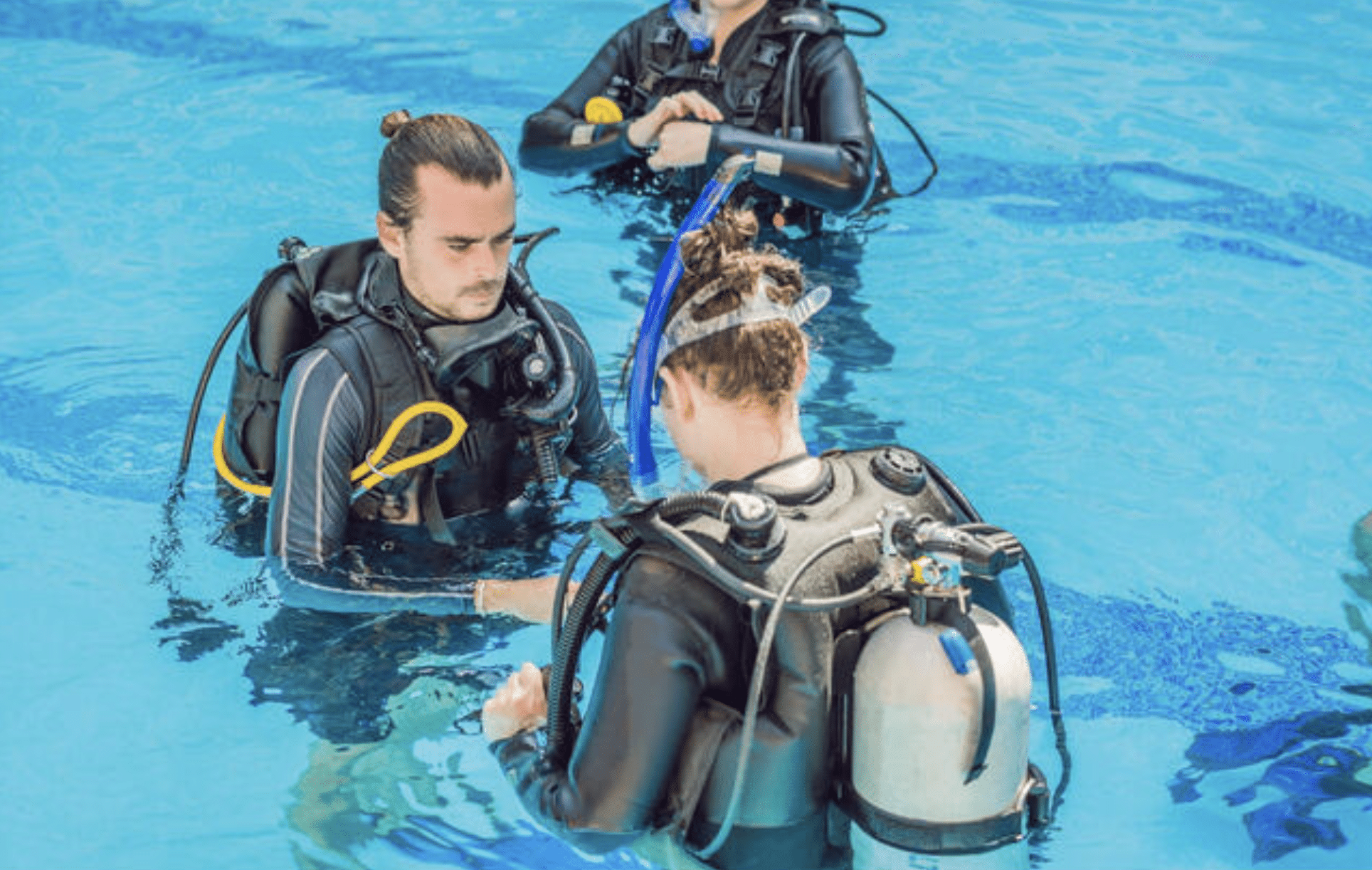
Three people in scuba gear are in a swimming pool; one person holds up a device while another looks on, and scuba equipment and flippers are on the poolside nearby.

Mentorship Beyond Certification

The relationship between a Course Director and an instructor candidate often extends well beyond the IDC itself.

Many Course Directors become long-term mentors who help instructors navigate:

  • Career development
  • Teaching challenges
  • Continuing education pathways
  • Professional decision-making
  • Industry opportunities

This mentorship role is one of the most valuable aspects of professional diver development.

Strong instructors are rarely developed in isolation. They are often guided by experienced mentors who help them refine their skills and expand their perspective.

At N9BO℠, we believe mentorship is one of the most powerful tools in professional education.


Maintaining Educational Standards

The quality of diver training depends heavily on the quality of instructor training.

Course Directors play a critical role in maintaining educational standards by ensuring that instructor candidates understand:

  • SDI training philosophy
  • Course standards and procedures
  • Risk management principles
  • Student-centred teaching methods
  • Professional responsibilities

By maintaining consistency and professionalism throughout the instructor development process, Course Directors help ensure that divers receive high-quality training regardless of where they learn.

At N9BO℠, we view standards not as restrictions, but as the framework that supports safe and effective education.


Leadership Within the Diving Industry

Course Directors are often recognised as leaders within their local, national, and international diving communities.

Many contribute to:

  • Instructor development
  • Professional mentoring
  • Industry events and workshops
  • Dive centre development
  • Continuing education programmes

Their influence frequently extends far beyond their own classrooms and dive operations.

Because they work directly with future instructors, Course Directors help shape the culture and professionalism of the diving industry itself.

At N9BO℠, we believe leadership is measured by the positive impact an individual has on others.

A person wearing scuba gear and a yellow mask prepares for diving, sitting on a blue textured surface with a scuba cylinder on their back.

The Importance of Experience

One of the defining characteristics of effective Course Directors is depth of experience.

Having worked with hundreds or even thousands of students and instructor candidates, Course Directors develop a unique understanding of:

  • Educational psychology
  • Student development
  • Common teaching challenges
  • Risk management
  • Professional standards

This experience allows them to identify strengths, correct weaknesses, and help candidates become more effective educators.

The ability to coach, mentor, and evaluate future instructors requires far more than technical diving expertise alone.

At N9BO℠, we teach that experience becomes most valuable when it is shared.


Creating a Legacy Through Others

Unlike many professional achievements, the true impact of a Course Director is often measured indirectly.

Every instructor they train goes on to teach divers. Those divers may later become Divemasters, Instructors, Instructor Trainers, or Course Directors themselves.

In this way, a single Course Director can influence thousands of divers over the course of a career.

Their legacy is reflected in:

  • The instructors they develop
  • The standards they uphold
  • The professionalism they promote
  • The culture they help create

At N9BO℠, we believe the greatest professional achievement is helping others succeed.


A Lifelong Commitment to Education

Course Directors are typically individuals who have dedicated a significant portion of their lives to diving education.

Their focus extends beyond certification numbers and course completion rates. Instead, they concentrate on developing competent professionals who will contribute positively to the diving community.

This requires:

  • Patience
  • Professionalism
  • Communication skills
  • Leadership
  • A genuine passion for education

The role demands continuous learning and adaptation as training methods, technologies, and industry expectations evolve.

At N9BO℠, we believe great educators never stop being students themselves.


Operational Mindset

The SDI Course Director rating reinforces a simple but powerful principle: the future of diving depends on the quality of its instructors.

Course Directors carry the responsibility of developing those instructors. Their work influences not only individual candidates but also the thousands of divers those candidates will eventually teach.

Strong Course Directors combine:

  • Educational expertise
  • Professional experience
  • Leadership ability
  • Mentorship skills
  • Commitment to excellence

At N9BO℠, we approach the Course Director role as the pinnacle of educational leadership within recreational diving.

A diver explores the underwater world. An instructor teaches others to do the same. A Course Director develops the professionals who make all of that possible.

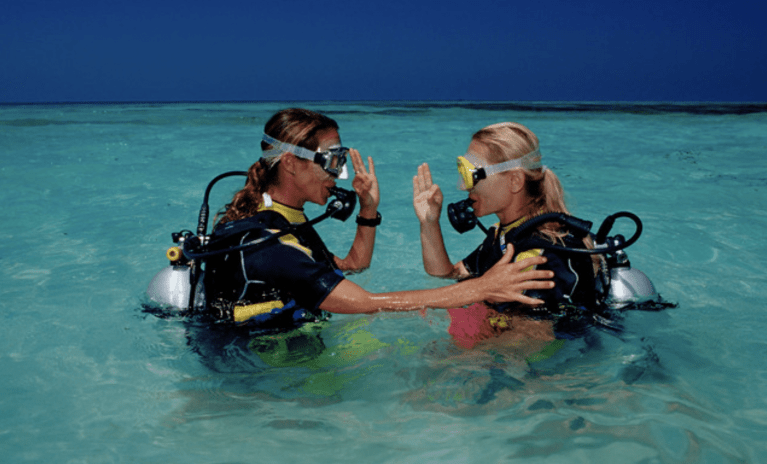
Three people wearing scuba diving kit stand in a swimming pool, practising skills and communicating with hand signals during a training session.

Lead the Future of Diver Education

Contact N9BO℠ to learn more about professional development pathways within SDI and discover how educational leadership helps shape the next generation of dive professionals.


From the N9BO℠ Knowledge Base

Share this

SDI Elite Scuba Instructor: Recognition of Excellence in Diver Education

What Is an SDI Elite Scuba Instructor?

Every instructor teaches courses. Some instructors, however, go beyond simply meeting minimum requirements.

They actively mentor divers, encourage continuing education, promote safe diving practices, and consistently contribute to the growth of the diving industry. The Elite Scuba Instructor rating was created to recognise these individuals.

Unlike an entry-level certification or instructor course, the Elite Scuba Instructor designation is an honour awarded to instructors who have demonstrated sustained professional activity and a commitment to excellence within SDI.  

At N9BO℠, we often describe Elite Instructor as recognition of an instructor’s impact rather than their certification level.


More Than Teaching Courses

The true measure of an instructor is not the number of certifications issued but the quality of divers they develop.

Elite Instructors understand that their role extends beyond completing course requirements. They create positive learning environments, build diver confidence, encourage safe decision-making, and inspire students to continue their diving education.

Many divers remember specific instructors years after certification because those instructors made a lasting impression through their professionalism, enthusiasm, and commitment to student success.

At N9BO℠, we believe the best instructors create divers who remain active, confident, and passionate long after their course is complete.


A Commitment to Professional Development

The diving industry evolves continuously.

New equipment, updated training methods, advances in safety practices, and changing environmental considerations require instructors to remain current throughout their careers.

Elite Instructors recognise that professional development never ends. They actively pursue additional training, expand their teaching capabilities, and continually refine their instructional techniques.

This commitment benefits not only the instructor but also every student they teach.

At N9BO℠, we encourage instructors to view education as a lifelong process rather than a certification milestone.

A person wearing a yellow diving mask, snorkel, and scuba gear floats in green-blue water, holding their breathing apparatus whilst looking to the side.

Building the Diving Community

One of the most important contributions made by Elite Instructors is their influence on the wider diving community.

These professionals often:

  • Mentor new divers
  • Support Divemaster candidates
  • Assist future instructors
  • Promote environmental awareness
  • Encourage continuing education
  • Foster positive diving culture

Their influence extends far beyond individual courses and contributes to the long-term health of the diving industry.

Strong diving communities are built by instructors who invest in people rather than simply processing certifications.

At N9BO℠, we believe great instructors help build the future of diving one student at a time.


The Importance of Consistency

Achieving excellence in diver education is rarely the result of a single outstanding performance.

Instead, it is built through consistency.

Elite Instructors demonstrate professionalism across hundreds of interactions with students, divers, staff members, and industry colleagues. They maintain high standards regardless of class size, location, or course level.

Consistency creates trust.

Students quickly recognise instructors who are organised, prepared, professional, and genuinely invested in their success.

At N9BO℠, we teach that professionalism is measured by what you do every day, not occasionally.


Creating Safe and Competent Divers

One of the primary responsibilities of any instructor is developing divers who can operate safely and independently.

Elite Instructors understand that certification is not simply about completing skills or passing exams. It is about ensuring students possess the knowledge, judgement, and confidence required to dive responsibly after training has ended.

This often requires:

  • Patience
  • Adaptability
  • Effective communication
  • Thorough skill development
  • Individualised coaching

The focus remains on producing capable divers rather than simply completing courses.

At N9BO℠, we believe instructor success is best measured by the competence of the divers they certify.

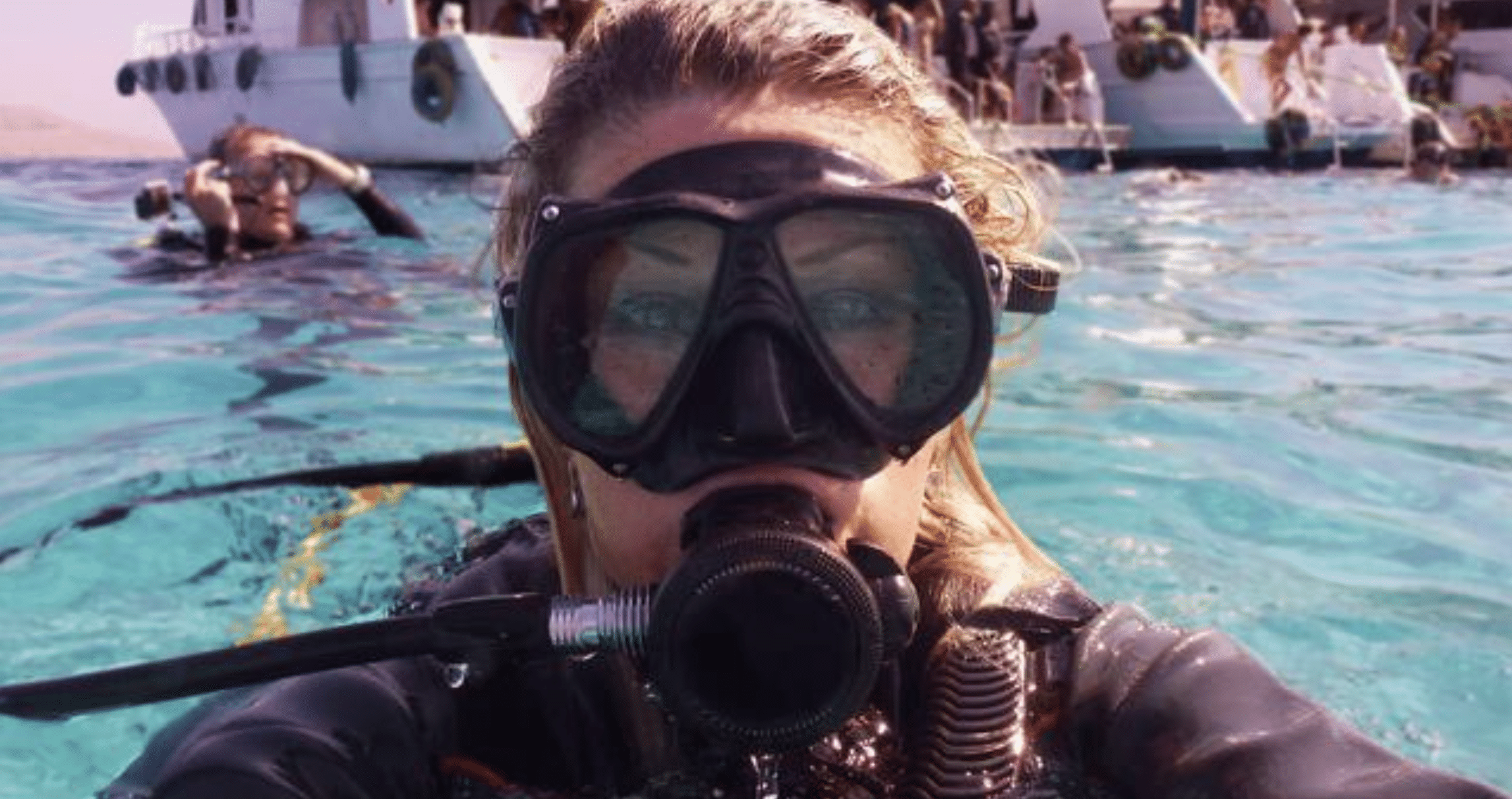
A person wearing scuba diving kit, including a mask and regulator, takes a selfie whilst floating in clear blue water near boats with other divers visible in the background.

Leadership Through Example

Professional diving is a leadership profession.

Students observe how instructors plan dives, manage risk, communicate, interact with others, and conduct themselves both in and out of the water.

Elite Instructors recognise that they serve as role models for the next generation of divers and dive professionals.

Their actions influence:

  • Student attitudes
  • Safety culture
  • Environmental awareness
  • Professional standards
  • Industry reputation

Leadership through example is often more powerful than any classroom presentation.

At N9BO℠, we teach that every instructor is constantly teaching, even when not actively conducting a course.


Recognition Earned Through Performance

Unlike many training programmes, the Elite Instructor rating is not achieved by attending a course.

It is earned through demonstrated professional activity, commitment to diver education, and sustained contributions to the diving community. The recognition acknowledges instructors who consistently uphold the values and standards expected of leaders within the SDI system.  

This makes the designation particularly meaningful because it reflects long-term performance rather than short-term achievement.

At N9BO℠, we believe the most valuable professional recognitions are those that must be earned through action.


A Foundation for Future Leadership

Many Elite Instructors continue progressing into higher levels of professional development, including Instructor Trainer and Course Director pathways.

The skills that contribute to becoming an Elite Instructor—professionalism, communication, mentorship, and educational excellence—are the same qualities required for senior leadership roles within the diving industry.

Whether or not an instructor pursues further certifications, the habits developed while striving for excellence continue benefiting every student and every course.

At N9BO℠, we view Elite Instructor as both a recognition and a reflection of professional maturity.


Operational Mindset

The SDI Elite Scuba Instructor rating reinforces a simple but important principle: excellence is a habit, not an event.

Outstanding instructors consistently:

  • Prioritise student success
  • Maintain high standards
  • Continue learning
  • Lead by example
  • Contribute positively to the diving community

These professionals help shape the future of diving through every course they teach and every diver they mentor.

At N9BO℠, we approach the Elite Scuba Instructor rating as recognition of instructors who have demonstrated a sustained commitment to professionalism, education, and excellence.

The best instructors are remembered not for the certifications they issue, but for the divers they inspire.

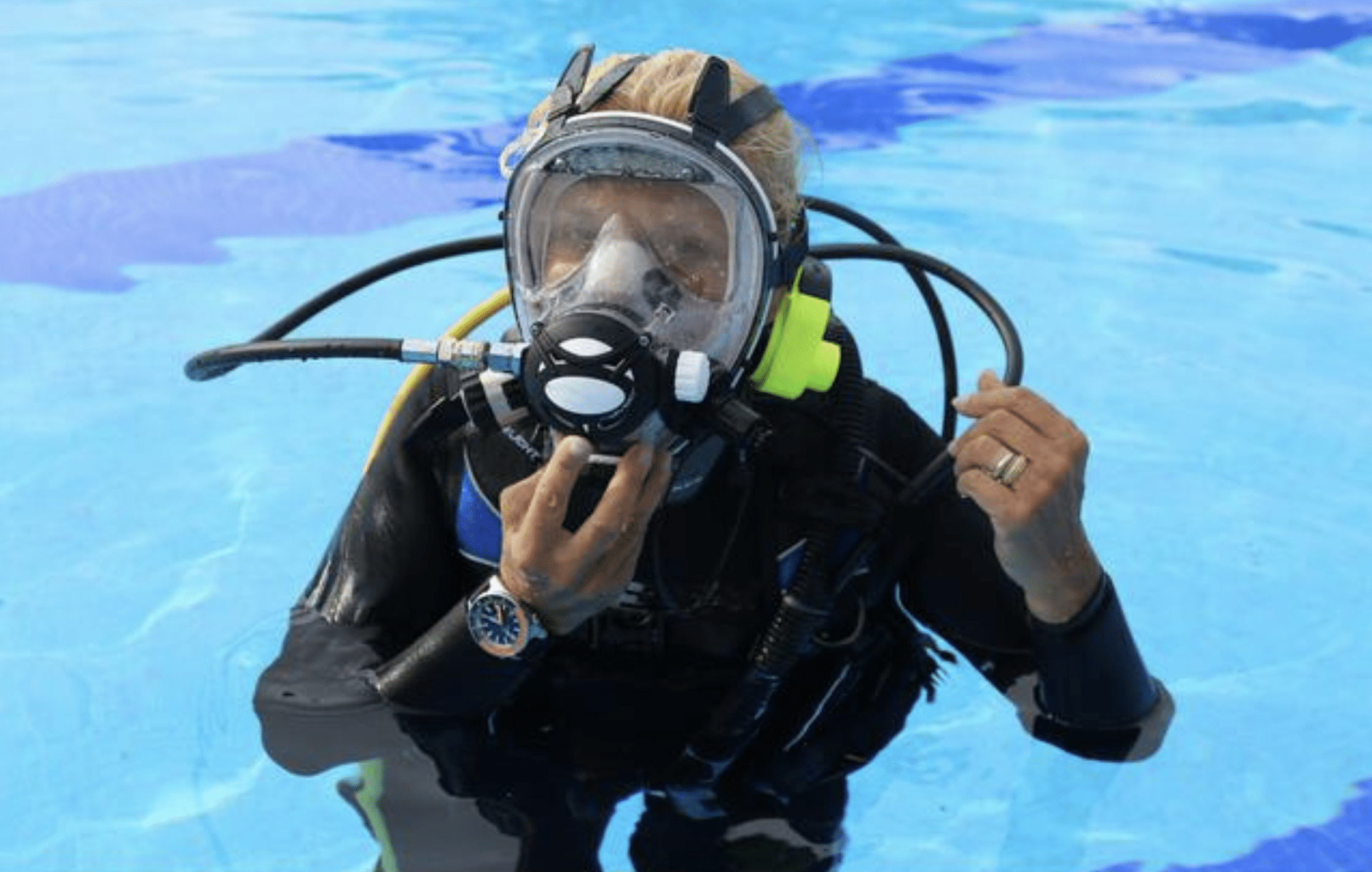
A person in full scuba diving gear, including a mask and air tank, is partially submerged in a clear blue swimming pool, adjusting their mask with one hand.

Pursue Excellence in Diver Education

Contact N9BO℠ to learn more about professional development opportunities within SDI and continue building the knowledge, experience, and instructional excellence that define outstanding dive professionals.


From the N9BO℠ Knowledge Base

Share this

SDI Instructor Development Course (IDC): From Divemaster to Open Water Scuba Diver Instructor

What Is the SDI IDC?

Most divers begin their journey by learning how to dive. As they gain experience, many progress into leadership roles such as Divemaster or Assistant Instructor, where they learn to supervise dives, assist instructors, and support diver training.

The IDC represents the next major step.

Rather than focusing on personal diving performance, the programme teaches candidates how to educate, mentor, and evaluate students. The emphasis shifts from being a capable diver to becoming a capable instructor.

The course combines educational theory, practical teaching experience, risk management, standards knowledge, confined water instruction, and open water instructional techniques. By the end of the programme, candidates are prepared not only to teach diving skills but also to develop safe, confident, and competent divers.  

At N9BO℠, we often describe the IDC as the point where leadership becomes education.


The Professional Pathway

The SDI instructor pathway is intentionally progressive.

Before entering the IDC, candidates must already have extensive diving and leadership experience. SDI requires candidates to be at least 18 years old, have been a certified diver for a minimum of six months, hold an SDI Divemaster or Assistant Instructor certification (or equivalent), possess current First Aid, CPR, and Oxygen Administration qualifications, and provide proof of at least 100 logged dives completed in a variety of environments and depths.  

These prerequisites ensure that instructor candidates arrive with a solid foundation of diving knowledge and real-world experience.

At N9BO℠, we believe great instructors are built upon experience, not simply certification.


The Role of the Assistant Instructor

Many candidates choose to complete the SDI Assistant Instructor programme before entering the IDC.

The Assistant Instructor course provides valuable practical teaching experience and introduces candidates to the educational side of diving. Assistant Instructors learn how to conduct academic presentations, assist with training programmes, conduct refresher courses, teach snorkelling programmes, and support instructors during a variety of diver education activities.  

This experience often makes the transition into the IDC smoother and more enjoyable because candidates already possess a basic understanding of student management and instructional techniques.

At N9BO℠, we view Assistant Instructor as an excellent stepping stone towards full instructor certification.

A woman operates a TV remote while three people sit at desks in a small classroom, watching and reading. The room has blue walls, scuba diving posters, and a table with cutlery and cups.

Learning How to Teach

One of the most significant changes during the IDC is learning that teaching diving involves far more than demonstrating skills underwater.

Candidates learn how to:

  • Structure lessons effectively
  • Deliver engaging academic presentations
  • Evaluate student performance
  • Provide constructive feedback
  • Adapt teaching methods to different learning styles
  • Maintain student safety while maximising learning opportunities

The goal is not simply transferring information. The goal is creating understanding and confidence.

Successful instructors learn how to communicate complex concepts in a way that students can easily understand and apply.

At N9BO℠, we teach that effective instruction is a combination of knowledge, communication, patience, and professionalism.


Mastering Standards and Risk Management

Professional instructors carry significant responsibility.

The IDC places considerable emphasis on standards, procedures, legal responsibilities, and risk management. Candidates must develop a thorough understanding of SDI training standards, course requirements, supervision responsibilities, and safe operating practices.  

Risk management becomes a central theme throughout the programme.

Instructor candidates learn how to:

  • Identify hazards
  • Assess risks
  • Develop emergency procedures
  • Manage student supervision
  • Conduct safe training operations

This knowledge protects students, instructors, and dive operations alike.

At N9BO℠, we believe professionalism begins with standards compliance and sound judgement.


Confined Water and Open Water Teaching

An instructor must be equally comfortable teaching in the classroom, confined water, and open water environments.

Throughout the IDC, candidates develop the ability to:

  • Demonstrate skills to instructor quality
  • Conduct confined water training sessions
  • Supervise open water dives
  • Evaluate student performance
  • Correct errors effectively
  • Maintain group control

These teaching exercises allow candidates to apply educational concepts in realistic training environments while receiving coaching and feedback from experienced Instructor Trainers and Course Directors.  

At N9BO℠, we focus heavily on practical application because confidence develops through experience.

Four people in scuba gear kneel underwater in a swimming pool, surrounded by palm trees and loungers. One person gestures with their hand, appearing to instruct the others.

The Instructor Evaluation Course (IEC)

The IDC is followed by the Instructor Evaluation Course (IEC), which serves as the final assessment process.

During the IEC, candidates demonstrate their ability to apply everything learned during the IDC. They are evaluated on teaching ability, standards knowledge, water skills, professionalism, and instructional performance. The IDC and IEC together form the complete pathway towards SDI Open Water Scuba Diver Instructor certification.  

This process ensures that newly certified instructors meet consistent international standards before entering the industry.

At N9BO℠, we view the IEC not as an obstacle but as validation of the candidate’s readiness to teach independently.


What Can an SDI Open Water Scuba Diver Instructor Teach?

Upon successful completion of the IDC and IEC, graduates become SDI Open Water Scuba Diver Instructors.

This certification authorises instructors to teach a range of core SDI programmes, including:

  • SDI Open Water Scuba Diver
  • SDI Inactive Diver / Refresher
  • SDI Advanced Adventure Diver
  • SDI Computer Diver
  • SDI Rescue Diver
  • SDI Divemaster programmes

Additional speciality instructor qualifications can then be added to further expand teaching opportunities.  

For many professionals, this marks the beginning of a rewarding career in diver education.


More Than a Teaching Qualification

The IDC develops far more than instructional capability.

Candidates often leave the programme with stronger:

  • Communication skills
  • Leadership abilities
  • Problem-solving techniques
  • Organisational skills
  • Professional confidence

These qualities prove valuable not only within diving but throughout many areas of professional and personal life.

The programme challenges candidates to think critically, lead effectively, and maintain high standards under pressure.

At N9BO℠, we believe the IDC develops professionals as much as it develops instructors.


A Career Built on Sharing Adventure

One of the greatest rewards of becoming an instructor is the opportunity to influence the lives of others.

Every diver remembers their first instructor. The professionalism, enthusiasm, and knowledge displayed by that instructor often shapes their entire perception of diving.

As an instructor, you become responsible for introducing people to an underwater world they may never have imagined possible.

That responsibility is significant, but it is also incredibly rewarding.

At N9BO℠, we believe there are few careers more satisfying than helping others discover a lifelong passion for diving.


Operational Mindset

The SDI Instructor Development Course reinforces a simple but powerful principle: great instructors create great divers.

The programme is designed to develop professionals who can:

  • Teach safely
  • Communicate effectively
  • Lead confidently
  • Manage risk responsibly
  • Inspire lifelong learning

Successful instructors understand that every certification card represents a person who has trusted them with their education and safety.

At N9BO℠, we approach the IDC as more than instructor training. It is the development of future leaders, mentors, and ambassadors for the diving industry.

The transition from Divemaster to Instructor is not simply a change in certification level. It is a commitment to educating and inspiring the next generation of divers.

Five divers in full scuba gear stand on a quay next to dive cylinders and equipment, with a yacht behind them.

Start Your Professional Teaching Journey

Contact N9BO℠ to learn more about the SDI Instructor Development Course and begin your pathway from Divemaster or Assistant Instructor to SDI Open Water Scuba Diver Instructor.


From the N9BO℠ Knowledge Base

Share this

SDI Dive Experience Leader: Taking Your First Step into Diver Leadership

What Is the SDI Dive Experience Leader Programme?

Many dive professionals reach a point where they want greater involvement in diver education but are not yet ready to become full instructors.

The SDI Dive Experience Leader programme was created to provide that opportunity.

Rather than teaching certification courses, Dive Experience Leaders are trained and authorised to conduct the SDI Scuba Discovery programme under specific conditions. This allows Divemasters and Assistant Instructors to introduce non-divers to scuba diving while gaining valuable leadership and teaching experience.  

At N9BO℠, we often describe Dive Experience Leader as the first true teaching role within the SDI professional pathway.


Introducing New Divers to the Underwater World

For many participants, Scuba Discovery is their very first experience with scuba diving.

A successful introduction can have a lasting impact on how people view diving and whether they choose to continue their training journey.

The Dive Experience Leader therefore learns how to:

  • Conduct programme briefings
  • Introduce scuba equipment
  • Supervise participants underwater
  • Build confidence in new divers
  • Create safe and enjoyable experiences

The focus is not on certification training but on creating positive first impressions of diving.

At N9BO℠, we believe introducing someone to their first underwater experience carries both responsibility and privilege.


A Bridge Between Divemaster and Instructor

One of the most valuable aspects of the programme is the opportunity to develop instructional skills before entering a full Instructor Development Course.

Many Divemasters spend considerable time assisting instructors, but the Dive Experience Leader programme allows them to take a more active leadership role.

Candidates begin developing:

  • Presentation skills
  • Student management techniques
  • Risk assessment abilities
  • Instructional confidence
  • Professional communication

These skills often become invaluable later when progressing towards Assistant Instructor or Open Water Scuba Instructor ratings.

At N9BO℠, we view Dive Experience Leader as an excellent preparation programme for future instructors.


Learning Through Practical Experience

Unlike purely academic leadership programmes, the Dive Experience Leader rating focuses heavily on practical application.

Candidates complete an internship process under the supervision of an active SDI Open Water Instructor. This includes reviewing programme requirements and conducting a minimum of three Scuba Discovery programmes while being evaluated by the supervising instructor.  

This hands-on approach allows candidates to gain real-world experience working with actual participants rather than simply discussing theory in a classroom.

At N9BO℠, we believe confidence develops fastest through supervised practical experience.


Understanding the Scope of the Rating

The Dive Experience Leader programme includes clearly defined operational limits.

Upon successful completion:

  • SDI Assistant Instructors may independently conduct Scuba Discovery programmes in swimming pools and approved confined water sites.
  • SDI Divemasters may independently conduct Scuba Discovery programmes in swimming pools only.  

These limitations ensure participants receive appropriate supervision while allowing dive professionals to expand their responsibilities safely and progressively.

The programme is designed to provide leadership opportunities without exceeding the candidate’s level of training and experience.

At N9BO℠, we emphasise that professional growth should occur through structured progression rather than sudden increases in responsibility.


Developing Professional Communication Skills

Introducing new divers to scuba diving requires more than technical knowledge.

Participants often arrive with questions, concerns, excitement, and uncertainty. The Dive Experience Leader must communicate clearly, professionally, and confidently while creating an environment where participants feel comfortable and supported.

Candidates learn the importance of:

  • Clear explanations
  • Positive reinforcement
  • Calm supervision
  • Professional presentation
  • Effective risk communication

These skills become essential throughout a professional diving career.

At N9BO℠, we teach that people remember how an instructor or leader made them feel long after they forget individual briefing details.


Two scuba divers swim underwater near colourful coral, surrounded by various bright tropical fish with yellow and blue markings. Sunlight filters through the clear blue water.

Building Confidence as a Dive Professional

One of the biggest transitions in professional diving occurs when individuals move from assisting others to leading activities themselves.

The Dive Experience Leader programme provides an ideal environment for making that transition.

Because participants are operating within a structured introductory programme, candidates can focus on developing:

  • Leadership confidence
  • Organisational skills
  • Participant management
  • Professional decision-making

The experience gained often makes future professional development significantly smoother.

At N9BO℠, we encourage dive professionals to see leadership as a skill developed through practice rather than position alone.


Supporting Dive Centre Growth

The programme also provides benefits for dive centres and training facilities.

By allowing qualified Divemasters and Assistant Instructors to conduct Scuba Discovery programmes, facilities can introduce more people to diving while maintaining professional standards and supervision requirements.  

This helps:

  • Increase programme availability
  • Improve customer experiences
  • Develop future divers
  • Create progression opportunities for staff

Many certified divers begin their journey through a Discovery programme conducted by a professional who is passionate about sharing the underwater world.

At N9BO℠, we view every Scuba Discovery participant as a potential future diver, Divemaster, or Instructor.


Preparing for Future Instructor Training

For many professionals, the Dive Experience Leader programme becomes an important stepping stone towards instructor-level certification.

The experience gained through:

  • Conducting briefings
  • Managing participants
  • Supervising underwater activities
  • Delivering structured experiences

helps build the confidence and competence required for future instructor development.

Candidates gain firsthand experience with the responsibilities that accompany teaching and leadership roles.

At N9BO℠, we believe the best instructors are often those who gradually develop leadership experience before entering instructor training.


Operational Mindset

The SDI Dive Experience Leader programme reinforces an important principle: leadership begins long before certification as an instructor.

The programme develops professionals who can:

  • Introduce new divers to the sport
  • Create positive first experiences
  • Supervise participants safely
  • Communicate effectively
  • Represent the diving industry professionally

Strong Dive Experience Leaders understand that every participant may be experiencing scuba diving for the very first time.

At N9BO℠, we approach Dive Experience Leader training as the beginning of educational leadership within diving.

A certification can teach someone to dive. A great Dive Experience Leader can inspire someone to become a diver.

Two scuba divers swim underwater near the seabed, with a large, spiky sea urchin in the foreground and various fish in the background. Sunlight filters down from the surface above.

Building a Broad Range of Skills

The speciality certification requirement encourages divers to explore multiple aspects of diving rather than focusing on a single area of interest.

Depending on personal goals, divers may pursue training in areas such as:

  • Nitrox diving
  • Deep diving
  • Wreck diving
  • Night diving
  • Underwater navigation
  • Search and recovery
  • Drift diving
  • Photography and videography

Each speciality introduces new concepts, environments, and operational considerations.

As divers accumulate these experiences, they become more adaptable and capable across a wider range of diving situations.

At N9BO℠, we believe versatility is one of the hallmarks of an experienced diver.


Why Logged Experience Matters

Certification alone does not create expertise.

Diving competence develops through repeated exposure to different conditions, environments, and challenges. This is why the Master Scuba Diver rating includes a minimum logged dive requirement.

Fifty dives may seem significant to newer divers, but experienced divers understand that each dive contributes valuable lessons.

Over time, divers begin developing:

  • Improved buoyancy control
  • Better gas consumption
  • Enhanced situational awareness
  • Stronger decision-making skills
  • Greater environmental understanding

These improvements occur naturally through experience and reflection.

At N9BO℠, we teach that every dive adds another layer to a diver’s knowledge and judgement.

Developing Judgement and Awareness

One of the greatest differences between an experienced diver and a newly certified diver is not necessarily technical skill.

It is judgement.

As divers gain experience, they become better at:

  • Assessing conditions
  • Recognising hazards
  • Managing workload
  • Making conservative decisions
  • Adapting to changing circumstances

These abilities cannot be taught entirely through theory. They develop gradually through exposure, experience, and continued learning.

The Master Scuba Diver rating often reflects this growth in judgement and maturity.

At N9BO℠, we believe sound judgement is one of the most valuable skills any diver can possess.

A Recognition of Commitment

The Master Scuba Diver rating represents something deeper than simply meeting minimum requirements.

It demonstrates that a diver has:

  • Continued training after Open Water
  • Invested time in personal development
  • Pursued a variety of diving experiences
  • Committed to improving their knowledge and skills

Achieving the rating requires effort, consistency, and a genuine interest in becoming a better diver.

For many individuals, this commitment is just as important as the certification itself.

At N9BO℠, we view Master Scuba Diver as recognition of dedication to the craft of diving.


Preparing for Future Opportunities

Many divers who achieve the Master Scuba Diver rating eventually continue towards more advanced goals.

Some pursue:

  • SDI Divemaster
  • Professional leadership pathways
  • Technical diving programmes
  • Public safety diving
  • Instructor development

Others simply continue diving for enjoyment while applying the skills and experience they have accumulated.

Regardless of the path chosen, the knowledge and experience developed while working towards Master Scuba Diver provide a strong foundation for future growth.

At N9BO℠, we encourage divers to use the rating as a platform for whatever comes next.


More Than a Card

Perhaps the most important aspect of the Master Scuba Diver rating is what it represents.

The certification card itself is simply evidence of something much larger: a diver’s commitment to learning, experience, and personal development.

By the time divers achieve this recognition, they have often become:

  • More confident
  • More aware
  • More capable
  • More adaptable
  • More responsible

These qualities are what truly define an accomplished diver.

At N9BO℠, we believe Master Scuba Diver is earned through the accumulation of knowledge, experience, and good judgment rather than through a single training event.


Operational Mindset

The SDI Master Scuba Diver rating reinforces a simple but powerful principle: great divers are developed over time.

The rating recognises individuals who have chosen to continue learning long after earning their first certification. Through speciality training, rescue education, and logged experience, they have built a broad foundation of capability and understanding.

Strong divers are not defined by depth, equipment, or certification levels alone. They are defined by their willingness to learn, adapt, and improve throughout their diving lives.

At N9BO℠, we approach Master Scuba Diver as recognition of a diver who has demonstrated both commitment and competence.

The certification is not a reward for reaching the end of the journey. It is recognition that the journey has been taken seriously.

A scuba diver swims near a colourful coral reef with a yellow butterflyfish and several small orange fish in clear blue water.

Start Your Journey into Diver Leadership

Contact N9BO℠ to learn more about the SDI Dive Experience Leader programme and begin developing the leadership, communication, and supervisory skills that prepare dive professionals for future instructional roles.


From the N9BO℠ Knowledge Base

Share this

SDI Master Scuba Diver: Recognition of Experience, Education, and Commitment

What Is the SDI Master Scuba Diver Rating?

The SDI Master Scuba Diver rating is not a standalone course. Instead, it is an achievement earned through a combination of training, experience, and dedication to personal development.

Unlike entry-level certifications that focus on teaching new skills, the Master Scuba Diver rating recognises what a diver has accomplished over time. It reflects a journey that includes multiple speciality courses, extensive diving experience, and a continued commitment to learning.

To qualify, divers must achieve:

  • SDI Rescue Diver certification
  • Four SDI, TDI, ERDI, or approved speciality certifications
  • A minimum of 50 logged dives

The result is a rating that represents far more than attendance on a single programme. It recognises a diver who has actively invested in becoming more knowledgeable, capable, and experienced.

At N9BO℠, we often describe Master Scuba Diver as recognition of a diver who has gone beyond the basics and embraced lifelong learning.


A Milestone Rather Than a Destination

Many divers initially view Master Scuba Diver as a final goal within recreational diving. In reality, it is better understood as a significant milestone in an ongoing journey.

By the time divers achieve this rating, they have typically accumulated experience in a variety of environments and developed a much broader understanding of diving than they possessed as newly certified Open Water Divers.

They have encountered different conditions, explored new activities, and learned how to adapt to changing environments.

This accumulated experience often creates a more confident and capable diver than any single course ever could.

At N9BO℠, we encourage divers to see Master Scuba Diver as evidence of progress rather than a finish line.


The Importance of Rescue Training

One of the defining requirements of the Master Scuba Diver rating is the completion of the SDI Rescue Diver course.

This requirement reflects an important philosophy: truly experienced divers must understand not only how to look after themselves, but also how to assist others.

Rescue training develops:

  • Situational awareness
  • Risk assessment skills
  • Emergency preparedness
  • Diver assistance techniques
  • Preventative thinking

These qualities often influence every aspect of a diver’s behaviour underwater.

The Rescue Diver course frequently becomes the point where divers begin thinking differently about safety, teamwork, and responsibility.

At N9BO℠, we believe Rescue Diver training is one of the most important milestones in any diver’s development.

A scuba diver swims underwater near a coral reef, surrounded by clear blue water. Bubbles rise from the diver’s breathing apparatus, and another diver can be seen in the distance.

Building a Broad Range of Skills

The speciality certification requirement encourages divers to explore multiple aspects of diving rather than focusing on a single area of interest.

Depending on personal goals, divers may pursue training in areas such as:

  • Nitrox diving
  • Deep diving
  • Wreck diving
  • Night diving
  • Underwater navigation
  • Search and recovery
  • Drift diving
  • Photography and videography

Each speciality introduces new concepts, environments, and operational considerations.

As divers accumulate these experiences, they become more adaptable and capable across a wider range of diving situations.

At N9BO℠, we believe versatility is one of the hallmarks of an experienced diver.


Why Logged Experience Matters

Certification alone does not create expertise.

Diving competence develops through repeated exposure to different conditions, environments, and challenges. This is why the Master Scuba Diver rating includes a minimum logged dive requirement.

Fifty dives may seem significant to newer divers, but experienced divers understand that each dive contributes valuable lessons.

Over time, divers begin developing:

  • Improved buoyancy control
  • Better gas consumption
  • Enhanced situational awareness
  • Stronger decision-making skills
  • Greater environmental understanding

These improvements occur naturally through experience and reflection.

At N9BO℠, we teach that every dive adds another layer to a diver’s knowledge and judgement.


Developing Judgement and Awareness

One of the greatest differences between an experienced diver and a newly certified diver is not necessarily technical skill.

It is judgement.

As divers gain experience, they become better at:

  • Assessing conditions
  • Recognising hazards
  • Managing workload
  • Making conservative decisions
  • Adapting to changing circumstances

These abilities cannot be taught entirely through theory. They develop gradually through exposure, experience, and continued learning.

The Master Scuba Diver rating often reflects this growth in judgement and maturity.

At N9BO℠, we believe sound judgement is one of the most valuable skills any diver can possess.

A scuba diver in a wetsuit and mask swims underwater, facing the camera with arms outstretched. Two more divers are visible in the background, surrounded by blue water and rising bubbles.

A Recognition of Commitment

The Master Scuba Diver rating represents something deeper than simply meeting minimum requirements.

It demonstrates that a diver has:

  • Continued training after Open Water
  • Invested time in personal development
  • Pursued a variety of diving experiences
  • Committed to improving their knowledge and skills

Achieving the rating requires effort, consistency, and a genuine interest in becoming a better diver.

For many individuals, this commitment is just as important as the certification itself.

At N9BO℠, we view Master Scuba Diver as recognition of dedication to the craft of diving.


Preparing for Future Opportunities

Many divers who achieve the Master Scuba Diver rating eventually continue towards more advanced goals.

Some pursue:

  • SDI Divemaster
  • Professional leadership pathways
  • Technical diving programmes
  • Public safety diving
  • Instructor development

Others simply continue diving for enjoyment while applying the skills and experience they have accumulated.

Regardless of the path chosen, the knowledge and experience developed while working towards Master Scuba Diver provide a strong foundation for future growth.

At N9BO℠, we encourage divers to use the rating as a platform for whatever comes next.


More Than a Card

Perhaps the most important aspect of the Master Scuba Diver rating is what it represents.

The certification card itself is simply evidence of something much larger: a diver’s commitment to learning, experience, and personal development.

By the time divers achieve this recognition, they have often become:

  • More confident
  • More aware
  • More capable
  • More adaptable
  • More responsible

These qualities are what truly define an accomplished diver.

At N9BO℠, we believe Master Scuba Diver is earned through the accumulation of knowledge, experience, and good judgment rather than through a single training event.


Operational Mindset

The SDI Master Scuba Diver rating reinforces a simple but powerful principle: great divers are developed over time.

The rating recognises individuals who have chosen to continue learning long after earning their first certification. Through speciality training, rescue education, and logged experience, they have built a broad foundation of capability and understanding.

Strong divers are not defined by depth, equipment, or certification levels alone. They are defined by their willingness to learn, adapt, and improve throughout their diving lives.

At N9BO℠, we approach Master Scuba Diver as recognition of a diver who has demonstrated both commitment and competence.

The certification is not a reward for reaching the end of the journey. It is recognition that the journey has been taken seriously.

A scuba diver in black gear and yellow fins swims underwater, holding a guide rope above a rocky, coral seabed; another diver follows in the background. The water is clear and blue, with sunlight filtering from above.

Take Your Diving to the Next Level

Contact N9BO℠ to learn how speciality training, rescue education, and diving experience can help you achieve the SDI Master Scuba Diver rating and continue your development as a knowledgeable and capable diver.


From the N9BO℠ Knowledge Base
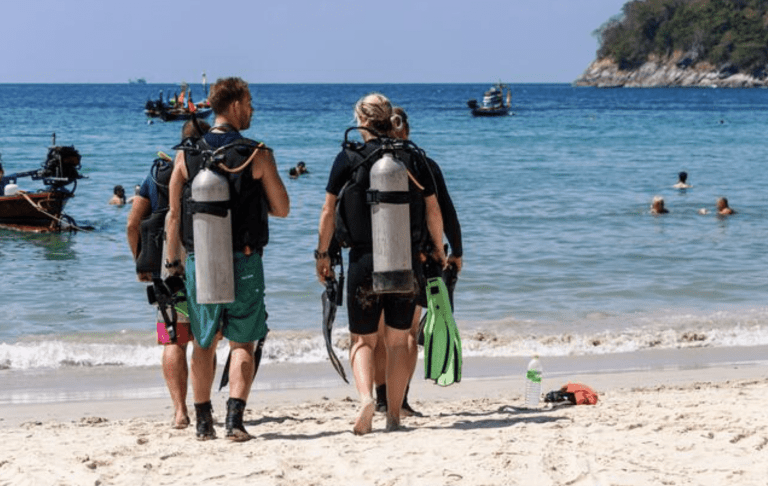

Share this

SDI Divemaster: The First Step into Professional Diving

What Is an SDI Divemaster?

The SDI Divemaster certification is the first professional rating within the SDI leadership system. While previous courses focus primarily on personal diving skills and individual development, the Divemaster programme shifts attention towards leadership, supervision, and responsibility for others.

As a Divemaster, you are no longer viewed simply as a diver participating in an activity. You become part of the operational team responsible for helping ensure safe, organised, and enjoyable diving experiences for other divers.

This change in responsibility represents one of the biggest transitions in a diver’s development.

At N9BO℠, we often describe Divemaster as the point where divers stop asking, “How can I improve my diving?” and start asking, “How can I help others enjoy diving safely?”


Moving Beyond Recreational Diving

Most divers spend their early training focused on learning skills, gaining experience, and exploring different environments. As experience grows, many begin to take a greater interest in dive planning, team management, equipment preparation, and assisting less experienced divers.

The Divemaster programme builds upon this natural progression.

Candidates learn how dive operations function behind the scenes and gain an understanding of the planning, organisation, and risk management required to conduct professional diving activities successfully.

The course develops not only diving ability, but also judgement, professionalism, and leadership.

At N9BO℠, we believe becoming a Divemaster is less about diving deeper or farther and more about developing responsibility and operational awareness.


Learning to Lead Underwater

Leadership is one of the central themes of the Divemaster programme.

A Divemaster must be capable of managing groups, assisting instructors, supervising certified divers, and maintaining awareness of both environmental conditions and diver behaviour.

This requires candidates to develop:

  • Situational awareness
  • Communication skills
  • Risk assessment abilities
  • Team management techniques
  • Professional decision-making

The course teaches that leadership underwater is rarely about authority. It is about calmness, competence, and the ability to inspire confidence in others.

Divers naturally follow professionals who appear organised, aware, and in control.

At N9BO℠, we teach that leadership begins with example.


Developing Professional Watermanship

By the time candidates enter the Divemaster programme, they are expected to possess solid diving skills. The course refines those skills to a professional standard.

Particular attention is given to:

  • Buoyancy control
  • Trim and propulsion
  • Demonstration-quality diving skills
  • Rescue capabilities
  • Problem-solving underwater

Professional divers must be able to perform skills smoothly and confidently, not only for themselves but also when demonstrating procedures to others.

This level of control often requires significant refinement and practice.

At N9BO℠, we emphasise that professionalism underwater begins with precision and consistency.

A group of four people in wetsuits sit on a boat beside scuba diving kit, listening to an instructor standing nearby on a rocky beach with a calm sea and mountains in the background.

Understanding Dive Operations

One of the most valuable aspects of Divemaster training is exposure to operational diving.

Candidates learn how professional dive operations manage:

  • Daily diving activities
  • Diver supervision
  • Site assessments
  • Equipment logistics
  • Emergency planning
  • Customer experience

Many divers are surprised by the amount of planning that occurs before anyone enters the water.

The programme provides a broader understanding of how safe and successful diving operations are organised.

At N9BO℠, we believe operational awareness is what separates experienced divers from diving professionals.


Assisting with Training Programmes

A Divemaster plays an important supporting role during diver education.

Working alongside instructors, Divemasters may assist with:

  • Confined water sessions
  • Open water training dives
  • Student supervision
  • Skill practice and coaching
  • Equipment preparation and logistics

This experience provides valuable exposure to teaching environments and often becomes the first step towards becoming an instructor.

Many future instructors discover their passion for teaching while working as Divemasters.

At N9BO℠, we encourage Divemaster candidates to view every student interaction as an opportunity to develop leadership and communication skills.


Risk Management and Diver Safety

Professional diving requires a different approach to safety than recreational diving.

A Divemaster must constantly monitor:

  • Environmental conditions
  • Diver behaviour
  • Team positioning
  • Equipment issues
  • Potential hazards

The objective is not simply responding to problems, but recognising and preventing them before they develop.

This proactive approach to safety becomes one of the defining characteristics of professional divers.

As awareness improves, candidates begin viewing dive sites and operations through a completely different lens.

At N9BO℠, we teach that prevention is one of the most important responsibilities of any dive professional.

A scuba diver in a wetsuit is underwater, facing the camera and waving with one hand. Blue ocean water surrounds them, and the sandy sea floor is visible below.

The Importance of Professionalism

Becoming a Divemaster is about more than knowledge and skill.

Professional divers represent the diving industry to students, customers, and fellow divers. Their behaviour influences how others perceive diving and often shapes the experience people have underwater.

The programme therefore emphasises:

  • Professional conduct
  • Reliability
  • Personal presentation
  • Ethical behaviour
  • Environmental responsibility

These qualities help create trust and confidence among divers and clients.

At N9BO℠, we believe professionalism is demonstrated through actions rather than titles.


A Gateway to Future Opportunities

For many divers, Divemaster represents the beginning of a professional career.

The certification can lead to opportunities in:

  • Recreational dive operations
  • Dive centres and resorts
  • Liveaboard operations
  • Public safety diving
  • Technical diving support
  • Instructor development programmes

Many candidates continue towards Assistant Instructor and Open Water Scuba Instructor certifications, while others use the programme to strengthen their leadership skills without pursuing a teaching career.

Regardless of future goals, Divemaster training provides valuable personal and professional development.

At N9BO℠, we view Divemaster as one of the most transformative programmes in diver education.


More Than a Certification

One of the most important lessons learned during Divemaster training is that professional status is earned daily.

Certification demonstrates that minimum requirements have been met, but true professionalism develops through:

  • Experience
  • Accountability
  • Continuous learning
  • Leadership
  • Service to others

The strongest Divemasters are often those who remain students themselves, continually seeking ways to improve and contribute to the diving community.

At N9BO℠, we teach that becoming a Divemaster is not the end of training—it is the beginning of professional development.


Operational Mindset

The SDI Divemaster programme reinforces a simple but powerful principle: professional divers place the needs of the operation, the team, and the divers they supervise ahead of their own personal dive objectives.

The role requires:

  • Awareness
  • Leadership
  • Professionalism
  • Responsibility
  • Sound judgement

These qualities create safer dive operations and better experiences for everyone involved.

At N9BO℠, we approach Divemaster training as leadership development through diving.

A diver explores the underwater world for personal enjoyment. A Divemaster helps others discover it safely.

A scuba diver swims above a rocky coral reef underwater, holding a red safety marker buoy that floats upward towards the water's surface. Sunlight filters through the blue water.

Take the First Step into Professional Diving

Contact N9BO℠ to begin your SDI Divemaster programme and develop the leadership, operational, and professional skills required to become an effective dive professional.


From the N9BO℠ Knowledge Base


Share this
Facebook
Instagram
X (Twitter)
TikTok
Youtube
Whatsapp