Nitrox Is More Than Just “More Bottom Time”
Enriched Air Nitrox allows divers to:
- Reduce nitrogen loading.
- Extend no-decompression limits.
- Increase surface interval efficiency.
- Decrease repetitive stress.
But safe nitrox use requires understanding:
- Maximum operating depth (MOD).
- Oxygen exposure limits.
- CNS toxicity risk.
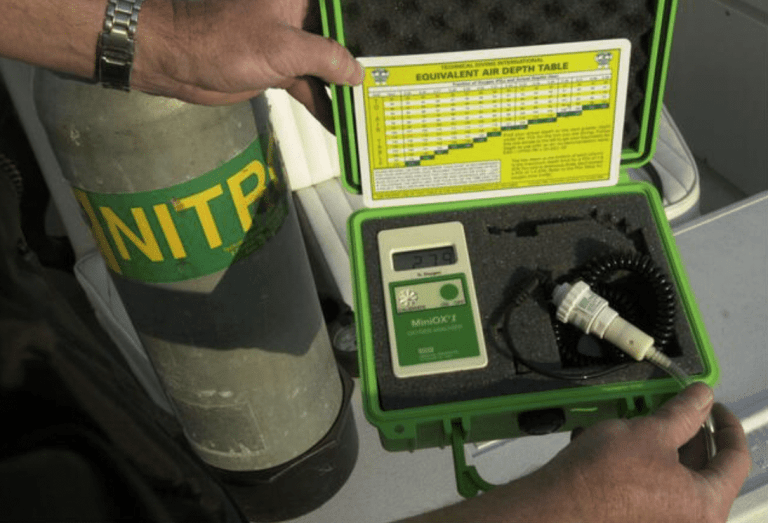
- Equivalent air depth (EAD).
Certification pathways determine how deeply these concepts are explored.
The SDI Computer Nitrox Course
The SDI Computer Nitrox course is:
- Computer-driven.
- Practical.
- Designed for recreational divers.
Its philosophy:
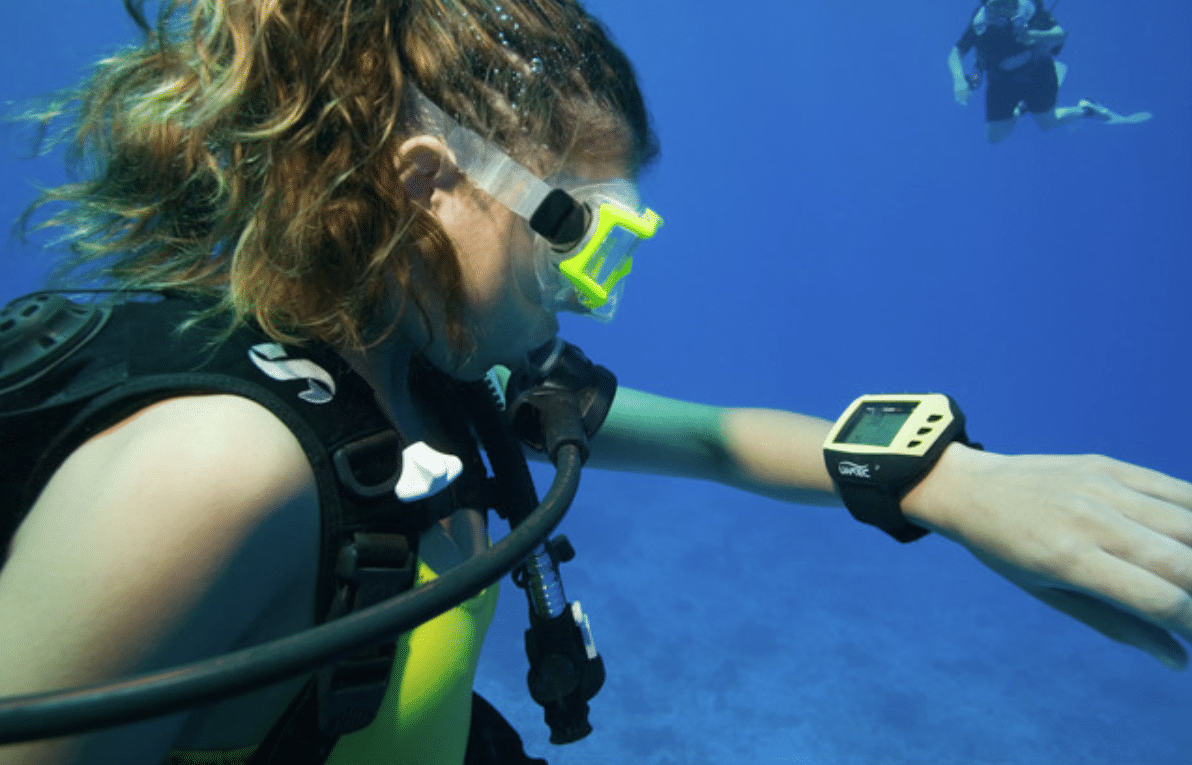
Divers use dive computers to:
- Set oxygen percentage.
- Monitor MOD.
- Track CNS exposure.
- Manage dive limits.
The emphasis is on:
Operational integration.
Students learn:
- How to configure their computer.
- How to verify oxygen percentage.
- How to interpret on-screen data.
It is streamlined.
Accessible.
Efficient.
The TDI Nitrox Course
The TDI Nitrox course takes a:
More calculation-based approach.
Students learn:
- Manual EAD calculation.
- Oxygen exposure tables.
- CNS tracking by hand.
- Gas planning without full reliance on computer.
- Theoretical decompression principles.
The emphasis is on:
Understanding before automation.
This builds:
Conceptual depth.
Planning independence.
Analytical thinking.
TDI Nitrox prepares divers for:
Technical progression.
Philosophy Difference: Automation vs Calculation
SDI Computer Nitrox:
Trusts modern dive computers.
Teaches safe configuration.
Builds confidence in digital tools.
TDI Nitrox:
Teaches divers to calculate.
Understand gas behaviour.
Cross-check digital outputs.
Operate without blind trust.
Neither is superior.
They serve different objectives.
Why Having Both Is Beneficial
Divers who hold both certifications gain:
- Theoretical depth.
- Practical integration.
- Redundancy in understanding.
- Stronger problem-solving capacity.
- Smooth transition to technical diving.
If a computer fails:
A TDI-trained diver can still calculate MOD.
If a diver forgets manual equations:
Computer knowledge reinforces safety.
Knowledge layers increase margin.
Bridging Recreational and Technical Pathways
Many divers begin with:
Recreational Nitrox.
Later, they pursue:
Advanced Nitrox.
Decompression Procedures.
Trimix training.
Holding both courses:
Smooths transition.
Technical diving assumes:
Strong manual gas planning foundation.
Without theoretical understanding:
Progression becomes fragile.
Instructor-Level Advantage
For dive professionals and instructors:
Holding both certifications:
- Expands teaching capability.
- Improves standards comprehension.
- Enhances credibility.
- Strengthens student mentorship.
Instructors must understand:
Both digital reliance and manual calculation.
Students benefit from broader perspective.
Risk Management Perspective
Computer-only divers may:
- Over-rely on automation.
- Misinterpret data.
- Fail to cross-check MOD manually.
Calculation-only divers may:
- Ignore technological advances.
- Miss integrated alerts.
Balanced competence reduces:
Blind spots.
Operational Flexibility
Technical environments sometimes involve:
- Multiple computers.
- Backup tables.
- Manual contingency planning.
- Mixed gas configurations.
Understanding both methodologies:
Builds adaptability.
Adaptability protects safety margin.
Professional Development Strategy
At N9BO℠, we often recommend both pathways for divers serious about progression. Computer Nitrox builds operational familiarity; TDI Nitrox builds theoretical backbone.
The combination creates:
Depth.
Confidence.
Flexibility.
Redundancy.
Redundancy in knowledge is as valuable as redundancy in equipment.
Gas Discipline Begins Here
Nitrox training introduces:
- Oxygen toxicity awareness.
- Depth discipline.
- Gas verification procedure.
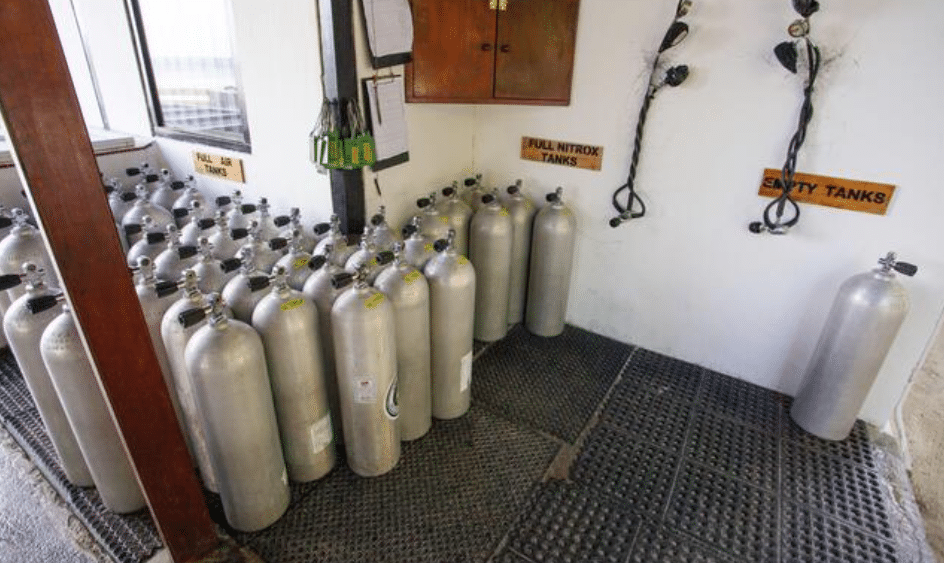
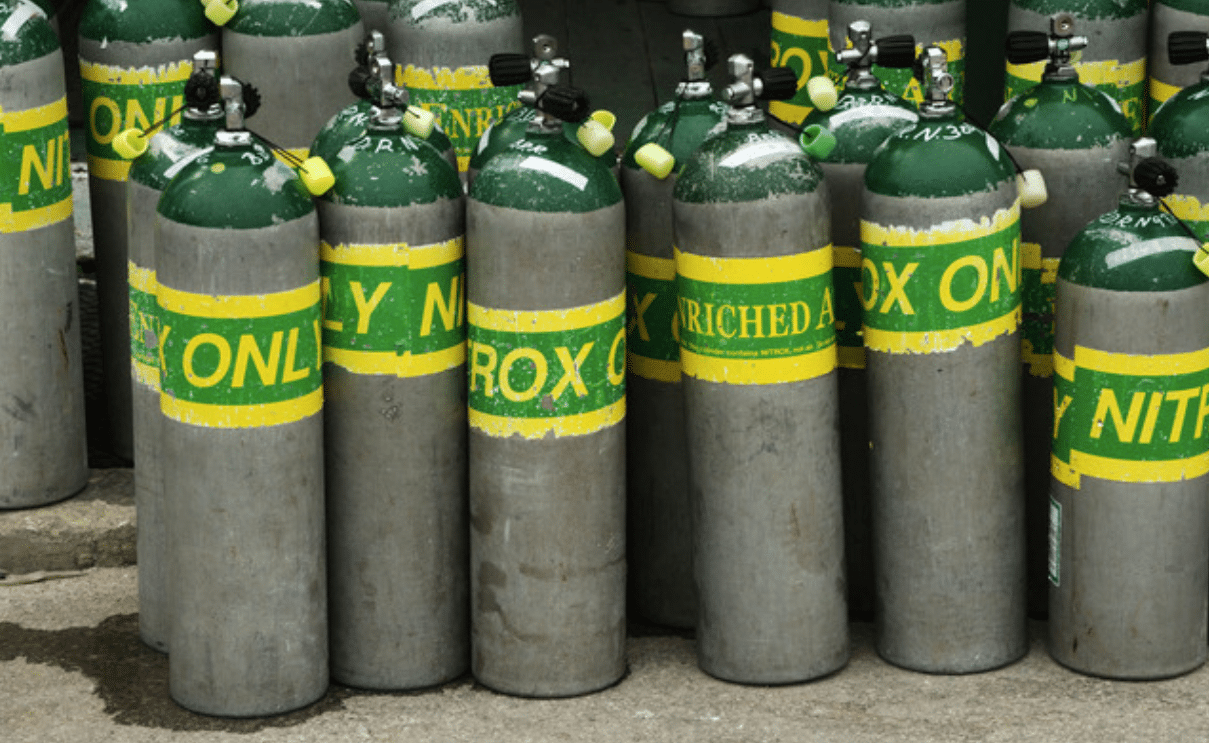
- Cylinder labelling standards.
- Analytical confirmation habits.
These behaviours form:
The base of technical discipline.
Divers who build strong nitrox foundations:
Transition smoothly to advanced gas planning.
Long-Term Value
Even if a diver never pursues:
Full technical certification,
Holding both courses enhances:
Dive planning maturity.
Confidence in interpretation.
Situational awareness.
Knowledge compounds.
Competence stabilises.
Final Perspective
SDI Computer Nitrox teaches:
How to use enriched air safely with modern tools.
TDI Nitrox teaches:
Why those tools work — and what to do without them.
Together, they build:
Competence layered with understanding.
For divers serious about development,
Holding both is not redundancy.
It is reinforcement.

Ready to Strengthen Your Nitrox Knowledge?
Combine practical computer-based training with strong theoretical foundations. Contact N9BO℠ to explore SDI and TDI Nitrox pathways.
From the N9BO℠ Knowledge Base