Understanding the Purpose of a DPV
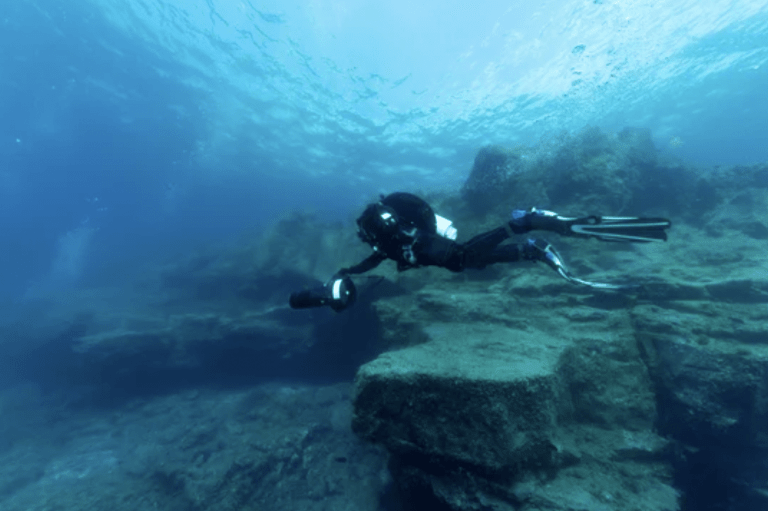
A Diver Propulsion Vehicle is essentially an underwater transport system. Instead of relying entirely on finning and physical effort, the diver uses motorised propulsion to move efficiently through the water.
The DPV pulls the diver forward while the diver maintains steering, buoyancy, and situational awareness.
This allows divers to:
- Travel longer distances
- Conserve energy and gas
- Reduce workload during extended dives
- Maintain greater efficiency in current or large environments
Although DPVs are often associated with technical diving, they are also widely used in recreational, scientific, military, public safety, and cave diving operations.
At N9BO℠, we describe DPVs as force multipliers for underwater mobility.
How a DPV Works
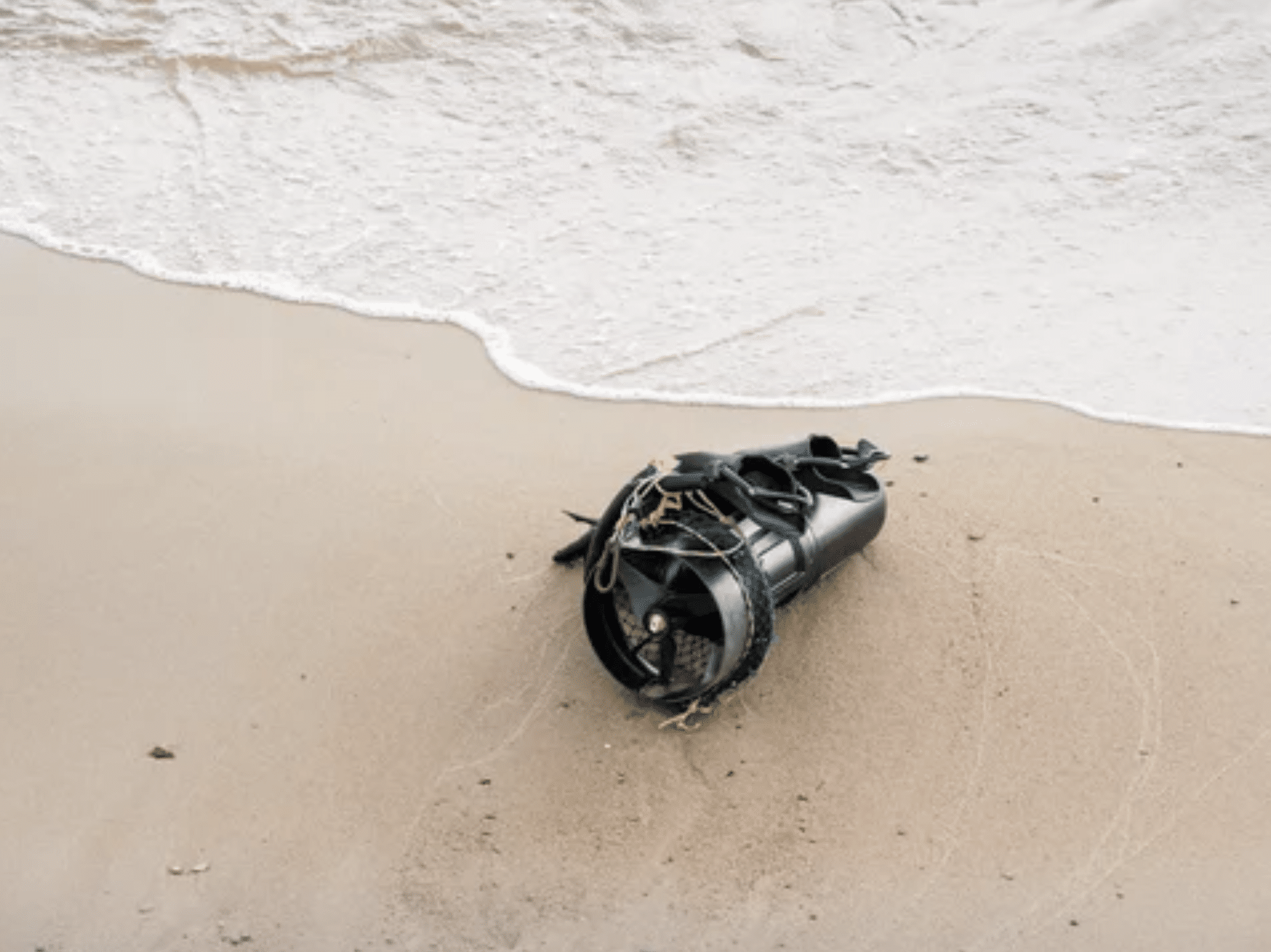
A DPV uses an electric motor powered by rechargeable batteries to drive a propeller system. The diver holds onto the unit while the motor provides forward propulsion through the water.
Most DPVs include:
- A propulsion motor
- Battery compartment
- Speed controls or trigger systems
- Buoyancy adjustments
- Steering handles and tow points
The diver normally rides behind the DPV in a streamlined position while controlling direction and speed.
Unlike surface vehicles, DPVs are designed for neutral or slightly negative buoyancy and are engineered to operate efficiently underwater.
At N9BO℠, we emphasise that DPV control depends on trim and body positioning rather than brute force.
Why Divers Use DPVs
The primary advantage of a DPV is efficiency.
Swimming underwater consumes significant energy and increases gas consumption. Over long distances, this can limit exploration range and increase diver fatigue.
DPVs allow divers to:
- Extend exploration distance
- Reach remote sections of caves or wrecks
- Reduce physical workload
- Preserve gas reserves for mission objectives
In technical diving, this capability becomes especially valuable because large cave systems or deep wreck penetrations may involve extremely long transit distances.
For recreational divers, DPVs can also increase enjoyment by allowing effortless movement over reefs and larger dive sites.
At N9BO℠, we teach that DPVs improve operational capability when used with proper discipline and planning.
DPVs in Technical Diving
DPVs are heavily associated with technical diving because they dramatically expand operational range.
Technical divers commonly use DPVs during:
- Cave exploration
- Deep wreck penetration
- Long decompression dives
- Survey and exploration projects
Without propulsion assistance, many technical dive objectives would become physically impractical or excessively demanding.
However, DPVs also increase task loading significantly. The diver must manage:
- Navigation
- Buoyancy
- Speed control
- Team positioning
- Gas management
- Equipment awareness
The DPV therefore becomes another life-support-related system that must be monitored and controlled continuously.
At N9BO℠, we reinforce that DPVs expand capability but also increase operational complexity.

Buoyancy and Trim Become Critical
One of the first lessons divers discover when using DPVs is that buoyancy and trim become even more important.
Poor body positioning creates:
- Increased drag
- Reduced battery efficiency
- Instability during propulsion
- Difficulty maintaining control
The diver must remain streamlined and stable while moving at higher speeds than normal swimming.
DPVs also amplify poor diving habits. Small buoyancy problems become more noticeable when travelling quickly underwater.
For this reason, strong foundational diving skills are essential before progressing into DPV use.
At N9BO℠, we teach that good DPV divers are usually already highly controlled divers.
Speed Changes Underwater Awareness
DPVs allow divers to move much faster than normal finning speeds, which changes how the underwater environment is perceived and managed.
Higher speed reduces:
- Reaction time
- Margin for navigation errors
- Ability to stop quickly
The diver must therefore maintain greater situational awareness and plan movements more carefully.
This is especially important in:
- Caverns and caves
- Wreck penetration
- Low visibility environments
- Areas with entanglement hazards
DPVs should never encourage rushed or aggressive diving behaviour.
At N9BO℠, we emphasise that speed underwater must always remain controlled and deliberate.
Battery Management and Redundancy
Because DPVs rely entirely on battery power, energy management becomes an important operational consideration.
Divers must monitor:
- Battery runtime
- Speed settings
- Distance travelled
- Return requirements
Technical DPV operations are generally planned conservatively to ensure sufficient power remains for the exit phase of the dive.
Many advanced operations also incorporate redundancy planning in case of:
- Battery failure
- Propeller entanglement
- Flooded motor systems
- Trigger or control malfunction
The DPV is therefore treated as mission-critical equipment rather than a simple recreational accessory.
At N9BO℠, we emphasise that propulsion planning is part of overall dive planning.
Environmental Awareness and Responsible Use
DPVs can easily damage fragile underwater environments if used carelessly.
Poor control may:
- Disturb sediment
- Damage coral or cave formations
- Stress marine life
- Reduce visibility for the team
Responsible DPV use therefore requires:
- Stable buoyancy
- Controlled speed
- Good spatial awareness
- Respect for environmental limitations
Many of the same principles found in technical diving apply directly to DPV operation: slow is smooth, and smooth is efficient.
At N9BO℠, we reinforce that environmental protection remains more important than speed or range.
DPVs for Recreational Divers
Although DPVs are often associated with technical diving, recreational DPV diving has become increasingly popular.
Recreational divers use DPVs for:
- Reef exploration
- Drift assistance
- Extended sightseeing dives
- Photography and videography support
Modern recreational DPVs are generally smaller, simpler, and easier to operate than technical exploration scooters.
However, proper training is still important because propulsion changes buoyancy control, navigation, and overall dive dynamics.
At N9BO℠, we encourage divers to approach DPV use with the same discipline applied to all specialised diving equipment.
Operational Mindset
DPVs reinforce an important operational principle: increased capability always requires increased discipline.
The vehicle allows the diver to travel farther, move faster, and reduce workload, but it also increases task loading, environmental impact potential, and operational complexity.
Strong DPV divers are defined not by speed or distance, but by:
- Control
- Efficiency
- Awareness
- Conservative planning
- Environmental discipline
At N9BO℠, we approach DPV diving as controlled underwater mobility rather than underwater “speed”.
The vehicle does not replace diving skill. It amplifies it—for better or worse.

Expand Your Underwater Range with Control and Efficiency
Contact N9BO℠ to begin DPV training and develop the buoyancy, awareness, and operational discipline required for safe and efficient underwater propulsion.
From the N9BO℠ Knowledge Base