What Salvage Diving Really Involves
Salvage operations may include:
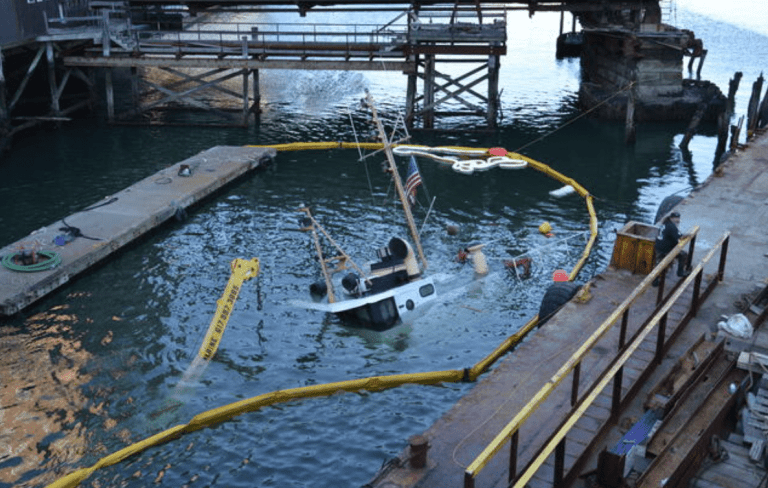
- Sunken boats.
- Vehicles in rivers or lakes.
- Industrial equipment.
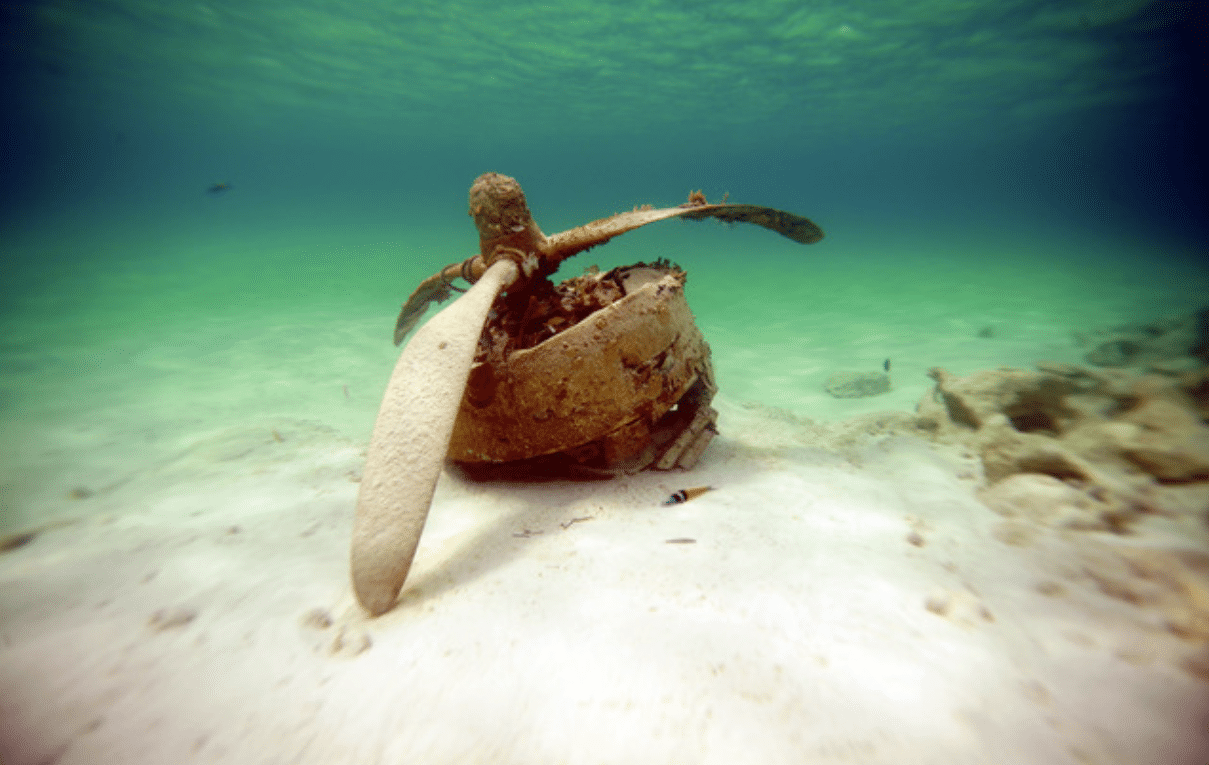
- Aircraft components.
- Infrastructure debris.
- Disaster recovery assets.
Unlike recreational diving:
Salvage introduces:
Unstable loads.
Entanglement hazards.
Limited visibility.
Hydraulic forces.
Compressed gas lifting systems.
Unpredictable structural collapse.
Every object underwater behaves differently than expected.
Buoyancy alters physics.
Water adds resistance.
Instability multiplies risk.
Planning Is the Real Work
Before entering the water, professional salvage requires:
Load assessment.
Weight estimation (dry and submerged).
Lift bag selection.
Anchor point evaluation.
Environmental impact consideration.
Emergency contingency planning.
Improvised lifting leads to:
Uncontrolled ascent.
Runaway loads.
Diver entrapment.
Equipment failure.
Controlled salvage begins with mathematics and documentation.
Understanding Submerged Weight
Objects underwater:
Lose apparent weight due to buoyancy.
However:
Air pockets.
Silt suction.
Entanglement.
Structural deformation.
Can drastically alter lifting dynamics.
Professional salvage divers calculate:
Displacement.
Estimated mass.
Gas expansion during ascent.
Stability of attachment points.
Lifting is not guesswork.
It is engineering under pressure.
Lift Bags: Tools, Not Shortcuts
Lift bags introduce:
Gas expansion risk.
Rapid ascent potential.
Tension shifts.
Dynamic instability.
Divers must manage:
Inflation control.
Gas venting.
Balanced lift distribution.
Redundant attachment systems.
Over-inflation can result in:
Explosive upward movement.
Loss of load control.
Surface impact hazard.
Training emphasises:
Slow, measured inflation.
Continuous monitoring.
Clear communication.

Environmental Considerations
Salvage may disturb:
Fuel.
Hazardous materials.
Biological contaminants.
Sediment plumes.
Uncontrolled operations can:
Damage ecosystems.
Release pollutants.
Compromise legal investigations.
Environmental awareness is central.
Not secondary.
Public Safety and Legal Context
Salvage operations frequently intersect with:
Law enforcement.
Insurance investigations.
Maritime authorities.
Environmental agencies.
Documentation becomes:
Critical evidence.
Professional divers must maintain:
Chain-of-custody awareness.
Photo documentation.
Operational logs.
Witness coordination.
Salvage is often legal as well as physical work.
Entanglement and Structural Collapse
Salvage environments are unstable.
Vehicles may:
Shift suddenly.
Collapse under tension.
Trap hoses and lines.
Dislodge debris.
Training prepares divers to:
Position safely.
Avoid under-load placement.
Maintain escape pathways.
Use cutting tools strategically.
The most dangerous position:
Under a suspended load.
Surface Support and Team Structure
Effective salvage requires:
Dive supervisor.
Surface tender.
Lift coordinator.
Gas monitoring personnel.
Emergency backup team.
Surface discipline prevents:
Communication breakdown.
Lift mismanagement.
Diver isolation.
Salvage is never solo.
Psychological Control Under Pressure
Salvage often occurs:
After accidents.
During emotionally charged recoveries.
Under public scrutiny.
Divers must remain:
Calm.
Procedural.
Detached from external pressure.
Rushing a recovery:
Increases incident likelihood.
Professional restraint protects both team and objective.
Equipment Considerations
Salvage divers typically employ:
Redundant gas systems.
Surface-supplied equipment (when required).
Full-face masks.
Communication systems.
Cutting tools.
Heavy-duty lift bags.
Rigging systems.
Equipment selection reflects:
Operational complexity.
Improper equipment magnifies risk.
Salvage vs Recovery vs Rescue
Salvage:
Focuses on asset recovery.
Recovery:
May involve evidence or remains.
Rescue:
Prioritises immediate life-saving.
Each discipline carries different urgency.
Different risk tolerance.
Different procedural structure.
Clarity of mission matters.
Operational Discipline at N9BO℠
At N9BO℠, salvage training emphasises:
Controlled lifting.
Surface coordination.
Environmental awareness.
Mathematical load planning.
Risk mitigation through structure.
We treat salvage not as a dramatic event.
But as a:
Deliberate engineering task underwater.
Because underwater, gravity behaves differently.
But consequences remain absolute.
Common Salvage Errors
Professional reviews of incidents show recurring mistakes:
Improper lift bag sizing.
Underestimating silt suction.
Inflating too quickly.
Poor attachment point selection.
Lack of contingency planning.
Surface miscommunication.
Each error:
Compounds.
Training reduces these patterns.
The Culture of Professional Recovery
True salvage professionalism means:
No improvisation under pressure.
No shortcuts.
No ego-driven decisions.
No speed-based pride.
It means:
Measured action.
Clear documentation.
Team cohesion.
Structured exit planning.
The goal is not just recovery.
It is safe recovery.
Final Perspective
Salvage diving combines:
Physics.
Engineering.
Team coordination.
Environmental awareness.
Psychological control.
It is not about lifting.
It is about:
Managing risk while restoring assets.
Professional salvage divers understand:
The object underwater is not the greatest hazard.
Instability is.
Structure reduces instability.
Training builds structure.

Planning a Salvage Operation or Professional Recovery?
Contact N9BO℠ to discuss structured salvage training and operational planning for safe, controlled underwater recovery.
From the N9BO℠ Knowledge Base