Purpose of the Decompression Procedures Course
The TDI Decompression Procedures course is designed to teach divers how to plan and execute dives that require mandatory decompression stops. Unlike no-decompression diving, ascent is no longer flexible—time must be spent at specific depths to allow safe elimination of inert gas.
This marks a fundamental shift in diving. The diver is no longer free to ascend at will. The dive now includes a decompression obligation that must be completed regardless of conditions.
The course is often taught alongside Advanced Nitrox because the two together form the operational foundation of technical diving.
At N9BO℠, we define this course as the point where diving becomes a commitment rather than an option.
Understanding Decompression as an Obligation
In recreational diving, limits are designed to avoid decompression requirements. In this course, those limits are intentionally exceeded, and decompression becomes a planned phase of the dive.
This obligation exists because inert gas accumulates in body tissues under pressure and must be released in a controlled manner during ascent. If this process is not managed correctly, the risk of decompression sickness increases significantly.
Divers must therefore understand not only how to calculate decompression, but also why it is required. The depth and duration of stops are not arbitrary—they are determined by exposure and must be followed precisely.
At N9BO℠, we emphasise that decompression is not a guideline. It is a requirement that defines the dive.
Planning Decompression Dives
Decompression diving begins with planning. Divers must define the entire dive profile before entering the water, including depth, bottom time, ascent rate, and decompression schedule.
This planning process introduces a higher level of structure. Divers must consider gas requirements, contingency scenarios, and how environmental factors may affect execution.
The dive plan must account for:
- Required decompression stops and durations
- Gas consumption for both bottom and decompression phases
- Team alignment and contingency reserves
Once in the water, the diver is committed to that plan. Adjustments are limited and must remain within safe parameters.
At N9BO℠, we treat planning as the primary control mechanism in decompression diving.

Execution of Staged Decompression
Staged decompression requires the diver to ascend in a controlled manner, stopping at predefined depths for specific durations. These stops allow inert gas to be released safely from the body.
The process is structured and continuous. The diver must maintain accurate depth control and adhere strictly to timing.
Any deviation—ascending too quickly, missing a stop, or shortening its duration—can significantly increase risk. The ascent itself becomes a critical phase of the dive, not simply a return to the surface.
Maintaining position during stops requires precise buoyancy control and awareness of environmental conditions such as current or surge.
At N9BO℠, we emphasise that ascent is the most controlled phase of a decompression dive.
Gas Management and Multiple Cylinders
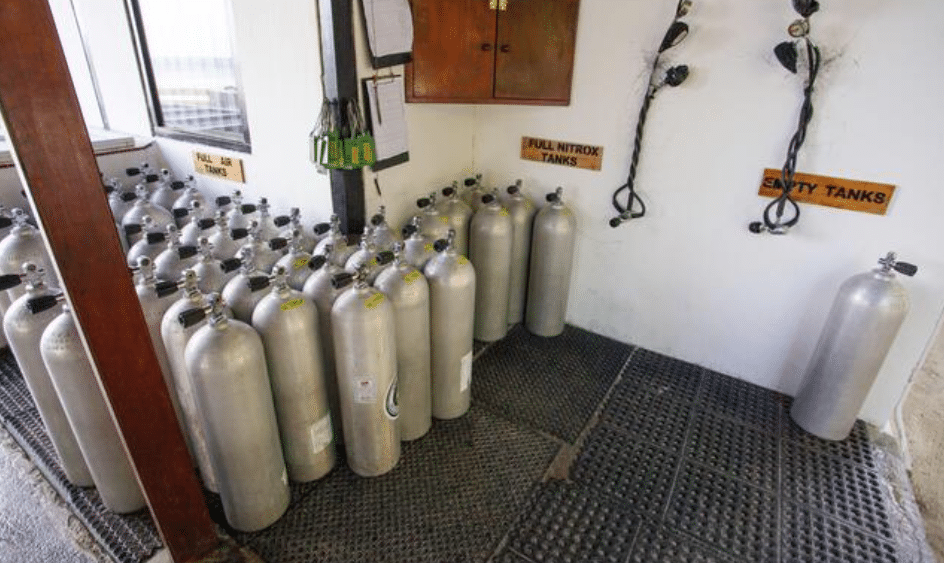
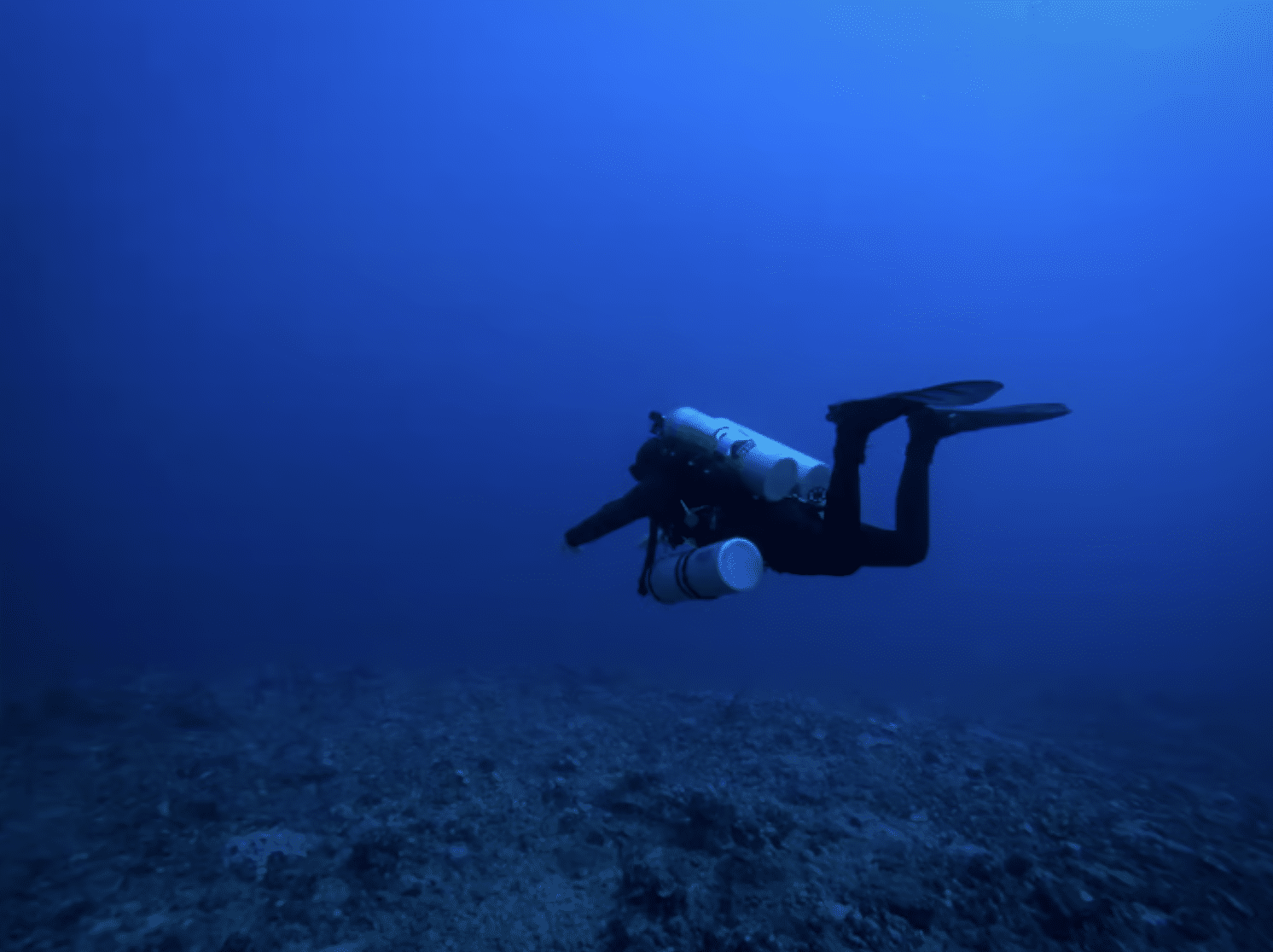
Decompression Procedures introduces the use of multiple gas sources. Divers may carry additional cylinders to support both bottom gas and decompression phases.
Managing these gases requires planning, awareness, and discipline. Each gas has a defined purpose, and switching between them must be executed at the correct depth.
Gas switching introduces complexity. It requires verification, confirmation, and controlled execution to avoid errors such as breathing the wrong gas or switching at the wrong depth.
The diver must maintain continuous awareness of gas status and consumption, ensuring that reserves are sufficient for both planned and contingency scenarios.
At N9BO℠, we treat gas management as a continuous task, not an intermittent check.
Equipment Configuration and Redundancy
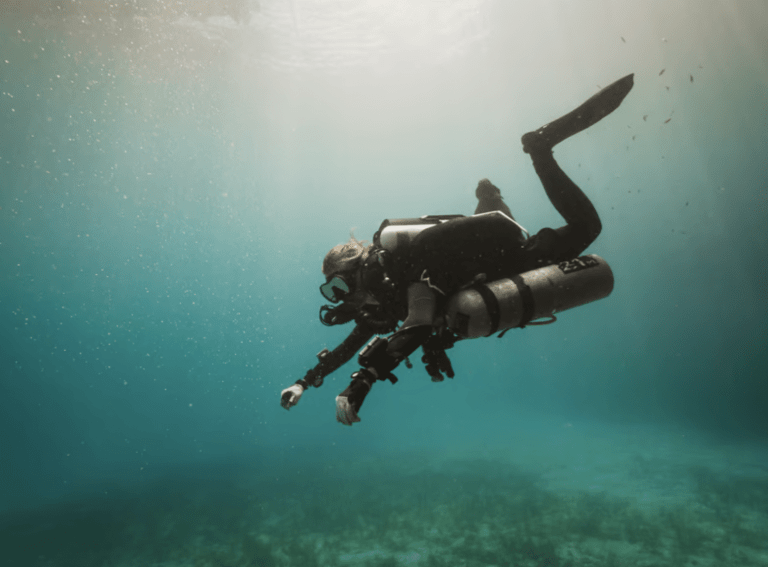
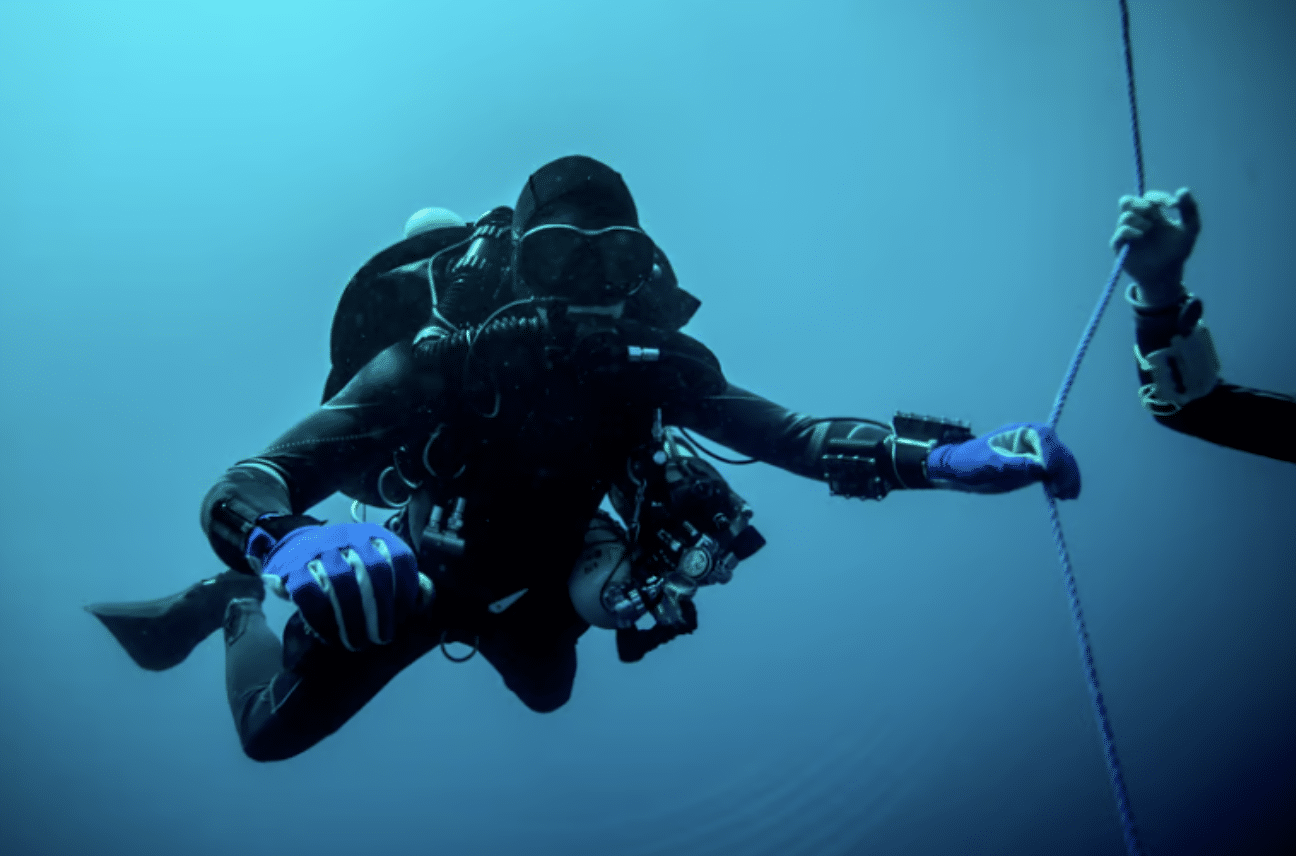
Decompression diving requires a more advanced equipment configuration. Divers typically use doubles or sidemount systems, along with stage or decompression cylinders.
This configuration must support redundancy. In a decompression environment, a direct ascent is not an option, so failures must be managed in-water.
Equipment must be:
- Reliable and properly maintained
- Configured for easy access and operation
- Standardised to reduce confusion during critical tasks
The system must allow the diver to respond to failures without compromising the decompression obligation.
At N9BO℠, we treat equipment as part of a risk management system, not simply as tools.
Task Load and Operational Control
Decompression diving significantly increases task load. The diver must manage multiple variables simultaneously, including depth, time, gas, and team coordination.
This creates a risk of overload. Divers must maintain awareness while executing tasks, ensuring that no element is neglected.
To manage this, divers must:
- Prioritise critical parameters such as depth and time
- Maintain continuous monitoring of gas and decompression status
- Avoid fixation on single tasks
Loss of awareness during decompression can lead to missed stops or incorrect execution.
At N9BO℠, we integrate human factors into training to ensure control is maintained under increased workload.
Team Coordination and Discipline
Decompression diving is typically conducted in teams. Each diver’s actions affect the entire group, particularly during ascent and decompression stops.
Procedures must be standardised across the team. Gas switches, ascent rates, and stop durations must be aligned to ensure consistency.
Communication, even when limited, must be clear and structured. Each diver must understand the plan and execute it without deviation.
Coordination reduces variability and ensures that all team members remain within safe parameters.
At N9BO℠, we emphasise that decompression is a team-controlled process, not an individual activity.
Operational Mindset
The TDI Decompression Procedures course represents a fundamental shift in diving. The diver moves from optional limits to mandatory obligations, where every phase of the dive is controlled and defined.
Success depends on precision, discipline, and continuous awareness. There is no tolerance for improvisation or deviation from the plan.
At N9BO℠, we approach decompression diving as a system of control. Planning, equipment, procedures, and mindset must align to manage risk effectively.
In technical diving, freedom is replaced by responsibility. The diver is committed to the dive until the decompression obligation is complete.
Train for Obligation, Not Just Exposure
Contact N9BO℠ to integrate TDI Decompression Procedures training into your development pathway, building the discipline and control required for safe technical diving.
From the N9BO℠ Knowledge Base