What Is the SDI Air Fill Station Technician Course?
Most divers simply hand over a cylinder and expect it to be filled safely and correctly. Few realise the level of responsibility involved in operating an air fill station.
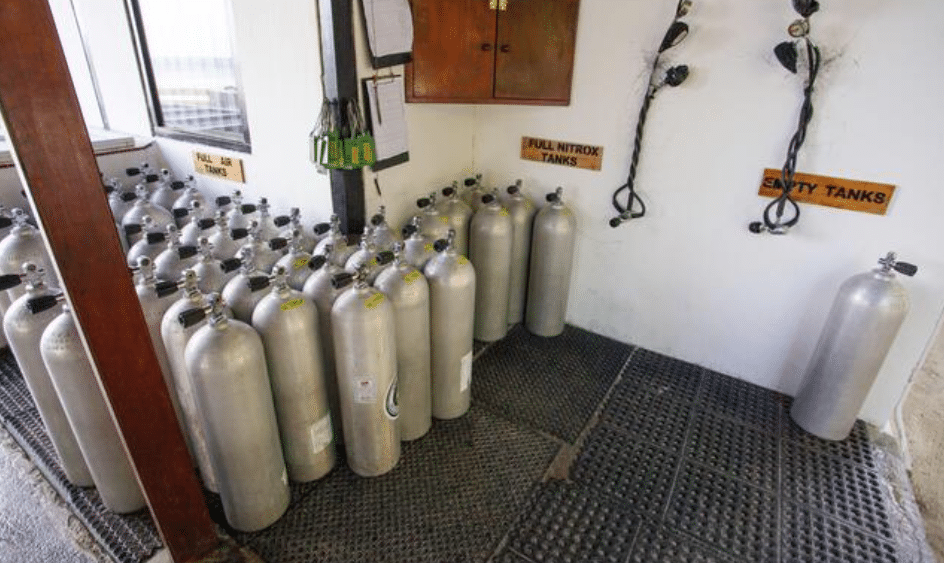
The SDI Air Fill Station Technician course was developed to provide proper training for individuals responsible for filling compressed gas cylinders with air. The programme focuses on safety, risk management, air quality, cylinder handling, and compressor operation, ensuring that candidates understand not only how to fill cylinders but also why specific procedures must be followed.
At N9BO℠, we often say that safe diving starts at the compressor, not at the dive site.
Why Proper Cylinder Filling Matters
A scuba cylinder may appear simple, but it contains compressed gas stored at extremely high pressures.
Improper filling procedures can lead to:
- Contaminated breathing gas
- Damaged cylinders
- Equipment failure
- Serious injury
- Catastrophic accidents
The fill station technician plays a critical role in preventing these risks by following established procedures and maintaining strict safety standards.
The course helps candidates understand that filling cylinders is not merely a routine task. It is a safety-critical responsibility that directly affects every diver who uses the equipment.
At N9BO℠, we teach that attention to detail at the fill station protects divers long before they enter the water.
Understanding Breathing-Grade Air
One of the most important topics covered during the programme is breathing-grade air.
Many people assume that compressed air is simply air placed into a cylinder. In reality, breathing gas quality must meet specific standards to ensure it is safe for human consumption underwater.
Students learn about:
- Air quality standards
- Contaminants and impurities
- Moisture control
- Carbon monoxide hazards
- Air analysis procedures
- Compressor filtration systems
Understanding these factors is essential because poor air quality can have serious consequences for diver safety.
At N9BO℠, we emphasise that the quality of a dive often depends on the quality of the air inside the cylinder.
Safe Cylinder Handling and Inspection
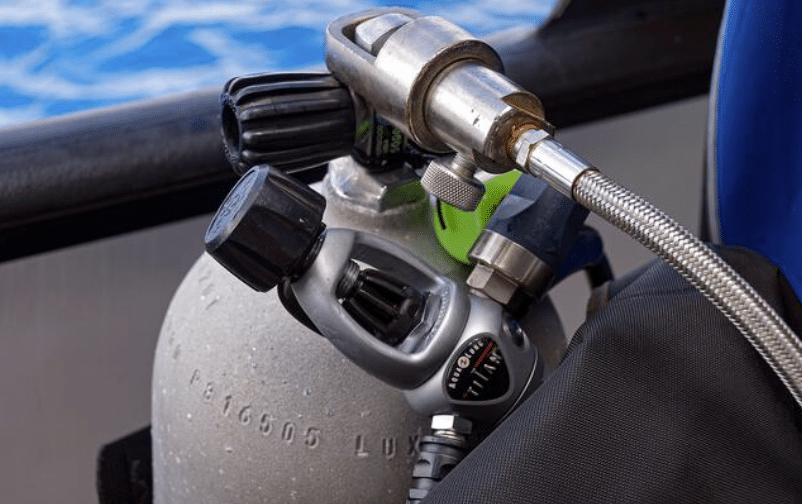
Before a cylinder is filled, it must first be inspected and handled correctly.
The course teaches candidates how to:
- Identify obvious cylinder defects
- Verify inspection status
- Handle cylinders safely
- Transport cylinders correctly
- Recognise situations that require further inspection
This knowledge helps technicians avoid filling cylinders that may present safety concerns.
The programme also requires completion of the SDI Visual Inspection Procedures (VIP) eLearning course, ensuring candidates understand the importance of cylinder condition and inspection requirements.
At N9BO℠, we teach that a cylinder should always be evaluated before it is connected to a compressor.
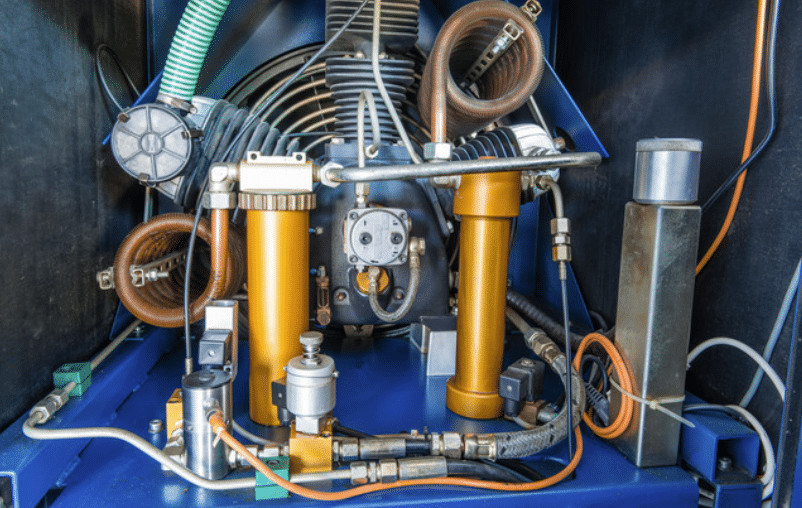
Learning About Compressors and Fill Stations
Many divers never see the equipment responsible for producing the breathing gas they use.
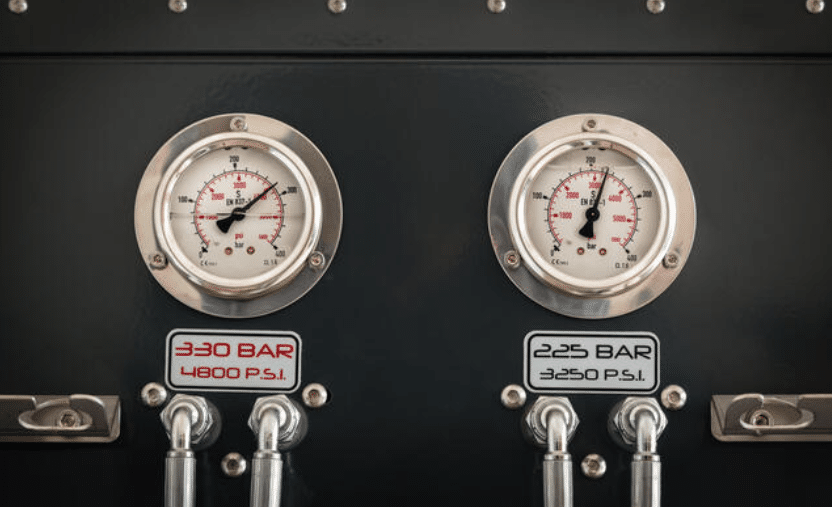
The Air Fill Station Technician course introduces candidates to:
- Compressor systems
- Air production equipment
- Filtration systems
- Fill station design
- Safety devices and controls
- Operational procedures
Understanding how these systems function helps technicians identify potential problems before they affect air quality or safety.
The course provides valuable insight into the behind-the-scenes operation of every professional dive centre.
At N9BO℠, we believe understanding equipment leads to safer and more reliable operations.
Who Should Take This Course?
The programme is particularly valuable for:
- Dive centre staff
- Compressor operators
- Equipment technicians
- Dive professionals
- Serious recreational divers
Anyone involved in cylinder filling operations can benefit from the knowledge provided during the course. Many instructors and Divemasters also complete the programme to gain a broader understanding of dive centre operations and gas management procedures.
At N9BO℠, we encourage every professional diver to understand how the gas they breathe is produced and delivered.
A Valuable Skill for Dive Professionals
For those pursuing professional diving careers, the Air Fill Station Technician certification can be particularly useful.
Dive centres rely heavily on staff who understand:
- Compressor operation
- Cylinder management
- Air quality procedures
- Safety systems
- Equipment handling
The certification demonstrates a commitment to operational safety and provides practical skills that contribute directly to day-to-day dive centre operations.
At N9BO℠, we view compressor room knowledge as an important part of becoming a well-rounded dive professional.
More Than Just Filling Cylinders
One of the biggest misconceptions about fill station operations is that the process is simple.
In reality, technicians must constantly monitor:
- Air quality
- Equipment performance
- Cylinder condition
- Filling rates
- Safety procedures
The role requires discipline, attention to detail, and a strong understanding of operational safety.
A professional fill station technician contributes directly to diver safety with every cylinder they fill.
At N9BO℠, we teach that professionalism often means mastering the tasks that divers never see.
Operational Mindset
The SDI Air Fill Station Technician course reinforces a simple but critical principle: safe diving begins with safe breathing gas.
The technician’s responsibilities extend beyond operating equipment. They become part of the safety chain that protects divers before, during, and after every dive.
Strong Air Fill Station Technicians develop:
- Attention to detail
- Safety awareness
- Equipment knowledge
- Operational discipline
- Professional responsibility
These qualities contribute to safer diving operations and higher standards throughout the industry.
At N9BO℠, we approach the Air Fill Station Technician course as professional safety training rather than simply compressor training.
Every diver trusts the gas in their cylinder. This course teaches you how to earn that trust.
Become Part of the Safety Chain
Contact N9BO℠ to enrol in the SDI Air Fill Station Technician course and develop the knowledge and practical skills required to safely inspect, handle, and fill compressed air cylinders.
From the N9BO℠ Knowledge Base