What Is Shore and Beach Diving?
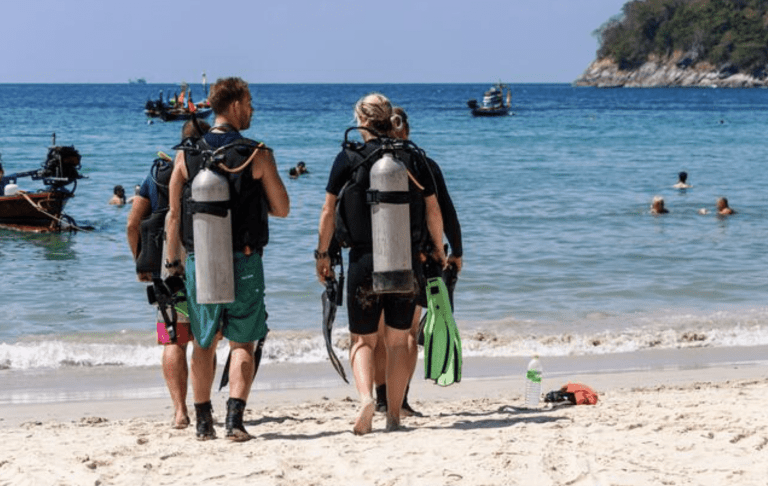
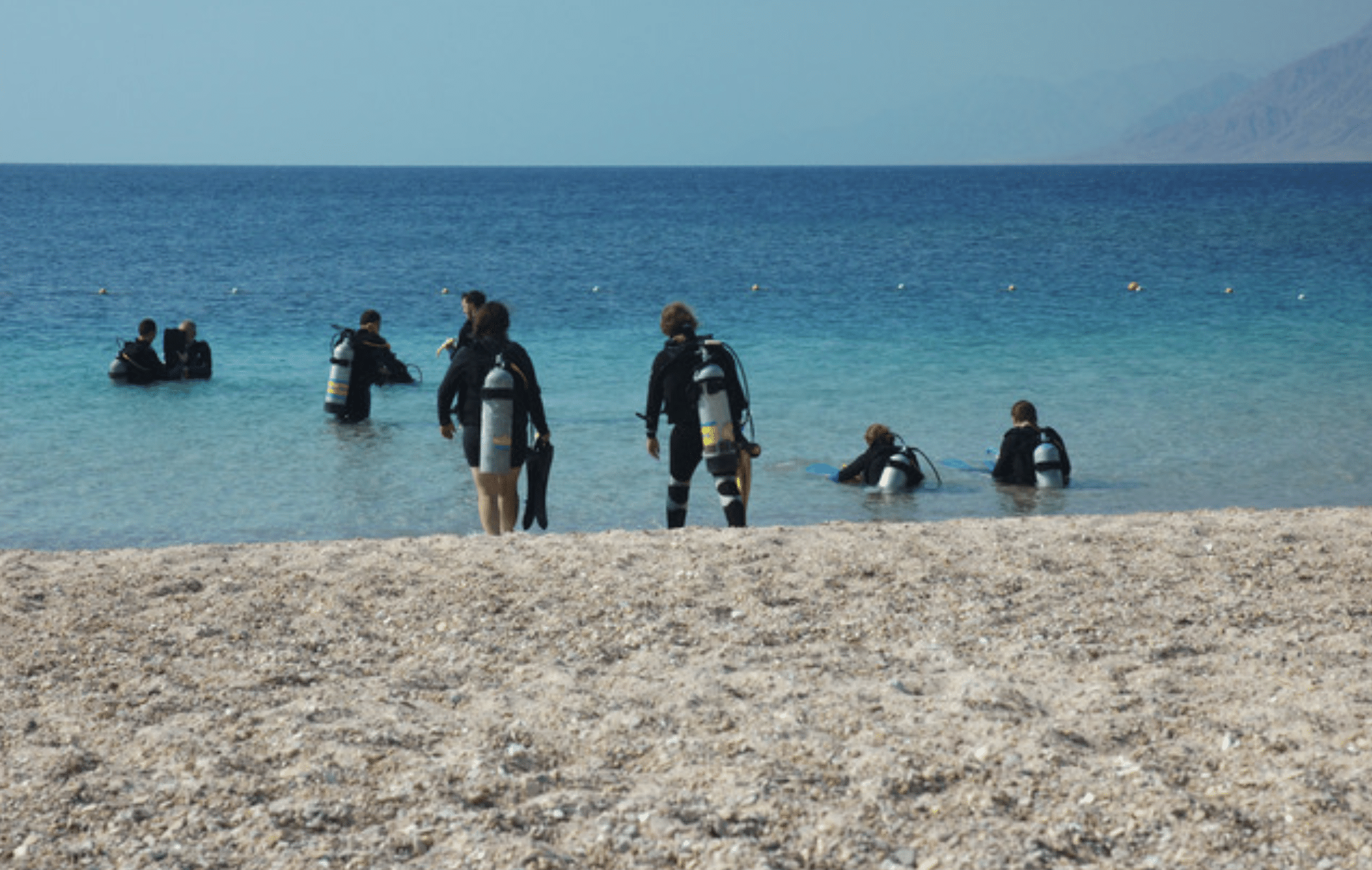
When most people imagine scuba diving, they picture boats heading towards offshore reefs or distant dive sites. However, a significant amount of diving around the world takes place directly from the shore.
Shore diving offers a unique level of flexibility and independence. Divers can often access excellent reefs, walls, wrecks, and marine habitats without requiring a boat, skipper, or complex logistics.
The challenge is that shore diving introduces its own set of environmental considerations. Unlike stepping off a boat into open water, divers must first negotiate the shoreline itself.
The SDI Shore / Beach Diver course focuses on teaching divers how to evaluate these conditions and operate safely in coastal environments.
At N9BO℠, we often describe shore diving as one of the most rewarding forms of diving because it combines exploration, planning, and environmental awareness.
Why Shore Diving Requires Special Skills
Many new divers underestimate how challenging a shoreline can be.
Conditions that appear calm from the surface may involve:
- Wave action
- Shore break
- Surge
- Tidal movement
- Slippery rocks
- Uneven entry points
These factors can influence both safety and enjoyment if not managed correctly.
The Shore / Beach Diver course teaches divers how to assess conditions before entering the water and how to select the safest and most efficient entry and exit procedures.
At N9BO℠, we teach that successful shore diving begins before the equipment is assembled.
Understanding Coastal Conditions
One of the most important aspects of the course is learning how to evaluate the environment.
Students learn how to assess:
- Weather conditions
- Wind direction
- Surface conditions
- Wave patterns
- Tides
- Local currents
Understanding how these factors interact helps divers make informed decisions about whether conditions are suitable for diving.
Many diving incidents can be prevented simply by recognising unfavourable conditions before entering the water.
At N9BO℠, we emphasise that environmental awareness is one of the most valuable skills a diver can develop.

Entry and Exit Techniques
Entering and exiting the water safely is often the most technically demanding part of a shore dive.
Different shorelines require different approaches. A sandy beach entry differs significantly from entering across rocks, coral rubble, jetties, or coastal platforms.
Students learn techniques for:
- Beach entries through surf
- Rocky shoreline entries
- Giant stride and seated entries where appropriate
- Controlled exits in varying conditions
- Equipment management during entry and exit
These skills help reduce stress and improve overall safety during the dive.
At N9BO℠, we teach that a smooth entry often sets the tone for the entire dive.
Navigation from the Shore
Boat divers often descend directly on a planned dive site. Shore divers usually need to navigate to and from underwater features after entering the water.
The course therefore introduces:
- Shore-based dive planning
- Navigation techniques
- Natural navigation methods
- Compass use
- Route planning and orientation
Divers learn how to identify landmarks both above and below the surface and how to maintain awareness of their position throughout the dive.
Good navigation not only improves safety but also helps maximise bottom time and enjoyment.
At N9BO℠, we believe confident navigation creates confident divers.
Equipment Considerations
Shore diving often requires carrying equipment from a parking area or staging point to the water.
This introduces practical considerations that boat divers may rarely encounter.
Students learn how to:
- Organise equipment efficiently
- Conduct shoreline equipment checks
- Enter the water without damaging equipment
- Manage equipment during surf entries and exits
The course also highlights the importance of physical preparation and planning when conducting longer shore entries.
At N9BO℠, we teach that efficiency on land often translates into efficiency underwater.
Building Independence and Self-Reliance
One of the greatest benefits of shore diving is the freedom it provides.
Divers are not dependent on:
- Boat schedules
- Departure times
- Passenger limits
- Offshore logistics
This flexibility encourages greater self-reliance and planning ability.
Students learn how to evaluate a dive site independently, develop dive plans, and make informed decisions about conditions and safety.
These skills often improve overall diver competence far beyond shore diving alone.
At N9BO℠, we view shore diving as one of the best ways to develop independent diving judgement.
Marine Life and Coastal Exploration
Many exceptional underwater environments are located close to shore.
Shore divers frequently enjoy access to:
- Coral reefs
- Rocky reefs
- Seagrass beds
- Macro photography sites
- Artificial reefs
- Coastal wrecks
Because shore dives are often conducted at a slower pace, divers frequently discover marine life and underwater features that may be overlooked during faster boat dives.
The course encourages divers to explore these environments responsibly while maintaining environmental awareness and buoyancy control.
At N9BO℠, we believe some of the best underwater discoveries are found just a few fin kicks from the shoreline.
A Skill That Applies Worldwide
Whether diving in tropical destinations, temperate coastlines, lakes, quarries, or remote expedition locations, the principles learned during the Shore / Beach Diver course remain valuable.
The ability to:
- Assess conditions
- Plan effectively
- Navigate confidently
- Enter and exit safely
applies to virtually every form of diving.
Many experienced divers consider shore-diving skills to be among the most practical and frequently used abilities they possess.
At N9BO℠, we teach shore diving as a fundamental diving skill rather than simply a speciality activity.
Operational Mindset
The SDI Shore / Beach Diver course reinforces a simple but important principle: the dive begins at the shoreline, not underwater.
Successful shore divers develop:
- Environmental awareness
- Planning skills
- Navigation ability
- Self-reliance
- Sound judgement
These qualities contribute to safer, more enjoyable diving while expanding the number of dive sites available to explore.
At N9BO℠, we approach shore diving as a combination of preparation, observation, and adventure.
The ocean may begin at the shoreline, but for many divers, that’s where some of the best diving begins as well.

Explore More Dive Sites Without a Boat
Contact N9BO℠ to enrol in the SDI Shore / Beach Diver course and develop the skills needed to safely plan, navigate, and enjoy shore-based diving around the world.
From the N9BO℠ Knowledge Base