What Is Drift Diving?
In most recreational dives, divers move through the water primarily using finning and propulsion techniques. During a drift dive, the current itself becomes part of the dive plan.
Instead of resisting water movement, divers move with the current while maintaining buoyancy, spacing, and situational awareness. The current effectively transports the dive team along the planned route.
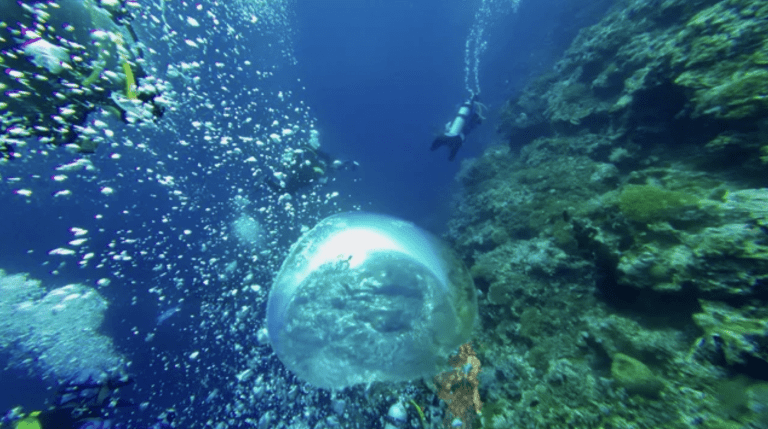
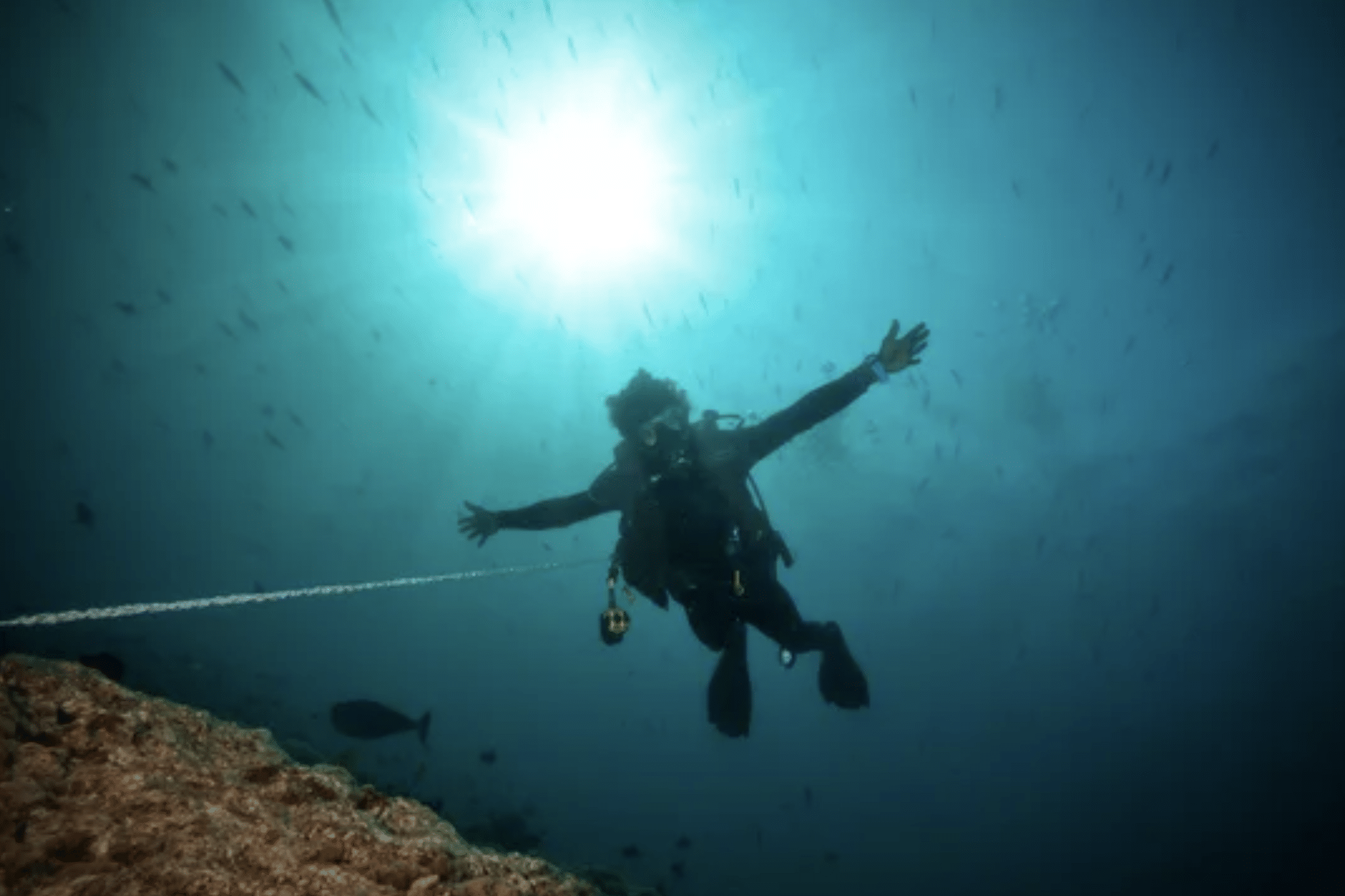
This creates a very different underwater experience. The environment appears to flow past the diver naturally, often creating the sensation of effortless flight underwater.
Drift diving may occur in:
- Coastal reef systems
- Channels and passes
- Wall dives
- Offshore pinnacles
- Oceanic current zones
At N9BO℠, we describe drift diving as learning to work with the environment rather than against it.
Why Divers Enjoy Drift Diving
One of the main attractions of drift diving is efficiency and immersion.
Because the current assists movement:
- Physical exertion decreases
- Gas consumption may improve
- Larger areas can be explored during a single dive
Divers often experience:
- Fast-moving pelagic encounters
- Large reef systems
- Dynamic marine ecosystems influenced by current flow
Many marine species actively use currents for feeding and migration, making drift dives particularly rich in marine life activity.
The sensation itself is also unique. Moving naturally with the ocean creates a highly relaxed and immersive experience when conducted correctly.
At N9BO℠, we believe drift diving gives divers a deeper appreciation for how water movement shapes the underwater world.
Understanding Current and Water Movement
Successful drift diving depends on understanding current behaviour.
Currents may vary in:
- Speed
- Direction
- Depth influence
- Tidal relationship
- Surface versus subsurface movement
Some drift dives involve slow and gentle current, while others may involve strong water movement requiring significantly greater control and awareness.
Divers must learn how:
- Terrain affects current flow
- Obstacles create turbulence or shelter
- Tidal cycles influence conditions
- Surface conditions may differ from underwater conditions
The objective is not simply to “go with the flow”, but to understand and manage the environment intelligently.
At N9BO℠, we teach current awareness as a core environmental skill rather than a speciality trick.
Buoyancy and Body Positioning
Drift diving places major emphasis on buoyancy and trim control.
Poor buoyancy in current can quickly lead to:
- Rapid depth changes
- Increased gas consumption
- Loss of team positioning
- Contact with reef or marine life
Divers must remain stable and streamlined while allowing the current to move them naturally.
The less drag the diver creates, the easier the dive becomes.
Body positioning also affects speed and stability. Small adjustments in trim and profile can dramatically change how the diver interacts with the current.
At N9BO℠, we emphasise that buoyancy control becomes even more important once the environment starts moving around you.
Team Awareness and Communication
Drift dives require strong team coordination because current can separate divers quickly if awareness declines.
Divers must maintain:
- Proper spacing
- Visual contact
- Clear communication
- Consistent depth profiles
The team must also understand:
- Entry procedures
- Drift direction
- Exit strategy
- Emergency protocols
Unlike stationary dives, stopping during a drift dive is not always practical or desirable. This means planning and communication become especially important before entering the water.
At N9BO℠, we reinforce that strong dive teams communicate before problems occur.
Boat Support and Surface Procedures
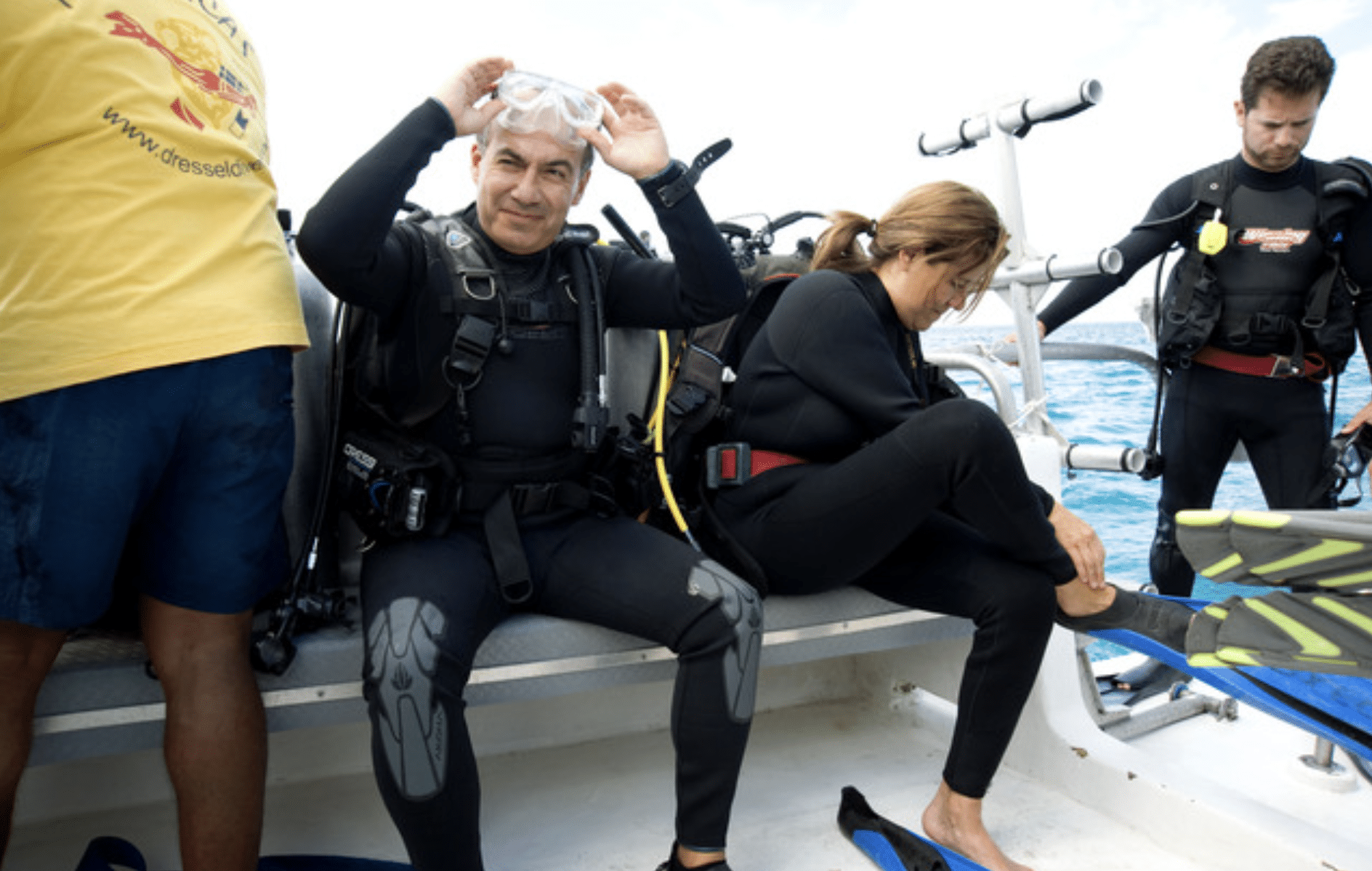
Many drift dives rely heavily on boat support.
Typically, the dive boat follows the divers throughout the dive while monitoring bubbles or delayed surface marker buoys (DSMBs). At the end of the dive, divers surface and are recovered downstream.
This requires:
- Accurate timing
- Good diver tracking
- Effective surface procedures
- Clear coordination between crew and divers
In stronger current environments, surface signalling devices such as DSMBs become essential safety equipment.
Divers must also understand:
- Controlled descents in current
- Negative entries where required
- Safe surface behaviour during pickup
At N9BO℠, we treat drift diving as a coordinated operation between divers and surface support teams.
Environmental Awareness During Drift Dives
Current dramatically influences marine ecosystems.
Drift dives often expose divers to:
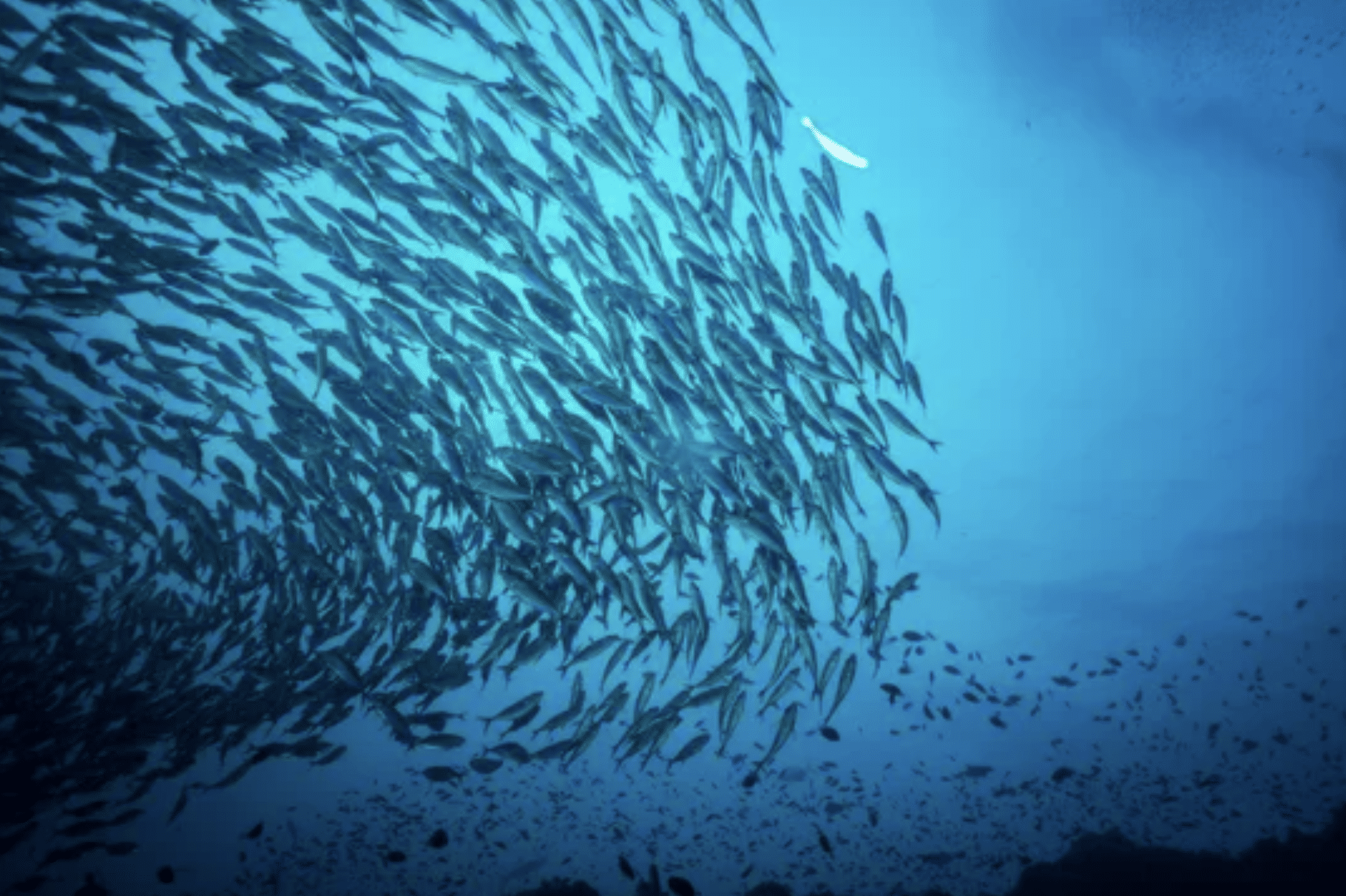
- Schools of pelagic fish
- Feeding stations
- Cleaner stations
- Soft coral systems thriving in moving water
Understanding how marine life interacts with current improves both environmental awareness and wildlife encounters.
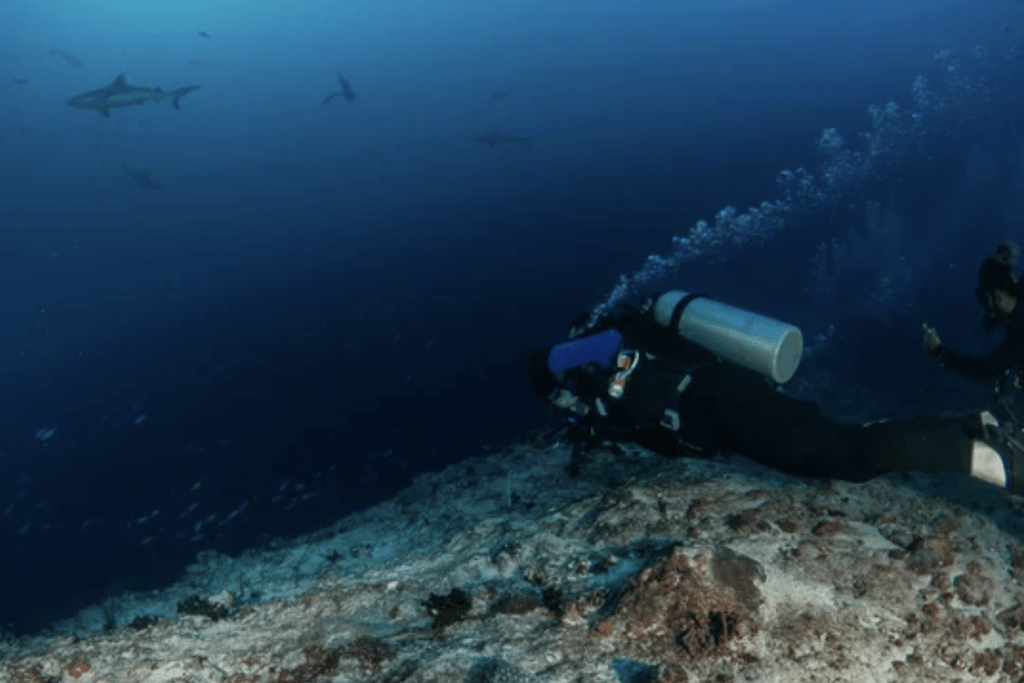
Divers also learn how to position themselves without disturbing the reef or creating unnecessary contact while moving with the water flow.
The current itself becomes part of the underwater ecosystem rather than merely a condition to manage.
At N9BO℠, we encourage divers to observe how water movement shapes underwater life and behaviour.
Managing Stress and Staying Relaxed
One of the biggest challenges for new drift divers is psychological rather than technical.
Many divers initially feel uncomfortable surrendering control to moving water. The instinct to fight the current often leads to:
- Overexertion
- Increased breathing rate
- Poor buoyancy control
- Elevated stress levels
The course teaches divers to relax, remain streamlined, and work with the environment instead of resisting it.
Once this mental adjustment occurs, drift diving often becomes one of the most effortless and enjoyable forms of diving.
At N9BO℠, we teach that calmness and adaptation are more effective than force underwater.
Safety and Operational Planning
Although drift diving can feel effortless, it still requires careful operational planning.
Factors that must be considered include:
- Current strength and direction
- Tidal timing
- Diver experience level
- Entry and exit points
- Surface conditions
- Emergency procedures
Strong current environments can rapidly become hazardous if planning is poor or environmental conditions deteriorate.
The objective is controlled movement, not uncontrolled drift.
At N9BO℠, we emphasise conservative planning and environmental respect during all current-based diving operations.
Operational Mindset
Drift diving reinforces a fundamental principle of diving: efficient divers adapt to the environment rather than trying to overpower it.
The current is neither an obstacle nor an enemy. It is part of the operational environment and must be understood, anticipated, and used intelligently.
Strong drift divers are defined by:
- Calmness
- Situational awareness
- Buoyancy control
- Team coordination
- Environmental understanding
At N9BO℠, we approach drift diving as controlled environmental interaction supported by planning and awareness.
The ocean is always moving. Drift diving teaches divers how to move with it safely and efficiently.
Move with the Ocean, Not Against It
Contact N9BO℠ to begin drift diving training and develop the awareness, buoyancy control, and environmental understanding required for safe and enjoyable current diving.
From the N9BO℠ Knowledge Base