Technical & Overhead Environment Diving

PADI Cavern Diver: Introduction to the Overhead Environment

What Is Cavern Diving?

Cavern diving takes place inside natural overhead environments while remaining within the daylight zone and within sight of the entrance.

Unlike open water diving, cavern environments introduce:

  • Overhead ceilings
  • Confined spaces
  • Limited direct access to the surface
  • Increased navigation requirements

However, cavern diving remains distinct from full cave diving. Divers do not enter areas where natural light disappears completely, and penetration distances remain limited.

The objective is controlled introduction to overhead environment procedures rather than advanced cave exploration.

At N9BO℠, we describe cavern diving as the transition between open water and full cave environments.


Purpose of the Cavern Diver Course

The course is designed to introduce divers to the environmental, psychological, and procedural differences associated with overhead environments.

The programme develops:

  • Cavern awareness and hazard recognition
  • Guideline use and navigation procedures
  • Buoyancy and propulsion control
  • Gas management discipline
  • Team positioning and communication

The emphasis is not exploration alone. It is controlled operation within environments that remove some of the freedoms associated with open water diving.

At N9BO℠, we teach cavern diving as an introduction to overhead environment discipline rather than adventure tourism.


The Importance of the Overhead Environment

The defining feature of cavern diving is the overhead environment itself.

In open water, divers can normally ascend directly to the surface during a problem. Inside a cavern, this may not be possible due to ceilings, restrictions, or distance from the entrance.

This changes:

  • Emergency planning
  • Gas management
  • Team coordination
  • Navigation priorities

The diver must maintain continuous awareness of:

  • Exit direction
  • Distance to open water
  • Available gas reserves
  • Environmental conditions

This creates a fundamentally different operational mindset.

At N9BO℠, we emphasise that overhead environments remove options and therefore demand discipline.

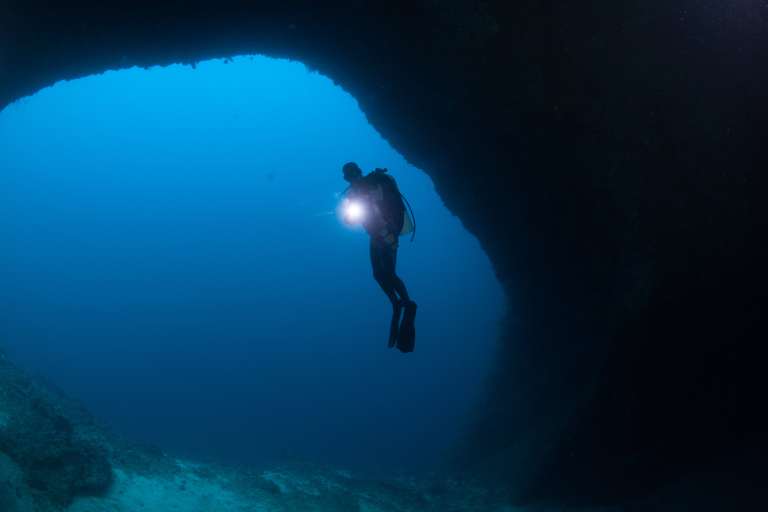
A view of a cave with clear, bright blue water reflecting the rocky ceiling and walls, with a small dark fish swimming near the centre of the image.

Light Zone Limitations

A key limitation of cavern diving is remaining within the natural light zone.

Divers must:

  • Maintain visibility of natural daylight
  • Stay within limited penetration distances
  • Avoid entering fully dark cave environments

These restrictions significantly reduce complexity and risk compared to cave diving while still allowing divers to experience overhead environments safely.

The course reinforces strict operational boundaries and conservative procedures.

Crossing beyond the cavern zone without additional cave training introduces substantial risk.

At N9BO℠, we teach strict respect for environmental limits and training boundaries.


Buoyancy, Trim, and Propulsion Control

Cavern environments require significantly greater control than most recreational open water dives.

Poor buoyancy or propulsion technique can:

  • Disturb silt and reduce visibility
  • Damage fragile formations
  • Disorient the team
  • Increase stress and task loading

The course therefore places heavy emphasis on:

  • Neutral buoyancy
  • Horizontal trim
  • Controlled finning techniques
  • Precision movement underwater

Divers quickly learn that small movements have major consequences in confined environments.

At N9BO℠, we treat buoyancy and propulsion as primary safety systems in overhead diving.


Guidelines and Navigation Procedures

Guidelines are one of the most important safety tools in cavern diving.

Divers learn how to:

  • Follow permanent guidelines
  • Maintain line awareness
  • Navigate using visual and tactile references
  • Avoid entanglement and disorientation

The guideline provides the direct route back to the exit and becomes especially critical if visibility deteriorates.

Maintaining awareness of the line at all times is a fundamental overhead environment principle.

At N9BO℠, we reinforce that the guideline is the lifeline in cavern and cave environments.


Gas Management and the Rule of Thirds

Gas management becomes more structured in overhead environments because direct ascent may not be immediately possible.

The course introduces conservative gas planning methods such as the Rule of Thirds:

  • One third of gas for penetration
  • One third for exit
  • One third reserved for emergencies

This approach ensures that divers maintain sufficient reserves to exit safely even if problems occur.

Gas planning is conducted at the team level rather than individually.

At N9BO℠, we emphasise that disciplined gas management is central to all overhead environment diving.
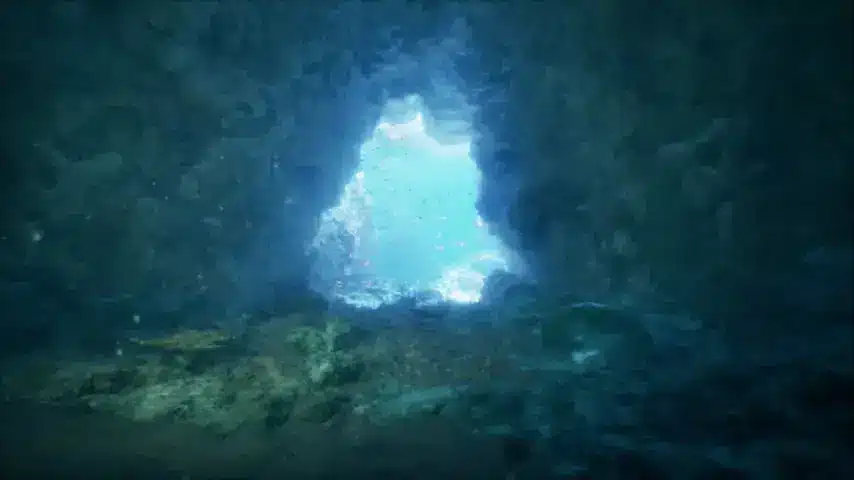
Underwater photo showing the view from inside a rocky cave or tunnel, looking out towards bright blue water illuminated by sunlight, with bubbles and rocks visible around the entrance.

Psychological Adaptation and Stress Management

Many divers experience increased psychological stress during their first overhead environment dives.

Reduced space, ceiling restrictions, and environmental darkness can increase:

  • Anxiety
  • Breathing rate
  • Task loading
  • Situational stress

The course helps divers adapt gradually through controlled exposure and structured progression.

Calmness becomes critical. Stress management directly affects breathing efficiency, awareness, and decision-making.

Divers learn that mental control is just as important as technical skill.

At N9BO℠, we teach that overhead environments reward calmness and punish impulsive behaviour.


Environmental Awareness and Conservation

Cavern systems are highly sensitive environments that can be damaged easily by poor diving practices.

Divers are taught to minimise environmental impact by:

  • Maintaining stable buoyancy
  • Avoiding contact with formations
  • Preventing silt disturbance
  • Following established guidelines and routes

Many cavern systems contain geological formations that required thousands of years to develop.

Responsible cavern diving therefore combines exploration with environmental stewardship.

At N9BO℠, we emphasise that technical capability must always be matched by environmental responsibility.


Position Within the Overhead Environment Pathway

The Cavern Diver course is considered the entry point into overhead environment training.

It provides the foundational skills and awareness required before progressing toward:

  • Intro to Cave Diver
  • Full Cave Diver
  • Advanced cave or technical overhead programmes

The course is not designed to create cave divers immediately. Instead, it introduces the discipline and operational mindset required for future progression.

At N9BO℠, we position cavern diving as foundational overhead environment education.


Operational Mindset

The Cavern Diver course reinforces a critical principle: overhead environments require discipline, planning, and control beyond normal recreational diving.

The diver must operate with:

  • Constant situational awareness
  • Structured gas planning
  • Controlled movement
  • Respect for environmental limitations

Success in cavern diving is not measured by penetration distance or exploration alone. It is measured by precision, calmness, and safe return.

At N9BO℠, we approach cavern diving as the beginning of overhead environment professionalism.

The cave does not adapt to the diver. The diver must adapt to the cave.

A scuba diver swims through an underwater cave, shining a torch onto a patch of pebbles on the rocky cave floor as light filters in from above, illuminating the blue water.


Begin Your Overhead Environment Journey

Contact N9BO℠ to begin your PADI Cavern Diver training and develop the awareness, buoyancy control, and procedural discipline required for safe overhead environment diving.


From the N9BO℠ Knowledge Base


Share this

TDI Underwater Cave Surveying Diver: Mapping the Unknown Beneath the Surface

Purpose of Cave Surveying

Underwater cave surveying is the process of measuring and documenting submerged cave systems to create accurate maps and navigational references.

These surveys are used for:

  • Cave exploration and documentation
  • Navigation and route planning
  • Scientific and environmental study
  • Conservation and resource management
  • Emergency and recovery planning

Unlike recreational cave diving, where the focus is exploration and navigation, cave surveying adds an additional operational layer requiring precision, consistency, and detailed data collection.

The diver is no longer simply travelling through the cave. They are actively recording and interpreting the environment.

At N9BO℠, we describe cave surveying as the intersection of exploration and technical documentation.


Why Cave Surveys Matter

Cave maps are critical operational tools. They allow divers to understand cave structure, identify routes, monitor system expansion, and improve safety during future dives.

Survey data can reveal:

  • Passage dimensions and orientation
  • Depth profiles
  • Restrictions and hazards
  • Geological structure
  • New or unexplored areas

In large cave systems, accurate maps become essential for:

  • Navigation planning
  • Emergency response
  • Line placement strategy
  • Long-term exploration projects

Surveying also contributes to environmental understanding and preservation.

At N9BO℠, we treat cave maps as operational intelligence rather than simple drawings.


The Surveying Process

Underwater cave surveying follows a structured sequence designed to ensure accuracy and repeatability.

The process typically involves:

  • Establishing survey stations
  • Measuring distance between points
  • Recording compass headings and depth
  • Documenting passage dimensions and features

Divers work systematically through the cave while maintaining standard cave diving procedures and guideline discipline.

Measurements are recorded using:

  • Survey slates
  • Compasses
  • Depth gauges or computers
  • Measuring devices such as reels or tape systems

The collected data is later transferred into mapping software or hand-drawn survey charts.

At N9BO℠, we emphasise that consistency is more important than speed during survey operations.

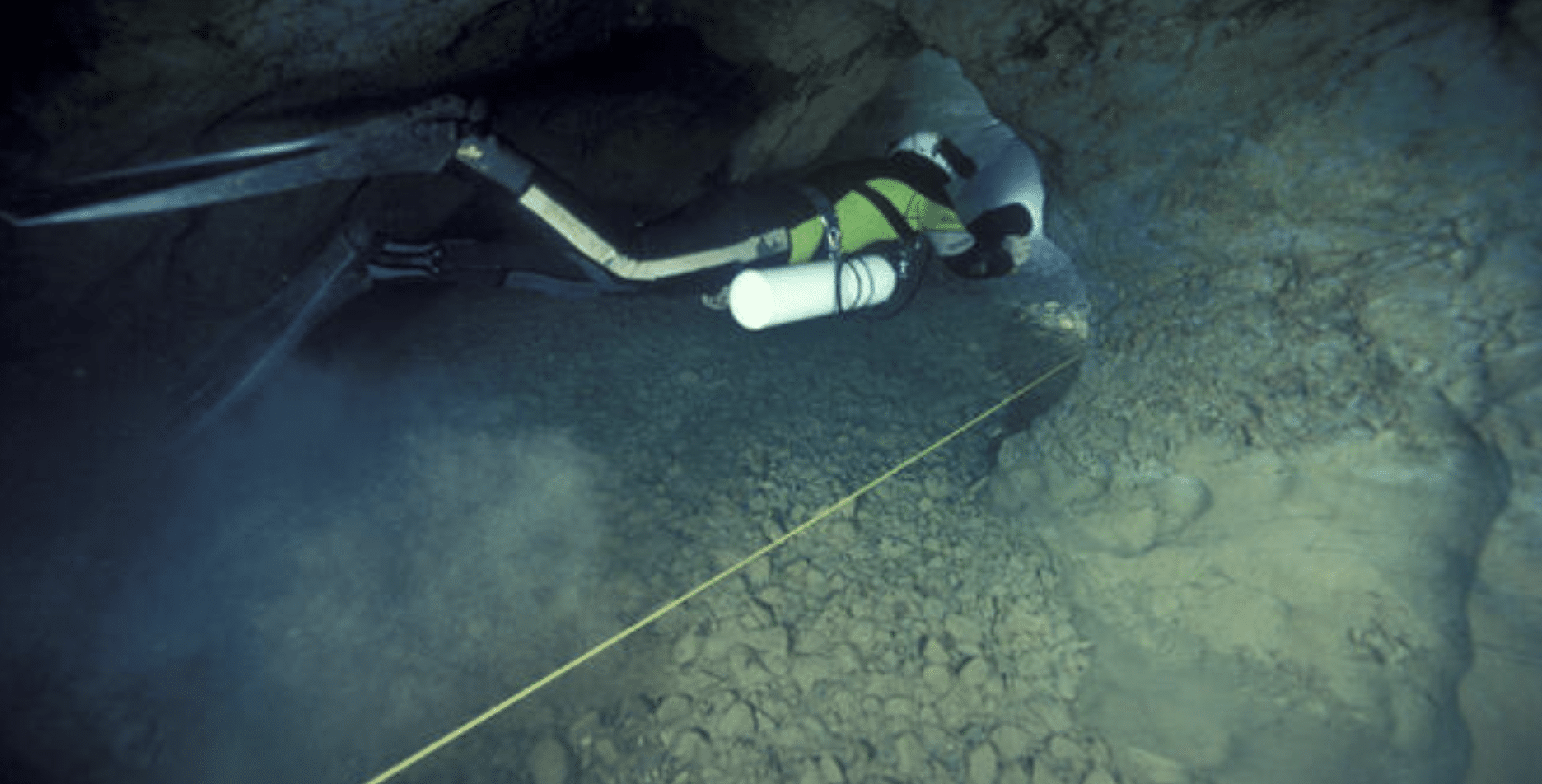
A scuba diver with oxygen cylinders explores a narrow underwater cave, following a guideline stretched along the rocky cave floor.

Precision and Accuracy Underwater

One of the greatest challenges in cave surveying is maintaining precision in an overhead environment.

The diver must collect accurate data while simultaneously managing:

  • Buoyancy and trim
  • Visibility preservation
  • Navigation and line awareness
  • Gas management and team coordination

Even small measurement errors can create significant mapping inaccuracies over long distances.

This requires disciplined procedures and careful task management throughout the dive.

Survey divers must therefore maintain high levels of stability and awareness while working in confined environments.

At N9BO℠, we train survey divers to prioritise precision over operational tempo.


Task Loading and Cave Discipline

Cave surveying significantly increases task loading because the diver must manage exploration and data collection simultaneously.

This includes:

  • Monitoring gas reserves
  • Maintaining cave line procedures
  • Recording measurements accurately
  • Preserving visibility
  • Managing communication and team positioning

The overhead environment leaves little margin for distraction or procedural breakdown.

Surveying therefore reinforces many of the core principles of technical cave diving:

  • Discipline
  • Standardisation
  • Awareness
  • Controlled movement

At N9BO℠, we emphasise that survey diving requires operational focus rather than recreational exploration mentality.


Environmental Awareness and Conservation

Survey divers develop a strong understanding of cave structure and environmental sensitivity.

Cave systems are fragile environments where poor buoyancy or careless movement can damage formations, disturb sediment, or permanently reduce visibility.

Surveying requires close observation of:

  • Geological formations
  • Water flow patterns
  • Sediment composition
  • Passage structure and restrictions

This process naturally strengthens environmental awareness and reinforces low-impact diving behaviour.

The ability to map and document caves also contributes to long-term conservation and responsible exploration.

At N9BO℠, we believe cave surveying creates stronger environmental stewardship through deeper understanding.

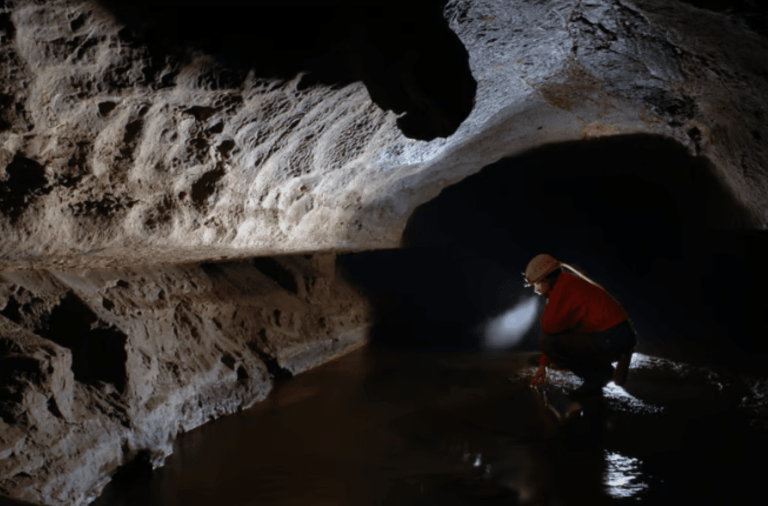
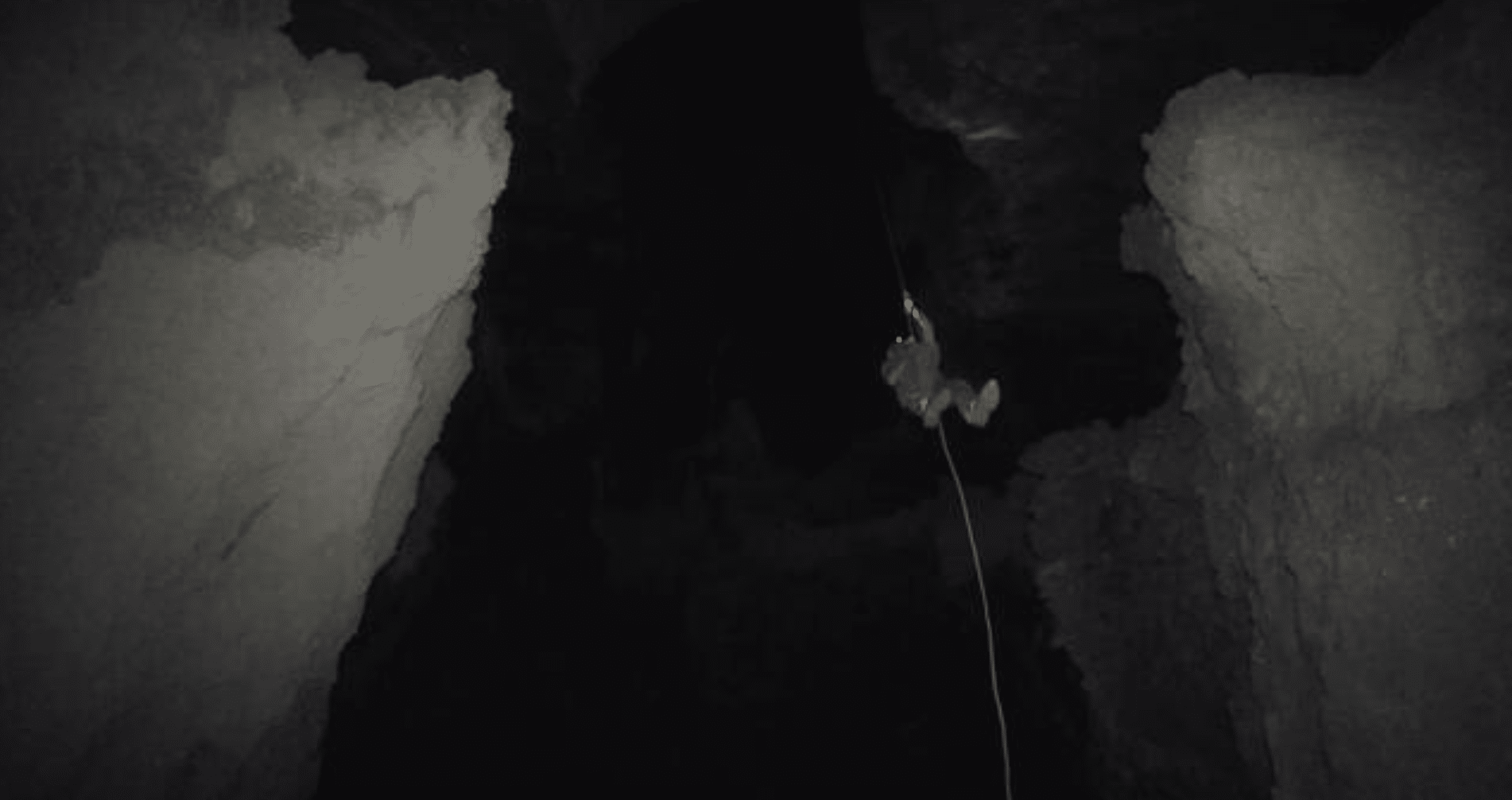
A person wearing a headtorch is suspended by a rope, abseiling down into a dark, rocky cave with large jagged walls on both sides.

Team Coordination During Survey Operations

Survey dives are team operations requiring clear role allocation and coordination.

Typical roles may include:

  • Lead survey diver
  • Data recorder
  • Navigation or line support diver

Communication and sequencing become critical because multiple divers may be performing interconnected tasks in restricted spaces.

The team must maintain:

  • Proper spacing
  • Visibility control
  • Consistent procedures
  • Accurate confirmation of measurements

Any breakdown in coordination can compromise data accuracy or operational safety.

At N9BO℠, we treat cave surveying as a coordinated technical operation rather than an individual activity.


Equipment and Survey Tools

The course introduces specialised survey equipment used during cave mapping operations.

This may include:

  • Survey reels or calibrated measuring devices
  • Underwater compasses
  • Digital or analogue depth instruments
  • Survey slates and notation systems
  • Mapping software for post-dive processing

Equipment standardisation is essential because measurement consistency directly affects survey quality.

Divers must also ensure that survey tools do not interfere with primary cave diving equipment or emergency procedures.

At N9BO℠, we emphasise equipment integration and procedural simplicity.


Position Within the Cave Diving Pathway

The Underwater Cave Surveying Diver course is considered an advanced speciality within cave diving development.

Candidates are expected to already possess:

  • Full cave diving certification
  • Strong buoyancy and trim control
  • Advanced guideline discipline
  • Experience operating in overhead environments

Surveying is not an entry-level cave skill. It builds upon established cave competence and introduces additional technical responsibility.

The programme is particularly valuable for:

  • Exploration-focused cave divers
  • Scientific and conservation projects
  • Expedition support personnel
  • Cave documentation teams

At N9BO℠, we position cave surveying as a specialist capability for disciplined and experienced cave divers.


Operational Mindset

The Underwater Cave Surveying Diver course reinforces a key principle of technical diving: exploration without documentation has limited long-term value.

Surveying transforms exploration into usable operational knowledge. It creates information that supports safety, conservation, future exploration, and environmental understanding.

The diver must operate with patience, discipline, and precision. Every measurement contributes to a larger operational picture.

At N9BO℠, we approach cave surveying as structured exploration supported by technical control and accurate documentation.

The objective is not simply to travel through the cave, but to understand and record it responsibly.

A scuba diver wearing red kit and yellow fins explores a narrow underwater cave tunnel, illuminated by a beam of light reflecting off the rocky, yellowish-brown walls.


Map the Cave. Understand the Environment.

Contact N9BO℠ to begin your TDI Underwater Cave Surveying Diver training and develop the precision, awareness, and technical capability required for underwater cave documentation and exploration.


From the N9BO℠ Knowledge Base


Share this

Semi-Closed Rebreathers (SCR): Extending Diving Through Controlled Gas Recycling

Purpose of Semi-Closed Rebreathers

SCR systems are designed to improve gas efficiency by reusing part of the diver’s exhaled breath. Instead of venting all gas into the water as in open circuit diving, the system removes carbon dioxide and reintroduces oxygen through a controlled addition process.

This allows divers to extend bottom time while using smaller gas supplies. It also reduces bubble output, which can be beneficial in environments where disturbance must be minimised.

However, this efficiency changes the nature of diving. The diver is no longer simply breathing from a cylinder but managing a breathing system that must function correctly at all times.

At N9BO℠, we position SCR diving as the transition from equipment use to system control.


How SCR Systems Work

SCR units such as the Dolphin, Ray, and Azimuth operate on a semi-closed loop. The diver inhales and exhales within a breathing circuit, where exhaled gas passes through a scrubber that removes carbon dioxide.

Fresh nitrox is continuously added to replace the oxygen consumed during metabolism, while excess gas is vented from the system to maintain pressure balance.

This creates a dynamic breathing environment. Oxygen levels are not fixed but vary depending on depth, breathing rate, and system configuration.

The system is typically mechanical, without electronic oxygen monitoring. This reduces complexity but requires the diver to manage gas selection and system behaviour manually.

At N9BO℠, we emphasise that understanding the loop is essential to safe SCR operation.


Operational Limits and Application

SCR systems are generally designed for recreational or limited technical diving, typically within depth limits around 30–40 metres depending on the unit and gas selection.

They are not intended for advanced decompression diving or deep technical exposure. These limits are defined by the system’s ability to maintain safe oxygen partial pressures without active monitoring.

Within these constraints, SCR systems are highly effective for:

  • Extended no-decompression diving
  • Scientific or survey diving
  • Photography and low-impact operations

Operating beyond defined limits introduces risks that cannot be mitigated by the system alone.

At N9BO℠, we treat these limits as operational boundaries that must be strictly respected.

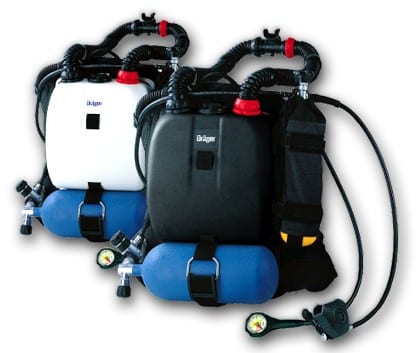
Two closed-circuit rebreather scuba units, one white and one black, each equipped with blue gas cylinders, pressure gauges, and breathing hoses.

Gas Management and Oxygen Control

Gas management in SCR diving differs significantly from open circuit systems. Oxygen levels are controlled indirectly through the choice of nitrox mixture and the system’s flow rate.

This means the diver must understand how oxygen partial pressure changes with depth and activity. Unlike closed circuit systems, there is no automatic adjustment to maintain a constant setpoint.

Incorrect gas selection or misuse can lead to hypoxia or hyperoxia, both of which present immediate risk.

The diver must therefore plan carefully, monitor depth and exposure, and operate within the parameters defined by training.

At N9BO℠, we emphasise that SCR gas management is an active, continuous process.


Advantages of SCR Systems

SCR units offer several operational advantages when used within their intended limits. The most immediate benefit is extended bottom time, achieved through efficient gas recycling.

Reduced bubble output improves interaction with marine life and reduces environmental disturbance. This is particularly useful in research or observation-based diving.

Mechanical simplicity is another advantage. Compared to fully electronic systems, SCR units have fewer failure points related to electronics.

These benefits make SCR systems an effective introduction to rebreather diving.

At N9BO℠, we emphasise that these advantages depend on correct setup and disciplined use.


System Risks and Failure Management

SCR systems introduce failure modes that differ from open circuit diving. These include scrubber exhaustion, gas flow interruption, loop leaks, and incorrect gas mixtures.

These issues may not be immediately obvious, which increases the importance of early detection and disciplined monitoring.

Divers must be trained to recognise symptoms of carbon dioxide buildup, oxygen imbalance, and system malfunction. Immediate and correct response is essential.

A bailout system is mandatory. The diver must always have access to an independent open circuit gas supply to exit safely in case of failure.

At N9BO℠, we treat failure management as a core component of SCR training.

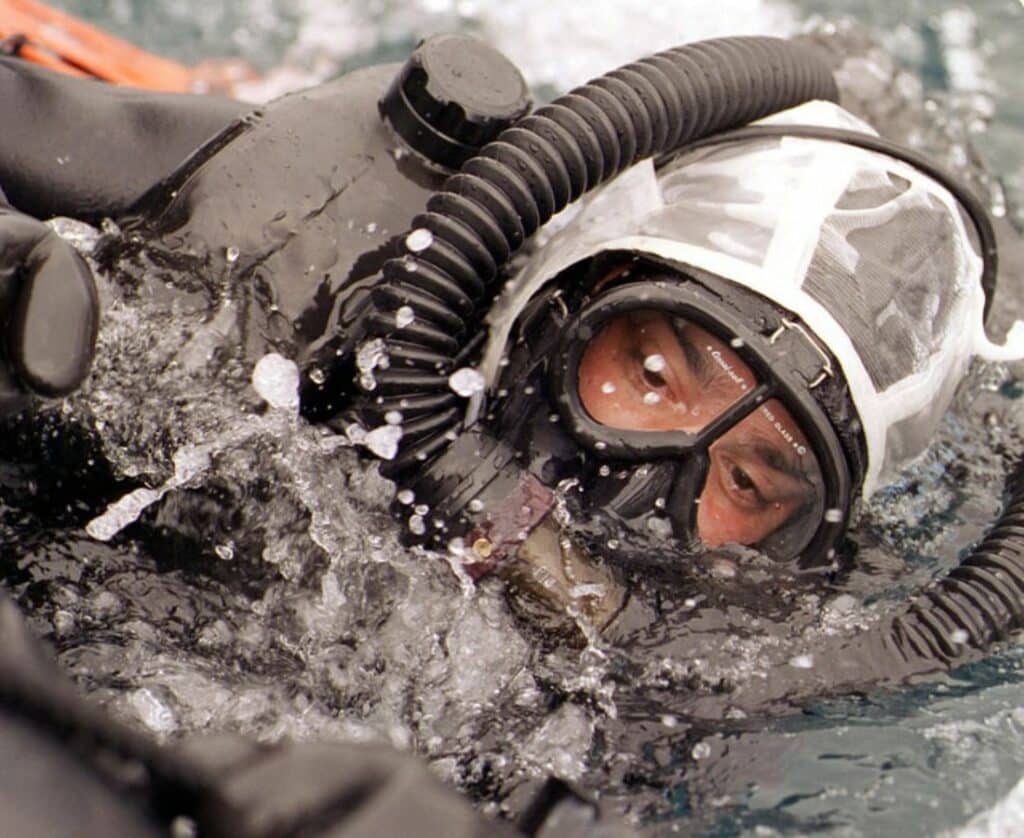
A diver wearing a full-face mask and breathing apparatus is partially submerged in water, with bubbles and splashes around them. The diver's face is visible through the goggles.

Training and Unit-Specific Certification

SCR training is unit-specific. Divers must be certified on the exact system they intend to use, whether Dolphin, Ray, or Azimuth, as each has different characteristics and procedures.

Training includes system assembly, pre-dive checks, gas planning, in-water procedures, and emergency response.

The emphasis is on repetition and consistency. The diver must be able to set up and operate the system without deviation.

SCR diving cannot be approached casually. It requires a structured training pathway and disciplined execution.

At N9BO℠, we treat rebreather training as system qualification, not general knowledge.


Position Within the Rebreather Pathway

SCR systems represent the entry point into rebreather diving. They introduce the concept of loop-based breathing without the full complexity of closed circuit systems.

From this level, divers may progress to closed circuit rebreathers (CCR), where oxygen control becomes more precise and operational capability expands.

However, progression requires a solid understanding of gas dynamics, system management, and failure response developed during SCR training.

At N9BO℠, we position SCR diving as a foundational step toward advanced rebreather operations.


Operational Mindset

SCR diving reinforces a fundamental shift in mindset. The diver moves from passive gas consumption to active system management.

Every aspect of the dive must be controlled, from gas selection to equipment setup and in-water monitoring. There is no tolerance for assumption.

The system must be understood, not just used. Procedures must be followed consistently, and deviations must be recognised immediately.

At N9BO℠, we approach SCR diving as a controlled system where gas, equipment, and discipline must align.

In rebreather diving, efficiency increases capability—but only when matched by precision.

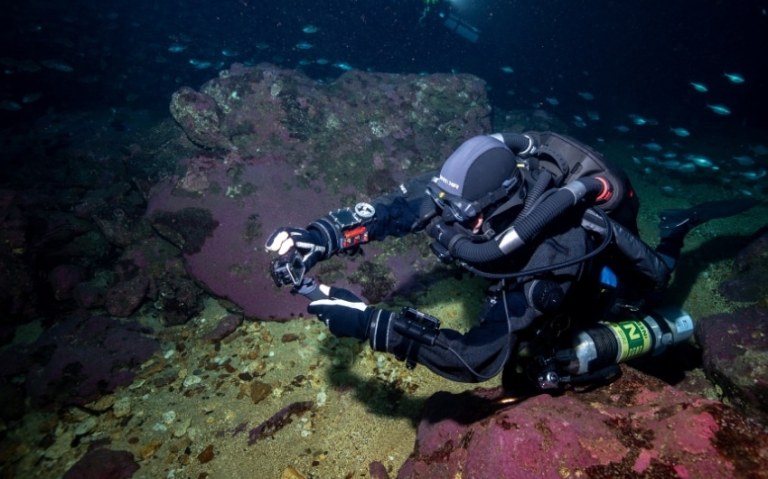
A scuba diver underwater wearing a black wetsuit, diving mask, and a large rebreather apparatus, looking directly at the camera with a rocky seabed visible in the background.

Step Into Rebreather Diving with Control

Contact N9BO℠ to integrate SCR training into your diving pathway, building the discipline, awareness, and system control required for safe and efficient rebreather operations.


From the N9BO℠ Knowledge Base


Share this

PADI Tec Advanced Wreck Diver: Penetration Diving in Overhead Environments

Understanding PADI Distinctive Specialities

A PADI Distinctive Speciality is a course created by an instructor or training organisation and formally approved by PADI. Unlike standardised courses, distinctive specialities allow adaptation to specific operational requirements, environments, and instructor expertise.

This framework allows training to integrate real-world procedures, advanced techniques, and cross-discipline standards while remaining within PADI’s quality assurance system. The structure is controlled, but the content can be tailored to reflect actual field conditions.

In the case of Tec Advanced Wreck [Distinctive], the course expands beyond recreational wreck diving and aligns training with technical, overhead, and penetration diving protocols.

At N9BO℠, we use distinctive specialities to bridge training systems and deliver operationally relevant capability.


Purpose of the Tec Advanced Wreck Course

The Tec Advanced Wreck course is designed to train divers to safely plan and execute penetration dives inside wrecks. Unlike external wreck exploration, this environment introduces overhead constraints, limited visibility, and complex navigation.

The course emphasises advanced dive planning, execution of penetration techniques, and management of hazards specific to wreck environments.  

Divers are trained to operate within defined limits, including a maximum depth of 50 metres and penetration governed by structured gas management protocols.

The objective is not exploration alone. It is controlled penetration within a defined safety framework.

At N9BO℠, we position wreck penetration as a discipline that requires structure, not curiosity.


Overhead Environment and Operational Constraints

Wreck penetration introduces an overhead environment where direct ascent is not possible. This fundamentally changes how dives are planned and executed.

Divers must manage:

  • Navigation without direct visual reference to the exit
  • Limited or zero visibility conditions
  • Physical restrictions within the structure

These constraints require the use of guidelines, strict gas management, and continuous awareness of position relative to the exit.

Every action must support a safe return path. There is no tolerance for deviation or disorientation.

At N9BO℠, we emphasise that overhead environments remove options and therefore demand control.

Two scuba divers with gear swim underwater near a coral-covered shipwreck, one holding a torch and pointing it at the wreck, surrounded by blue water and marine life.

Gas Management and the Rule of Thirds

Gas management in wreck penetration follows strict protocols. The most commonly applied is the Rule of Thirds, where one third of the gas supply is used for entry, one third for exit, and one third reserved for emergencies.  

This ensures that divers always maintain sufficient gas to exit the wreck, even under failure conditions or when assisting a team member.

Gas matching between team members is also critical. Divers must plan based on the lowest available gas volume within the team.

This approach reduces variability and ensures that all team members remain within safe operational limits.

At N9BO℠, we treat gas planning as the primary safety control in penetration diving.


Guideline Use and Navigation Control

Guidelines are the central navigation tool in wreck penetration. They provide a continuous physical reference from the entry point to the deepest point of penetration.

Divers are trained to deploy, secure, and follow guidelines using reels and spools. Proper line placement, tension, and marking are essential to avoid confusion or entanglement.

The guideline is more than a navigation aid. It is the primary safety system in low visibility or zero-visibility conditions.

Loss of the line represents a critical emergency, which is why drills and procedures are built around maintaining and recovering line contact.

At N9BO℠, we emphasise that the guideline is the lifeline in overhead environments.


Skill Development and Penetration Techniques

The course develops a range of specialised skills required for penetration diving. These include propulsion techniques designed to minimise silt disturbance, as well as buoyancy and trim control to maintain stability in confined spaces.

Divers are trained to:

  • Maintain neutral buoyancy and precise body positioning
  • Use propulsion techniques that reduce environmental impact
  • Navigate using both visual and tactile references

These skills are not isolated. They must be integrated into a controlled system where movement, awareness, and task execution remain aligned.

At N9BO℠, we emphasise that penetration skills must be repeatable and controlled under all conditions.


Hazard Management and Problem Solving

Wreck environments present multiple hazards, including entanglement, disorientation, structural instability, and equipment failure. Divers must be prepared to identify and manage these risks in real time.

The course introduces structured problem-solving procedures. Divers are trained to recognise issues early, stabilise the situation, and apply controlled responses.

Typical scenarios include lost line, lost diver, light failure, and gas supply issues. Each requires a specific and rehearsed response.

The objective is not to eliminate risk, but to manage it effectively within defined procedures.

At N9BO℠, we train divers to operate within controlled frameworks that support consistent decision-making.

A school of small fish swims inside a sunken shipwreck underwater, surrounded by rusty metal beams and blue light filtering through broken windows.

Training Structure and Dive Progression

The course includes knowledge development, land drills, and six wreck penetration dives conducted in sequence.  

Training progresses from basic guideline deployment and navigation to more complex scenarios involving zero visibility, gas sharing, and emergency procedures.

Dives are structured to build capability progressively. Each dive introduces additional complexity while reinforcing previous skills.

The maximum depth is 50 metres, and penetration distances are controlled within defined limits.

This progression ensures that divers develop both technical skills and operational awareness.

At N9BO℠, we emphasise structured progression to build reliable performance.


Team Coordination and Communication

Wreck penetration is inherently team-based. Divers must operate within a coordinated system where communication is clear and consistent.

Communication methods include hand signals, light signals, and touch contact when visibility is reduced. These methods must be standardised and understood by all team members.

Pre-dive briefings are critical. The team must agree on roles, procedures, and contingency plans before entering the wreck.

During the dive, alignment must be maintained at all times. Individual deviation introduces risk to the entire team.

At N9BO℠, we treat team coordination as a primary safety mechanism.


Position Within the Technical Pathway

The Tec Advanced Wreck course sits within the advanced technical and overhead environment training pathway. It builds on prior wreck and technical certifications and prepares divers for more complex environments such as cave or advanced penetration diving.

Prerequisites typically include Tec 50 or equivalent and prior wreck diving certification, reflecting the level of skill required.  

This course does not extend depth beyond 50 metres, but significantly increases environmental complexity and operational demand.

At N9BO℠, we position advanced wreck as a transition into full overhead environment discipline.


Operational Mindset

The Tec Advanced Wreck course reinforces that penetration diving is defined by discipline, not exploration. Every dive must be planned, executed, and monitored within a structured framework.

The diver must maintain continuous awareness of gas, position, and team status. Procedures must be followed precisely, and contingency plans must be ready at all times.

At N9BO℠, we approach wreck penetration as a controlled operation. Equipment, gas, and procedures must align to manage the constraints of the environment.

In overhead diving, safety is not created by skill alone, but by the system in which that skill is applied.

A scuba diver swims above the bow of a sunken shipwreck, illuminated by blue underwater light, with a rope descending from above and marine growth visible on the wreck.

Enter the Wreck with Control, Not Only Curiosity

Contact N9BO℠ to integrate PADI Tec Advanced Wreck training into your technical development, building the discipline, precision, and awareness required for safe wreck penetration diving.


From the N9BO℠ Knowledge Base


Share this

PADI Tec Sidemount Diver Course: Configuring Control Through Equipment

Purpose of the PADI Tec Sidemount Course

The Tec Sidemount course is designed to introduce and develop sidemount configuration for technical diving. Unlike recreational sidemount, which focuses on comfort and flexibility, this course applies the configuration to multi-cylinder, decompression-capable environments.

Divers are trained to manage two or more cylinders, with progression toward handling additional stage or decompression gases.  

The objective is not simply to change equipment placement. It is to build a system where configuration supports gas management, procedural efficiency, and failure response.

At N9BO℠, we position sidemount as a configuration choice that must enhance control, not just comfort.


Prerequisites and Entry Requirements

The Tec Sidemount course requires divers to already demonstrate a solid foundation in diving skills and experience. Candidates must be at least 18 years old, hold an Advanced Open Water Diver certification (or equivalent), and have a minimum of 30 logged dives.  

Enriched Air certification is strongly recommended, as gas management becomes a central component of the course.

These prerequisites reflect the level of control required. Sidemount in a technical context is not an entry-level skill, but a refinement of existing capability.

At N9BO℠, we treat prerequisites as operational baselines rather than administrative requirements.


Why Sidemount in Technical Diving

Sidemount configuration places cylinders along the diver’s sides rather than on the back, improving access to valves and regulators while increasing flexibility in gas management.  

This configuration offers operational advantages. It allows divers to manage multiple cylinders more effectively, improves streamlining, and provides direct access to critical components during emergencies.

It also supports redundancy. Each cylinder operates independently, requiring the diver to actively manage gas distribution and maintain balance throughout the dive.

However, these benefits depend on discipline. Without structured procedures, sidemount increases complexity rather than reducing it.

At N9BO℠, we emphasise that sidemount is a system that must be actively managed.

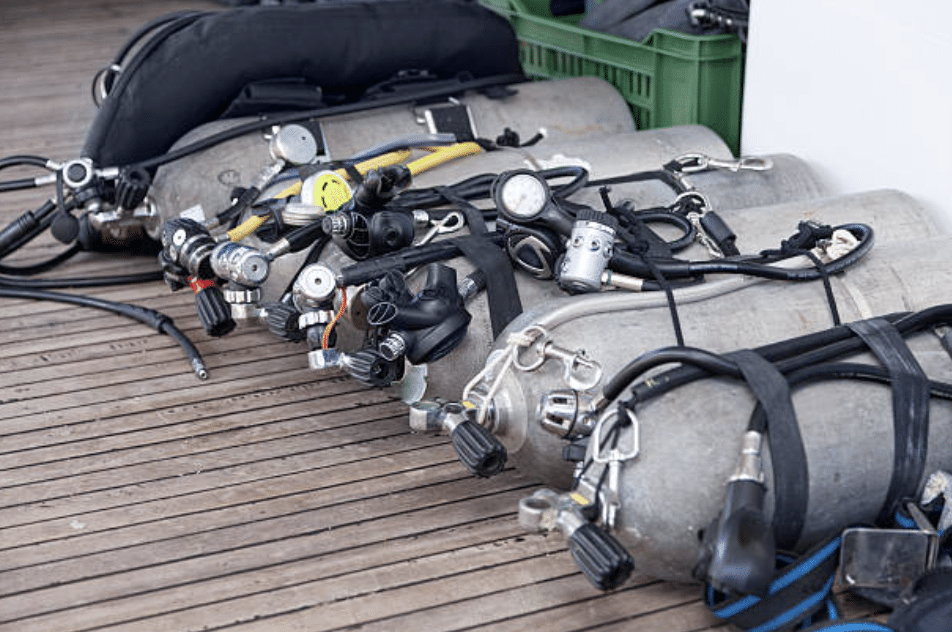
Several scuba diving cylinders with attached regulators and gauges are lined up on a wooden decking, with diving kit and hoses resting on top of them.

Equipment Configuration and Standardisation

The course focuses heavily on equipment configuration. Harness setup, cylinder positioning, regulator routing, and attachment points must all be standardised.

Configuration must support:

  • Clear identification of each cylinder
  • Efficient regulator switching
  • Stable trim and buoyancy

Poor configuration leads to instability and increased task load. The diver must be able to access all equipment without hesitation, even under stress.

Standardisation ensures that procedures remain consistent, regardless of conditions.

At N9BO℠, we treat configuration as a critical control layer in technical diving.


Gas Management in Independent Cylinders

Unlike manifolded backmount systems, sidemount requires active gas management between independent cylinders. The diver must alternate regulators to maintain balance and ensure adequate reserves in each cylinder.

This introduces a procedural requirement. Gas consumption must be tracked continuously, and switching must occur at defined intervals.

Failure to manage gas correctly can lead to imbalance, increased drag, or compromised emergency reserves.

This system requires awareness and discipline. The diver must always know the status of each cylinder and the overall gas plan.

At N9BO℠, we emphasise that sidemount gas management is an active process, not a passive system.

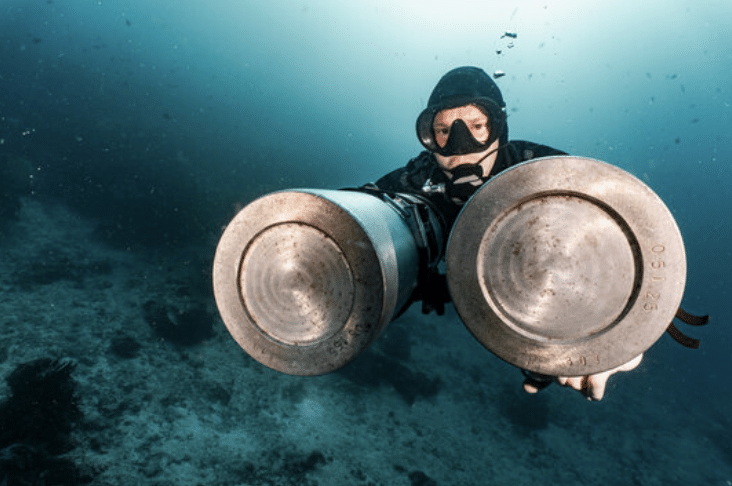
A scuba diver underwater holds two large metal cylinders, possibly scuba tanks or propulsion devices, while wearing a mask and wetsuit. The seabed and blue water are visible in the background.

Skill Development and Task Integration

The course develops specific motor skills required for sidemount diving. These include regulator switching, valve manipulation, buoyancy control, and propulsion techniques adapted to the configuration.

These skills must be performed while maintaining stable trim and awareness. Task loading increases as additional cylinders are introduced, particularly when stage or decompression gases are added.

Training progresses from basic two-cylinder configurations to more complex setups, reinforcing control at each stage.

The objective is not speed, but consistency. Each action must be repeatable and controlled under varying conditions.

At N9BO℠, we train divers to integrate skills into a structured operational system.


Integration with Technical Diving Pathway

The Tec Sidemount course can be integrated with other TecRec programmes such as Tec 40, Tec 45, and Tec 50.  

This allows divers to develop sidemount capability alongside decompression training, rather than treating it as a separate pathway.

Sidemount becomes a platform for technical diving, supporting multi-gas planning and execution within a flexible configuration.

It is not mandatory within the technical pathway, but it provides an alternative system that can be advantageous in specific environments such as wrecks or confined spaces.

At N9BO℠, we position sidemount as a strategic configuration choice within technical development.


Task Load, Awareness, and Control

Sidemount increases task load by requiring active management of multiple independent systems. The diver must monitor gas balance, maintain trim, and execute procedures without loss of awareness.

This requires structured attention. The diver must track multiple variables simultaneously while avoiding fixation on any single element.

Control is achieved through repetition and discipline. Each task must be integrated into the overall dive, not treated in isolation.

At N9BO℠, we emphasise that sidemount demands continuous awareness and active control.


Operational Mindset

The Tec Sidemount course reinforces that equipment configuration is not a preference—it is a system that directly affects performance and safety.

The diver must plan, configure, and execute with precision. Every cylinder, regulator, and procedure must align with the overall dive plan.

Sidemount provides flexibility, but only when managed within a structured framework.

At N9BO℠, we approach sidemount as a control system. It allows divers to manage complexity more effectively, but only when discipline is maintained.

In technical diving, configuration does not simplify the dive. It defines how the dive is managed.

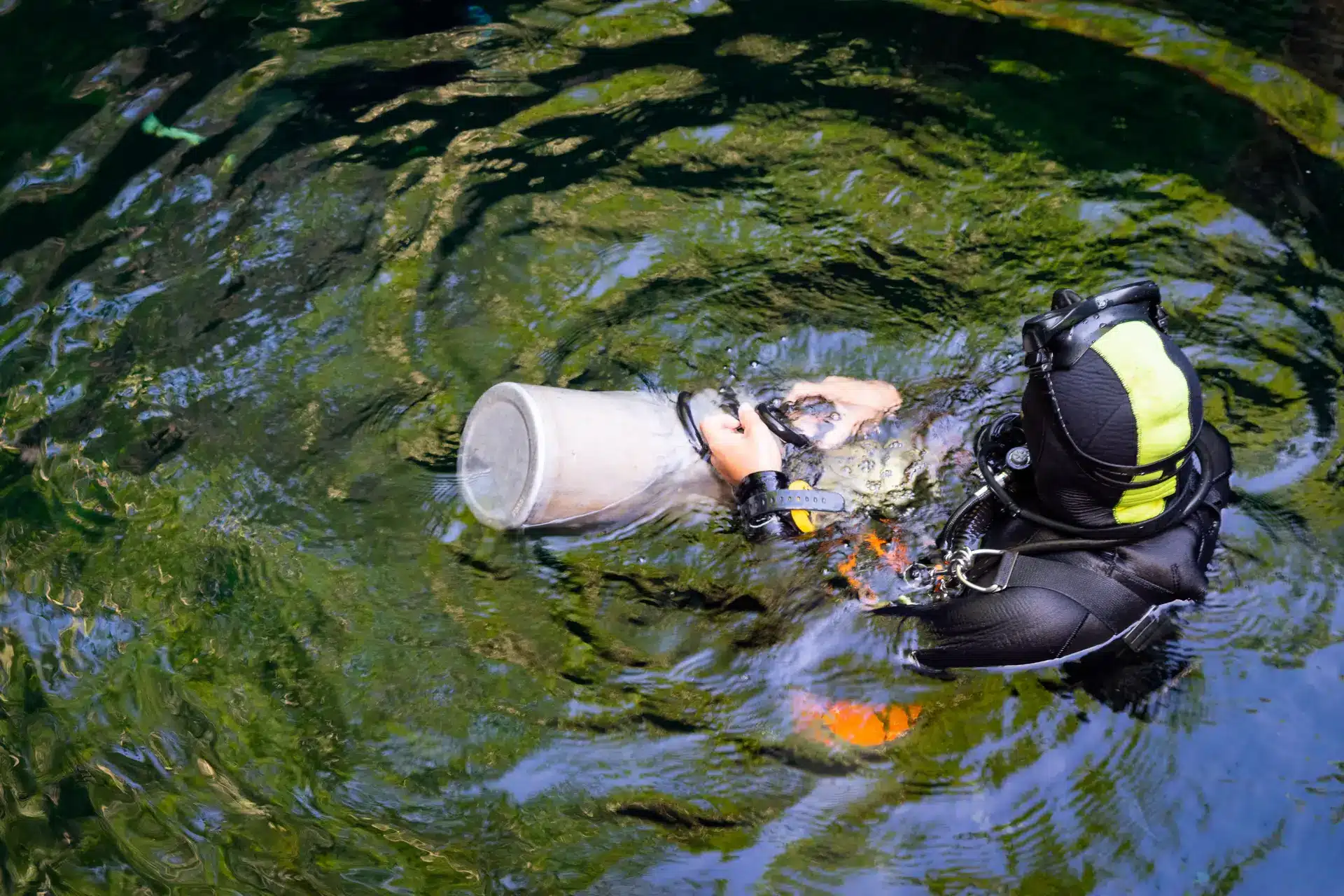
A scuba diver in black gear and a neon-striped hood floats in clear water, holding a large cylindrical container close to their chest.

Configure Your Diving for Control and Efficiency

Contact N9BO℠ to integrate PADI Tec Sidemount training into your technical development, building the precision, flexibility, and gas management capability required for advanced diving operations.


From the N9BO℠ Knowledge Base


Share this

PADI Tec Rescue: Managing Emergencies in Technical Diving

Understanding PADI Distinctive Specialities

A PADI Distinctive Speciality is a course created by an individual instructor or training organisation, then reviewed and approved by PADI. Unlike standard PADI courses, which follow globally fixed curricula, distinctive specialities allow adaptation to specific operational needs, environments, or areas of expertise.

This flexibility allows training to integrate real-world operational requirements, external standards, and advanced methodologies while remaining within the PADI quality assurance framework. The structure remains controlled, but the delivery can be tailored to reflect actual field conditions.

In the case of Tec Rescue [Distinctive], the programme expands traditional rescue training into the technical domain, aligning procedures with the realities of decompression diving, complex equipment, and team-based operations.

At N9BO℠, we use distinctive specialities to bridge training systems and deliver operationally relevant capability.


Purpose of the PADI Tec Rescue Course

The Tec Rescue course is designed to expand rescue skills beyond recreational scenarios and apply them to technical diving operations. While traditional rescue training focuses on immediate response and rapid ascent, technical diving introduces constraints that require a different approach.

Divers must manage emergencies while maintaining decompression obligations, handling complex equipment, and coordinating within a team. This changes both the nature of the problem and the structure of the response.

The course develops the ability to plan, organise, and execute rescue procedures within this environment, ensuring that divers can respond effectively without creating additional risk.

At N9BO℠, we treat technical rescue as a controlled process where response must align with operational constraints.


Risk Management as the Foundation

Risk management is central to technical rescue. Emergencies are rarely isolated events; they are often the result of unmanaged hazards or compounding factors.

Divers are trained to identify threats early, assess vulnerability, and understand the potential impact of failure. This includes recognising environmental risks, equipment limitations, and human factors before the dive begins.

Planning becomes the first stage of rescue. A well-structured dive plan includes contingency procedures, emergency roles, and clear decision points.

This proactive approach reduces the likelihood of incidents and improves response capability when they occur.

At N9BO℠, we emphasise that effective rescue begins with effective risk control.


Identifying Emergencies Underwater

In technical diving, emergencies are not always obvious. Early signs may be subtle, requiring continuous observation and situational awareness.

Divers must monitor team members for changes in behaviour, buoyancy, communication, or equipment handling. Environmental changes can also indicate developing risk.

Maintaining composure is critical. Panic reduces the ability to assess and respond effectively.

Recognition is the first step. A delayed response increases complexity and reduces available options.

At N9BO℠, we train divers to detect problems early and act before they escalate.

A small motorised boat with several uniformed people on board moves quickly across open water, leaving a white wake behind it.

Structured Emergency Response

Technical rescue requires a systematic approach. Once an issue is identified, the diver must establish communication, assess the situation, and initiate the appropriate response.

Procedures must follow a defined sequence. This ensures that critical steps are not missed and that the response remains controlled.

The diver must manage gas supply, buoyancy, and team positioning while considering decompression obligations. In non-life-threatening situations, ascent must remain controlled and aligned with the dive plan.

This balance between immediate response and long-term safety defines technical rescue.

At N9BO℠, we emphasise that structured response replaces improvisation.


Managing an Unconscious Technical Diver

One of the most complex scenarios addressed in the course is the recovery of an unresponsive diver. Unlike recreational diving, ascent must be controlled to minimise further injury and manage decompression constraints.

The rescuer must stabilise the diver, control buoyancy, and manage ascent rate while maintaining awareness of gas supply and team positioning. This process requires both technical skill and situational control.

At the surface, the operation continues. Equipment may need to be removed, and the diver must be transferred safely while initiating emergency care.

This requires coordination between underwater and surface teams, as well as clear communication throughout the process.

At N9BO℠, we treat unconscious diver recovery as a coordinated operation rather than a single action.


Decompression Illness and In-Water Considerations

Technical rescue training includes recognition and management of decompression-related injuries. Divers must understand the different types of decompression sickness and their operational implications.  

Response begins with early recognition and continues with controlled action, including ascent management, oxygen administration, and coordination with medical support.

In certain environments, in-water recompression may be considered, but only within strict procedural frameworks and appropriate training.

The diver must balance immediate intervention with the risks associated with further exposure.

At N9BO℠, we emphasise that decompression illness management requires both knowledge and disciplined execution.


Team Diving and Communication

Technical rescue is inherently team-based. Divers must operate within a coordinated system where each member understands their role and responsibilities.

Communication must be clear, consistent, and agreed upon before the dive. Signals, procedures, and response protocols must be standardised to avoid confusion during an emergency.

During an incident, the team must function as a single unit. Individual actions must align with the overall plan.

This coordination reduces variability and ensures that the response remains controlled under pressure.

At N9BO℠, we treat team alignment as a primary control measure in emergency situations.

A person in a black wetsuit floats in bright blue water, holding onto an orange lifebuoy for support.

Training Structure and Scenario-Based Learning

The Tec Rescue [Distinctive] course combines knowledge development with scenario-based training across multiple open water dives.  

Training is conducted in controlled environments, typically at shallow depths, allowing divers to focus on procedure and coordination rather than exposure. This ensures that skills are developed without unnecessary risk.

Scenarios include missing diver searches, unconscious diver recovery, gas emergencies, and surface response procedures. Each scenario is designed to reinforce decision-making and procedural execution.

Repetition is used to build confidence and ensure that responses become consistent and reliable.

At N9BO℠, we emphasise realistic training that reflects operational conditions.


Position Within the Technical Pathway

The Tec Rescue [Distinctive] course complements advanced technical training by adding a critical layer of emergency preparedness. It does not extend depth or gas capability, but strengthens the diver’s ability to manage incidents within those limits.

It integrates with programmes such as emergency oxygen provision, medical response training, and public safety diving, forming part of a broader operational capability.

For technical divers, it provides the tools to manage team incidents. For professionals, it enhances readiness in complex environments.

At N9BO℠, we position technical rescue as an essential component of advanced diving.


Operational Mindset

The Tec Rescue course reinforces that technical diving requires preparation for failure, not just success. Emergencies must be anticipated, planned for, and managed within a structured framework.

Every dive must include contingency planning, defined roles, and clear procedures. Response must be controlled and deliberate.

At N9BO℠, we approach technical rescue as part of a broader operational system. Risk management, team coordination, and procedural discipline must align to ensure an effective response.

In technical diving, safety is defined by the ability to manage incidents when they occur.

A person in a life jacket and helmet is being helped out of the water and onto a boat by another individual during sunset. The scene appears to be a water rescue operation.


Train for the Emergency Before It Happens


Contact N9BO℠ to integrate PADI Tec Rescue [Distinctive] training into your technical development, ensuring you are prepared to manage emergencies in complex diving environments.


From the N9BO℠ Knowledge Base


Share this

PADI Tec Trimix Course: Full Hypoxic Trimix Diving and Maximum Depth Capability

Purpose of the Tec Trimix Course

The Tec Trimix course is designed to extend technical divers beyond normoxic trimix into hypoxic trimix environments. This means the breathing gas used at depth does not contain sufficient oxygen to support life at the surface, requiring strict gas management from descent to ascent.

Divers are trained to conduct dives approaching 90 metres / 300 feet while managing multiple gases and extended decompression obligations.  

This is not an incremental progression from Tec Trimix 65. It represents a shift into deep technical diving where depth, exposure, and complexity are all significantly increased.

At N9BO℠, we position Tec Trimix as the level where technical diving becomes fully mission-driven.


From Normoxic to Hypoxic Trimix

Unlike Tec Trimix 65, which uses normoxic trimix, this course introduces hypoxic gas mixtures. These gases require the use of travel gas during descent and ascent, as they cannot sustain consciousness at shallow depth.

This fundamentally changes dive planning. The diver must manage:

  • Travel gas for descent and ascent
  • Bottom gas optimised for depth and narcosis
  • Multiple decompression gases for ascent

Gas sequencing becomes critical. Each transition must occur at a precise depth, with no margin for error.

This creates a layered system where gas management defines the structure of the dive.

At N9BO℠, we emphasise that hypoxic trimix demands absolute procedural discipline.


Depth, Exposure, and Operational Commitment

Diving to 90 metres introduces a level of exposure where all variables become critical. Gas consumption increases rapidly, decompression obligations extend significantly, and environmental factors have an amplified impact.

At this depth, the diver operates with minimal margin for error. Any deviation in depth, timing, or gas use can have immediate and serious consequences.

The dive must be planned in full detail, including contingencies for equipment failure, gas loss, and decompression extension.

Execution must follow the plan without deviation.

At N9BO℠, we treat deep trimix diving as a controlled operation where commitment replaces flexibility.

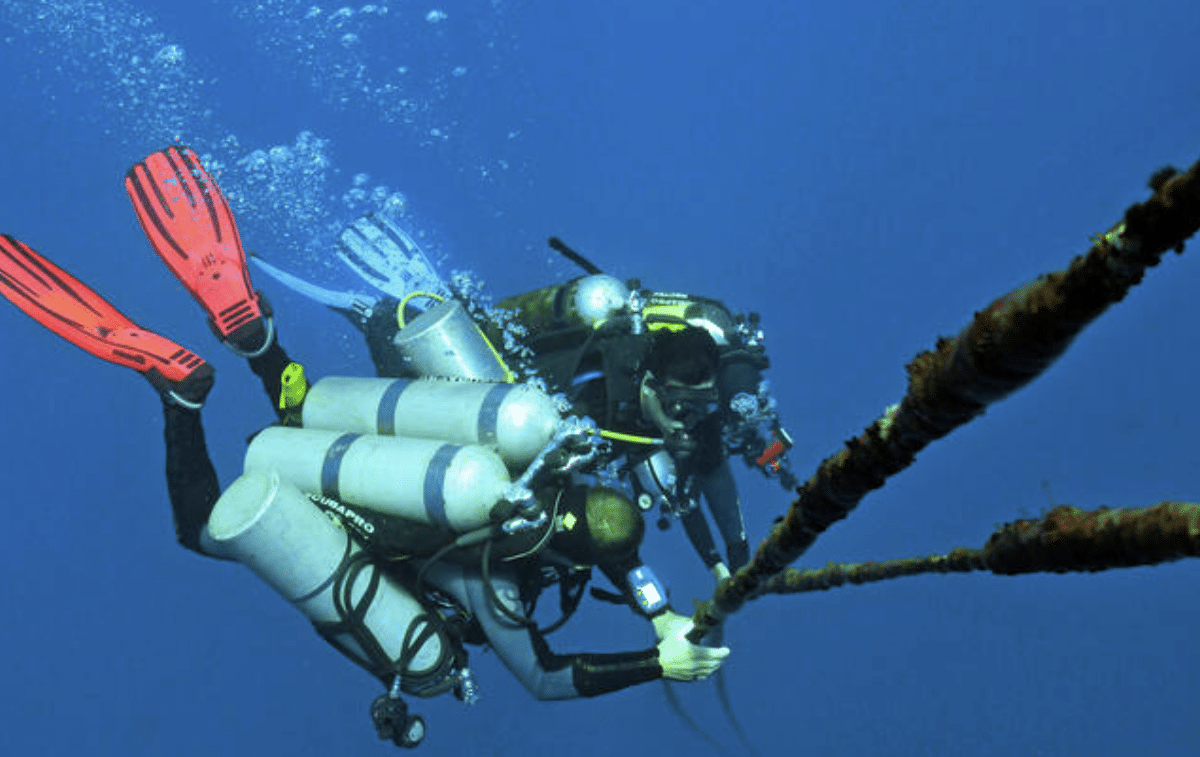
Two scuba divers equipped with multiple oxygen cylinders hold onto a thick, rusted underwater cable suspended in deep blue water, surrounded by bubbles.

Multi-Gas Management and Decompression Strategy

The Tec Trimix course requires divers to manage multiple gases, often including bottom trimix, travel gas, and several decompression gases.

Divers may carry up to four stage or decompression cylinders, each with a specific role in the dive profile.  

Planning must integrate:

  • Gas selection for each phase of the dive
  • Maximum operating depths and switch depths
  • Decompression schedules based on multiple gas transitions

Decompression becomes extended and highly structured. Stops must be executed precisely, and gas switches must be aligned with the decompression model.

At this level, decompression is not a phase—it is a major component of the dive.

At N9BO℠, we emphasise that multi-gas decompression defines technical diving at extreme depth.


Equipment Configuration and Redundancy Systems

Equipment configuration at this level must support increased complexity and extended exposure. Divers operate with full technical setups, including doubles or sidemount systems and multiple stage cylinders.

All systems must be redundant. The diver must be capable of managing failures without compromising decompression obligations that may last significant durations.

Configuration must be:

  • Standardised and predictable
  • Clearly labelled for gas identification
  • Optimised to reduce task load during critical phases

Any ambiguity in equipment increases risk, particularly under high task load at depth.

At N9BO℠, we treat equipment as a critical component of the operational system.


Task Load, Awareness, and Performance

The Tec Trimix course represents a peak in task load for open-circuit diving. Divers must manage multiple gases, extended decompression, depth, time, and team coordination simultaneously.

Even with the benefits of helium reducing narcosis, the complexity of the dive requires structured awareness. The diver must monitor all variables continuously while executing procedures without hesitation.

Decision-making must remain procedural. There is no space for improvisation at this level.

At N9BO℠, we train divers to maintain control through structure, ensuring performance remains consistent under extreme conditions.

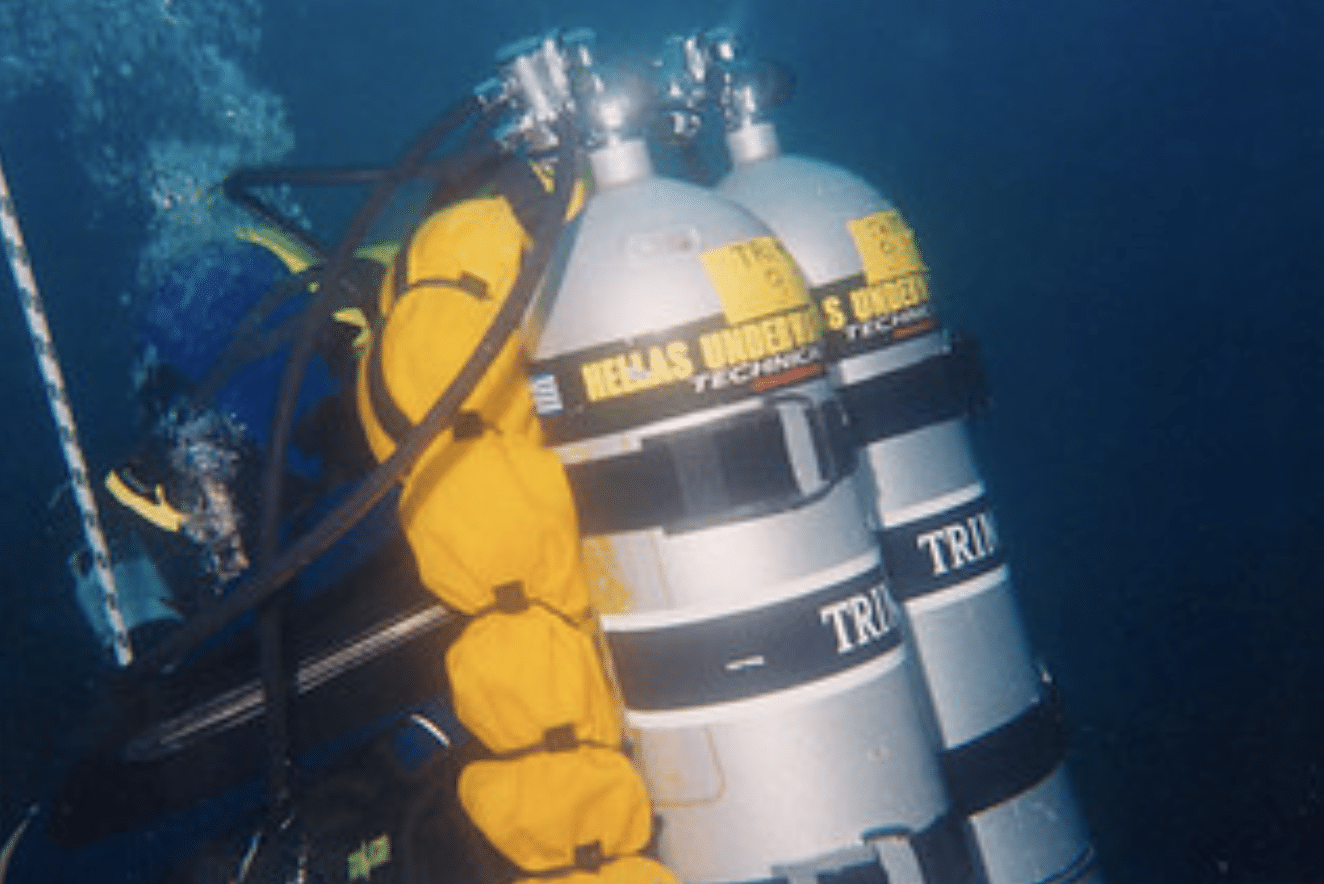
A scuba diver underwater is carrying large oxygen cylinders labelled “TRIMIX” and “HELLAS UNDERWATER TECHNICAL,” with yellow equipment attached to the cylinders by hoses.

Team Coordination and Deep Diving Protocols

At extreme depth, team coordination becomes essential. Divers must operate within a shared plan, maintaining alignment throughout all phases of the dive.

Gas switches, ascent rates, and decompression stops must be synchronised. Each diver must be aware of team status and capable of responding to deviations.

The team functions as a single system. Individual error affects the entire operation.

At N9BO℠, we emphasise that deep trimix diving is always a coordinated team effort.


Prerequisites and Training Standards

The Tec Trimix course requires divers to already hold advanced technical certifications, typically including Tec 50 and Rescue Diver, along with significant logged dive experience.

Training involves multiple dives, including confined or limited open water sessions and several open water dives conducted under strict ratios, typically limited to small groups to maintain control.  

These standards reflect the level of complexity and risk involved. Divers must demonstrate full competence before entering this environment.

At N9BO℠, we treat prerequisites as operational requirements, not administrative steps.


Position Within the Technical Pathway

Tec Trimix is the highest level of open-circuit training within the PADI TecRec system. It prepares divers for extreme depth exploration and specialised technical applications.

Beyond this level, progression typically moves into rebreather systems or specialised environments such as cave or expedition diving.

This course represents both an endpoint and a transition into advanced technical operations.

At N9BO℠, we position Tec Trimix as the level where technical diving becomes fully mission-capable.


Operational Mindset

The Tec Trimix course reinforces that deep technical diving is defined by control, not depth. The use of hypoxic trimix allows access to extreme environments, but only when managed within strict operational limits.

Planning must be exact. Execution must be disciplined. Awareness must remain continuous.

At N9BO℠, we approach deep trimix diving as a system where gas, equipment, and procedures must align perfectly.

In extreme technical diving, success is not defined by how deep you go, but by how precisely you manage the entire operation.

Two scuba divers in full kit, carrying multiple large oxygen cylinders, are underwater, holding onto a white guide rope in deep blue water.


Push Depth with Precision, Not Risk


Contact N9BO℠ to integrate PADI Tec Trimix training into your development pathway, building the capability, discipline, and operational control required for extreme technical diving.


From the N9BO℠ Knowledge Base


Share this

PADI Tec Trimix 65 Course: Introducing Helium for Controlled Deep Technical Diving

Purpose of the Tec Trimix 65 Course

The Tec Trimix 65 course is designed to extend a diver’s capability beyond air-based technical diving by introducing trimix as a standard operational gas. It builds directly on Tec 50, maintaining the same structured approach to decompression while increasing depth and complexity.

Divers are trained to plan and execute dives to a maximum depth of 65 metres, integrating helium into their gas strategy to reduce narcosis and improve performance.  

This course does not simply allow deeper diving. It introduces a new level of control where gas selection becomes a primary tool for managing physiological and operational limits.

At N9BO℠, we position Tec Trimix 65 as the point where depth is no longer the main constraint—gas strategy becomes the defining factor.


Why Trimix Changes the Equation

At depths approaching and exceeding 50 metres, air becomes increasingly limiting. Nitrogen narcosis affects cognition, and gas density increases breathing resistance, both of which reduce diver performance.

Trimix addresses these limitations by replacing a portion of nitrogen with helium. This reduces narcosis and improves breathing efficiency, allowing divers to maintain clarity and control at greater depth.

However, trimix introduces its own complexity. Gas planning becomes more precise, and the diver must understand how different gas components affect both physiology and decompression.

This creates a shift in focus. Diving deeper is no longer the objective; maintaining performance at depth becomes the priority.

At N9BO℠, we emphasise that trimix is a performance tool, not just a depth enabler.


Depth Extension and Operational Impact

The extension to 65 metres significantly increases exposure and reduces margin for error. Gas consumption rises sharply, decompression obligations become longer, and environmental factors have a greater impact on the dive.

At this depth, the diver must operate within a tightly controlled framework. There is no capacity for improvisation, and every phase of the dive must be executed as planned.

The deeper environment also amplifies small errors. A minor deviation in depth, timing, or gas use can have significant consequences.

This reinforces the need for precision. The diver must rely on structured procedures and disciplined execution.

At N9BO℠, we treat depth as a compounding factor that demands proportional increases in control.

A scuba diver in a red drysuit sits at the water’s edge, equipped with twin oxygen cylinders, blue fins, gloves, and a full-face mask, preparing to submerge in the water.

Multi-Gas Planning and Decompression Strategy

Tec Trimix 65 requires divers to manage multiple gases, including bottom trimix and at least two decompression gases. Planning must integrate all gases into a single, coherent profile.

Each gas has a defined role. Bottom gas is selected to balance narcosis and oxygen exposure, while decompression gases are used to accelerate inert gas elimination during ascent.

The diver must calculate:

  • Maximum operating depths for each gas
  • Gas volumes for the entire dive, including contingencies
  • Decompression schedules that integrate all gas switches

Execution must match the plan exactly. Gas switches must occur at the correct depth, and decompression stops must be maintained without deviation.

At N9BO℠, we emphasise that multi-gas planning is the core of technical diving at this level.


Equipment Configuration and Redundancy

At this stage, equipment configuration must support both increased complexity and failure management. Divers operate with full technical setups, including doubles or sidemount systems and multiple stage cylinders.

All gases must be clearly identified and accessible. Regulator configuration must support efficient switching, and hose routing must minimise task load.

Redundancy is critical. The diver must be able to manage equipment failures without compromising decompression obligations, which may now be extended and non-negotiable.

Configuration must be standardised and consistent. Any ambiguity increases risk, particularly under increased task load at depth.

At N9BO℠, we treat equipment as a structured system designed to support both execution and contingency.


Task Load, Awareness, and Performance at Depth

The introduction of trimix does not reduce task load. It allows the diver to manage that load more effectively by improving cognitive clarity.

However, the number of variables increases. The diver must manage depth, time, multiple gases, decompression schedules, and team coordination simultaneously.

Awareness must remain continuous. The diver must monitor all aspects of the dive while executing procedures without hesitation.

The risk of fixation remains. Even with improved clarity, focusing on a single element can lead to loss of overall control.

At N9BO℠, we train divers to maintain structured awareness across all variables, ensuring stability under increased complexity.

A scuba diver is underwater, with air bubbles rising towards the surface. The image shows scuba cylinders in the foreground and the diver blurred in the background, surrounded by blue water.

Team Coordination in Deep Technical Diving

At 65 metres, team coordination becomes even more critical. Divers must operate within a shared plan, maintaining alignment throughout descent, bottom phase, and decompression.

Gas switches, ascent rates, and stop durations must be synchronised. Each diver must understand both their own responsibilities and those of the team.

Any deviation must be recognised immediately and managed according to established procedures.

At this level, individual performance directly affects team safety. Coordination is therefore not optional—it is essential.

At N9BO℠, we emphasise that deep technical diving is always a team-based operation.


Position Within the Technical Pathway

Tec Trimix 65 is the first level in the PADI trimix pathway and represents the transition from air-based to helium-based deep diving. It prepares divers for full trimix courses, where depth and decompression complexity increase further.

The course confirms that the diver can manage:

  • Multi-gas planning and execution
  • Extended decompression obligations
  • Increased depth and physiological load

It acts as a bridge between foundational technical training and advanced deep exploration.

At N9BO℠, we position Tec Trimix 65 as the point where technical diving becomes performance-driven rather than depth-limited.


Operational Mindset

The Tec Trimix 65 course reinforces that technical diving at depth is defined by control, not capability. The introduction of helium improves performance, but it does not reduce the need for discipline.

Planning must be exact. Execution must be consistent. Awareness must be continuous.

At N9BO℠, we approach trimix diving as a controlled system where gas, equipment, and procedures must align to manage increased exposure.

In deep technical diving, success is not defined by reaching depth, but by maintaining control throughout the dive.

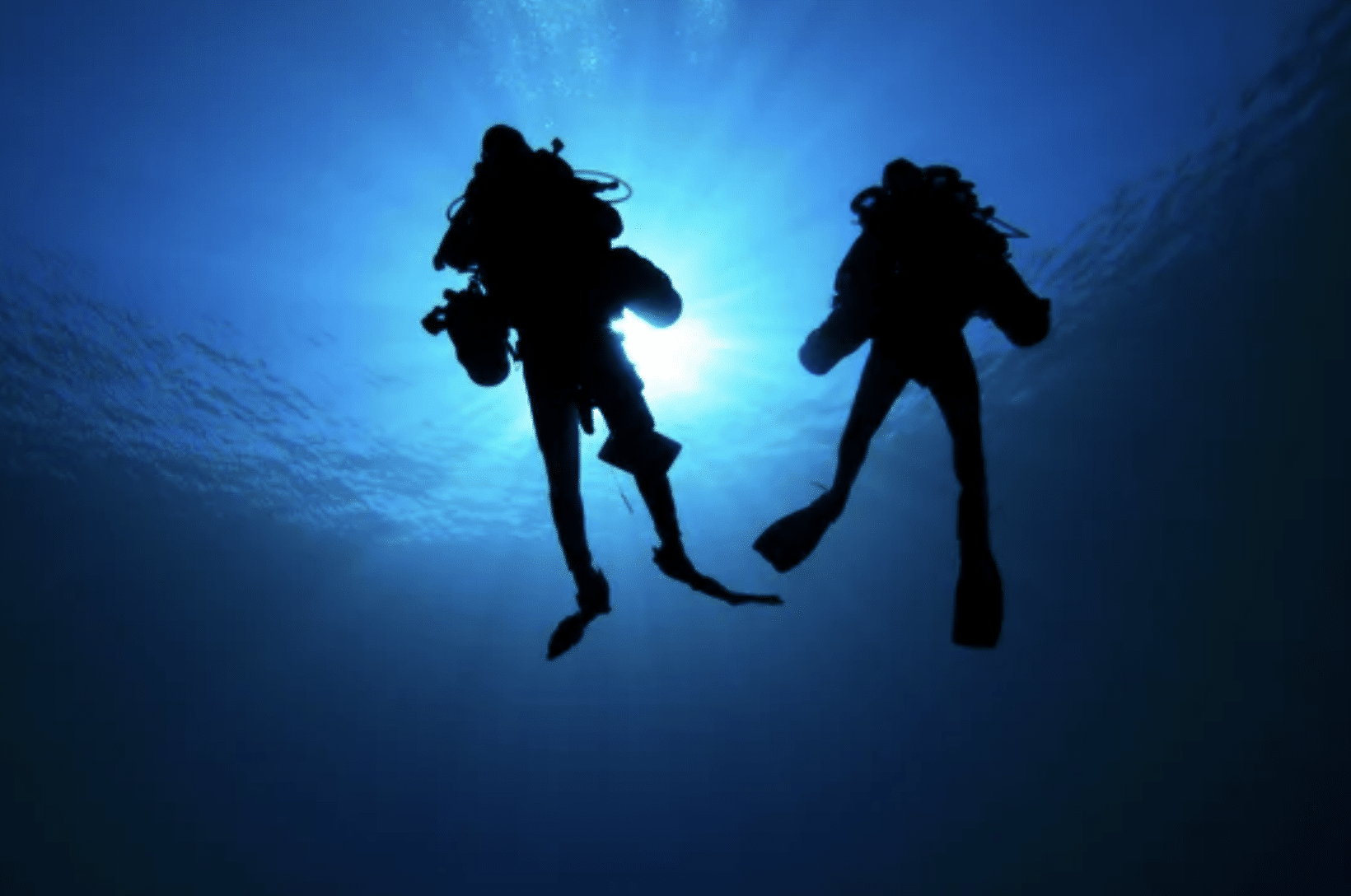
Two scuba divers are silhouetted underwater, swimming near each other with sunlight shining down from above, illuminating the blue water and creating a bright glow behind them.


Extend Depth with Control, Not Risk


Contact N9BO℠ to integrate PADI Tec Trimix 65 training into your development pathway, building the precision, awareness, and gas management capability required for deep technical diving.


From the N9BO℠ Knowledge Base


Share this

PADI Tec 50 Course: Full Technical Diving Capability and Operational Independence

Purpose of the Tec 50 Course

The Tec 50 course is designed to take divers from structured technical training into full operational capability. It builds on Tec 45 by increasing depth, expanding decompression requirements, and introducing multi-gas management as a standard practice.

Divers are trained to conduct dives to a maximum depth of 50 metres / 165 feet, with multiple decompression stops and the use of two decompression gases.  

This is not an incremental step. It represents a transition from supervised technical training to the ability to plan and execute dives independently within defined limits.

At N9BO℠, we position Tec 50 as the point where a diver becomes operationally complete at entry-level technical diving.


From Structured Training to Full Decompression Diving

Tec 50 moves beyond controlled exposure and into full decompression diving. There is no longer a practical limit on decompression time within the training framework, and divers must manage extended obligations as part of normal operations.

This introduces a higher level of commitment. The diver must plan the entire dive in detail, including bottom phase, ascent profile, gas switches, and contingency scenarios.

Decompression is no longer an isolated phase. It becomes a prolonged operational period requiring stability, awareness, and strict adherence to the plan.

At N9BO℠, we emphasise that decompression at this level is not a procedure—it is a sustained operational phase.


Depth, Exposure, and Physiological Load

At 50 metres, physiological stress becomes a dominant factor. Narcosis, gas density, and increased consumption all affect performance and decision-making.

Divers must maintain control under these conditions, ensuring that awareness and execution remain consistent despite increased cognitive and physical load. This is where training transitions from skill-based to performance-based.

The diver must rely on structured procedures rather than intuition. Every action must follow a defined sequence, ensuring that performance remains stable under pressure.

At N9BO℠, we treat depth as a compounding factor that requires proportional increases in discipline and control.

A scuba diver swims near the sandy sea floor under rays of sunlight, surrounded by clear blue water and some scattered aquatic plants and equipment.

Multi-Gas Decompression and Planning Complexity

Tec 50 introduces the routine use of two decompression gases, typically enriched air and oxygen, to accelerate decompression and manage exposure more effectively.  

This significantly increases planning complexity. The diver must integrate multiple gases into a single coherent dive plan, ensuring that each gas is used at the correct depth and for the correct duration.

Gas planning must account for:

  • Bottom gas requirements at depth
  • Decompression gas volumes and switching points
  • Contingency reserves for failure scenarios

Execution must match the plan exactly. Any deviation can affect decompression efficiency and overall safety.

At N9BO℠, we emphasise that multi-gas diving requires absolute clarity in both planning and execution.


Equipment Configuration and Redundancy Systems

At this level, full technical configuration is mandatory. Divers operate with doubles or sidemount systems, supported by multiple stage cylinders.

This configuration must support both performance and failure management. Redundancy is no longer a precaution—it is a requirement, as direct ascent is not an option once decompression obligation exists.

All equipment must be standardised and clearly organised. Gas identification, regulator access, and hose routing must support efficient and error-free operation under increased task load.

At N9BO℠, we treat equipment as an integrated system designed to manage both execution and contingency.


Task Load, Awareness, and Decision-Making

Tec 50 significantly increases task load. Divers must manage depth, time, multiple gases, decompression schedules, equipment status, and team coordination simultaneously.

This creates a high-demand environment where awareness must be continuous. The diver must monitor all variables without becoming fixated on any single element.

Decision-making must remain structured. The diver must recognise deviations early and respond according to established procedures rather than improvisation.

At N9BO℠, we train divers to operate within controlled frameworks that maintain stability under complexity.

Two scuba divers are silhouetted against a bright blue underwater background, swimming towards the surface with sunlight streaming down from above.

Team Coordination and Operational Alignment

At Tec 50 level, diving is fully team-based. Each diver must operate within a shared plan, maintaining alignment across all phases of the dive.

Gas switches, ascent rates, and decompression stops must be synchronised. Each diver must be aware of team status and capable of supporting others if required.

Coordination reduces variability and ensures that all divers remain within defined operational limits.

This is where team discipline becomes critical. Individual deviation introduces risk to the entire group.

At N9BO℠, we emphasise that technical diving is executed as a coordinated system.


Upgrade Path to Tec 50 Trimix

The Tec 50 certification can be upgraded to Tec 50 Trimix, introducing helium into the breathing gas while maintaining the same depth range. This improves diver performance by reducing narcosis and gas density, allowing clearer thinking and more efficient execution at depth.  

This upgrade does not extend depth limits, but it significantly enhances control and safety margins. It also prepares divers for further progression into deeper trimix courses such as Tec Trimix 65.

At N9BO℠, we recommend this upgrade as a strategic step for divers aiming to improve performance before increasing exposure.


Position Within the Technical Pathway

Tec 50 is the final course in the core PADI TecRec entry-level technical pathway. It represents the completion of foundational technical diver training and qualifies divers to conduct independent decompression dives within defined limits.

Beyond this level, progression moves into trimix-based training, where depth increases further and gas complexity expands significantly.

Tec 50 therefore acts as both a culmination and a gateway. It confirms competence while preparing the diver for more advanced environments.

At N9BO℠, we position Tec 50 as the threshold where technical competence must be fully established.


Operational Mindset

The Tec 50 course defines technical diving as a system of control. The diver must plan precisely, execute without deviation, and maintain continuous awareness throughout the dive.

There is no flexibility once decompression obligation exists. Every phase of the dive must be managed according to the plan, and every action must support that plan.

As complexity increases, tolerance for error decreases. Success depends on discipline, structure, and the ability to operate consistently under pressure.

At N9BO℠, we approach Tec 50 as the point where technical diving becomes fully operational. It is no longer about learning individual skills, but about integrating them into a controlled system.

In technical diving, capability is defined not by how deep you go, but by how precisely you manage the dive from start to finish.

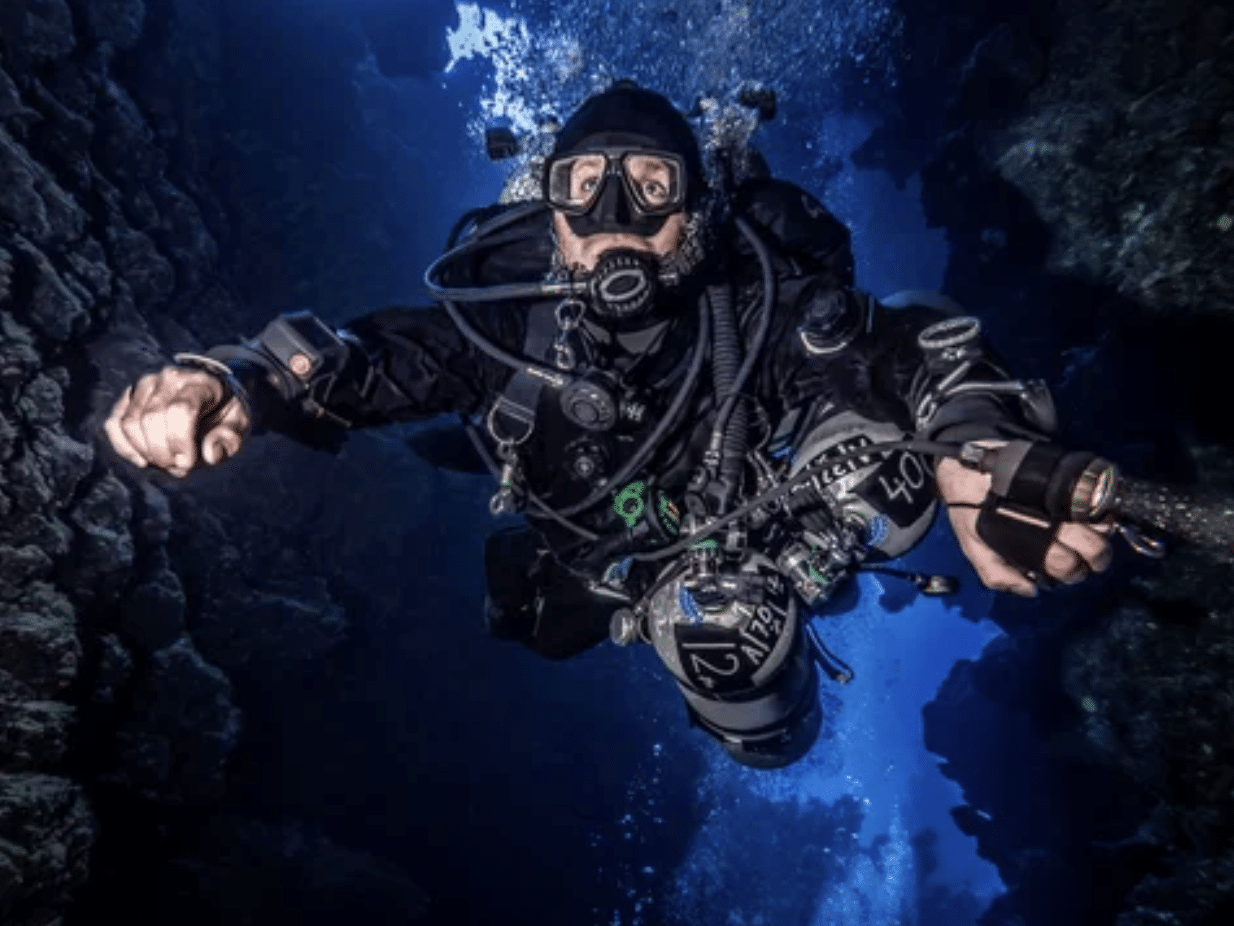
A scuba diver in full kit swims underwater between rocky walls, surrounded by bubbles, with rays of sunlight illuminating the blue water.


Achieve Full Technical Diving Capability


Contact N9BO℠ to integrate PADI Tec 50 training into your development pathway, building the discipline, precision, and operational control required for independent technical diving.


From the N9BO℠ Knowledge Base

Share this

PADI Tec 45 Course: Expanding Decompression Diving with Increased Commitment

Purpose of the Tec 45 Course

The Tec 45 course is designed to develop divers beyond the controlled introduction of Tec 40 and into a more committed technical diving environment. While Tec 40 introduces decompression in a limited way, Tec 45 expands both exposure and responsibility.

Divers are now required to plan and execute dives to a maximum depth of 45 metres while managing decompression obligations with greater precision. The course does not simply increase limits, it reinforces that as exposure increases, control must increase proportionally.

At N9BO℠, we position Tec 45 as the point where technical diving becomes sustained rather than introductory.


From Limited to Structured Decompression Diving

Tec 45 marks the shift from limited decompression to structured and repeatable decompression diving. Divers are no longer managing short, isolated obligations, but are expected to plan and execute full decompression profiles across multiple dives.

This introduces cumulative exposure as a factor. Divers must understand how residual inert gas affects subsequent dives and how planning must account for it.

The ascent phase becomes more structured, with defined stops and timings that must be followed precisely. Decompression is no longer an introduction, it becomes a core operational phase.

At N9BO℠, we emphasise that repetition introduces risk unless it is controlled through planning.


Depth Extension and Operational Impact

The extension to 45 metres increases physiological and operational demands. Narcosis becomes more pronounced, gas consumption increases, and margins for error are reduced.

Divers must maintain performance under these conditions, ensuring that awareness and decision-making remain consistent despite increased stress.

This reinforces the need for discipline. The diver must rely on structured procedures rather than instinct, ensuring that execution remains aligned with the plan.

At N9BO℠, we treat depth as a multiplier of risk that must be matched with increased control.

Two scuba divers with kit and fins swim underwater in a deep blue sea. Bubbles rise above them as they move through the clear water.

Gas Management and Decompression Strategy

Tec 45 introduces more advanced gas management through the use of a dedicated decompression cylinder. Divers must plan for bottom gas, decompression gas, and contingency reserves within a single integrated framework.

Gas switching becomes a routine but critical procedure. Each switch must be executed at the correct depth, verified before breathing, and confirmed immediately after.

Continuous gas awareness is required throughout the dive. The diver must always understand current status, upcoming transitions, and available reserves.

At N9BO℠, we emphasise that gas management is the central control mechanism in decompression diving.


Equipment Configuration and System Reliability

The course requires full technical configuration, including doubles or sidemount systems and stage cylinders. This configuration must support both normal operations and failure management.

Redundancy becomes essential, as direct ascent is no longer an option once decompression obligation exists. The diver must be able to manage equipment failures without compromising the dive.

Configuration must be clear and consistent, allowing efficient access and reducing the potential for error during critical procedures.

At N9BO℠, we treat equipment as an integrated system designed to support both execution and contingency.


Managing Task Load and Maintaining Awareness

With increased depth and decompression complexity, task load rises significantly. Divers must manage multiple variables simultaneously while maintaining control.

Depth, time, gas, decompression status, and team coordination must all be monitored continuously. This requires structured awareness and the ability to prioritise effectively.

Fixation becomes a key risk at this level. The diver must avoid focusing on a single task at the expense of overall awareness.

At N9BO℠, we train divers to maintain full situational awareness while executing complex procedures.

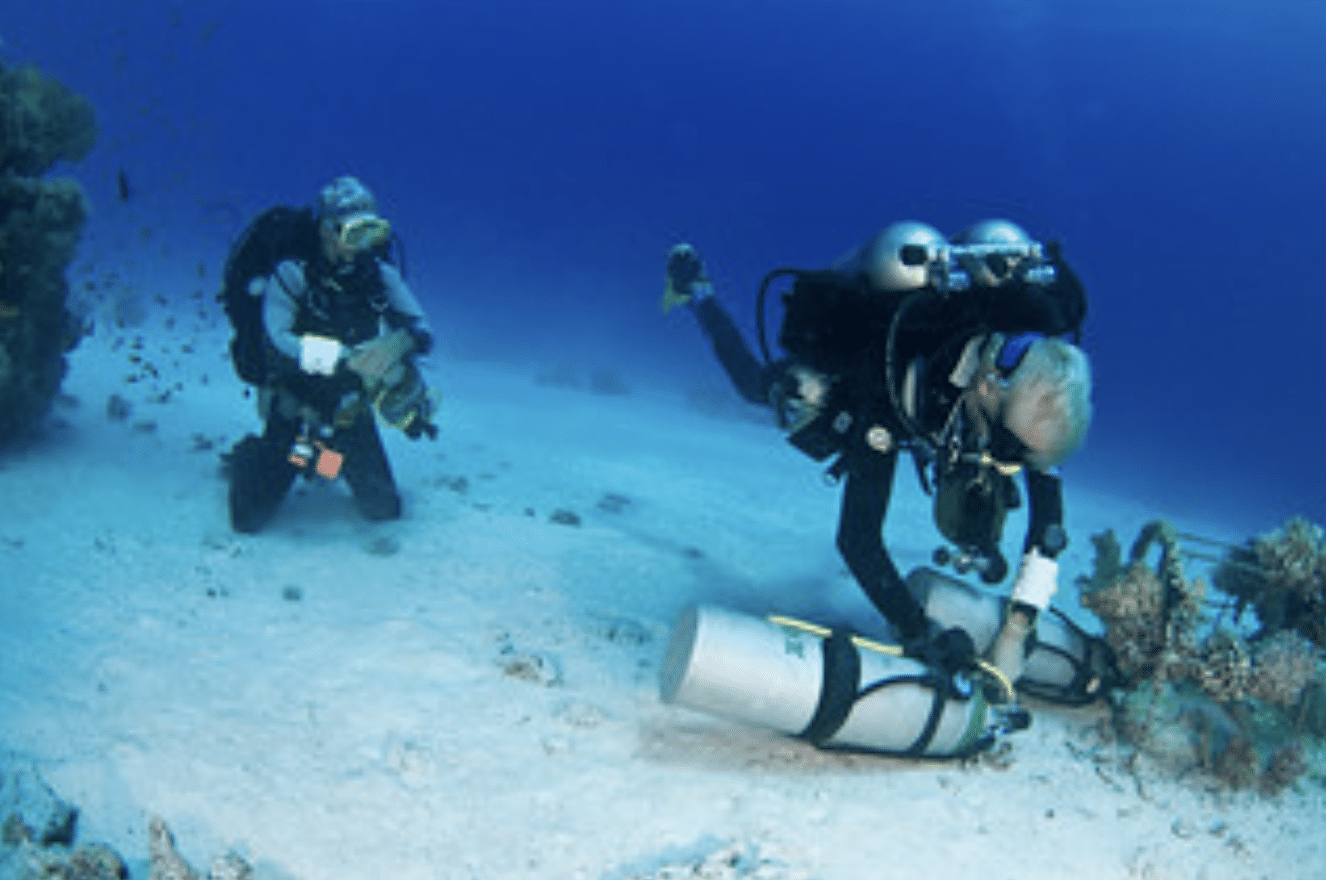
Two scuba divers in full kit are underwater near the sea floor. One diver is placing or inspecting a cylinder on the sandy seabed, whilst the other observes nearby with coral and small fish in the background.

Team Coordination and Procedural Alignment

Tec 45 reinforces the importance of team-based diving. Divers must operate within a shared plan, maintaining alignment throughout all phases of the dive.

Procedures must be standardised, ensuring that gas switches, ascent rates, and decompression stops are synchronised. Each diver must understand not only their own role, but the role of the team.

Coordination reduces variability and ensures that all divers remain within defined parameters.

At N9BO℠, we emphasise that technical diving is executed as a unified system.


Upgrade Path to Tec 45 Trimix

The Tec 45 certification can be upgraded to Tec 45 Trimix, introducing the use of helium-based gas mixtures within the same depth range. This upgrade does not increase depth limits, but significantly improves diver performance by reducing narcosis and gas density.

By incorporating helium, divers gain improved clarity, reduced breathing resistance, and greater efficiency under increased task load. This allows for more precise execution of procedures and better overall control at depth.

At N9BO℠, we recommend this upgrade for divers who want to improve performance before progressing further into deeper or more complex technical environments.


Position Within the Technical Pathway

Tec 45 is the second level of the PADI TecRec pathway and serves as a direct progression from Tec 40. It prepares divers for Tec 50, where additional gases and extended decompression are introduced.

At this stage, divers must demonstrate consistent control across planning, execution, and awareness. The course ensures that divers are capable of managing increased complexity before progressing further.

At N9BO℠, we position Tec 45 as the level where technical competence must become consistent and repeatable.


Operational Mindset

The Tec 45 course reinforces that technical diving is defined by commitment and control. Once decompression obligation exists, the diver must execute the dive exactly as planned.

There is no flexibility in ascent, and no tolerance for deviation. Every phase of the dive must be managed with precision.

As exposure increases, margins for error decrease. This requires discipline, structured awareness, and continuous monitoring.

At N9BO℠, we approach Tec 45 as a system of control where planning, gas, equipment, and execution must function together.

In technical diving, progression is defined not by depth, but by the ability to maintain control as complexity increases.

A scuba diver with twin air cylinders and green fins swims underwater in deep blue sea, with air bubbles rising and large shadows visible in the distance.


Advance Your Technical Capability with Control


Contact N9BO℠ to integrate PADI Tec 45 training into your development pathway, building the precision, awareness, and discipline required for advanced decompression diving.


From the N9BO℠ Knowledge Base


Share this
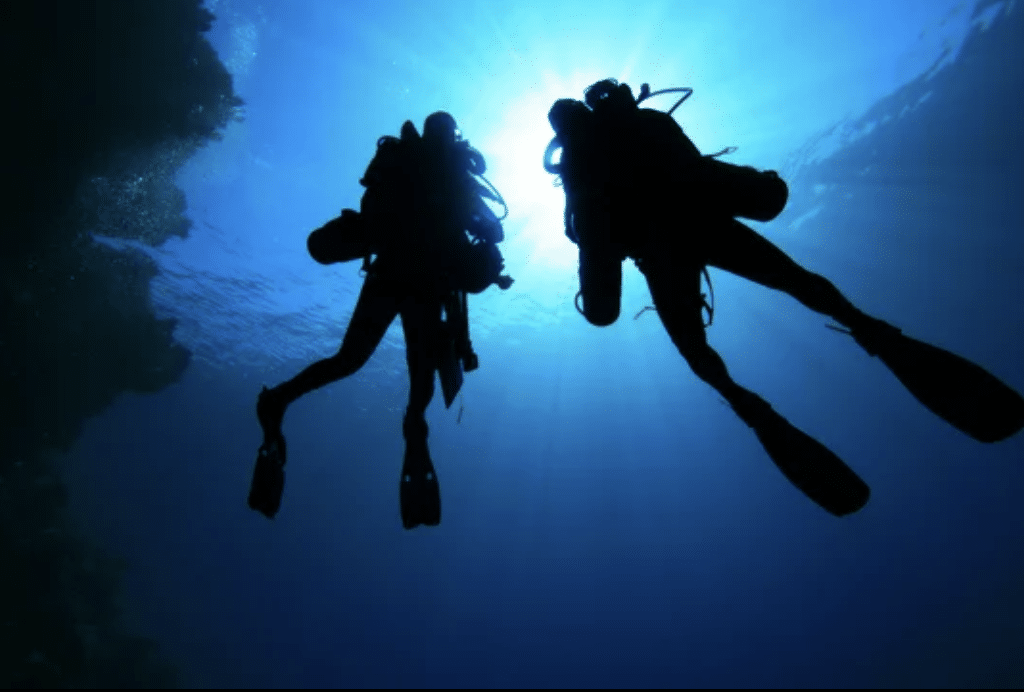
Facebook
Instagram
X (Twitter)
TikTok
Youtube
Whatsapp