Digital Underwater Photo & Video: Capturing the Underwater World for Divers and Snorkellers
Why Underwater Imaging Matters
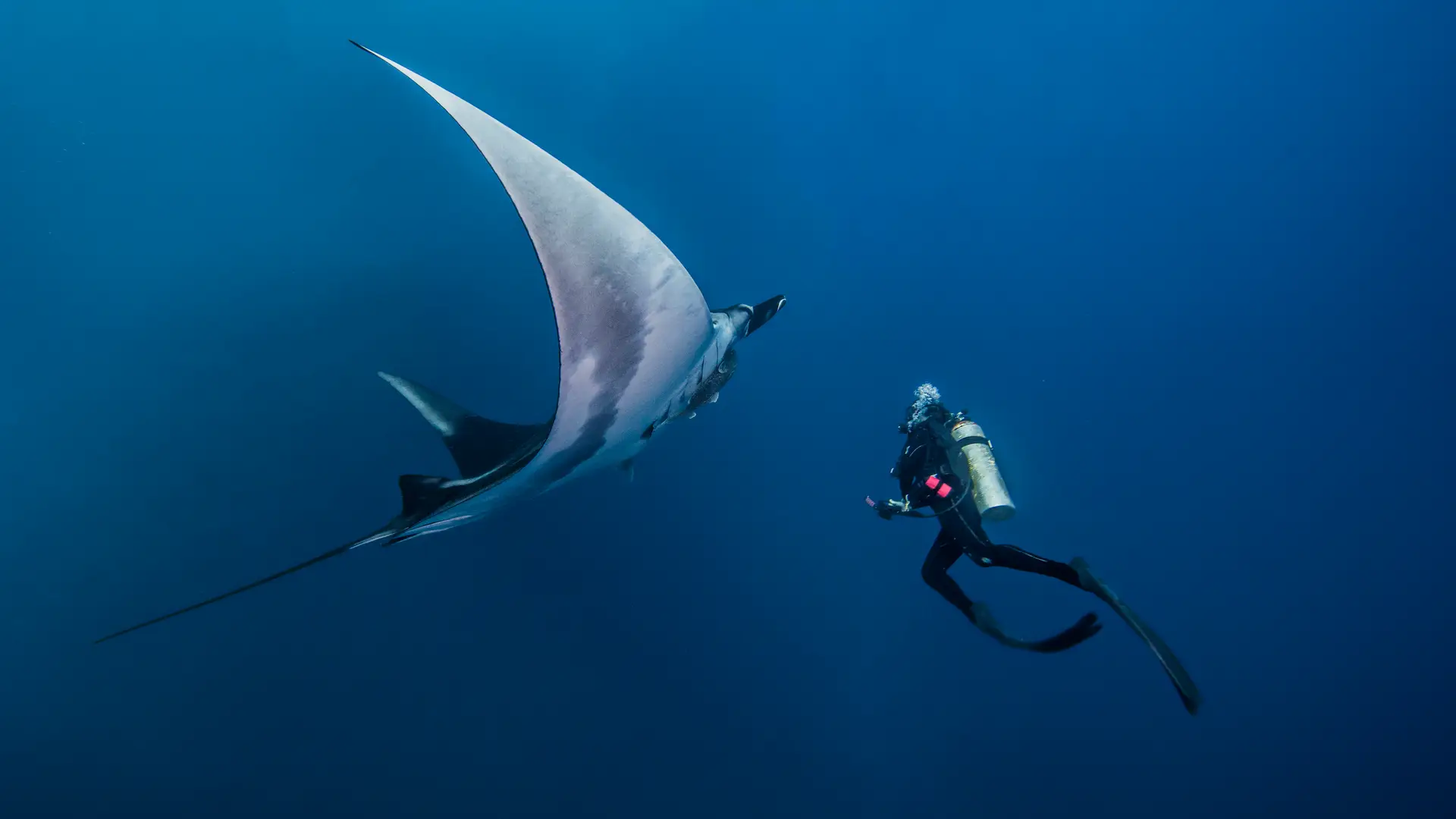
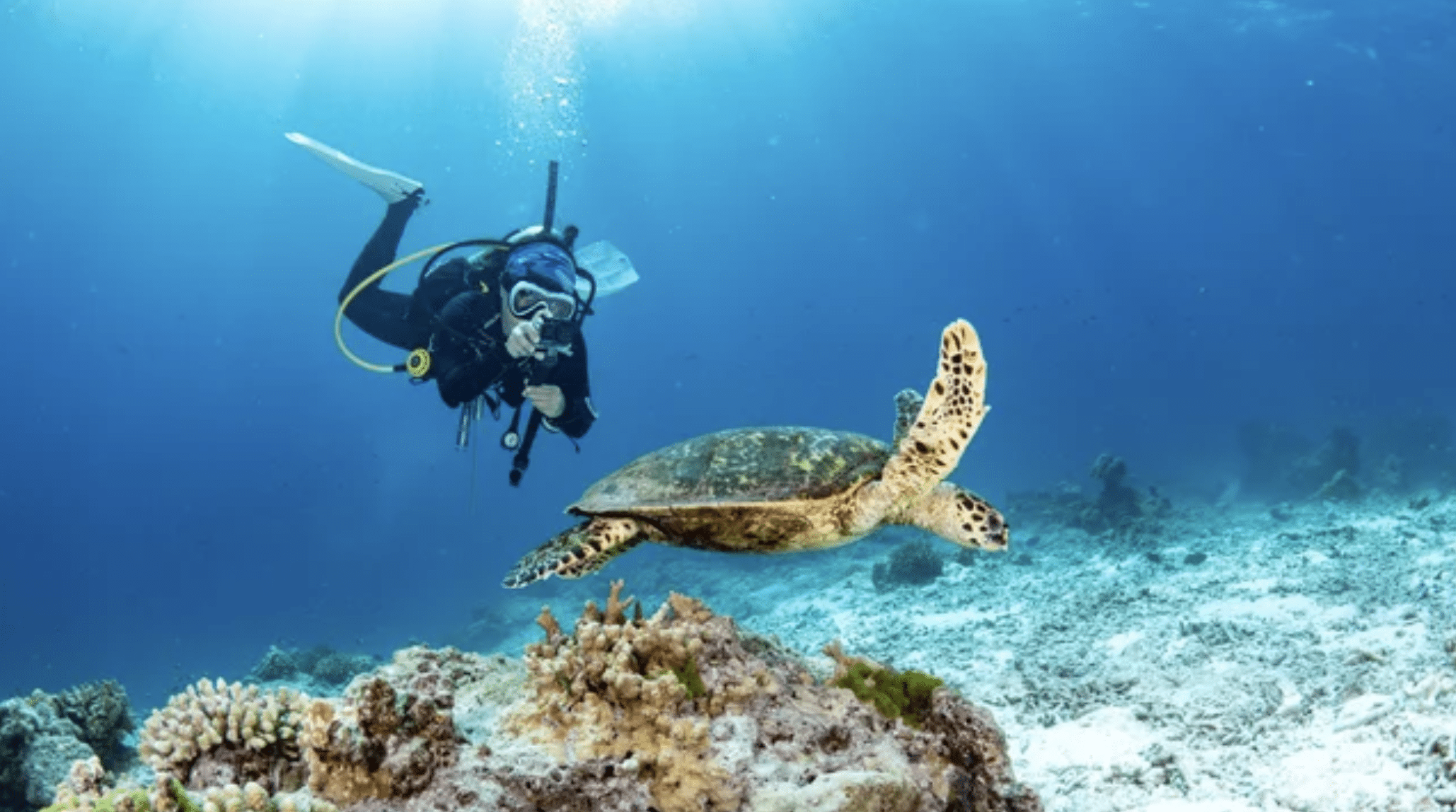
For many people, entering the underwater world is an unforgettable experience. Photography and videography provide a way to preserve those moments while sharing the beauty of marine environments with others.
Underwater imaging allows divers and snorkellers to capture:
- Marine life encounters
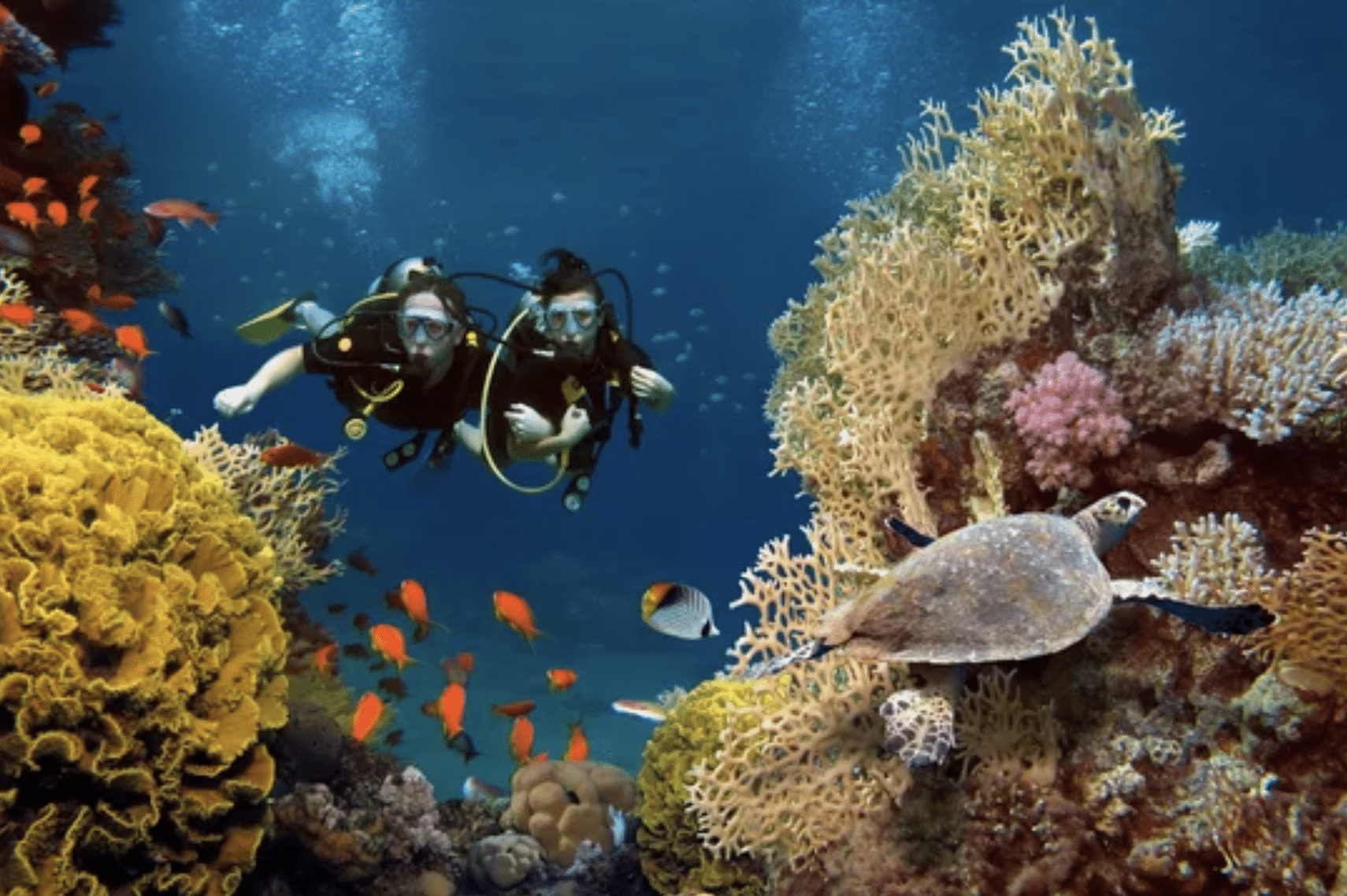
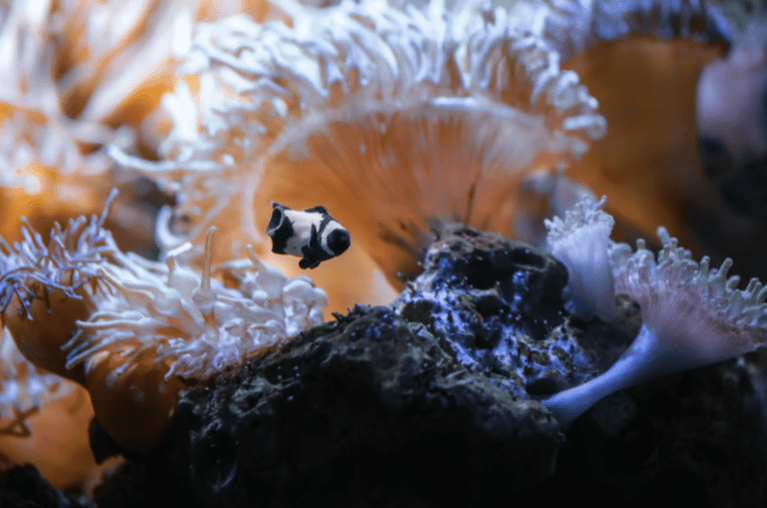
- Coral reef ecosystems
- Wrecks and underwater landscapes
- Human interaction with the ocean
However, the value of underwater imaging goes beyond social media or souvenirs. The process itself changes how people observe and interact with the underwater environment.
Photographers and videographers often become more patient, more aware of their surroundings, and more environmentally conscious underwater.
At N9BO℠, we view underwater imaging as both creative expression and environmental engagement.
Designed for Both Divers and Snorkellers
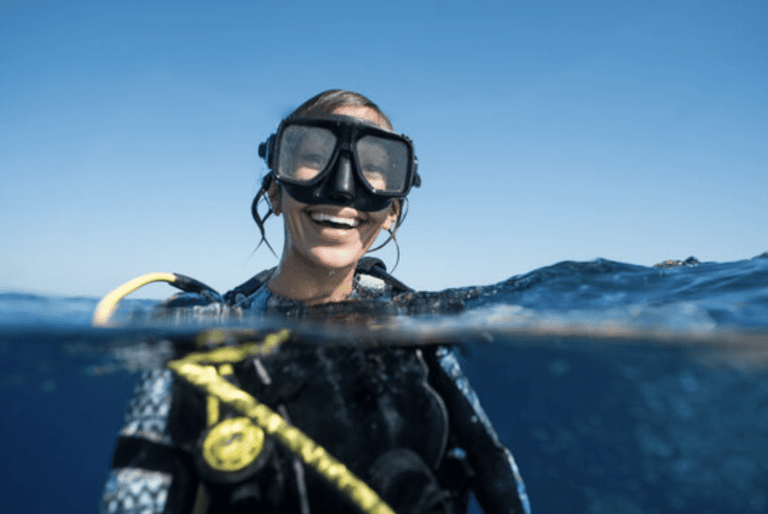
One of the major advantages of digital underwater imaging is accessibility. Modern systems allow both scuba divers and snorkellers to capture high-quality underwater content safely and effectively.
Snorkellers can often access:
- Shallow reefs
- Surface marine life interactions
- Clear natural lighting conditions
Divers, meanwhile, can explore:
- Greater depth
- Wrecks and cavern systems
- Night environments
- Advanced marine habitats
The techniques and equipment may differ slightly, but the core principles of underwater imaging remain the same.
At N9BO℠, we encourage underwater imaging as a skill that enhances every level of ocean exploration.
The Challenge of the Underwater Environment
Underwater photography is fundamentally different from photography on land because water changes how light behaves.
As depth increases:
- Colours disappear progressively
- Contrast decreases
- Visibility may reduce significantly
- Particles create backscatter and distortion
Movement also becomes more complex because both the subject and photographer are often in motion.
These environmental factors require underwater photographers to adapt:
- Positioning
- Lighting
- Buoyancy control
- Camera settings
- Composition techniques
The underwater environment therefore transforms photography into a technical and environmental skill as much as an artistic one.
At N9BO℠, we teach underwater imaging as controlled environmental adaptation rather than simple camera operation.
Buoyancy and Movement Control
One of the first lessons most underwater photographers learn is that camera skill alone is not enough.
Poor buoyancy control can:
- Damage marine environments
- Disturb marine life
- Reduce visibility through sediment disturbance
- Create unstable images and footage
Good underwater imaging therefore depends heavily on:
- Neutral buoyancy
- Stable trim
- Controlled breathing
- Precise movement underwater
The more stable the diver or snorkeller becomes, the better the images generally become.
This is why underwater photography often improves overall diving performance.
At N9BO℠, we emphasise that buoyancy is one of the most important “camera skills” underwater.
Understanding Light and Colour
Water absorbs light rapidly, particularly warmer colours such as red and orange. As a result, underwater images often appear increasingly blue or green with depth.
The course typically introduces techniques to compensate for this, including:
- Proper use of natural light
- Artificial lighting systems
- White balance adjustment
- Positioning relative to sunlight
Shallow snorkelling environments often provide excellent natural lighting, while deeper diving environments may require strobes or video lights to restore colour and contrast.
Understanding light becomes one of the most important aspects of creating high-quality underwater images.
At N9BO℠, we teach divers and snorkellers to work with the environment rather than against it.
Approaching Marine Life Responsibly
Successful underwater imaging depends heavily on environmental awareness and respectful interaction with marine life.
Divers and snorkellers learn how to:
- Approach animals calmly
- Avoid sudden movement
- Minimise disturbance
- Observe natural behaviour patterns
Aggressive pursuit of marine life often produces poor images and stresses the animals unnecessarily.
Patience and positioning are usually more effective than speed or proximity.
The process encourages divers to slow down and observe the underwater world more carefully.
At N9BO℠, we emphasise ethical interaction and low-impact underwater behaviour.
Video vs Photography Underwater
Although photography and videography share many principles, underwater video introduces additional considerations.
Videographers must manage:
- Camera stability
- Smooth movement
- Subject tracking
- Lighting consistency
- Longer environmental observation
Video also tends to highlight poor buoyancy and uncontrolled movement more clearly than still photography.
As a result, videography often requires even greater underwater control and patience.
The reward is the ability to capture behaviour, movement, and atmosphere in ways that still images cannot.
At N9BO℠, we encourage divers to approach underwater video as visual storytelling rather than simply recording footage.
Equipment and System Simplicity
Modern underwater imaging systems range from simple smartphone housings and compact action cameras to advanced mirrorless and DSLR systems.
For most divers and snorkellers, simplicity is often the best starting point.
The course typically focuses on:
- Basic camera setup
- Housing care and maintenance
- Flood prevention procedures
- Equipment handling underwater
As skill improves, divers may progress toward more advanced lighting systems and manual camera control.
However, strong environmental awareness and stable underwater control remain more important than expensive equipment.
At N9BO℠, we teach that strong technique consistently outperforms unnecessary complexity.
The Psychological and Educational Value
Underwater imaging often changes how people experience the ocean.
Photographers and videographers tend to:
- Observe more carefully
- Move more slowly
- Appreciate marine ecosystems more deeply
- Become more engaged in conservation and environmental protection
The activity encourages patience and awareness while creating lasting connections with underwater environments.
For many divers, photography and videography become long-term passions that extend their relationship with the ocean far beyond simple recreational diving.
At N9BO℠, we view underwater imaging as both skill development and environmental education.
Operational Mindset
Digital underwater photography and videography reinforce a simple but important principle: the best underwater images come from control, patience, and awareness.
The underwater environment is dynamic and unforgiving of rushed movement or poor buoyancy. Strong imaging therefore depends on calmness, observation, and environmental respect.
Whether using a professional camera system or a simple action camera, the diver or snorkeller must prioritise:
- Stability
- Awareness
- Environmental protection
- Controlled interaction with marine life
At N9BO℠, we approach underwater imaging as a combination of technical skill, environmental understanding, and creative exploration.
The camera does more than capture the underwater world. It changes how the diver experiences it.
Capture the Ocean with Confidence
Contact N9BO℠ to begin your Digital Underwater Photo & Video training and develop the skills needed to safely document and share the underwater world as a diver or snorkeller.
From the N9BO℠ Knowledge Base