What Is an SDI Divemaster?
The SDI Divemaster certification is the first professional rating within the SDI leadership system. While previous courses focus primarily on personal diving skills and individual development, the Divemaster programme shifts attention towards leadership, supervision, and responsibility for others.
As a Divemaster, you are no longer viewed simply as a diver participating in an activity. You become part of the operational team responsible for helping ensure safe, organised, and enjoyable diving experiences for other divers.
This change in responsibility represents one of the biggest transitions in a diver’s development.
At N9BO℠, we often describe Divemaster as the point where divers stop asking, “How can I improve my diving?” and start asking, “How can I help others enjoy diving safely?”
Moving Beyond Recreational Diving
Most divers spend their early training focused on learning skills, gaining experience, and exploring different environments. As experience grows, many begin to take a greater interest in dive planning, team management, equipment preparation, and assisting less experienced divers.
The Divemaster programme builds upon this natural progression.
Candidates learn how dive operations function behind the scenes and gain an understanding of the planning, organisation, and risk management required to conduct professional diving activities successfully.
The course develops not only diving ability, but also judgement, professionalism, and leadership.
At N9BO℠, we believe becoming a Divemaster is less about diving deeper or farther and more about developing responsibility and operational awareness.
Learning to Lead Underwater
Leadership is one of the central themes of the Divemaster programme.
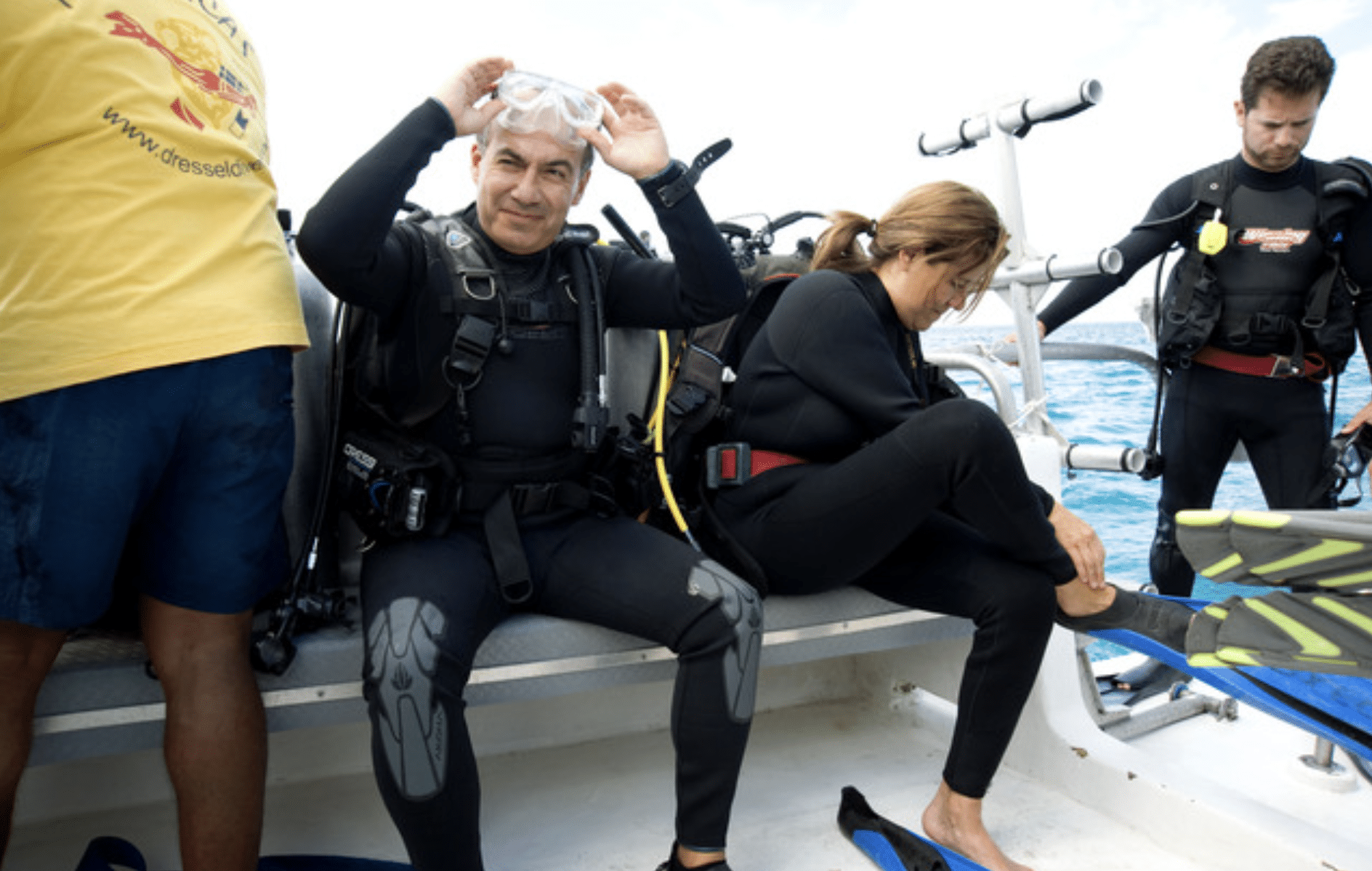
A Divemaster must be capable of managing groups, assisting instructors, supervising certified divers, and maintaining awareness of both environmental conditions and diver behaviour.
This requires candidates to develop:
- Situational awareness
- Communication skills
- Risk assessment abilities
- Team management techniques
- Professional decision-making
The course teaches that leadership underwater is rarely about authority. It is about calmness, competence, and the ability to inspire confidence in others.
Divers naturally follow professionals who appear organised, aware, and in control.
At N9BO℠, we teach that leadership begins with example.
Developing Professional Watermanship
By the time candidates enter the Divemaster programme, they are expected to possess solid diving skills. The course refines those skills to a professional standard.
Particular attention is given to:
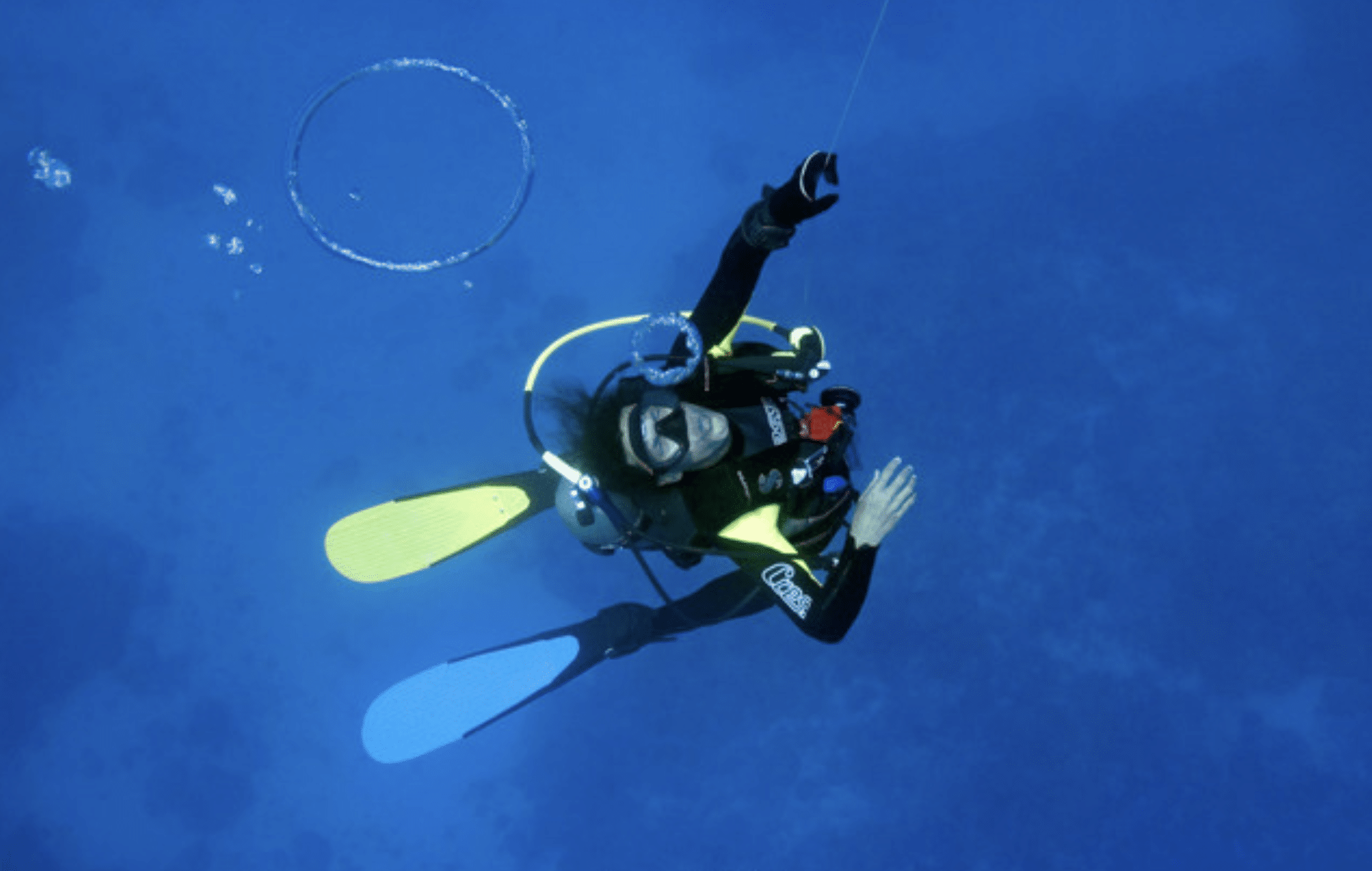
- Buoyancy control
- Trim and propulsion
- Demonstration-quality diving skills
- Rescue capabilities
- Problem-solving underwater
Professional divers must be able to perform skills smoothly and confidently, not only for themselves but also when demonstrating procedures to others.
This level of control often requires significant refinement and practice.
At N9BO℠, we emphasise that professionalism underwater begins with precision and consistency.

Understanding Dive Operations
One of the most valuable aspects of Divemaster training is exposure to operational diving.
Candidates learn how professional dive operations manage:
- Daily diving activities
- Diver supervision
- Site assessments
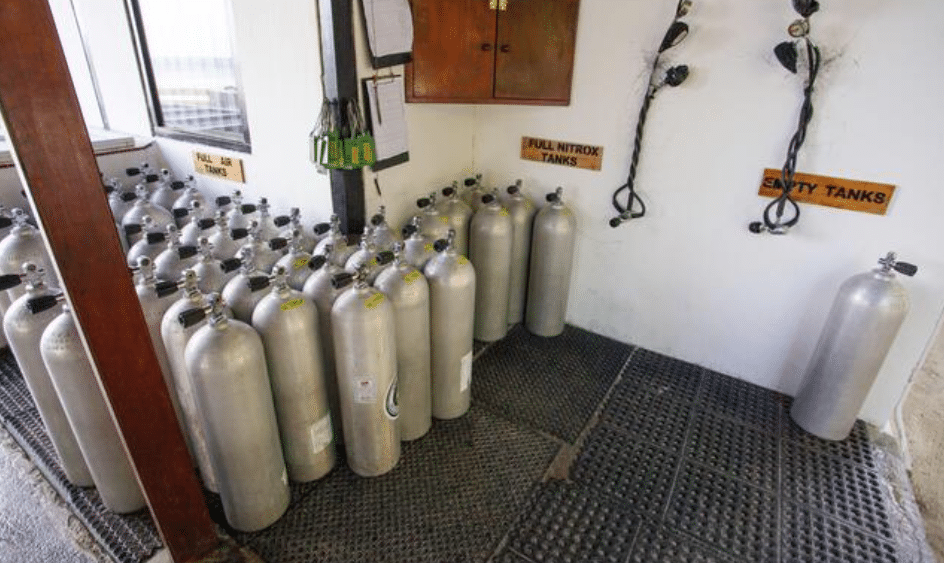
- Equipment logistics
- Emergency planning
- Customer experience
Many divers are surprised by the amount of planning that occurs before anyone enters the water.
The programme provides a broader understanding of how safe and successful diving operations are organised.
At N9BO℠, we believe operational awareness is what separates experienced divers from diving professionals.
Assisting with Training Programmes
A Divemaster plays an important supporting role during diver education.
Working alongside instructors, Divemasters may assist with:
- Confined water sessions
- Open water training dives
- Student supervision
- Skill practice and coaching
- Equipment preparation and logistics
This experience provides valuable exposure to teaching environments and often becomes the first step towards becoming an instructor.
Many future instructors discover their passion for teaching while working as Divemasters.
At N9BO℠, we encourage Divemaster candidates to view every student interaction as an opportunity to develop leadership and communication skills.
Risk Management and Diver Safety
Professional diving requires a different approach to safety than recreational diving.
A Divemaster must constantly monitor:
- Environmental conditions
- Diver behaviour
- Team positioning
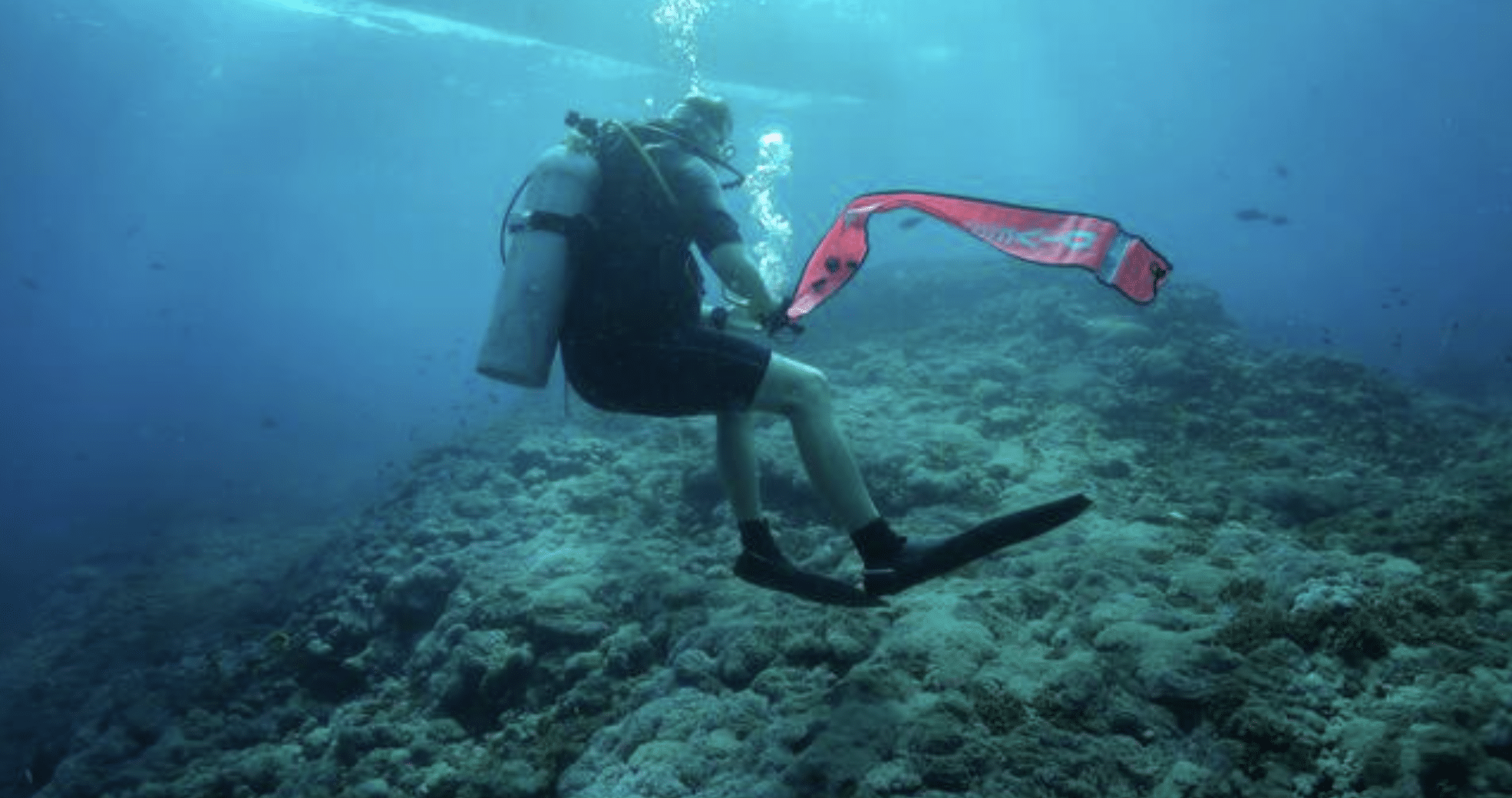
- Equipment issues
- Potential hazards
The objective is not simply responding to problems, but recognising and preventing them before they develop.
This proactive approach to safety becomes one of the defining characteristics of professional divers.
As awareness improves, candidates begin viewing dive sites and operations through a completely different lens.
At N9BO℠, we teach that prevention is one of the most important responsibilities of any dive professional.

The Importance of Professionalism
Becoming a Divemaster is about more than knowledge and skill.
Professional divers represent the diving industry to students, customers, and fellow divers. Their behaviour influences how others perceive diving and often shapes the experience people have underwater.
The programme therefore emphasises:
- Professional conduct
- Reliability
- Personal presentation
- Ethical behaviour
- Environmental responsibility
These qualities help create trust and confidence among divers and clients.
At N9BO℠, we believe professionalism is demonstrated through actions rather than titles.
A Gateway to Future Opportunities
For many divers, Divemaster represents the beginning of a professional career.
The certification can lead to opportunities in:
- Recreational dive operations
- Dive centres and resorts
- Liveaboard operations
- Public safety diving
- Technical diving support
- Instructor development programmes
Many candidates continue towards Assistant Instructor and Open Water Scuba Instructor certifications, while others use the programme to strengthen their leadership skills without pursuing a teaching career.
Regardless of future goals, Divemaster training provides valuable personal and professional development.
At N9BO℠, we view Divemaster as one of the most transformative programmes in diver education.
More Than a Certification
One of the most important lessons learned during Divemaster training is that professional status is earned daily.
Certification demonstrates that minimum requirements have been met, but true professionalism develops through:
- Experience
- Accountability
- Continuous learning
- Leadership
- Service to others
The strongest Divemasters are often those who remain students themselves, continually seeking ways to improve and contribute to the diving community.
At N9BO℠, we teach that becoming a Divemaster is not the end of training—it is the beginning of professional development.
Operational Mindset
The SDI Divemaster programme reinforces a simple but powerful principle: professional divers place the needs of the operation, the team, and the divers they supervise ahead of their own personal dive objectives.
The role requires:
- Awareness
- Leadership
- Professionalism
- Responsibility
- Sound judgement
These qualities create safer dive operations and better experiences for everyone involved.
At N9BO℠, we approach Divemaster training as leadership development through diving.
A diver explores the underwater world for personal enjoyment. A Divemaster helps others discover it safely.
Take the First Step into Professional Diving
Contact N9BO℠ to begin your SDI Divemaster programme and develop the leadership, operational, and professional skills required to become an effective dive professional.
From the N9BO℠ Knowledge Base