What Is the SDI Open Water Scuba Diver Course?
For most divers, the Open Water Scuba Diver course marks the true beginning of their diving journey.
Unlike introductory experiences such as Scuba Discovery or supervised diving programmes, the Open Water course is a complete certification programme. Upon successful completion, divers earn an internationally recognised certification allowing them to plan and conduct dives with another certified diver in conditions similar to those in which they were trained.
The course combines academic learning, practical skill development, confined water training, and open water experience to create a well-rounded and capable diver.
At N9BO℠, we often describe Open Water Diver as the licence that unlocks the underwater world.
Learning How Diving Really Works
Many people are initially attracted to diving because of the adventure, marine life, or travel opportunities. However, becoming a safe diver begins with understanding the principles that make scuba diving possible.
Throughout the course, students learn the fundamentals of:
- Diving physics and physiology
- Pressure and equalisation
- Breathing gas management
- Dive planning and safety procedures
- Environmental awareness
- Equipment use and maintenance
These concepts are presented in a practical and accessible way, allowing students to understand not only what to do, but why they are doing it.
This knowledge creates the foundation for safe decision-making throughout a diver’s future development.
At N9BO℠, we believe educated divers become confident divers.
Developing Essential Underwater Skills
A major component of the Open Water course focuses on practical skill development.
Students learn how to manage common situations and solve minor problems underwater while remaining calm and in control. Skills are introduced progressively, allowing students to build confidence through repetition and practice.
Training includes areas such as:
- Regulator recovery and clearing
- Mask removal and replacement
- Buoyancy control
- Emergency procedures
- Controlled ascents
- Buddy communication and teamwork
The goal is not perfection on the first attempt. The objective is competence, comfort, and understanding.
At N9BO℠, we focus on creating capable divers rather than simply completing skills.
Discovering Neutral Buoyancy
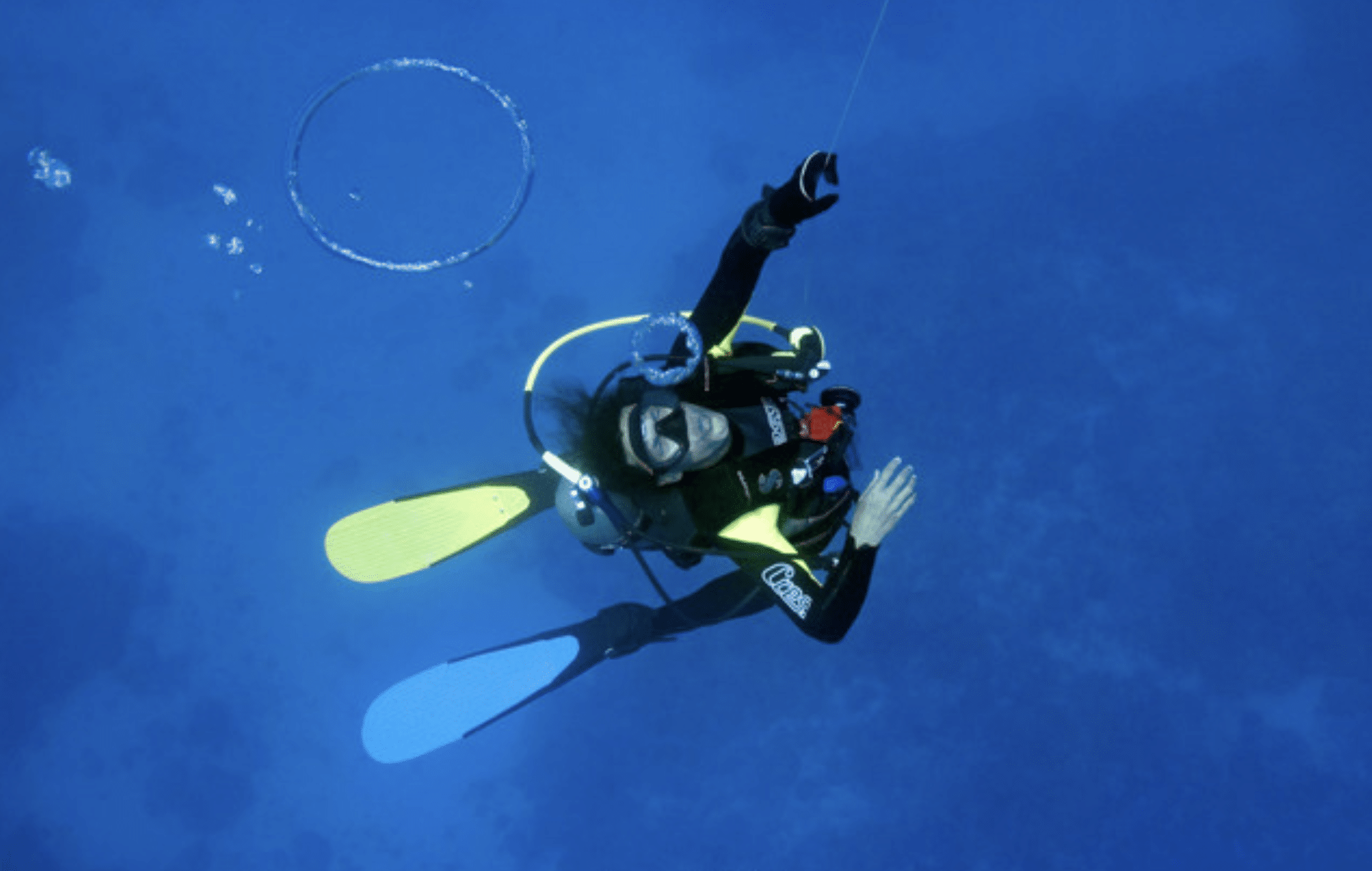
One of the most exciting moments in diver development occurs when students begin to understand buoyancy control.
For many new divers, learning to hover effortlessly underwater feels almost magical. Rather than walking, swimming, or floating on the surface, divers learn how to move freely in three dimensions.
Buoyancy control improves:
- Comfort underwater
- Air consumption
- Environmental protection
- Overall diving enjoyment
As students gain experience, they begin to realise that buoyancy is one of the most important skills in diving.
At N9BO℠, we teach buoyancy as a lifelong skill that continues developing well beyond certification.
Open Water Training Dives
After developing foundational skills in a confined environment, students complete a series of open water dives.
These dives allow students to apply everything they have learned in real-world diving conditions. Under instructor supervision, divers begin developing situational awareness, confidence, and familiarity with the underwater environment.
For many students, this is where diving truly comes alive.
The transition from training exercises to exploring reefs, marine life, and underwater landscapes creates a powerful sense of achievement and excitement.
At N9BO℠, we believe the open water dives are where students stop feeling like trainees and start feeling like divers.
Learning to Dive as Part of a Team
Scuba diving is rarely an individual activity. Throughout the course, students learn the importance of buddy procedures, communication, and teamwork.
Divers develop an understanding of:
- Pre-dive planning
- Buddy checks
- Underwater communication
- Situational awareness
- Mutual support and assistance
These skills create safer and more enjoyable diving experiences throughout a diver’s career.
Strong diving teams are built on communication, awareness, and trust.
At N9BO℠, we teach that good divers look after themselves, while great divers look after each other.

The Beginning of a Lifetime of Exploration
One of the most exciting aspects of the Open Water certification is what comes next.
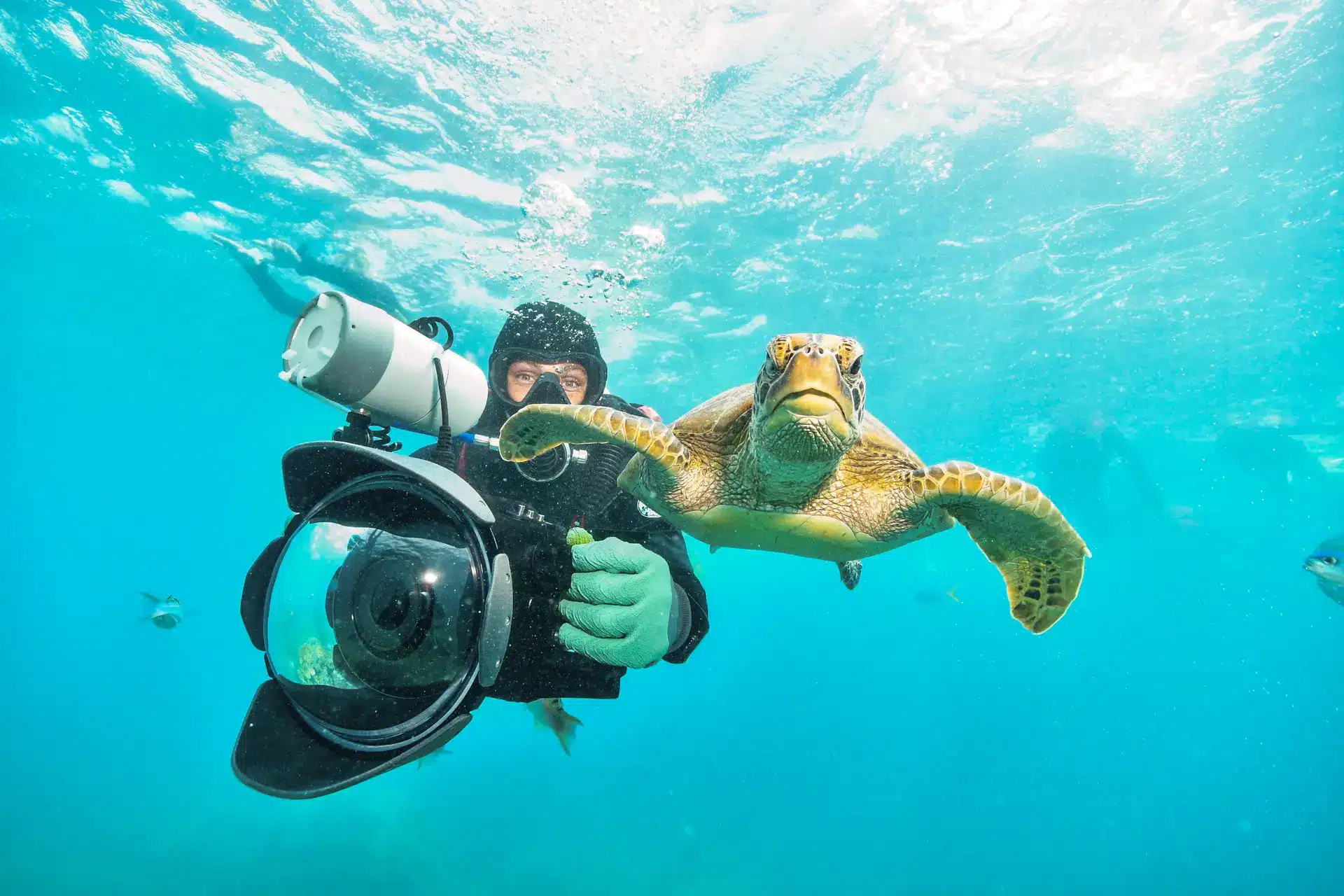
Upon certification, divers gain access to an enormous range of diving opportunities around the world. Coral reefs, wrecks, drift dives, night dives, marine conservation projects, and underwater photography all become possible pathways for future development.
Many divers continue into programmes such as:
- SDI Advanced Adventure Diver
- Deep Diver
- Navigation Diver
- Nitrox Diver
- Wreck Diver
- Rescue Diver
The Open Water certification is therefore not an endpoint. It is the beginning of an ongoing journey of learning and exploration.
At N9BO℠, we encourage divers to view certification as the start of their education rather than its completion.
Building Confidence Through Experience
Perhaps the most important outcome of the Open Water course is confidence.
By the end of training, students have learned how to:
- Solve common underwater problems
- Manage equipment effectively
- Dive safely with a buddy
- Plan and conduct simple dives
- Enjoy the underwater environment responsibly
This confidence comes not from receiving a certification card, but from successfully applying knowledge and skills underwater.
Each dive builds experience, and each experience builds confidence.
At N9BO℠, we believe competence is the foundation of confidence.
Why SDI?
SDI has built its training philosophy around modern diving practices and practical diver development.
The programme incorporates:
- Modern teaching methods
- Digital learning options
- Dive computer integration
- Real-world diving applications
The focus remains on creating divers who are prepared for the way people actually dive today.
This practical approach helps students transition smoothly from training into independent diving.
At N9BO℠, we value training systems that prioritise understanding, adaptability, and long-term diver success.
Operational Mindset
The SDI Open Water Scuba Diver course reinforces a simple but important principle: safe diving is built on knowledge, skill, awareness, and good judgement.
The certification does not create an expert diver. Instead, it provides the tools and understanding necessary to begin diving safely and confidently while continuing to learn through experience.
Strong divers develop through:
- Practice
- Observation
- Continued education
- Environmental awareness
- Responsible decision-making
At N9BO℠, we approach Open Water training as the foundation of every future diving achievement.
Every Divemaster, Instructor, Cave Diver, Technical Diver, and Course Director started exactly here—with an Open Water certification and a desire to explore the underwater world.

Start Your Diving Journey Today
Contact N9BO℠ to begin your SDI Open Water Scuba Diver course and earn the certification that opens the door to a lifetime of underwater adventure.
From the N9BO℠ Knowledge Base