Instructor Development & Teaching Excellence

Evaluating Student Readiness: When to Say No in Training

Understanding Readiness Beyond Completion

In diving training, completion of tasks does not automatically equate to readiness. Students may meet minimum performance criteria in controlled conditions but still lack the consistency or judgement required for safe progression.

Readiness must be assessed across:

  • Skill execution under varying conditions
  • Situational awareness and decision-making
  • Ability to manage stress and workload

A student who performs well in ideal conditions may struggle when variables change.

At N9BO℠, we treat readiness as operational capability, not task completion.


The Role of Instructor Judgement

Standards provide structure, but they do not replace professional judgement. Instructors must evaluate whether a student can apply skills reliably, not just demonstrate them once.

This involves:

  • Observing performance over multiple scenarios
  • Identifying patterns of inconsistency
  • Assessing confidence versus actual capability

Judgement must be based on evidence, not assumption or external pressure.

Instructors may face pressure to progress students for operational or commercial reasons. Allowing this to influence decisions compromises safety.

At N9BO℠, we emphasise that instructor judgement is a critical safety control.


Indicators of Insufficient Readiness

Students who are not ready often display identifiable indicators. These may not always be obvious but become clear through consistent observation.

Common indicators include:

  • Inconsistent skill performance
  • Difficulty maintaining buoyancy or control
  • Delayed or incorrect responses to instructions
  • Overreliance on instructor intervention

These signs indicate that the student has not yet achieved operational independence.

Ignoring these indicators increases risk in subsequent training or real-world diving.

At N9BO℠, we train instructors to recognise these patterns early.

A scuba diver wearing fins and a cylinder swims face down in clear, shallow water over a sandy seabed.

Consistency vs Isolated Performance

A key factor in readiness is consistency. A student may perform a skill correctly once but fail to repeat it reliably.

Consistency requires:

  • Repetition under varying conditions
  • Ability to maintain performance without prompts
  • Stable control across different environments

Isolated performance is not sufficient. Progression must be based on consistent demonstration of competence.

At N9BO℠, we emphasise repeatability as a core measure of readiness.


Stress Response and Task Management

Students must demonstrate the ability to manage stress and workload. Diving environments introduce variables that cannot be fully controlled.

Indicators of poor stress management include:

  • Loss of control under increased task load
  • Rapid breathing or signs of panic
  • Inability to prioritise tasks

These factors directly affect safety.

Students must be able to maintain control when conditions change or tasks increase.

At N9BO℠, we assess stress response as part of readiness evaluation.


Decision-Making and Situational Awareness

Technical skills alone are not sufficient. Students must demonstrate awareness and decision-making ability.

This includes:

  • Monitoring depth, time, and gas
  • Recognising changes in conditions
  • Responding appropriately to unexpected situations

Poor situational awareness increases the likelihood of incident.

Students must show that they can operate independently, not rely on constant guidance.

At N9BO℠, we integrate awareness and decision-making into all assessments.


The Importance of Saying No

Delaying or denying progression is often perceived negatively, but it is a critical component of training integrity.

Saying no:

  • Prevents students from entering environments they are not prepared for
  • Maintains training standards
  • Protects both the student and others

Avoiding this decision for convenience or pressure introduces long-term risk.

The decision must be communicated clearly and professionally, with guidance on how to improve.

At N9BO℠, we reinforce that saying no is part of responsible instruction.

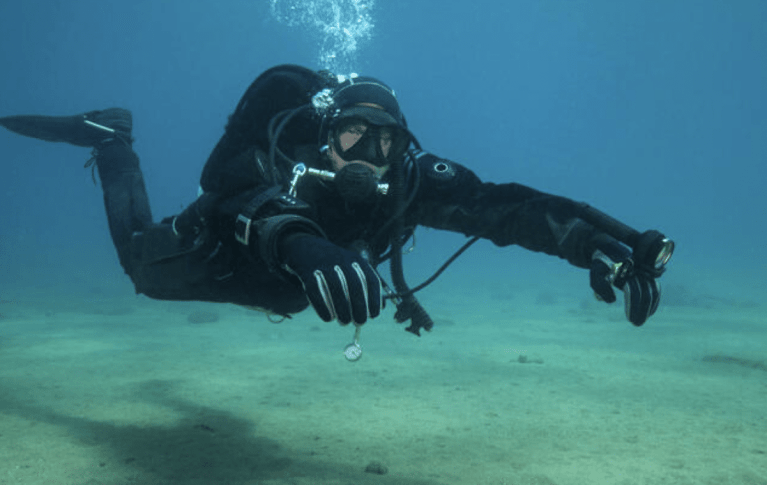
A scuba diver in black kit and blue fins lies on the sandy seabed, checking a device on their wrist underwater.

Providing Constructive Pathways Forward

Denying progression does not end the training process. It should be followed by structured guidance.

This includes:

  • Identifying specific areas for improvement
  • Providing additional training or practice opportunities
  • Setting clear expectations for reassessment

This approach supports development while maintaining standards.

Students who understand the reason for the decision are more likely to improve.

At N9BO℠, we treat setbacks as opportunities for structured progression.


Managing External Pressures

Instructors may face pressure from:

  • Students seeking rapid progression
  • Operational demands or scheduling constraints
  • Commercial considerations

These pressures can influence decision-making if not managed.

Maintaining standards requires:

  • Clear communication of expectations
  • Consistent application of criteria
  • Willingness to prioritise safety over convenience

At N9BO℠, we emphasise that standards are not negotiable.


Operational Mindset

Evaluating readiness requires discipline, objectivity, and consistency. It is not based on isolated performance or external factors.

Instructors must recognise that progression decisions have direct safety implications. Allowing unprepared students to advance increases risk across the system.

At N9BO℠, we approach readiness evaluation as a control measure. It ensures that training outcomes align with operational requirements.

In professional training, the ability to say no is as important as the ability to teach.

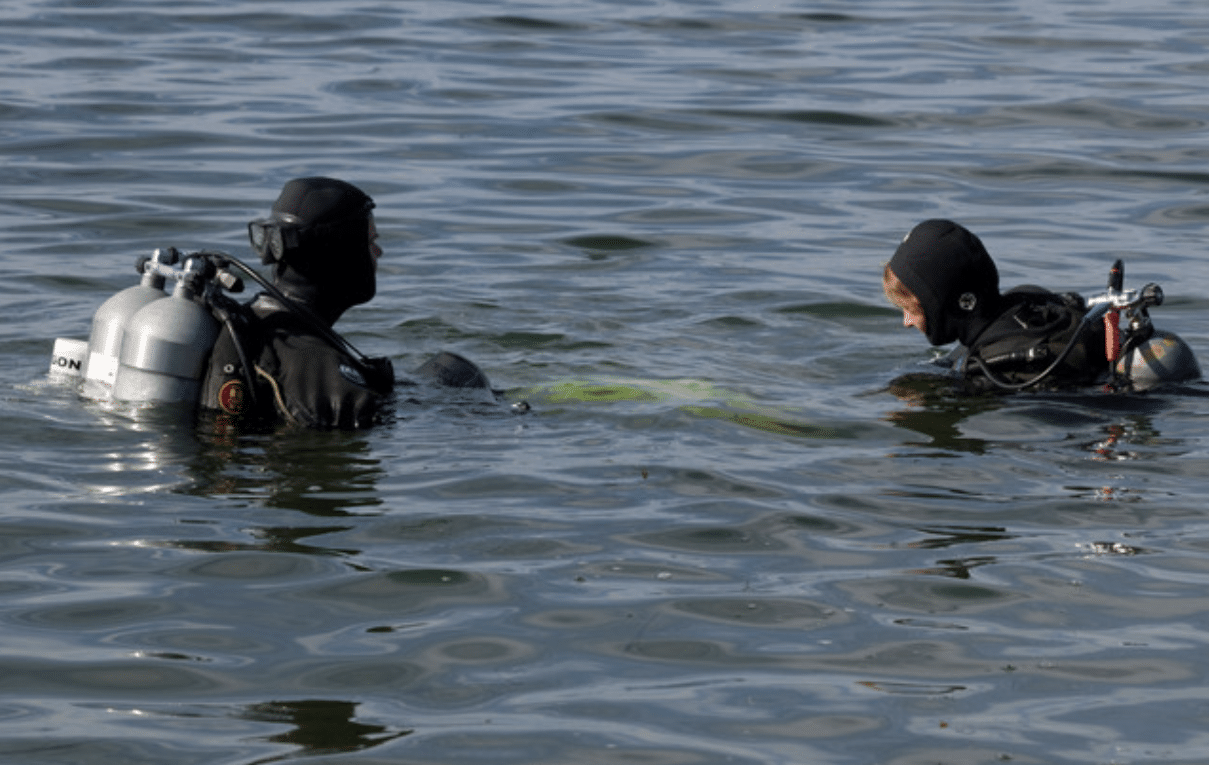
A scuba diver wearing a snorkel, mask, and wetsuit floats on the surface of the water under bright sunlight, surrounded by rippling blue waves.


Maintain Standards, Ensure Competence


Contact N9BO℠ to integrate structured evaluation and instructor development into your training programmes, ensuring consistent standards and safe progression.


From the N9BO℠ Knowledge Base


Share this

SDI/TDI Instructor Trainer Workshop (ITW): Standards and Responsibilities

Purpose of the Instructor Trainer Role

The Instructor Trainer (IT) operates at a level where responsibility extends beyond individual courses. The role focuses on developing instructors who will themselves deliver training, making it a multiplier of influence.

This includes:

  • Conducting Instructor Development Courses (IDC/ITC)
  • Evaluating instructor-level performance
  • Ensuring adherence to agency standards

The IT is responsible not only for candidate competence, but for maintaining the integrity of the training system.

At N9BO℠, we emphasise that the Instructor Trainer role is defined by accountability, not certification.


Standards Knowledge and Application

At the IT level, standards knowledge must be precise and immediately applicable. This goes beyond general understanding.

Requirements include:

  • Accurate recall of SDI/TDI standards across programmes
  • Consistent interpretation in varied scenarios
  • Ability to justify decisions based on standards

Instructor Trainers must also enforce standards. This involves identifying deviations and ensuring corrective action.

Inconsistent application undermines training quality and credibility.

At N9BO℠, we train for operational mastery of standards, ensuring that decisions are clear, consistent, and defensible.


Evaluation of Instructor Candidates

Evaluation is a primary function of the IT. Candidates must be assessed against defined criteria, not subjective expectations.

Effective evaluation requires:

  • Objective observation of teaching performance
  • Identification of specific strengths and weaknesses
  • Structured feedback aligned with standards

Evaluation must remain consistent across all candidates. Variability introduces bias and reduces reliability.

Instructor Trainers must also ensure that candidates meet performance requirements before certification.

At N9BO℠, we treat evaluation as a controlled process, ensuring accuracy and consistency.


Structuring Instructor Development Programmes

Instructor Trainers are responsible for organising and delivering development programmes that meet agency requirements.

This includes:

  • Planning course structure and sequence
  • Managing candidate progression
  • Ensuring all required components are delivered

Programmes must be structured to allow:

  • Progressive skill development
  • Continuous assessment
  • Clear alignment with standards

Poor structure leads to gaps in training and inconsistent outcomes.

At N9BO℠, we emphasise structured programme design as a key responsibility.

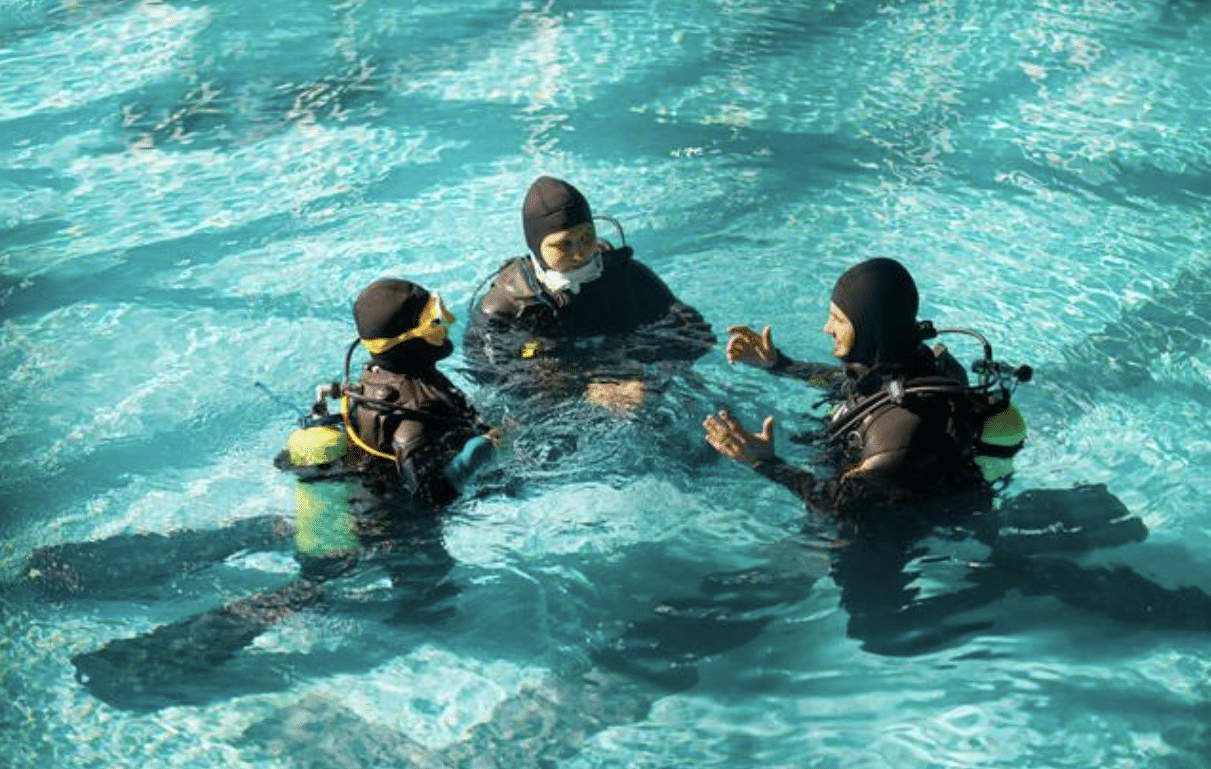
Three scuba divers in wetsuits sit on a concrete surface with scuba cylinders, as one of them gestures with a raised arm, possibly giving instructions. A sea wall and blue sky are visible in the background.

Feedback and Candidate Development

Feedback is central to instructor development. It must be clear, actionable, and aligned with performance objectives.

Effective feedback:

  • Identifies specific issues
  • Provides corrective guidance
  • Supports continuous improvement

Feedback must also be consistent. Conflicting or unclear feedback reduces candidate progress.

Instructor Trainers must adapt communication to individual candidates while maintaining standards.

At N9BO℠, we train ITs to deliver feedback that produces measurable improvement.


Leadership and Professional Conduct

Instructor Trainers represent the highest level of training within the organisation. Their behaviour sets the standard for candidates.

Leadership involves:

  • Maintaining professionalism at all times
  • Demonstrating consistency in decision-making
  • Managing group dynamics effectively

Authority must be supported by competence. Candidates must recognise the IT as both credible and consistent.

Professional conduct extends beyond training sessions to all interactions.

At N9BO℠, we emphasise leadership as a functional requirement of the role.


Time Management and Course Control

Instructor development programmes involve multiple activities that must be managed within defined timeframes.

Effective time management ensures:

  • Completion of all required components
  • Adequate time for evaluation and feedback
  • Reduced pressure on candidates

Poor time management leads to:

  • Rushed assessments
  • Incomplete training
  • Reduced learning effectiveness

Instructor Trainers must balance structure with flexibility to adapt to candidate needs.

At N9BO℠, we integrate time management into programme planning.

Three scuba divers in wetsuits and gear sit on the edge of a boat, preparing to dive. One holds an underwater camera, and all wear masks, gloves, and air cylinders. The water and equipment are visible in the background.

Maintaining Consistency Across Courses

Consistency is essential for maintaining training standards. Instructor Trainers must ensure that courses are delivered uniformly.

This includes:

  • Applying the same evaluation criteria
  • Maintaining consistent expectations
  • Ensuring alignment with agency standards

Inconsistent delivery reduces reliability and credibility.

Standardisation supports both quality and accountability.

At N9BO℠, we emphasise consistency as a core operational requirement.


Common Challenges for Instructor Trainers

Instructor Trainers often encounter challenges when transitioning into the role, including:

  • Difficulty maintaining objectivity during evaluation
  • Inconsistent application of standards
  • Challenges in delivering structured feedback
  • Managing multiple candidates simultaneously

These challenges are operational, not technical. They require structured preparation and experience.

At N9BO℠, we address these areas through targeted training and scenario-based development.


Operational Mindset

The Instructor Trainer role requires a shift from teaching to system management. Success is defined by the ability to develop competent instructors while maintaining standards.

This requires precision, consistency, and leadership. Decisions must be based on standards, not preference.

At N9BO℠, we approach instructor development as an operational system. Each component—training, evaluation, feedback—must function together to produce consistent outcomes.

In advanced training roles, responsibility extends beyond individual performance to the integrity of the entire system.

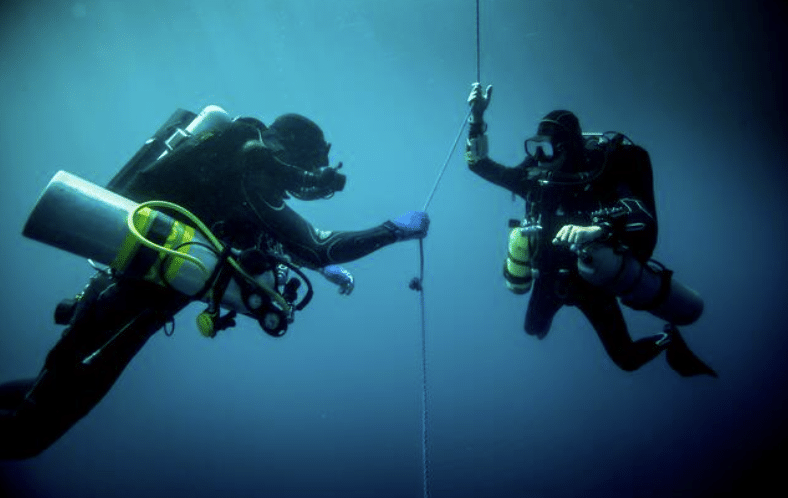
Two scuba divers in full kit hold onto a guide rope underwater, surrounded by deep blue water, as they communicate and maintain their position during a dive.


Develop Instructors with Precision and Consistency


Contact N9BO℠ to integrate structured Instructor Trainer preparation into your development pathway, ensuring effective programme delivery and high training standards.


From the N9BO℠ Knowledge Base


Share this

From Instructor to Course Director: The Real Transition

Shifting from Execution to Oversight

At the instructor level, the focus is on execution—delivering courses, teaching skills, and ensuring student competence. Success is measured by the ability to transfer knowledge and manage individual learning.

At the Course Director level, the focus shifts to oversight. This includes:

  • Managing instructor development programmes
  • Evaluating teaching performance
  • Ensuring consistency across training standards

The Course Director is no longer the primary instructor—they are responsible for those who teach.

This shift requires a broader operational perspective. Individual performance is replaced by system performance.

At N9BO℠, we emphasise that this transition is defined by responsibility, not certification.


From Teaching to Evaluation

One of the most significant changes is the move from teaching to evaluation. Instructors guide students toward competence. Course Directors assess whether that competence meets defined standards.

Evaluation requires:

  • Objective observation of performance
  • Identification of both strengths and deficiencies
  • Clear, structured feedback aligned with standards

Unlike teaching, evaluation cannot rely on personal style or preference. It must be consistent and defensible.

This introduces a higher level of accountability. Decisions made at this level affect the quality of future instructors.

At N9BO℠, we treat evaluation as a controlled process requiring precision and consistency.


Managing Training Systems

Course Directors are responsible for managing entire training systems. This includes planning, delivery, assessment, and quality control.

System management involves:

  • Structuring courses to meet standards and objectives
  • Coordinating multiple candidates and activities
  • Ensuring consistency across sessions

This is not limited to individual lessons. It requires control over the entire training environment.

Failure in system management results in:

  • Inconsistent training outcomes
  • Reduced quality of instruction
  • Increased risk of standards deviation

At N9BO℠, we emphasise system control as a core function of the Course Director role.


Standards Mastery and Application

At the instructor level, understanding standards is essential. At the Course Director level, mastery is required.

This includes:

  • Immediate recall of standards
  • Accurate interpretation in varied scenarios
  • Consistent application without deviation

Course Directors must also enforce standards. This may involve:

  • Correcting deviations in instructor performance
  • Making decisions that affect candidate progression

Inconsistent application reduces credibility and compromises training quality.

At N9BO℠, we train for operational mastery of standards, not familiarity.

A person wearing scuba diving gear and a black wetsuit adjusts their diving mask whilst standing in clear blue water, preparing for a dive.

Leadership and Influence

The Course Director role requires leadership beyond technical competence. This includes influencing behaviour, maintaining control, and guiding development.

Effective leadership involves:

  • Clear communication of expectations
  • Consistent application of standards
  • Ability to manage group dynamics

Authority alone is insufficient. Influence is built through competence, consistency, and professionalism.

Course Directors set the standard for others. Their behaviour defines expectations within the training environment.

At N9BO℠, we emphasise leadership as a functional requirement, not a personal attribute.


Feedback as a Development Tool

Feedback becomes a primary tool at the Course Director level. It must be structured, actionable, and aligned with standards.

Effective feedback:

  • Identifies specific issues
  • Provides clear corrective actions
  • Supports candidate development

Feedback must also be delivered consistently. Variability introduces confusion and reduces effectiveness.

Unlike instructor-level feedback, which focuses on student learning, Course Director feedback shapes future instructors.

At N9BO℠, we train candidates to deliver feedback that drives measurable improvement.


Time and Resource Management

Managing a Course Director programme involves coordinating multiple variables, including time, personnel, and resources.

This requires:

  • Structured scheduling of sessions and assessments
  • Efficient use of available resources
  • Adaptation to changing conditions or candidate performance

Poor management leads to:

  • Inefficient use of time
  • Increased pressure on candidates
  • Reduced quality of assessment

Course Directors must maintain control of the programme while ensuring flexibility where required.

At N9BO℠, we integrate time and resource management into operational planning.

Three scuba divers practise safety and rescue techniques in an indoor swimming pool; one diver appears to guide whilst another assists a seated diver on the pool floor.

Consistency and Professional Standards

Consistency is critical at the Course Director level. Variations in standards application or evaluation undermine the credibility of the programme.

Consistency must be maintained in:

  • Evaluation criteria
  • Feedback delivery
  • Course structure and execution

Professionalism is equally important. Course Directors represent the highest level of training within the system.

This requires:

  • Clear and consistent communication
  • Professional conduct at all times
  • Accountability for decisions and outcomes

At N9BO℠, we emphasise that consistency defines reliability in training systems.


Common Challenges in the Transition

Instructors moving to the Course Director role often face challenges, including:

  • Difficulty shifting from teaching to evaluation
  • Underestimating the complexity of system management
  • Inconsistent application of standards
  • Challenges in delivering structured feedback

These issues stem from a mismatch between previous experience and new responsibilities.

Recognising these challenges allows for targeted preparation.

At N9BO℠, we address these transition points directly in our training programmes.


Operational Mindset

The transition from instructor to Course Director requires a change in mindset. Success is no longer defined by individual teaching performance, but by the ability to manage, evaluate, and lead within a structured system.

Course Directors are responsible for maintaining standards across multiple levels. Their decisions influence the quality of future training and the performance of instructors.

At N9BO℠, we approach this role as an operational function. Control, consistency, and accountability define performance.

In professional development, advancement is measured by the ability to manage complexity—not just perform tasks.

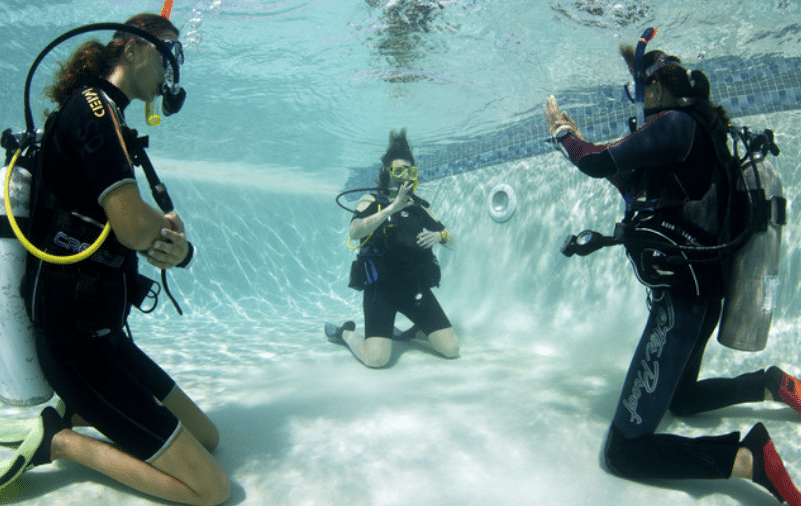
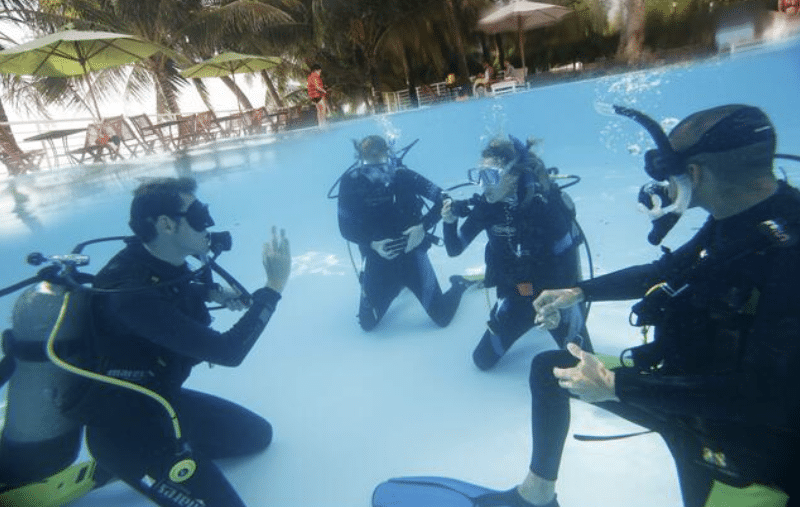
Three scuba divers in wetsuits and kit kneel on the bottom of a swimming pool. One appears to be instructing the others, using hand signals, while another kneels with hands together, and the third observes closely.


Step Into Leadership with Control and Precision


Contact N9BO℠ to integrate structured Course Director preparation into your development pathway, ensuring you transition effectively into this advanced role.


From the N9BO℠ Knowledge Base


Share this

Preparing for PADI CDTC: What Candidates Underestimate

Understanding the Purpose of CDTC

The PADI Course Director Training Course is designed to prepare experienced instructors to train and evaluate other instructors. This is a fundamental shift in role.

At the instructor level, the focus is on teaching students. At the Course Director level, the focus expands to:

  • Developing instructor-level competence
  • Evaluating teaching performance
  • Ensuring adherence to standards across programmes

This requires a broader perspective. Candidates must move from executing skills to assessing and improving the performance of others.

At N9BO℠, we emphasise that CDTC is a leadership transition, not a technical upgrade.


Depth of Standards Knowledge

One of the most underestimated aspects of CDTC is the depth of standards knowledge required. Familiarity is not sufficient—candidates must demonstrate precise understanding and application.

This includes:

  • Instructor-level standards across multiple courses
  • Correct interpretation of standards in varied scenarios
  • Ability to identify deviations and correct them

Candidates often assume their existing knowledge is adequate. In reality, CDTC requires:

  • Immediate recall of standards
  • Consistent application without ambiguity
  • Confidence in decision-making based on standards

At N9BO℠, we train candidates to move beyond familiarity to operational mastery of standards.


Evaluation vs Teaching

Many candidates approach CDTC with a teaching mindset. However, the primary function of a Course Director is evaluation.

This involves:

  • Observing instructor performance
  • Identifying strengths and weaknesses
  • Providing structured, actionable feedback

Evaluation requires objectivity and precision. Feedback must be:

  • Specific and evidence-based
  • Aligned with standards
  • Delivered in a way that improves performance

Candidates often underestimate the difficulty of effective evaluation. It requires both technical knowledge and communication skill.

At N9BO℠, we emphasise evaluation as a core competency, not a secondary skill.


Presentation and Control of Learning Environment

Course Directors must manage training environments at a higher level. This includes controlling:

  • Course flow and structure
  • Candidate performance and progression
  • Time management and pacing

Unlike instructor-level teaching, where focus is on individual sessions, CDTC requires oversight of entire programmes.

Candidates must demonstrate:

  • Clear, structured presentations
  • Ability to adapt to candidate performance
  • Control over group dynamics

Loss of control leads to inconsistent outcomes and reduced training quality.

At N9BO℠, we train candidates to manage the learning environment as an operational system.

Four people wearing scuba gear kneel underwater in a swimming pool, appearing to take part in a scuba diving lesson. Palm trees, sun umbrellas, and loungers can be seen around the pool above the water.

Assessment Under Pressure

CDTC assessments are conducted under conditions that test consistency, accuracy, and decision-making. Candidates must perform at a high level across multiple areas simultaneously.

This includes:

  • Delivering presentations
  • Evaluating candidates
  • Applying standards correctly
  • Managing time and structure

Performance must remain consistent. Isolated strong performance is not sufficient if it cannot be maintained.

Candidates often underestimate the cumulative pressure of continuous evaluation.

At N9BO℠, we prepare candidates for sustained performance, not isolated success.


Attention to Detail

At the Course Director level, small errors have larger consequences. Attention to detail becomes critical.

This includes:

  • Correct terminology and standards references
  • Accurate evaluation of candidate performance
  • Consistent application of procedures

Minor inconsistencies that may be acceptable at lower levels are not acceptable at CDTC.

Attention to detail reflects overall competence and control.

At N9BO℠, we emphasise precision in all aspects of performance.


Communication and Feedback Delivery

Providing feedback is a core function of a Course Director. This requires clarity, structure, and professionalism.

Effective feedback must:

  • Identify specific issues
  • Provide clear corrective guidance
  • Maintain a constructive tone

Candidates often focus on identifying errors but struggle to deliver feedback that leads to improvement.

Communication must also adapt to different candidates. Not all individuals respond to feedback in the same way.

At N9BO℠, we train candidates to deliver feedback that is both accurate and effective.


Time Management and Course Control

CDTC involves managing multiple activities within defined timeframes. Poor time management leads to:

  • Incomplete sessions
  • Reduced assessment quality
  • Increased pressure on both candidate and participants

Candidates must plan and execute within strict time limits while maintaining quality.

This requires:

  • Structured planning
  • Prioritisation of key objectives
  • Flexibility to adjust when necessary

At N9BO℠, we integrate time management into preparation, ensuring candidates can maintain control under constraint.

Three people in wetsuits and scuba gear stand on a quay by clear blue water, preparing for a dive under a bright blue sky with tropical scenery in the background.

Professionalism and Leadership Presence

Course Directors are expected to demonstrate leadership and professionalism at all times. This includes:

  • Consistent behaviour and communication
  • Confidence in decision-making
  • Ability to manage group dynamics

Leadership is not limited to authority—it involves influence and control.

Candidates must present themselves as credible and capable of guiding instructor development.

At N9BO℠, we emphasise leadership presence as a critical component of success.


Common Misjudgements by Candidates

Candidates often underestimate:

  • The depth of standards knowledge required
  • The difficulty of evaluation and feedback
  • The need for consistent performance across all areas
  • The shift from teaching to leadership

These misjudgements lead to inadequate preparation.

Understanding these challenges allows candidates to focus preparation effectively.

At N9BO℠, we address these gaps directly in our preparation programmes.


Operational Mindset

Preparing for CDTC requires a shift in mindset. Success is not based on individual teaching ability alone, but on the ability to manage, evaluate, and lead within a structured system.

Candidates must approach the course with discipline, precision, and awareness of the broader role they are entering.

At N9BO℠, we emphasise preparation that reflects real expectations. This ensures that candidates are not only successful in the course, but effective in their role afterwards.

In professional development, progression is defined by increased responsibility—not just increased qualification.

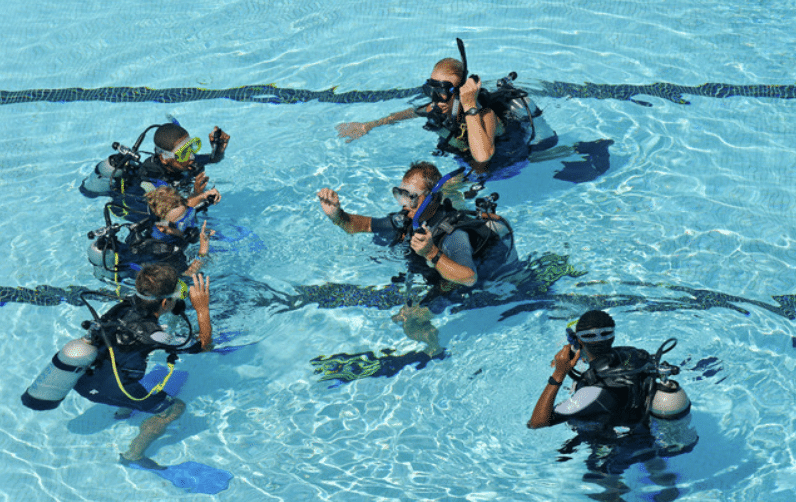
A group of people in scuba gear practise diving skills with an instructor in a clear swimming pool, communicating using hand signals underwater.


Prepare for the Role, Not Just the Course


Contact N9BO℠ to integrate structured CDTC preparation into your training, ensuring you meet the standards, expectations, and performance level required to succeed.


From the N9BO℠ Knowledge Base


Share this

Supporting PADI Master Instructors Preparing for the CDTC: From Achievement to Leadership

Master Instructor Is an Achievement — CDTC Is a Responsibility

Master Instructor recognition reflects:

Consistent certification volume.

Student quality.

Professional standards compliance.

Commitment to development.

But CDTC preparation demands:

A broader perspective.

It is not only about:

Teaching divers.

It is about:

Building instructors.

Managing standards at scale.

Leading professional communities.

Protecting agency reputation.

The shift is from:

Individual excellence to structured leadership.


Understanding the CDTC Expectation

The Course Director Training Course evaluates:

Standards mastery.

Presentation clarity.

Organisational skill.

Professional judgement.

Business awareness.

Leadership maturity.

Candidates are assessed not only on:

Knowledge.

But on:

Consistency under pressure.

CDTC readiness requires deliberate preparation.


Standards Mastery Beyond Memorisation

Master Instructors know standards.

CDTC candidates must:

Interpret them.

Defend them.

Apply them consistently.

Identify non-compliance.

Resolve instructional ambiguity.

Preparation includes:

Deep standards review.

Scenario-based analysis.

Policy alignment discussion.

Quality assurance simulation.

Precision protects credibility.


Presentation and Facilitation Skills

At CDTC level, communication must be:

Clear.

Structured.

Professional.

Confident.

Efficient.

Preparation should include:

IDC-level presentation rehearsal.

Peer feedback.

Time control practice.

Question-handling drills.

Standards-based correction simulations.

Leadership presence matters.

Confidence must be supported by structure.

Four people in scuba gear are having a lesson in shallow, clear water near a white sandy beach with lush green palm trees in the background under a partly cloudy sky.

Mentorship and Instructor Development

CDTC candidates must demonstrate:

Ability to mentor instructors.

Correct performance deficiencies.

Guide professional growth.

Balance encouragement with accountability.

This requires:

Emotional intelligence.

Clear evaluation criteria.

Objective feedback structure.

Consistency in judgement.

Instructor development demands:

Measured leadership.


Business and Operational Awareness

Course Directors operate within:

Market conditions.

Centre structure.

Financial realities.

Regional competition.

Seasonal variation.

CDTC candidates should prepare by:

Refining business planning.

Clarifying target markets.

Developing instructor pipelines.

Designing sustainable IDC schedules.

Understanding liability management.

Operational literacy strengthens credibility.


Quality Control and Risk Management

Preparing for CDTC means:

Understanding risk at the instructor level.

This includes:

Documentation review.

Standard deviation detection.

Conflict resolution.

Remediation strategy.

Compliance culture development.

Quality assurance is not reactive.

It must be embedded in process.


Professional Identity Shift

The transition from Master Instructor to Course Director candidate requires:

Less focus on personal certification count.

More focus on system design.

Reduced ego.

Increased structure.

Measured communication.

Strategic restraint.

Leadership at this level is:

Calm.

Consistent.

Deliberate.


Common Preparation Gaps

Many Master Instructors underestimate:

Standards interpretation complexity.

Administrative oversight.

Scenario-based judgement.

Business articulation.

Instructor remediation structuring.

Preparation must address:

Weak areas early.

Confidence without structure creates vulnerability.

Four people in wetsuits are gathered at the edge of a swimming pool, checking and adjusting their diving equipment and watches, preparing for a diving training session.

Structured Preparation Support

Strategic support for CDTC preparation may include:

Standards deep-dive sessions.

Presentation coaching.

Business plan refinement.

Mock evaluation drills.

Scenario simulation.

Leadership mindset development.

Structured preparation reduces:

Uncertainty.

Stress.

Performance inconsistency.


The Psychological Component

CDTC environments are:

High-pressure.

Evaluative.

Fast-paced.

Candidates must demonstrate:

Emotional composure.

Structured response.

Consistent judgement.

Professional communication.

Mental preparation matters as much as:

Standards knowledge.


Long-Term Vision

CDTC is not the end goal.

It is:

The beginning of expanded responsibility.

Future Course Directors must consider:

Instructor mentorship systems.

Regional development strategy.

Professional integrity culture.

Sustainable growth models.

Preparation should include:

Long-term planning.


Operational Philosophy at N9BO℠

At N9BO℠, we approach CDTC preparation as:

Leadership development.

Support includes:

Standards reinforcement.

Professional presentation refinement.

Strategic business alignment.

Quality assurance planning.

Long-term career mapping.

We emphasise:

Consistency over charisma.

Structure over improvisation.

Leadership over ego.

Because Course Directors influence the next generation.


From Mastery to Stewardship

Master Instructor status proves:

Performance.

CDTC readiness proves:

Stewardship.

The transition demands:

Broader perspective.

Stronger structure.

Clearer communication.

Measured leadership.

Professional growth requires:

Intentional preparation.


Final Perspective

Preparing for the CDTC is not about proving worth.

It is about demonstrating readiness to:

Lead instructors.

Protect standards.

Sustain quality.

Shape regional development.

Master Instructors who prepare strategically:

Enter CDTC confident.

Not because they assume readiness.

But because they built it.

Two people in scuba gear stand in clear, shallow turquoise water, facing each other and practising hand signals as part of a diving lesson under a bright blue sky.


Preparing for Your CDTC?


Contact N9BO℠ for structured guidance, standards refinement, and strategic mentorship as you prepare for the Course Director Training Course.


From the N9BO℠ Knowledge Base

Share this

Business Plan Writing & Strategic Support for PADI Course Director Candidates

The Course Director Role Is Strategic, Not Just Instructional

A PADI Course Director does more than:

  • Teach IDC programmes.
  • Evaluate instructor candidates.
  • Sign certifications.

The role includes:

  • Market development.
  • Standards integrity.
  • Instructor mentorship.
  • Quality assurance.
  • Operational leadership.

Agencies expect Course Directors to demonstrate business maturity. This is why a structured business plan is essential.


Why a Business Plan Matters for Course Director Candidates

A business plan demonstrates:

  • Vision.
  • Financial awareness.
  • Operational understanding.
  • Growth strategy.
  • Risk management.
  • Brand positioning.

It answers:

  • Where will you operate?
  • Who is your target market?
  • How will you differentiate?
  • How will you maintain standards?
  • How will you sustain profitability?

A weak business plan signals:

  • Unprepared leadership.
  • A structured plan signals:
  • Professional readiness.

Key Elements of a Strong IDC Business Plan

Market Analysis

Candidates must identify:

  • Local demand for instructors.
  • Competitive landscape.
  • Training seasonality.
  • Tourism and technical markets.
  • Corporate opportunities.
  • Understanding the market prevents:
  • Overestimation.
  • Misaligned pricing.
  • Unrealistic student projections.

Programme Structure

The plan should outline:

  • IDC schedule.
  • EFR Instructor integration.
  • Speciality instructor development.
  • Staffing requirements.
  • Assistant roles.
  • Evaluation criteria.

Clarity reflects operational discipline.

Four people stand at a dive shop counter, smiling and talking. Dive equipment, informational posters, and scuba-related images are visible in the background. A staff member assists three customers filling out forms.

Financial Planning

Course Directors must demonstrate:

  • Projected revenue.
  • Cost structure.
  • Equipment requirements.
  • Marketing expenses.
  • Staff compensation planning.
  • Facility overhead.

Financial awareness prevents operational collapse under growth pressure.


Quality Assurance Framework

A strong plan explains:

  • Standards adherence systems.
  • Documentation procedures.
  • Student feedback loops.
  • Remediation protocols.
  • Continuing education pathways.
  • Instructor quality shapes agency reputation.

Quality control must be visible.


Marketing and Positioning Strategy

A Course Director must define:

  • Brand identity.
  • Target demographic.
  • Digital presence.
  • Corporate partnerships.
  • Professional network development.
  • Marketing without standards:
  • Attracts volume without integrity.
  • Professional positioning attracts:
  • Long-term growth.

Leadership and Mentorship Planning

Becoming a Course Director means:

  • Building instructors who build divers.
  • Candidates should define:
  • Mentorship frameworks.
  • Post-IDC support.
  • Professional development pathways.
  • Career mapping for graduates.

Sustainable success depends on instructor retention and progression.


Risk and Compliance Planning

An effective business plan addresses:

  • Liability insurance.
  • Regulatory compliance.
  • Local licensing.
  • Risk mitigation.
  • Emergency planning.
  • Environmental responsibility.
  • Operational oversight protects:
  • Students.
  • Staff.
  • Reputation.

Why Many Candidates Struggle

Common weaknesses include:

  • Overly optimistic student projections.
  • Undervalued operational costs.
  • Unclear differentiation strategy.
  • Minimal long-term planning.
  • No contingency structure.

Agencies assess not just ambition, but sustainability.

A man wearing a red polo shirt and dark sunglasses stands with arms folded in front of a calm sea, with a distant shoreline visible in the background.

Strategic Support for Course Director Candidates

Structured support helps candidates:

  • Refine financial projections.
  • Align operational plans.
  • Clarify market differentiation.
  • Strengthen documentation systems.
  • Improve presentation quality.
  • Identify weaknesses before evaluation.

Professional mentorship reduces submission risk.


Beyond Approval — Long-Term Success

A business plan is not only for assessment.

It becomes the operational blueprint.

Course Directors who implement structured planning experience:

  • Stronger instructor outcomes.
  • Better student satisfaction.
  • Improved financial stability.
  • Reduced stress.
  • Planning supports performance.

Operational Philosophy at N9BO℠

At N9BO℠, we approach Course Director preparation as:

  • Leadership development.
  • Business planning support includes:
  • Market evaluation.
  • Programme structure refinement.
  • Financial modelling guidance.
  • Standards integration strategy.
  • Long-term growth alignment.

We believe Course Directors should be:

  • Operationally grounded.
  • Strategically aware.
  • Standards-driven.
  • Financially disciplined.

Because instructors shape the industry.


Why Structured Planning Protects Reputation

A poorly managed IDC damages:

  • Instructor confidence.
  • Student progression.
  • Centre reputation.
  • Agency standing.

A well-structured business foundation supports:

  • Consistent quality.
  • Predictable growth.
  • Professional credibility.
  • Reputation compounds over time.
  • Planning accelerates compounding.

From Candidate to Industry Leader

Becoming a Course Director is A professional inflection point.

It requires:

  • Teaching mastery.
  • Leadership maturity.
  • Financial awareness.
  • Operational discipline.

A structured business plan demonstrates readiness to lead responsibly.


Final Perspective

Business planning for PADI Course Director candidates is not bureaucracy.

It is strategic foresight.

It shows the ability to:

  • Build instructors sustainably.
  • Manage growth responsibly.
  • Uphold standards consistently.
  • Lead the next generation.

Leadership without planning is fragile. Planning strengthens leadership.

Four people in wetsuits sit on a boat by the shore, listening to an instructor standing beside diving equipment and holding papers. The sea and mountains are visible in the background under a clear sky.


Preparing for Your PADI Course Director Application?


Contact N9BO℠ for structured business plan guidance and strategic mentorship to strengthen your Course Director candidacy.


From the N9BO℠ Knowledge Base


Share this

SDI & TDI Crossover Programmes for Active Technical Instructors: Recognition Without Regression

Technical Instructor Status Is Not Entry-Level

Active technical instructors already operate within:

  • Decompression planning frameworks.
  • Mixed gas environments.
  • Overhead training structures.
  • Risk-based instructional models.
  • Equipment standardisation systems.

Crossover programmes recognise this reality.

The objective is not to retrain competence.

The objective is to:

Validate equivalence,
Align standards,
Ensure procedural consistency.


Eligibility Requirements for Technical Crossover

For TDI technical instructor crossover, candidates typically must:

  • Be in active teaching status with their current agency.
  • Be in good standing.
  • Provide proof of instructor certification levels.
  • Submit student certification history or evidence of teaching activity.
  • Hold appropriate liability insurance.
  • Demonstrate current technical diving proficiency.

Inactive instructors may require reactivation prior to crossover consideration.

Currency matters.

Not just certification history.


What the Crossover Process Involves

The technical crossover process generally includes:

  • Documentation review.
  • Standards familiarisation.
  • Administrative processing.
  • Agency membership activation.
  • Alignment with TDI course structure.

In many cases:

No full Instructor Development Course is required.

However:

Standards alignment is mandatory.

Each agency’s structure differs.

Procedural clarity protects quality assurance.


Standards Alignment Is the Core Objective

Technical training depends on:

Precision.
Documentation.
Consistency.
Procedural adherence.

Crossover programmes focus on:

Understanding TDI standards.
Risk management philosophy.
Course sequencing structure.
Administrative compliance.

Even experienced instructors must:

Operate fully within the adopted standards.

Professional integrity requires it.

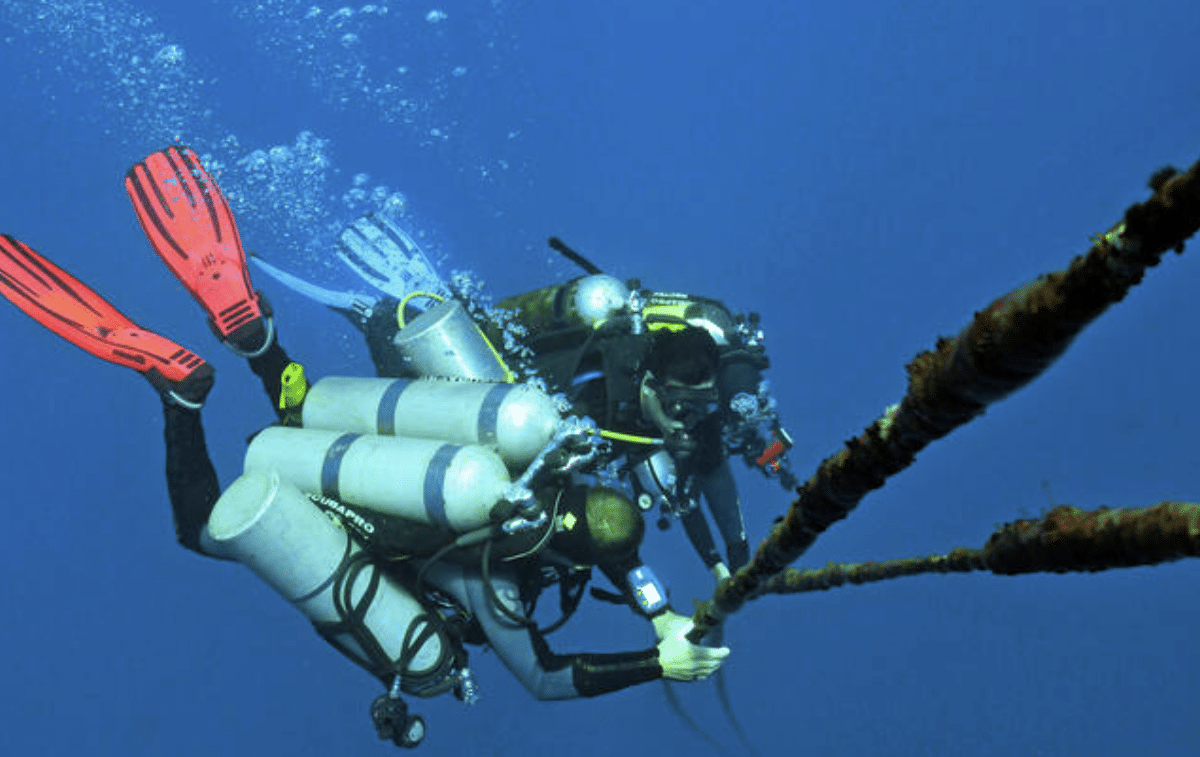
Two scuba divers equipped with multiple oxygen cylinders hold onto a thick, rusted underwater cable suspended in deep blue water, surrounded by bubbles.

Why Technical Instructors Choose TDI

TDI offers:

One of the most structured technical progressions globally.

From:

Advanced Nitrox
Decompression Procedures
Extended Range
Advanced Trimix
Full Trimix
Cave & DPV
Rebreather Instructor levels
Gas Blender Instructor ratings

For instructors seeking:

Expanded technical portfolio,
International recognition,
Rebreather pathway integration,
Instructor Trainer progression,

Crossover becomes strategic.


Administrative Efficiency for Active Instructors

When instructors are:

Current.
Teaching regularly.
Well documented.

The crossover process is typically:

Administrative rather than evaluative.

However, if teaching currency cannot be demonstrated:

Evaluation dives or assessment may be required.

The system prioritises:

Quality control over convenience.


The Difference Between Recreational and Technical Crossover

Technical crossover demands deeper scrutiny.

Because technical courses involve:

Greater decompression obligation.
Higher gas complexity.
Overhead risk.
Increased liability exposure.

Therefore:

Documentation must reflect equivalency clearly.

Agencies do not compromise on safety.


Benefits of Holding Dual Agency Recognition

Technical instructors operating under SDI & TDI can:

  • Teach both recreational and technical progression.
  • Transition students smoothly.
  • Expand global recognition.
  • Access technical instructor trainer pathways.
  • Integrate gas blending and specialty ratings.

This diversification strengthens:

Professional resilience.


Rebreather and Advanced Ratings Considerations

Technical crossover does not automatically:

Transfer rebreather certifications across platforms.

Rebreather instructors may require:

Manufacturer-specific alignment.
Additional evaluation.
Standards review.

Precision matters at higher levels.


Professional Identity and Growth

Crossover is not about:

Agency competition.

It is about:

Professional mobility.
Training diversification.
Expanded opportunity.

Active technical instructors who cross over strategically:

Future-proof their career.

Close-up of a person’s hands adjusting scuba diving equipment, including two large black air cylinders labelled with “TMX 2 8” and blue numbers, attached to a metal frame.

Operational Support at N9BO℠

At N9BO℠, we support active technical instructors through:

Clear documentation guidance.
Standards walkthrough sessions.
Technical progression planning.
Instructor-level mentorship.
Transparent administrative coordination.

Crossover is treated as:

A professional transition.

Not just a paperwork exchange.


When Crossover Makes Strategic Sense

Ideal moments include:

  • Expanding into new technical regions.
  • Integrating with SDI/TDI centres.
  • Seeking Instructor Trainer development.
  • Broadening rebreather pathways.
  • Diversifying course portfolio.

Waiting too long often means:

Duplicated effort later.

Strategic timing simplifies progression.


Quality Assurance Comes First

Technical diving operates with:

Reduced tolerance for error.

Therefore:

Crossover systems maintain rigorous oversight.

Alignment protects:

Students.
Instructors.
Centres.
Agency reputation.

Professional recognition must be earned and documented.


Final Perspective

SDI & TDI crossover programmes for active technical instructors provide:

Recognition of existing competence.
Administrative efficiency.
Standards alignment.
Expanded opportunity.
Structured progression.

For instructors already operating at technical level:

Crossover is not regression.

It is professional expansion within a globally recognised framework.

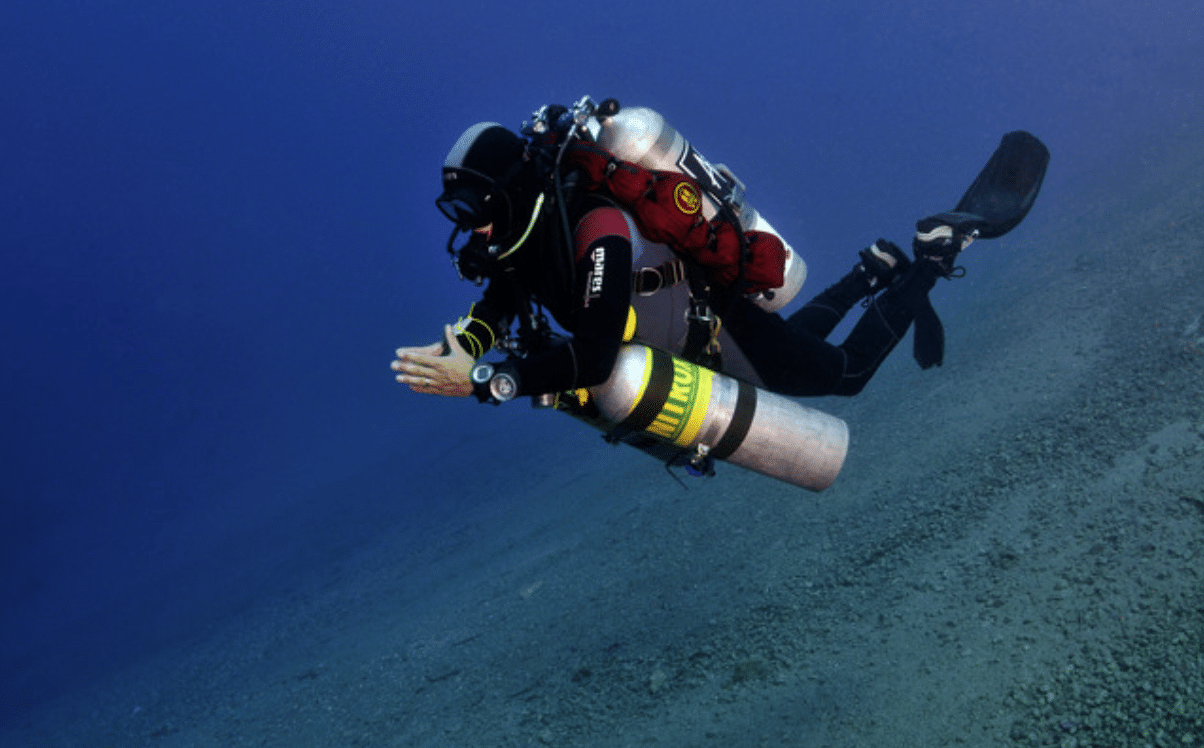
A scuba diver in a black wetsuit and full kit, including multiple cylinders, swims underwater above a sandy sea floor in clear blue water.


Ready to Align Your Technical Instructor Status with TDI?


If you are an active technical instructor in good standing, contact us to discuss a structured crossover pathway and expand your professional reach.


From the N9BO℠ Knowledge Base


Share this

Crossing Over to SDI & TDI: Expanding Your Instructor Path Without Starting Over

What “Crossover” Actually Means

A crossover is not:

Repeating your instructor training from zero.

It is:

Recognition of existing credentials,
Verification of active status,
Alignment with new agency standards,
And administrative integration into the new system.

For instructors already certified and actively teaching:

The crossover process is typically streamlined.

The emphasis is on:

Standards familiarisation,
Administrative compliance,
Professional accountability.


Who Is Eligible to Crossover

Most recognised recreational and technical agencies qualify for crossover consideration, provided the instructor:

  • Is in active teaching status.
  • Is in good standing.
  • Has no unresolved disciplinary action.
  • Can provide proof of certification and teaching history.
  • Holds valid liability insurance (where required).

Inactive status usually requires reactivation before crossover.

The process values:

Currency.

Not just certification history.


Why Instructors Choose SDI & TDI

There are several strategic reasons instructors cross over to SDI and TDI:

Broader Course Structure

SDI offers:

Modern, streamlined recreational training pathways.

TDI offers:

Structured technical progression,
From Nitrox through Advanced Trimix,
Cave,
DPV,
Decompression Procedures,
Gas blending,
And professional technical ratings.

This dual-agency structure allows instructors to:

Bridge recreational and technical markets seamlessly.


Administrative Efficiency

When instructors are actively teaching:

The crossover often involves:

  • Submission of current certifications.
  • Verification of active status.
  • Application review.
  • Standards familiarisation.
  • Payment of processing fees.

In many cases:

No full Instructor Development Course is required.

The process respects prior qualification.


The Technical Advantage of TDI

For instructors looking toward:

Technical diving,
Gas blending,
Rebreather instruction,
Cave training,

TDI provides:

A globally recognised pathway.

TDI’s structured progression model:

Supports instructors expanding beyond recreational teaching.

Crossing over early often simplifies:

Future technical development.

Three people in wetsuits and scuba gear stand in clear pool water, appearing to engage in a conversation or training session. Two face the instructor, who gestures with hands whilst explaining something.

SDI’s Modern Training Model

SDI integrates:

Digital materials,
Online learning,
Flexible standards,
Practical evaluation structure.

Many instructors appreciate:

Administrative clarity,
Contemporary course design,
Professional documentation processes.

For instructors working internationally:

Recognition and administrative efficiency matter.


Standards Familiarisation

Crossover does not mean ignoring standards.

Every instructor must:

Understand SDI / TDI standards.
Align with procedures.
Follow documentation requirements.
Adhere to quality assurance protocols.

Professional integrity requires:

Alignment with the agency you represent.

Standards are not interchangeable.

They must be learned and respected.


Professional Benefits

Crossing over allows instructors to:

Expand course offerings.
Increase marketability.
Access technical instructor ratings.
Broaden student pathways.
Integrate gas blending and equipment specialties.

It strengthens:

Professional versatility.

And reduces dependence on a single training framework.


Business Considerations

From a dive centre or instructor perspective:

Diversifying agency alignment:

  • Expands student base.
  • Increases technical training demand.
  • Enhances international recognition.
  • Provides flexibility in standards structure.

Crossovers are often part of:

Long-term strategic growth.

Not short-term branding decisions.

Two scuba divers wearing wetsuits and cylinders float on the surface of calm water, facing each other as they prepare for or complete a dive.

Common Misconceptions

Crossover is not:

A shortcut to higher-level ratings.

It does not automatically grant:

Advanced technical status.

It recognises:

Equivalent ratings.

Additional courses may still be required to:

Upgrade or expand instructor credentials.

Transparency is central.


How Easy Is It?

For active instructors:

The process is generally:

Straightforward.
Administrative.
Structured.

Delays typically occur when:

Documentation is incomplete,
Status is inactive,
Or previous agency records are unclear.

Prepared instructors experience:

Smooth integration.


Operational Support at N9BO℠

At N9BO℠, we support instructors through:

Clear documentation guidance.
Standards clarification.
Administrative navigation.
Pathway planning into technical ratings.
Professional development strategy.

We approach crossover as:

A career expansion process.

Not just paperwork.


When Is the Right Time to Crossover?

Ideal timing includes:

  • Expanding into technical instruction.
  • Aligning with a centre operating under SDI / TDI.
  • Seeking international flexibility.
  • Broadening training portfolio.
  • Preparing for instructor trainer pathways.

The earlier crossover occurs:

The smoother long-term progression becomes.


Final Perspective

Crossing over to SDI & TDI is:

Professional expansion,
Not professional replacement.

For active instructors:

The process is typically administrative.

The benefits include:

Expanded training capability,
Technical progression access,
Structured standards integration,
Long-term career flexibility.

Crossover is not starting over.

It is moving forward.

A smiling man in a white shirt points at a whiteboard with hand-drawn underwater topography, likely explaining a dive site, with scuba cylinders and ocean scenery in the background.


Ready to Expand Your Instructor Portfolio?


If you’re an active instructor in good standing, contact us to discuss a smooth crossover to SDI or TDI and broaden your professional pathway.


From the N9BO℠ Knowledge Base

Share this

TDI Nitrox vs SDI Computer Nitrox: Why Having Both Expands Competence

Nitrox Is More Than Just “More Bottom Time”

Enriched Air Nitrox allows divers to:

  • Reduce nitrogen loading.
  • Extend no-decompression limits.
  • Increase surface interval efficiency.
  • Decrease repetitive stress.

But safe nitrox use requires understanding:

  • Maximum operating depth (MOD).
  • Oxygen exposure limits.
  • CNS toxicity risk.
  • Equivalent air depth (EAD).

Certification pathways determine how deeply these concepts are explored.


The SDI Computer Nitrox Course

The SDI Computer Nitrox course is:

  • Computer-driven.
  • Practical.
  • Designed for recreational divers.

Its philosophy:

Divers use dive computers to:

  • Set oxygen percentage.
  • Monitor MOD.
  • Track CNS exposure.
  • Manage dive limits.

The emphasis is on:

Operational integration.

Students learn:

  • How to configure their computer.
  • How to verify oxygen percentage.
  • How to interpret on-screen data.

It is streamlined.

Accessible.

Efficient.


The TDI Nitrox Course

The TDI Nitrox course takes a:

More calculation-based approach.

Students learn:

  • Manual EAD calculation.
  • Oxygen exposure tables.
  • CNS tracking by hand.
  • Gas planning without full reliance on computer.
  • Theoretical decompression principles.

The emphasis is on:

Understanding before automation.

This builds:

Conceptual depth.
Planning independence.
Analytical thinking.

TDI Nitrox prepares divers for:

Technical progression.


Philosophy Difference: Automation vs Calculation

SDI Computer Nitrox:

Trusts modern dive computers.
Teaches safe configuration.
Builds confidence in digital tools.

TDI Nitrox:

Teaches divers to calculate.
Understand gas behaviour.
Cross-check digital outputs.
Operate without blind trust.

Neither is superior.

They serve different objectives.

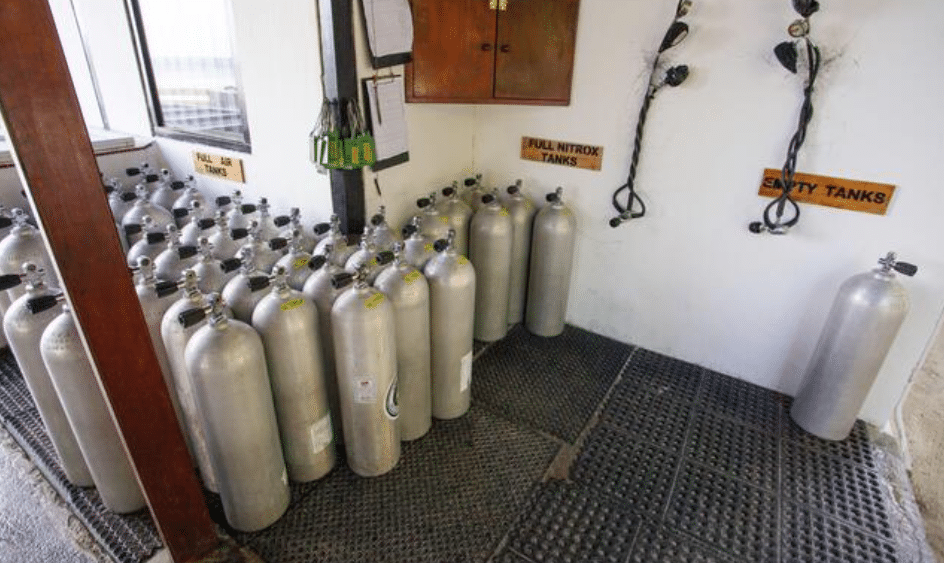
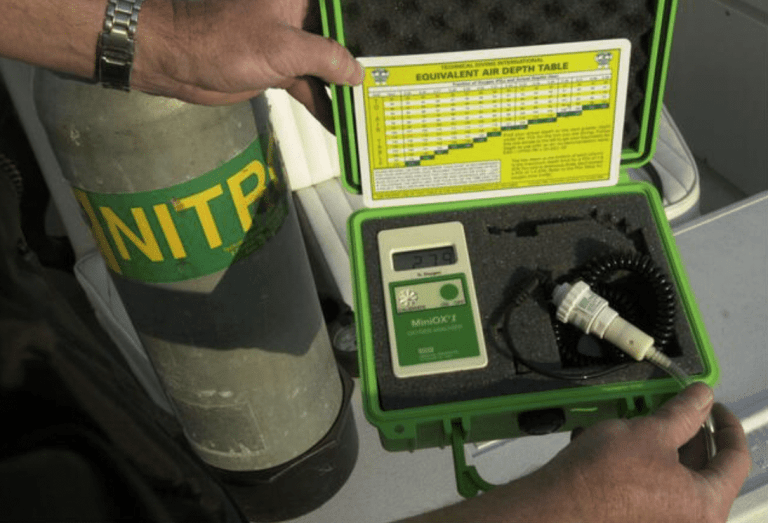
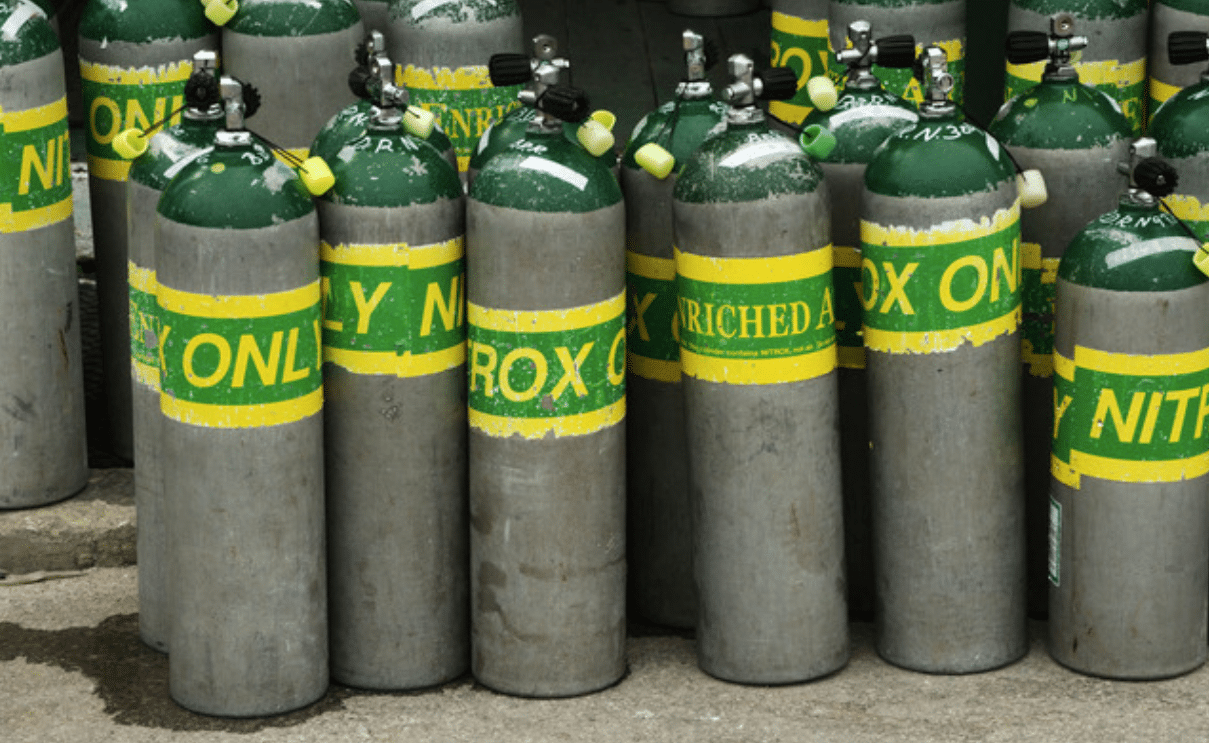
A group of silver and green metal gas cylinders with yellow and green labels, standing upright on a concrete surface. The labels read “ENRICHED AIR NITROX ONLY”.

Why Having Both Is Beneficial

Divers who hold both certifications gain:

  1. Theoretical depth.
  2. Practical integration.
  3. Redundancy in understanding.
  4. Stronger problem-solving capacity.
  5. Smooth transition to technical diving.

If a computer fails:

A TDI-trained diver can still calculate MOD.

If a diver forgets manual equations:

Computer knowledge reinforces safety.

Knowledge layers increase margin.


Bridging Recreational and Technical Pathways

Many divers begin with:

Recreational Nitrox.

Later, they pursue:

Advanced Nitrox.
Decompression Procedures.
Trimix training.

Holding both courses:

Smooths transition.

Technical diving assumes:

Strong manual gas planning foundation.

Without theoretical understanding:

Progression becomes fragile.


Instructor-Level Advantage

For dive professionals and instructors:

Holding both certifications:

  • Expands teaching capability.
  • Improves standards comprehension.
  • Enhances credibility.
  • Strengthens student mentorship.

Instructors must understand:

Both digital reliance and manual calculation.

Students benefit from broader perspective.


Risk Management Perspective

Computer-only divers may:

  • Over-rely on automation.
  • Misinterpret data.
  • Fail to cross-check MOD manually.

Calculation-only divers may:

  • Ignore technological advances.
  • Miss integrated alerts.

Balanced competence reduces:

Blind spots.


Operational Flexibility

Technical environments sometimes involve:

  • Multiple computers.
  • Backup tables.
  • Manual contingency planning.
  • Mixed gas configurations.

Understanding both methodologies:

Builds adaptability.

Adaptability protects safety margin.

A scuba diver underwater checks a yellow dive computer on their wrist. The diver wears a mask, snorkel, and scuba gear, with another diver swimming in the background against the blue sea.

Professional Development Strategy

At N9BO℠, we often recommend both pathways for divers serious about progression. Computer Nitrox builds operational familiarity; TDI Nitrox builds theoretical backbone.

The combination creates:

Depth.
Confidence.
Flexibility.
Redundancy.

Redundancy in knowledge is as valuable as redundancy in equipment.


Gas Discipline Begins Here

Nitrox training introduces:

  • Oxygen toxicity awareness.
  • Depth discipline.
  • Gas verification procedure.
  • Cylinder labelling standards.
  • Analytical confirmation habits.

These behaviours form:

The base of technical discipline.

Divers who build strong nitrox foundations:

Transition smoothly to advanced gas planning.


Long-Term Value

Even if a diver never pursues:

Full technical certification,

Holding both courses enhances:

Dive planning maturity.
Confidence in interpretation.
Situational awareness.

Knowledge compounds.

Competence stabilises.


Final Perspective

SDI Computer Nitrox teaches:

How to use enriched air safely with modern tools.

TDI Nitrox teaches:

Why those tools work — and what to do without them.

Together, they build:

Competence layered with understanding.

For divers serious about development,

Holding both is not redundancy.

It is reinforcement.

A dive logbook with a colourful underwater cover lies next to an electronic dive computer displaying dive details like dive time, depth, and decompression info.


Ready to Strengthen Your Nitrox Knowledge?


Combine practical computer-based training with strong theoretical foundations. Contact N9BO℠ to explore SDI and TDI Nitrox pathways.


From the N9BO℠ Knowledge Base


Share this

EFR Instructor Course: Teaching Emergency Response with Authority and Structure

Why EFR Instructor Matters in Diving

Every dive professional is expected to:

  • Respond to emergencies.
  • Recognise medical distress.
  • Provide initial care.
  • Coordinate evacuation.

But emergency competence must extend beyond:

Personal ability.

Professionals must also:

Teach these skills.

An EFR Instructor certification allows you to:

  • Deliver CPR/AED courses.
  • Teach primary and secondary care.
  • Maintain active instructor status.
  • Support dive centre compliance.
  • Expand professional credibility.

Emergency response is foundational.

Teaching it demands discipline.


What the EFR Instructor Course Covers

The course includes:

  • Teaching methodology.
  • Course structure and standards.
  • Risk management in training.
  • Scenario facilitation.
  • Student evaluation.
  • AED instruction protocols.
  • CPR technique coaching.
  • Oxygen use integration (where applicable).

It is not simply a skills review.

It is an instructor development course.

Delivery matters as much as content.


Primary Care: The Core Framework

EFR Primary Care covers:

  • Scene safety assessment.
  • Barrier use.
  • CPR (adult, child, infant).
  • AED deployment.
  • Severe bleeding management.
  • Shock management.
  • Choking response.

As an instructor, you must:

Demonstrate confidently.

Correct gently but precisely.

Maintain standard compliance.

Manage class flow.

Authority must remain calm.

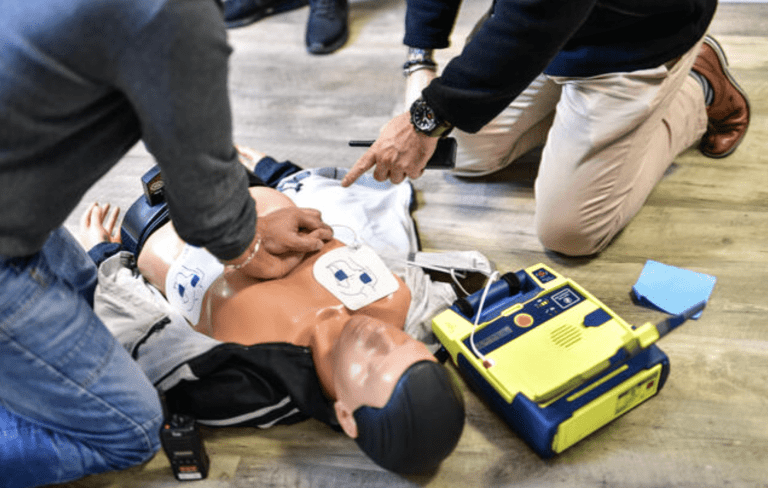
Two people practise CPR on a training manikin; one wears a red outfit with a Red Cross symbol, guiding the other person, on a checked blanket in a classroom setting. CPR equipment is visible in the background.

Secondary Care: Stabilisation and Monitoring

Secondary care expands into:

  • Injury assessment.
  • Illness recognition.
  • Splinting basics.
  • Bandaging techniques.
  • Ongoing patient monitoring.
  • Documentation discipline.

Instructors must teach:

Decision-making hierarchy.

Assessment sequence.

Communication clarity.

Students leave with:

Structured mental models.

Not just memorised steps.


Teaching Under Stress

Emergency training environments:

  • Simulate pressure.
  • Introduce noise.
  • Increase adrenaline.
  • Compress decision time.

Instructors must:

Control environment.

Control pacing.

Maintain safety.

Provide constructive feedback.

An EFR Instructor is:

A facilitator of stress exposure.

Professionalism underpins credibility.


Why Dive Professionals Should Upgrade

For dive professionals, EFR Instructor status:

  • Increases employability.
  • Expands revenue streams.
  • Enhances safety culture.
  • Improves leadership credibility.
  • Supports instructor-level certifications.

Many dive leadership ratings require:

Current EFR Instructor status.

It is not optional for career progression.

It is structural.


Beyond Slides: Real Teaching Competence

At N9BO℠, we emphasise:

Scenario realism.

Feedback discipline.

Student correction techniques.

Standards compliance.

Professional presence.

Emergency instruction is not:

Reading slides.

It is:

Guiding behaviour change.

Confidence must be built.

Not assumed.

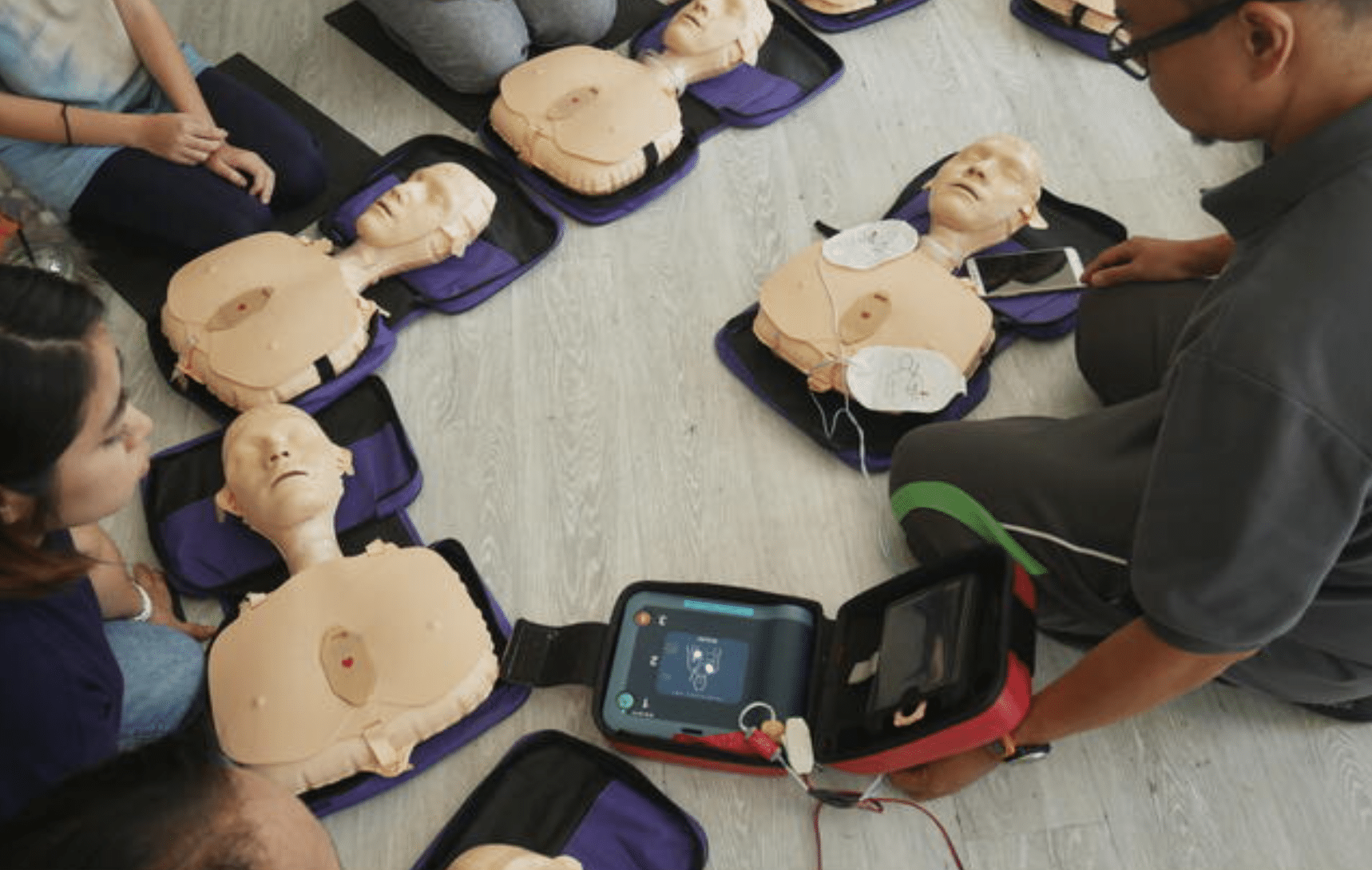
A group of people sit around CPR training manikins on the floor as an instructor demonstrates how to use an automated external defibrillator (AED) on one of the manikins.

Integration with Diving Operations

EFR Instructors support:

  • Rescue Diver courses.
  • Divemaster training.
  • Instructor Development Courses.
  • Corporate emergency preparedness.
  • Public safety diving programs.

Emergency training underpins:

Every professional pathway.

Strong emergency educators strengthen teams.


Common Instructor Pitfalls

New instructors often:

  • Over-explain.
  • Rush scenarios.
  • Skip debriefing.
  • Fail to correct technique.
  • Lose structure under pressure.

Professional delivery requires:

Balance between realism and control.

Students must leave feeling:

Capable.

Not overwhelmed.


The Psychological Component

Emergency teaching involves:

  • Managing student anxiety.
  • Encouraging participation.
  • Building confidence.
  • Normalising stress reactions.

An EFR Instructor must:

Read room dynamics.

Adapt communication style.

Maintain composure.

Emergency authority begins with calm leadership.


Operational Ethics

Teaching emergency care carries:

Moral responsibility.

Incorrect instruction can:

  • Lead to ineffective CPR.
  • Delay AED use.
  • Increase legal exposure.
  • Create false confidence.

Standards exist for a reason.

Professional discipline protects students.


Professional Identity

Becoming an EFR Instructor signals:

Commitment to safety.

Instructional maturity.

Operational readiness.

Leadership development.

Emergency response is universal.

Diving is specific.

The combination builds resilience.


Final Perspective

The EFR Instructor course is not about:

Collecting another certification.

It is about:

Owning responsibility for lifesaving education.

Teaching emergency response builds:

Authority.

Confidence.

Professional value.

At N9BO℠, we train EFR Instructors to teach with clarity, structure, and composure — because emergency education demands more than enthusiasm. It demands discipline.

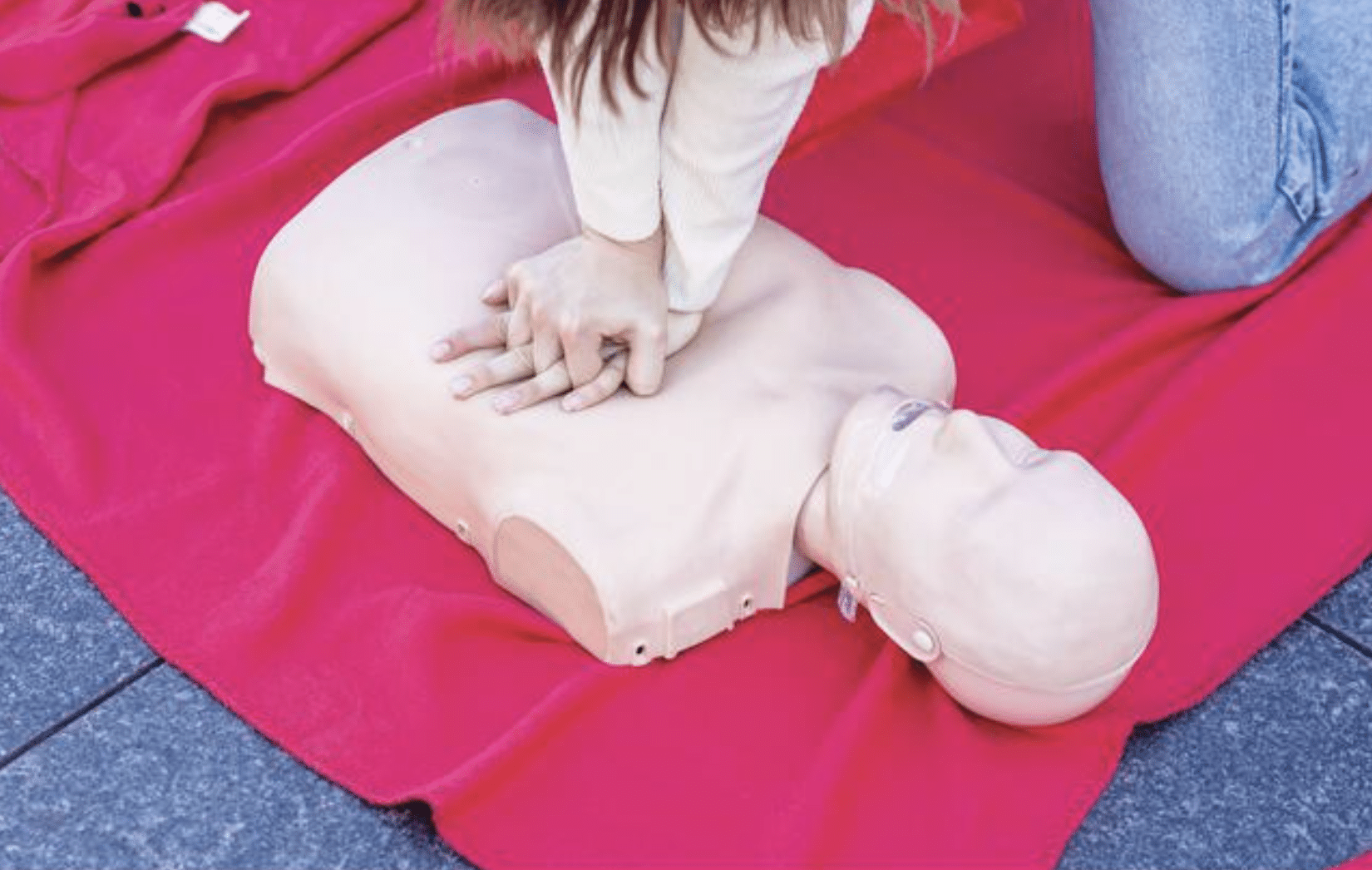
A person practises CPR by performing chest compressions on a training manikin placed on a red blanket.


Ready to Teach Emergency Response Professionally?


Expand your instructional capability with structured EFR Instructor training at N9BO℠.


From the N9BO℠ Knowledge Base


Share this

Facebook
Instagram
X (Twitter)
TikTok
Youtube
Whatsapp