Wrecks Are Not Caves Made of Steel
Wreck diving is often compared to cave diving.
The comparison is incomplete.
Caves are:
- Geologically stable.
- Naturally structured.
- Predictably shaped.
Wrecks are:
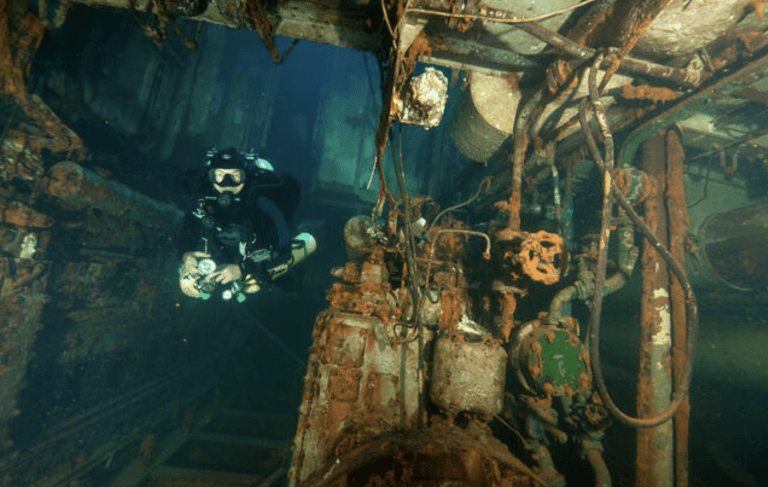
- Corroding.
- Structurally compromised.
- Filled with loose debris.
- Artificially complex.
Steel rusts.
Deck plates collapse.
Cables entangle.
Wreck penetration requires different assumptions.
The environment is dynamic.
The Overhead Changes Everything
Once inside a wreck:
- Direct ascent is impossible.
- Visibility may be limited.
- Silt and rust can eliminate reference instantly.
- Structural layout may be confusing or maze-like.
Unlike caves, wrecks were not designed for navigation underwater.
Pathways may dead-end.
Rooms may collapse.
Passages may narrow unexpectedly.
Exit routes must remain clear.
Margin must be preserved.
Line Protocol Is Non-Negotiable
Advanced penetration requires:
- Primary tie-off outside.
- Secondary tie-off inside.
- Continuous guideline.
- Clear directional markers.
A line is not optional.
It is life support.
Line discipline includes:
- Tension awareness.
- Avoiding entanglement.
- Protecting from abrasion.
- Clean spooling.
Poor line management is one of the primary causes of wreck fatalities.
Entanglement Risk Is Constant
Wreck interiors often contain:
- Fishing nets.
- Cables.
- Wiring.
- Fallen beams.
- Hanging debris.
Divers must:
- Maintain trim.
- Control propulsion.
- Avoid unnecessary contact.
Knife placement matters.
Cutting tools must be accessible.
Redundancy is critical.
Prevention is superior to reaction.
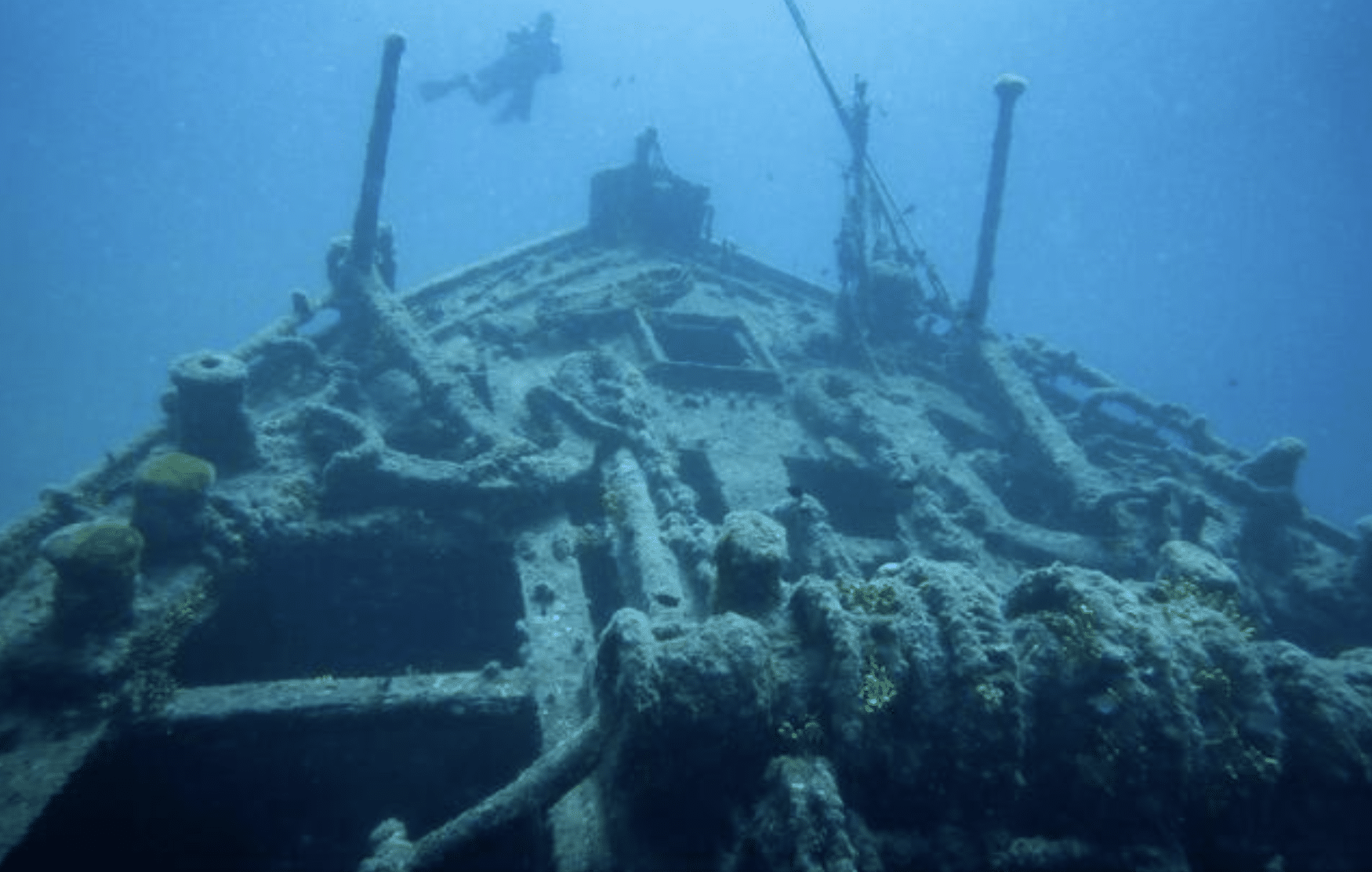
Gas Planning for Penetration
Gas planning in wreck diving includes:
- Rule of thirds (minimum).
- Increased conservatism in complex interiors.
- Decompression planning if applicable.
- Team-dependent gas calculations.
Gas is not just volume.
It is exit time.
Wreck interiors may slow exit speed.
Silt-outs reduce pace.
Obstacles increase breathing rate.
Planning must assume stress.
Structural Instability
Wrecks deteriorate.
Corrosion weakens:
- Bulkheads.
- Ladders.
- Deck plating.
Divers must avoid:
- Grabbing unstable structures.
- Placing weight on compromised surfaces.
- Forcing access points.
Movement must be controlled.
Steel edges cut exposure suits easily.
Sharp contact increases injury risk.
Advanced Wreck vs Basic Penetration
Advanced wreck penetration includes:
- Multi-level interior exploration.
- Long-distance entry.
- Restricted passage negotiation.
- Stage bottle management.
- Decompression exposure.
It is not guided swim-through.
It is structured overhead diving.
Competence must exceed curiosity.
Human Factors Under Steel
Wrecks can create:
- Claustrophobia.
- Acoustic distortion.
- Disorientation.
Psychological management includes:
- Controlled breathing.
- Calm communication.
- Stable team spacing.
Authority gradient must remain flat.
Any diver can call the dive.
Restraint prevents escalation.

Team Coordination and Positioning
Penetration teams require:
- Agreed entry order.
- Clear light communication.
- Consistent spacing.
- Pre-dive briefing clarity.
Team cohesion protects:
- Line integrity.
- Gas management.
- Exit stability.
Professional wreck divers move slowly.
Speed increases hazard exposure.
Why Advanced Wreck Requires Conservative Culture
At N9BO℠, advanced wreck training emphasises:
- Conservative gas margins.
- Precise trim control.
- Clean propulsion.
- Structured failure drills.
We train beyond minimum penetration distance.
Competence must exceed exposure.
Wreck diving is not about reaching the engine room.
It is about returning safely.
Penetration Is a Decision, Not an Entitlement
Just because a wreck allows entry does not mean entry is appropriate.
Conditions may vary:
- Visibility.
- Current.
- Structural integrity.
- Team readiness.
Professional divers evaluate:
- Environmental variables.
- Personal currency.
- Equipment reliability.
Abort criteria must be defined before entry.
Steel does not forgive poor decisions.
Discipline Over Drama
Advanced wreck penetration is:
- Methodical.
- Slow.
- Deliberate.
It is not theatrical.
The most competent wreck divers often leave untouched areas unexplored.
Restraint preserves margin.
Margin preserves life.
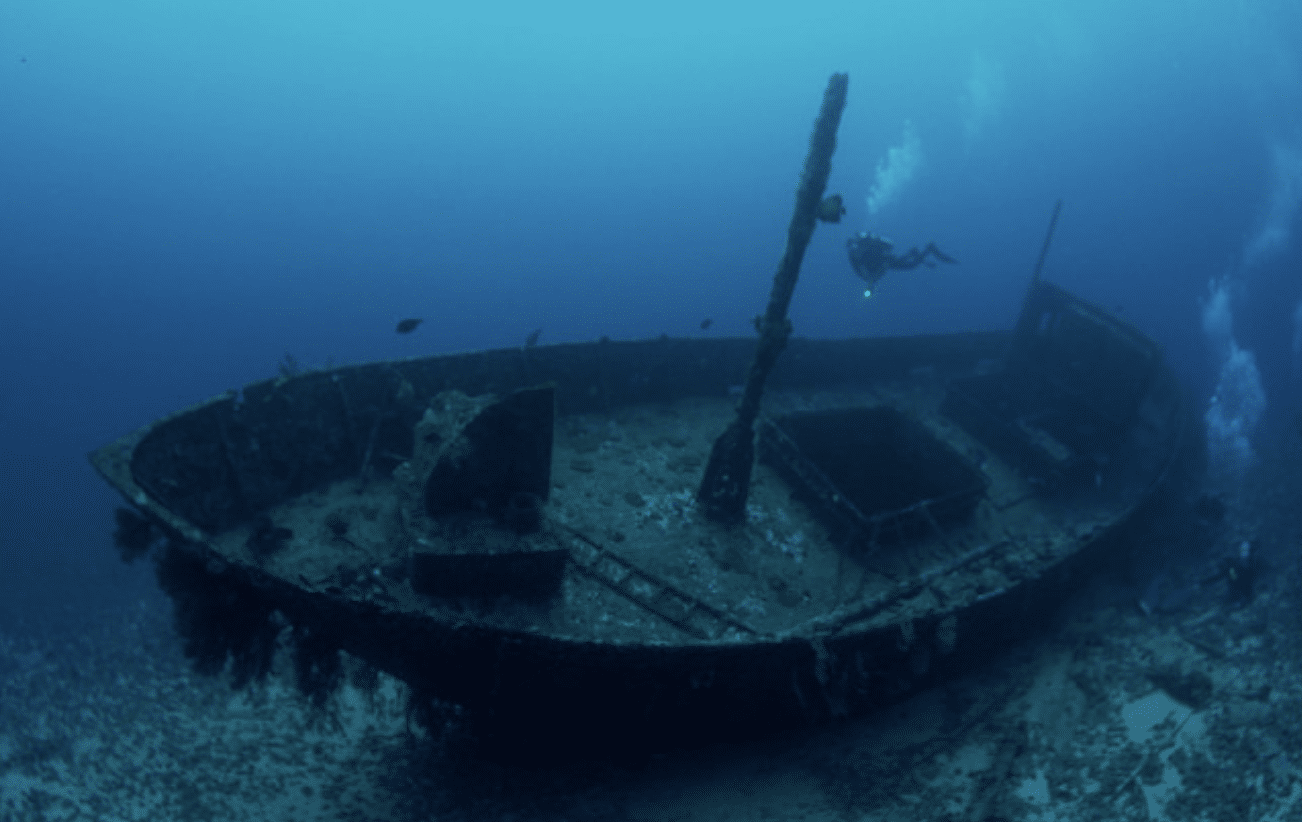
Ready for Advanced Wreck Penetration Training?
Penetration demands structured discipline, conservative gas planning, and team integrity. Contact N9BO℠ to explore advanced wreck training pathways.
From the N9BO℠ Knowledge Base