Before Paul Bert, Diving Was Trial and Error
Early diving was brutal experimentation.
Divers suffered paralysis, seizures, and death without understanding the cause. Pressure was seen as mechanical force—not a physiological challenge. Paul Bert changed that forever.
Who Was Paul Bert?
Paul Bert (1833–1886) was a French physiologist and physician.
He combined medicine, physics, and experimental science to study how pressure and gases affect the human body—at a time when diving was advancing faster than medical understanding.
The Discovery of Decompression Sickness
Paul Bert was the first to identify nitrogen as the cause of decompression sickness.
Through hyperbaric experiments, he demonstrated that:
- Nitrogen dissolves in tissues under pressure
- Rapid decompression causes gas bubbles
- These bubbles produce neurological and vascular injury
This discovery transformed diving from mystery to science.

Oxygen Toxicity: A Second Breakthrough
Paul Bert also identified oxygen toxicity.
He showed that high partial pressures of oxygen cause:
- Convulsions
- Loss of consciousness
- Central nervous system failure
The term Paul Bert Effect is still used today to describe CNS oxygen toxicity.
Instructor Perspective: Why Physiology Must Be Taught
Many divers memorise rules without understanding them.
At N9BO℠, instructor-level training traces modern gas limits directly back to Paul Bert’s work—because knowing the origin of rules creates discipline, not complacency.
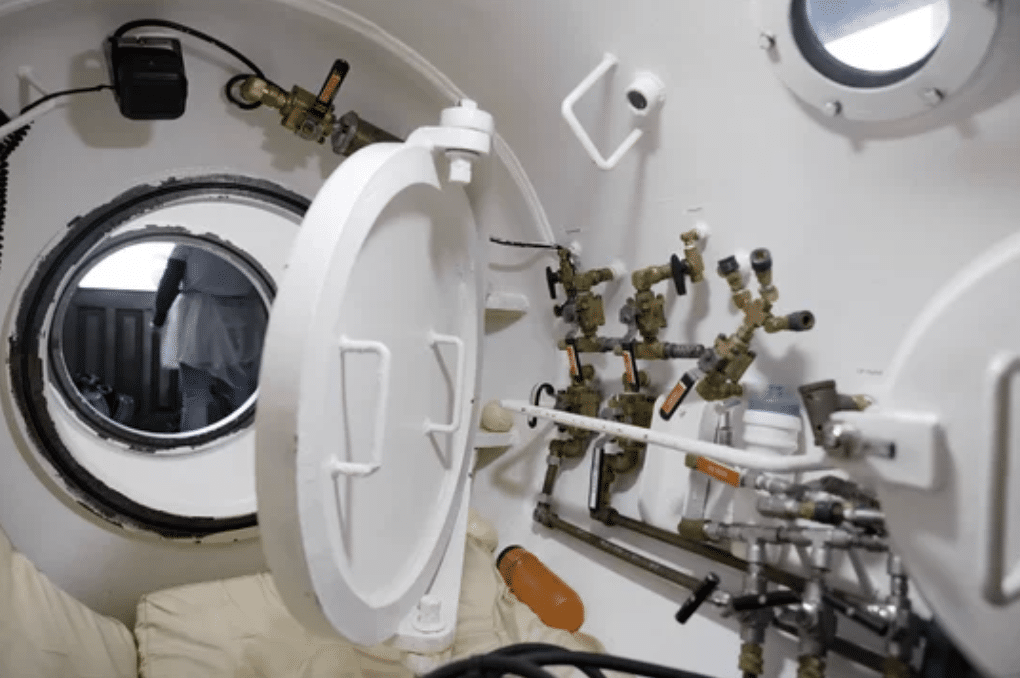
From Hyperbaric Chambers to Dive Tables
Paul Bert’s experiments led directly to:
- Decompression theory
- Hyperbaric medicine
- Early dive tables
- Modern gas management
Every dive computer still operates on principles he identified.
Why Paul Bert Still Matters Today
Technology has advanced—but physiology has not changed.
The human body responds to pressure today exactly as it did in the 1800s. Paul Bert’s discoveries remain operationally relevant.
Misunderstanding Physiology Creates Risk
Divers who ignore physiology often:
- Push oxygen limits
- Abuse decompression models
- Misinterpret symptoms
Professional training reconnects practice with theory.
Paul Bert Beyond Diving
His work influenced:
- Aviation medicine
- Space physiology
- Hyperbaric therapy
Diving was simply the proving ground.
The Ethical Lesson
Paul Bert demonstrated that safety comes from understanding—not bravado.
His legacy reminds divers that physics always wins, regardless of experience or confidence.
The Bottom Line
Every safe dive today is built on Paul Bert’s science.
Understanding his work transforms rules into knowledge and knowledge into safer behaviour. At N9BO℠, diving physiology is taught as a living discipline—because the body has not changed, and neither have the risks.

Interested in Understanding the Science Behind Diving?
A strong understanding of physiology improves safer decision-making underwater. Contact us to discuss training programmes that integrate diving science with practical application.
From the N9BO℠ Knowledge Base