Professional Diving & Safety Culture

PADI DAN Emergency Oxygen Provider: Immediate Response for Diving Emergencies

Understanding PADI Distinctive Specialities

A PADI Distinctive Speciality is a course created by an instructor or training organisation and formally approved by PADI. Unlike standardised courses, these programmes allow adaptation to operational realities, instructor expertise, and local requirements while remaining within PADI’s quality assurance framework.

This structure allows integration of recognised external standards and best practices, such as DAN protocols, into a controlled training environment. The result is training that reflects real-world emergency response rather than purely theoretical instruction.

At N9BO℠, we use distinctive specialities to align diver training with operational and medical response requirements.


Purpose of the Emergency Oxygen Provider Course

The Emergency Oxygen Provider course is designed to train divers and non-divers to recognise diving-related injuries and provide oxygen as an immediate first aid response.

Oxygen is the most critical element for sustaining life. A lack of oxygen leads to rapid deterioration and death faster than deprivation of water or food.

In diving, emergency oxygen is the primary first aid treatment for:

  • Decompression illness (DCI)
  • Lung overexpansion injuries
  • Drowning and hypoxic events

The objective is to ensure that oxygen is available and correctly administered at the earliest possible stage of an incident.

At N9BO℠, we define oxygen provision as the first critical intervention in dive emergency management.


Why Oxygen Matters in Diving Emergencies

Diving injuries often disrupt oxygen delivery to tissues or impair circulation. Increasing the concentration of oxygen available to the injured diver directly improves physiological outcomes.

Administering high-concentration oxygen:

  • Increases oxygen saturation in the blood
  • Supports damaged or oxygen-deprived tissues
  • Accelerates nitrogen elimination in decompression illness

In decompression illness, oxygen reduces bubble size by increasing the pressure gradient for inert gas elimination. This directly addresses the underlying mechanism of injury.

The principle is simple but critical. The sooner oxygen is administered, the better the outcome.

At N9BO℠, we emphasise immediate oxygen delivery as a non-negotiable response.


Recognition of Diving Injuries

The course develops the ability to recognise signs and symptoms of diving-related injuries, which may present rapidly or progressively.

These include:

  • Sudden neurological symptoms (e.g. paralysis, confusion)
  • Breathing difficulties or chest pain
  • Joint pain and fatigue
  • Loss of consciousness

These symptoms may result from decompression sickness, arterial gas embolism, or other diving-related conditions.

Importantly, in first aid scenarios, differentiation between conditions is less critical than response. All suspected cases are treated under the umbrella of decompression illness, with oxygen as the primary intervention.

At N9BO℠, we train responders to act based on symptoms, not diagnosis.

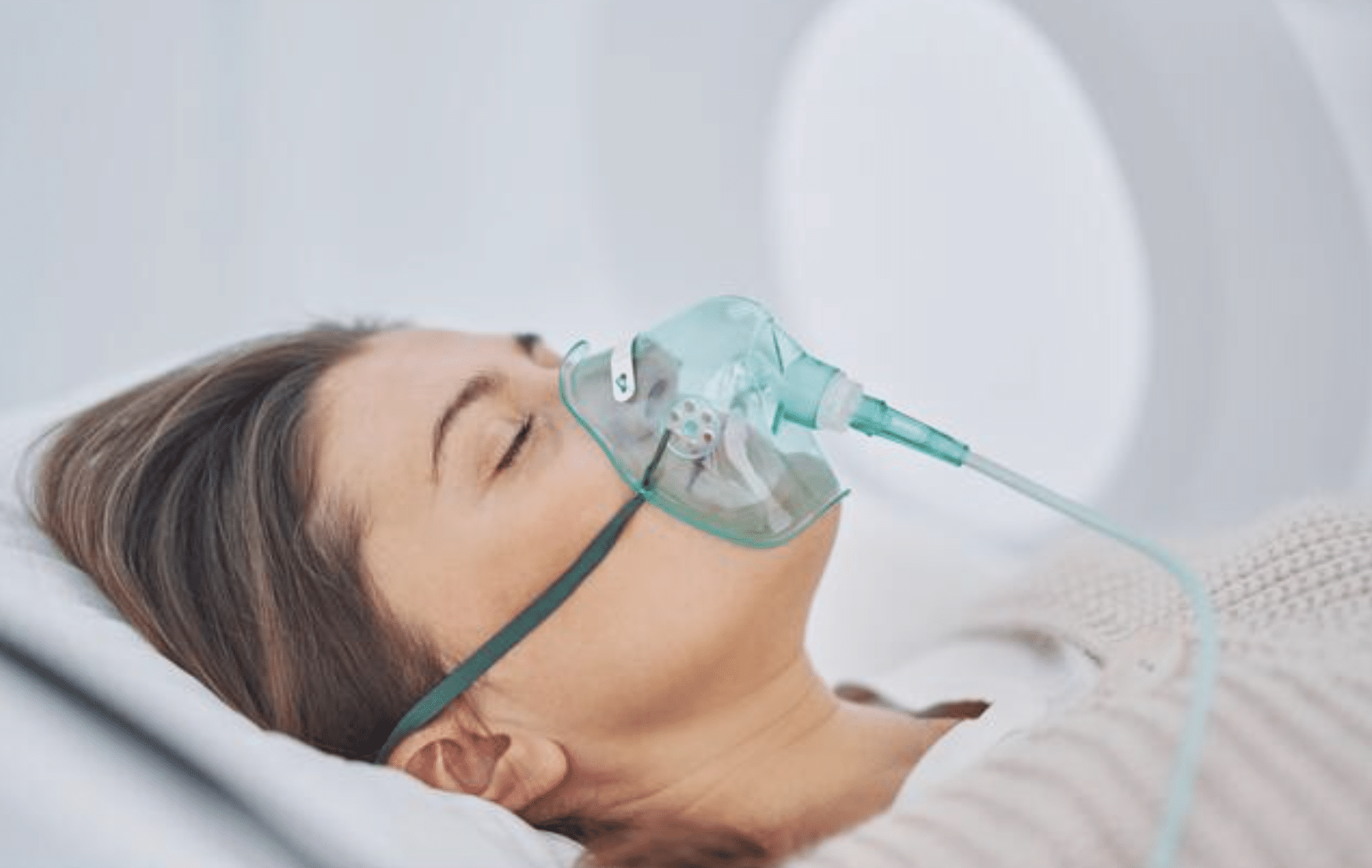
A woman lies in a hospital bed with her eyes closed, wearing an oxygen mask connected to a tube.

Emergency Oxygen Equipment and Systems

The course introduces the components and operation of emergency oxygen systems used in diving environments.

These include:

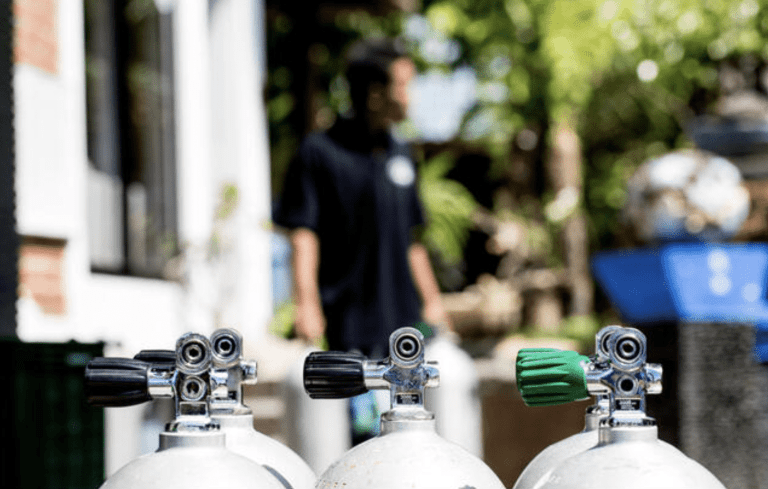
  • Oxygen cylinders and valves
  • Pressure regulators and flow control systems
  • Delivery devices such as masks and demand valves

Two main system types exist:

  • Disposable, fixed-flow units
  • Refillable, variable-flow systems capable of delivering near 100% oxygen

The latter are the preferred systems for diving emergencies due to their ability to provide high oxygen concentrations over extended periods.

Operators must understand how to assemble, check, and deploy these systems quickly and correctly.

At N9BO℠, we treat equipment familiarity as a critical component of response readiness.


Oxygen Delivery Methods

Different delivery methods are used depending on the condition of the injured diver.

For breathing divers, non-rebreather masks or demand valves are used to deliver high concentrations of oxygen. Demand valves are the most efficient, providing oxygen only during inhalation and conserving supply.

For non-breathing divers, rescue breathing masks with oxygen supplementation or manually triggered resuscitator valves are used to provide assisted ventilation.

These systems can increase oxygen delivery from approximately 16–17% in exhaled air to over 40% or even near 100% depending on the device used.

The responder must select and apply the correct method based on the diver’s condition.

At N9BO℠, we emphasise correct tool selection as part of effective intervention.


Skill Development and Practical Application

The course includes structured skill development focused on real-world application.

Students are trained to:

  • Assemble and disassemble oxygen systems
  • Deliver oxygen to breathing divers using non-rebreather masks
  • Use demand valves effectively
  • Provide oxygen-assisted rescue breathing for non-breathing divers

Training is conducted in controlled environments but designed to simulate realistic scenarios. Skills must be performed smoothly and without hesitation.

Performance is assessed based on the ability to execute procedures correctly under minimal stress.

At N9BO℠, we prioritise repeatable performance over theoretical understanding.


Safety Considerations in Oxygen Use

Oxygen is a life-saving gas, but it introduces specific handling risks that must be controlled.

Key safety principles include:

  • Avoiding open flames and ignition sources
  • Preventing contamination with oils or hydrocarbons
  • Opening cylinders slowly to avoid compression ignition
  • Securing cylinders during use and transport

Failure to follow these procedures can result in fire or equipment damage.

The responder must treat oxygen systems with the same level of discipline as any high-pressure equipment.

At N9BO℠, safety is integrated into every stage of oxygen handling.
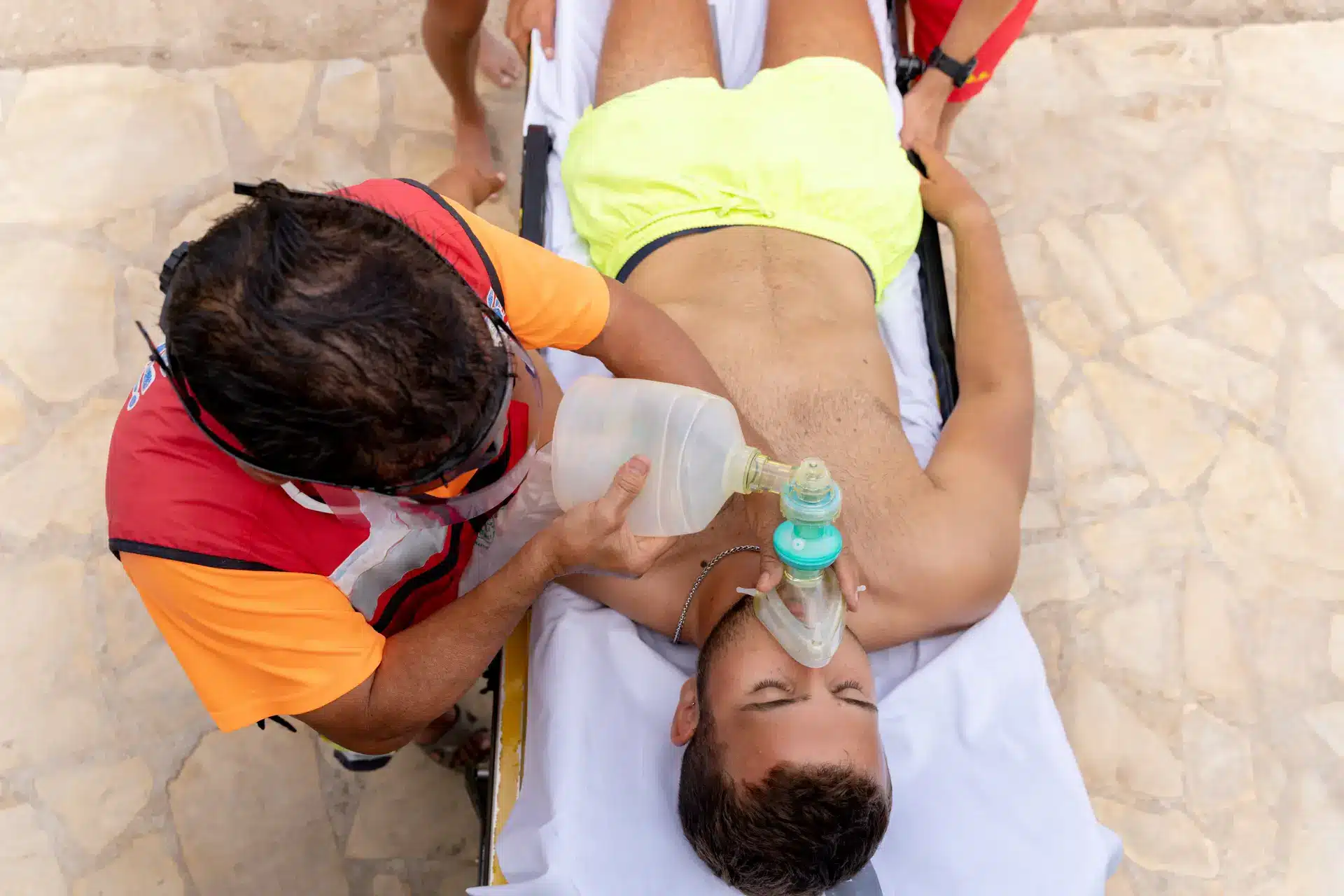
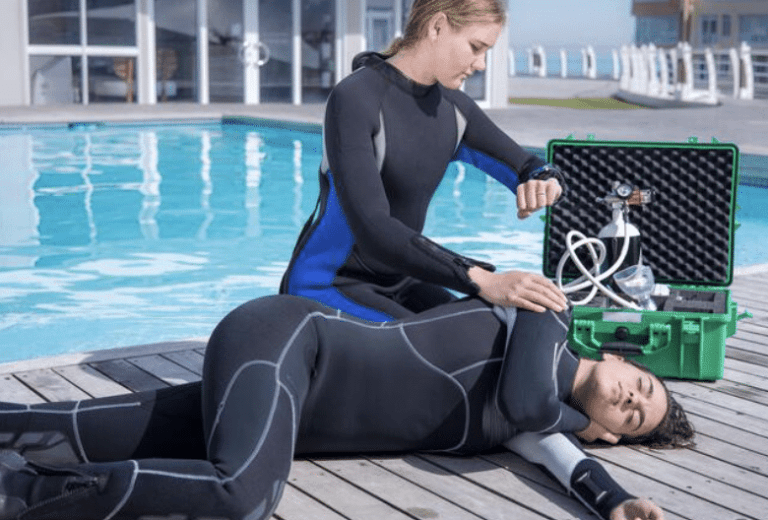
A lifeguard wearing a red vest gives oxygen to an unconscious man lying on a stretcher outdoors. The man wears yellow swimming trunks, and the scene appears to be an emergency medical situation.

Operational Role in Dive Emergency Management

Emergency oxygen provision is only one component of a broader response system, but it is the most immediate and impactful.

The responder must:

  • Conduct a primary assessment
  • Activate emergency medical services
  • Administer oxygen continuously
  • Monitor airway, breathing, and circulation
  • Prepare for evacuation to advanced medical care

Oxygen does not replace medical treatment. It stabilises the patient until professional care is available.

At N9BO℠, we integrate oxygen provision into a structured emergency response framework.


Position Within the Training Pathway

The Emergency Oxygen Provider course is an entry-level programme that complements other safety and rescue training.

It integrates directly with:

  • Emergency First Response (CPR and First Aid)
  • PADI Rescue Diver
  • Professional-level training such as Divemaster

It can also serve as an enhanced component within rescue training programmes.

The course is accessible to non-divers, reflecting its role as a first responder qualification.

At N9BO℠, we position this course as a fundamental capability for anyone involved in dive operations.


Operational Mindset

The Emergency Oxygen Provider course reinforces a critical operational principle: response must be immediate, structured, and controlled.

Delays in oxygen administration reduce survival probability and increase the severity of injury. The responder must act decisively while maintaining safety and procedural discipline.

This is not advanced medical care. It is effective first response delivered with precision.

At N9BO℠, we define oxygen provision as a core operational skill that supports every level of diving activity.
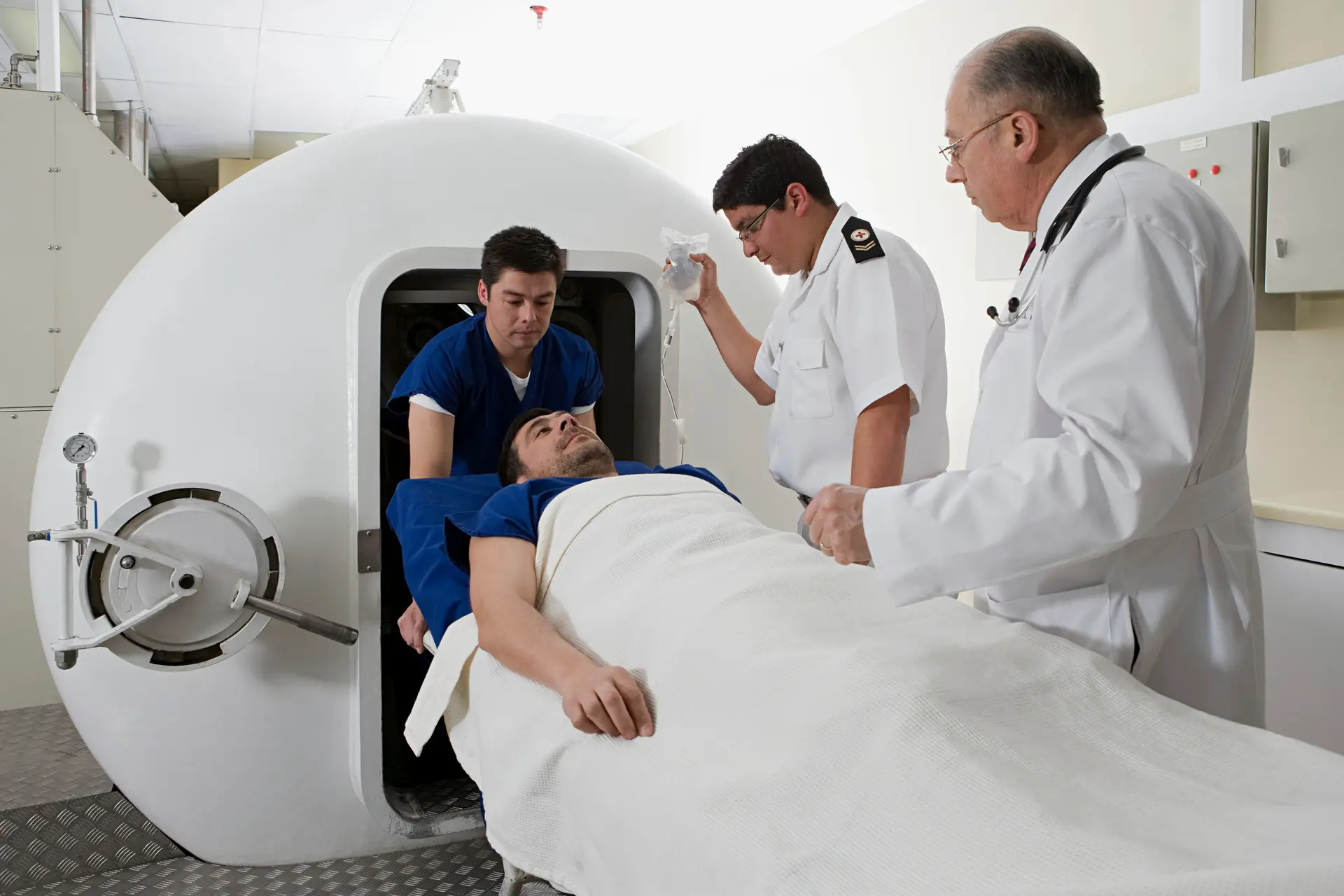
A patient lies on a trolley being prepared to enter a hyperbaric oxygen therapy chamber, assisted by two medical staff and observed by a doctor.

Provide Oxygen. Preserve Life.

Contact N9BO℠ to integrate PADI DAN Emergency Oxygen Provider training into your operations, ensuring immediate, effective response capability for diving emergencies.


From the N9BO℠ Knowledge Base


Share this

Boat Operations for Dive Professionals: Seamanship as a Safety Skill

The Role of the Vessel in Dive Operations

The vessel is the primary operational platform for most dive activities. It supports:

  • Diver deployment and recovery
  • Equipment transport and staging
  • Emergency response capability

Any failure in vessel operation directly impacts diver safety.

This includes:

  • Incorrect positioning during entry or exit
  • Poor drift management
  • Inadequate response to changing conditions

Dive safety does not begin at the waterline—it begins with vessel control.

At N9BO℠, we treat the boat as part of the diving system, not a separate component.


Fundamentals of Seamanship

Seamanship encompasses the knowledge and skills required to operate a vessel safely and effectively.

Core elements include:

  • Understanding wind, current, and tide interaction
  • Vessel handling and manoeuvring
  • Anchoring and mooring techniques

These factors determine how the vessel behaves in different conditions.

Poor understanding leads to:

  • Loss of position
  • Increased risk during diver recovery
  • Potential collision or grounding

Seamanship is not theoretical—it must be applied continuously.

At N9BO℠, we emphasise practical seamanship as a core operational skill.


Positioning and Diver Safety

Accurate vessel positioning is critical during both entry and recovery. The vessel must maintain a safe and predictable position relative to divers.

This requires:

  • Accounting for current and drift
  • Maintaining visual or electronic tracking of divers
  • Adjusting position dynamically as conditions change

Incorrect positioning can result in:

  • Divers surfacing away from the vessel
  • Increased risk of separation
  • Delayed recovery

Positioning must be proactive, not reactive.

At N9BO℠, we train operators to anticipate movement and maintain control.

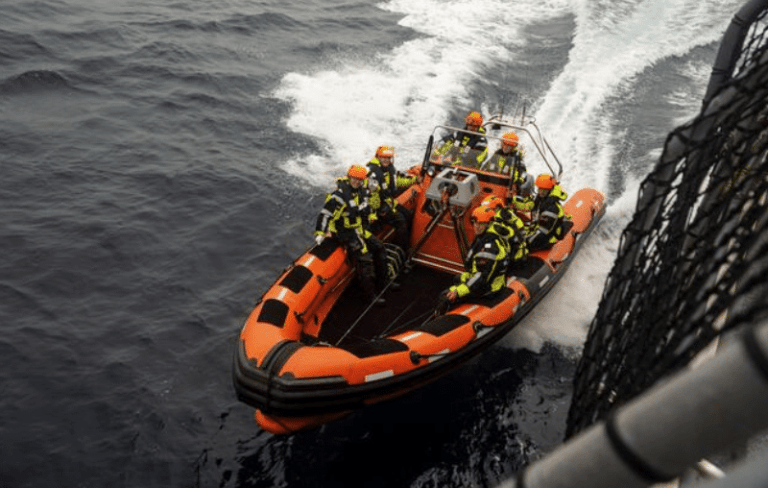
A small motorised boat with several uniformed people on board moves quickly across open water, leaving a white wake behind it.

Drift Management and Environmental Awareness

Environmental conditions directly affect vessel behaviour. Wind, current, and tide must be continuously assessed.

Effective drift management involves:

  • Predicting vessel movement over time
  • Adjusting position before drift becomes significant
  • Maintaining awareness of surrounding hazards

Failure to manage drift leads to:

  • Loss of operational control
  • Increased workload during recovery
  • Potential safety incidents

Environmental awareness must be continuous.

At N9BO℠, we integrate environmental monitoring into vessel operation procedures.


Communication Between Vessel and Dive Team

Coordination between the vessel operator and dive team is essential. Communication ensures alignment between surface and underwater operations.

This includes:

  • Confirming entry and exit procedures
  • Reporting diver location and status
  • Coordinating recovery timing

Breakdowns in communication lead to:

  • Misalignment of positioning
  • Delayed response to diver needs
  • Increased operational risk

Communication must be clear, structured, and continuous.

At N9BO℠, we treat vessel-to-diver communication as a critical control mechanism.


Emergency Preparedness and Response

The vessel plays a central role in emergency response. It must be prepared to:

  • Recover divers quickly
  • Provide first aid or oxygen
  • Transport casualties to shore or transfer points

Emergency readiness requires:

  • Equipment availability and accessibility
  • Crew familiarity with procedures
  • Clear roles and responsibilities

Delays or confusion during emergencies increase risk.

At N9BO℠, we integrate emergency response planning into vessel operations.

A small white and red boat speeds across a blue, rippling body of water, creating a trail of white foam behind it. A flag is visible atop the boat.

Crew Coordination and Role Assignment

Effective vessel operation requires coordinated effort from the crew. Each member must understand their role.

Typical roles include:

  • Vessel operator managing navigation and positioning
  • Crew assisting with diver deployment and recovery
  • Safety personnel monitoring conditions

Role clarity ensures:

  • Efficient operations
  • Reduced confusion during critical phases
  • Improved response to changing conditions

Unclear roles increase workload and reduce effectiveness.

At N9BO℠, we emphasise structured crew coordination.


Equipment Handling and Deck Management

The vessel deck is an active workspace. Poor management increases the risk of injury or equipment damage.

Key considerations include:

  • Securing equipment to prevent movement
  • Maintaining clear access routes
  • Organising gear for efficient deployment

Cluttered or disorganised decks create hazards, particularly in rough conditions.

Deck management must be maintained throughout the operation.

At N9BO℠, we treat deck organisation as part of operational safety.


Common Seamanship Failures in Dive Operations

Failures in vessel operation often result from lack of training or attention to detail.

Common issues include:

  • Poor positioning during diver recovery
  • Inadequate environmental assessment
  • Miscommunication between crew and dive team
  • Lack of emergency preparedness

These failures are preventable through training and structured procedures.

At N9BO℠, we address these risks through integrated seamanship training.


Operational Mindset

Seamanship is not separate from diving—it is part of the same system. Vessel operation affects every phase of the dive.

Effective operations require continuous control of both the underwater and surface environment.

At N9BO℠, we approach vessel handling as a safety-critical function. It requires training, awareness, and discipline.

In professional diving, safety is not limited to what happens underwater—it is defined by control across the entire operation.

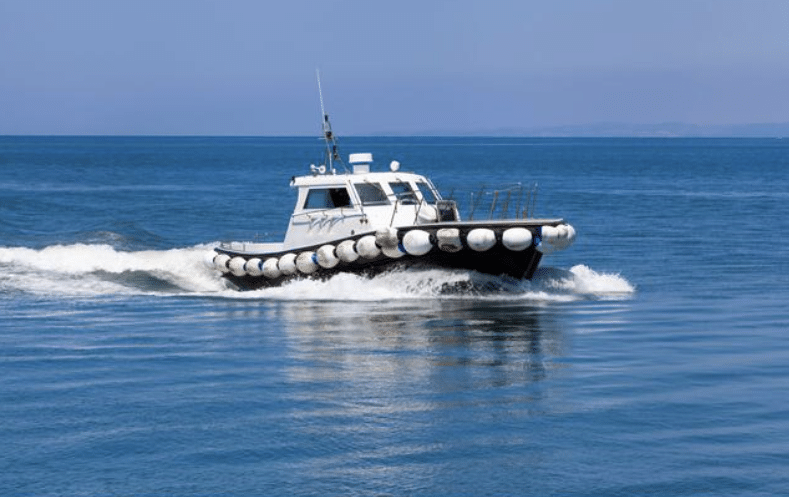
A small motorboat with fenders along its sides moves quickly across calm, blue water, leaving a trail of white waves behind it under a clear sky.


Operate Your Vessel with Precision and Control


Contact N9BO℠ to integrate seamanship and vessel operations training into your dive programmes, ensuring safe, efficient, and controlled dive operations.


From the N9BO℠ Knowledge Base


Share this

Staff Fatigue in Dive Operations: The Risk Nobody Tracks Properly

Understanding Fatigue as an Operational Risk

Fatigue is not simply tiredness—it is a reduction in physical and cognitive performance caused by insufficient rest, prolonged workload, or cumulative stress.

In dive operations, fatigue affects:

  • Reaction time and decision-making
  • Situational awareness
  • Physical performance and coordination

These factors directly influence safety.

Unlike acute hazards, fatigue does not present as a single event. It accumulates over time, often without clear indicators until performance degrades.

At N9BO℠, we treat fatigue as a systemic risk that must be actively managed.


Why Fatigue Is Often Overlooked

Fatigue is frequently underestimated because it does not produce immediate, visible consequences. It is often accepted as part of the job, particularly in high-demand environments.

Contributing factors include:

  • High dive frequency during peak seasons
  • Extended working hours with minimal recovery
  • Cultural acceptance of long shifts
  • Lack of formal monitoring systems

This leads to normalisation. Fatigue becomes expected, and its impact is ignored.

At N9BO℠, we recognise that untracked fatigue represents unmanaged risk.


Impact on Cognitive Performance

Fatigue significantly affects cognitive function. Decision-making becomes slower and less accurate, increasing the likelihood of error.

Common effects include:

  • Reduced attention to detail
  • Increased reliance on habit rather than assessment
  • Delayed recognition of hazards

These effects are particularly critical in diving, where decisions must often be made under time and environmental constraints.

Fatigue reduces the ability to process information effectively.

At N9BO℠, we emphasise that cognitive degradation occurs before individuals recognise it.

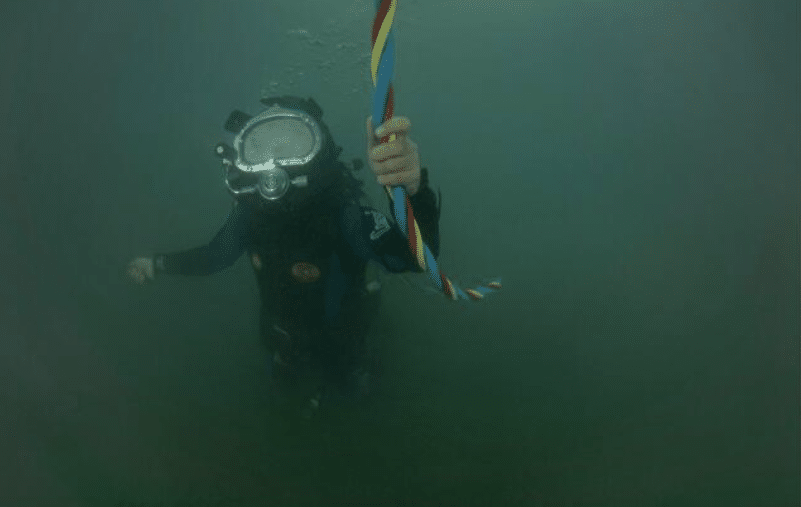
A scuba diver with long hair and goggles holds onto a rope underwater, surrounded by clear blue water. She is wearing a black wetsuit and breathing through a scuba regulator.

Physical Performance and Endurance

Diving requires physical effort, particularly in challenging conditions. Fatigue reduces physical capability, affecting:

  • Strength and coordination
  • Endurance during extended operations
  • Ability to respond to unexpected demands

Reduced physical performance increases the risk of incidents, particularly in emergency situations.

Physical fatigue also contributes to slower recovery between dives, compounding the issue.

At N9BO℠, we integrate physical workload into fatigue management considerations.


Operational Contributors to Fatigue

Dive operations create conditions that accelerate fatigue accumulation. These include:

  • Multiple dives per day with limited surface intervals
  • Environmental exposure (heat, cold, currents)
  • Equipment handling and logistical tasks
  • Responsibility for clients or team members

These factors combine to create sustained workload without adequate recovery.

Operational planning must account for these contributors.

At N9BO℠, we treat fatigue as a function of workload and environment.


The Risk of Normalisation

One of the most significant dangers is the normalisation of fatigue. When fatigue becomes routine, it is no longer recognised as a risk.

Indicators of normalisation include:

  • Acceptance of reduced performance as standard
  • Lack of reporting or discussion of fatigue
  • Resistance to adjusting schedules or workload

This creates a false perception of capability.

Over time, normalised fatigue increases the likelihood of incident.

At N9BO℠, we emphasise the importance of recognising baseline performance and identifying deviations.


Monitoring and Managing Fatigue

Effective fatigue management requires structured monitoring and control measures.

Key strategies include:

  • Tracking working hours and dive frequency
  • Scheduling adequate rest periods
  • Rotating roles to reduce repetitive workload

Monitoring must be proactive. Waiting for signs of fatigue is insufficient.

Supervisors play a key role in identifying early indicators and adjusting operations accordingly.

At N9BO℠, we integrate fatigue management into operational planning and supervision.

Shirtless older person with grey hair sits outdoors covering their face with both hands, wearing a watch and wedding ring. Scuba cylinders are visible in the background, suggesting a boat or diving setting.

Team Awareness and Responsibility

Fatigue management is not solely an individual responsibility. Team members must be aware of each other’s condition and performance.

This includes:

  • Recognising signs of fatigue in others
  • Communicating concerns
  • Supporting adjustments to workload

A team-based approach increases the likelihood of early detection.

Ignoring fatigue within the team increases collective risk.

At N9BO℠, we promote shared responsibility for managing fatigue.


Balancing Operational Demand and Safety

Operational demands often create pressure to maintain high levels of activity. However, increasing workload without managing fatigue reduces overall performance and safety.

Balancing demand requires:

  • Prioritising critical operations
  • Adjusting schedules when necessary
  • Accepting limits on capacity

Short-term productivity must not override long-term safety.

At N9BO℠, we align operational planning with sustainable performance.


Operational Mindset

Fatigue is a predictable outcome of sustained operations. It cannot be eliminated, but it can be managed.

Ignoring fatigue does not maintain performance—it reduces it. Effective operations require awareness, monitoring, and structured control.

At N9BO℠, we treat fatigue management as part of operational discipline. It is integrated into planning, execution, and supervision.

In professional diving, performance is not defined by how much work is completed, but by how safely it is sustained over time.

A person wearing a wetsuit, snorkel, and yellow diving mask is emerging from a small indoor pool or maintenance hatch, holding onto the edge with tools lying nearby.


Manage Fatigue Before It Impacts Safety


Contact N9BO℠ to integrate fatigue management strategies into your dive operations, ensuring sustained performance and reduced operational risk.


From the N9BO℠ Knowledge Base


Share this

Near-Miss Analysis: Learning from What Didn’t Become an Accident

Defining a Near-Miss

A near-miss is an unplanned event that had the potential to result in injury, damage, or operational failure but did not. The absence of consequence does not reduce its importance.

Examples include:

  • Gas supply approaching critical levels before correction
  • Equipment malfunction identified before use
  • Diver separation resolved before escalation

These events indicate that a failure occurred within the system but did not fully develop.

At N9BO℠, we treat near-misses as early warning signals, not minor issues.


Why Near-Misses Matter

Near-misses provide insight into vulnerabilities that may not be visible through routine operations. They highlight:

  • Weaknesses in procedures
  • Gaps in training or awareness
  • Equipment reliability issues
  • Human factor influences

Because no immediate harm occurs, near-misses often go unreported. This removes valuable data from the system.

When analysed, near-misses allow organisations to address risks proactively.

At N9BO℠, we prioritise near-miss reporting as part of risk management.


From Isolated Event to Pattern Recognition

Individual near-misses may appear insignificant. However, when aggregated, they reveal patterns.

Patterns may indicate:

  • Repeated procedural deviations
  • Consistent equipment issues
  • Recurring environmental challenges
  • Systemic human factor trends

Recognising these patterns allows for targeted corrective action.

Without analysis, each near-miss remains an isolated event, and underlying issues persist.

At N9BO℠, we use near-miss data to identify trends and inform operational decisions.


Barriers to Reporting Near-Misses

Despite their value, near-misses are frequently underreported. Common barriers include:

  • Perception that the event was not serious
  • Fear of blame or negative consequences
  • Lack of structured reporting systems

This leads to a gap between actual and perceived safety.

Unreported near-misses prevent organisations from identifying and addressing risks.

At N9BO℠, we emphasise that all near-misses must be reported, regardless of perceived severity.

A diver in a mask and wetsuit underwater holds onto a colourful, twisted rope. The visibility is low, and the water appears murky.

Structured Near-Miss Reporting

Effective analysis begins with structured reporting. Near-misses must be documented in a consistent format to allow meaningful evaluation.

Reports should include:

  • Description of the event
  • Conditions at the time
  • Actions taken to prevent escalation
  • Contributing factors

Consistency ensures that data can be compared and analysed across multiple events.

At N9BO℠, we integrate near-miss reporting into standard operational procedures.


Root Cause Analysis

Understanding why a near-miss occurred is essential. Root cause analysis focuses on identifying underlying factors rather than surface-level symptoms.

This may involve:

  • Reviewing procedural adherence
  • Assessing equipment condition
  • Evaluating human factors such as fatigue or communication

Root causes often involve multiple contributing factors rather than a single failure.

Addressing root causes reduces the likelihood of recurrence.

At N9BO℠, we apply structured analysis to ensure that corrective actions target underlying issues.


Implementing Corrective Measures

Analysis must lead to action. Corrective measures should address identified weaknesses and improve system performance.

Examples include:

  • Updating procedures or checklists
  • Enhancing training programmes
  • Improving equipment maintenance protocols

Corrective actions must be monitored to ensure effectiveness.

Without implementation, analysis does not improve safety.

At N9BO℠, we ensure that near-miss analysis results in measurable operational changes.

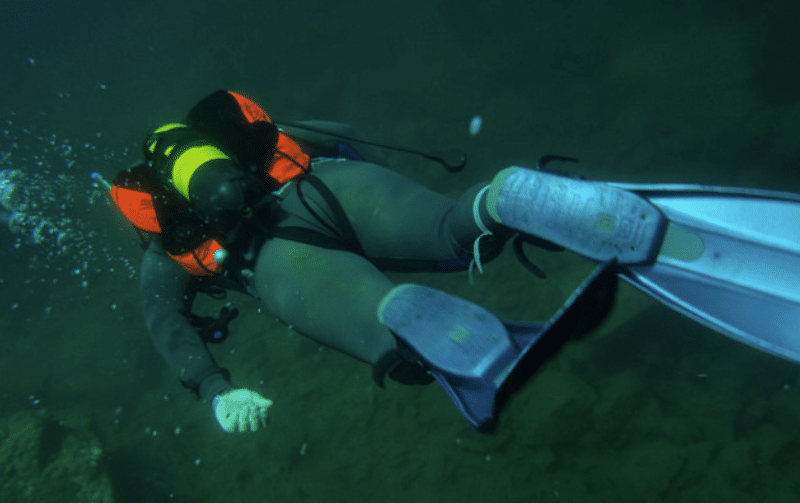
A scuba diver wearing a yellow and orange buoyancy aid, wetsuit, and fins swims underwater, surrounded by dark green water and some bubbles.

Integrating Lessons into Training

Near-miss data provides valuable material for training. Real-world scenarios improve understanding and reinforce the importance of procedures.

Training integration includes:

  • Scenario-based exercises reflecting actual events
  • Discussion of contributing factors and responses
  • Reinforcement of correct procedures

This ensures that lessons learned are applied across the organisation.

At N9BO℠, we use near-miss analysis to continuously refine training programmes.


Leadership and Safety Culture

Leadership plays a key role in promoting near-miss reporting and analysis. A culture that encourages reporting without blame increases participation.

Leaders must:

  • Reinforce the importance of reporting
  • Ensure that reports are reviewed and acted upon
  • Demonstrate transparency in addressing issues

A blame-focused culture discourages reporting and hides risk.

At N9BO℠, we promote a learning-focused environment where near-misses are valued.


Operational Mindset

Near-misses are not insignificant—they are indicators of system performance under stress. They provide an opportunity to identify and correct weaknesses before they result in incidents.

Effective organisations use near-miss data to improve procedures, training, and equipment management.

At N9BO℠, we treat near-misses as a critical component of safety management. They allow us to act before risk becomes consequence.

In professional operations, safety is not maintained by avoiding incidents alone, but by learning from what almost happened.

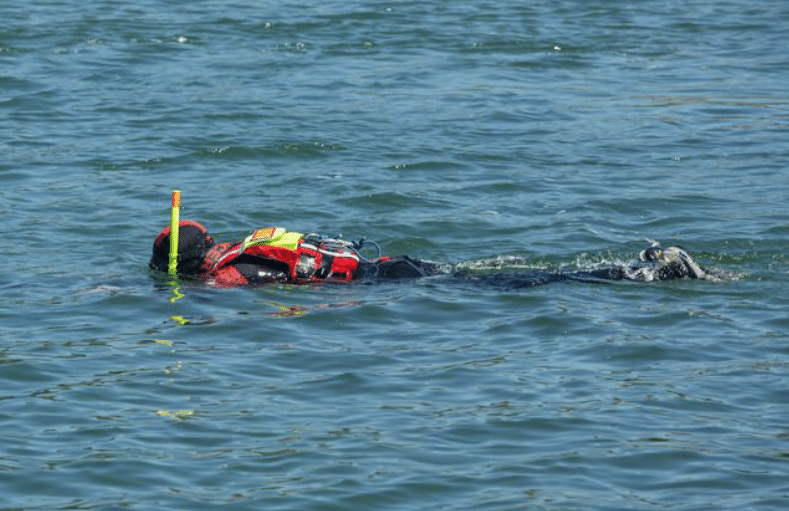
A diver in a red wetsuit and snorkel gear swims on the surface of blue water, carrying equipment on their back.


Learn Before It Becomes an Incident


Contact N9BO℠ to integrate near-miss reporting and analysis into your dive operations, ensuring proactive risk management and continuous improvement.


From the N9BO℠ Knowledge Base


Share this

Incident Reporting in Diving: Why Transparency Improves Safety

Understanding the Purpose of Incident Reporting

Incident reporting is not about assigning blame. Its primary function is to capture information that can be used to improve safety and operational procedures.

An “incident” includes:

  • Accidents resulting in injury or damage
  • Near-misses where an event could have escalated
  • Deviations from standard procedures

Each of these provides data. Without reporting, this data is lost.

At N9BO℠, we treat incident reporting as a system for learning, not a mechanism for fault-finding.


The Cost of Underreporting

One of the most significant challenges in diving operations is underreporting. Incidents may go unreported due to:

  • Fear of blame or disciplinary action
  • Perception that the event was minor
  • Lack of structured reporting procedures

This creates a false perception of safety. Risks remain unaddressed because they are not visible within the system.

Underreporting leads to:

  • Repetition of the same errors
  • Lack of awareness of emerging patterns
  • Reduced ability to implement corrective measures

At N9BO℠, we emphasise that unreported incidents represent missed opportunities for improvement.


From Individual Events to System Patterns

Single incidents may appear isolated, but when reported and analysed collectively, they reveal patterns.

These patterns may indicate:

  • Procedural weaknesses
  • Equipment issues
  • Training gaps
  • Human factors such as fatigue or communication breakdown

Identifying patterns allows organisations to address root causes rather than symptoms.

Without reporting, these patterns remain hidden.

At N9BO℠, we use incident data to inform operational decisions and training priorities.

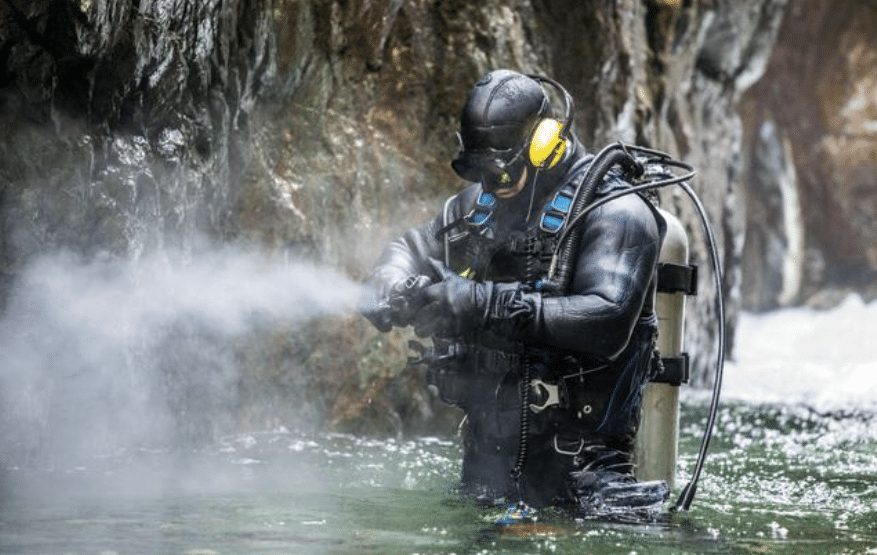
A diver wearing a wetsuit, helmet, and yellow headphones uses a high-pressure water hose whilst standing in a rocky, shallow water area. Mist and water spray surround the diver.

Near-Misses as Critical Data

Near-misses are often overlooked because they do not result in immediate consequences. However, they are one of the most valuable sources of safety information.

A near-miss indicates:

  • A failure in the system that did not result in harm
  • Conditions that could lead to future incidents

Examples include:

  • Gas mismanagement corrected before depletion
  • Equipment failure identified before use
  • Communication breakdown resolved before escalation

These events highlight vulnerabilities.

At N9BO℠, we treat near-misses with the same importance as incidents, recognising their value in prevention.


Structured Reporting Processes

Effective incident reporting requires structure. Informal or inconsistent reporting reduces reliability and usability of data.

A structured system includes:

  • Clear definitions of what must be reported
  • Standardised reporting formats
  • Timely submission of reports

Reports should capture:

  • What happened
  • Where and when it occurred
  • Contributing factors
  • Immediate actions taken

Consistency ensures that data can be analysed effectively.

At N9BO℠, we integrate reporting into operational procedures to ensure compliance and consistency.


Analysis and Corrective Action

Reporting alone is not sufficient. Data must be analysed and translated into action.

Analysis focuses on:

  • Identifying root causes
  • Recognising recurring issues
  • Evaluating effectiveness of existing controls

Corrective actions may include:

  • Updating procedures
  • Adjusting training programmes
  • Modifying equipment or systems

Without analysis, reporting becomes administrative rather than operational.

At N9BO℠, we ensure that reporting leads to measurable improvement.

A scuba diver in a black wetsuit and mask floats on the surface of a body of water, surrounded by greenery and reeds along the shore in the background.

Building a Culture of Transparency

Transparency depends on organisational culture. Personnel must feel able to report incidents without fear of blame or negative consequences.

This requires:

  • Clear communication of reporting objectives
  • Separation of reporting from disciplinary processes
  • Leadership support for transparency

A blame-focused culture discourages reporting. A learning-focused culture encourages it.

At N9BO℠, we promote a culture where reporting is viewed as a contribution to safety, not a personal risk.


Role of Leadership and Supervision

Leaders and supervisors play a critical role in reinforcing reporting practices.

Their responsibilities include:

  • Encouraging reporting at all levels
  • Ensuring reports are reviewed and acted upon
  • Demonstrating transparency in their own actions

Leadership behaviour sets the standard. If reporting is ignored or discouraged, participation declines.

At N9BO℠, we integrate reporting into leadership responsibilities.


Integration with Training and Operations

Incident reporting must be linked to training and operational procedures. Lessons learned should be incorporated into:

  • Training scenarios and case studies
  • Updates to standard operating procedures
  • Continuous improvement programmes

This ensures that reporting has a direct impact on performance.

At N9BO℠, we use incident data to refine both training and operational systems.


Operational Mindset

Incident reporting is a tool for control. It transforms individual events into actionable information, allowing organisations to reduce risk and improve performance.

Without transparency, systems operate on incomplete information. Risks remain hidden, and improvement is limited.

At N9BO℠, we treat reporting as an integral part of safety management. It is not optional—it is required for continuous improvement.

In professional diving, safety is not defined by the absence of incidents, but by the ability to learn from them.

Four rescue workers, three on rocky shore and one in the water wearing a neon wetsuit, coordinate a search operation with ropes by a body of water. Two wear vests labelled DIVE RESCUE.


Turn Incidents into Improvements


Contact N9BO℠ to integrate structured incident reporting and safety management into your dive operations, ensuring continuous improvement and reduced operational risk.


From the N9BO℠ Knowledge Base


Share this

Programme Management Workshops for Dive Centres: Structured Leadership for Managers & Base Leaders

Why Programme Management Matters in Diving

Many dive operations operate reactively:

  • Adjusting schedules last minute.
  • Managing staff informally.
  • Overlooking documentation gaps.
  • Relying on memory instead of process.
  • Responding to incidents instead of preventing them.

Programme management introduces:

Structure.

Predictability.

Risk reduction.

Operational clarity.

A well-managed programme protects:

Safety.

Reputation.

Revenue.


The Role of the Base Leader

The base leader or manager is responsible for:

  • Instructor allocation.
  • Standards compliance.
  • Equipment readiness.
  • Gas management.
  • Safety briefings.
  • Incident response.
  • Customer experience.
  • Financial oversight.

Without structured management tools:

The role becomes reactive and exhausting.

With systems:

Leadership becomes controlled and sustainable.


What Programme Management Workshops Cover

Workshops typically include:

  • Operational workflow design.
  • Risk mapping for daily dive schedules.
  • Instructor performance evaluation.
  • Asset lifecycle tracking.
  • Gas and cylinder management oversight.
  • Documentation control systems.
  • Incident reporting structure.
  • Staff communication protocols.

The focus is not theory.

It is operational practicality.


From Chaos to Structure

Common issues in dive centres include:

Overlapping bookings.

Instructor overload.

Under-maintained equipment.

Incomplete paperwork.

Unclear responsibility chains.

Delayed emergency responses.

Programme management workshops teach:

Clear role assignment.

Decision-making hierarchy.

Workflow standardisation.

Daily risk briefings.

Post-operation debrief structure.

Order reduces stress.

Two people in wetsuits prepare scuba gear at an outdoor dive centre by the beach. A tiled structure with an open terrace is in the background, and rocky shorelines lead to the sea under a bright, blue sky.

Safety Through Systems

Incidents often arise not from:

Major mistakes.

But from:

Small system failures.

Examples include:

Cylinder inspection oversight.

Incomplete medical form review.

Unclear gas analysis documentation.

Missed maintenance schedule.

Miscommunication between instructors.

Programme management integrates:

Preventative structure.

Systems reduce human error probability.


Financial Stability Through Planning

Programme management addresses:

Course pricing strategy.

Seasonal staffing balance.

Equipment investment timing.

Marketing alignment.

Cash flow forecasting.

Many dive centres struggle financially because:

Operational planning is weak.

Strong programme management supports:

Sustainable profitability.


Staff Performance and Accountability

Workshops include:

Instructor evaluation frameworks.

Feedback systems.

Standards compliance audits.

Professional development pathways.

Conflict resolution strategy.

Clear accountability:

Protects morale.

Unclear expectations create:

Operational friction.


Communication Protocols

Daily operations depend on:

Clear communication.

Workshops emphasise:

Morning operational briefings.

Clear written dive plans.

Emergency contact clarity.

Surface support coordination.

Structured handover between shifts.

Miscommunication is a leading risk multiplier.

Structure reduces ambiguity.


Risk Management and Emergency Preparedness

Programme management includes:

Emergency action plan testing.

Role assignment in crisis.

Evacuation protocols.

Medical incident documentation.

Post-incident review.

Leaders must:

Model calm decision-making.

Preparedness builds confidence.

Several mannequins wearing scuba diving gear, including wetsuits, masks, and cylinders, are displayed in front of racks filled with more diving equipment inside a brightly lit shop with yellow walls.

Asset and Equipment Oversight

Dive operations rely on:

Compressors.

Cylinders.

Regulators.

BCD systems.

Boats.

DPVs.

Rebreathers.

Oxygen kits.

Workshops introduce:

Maintenance tracking systems.

Inspection calendars.

Responsibility assignment.

Usage monitoring.

Asset neglect creates:

Operational vulnerability.


Operational Discipline at N9BO℠

At N9BO℠, programme management workshops are delivered with:

Real-world scenarios.

Operational case studies.

Structured planning tools.

Leadership mindset development.

Risk assessment exercises.

We emphasise:

Professional restraint.

System-based thinking.

Standards alignment.

Long-term sustainability.

Leadership is behaviour.

Structure protects behaviour.


Who Should Attend

Ideal participants include:

  • Dive centre managers.
  • Resort operations managers.
  • Base leaders.
  • Senior instructors transitioning to management.
  • Technical programme coordinators.

Programme management benefits:

Both small centres and multi-site operations.


Long-Term Impact

Structured programme management results in:

Lower incident rates.

Higher staff retention.

Improved customer satisfaction.

Stronger financial control.

Better reputation.

Reduced stress for leadership.

Chaos drains energy.

Systems conserve it.


Final Perspective

Dive centre success is not built on:

Daily improvisation.

It is built on:

Clear structure.

Risk awareness.

Financial discipline.

Professional accountability.

Programme management workshops provide:

The tools.

Leadership determines the application.

Strong leaders build safe operations.

Safe operations build sustainable businesses.

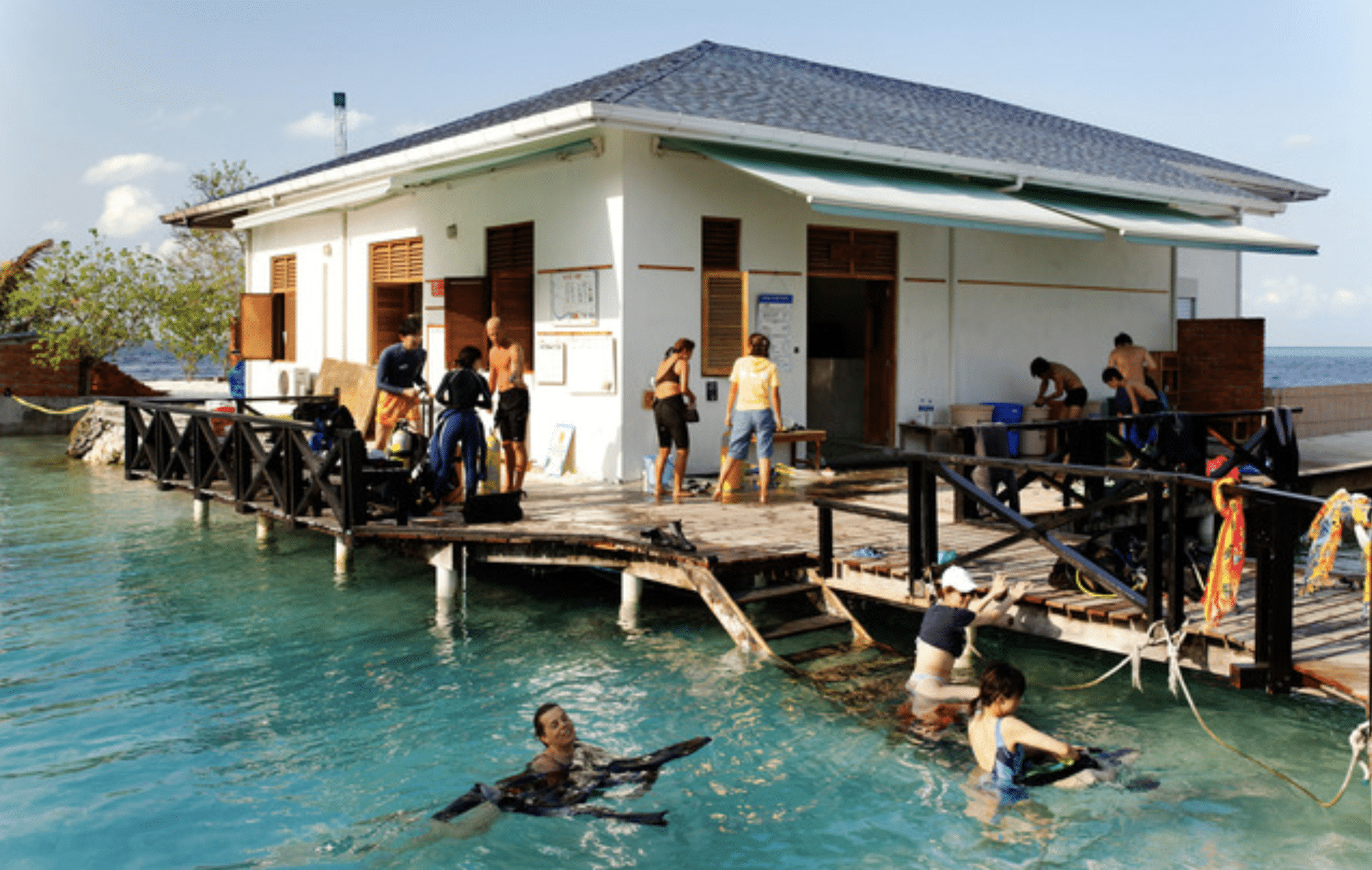
People prepare for scuba diving at a waterside building with wooden walkways extending over clear blue water. Some are in wetsuits on the deck, while others are swimming or adjusting gear in the water.


Strengthen Your Dive Centre Leadership Structure


Contact N9BO℠ to organise a programme management workshop for managers and base leaders focused on operational control and sustainable growth.


From the N9BO℠ Knowledge Base


Share this

Consulting for Dive Centres & Resorts: Structured Business Development Beyond Certification Volume

Why Dive Businesses Struggle

Dive centres and resorts often fail due to:

Seasonal cash flow instability.

Over-reliance on walk-in customers.

Underpriced training.

Inconsistent standards enforcement.

High staff turnover.

Weak asset management.

Poor marketing differentiation.

Passion for diving does not automatically translate into:

Operational resilience.

Business structure determines longevity.


What Business Development Consulting Actually Means

Consulting is not:

Generic advice.

It is:

Structured evaluation.

Operational diagnosis.

Market positioning analysis.

Financial planning refinement.

Risk mitigation alignment.

Long-term strategy development.

Effective consulting identifies:

Where systems break down.

And replaces improvisation with process.


Operational Audit and Structure Review

Professional consulting begins with:

Full operational assessment.

This includes:

Course structure.

Standards compliance.

Instructor performance.

Equipment maintenance systems.

Cylinder management.

Gas blending protocols.

Emergency planning.

Documentation flow.

Weak systems create:

Liability and inefficiency.

Clarity builds control.


Financial Sustainability and Pricing Strategy

Many dive centres underprice training.

Discount-driven growth:

Erodes margin.

Increases workload.

Reduces reinvestment capacity.

Weakens staff retention.

Consulting addresses:

Cost analysis.

Margin planning.

Instructor compensation models.

Inventory management.

Investment strategy.

Sustainable pricing supports:

Safety culture.


Marketing and Positioning Strategy

Competing only on price:

Creates fragility.

Professional positioning requires:

Clear identity.

Defined target market.

Technical specialisation visibility.

Professional differentiation.

Content authority.

Structured digital presence.

Effective marketing aligns with:

Operational capability.

Not inflated promise.

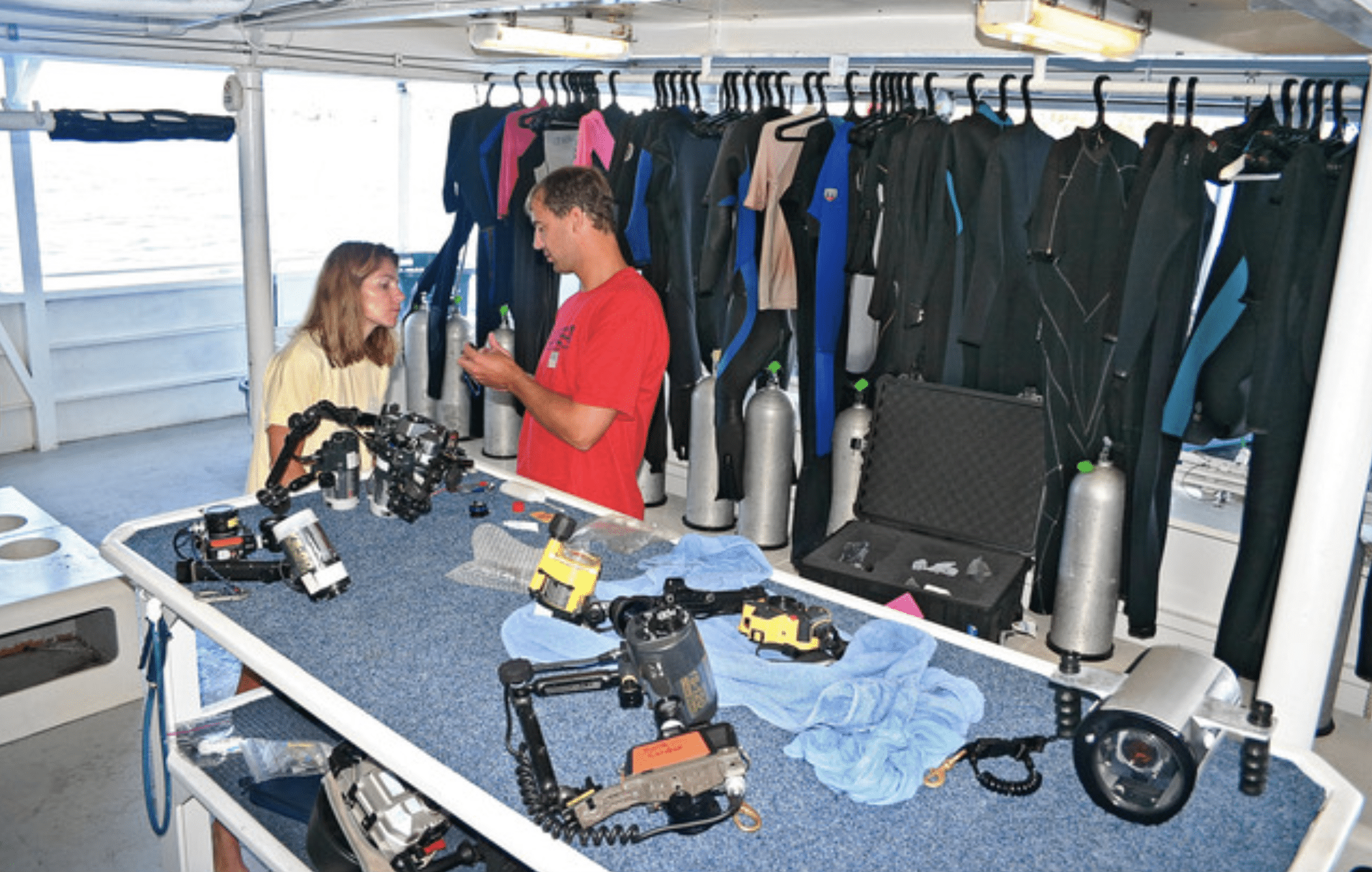
Two people talk on a dive boat’s equipment table, surrounded by scuba cylinders, wetsuits, underwater cameras, and diving gear, with the sea visible outside.

Instructor Development Pathways

High-performing centres invest in:

Instructor mentorship.

Internal development pathways.

Specialty diversification.

Technical progression integration.

Retention strategies.

Consulting supports:

Structured career mapping.

Performance review systems.

Standards alignment.

Professional growth models.

Strong instructors build strong brands.


Risk Management and Compliance

Dive operations must address:

Insurance coverage.

Local regulation.

Environmental compliance.

Emergency procedures.

Documentation retention.

Asset inspection cycles.

Consulting ensures:

Compliance is embedded.

Not reactive.

Risk management protects:

Brand longevity.


Asset and Equipment Management

Cylinder inspection.

Compressor maintenance.

Gas blending procedures.

Lift bag oversight.

Rebreather servicing protocols.

Asset neglect increases:

Incident probability.

Professional structure extends:

Equipment lifespan.

Operational safety.


Customer Experience and Retention

Customer satisfaction depends on:

Professional briefing quality.

Clear scheduling.

Equipment reliability.

Instructor consistency.

Post-course engagement.

Consulting helps refine:

Customer journey mapping.

Upsell strategy.

Retention campaigns.

Alumni community development.

Retention outperforms constant acquisition.

A group of people stand at a counter inside a shop with wetsuits hanging on rails behind the glass display case. A fan is mounted near the wetsuits and the walls are decorated with colourful ocean-themed murals.

Technical and Professional Expansion

Centres often plateau at:

Entry-level recreational training.

Business development may include:

Technical course integration.

Professional training pathways.

Corporate training programmes.

Public safety diving expansion.

Environmental research partnerships.

Diversification increases:

Revenue resilience.


Crisis and Reputation Management

Every dive centre will face:

Weather disruption.

Equipment failure.

Medical incidents.

Staff conflict.

Online criticism.

Consulting prepares:

Crisis response protocols.

Communication guidelines.

Reputation protection strategy.

Documentation integrity systems.

Prepared centres respond calmly.

Unprepared centres react emotionally.


Leadership and Culture

Business development is not only systems.

It is culture.

Leadership must demonstrate:

Standards adherence.

Fair policy enforcement.

Measured communication.

Professional discipline.

Staff mirror leadership behaviour.

Culture shapes reputation.


Operational Philosophy at N9BO℠

At N9BO℠, consulting for dive centres and resorts focuses on:

Structure over improvisation.

Safety over volume.

Long-term sustainability over short-term profit.

Professional identity over trend chasing.

We approach business development as:

Risk management.

Standards alignment.

Strategic growth.

Because reputation compounds.


The Goal of Professional Consulting

The objective is not:

Rapid expansion.

It is:

Controlled, sustainable growth.

A well-structured dive centre:

Operates efficiently.

Protects staff.

Attracts serious clients.

Maintains standards.

Builds brand authority.

Structure creates stability.


Final Perspective

Dive centres and resorts succeed long term when:

Business discipline supports diving passion.

Consulting provides:

Clarity.

Structure.

Alignment.

Strategic direction.

In an industry built on safety,

Business stability is not optional.

It is foundational.

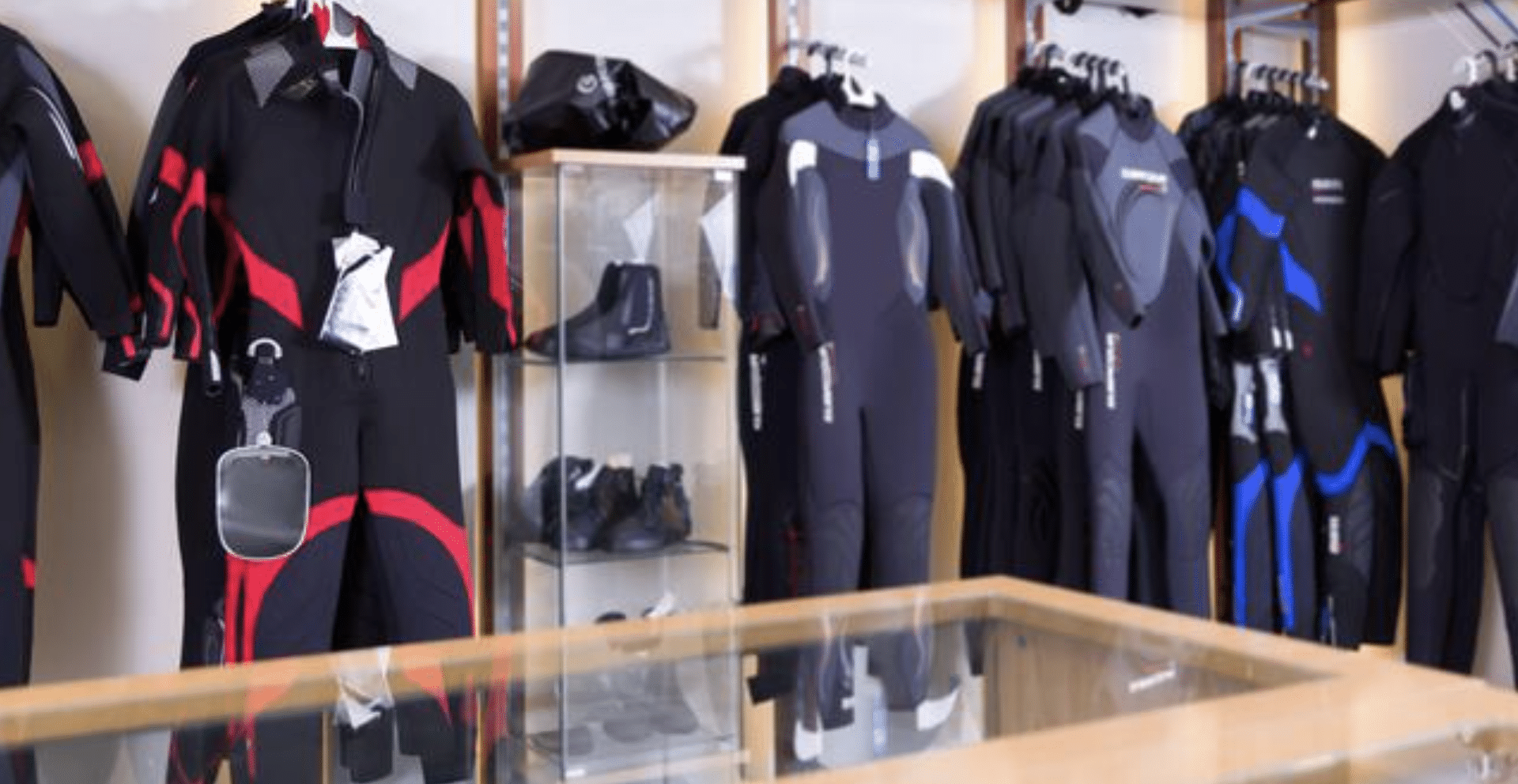
Several wetsuits in black with red, blue, and grey accents hang on rails in a shop. A glass display case shows water shoes and accessories, and wetsuits are also arranged behind the case.


Ready to Strengthen Your Dive Business Structure?


Contact N9BO℠ to discuss structured consulting for dive centres and resorts focused on sustainable growth and operational excellence.


From the N9BO℠ Knowledge Base


Share this

Submarine Safety Inspections: Precision, Protocol, and Zero-Margin Tolerance

Why Submarine Inspections Are Unique

Unlike surface vessels, submarines operate under:

  • High external pressure.
  • Structural compression loads.
  • Sealed hull integrity dependence.
  • Life-support system isolation.

At operational depth, the hull experiences:

  • Massive hydrostatic forces.
  • Even minor structural defects may:
  • Compromise integrity.
  • Accelerate corrosion.
  • Affect seal performance.
  • Reduce operational lifespan.
  • Inspection must therefore be:
  • Systematic.
  • Repeatable.
  • Technically informed.

Scope of Submarine Safety Inspections

Submarine inspections typically include:

  • Hull surface condition assessment.
  • Weld seam evaluation.
  • External fittings and attachments.
  • Sonar dome inspection.
  • Propulsion system evaluation.
  • Rudder and control surface inspection.
  • Sea chest and intake structures.
  • External sensor mounts.
  • Emergency escape hatch integrity.

Each component supports:

Pressure survival.

Oversight introduces unacceptable risk.


Hull Integrity and Pressure Awareness

Submarine hulls are engineered for:

  • Specific depth ratings.
  • Inspection divers must understand:
  • Pressure cycling effects.
  • Metal fatigue indicators.
  • Anode consumption patterns.
  • Protective coating breakdown.
  • Surface scratches may be cosmetic.
  • Deformation near weld seams is not.
  • Professional awareness distinguishes between:
  • Superficial wear.
  • Structural concern.

Welds and Seams: High-Risk Zones

Welds endure:

  • Stress concentration.
  • Pressure transition.
  • Corrosion acceleration.
  • Inspection includes:
  • Visual clarity.
  • Lighting precision.
  • Camera documentation.
  • Measurement referencing.
  • Comparative analysis with prior reports.
  • Weld defects can propagate rapidly under cyclic stress.
  • Documentation supports engineering review.

Propulsion and Steering Systems

Submarine propulsion components include:

  • Propellers.
  • Drive shafts.
  • Seals.
  • Hydraulic systems.
  • Rudder linkages.
  • Inspection identifies:
  • Impact damage.
  • Cavitation erosion.
  • Seal deterioration.
  • Debris entanglement.
  • Improperly inspected propulsion components may lead to:
  • Loss of manoeuvrability.
  • Seal failure.
  • Operational downtime.
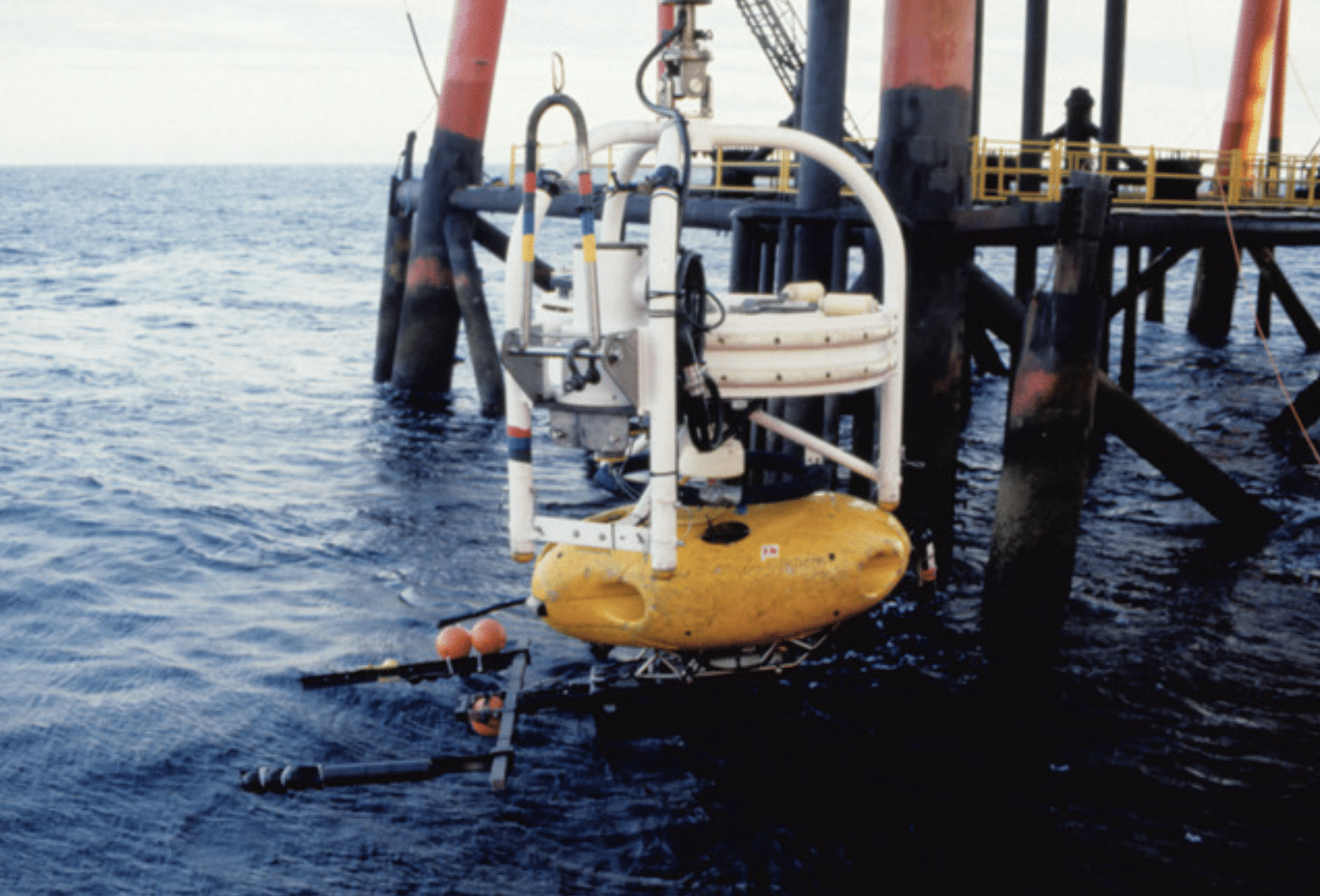
A yellow underwater remotely operated vehicle (ROV) is being lowered into the sea near a large structure with red and black support pillars. The water is calm and the structure appears industrial.

Life Support and Intake Structures

Sea chests and intake points require:

  • Clearance from obstruction.
  • Integrity of protective grilles.
  • Corrosion-free structural anchoring.
  • Any blockage may:
  • Affect cooling systems.
  • Impair environmental control.
  • Disrupt life-support performance.
  • Inspection protects both:
  • Mechanical function.
  • Crew survival.

Environmental and Operational Context

Submarine inspections often occur:

  • In ports.
  • Naval facilities.
  • Restricted security zones.
  • Limited visibility conditions.
  • Divers must operate within:
  • Strict access control.
  • Documentation confidentiality.
  • Surface coordination oversight.
  • Professional conduct extends beyond water.

Security compliance is de rigueur.


Documentation and Engineering Integration

Inspection divers must provide:

  • High-resolution imagery.
  • Measurement references.
  • Condition classification.
  • Detailed reporting.
  • Deviation notes.
  • Engineers depend on:
  • Accurate underwater documentation.
  • Inspection is not complete without:
  • Usable reporting.

Diver Configuration and Risk Management

Submarine inspection divers require:

  • Stable buoyancy.
  • Precise trim.
  • High-intensity lighting.
  • Reliable communication.
  • Surface support monitoring.
  • Entanglement hazards include:
  • Mooring lines.
  • Hull protrusions.
  • Hydraulic hoses.
  • Sensor mounts.

Operational restraint prevents accidental damage.

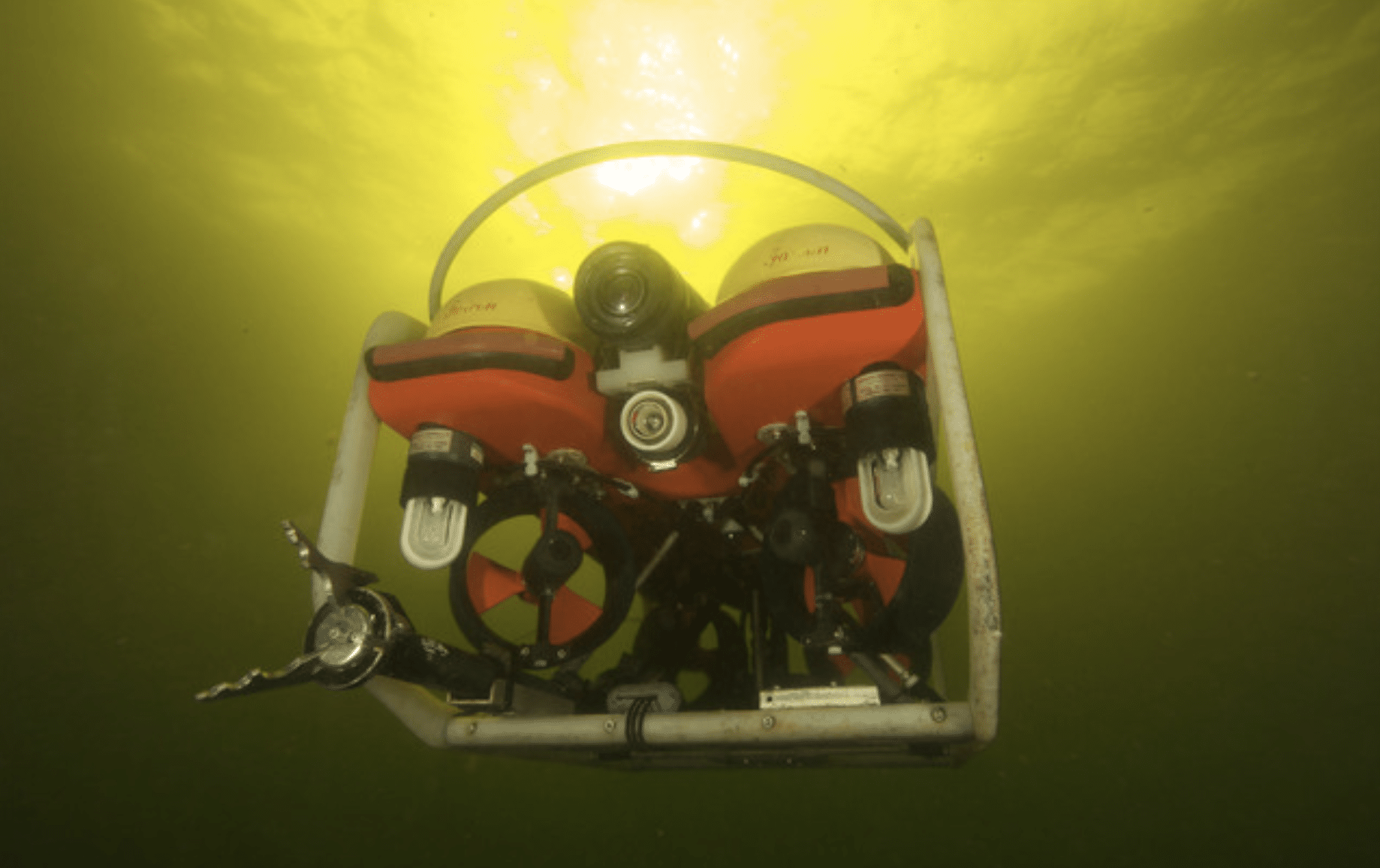
A remotely operated underwater vehicle (ROV) with red flotation devices is submerged underwater, illuminated by bright yellow-green light filtering down from the surface above.

Pressure and Psychological Discipline

Submarine inspection environments demand:

  • Slow movement.
  • Deliberate positioning.
  • Methodical scanning.
  • Careful contact avoidance.
  • Overconfidence increases:
  • Equipment contact risk.
  • Missed detail.
  • Structural impact potential.
  • Professional divers operate with:
  • Controlled pace.

Repeatability and Long-Term Monitoring

Submarine inspections are:

  • Periodic.
  • Data comparison over time reveals:
  • Corrosion progression.
  • Coating degradation.
  • Impact damage patterns.
  • Anode consumption rates.
  • Consistency of inspection methodology ensures:
  • Valid trend analysis.
  • Improvised inspections distort data.

Legal and Strategic Implications

Submarine assets may represent:

  • National defence infrastructure.
  • Research capability.
  • Industrial investment.
  • Inspection errors may lead to:
  • Operational compromise.
  • Financial loss.
  • Strategic vulnerability.
  • Professional inspection protects:
  • Asset integrity and mission readiness.

Operational Philosophy at N9BO℠

At N9BO℠, inspection training emphasises:

  • Engineering awareness.
  • Procedural discipline.
  • Documentation precision.
  • Surface coordination.
  • Risk mitigation through structure.
  • Submarine inspection is approached as:
  • Technical responsibility.
  • Not routine diving.

Zero-Margin Mindset

Unlike recreational environments:

Submarine inspections tolerate no shortcuts.

Every anomaly must be:

Documented.

Reported.

Verified.

Professional divers assume:

Inspection findings matter.

Because they do.


Final Perspective

Submarine safety inspections demand:

  • Precision.
  • Discipline.
  • Engineering literacy.
  • Controlled execution.
  • The diver becomes:
  • The eyes of structural integrity.

Where failure margin is zero, professionalism must be absolute.

Two people in yellow high-visibility jackets help a diver prepare near the edge of a body of water, with safety equipment and railing visible in the foreground.


Require Structured Submarine or Submersible Inspection Support?


Contact N9BO℠ to discuss professional inspection training, operational coordination, and safety-focused underwater assessment.


From the N9BO℠ Knowledge Base


Share this

Subsea Surveys: Precision, Documentation, and Operational Discipline Underwater

What Is a Subsea Survey?

A subsea survey is a planned underwater inspection designed to:

  • Assess structural condition.
  • Map underwater terrain.
  • Document damage.
  • Identify hazards.
  • Support engineering decisions.
  • Monitor environmental change.

Subsea surveys may involve:

  • Offshore platforms.
  • Pipelines.
  • Mooring systems.
  • Hull inspections.
  • Harbour infrastructure.
  • Marine construction sites.
  • Environmental research zones.

The objective is not simply to observe.

It is to produce usable data.


Survey Diving vs Recreational Diving

Recreational diving focuses on:

Experience.

Exploration.

Enjoyment.

Subsea survey diving focuses on:

Accuracy.

Repeatability.

Documentation.

Operational clarity.

A professional survey diver must:

Maintain buoyancy.

Control position.

Stabilise imaging equipment.

Measure accurately.

Log findings clearly.

Every observation must be:

Traceable and defensible.


Types of Subsea Surveys

Subsea surveys vary depending on objective.

Structural Surveys

Used for:

  • Offshore platform inspection.
  • Jetty assessment.
  • Piling integrity checks.
  • Corrosion evaluation.
  • Structural damage documentation.

Pipeline and Cable Surveys

Focus on:

  • Burial depth.
  • Exposure risk.
  • Structural compromise.
  • Marine growth impact.
  • Movement or displacement.

Hull and Vessel Inspections

Include:

  • Biofouling assessment.
  • Propeller condition.
  • Anode integrity.
  • Damage evaluation.
  • Security sweeps.

Environmental Surveys

Document:

  • Coral health.
  • Sediment movement.
  • Marine habitat changes.
  • Pollution impact.

Each survey type requires:

Different tools.

Different documentation standards.

Different risk profiles.


Measurement and Documentation Standards

Subsea surveys often require:

Photographic evidence.

Video recording.

Scaled measurement references.

Written reporting.

Surface verification.

Professional survey divers use:

  • Measuring tapes.
  • Underwater slates.
  • Laser scaling devices.
  • Compass bearings.
  • GNSS surface referencing.
  • Structured reporting templates.

Subjective observation is insufficient.

Documentation must support engineering review.

A scuba diver underwater holds a clipboard whilst surveying the seabed, surrounded by clear blue water and patches of algae-covered rocks.

Buoyancy and Stability Are Foundational

Accurate survey work depends on:

Stable trim.

Minimal movement.

Precise positioning.

Poor buoyancy causes:

Blurry footage.

Incorrect measurements.

Environmental disturbance.

Misinterpretation of findings.

Survey divers train to:

Work neutrally.

Control fin movement.

Maintain camera stability.

Avoid contact.

Precision begins with body control.


Communication and Surface Integration

Many subsea surveys require:

Real-time reporting.

Surface coordination.

Engineering input.

Supervisor oversight.

Communication may involve:

Full-face mask systems.

Tethered communications.

Hand signals.

Pre-planned reporting sequences.

Surface personnel rely on:

Clear underwater updates.

Confusion delays operations.


Environmental and Safety Considerations

Survey diving frequently occurs in:

Low visibility.

Currents.

Confined areas.

Industrial environments.

Working ports.

Active marine zones.

Risks include:

Entanglement.

Marine traffic.

Equipment interference.

Reduced situational awareness.

Survey divers must:

Prioritise personal safety while gathering data.

No data point is worth an unsafe action.


Legal and Engineering Implications

Subsea survey reports may influence:

Insurance claims.

Legal proceedings.

Engineering repairs.

Structural modifications.

Environmental mitigation plans.

Inaccurate documentation may result in:

Costly mistakes.

Misguided repairs.

Legal exposure.

Professional discipline protects:

Client and diver.

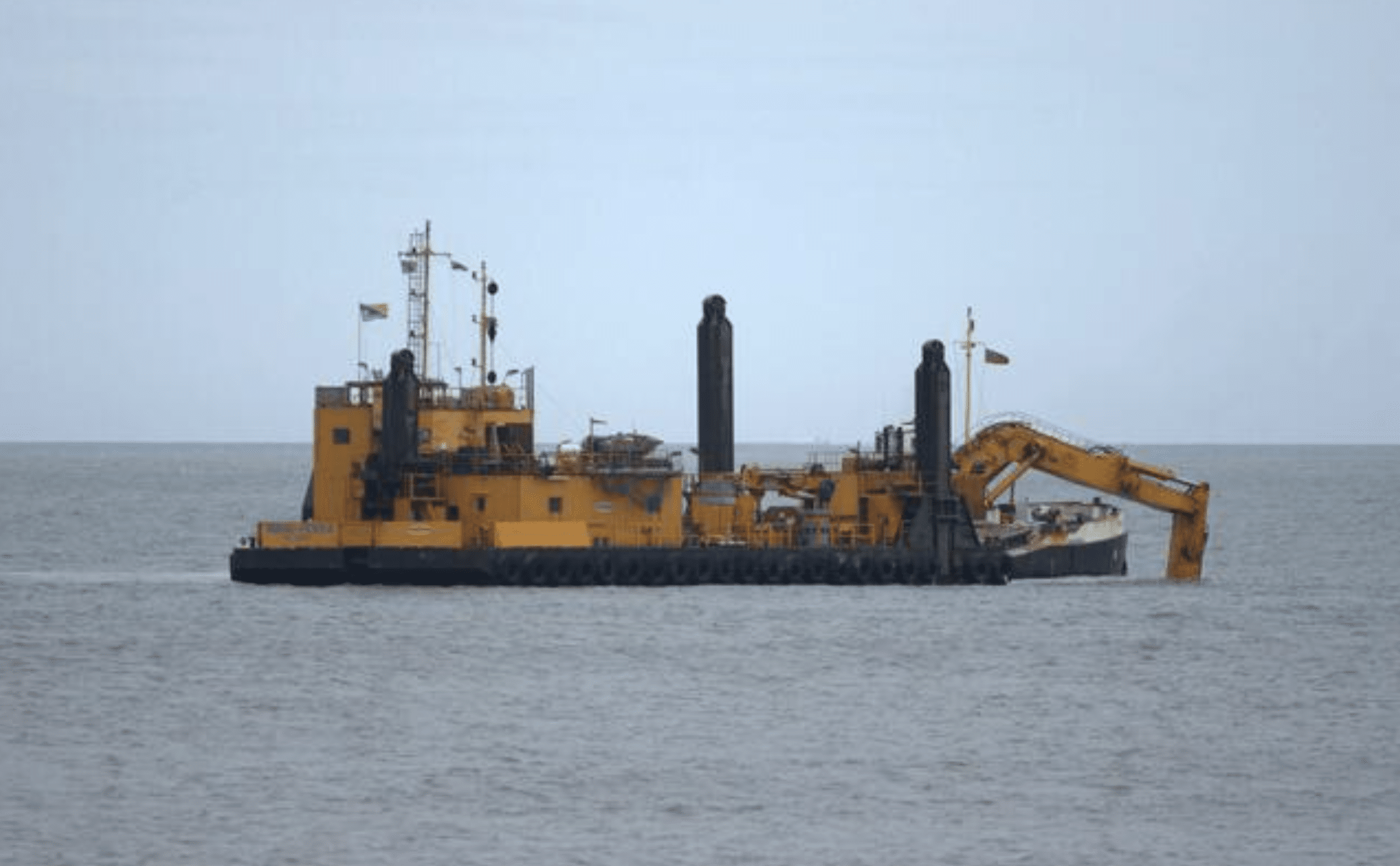
A large yellow dredging vessel with machinery and cranes is floating on calm grey water under an overcast sky.

Technological Integration

Modern surveys may integrate:

ROVs (Remotely Operated Vehicles).

Sonar mapping.

Digital modelling.

3D reconstruction software.

GNSS surface referencing.

Divers may operate alongside:

Engineering teams.

Marine surveyors.

Security personnel.

Environmental scientists.

Collaboration requires:

Clear procedural alignment.


Repeatability and Benchmarking

Subsea surveys often require:

Periodic re-inspection.

Repeatability demands:

Consistent measurement technique.

Identical reference points.

Structured photo angles.

Standardised reporting.

Benchmark comparison depends on:

Methodological consistency.

Improvisation undermines longitudinal analysis.


Survey Diver Skillset

A competent subsea survey diver must demonstrate:

  • Excellent buoyancy control.
  • Clear underwater communication.
  • Measurement accuracy.
  • Calm decision-making.
  • Equipment management discipline.
  • Report-writing competence.

Survey diving blends:

Technical diving skills with operational professionalism.


Operational Discipline at N9BO℠

At N9BO℠, subsea survey training emphasises:

Precision.

Documentation accuracy.

Environmental awareness.

Risk management.

Professional reporting.

We treat surveys as:

Structured operational tasks.

Not observational dives.

Because decisions above water depend on:

Accuracy below water.


The Human Factor

Survey work can become repetitive.

Fatigue reduces accuracy.

Overconfidence reduces detail awareness.

Professional survey divers:

Slow down.

Double-check measurements.

Verify documentation.

Maintain situational awareness.

Attention to detail is a safety discipline.


Final Perspective

Subsea surveys combine:

Engineering.

Diving discipline.

Documentation clarity.

Environmental awareness.

Team coordination.

They require:

Structured preparation.

Controlled execution.

Accurate reporting.

Professional survey diving is not dramatic.

It is deliberate.

And deliberate operations prevent costly errors.

A scuba diver in a wetsuit and fins uses measuring equipment to survey coral reefs underwater, surrounded by various types of marine life and corals.


Planning a Subsea Survey or Inspection Operation?


Contact N9BO℠ to discuss structured subsea survey training and professional operational support.


From the N9BO℠ Knowledge Base


Share this

Diving Medical Insurance: Why Daily Exposure Demands Serious Coverage

Recreational vs Professional Exposure

A recreational diver may:

  • Dive a few weekends per year.
  • Take one annual dive trip.
  • Log 20–40 dives annually.

A dive professional may:

  • Conduct multiple dives per day.
  • Dive 5–6 days per week.
  • Accumulate 1,000+ dives per year.
  • Remain exposed for months without extended recovery breaks.

Exposure frequency changes the risk profile.

Repeated decompression stress accumulates.

Fatigue compounds.

Hydration fluctuates.

Thermal exposure increases.

Professional diving is occupational exposure.

It must be treated as such.


Hyperbaric Treatment Costs Are High

Recompression chamber treatments for:

  • Decompression sickness (DCS).
  • Arterial gas embolism (AGE).
  • Carbon monoxide exposure.
  • Severe lung barotrauma.

Can cost:

  • Several thousand USD per session.
  • More if multiple treatments are required.
  • Even more with evacuation logistics.

In remote regions:

  • Air evacuation.
  • Boat transfer.
  • Cross-border medical coordination.

Costs escalate rapidly.

Without insurance, financial burden becomes catastrophic.


Daily Diving and Physiological Stress

Even when dives remain within:

  • No-decompression limits.
  • Conservative profiles.
  • Proper hydration routines.

Professional divers experience:

  • Repeated microbubble exposure.
  • Thermal stress.
  • Musculoskeletal fatigue.
  • Immune suppression during heavy seasons.
  • Elevated CO₂ load from workload.

The body tolerates stress — until it does not.

Insurance does not prevent injury.

It protects stability when injury occurs.


Instructors and Dive Staff: Unique Risk Group

Dive professionals:

  • Teach beginners.
  • Supervise stressed students.
  • Carry extra equipment.
  • Manage task loading.
  • Often neglect personal rest.

They may:

  • Skip hydration.
  • Compress surface intervals.
  • Extend days beyond optimal recovery.

Over time, cumulative fatigue increases risk.

Insurance protects the individual and the organisation.

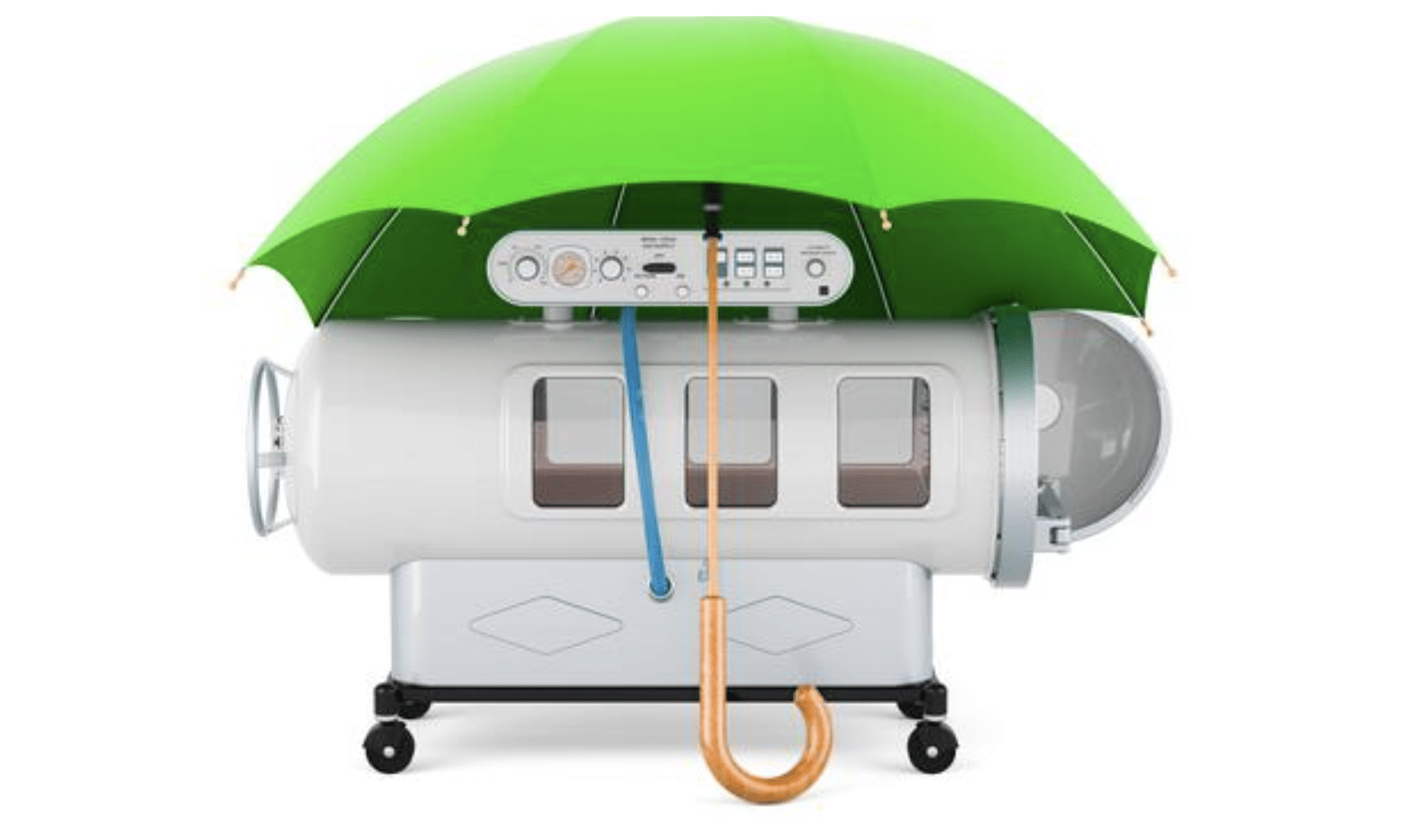
A hyperbaric oxygen chamber is sheltered under a large, open green umbrella, symbolising protection or safety. The background is white.

Chamber Availability Is Not Always Nearby

Many dive destinations:

  • Lack immediate chamber access.
  • Require inter-island transport.
  • Depend on military or private facilities.
  • Operate limited hours.

Evacuation may require:

  • Air ambulance.
  • Medical escort.
  • International transfer.

Without coverage:

Treatment may be delayed.

Delay worsens outcomes.


Financial Risk Beyond Treatment

Medical insurance for divers often includes:

  • Emergency evacuation.
  • Repatriation.
  • Lost equipment coverage.
  • Liability protection.
  • Travel interruption protection.

Dive professionals face:

  • Loss of income during recovery.
  • Replacement cost of damaged gear.
  • Legal liability exposure.

Insurance is operational continuity planning.

Not just medical care.


Insurance and Professional Responsibility

Dive centres have:

  • Duty of care to staff.
  • Ethical responsibility.
  • Operational liability considerations.

Employing instructors without:

Adequate diving insurance.

Creates systemic risk.

At N9BO℠, we emphasise that every instructor candidate and staff diver must maintain appropriate diving medical insurance. Daily exposure demands structured protection — not optimism.

A close-up of a person’s foot and ankle with two fresh, bleeding cuts on the outside of the ankle, against a blue background.

DAN and Specialist Dive Insurance

Organisations such as:

  • Divers Alert Network (DAN).
  • Other professional dive insurers.

Provide coverage designed specifically for:

  • Hyperbaric treatment.
  • Diving-related injury.
  • Travel evacuation.

Standard travel insurance often excludes:

Professional diving.

Policy details matter.

Not all coverage is equal.


Psychological Safety and Peace of Mind

Knowing you are covered:

  • Reduces anxiety.
  • Improves focus.
  • Allows better decision-making.
  • Encourages early reporting of symptoms.

Divers without coverage may:

  • Hide symptoms.
  • Delay treatment.
  • Minimise warning signs.

Delay increases severity.

Early intervention saves health.


Cumulative Risk and Long Careers

Dive professionals often aim for:

  • Long operational careers.
  • Thousands of dives.
  • Years of instruction.

Longevity requires:

  • Conservative planning.
  • Structured rest cycles.
  • Physical conditioning.
  • Medical coverage.

Insurance is part of professional longevity.

Not an afterthought.


Corporate and Operational Clients

For public safety, oil & gas, and offshore teams:

Medical insurance is often:

Mandatory.

Because:

Risk exposure is recognised.

Dive centres must apply the same professional logic.


Final Perspective

Diving is statistically safe.

But exposure multiplies risk.

Professional divers:

Enter pressure environments daily.

Recompression treatment is effective.

But expensive.

Insurance is not pessimism.

It is structured responsibility.

Dive professionals protect:

Students.

Teams.

Operations.

They must also protect themselves.

A woman lies in a hospital bed with her eyes closed, wearing an oxygen mask connected to tubing.


Are You Properly Covered for Professional Diving?


Daily exposure requires serious protection. Contact N9BO℠ to discuss recommended diving medical insurance options for professionals and instructor candidates.


From the N9BO℠ Knowledge Base

Share this
Facebook
Instagram
X (Twitter)
TikTok
Youtube
Whatsapp