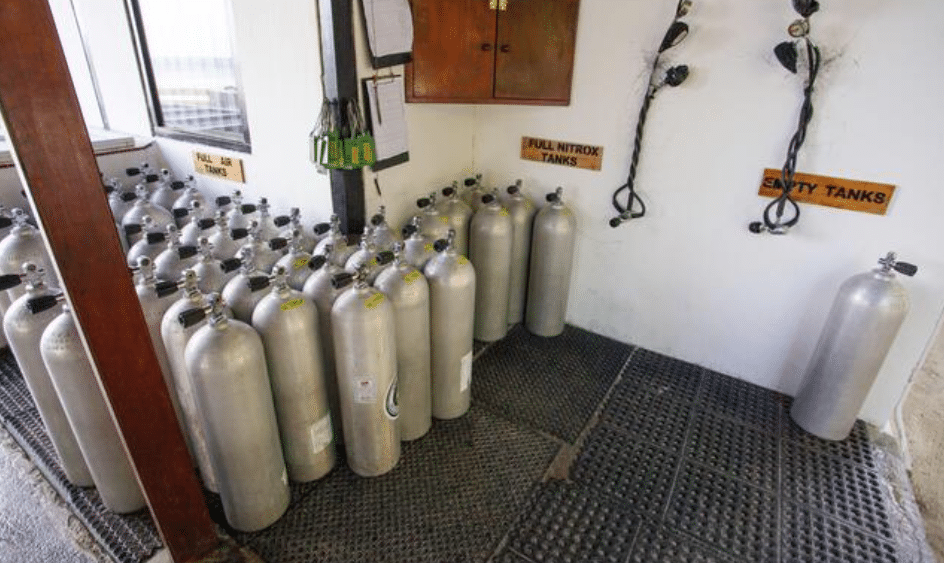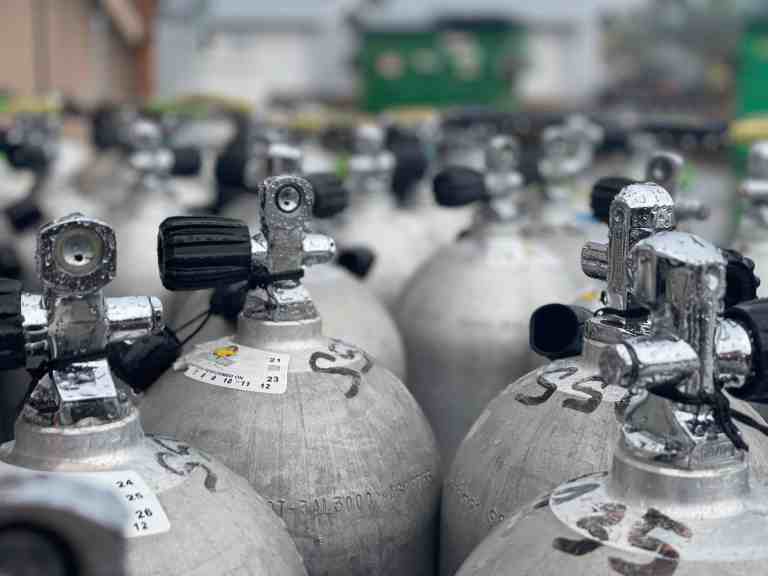
Cylinders Are Pressure Vessels — Not Consumables
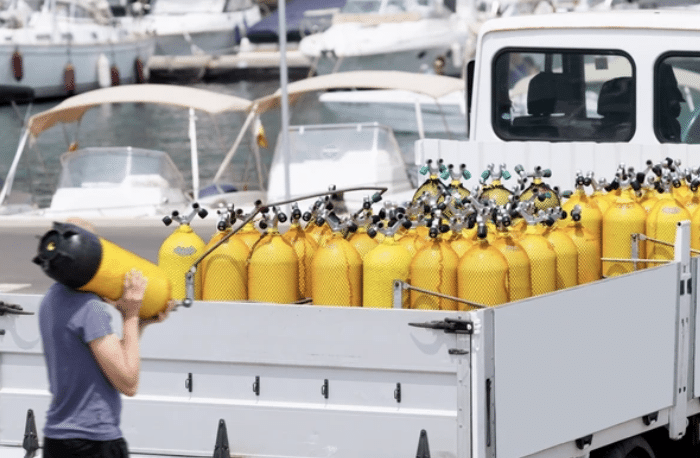
Every dive cylinder stores enormous potential energy.
Failures are rare—but when they occur, consequences are severe. Cylinder inspection is not about compliance; it is about risk elimination. Professional diving operations treat cylinder safety as non-negotiable infrastructure.
What VIP Actually Covers
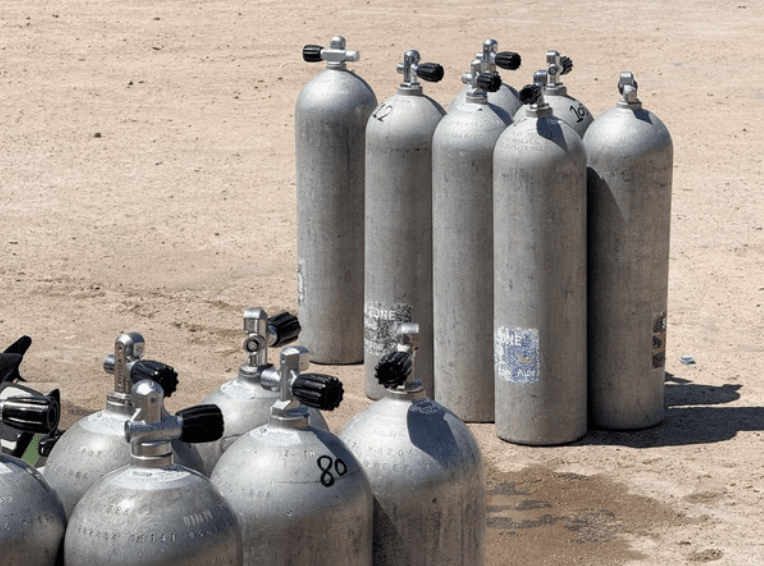
A proper Visual Inspection Procedure goes far beyond a quick internal look.
VIP includes:
- Internal corrosion assessment
- Neck-thread evaluation
- O-ring groove inspection
- Exterior structural checks
- Valve compatibility verification
ASSET-certified inspectors are trained to recognise early-stage failure indicators invisible to untrained eyes.
Hydrostatic Testing: Structural Integrity Under Load
Hydrostatic testing verifies that a cylinder can elastically withstand pressure without permanent deformation.
This process confirms:
- Material integrity
- Manufacturing tolerance retention
- Long-term fatigue resistance
Hydro testing is not optional—it is structural validation.
Composite Cylinders Change the Equation
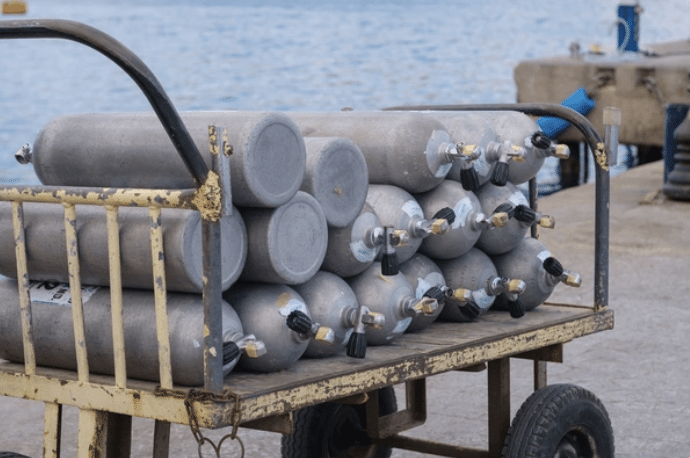
Composite cylinders introduce different failure modes:
- Fibre delamination
- UV degradation
- Resin fatigue
- Impact sensitivity
Inspection requires specific composite training, not assumptions based on steel or aluminium experience.
Instructor Perspective: Correcting Dangerous Shortcuts
Instructors and managers often assume that “recent hydro” equals safe.
At N9BO℠, cylinder safety training dismantles this myth. A cylinder can pass hydro and still be unsafe operationally without proper VIP.
Why ASSET Certification Matters
ASSET certification ensures inspectors are trained to:
- Recognise manufacturer-specific issues
- Follow traceable inspection protocols
- Maintain inspection documentation
- Apply conservative rejection criteria
This protects divers, facilities, and organisations legally and operationally.
Cylinder Safety in Professional Contexts
Public safety, technical, commercial, and emergency services rely on cylinders in high-risk environments.
Failures in these contexts affect entire teams. Professional-grade inspection standards are therefore essential.
Documentation and Accountability
Proper inspection includes:
- Serial tracking
- Inspection records
- Condemnation documentation
This creates transparency and legal protection. Professional operations depend on traceability.
Why “It Looks Fine” Is Not Enough
Cylinder failures develop internally and progressively.
Visual reassurance is meaningless without trained inspection. Professional inspection training eliminates guesswork.
Professional Parallels
In aviation and industrial gas systems, pressure vessel inspection is tightly regulated.
Diving operations must apply the same seriousness. Cylinders are not exceptions.
The Bottom Line
Cylinder safety is foundational—not optional.
VIP, hydrostatic, and composite inspections require training, discipline, and accountability. At N9BO℠, ASSET-certified inspection ensures cylinders meet professional standards—because pressure does not forgive assumptions.
Need Professional Cylinder Inspection or VIP Training?
Proper cylinder inspection protects divers long before the dive begins. Contact us to learn about VIP inspection courses and asset safety programmes.
From the N9BO℠ Knowledge Base