Why Submarine Inspections Are Unique
Unlike surface vessels, submarines operate under:
- High external pressure.
- Structural compression loads.
- Sealed hull integrity dependence.
- Life-support system isolation.
At operational depth, the hull experiences:
- Massive hydrostatic forces.
- Even minor structural defects may:
- Compromise integrity.
- Accelerate corrosion.
- Affect seal performance.
- Reduce operational lifespan.
- Inspection must therefore be:
- Systematic.
- Repeatable.
- Technically informed.
Scope of Submarine Safety Inspections
Submarine inspections typically include:
- Hull surface condition assessment.
- Weld seam evaluation.
- External fittings and attachments.
- Sonar dome inspection.
- Propulsion system evaluation.
- Rudder and control surface inspection.
- Sea chest and intake structures.
- External sensor mounts.
- Emergency escape hatch integrity.
Each component supports:
Pressure survival.
Oversight introduces unacceptable risk.
Hull Integrity and Pressure Awareness
Submarine hulls are engineered for:
- Specific depth ratings.
- Inspection divers must understand:
- Pressure cycling effects.
- Metal fatigue indicators.
- Anode consumption patterns.
- Protective coating breakdown.
- Surface scratches may be cosmetic.
- Deformation near weld seams is not.
- Professional awareness distinguishes between:
- Superficial wear.
- Structural concern.
Welds and Seams: High-Risk Zones
Welds endure:
- Stress concentration.
- Pressure transition.
- Corrosion acceleration.
- Inspection includes:
- Visual clarity.
- Lighting precision.
- Camera documentation.
- Measurement referencing.
- Comparative analysis with prior reports.
- Weld defects can propagate rapidly under cyclic stress.
- Documentation supports engineering review.
Propulsion and Steering Systems
Submarine propulsion components include:
- Propellers.
- Drive shafts.
- Seals.
- Hydraulic systems.
- Rudder linkages.
- Inspection identifies:
- Impact damage.
- Cavitation erosion.
- Seal deterioration.
- Debris entanglement.
- Improperly inspected propulsion components may lead to:
- Loss of manoeuvrability.
- Seal failure.
- Operational downtime.
Life Support and Intake Structures
Sea chests and intake points require:
- Clearance from obstruction.
- Integrity of protective grilles.
- Corrosion-free structural anchoring.
- Any blockage may:
- Affect cooling systems.
- Impair environmental control.
- Disrupt life-support performance.
- Inspection protects both:
- Mechanical function.
- Crew survival.
Environmental and Operational Context
Submarine inspections often occur:
- In ports.
- Naval facilities.
- Restricted security zones.
- Limited visibility conditions.
- Divers must operate within:
- Strict access control.
- Documentation confidentiality.
- Surface coordination oversight.
- Professional conduct extends beyond water.
Security compliance is de rigueur.
Documentation and Engineering Integration
Inspection divers must provide:
- High-resolution imagery.
- Measurement references.
- Condition classification.
- Detailed reporting.
- Deviation notes.
- Engineers depend on:
- Accurate underwater documentation.
- Inspection is not complete without:
- Usable reporting.
Diver Configuration and Risk Management
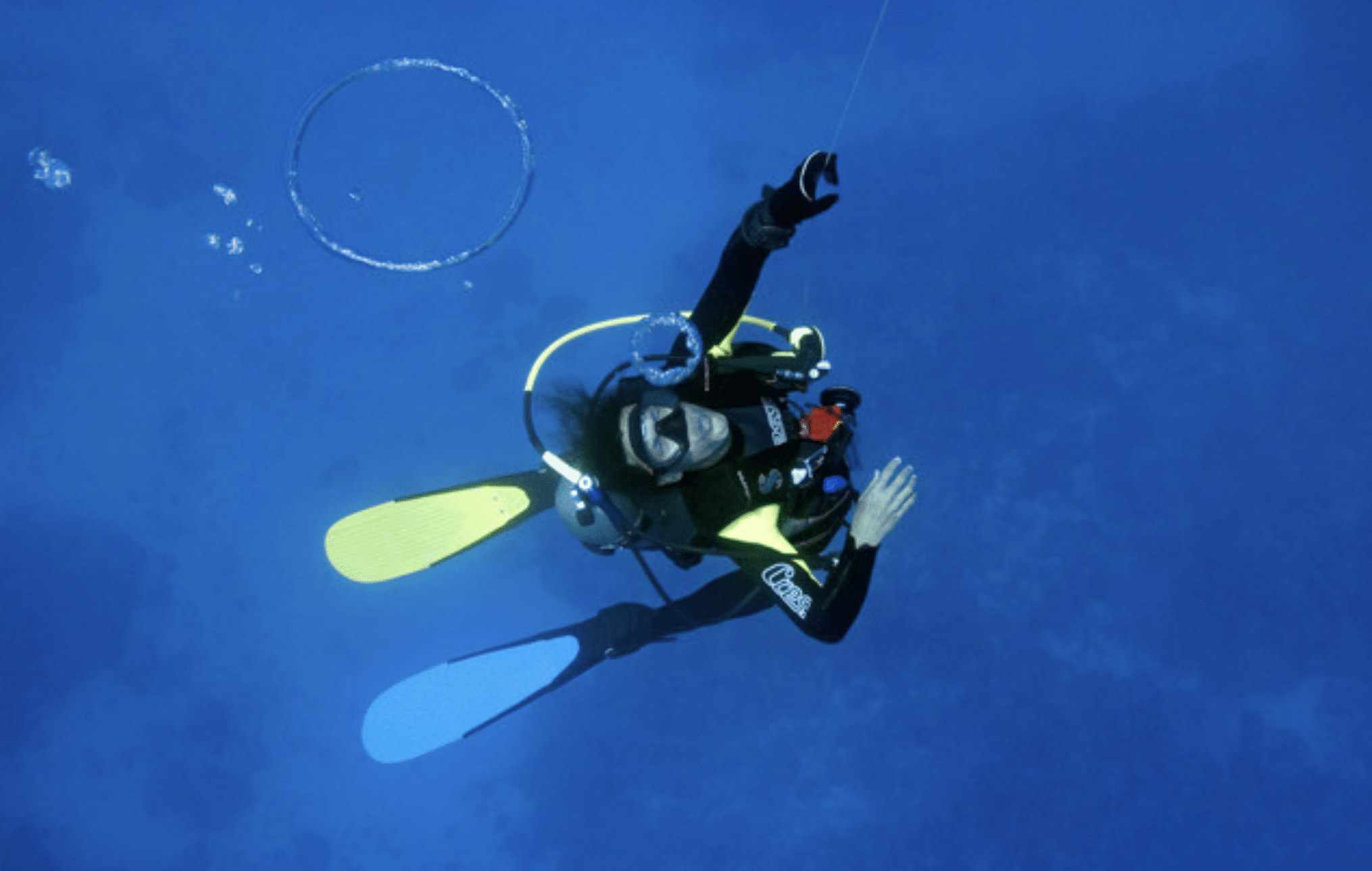
Submarine inspection divers require:
- Stable buoyancy.
- Precise trim.
- High-intensity lighting.
- Reliable communication.
- Surface support monitoring.
- Entanglement hazards include:
- Mooring lines.
- Hull protrusions.
- Hydraulic hoses.
- Sensor mounts.
Operational restraint prevents accidental damage.
Pressure and Psychological Discipline
Submarine inspection environments demand:
- Slow movement.
- Deliberate positioning.
- Methodical scanning.
- Careful contact avoidance.
- Overconfidence increases:
- Equipment contact risk.
- Missed detail.
- Structural impact potential.
- Professional divers operate with:
- Controlled pace.
Repeatability and Long-Term Monitoring
Submarine inspections are:
- Periodic.
- Data comparison over time reveals:
- Corrosion progression.
- Coating degradation.
- Impact damage patterns.
- Anode consumption rates.
- Consistency of inspection methodology ensures:
- Valid trend analysis.
- Improvised inspections distort data.
Legal and Strategic Implications
Submarine assets may represent:
- National defence infrastructure.
- Research capability.
- Industrial investment.
- Inspection errors may lead to:
- Operational compromise.
- Financial loss.
- Strategic vulnerability.
- Professional inspection protects:
- Asset integrity and mission readiness.
Operational Philosophy at N9BO℠
At N9BO℠, inspection training emphasises:
- Engineering awareness.
- Procedural discipline.
- Documentation precision.
- Surface coordination.
- Risk mitigation through structure.
- Submarine inspection is approached as:
- Technical responsibility.
- Not routine diving.
Zero-Margin Mindset
Unlike recreational environments:
Submarine inspections tolerate no shortcuts.
Every anomaly must be:
Documented.
Reported.
Verified.
Professional divers assume:
Inspection findings matter.
Because they do.
Final Perspective
Submarine safety inspections demand:
- Precision.
- Discipline.
- Engineering literacy.
- Controlled execution.
- The diver becomes:
- The eyes of structural integrity.
Where failure margin is zero, professionalism must be absolute.
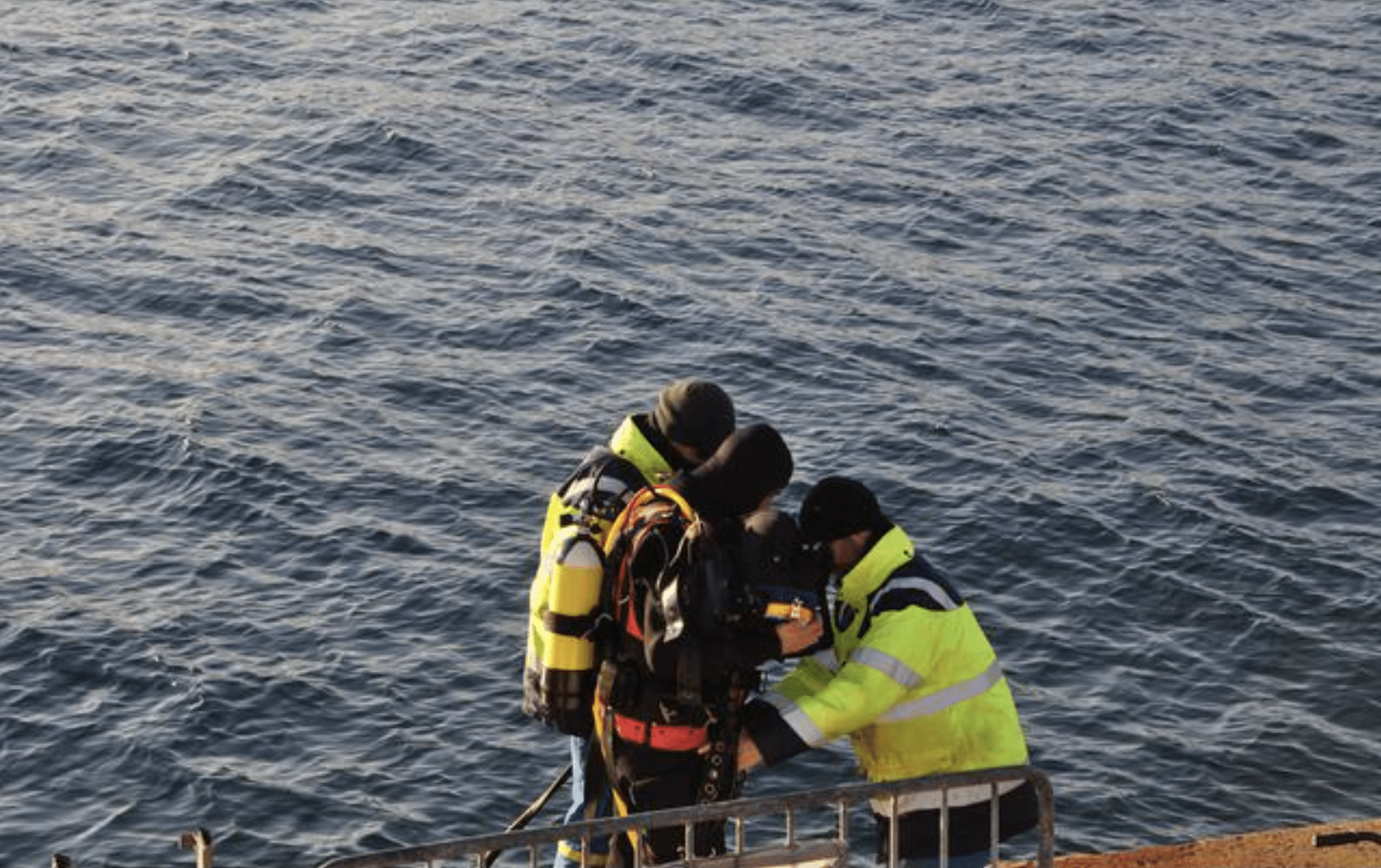
Require Structured Submarine or Submersible Inspection Support?
Contact N9BO℠ to discuss professional inspection training, operational coordination, and safety-focused underwater assessment.
From the N9BO℠ Knowledge Base