The Mission Is the Data
In recreational diving, the objective is experience. In technical diving, it may be depth, exploration, or structured progression.
In research diving, the objective is information.
The dive exists solely to support:
- Species identification
- Population counts
- Habitat monitoring
- Water quality sampling
- Photogrammetry
- Longitudinal environmental tracking
Accuracy matters more than distance. Precision matters more than depth.
A poorly executed research dive can compromise months or years of comparative data. Unlike recreational errors, scientific inaccuracies may not be immediately visible — but they degrade the value of the mission.
Precision Underwater
Research diving demands controlled execution of defined tasks:
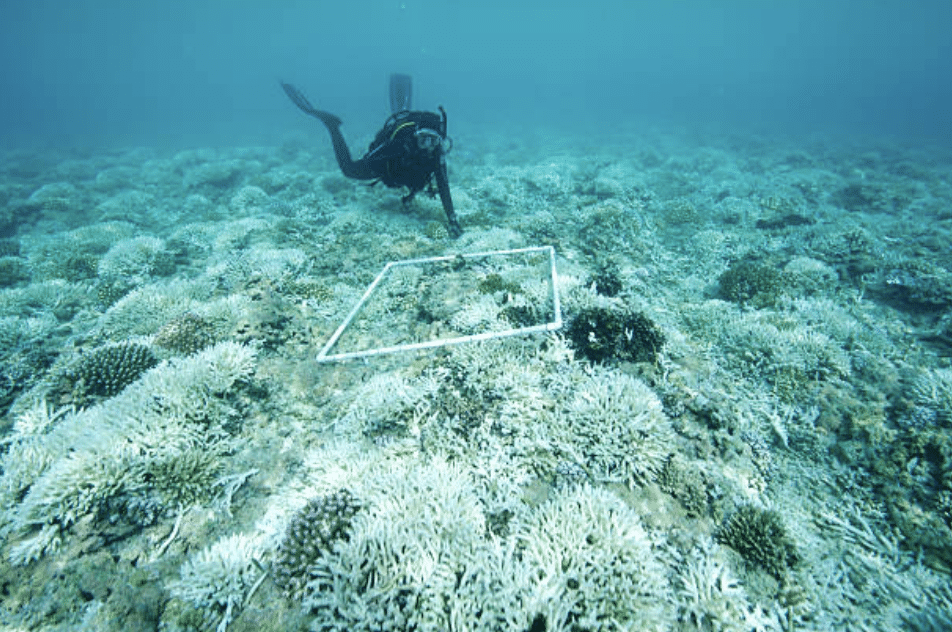
- Maintaining fixed transect lines
- Recording measurements at precise intervals
- Capturing consistent photographic angles
- Avoiding disturbance of surveyed areas
Small deviations distort results.
A diver who drifts off a transect line or alters survey spacing introduces inconsistency. Reproducibility — a cornerstone of scientific integrity — depends on disciplined underwater control.
Buoyancy and trim are not aesthetic concerns in research diving. They directly influence data reliability.
Environmental Responsibility as Operational Discipline
Research divers must operate with heightened environmental awareness.
Contact with fragile coral, fin-induced sediment clouds, or careless positioning can alter the very habitat being studied.
Operational discipline includes:
- Neutral buoyancy at all times
- Controlled propulsion techniques
- Avoidance of reef contact
- Secure equipment configuration
Minimal environmental impact preserves data integrity and ecosystem health simultaneously.
At N9BO℠, we reinforce that environmental stewardship is not an accessory to research diving — it is part of professional conduct.
Task Loading and Cognitive Management
Collecting data underwater increases task loading significantly.
Divers must simultaneously manage:
- Depth control
- Gas consumption
- Survey protocol
- Data recording
- Environmental hazards
- Team positioning
Cognitive overload increases the risk of procedural shortcuts.
This is why structured training emphasises slow execution and clear prioritisation.
The mission does not justify rushing.
In research diving, clarity of thought protects both safety and data quality.
Planning Before Entering the Water
Research dives are rarely improvised.
Preparation includes:
- Defined survey objectives
- Equipment calibration
- Redundant recording tools
- Pre-briefed team roles
- Emergency contingency planning
The more structured the surface preparation, the smoother the underwater execution.
Surface discipline translates directly to underwater stability.
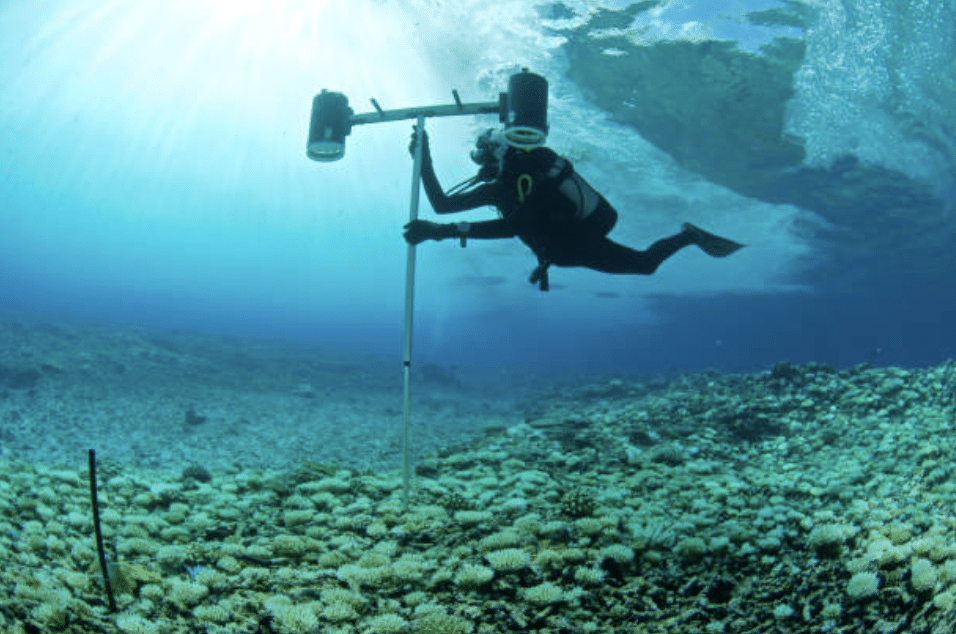
Long-Term Monitoring and Consistency
Many environmental studies depend on repeated surveys across years.
Consistency in:
- Depth
- Transect orientation
- Timing
- Equipment configuration
- Recording methodology
ensures that trends reflect environmental change rather than diver inconsistency.
A well-trained research diver becomes an extension of the methodology — stable, predictable, repeatable.
Scientific diving is about reducing variability.
Risk Management in Scientific Operations
Research sites are not always benign.
Remote locations, current exposure, limited visibility, or complex terrain can introduce operational risk.
Risk assessment must balance:
- Mission objective
- Environmental conditions
- Diver capability
- Available support infrastructure
The scientific mission never overrides safety.
Structured decision-making ensures that data collection does not compromise diver welfare.
When Diving Serves a Greater Purpose
Research diving connects professional skill with environmental responsibility.
Data gathered underwater informs:
- Conservation strategies
- Policy decisions
- Reef restoration planning
- Climate change monitoring
The diver becomes part of a larger system.
Technical competence supports ecological insight.
At N9BO℠, we believe that disciplined diving extends beyond personal achievement. When diving contributes to research, it supports long-term understanding of the marine environment.
Professional conduct underwater strengthens both safety and science.

Interested in Structured Research Diving?
Research operations require disciplined buoyancy control, environmental awareness, and precise execution. Contact N9BO℠ to discuss research diving support and training pathways.
From the N9BO℠ Knowledge Base