Most Dive Accidents Start on the Surface
Divers tend to associate risk with depth, gas, and decompression.
In reality, incidents frequently begin:
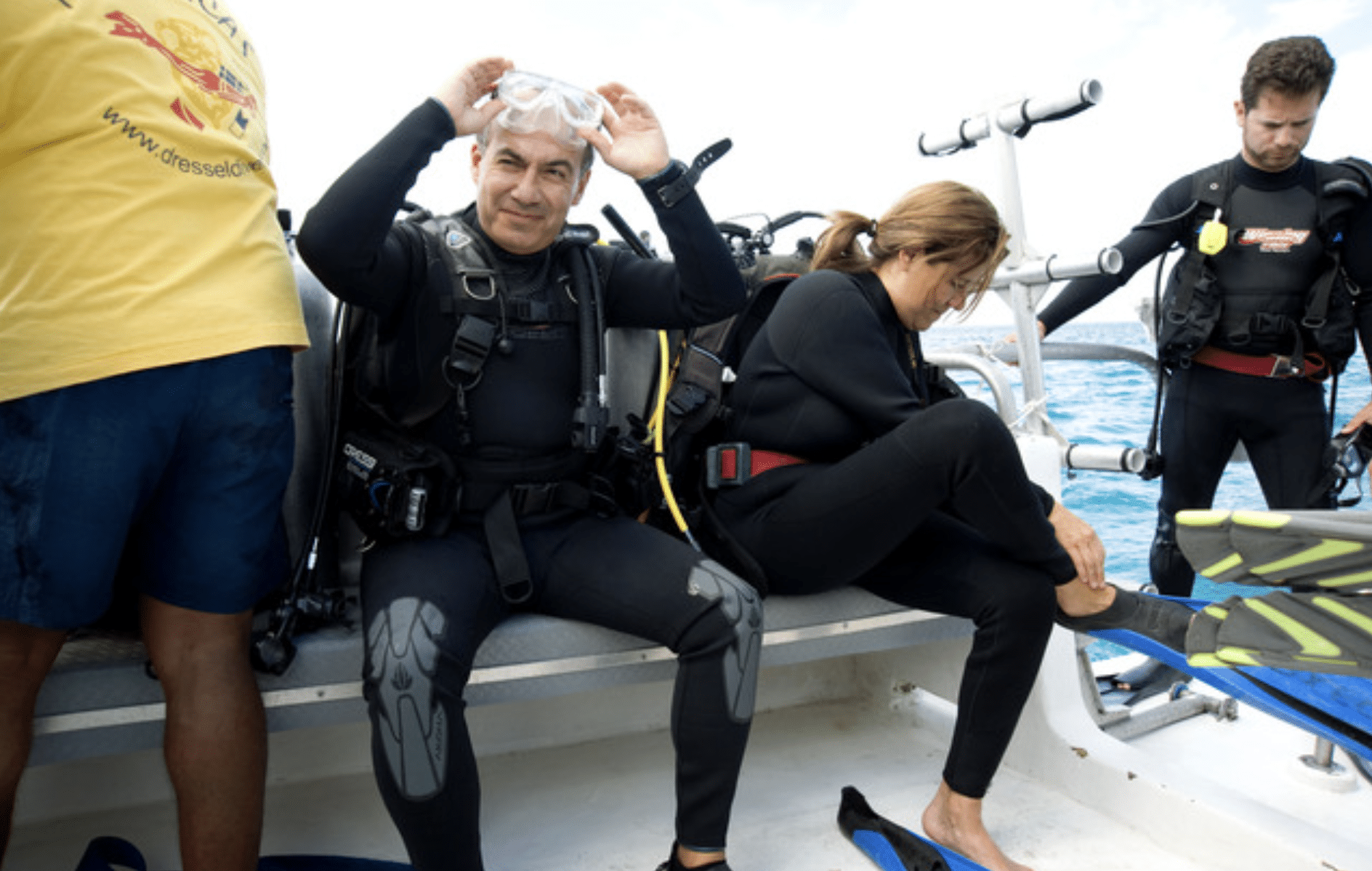
- During boarding and exits
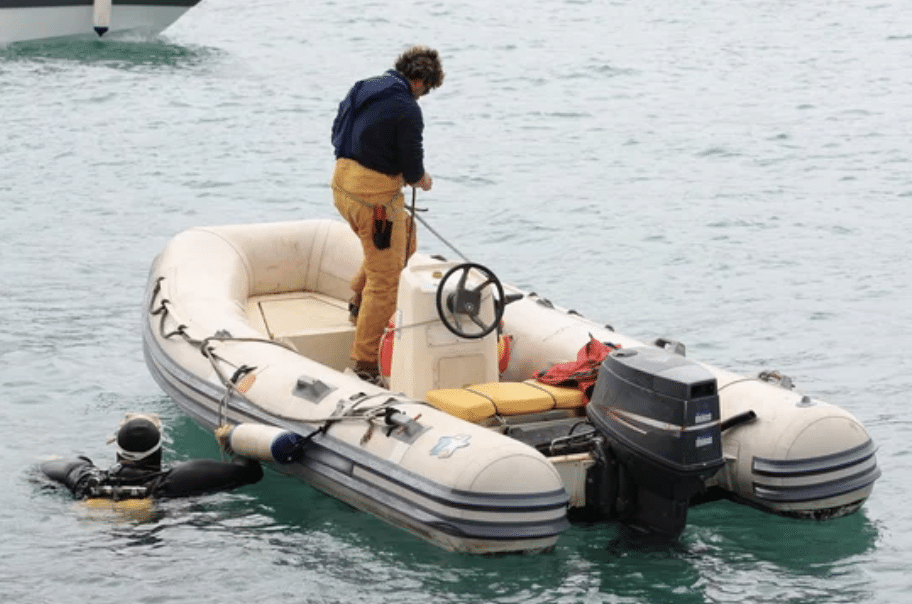
- While drifting or surfacing
- In poor coordination with vessels
- Through misjudged environmental conditions
Boat diving is a surface safety discipline first.
Boat Diving Is Maritime Operations, Not Transport
A dive boat is not a taxi.
It is a moving platform operating under:
- Wind and sea state
- Tidal flow and current
- Vessel handling limitations
- Legal maritime responsibilities
Professional boat diving training treats the boat as part of the operational system.
Instructor Perspective: Diving Knowledge ≠ Seamanship
Many instructors are excellent divers but limited mariners.
At N9BO℠—with an ex-military background and extensive maritime operations experience—boat diving is taught with emphasis on:
- Situational awareness on deck
- Vessel positioning and drift management
- Propeller and line hazards
- Clear diver–boat coordination
This knowledge directly prevents injuries and fatalities.

Understanding Tides, Currents, and Wind
Environmental forces do not act independently.
Training covers how:
- Wind creates surface drift
- Tides influence current direction and strength
- Currents affect descent, ascent, and recovery
Misreading these forces leads to lost divers and near misses.
Entries, Exits, and Load Management
Safe entries and exits depend on:
- Vessel stability
- Diver sequencing
- Equipment weight distribution
- Sea state timing
Professional training eliminates rushed or improvised movement.
Diver Accountability and Surface Control
Boat diving requires strict accountability.
Professional operations enforce:
- Roll calls
- Surface signalling protocols
- Diver tracking procedures
No diver should surface without immediate vessel awareness.
Emergency Response From a Vessel
Responding to an emergency at sea differs fundamentally from shore-based response.
Training includes:
- Man-overboard procedures
- In-water recovery
- Medical response onboard
- Coordination with maritime authorities
Preparation determines outcomes.

Communication Between Boat and Divers
Clear communication prevents confusion.
Training standardises:
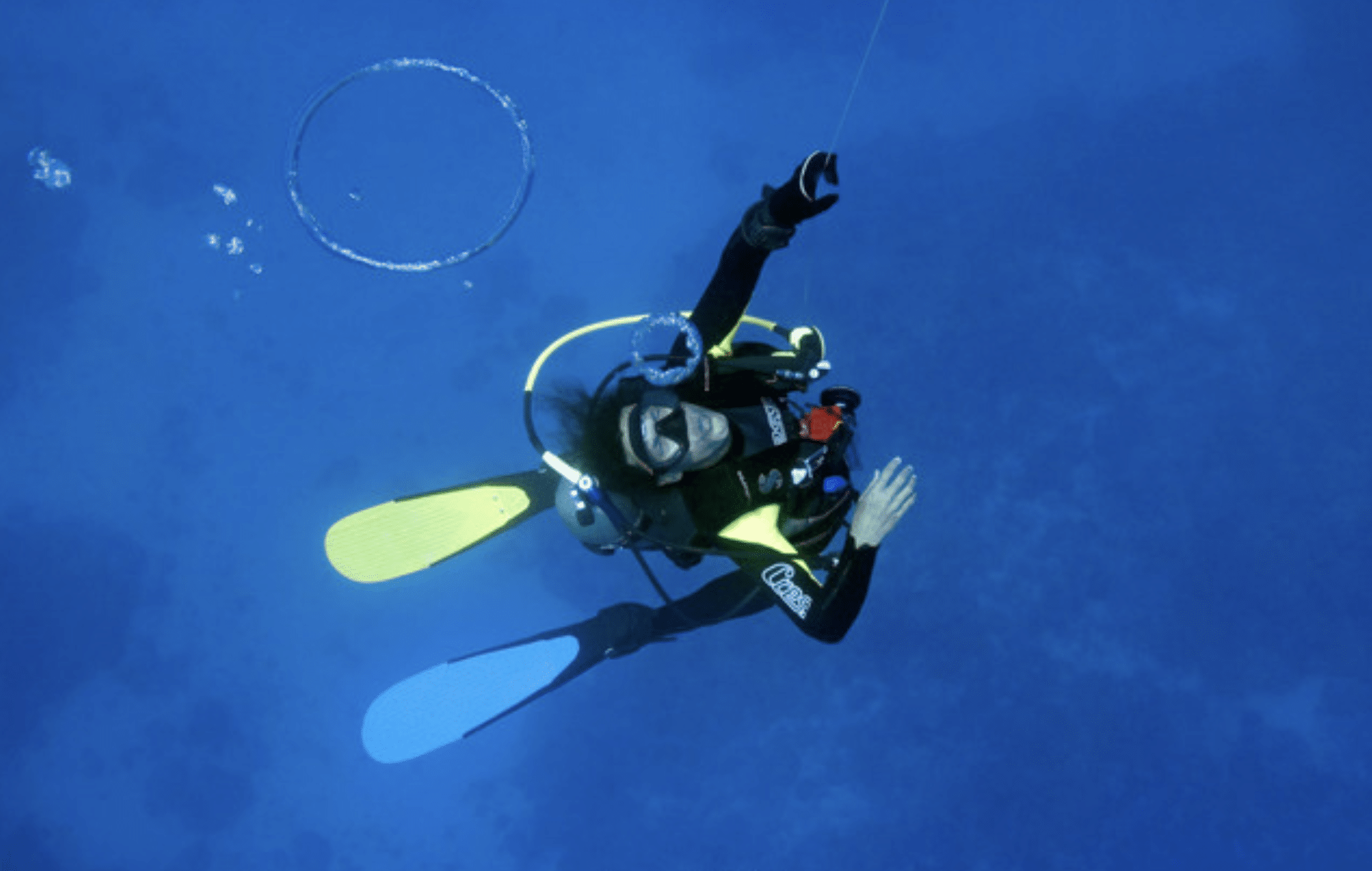
- Hand and surface signals
- SMB protocols
- Audible and visual alerts
Assumptions at sea are dangerous.
Boat Diving for Instructors and Leaders
Instructor-level boat diving training focuses on:
- Risk assessment
- Decision authority
- Abort criteria
- Passenger safety
Leadership on boats is proactive, not reactive.
Professional Parallels
Commercial maritime, offshore, and military operations treat vessel safety as a discipline.
Recreational diving benefits from adopting the same mindset.
The Bottom Line
Boat diving done casually invites incidents.
Boat diving taught properly saves lives. By integrating seamanship, environmental awareness, and disciplined procedures, professional training transforms vessels into controlled platforms rather than moving hazards.
At N9BO℠, boat diving courses reflect real-world maritime competence—not shortcuts.
Want to Improve Boat Diving Skills and Safety?
Proper boat diving training goes beyond entry techniques and focuses on real operational awareness. Contact us to discuss structured boat diving training programmes.
From the N9BO℠ Knowledge Base