The Hull Is a Blind Spot by Design
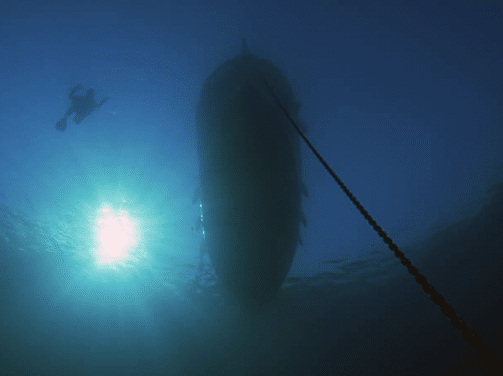
From the surface, a vessel’s hull is invisible.
This blind zone can conceal:
- Improvised explosive devices
- Smuggling compartments
- Structural damage
- Entanglement hazards
Hull searching exists because what cannot be seen still poses risk.
Why Hull Searching Requires Specialised Training
Hull searches are not casual swims.
They involve:
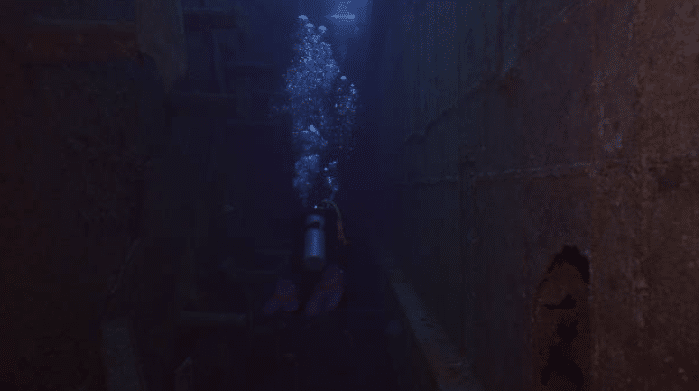
- Zero or near-zero visibility
- Confined movement along curved surfaces
- Repetitive contact-based search patterns
- Psychological stress from proximity and uncertainty
ERDI Hull Searching addresses these realities directly.
Instructor Perspective: “I Think I Covered It” Is Not Acceptable
Instructors often hear divers claim they “believe” they searched everything.
At N9BO℠, hull searching training replaces belief with verifiable coverage, using structured patterns and accountability.
Search Methodology Over Speed
The programme emphasises:
- Defined start and end points
- Overlapping search lanes
- Consistent body positioning
- Tactile reference maintenance
Completeness matters more than pace.
Tactile Search Techniques
Visibility is often irrelevant during hull searches.
Divers are trained to:
- Read hull features by touch
- Identify anomalies
- Distinguish normal fittings from foreign objects
Hands become primary sensors.
Managing Risk Around Vessels
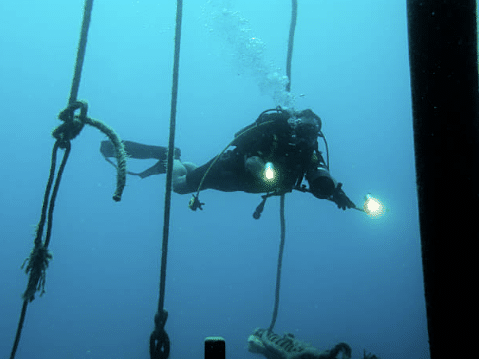
Hull searches introduce unique hazards:
- Propellers and thrusters
- Intakes and discharge ports
- Mooring lines and debris
Training reinforces hazard recognition and safe approach angles.
Working Around Vessel Geometry
Hull shape changes constantly.
Divers must adapt to:
- Keels
- Bilge curves
- Rudders and shafts
Search patterns must flex without losing coverage.
Team Coordination and Surface Support
Hull searching is rarely solo.
ERDI training emphasises:
- Surface tracking
- Diver progress monitoring
- Clear abort criteria
Support teams are integral to safety.
Security and Law Enforcement Applications
Hull searches are commonly used for:
- Port security
- VIP vessel protection
- Pre-departure inspections
- Post-incident assessments
Accuracy directly affects public safety.
Documentation and Reporting
Findings must be clearly reported.
Training includes:
- Descriptive reporting
- Sketches and references
- Photographic documentation when possible
Clear reporting supports decision-making.
The Bottom Line
Hull searching is not about finding something—it’s about proving nothing is there.
ERDI Hull Searching training equips divers with disciplined, repeatable methods to inspect vessels safely and thoroughly. At N9BO℠, this programme is taught with operational realism and uncompromising attention to detail.
Conducting Maritime or Security Inspections?
Hull searching requires structured search patterns, discipline, and operational awareness. Contact us to discuss ERDI hull inspection and public safety diving training.
From the N9BO℠ Knowledge Base