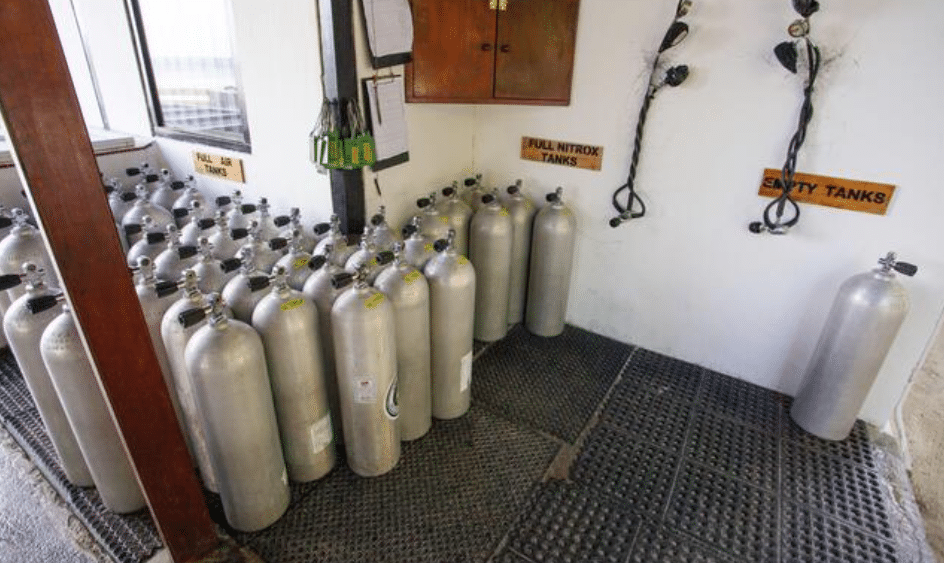
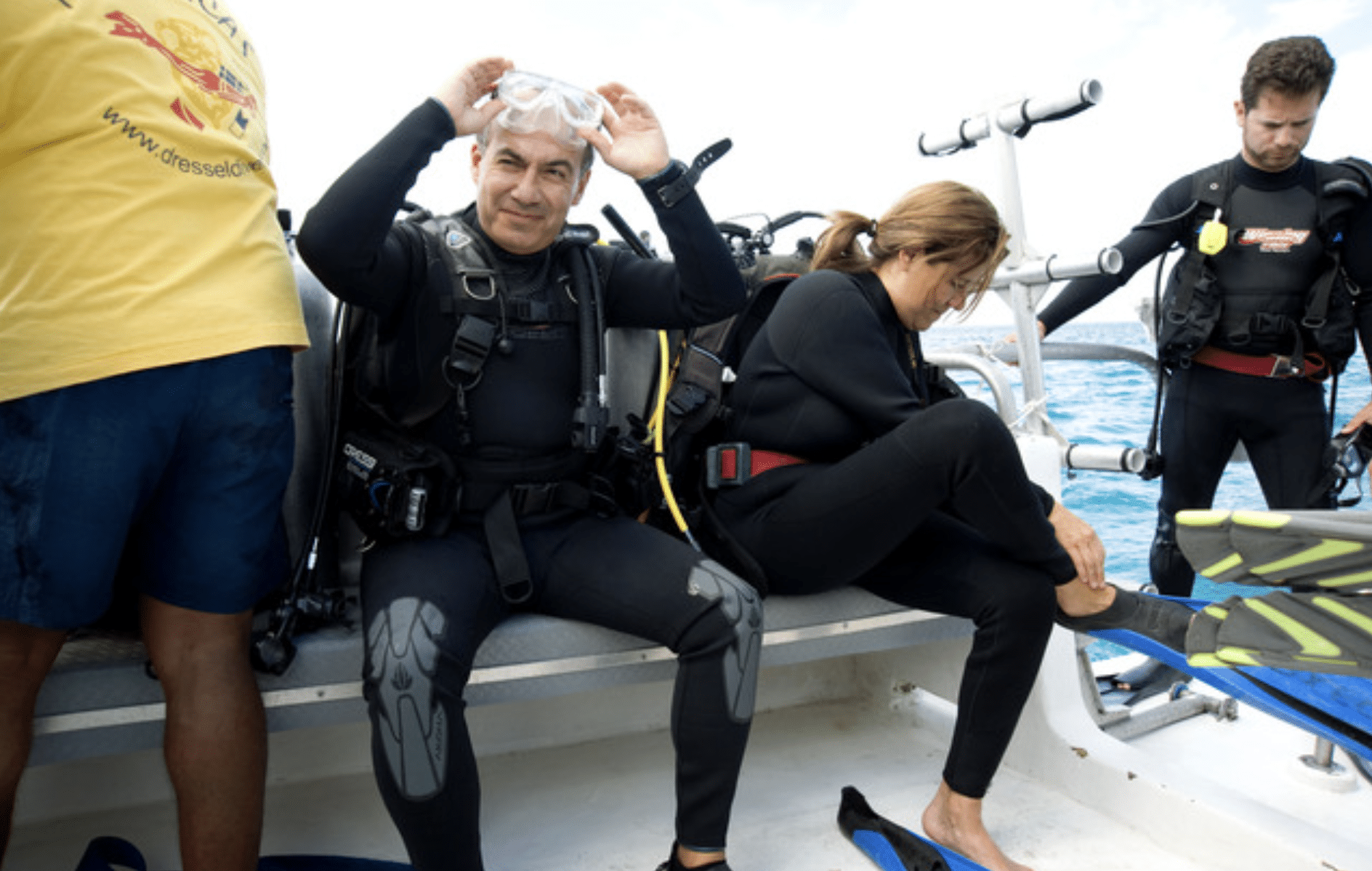
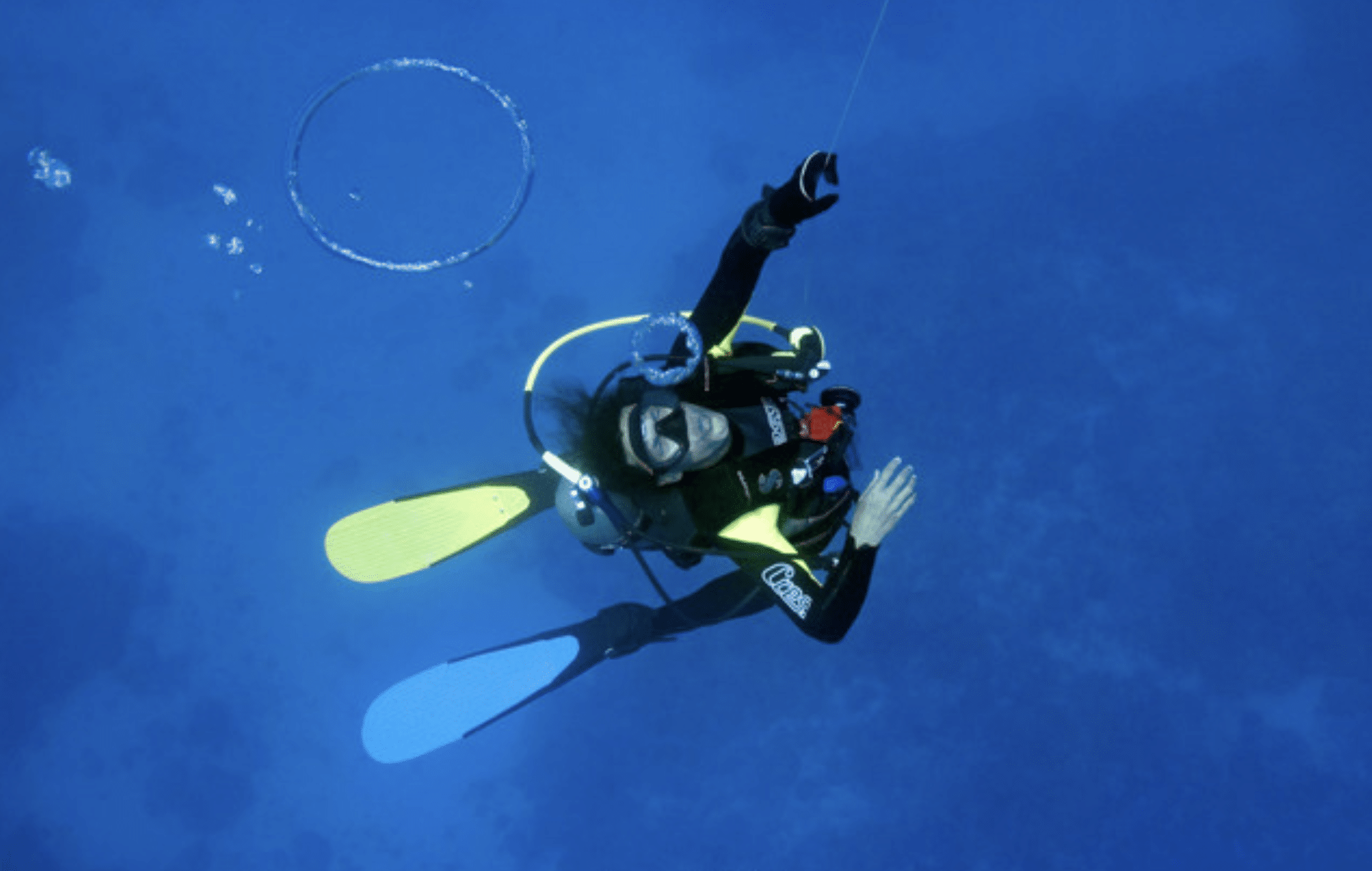
Recreational vs Professional Exposure
A recreational diver may:
- Dive a few weekends per year.
- Take one annual dive trip.
- Log 20–40 dives annually.
A dive professional may:
- Conduct multiple dives per day.
- Dive 5–6 days per week.
- Accumulate 1,000+ dives per year.
- Remain exposed for months without extended recovery breaks.
Exposure frequency changes the risk profile.
Repeated decompression stress accumulates.
Fatigue compounds.
Hydration fluctuates.
Thermal exposure increases.
Professional diving is occupational exposure.
It must be treated as such.
Hyperbaric Treatment Costs Are High
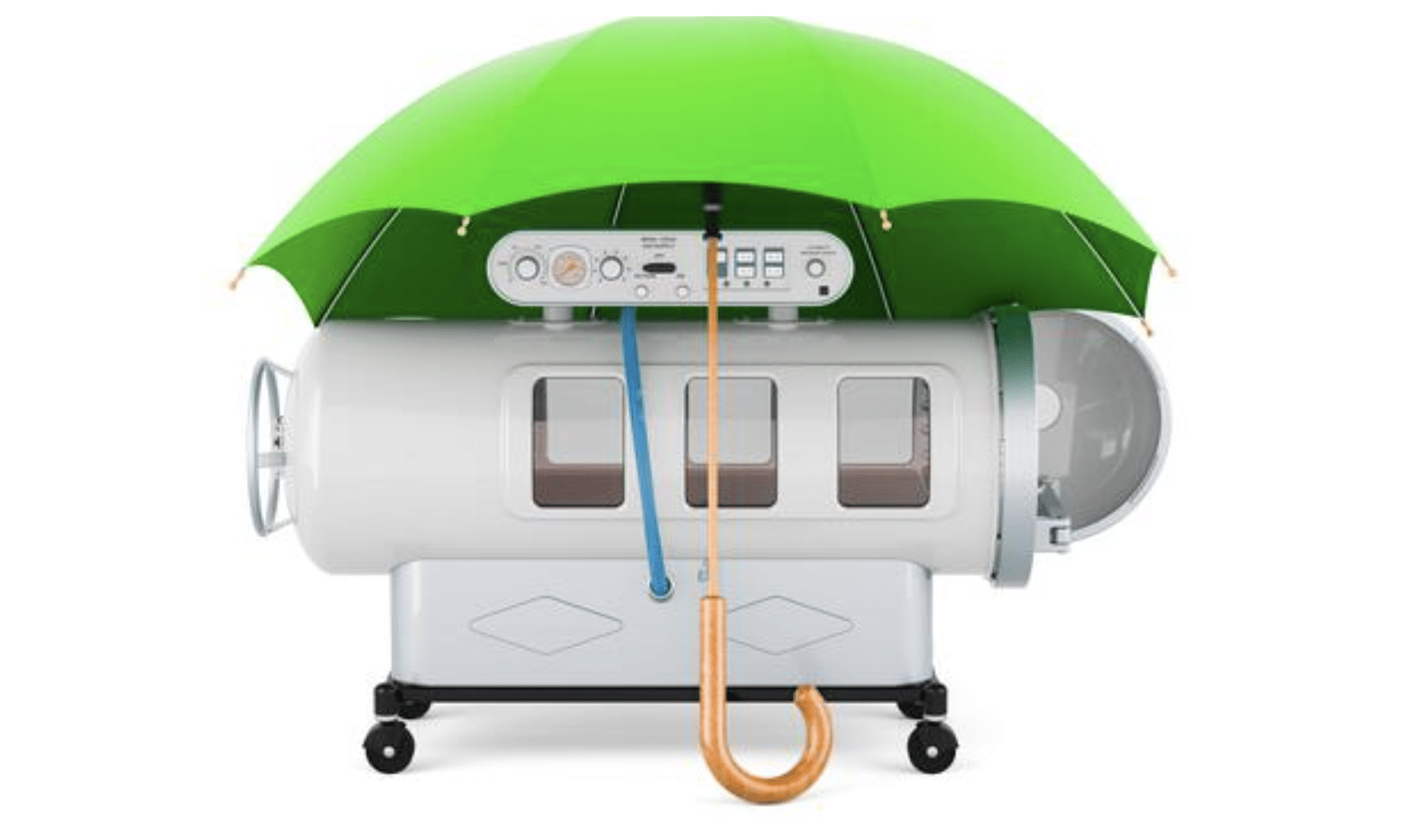
Recompression chamber treatments for:
- Decompression sickness (DCS).
- Arterial gas embolism (AGE).
- Carbon monoxide exposure.
- Severe lung barotrauma.
Can cost:
- Several thousand USD per session.
- More if multiple treatments are required.
- Even more with evacuation logistics.
In remote regions:
- Air evacuation.
- Boat transfer.
- Cross-border medical coordination.
Costs escalate rapidly.
Without insurance, financial burden becomes catastrophic.
Daily Diving and Physiological Stress
Even when dives remain within:
- No-decompression limits.
- Conservative profiles.
- Proper hydration routines.
Professional divers experience:
- Repeated microbubble exposure.
- Thermal stress.
- Musculoskeletal fatigue.
- Immune suppression during heavy seasons.
- Elevated CO₂ load from workload.
The body tolerates stress — until it does not.
Insurance does not prevent injury.
It protects stability when injury occurs.
Instructors and Dive Staff: Unique Risk Group
Dive professionals:
- Teach beginners.
- Supervise stressed students.
- Carry extra equipment.
- Manage task loading.
- Often neglect personal rest.
They may:
- Skip hydration.
- Compress surface intervals.
- Extend days beyond optimal recovery.
Over time, cumulative fatigue increases risk.
Insurance protects the individual and the organisation.
Chamber Availability Is Not Always Nearby
Many dive destinations:
- Lack immediate chamber access.
- Require inter-island transport.
- Depend on military or private facilities.
- Operate limited hours.
Evacuation may require:
- Air ambulance.
- Medical escort.
- International transfer.
Without coverage:
Treatment may be delayed.
Delay worsens outcomes.
Financial Risk Beyond Treatment
Medical insurance for divers often includes:
- Emergency evacuation.
- Repatriation.
- Lost equipment coverage.
- Liability protection.
- Travel interruption protection.
Dive professionals face:
- Loss of income during recovery.
- Replacement cost of damaged gear.
- Legal liability exposure.
Insurance is operational continuity planning.
Not just medical care.
Insurance and Professional Responsibility
Dive centres have:
- Duty of care to staff.
- Ethical responsibility.
- Operational liability considerations.
Employing instructors without:
Adequate diving insurance.
Creates systemic risk.
At N9BO℠, we emphasise that every instructor candidate and staff diver must maintain appropriate diving medical insurance. Daily exposure demands structured protection — not optimism.

DAN and Specialist Dive Insurance
Organisations such as:
- Divers Alert Network (DAN).
- Other professional dive insurers.
Provide coverage designed specifically for:
- Hyperbaric treatment.
- Diving-related injury.
- Travel evacuation.
Standard travel insurance often excludes:
Professional diving.
Policy details matter.
Not all coverage is equal.
Psychological Safety and Peace of Mind
Knowing you are covered:
- Reduces anxiety.
- Improves focus.
- Allows better decision-making.
- Encourages early reporting of symptoms.
Divers without coverage may:
- Hide symptoms.
- Delay treatment.
- Minimise warning signs.
Delay increases severity.
Early intervention saves health.
Cumulative Risk and Long Careers
Dive professionals often aim for:
- Long operational careers.
- Thousands of dives.
- Years of instruction.
Longevity requires:
- Conservative planning.
- Structured rest cycles.
- Physical conditioning.
- Medical coverage.
Insurance is part of professional longevity.
Not an afterthought.
Corporate and Operational Clients
For public safety, oil & gas, and offshore teams:
Medical insurance is often:
Mandatory.
Because:
Risk exposure is recognised.
Dive centres must apply the same professional logic.
Final Perspective
Diving is statistically safe.
But exposure multiplies risk.
Professional divers:
Enter pressure environments daily.
Recompression treatment is effective.
But expensive.
Insurance is not pessimism.
It is structured responsibility.
Dive professionals protect:
Students.
Teams.
Operations.
They must also protect themselves.
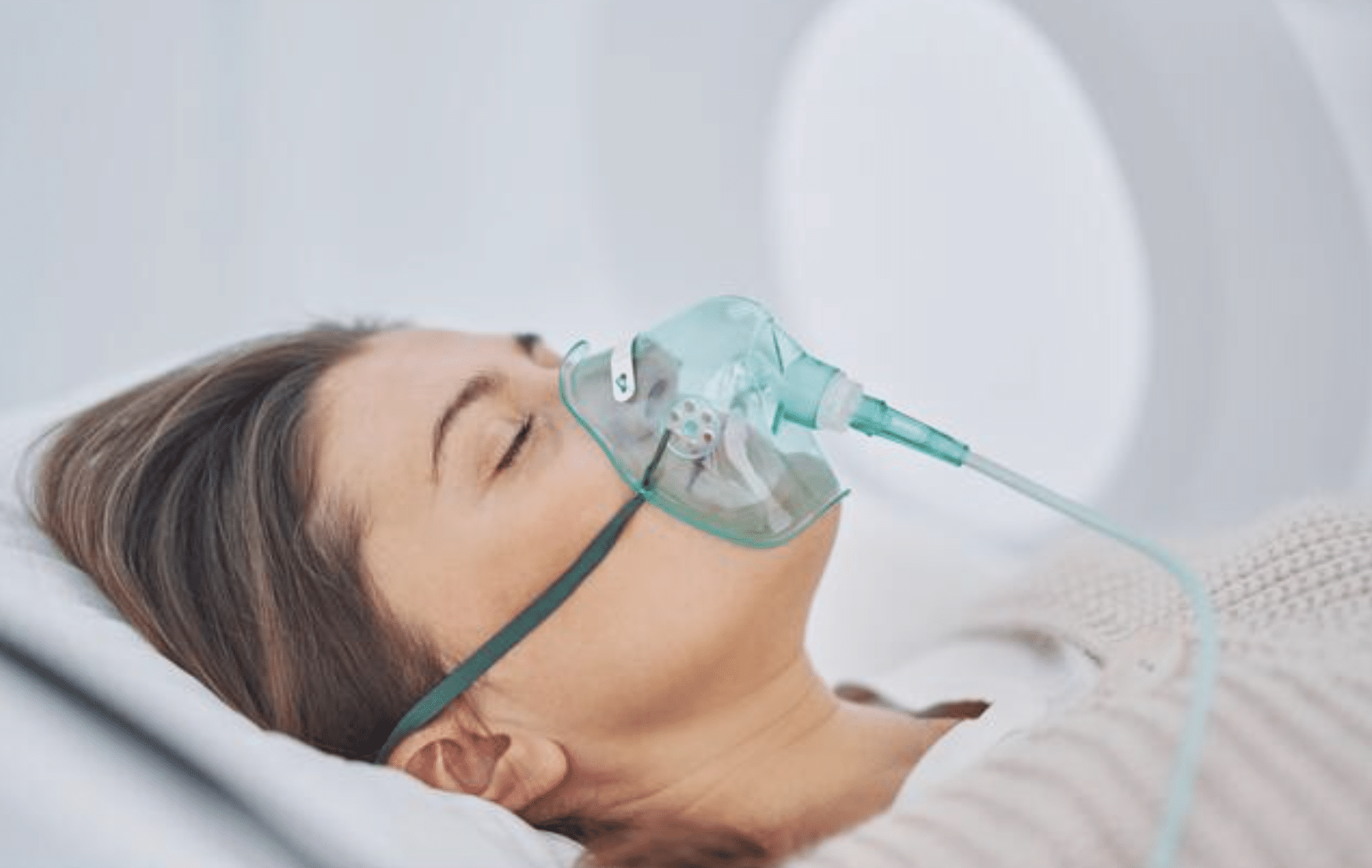
Are You Properly Covered for Professional Diving?
Daily exposure requires serious protection. Contact N9BO℠ to discuss recommended diving medical insurance options for professionals and instructor candidates.
From the N9BO℠ Knowledge Base