Why Structure Matters in Crisis
Emergencies compress time and distort perception.
Without structure, common failures include:
- Conflicting instructions
- Duplicate efforts
- Missed critical tasks
- Communication breakdown
- Leadership vacuum
ICS exists to prevent these failures.
It establishes a predictable architecture where everyone knows:
- Who is in charge
- What their role is
- Where information flows
- How decisions are escalated
Order stabilises response.
Core Principles of ICS
ICS is built on several foundational concepts:
1. Clear Chain of Command
Authority is defined — not assumed.
2. Modular Organisation
The structure scales depending on incident size.
3. Defined Roles
Operations, Planning, Logistics, and Finance/Administration form the core structure.
4. Unified Command
When multiple agencies are involved, authority is coordinated rather than fragmented.
Predictability reduces cognitive overload.
Operations Section: Managing the Action
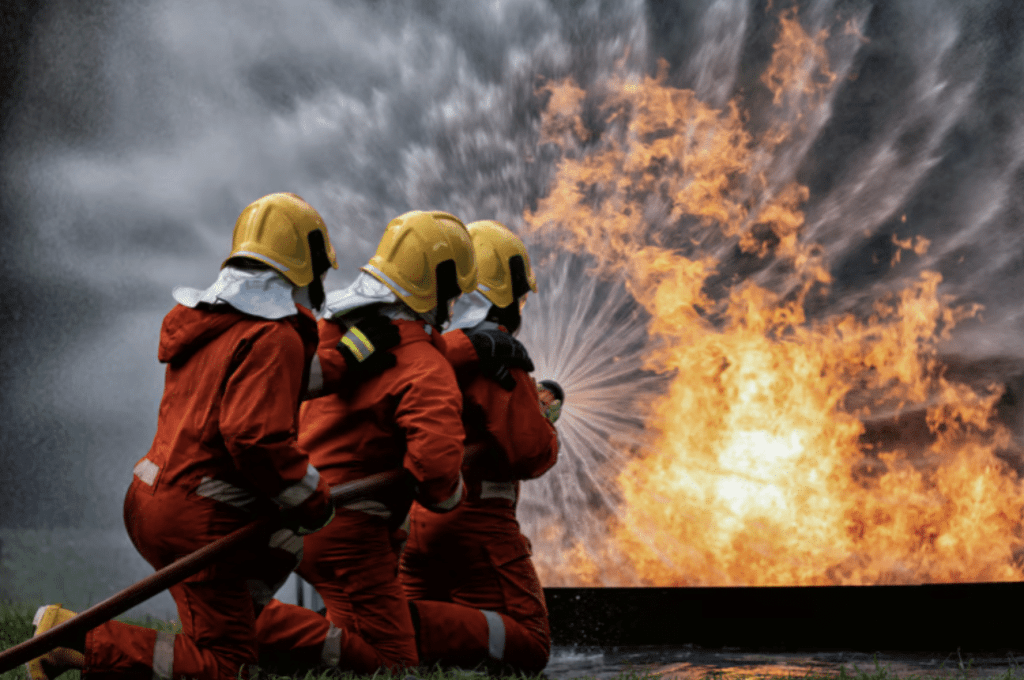
The Operations Section executes tactical objectives.
In diving or offshore contexts, this may include:
- Rescue coordination
- Evacuation management
- Hazard containment
- Asset protection
Operations should never function independently from Planning and Logistics.
Integrated coordination prevents resource waste.
Planning Section: Anticipating What Comes Next
Planning gathers information and forecasts development.
This includes:
- Situation assessment
- Resource tracking
- Risk projection
- Contingency development
Planning prevents reactive decision-making.
Anticipation reduces surprise.
Professional response teams prepare for escalation before it occurs.
Logistics Section: Sustaining the Response
Logistics ensures:
- Equipment availability
- Medical resources
- Communication support
- Personnel rotation
- Transport coordination
Many incident failures stem from logistical breakdown rather than tactical error.
Sustained response requires infrastructure.
Finance and Administration: Accountability Under Pressure
Even during crisis, documentation matters.
Finance and Administration track:
- Resource expenditure
- Personnel hours
- Contracted services
- Legal exposure
Clear documentation protects organisations after the incident resolves.
Accountability strengthens credibility.

ICS in Diving and Maritime Operations
ICS integrates naturally with:
- Public Safety Diving operations
- Offshore oil & gas platforms
- Expedition teams
- Corporate crisis management
Diving emergencies benefit from structured command, especially when:
- Multiple vessels are involved
- Surface support coordinates rescue
- Medical evacuation is required
At N9BO℠, we integrate ICS principles into training frameworks to reinforce decision clarity under stress.
Structured leadership prevents escalation.
Authority Gradient and Communication Flow
ICS reduces authority gradient problems by defining communication pathways.
Personnel know:
- Who to report to
- How to escalate concerns
- Where information originates
Clear reporting lines reduce hesitation.
In emergencies, silence increases risk.
Structure encourages communication.
Scalability: From Minor Incident to Major Crisis
ICS is adaptable.
A small diving incident may require only:
- Incident Commander
- Operations Lead
A large offshore emergency may expand to:
- Full section chiefs
- Unified multi-agency command
- Medical and evacuation branches
The framework remains stable regardless of size.
Flexibility within structure defines resilience.
Training Before the Incident
ICS cannot be improvised effectively.
Personnel must train in:
- Role understanding
- Tabletop exercises
- Scenario-based simulations
- Communication drills
Familiarity with structure reduces hesitation.
Crisis reveals preparation.
When Chaos Is Organised
Incidents are unpredictable.
Leadership does not need to be.
ICS ensures that:
- Decisions are documented
- Authority is visible
- Resources are tracked
- Communication flows clearly
Structured command stabilises volatile environments.
At N9BO℠, we emphasise that professionalism includes leadership literacy. Whether underwater or in crisis coordination, clarity saves time — and time saves lives.

Need Structured Crisis Management Training?
ICS builds clarity, coordination, and control under pressure. Contact N9BO℠ to explore structured command and emergency management training.
From the N9BO℠ Knowledge Base