Whale Shark Diving: Managing Interactions with the Ocean’s Largest Fish
Understanding Whale Shark Behaviour
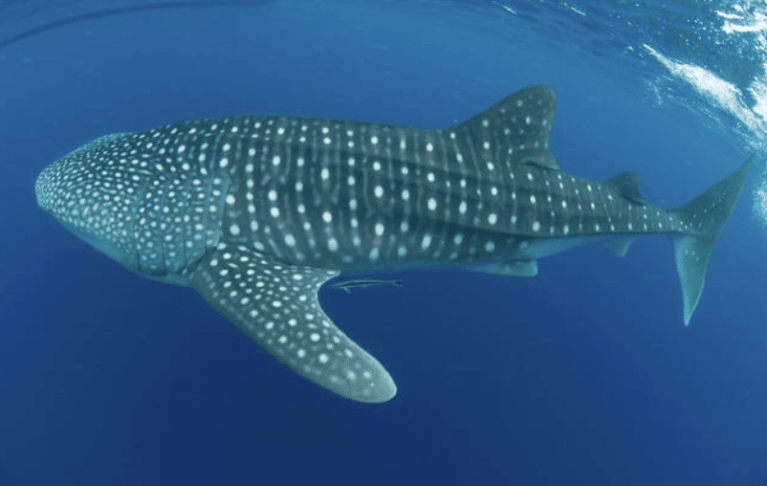
Whale sharks (Rhincodon typus) are the largest fish in the ocean, yet they are filter feeders, consuming plankton and small organisms. Their size often leads to misinterpretation of risk, but their behaviour is generally non-aggressive and predictable.
They move slowly, often near the surface, following food sources. Feeding behaviour may involve vertical or horizontal movement, with the mouth open to filter water.
Typical behavioural patterns include:
- Slow cruising near the surface
- Feeding passes through plankton-rich areas
- Vertical feeding in high-density zones
- Repetitive movement patterns within a defined area
Despite their size, whale sharks are highly sensitive to disturbance. Their behaviour changes in response to diver proximity, vessel activity, and environmental conditions.
At N9BO℠, we emphasise that size does not reduce vulnerability. Whale sharks require controlled interaction to avoid disruption.
Distance and Approach Control
Distance is the primary control factor in whale shark encounters. Close approach alters behaviour and increases risk of disturbance.
Divers must avoid direct approach and instead position themselves relative to the animal’s movement.
Effective approach principles include:
- Entering the water ahead of the shark’s path, not behind or directly toward it
- Maintaining lateral positioning rather than head-on approach
- Allowing the shark to pass naturally without interception
Minimum distance must be maintained consistently. Reducing distance for observation or photography increases pressure and may cause the animal to change direction or dive.
At N9BO℠, distance is treated as a strict operational control, not a flexible guideline.
Positioning and Movement Discipline
Positioning directly affects both interaction quality and environmental impact. Whale sharks require clear space to move. Divers who position incorrectly create obstruction and increase stress.
Best practice positioning involves:
- Staying to the side of the animal
- Avoiding the head and tail zones
- Maintaining a parallel orientation to the shark’s movement
Movement must remain controlled. Rapid finning, sudden changes in direction, or attempts to match speed disrupt the interaction and increase risk.
Whale sharks may appear slow, but they can accelerate quickly. Divers attempting to keep pace often resort to excessive effort, leading to loss of control.
At N9BO℠, we emphasise controlled positioning and movement as essential to maintaining safe and sustainable encounters.

Interaction During Feeding Behaviour
Feeding behaviour is a high-sensitivity activity. Whale sharks focused on feeding are less responsive to external stimuli but more vulnerable to disturbance.
Divers must avoid:
- Positioning directly in front of the mouth
- Interfering with feeding paths
- Approaching from above during vertical feeding
Interruption of feeding reduces efficiency and increases stress. Repeated disruption can lead to abandonment of feeding areas.
Observation should be passive. Divers must allow the behaviour to continue without interference.
At N9BO℠, we treat feeding periods as no-interference zones, requiring increased discipline and awareness.
Vessel Operations and Entry Control
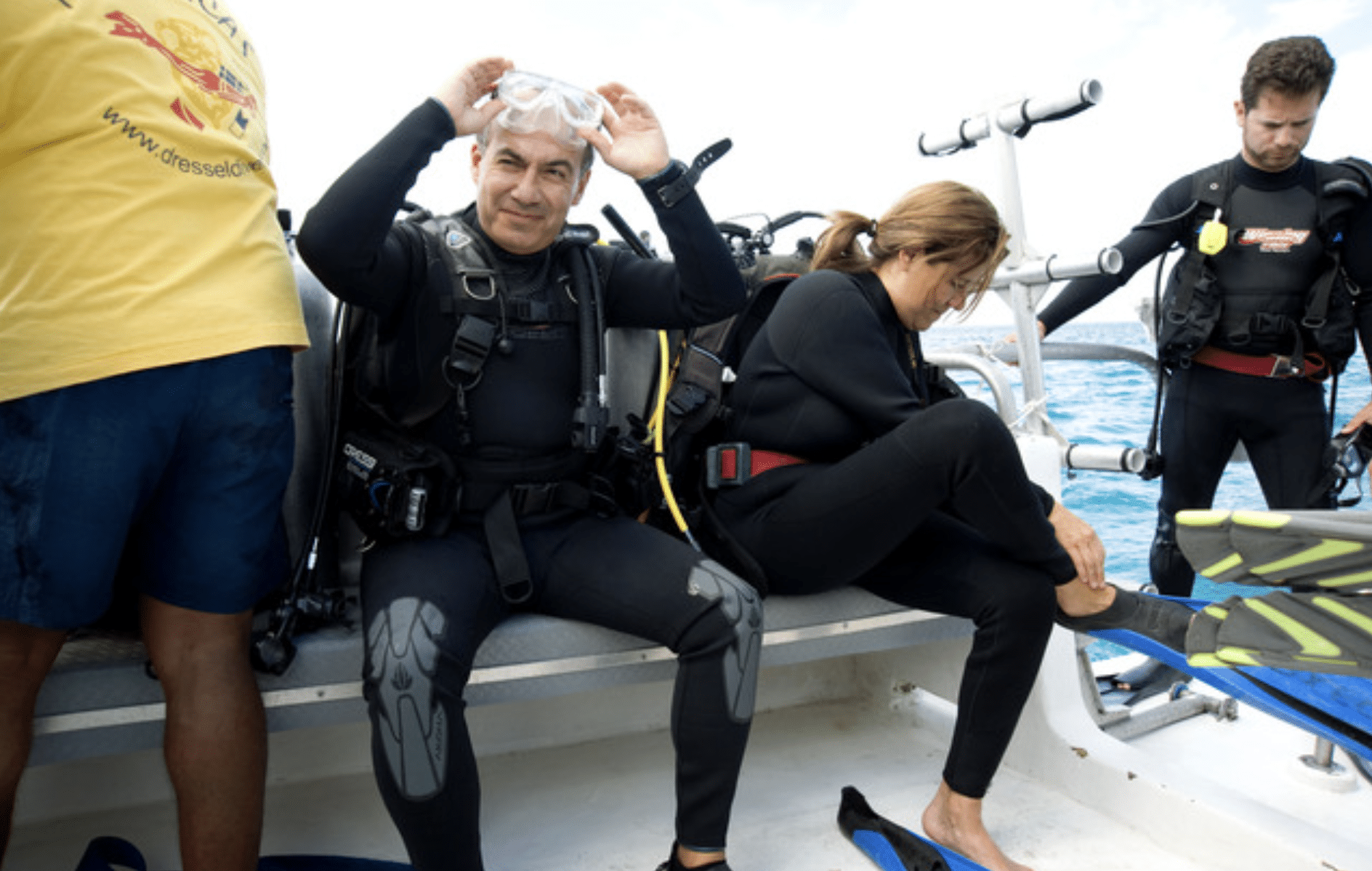
Boat operations are a critical component of whale shark interaction management. Poor vessel positioning and uncontrolled entries create immediate disturbance.
Operational risks include:
- Propeller strikes
- Excessive noise and vibration
- Uncontrolled diver entry directly onto the animal
Control measures include:
- Approaching at low speed with controlled positioning
- Cutting engines before diver entry
- Managing entry points to avoid proximity to the shark
Timing is critical. Divers should enter the water in a controlled manner, positioned to allow observation without disruption.
At N9BO℠, vessel control is integrated into interaction protocols, ensuring that surface operations do not compromise the encounter.
Group Management and Diver Control
Whale shark encounters often involve multiple divers. Without control, this leads to crowding and increased disturbance.
Effective group management includes:
- Limiting the number of divers in the water at one time
- Maintaining spacing between individuals
- Coordinating entry and exit sequences
Disorganised groups create unpredictable movement patterns, increasing stress on the animal and reducing safety.
Guides and operators must maintain control throughout the interaction, ensuring that all divers adhere to established protocols.
At N9BO℠, group management is treated as an operational requirement, not an administrative consideration.

Photography and Interaction Pressure
Whale shark encounters are often driven by photography objectives. This introduces pressure to reduce distance and alter positioning.
Common issues include:
- Divers moving into restricted zones for better angles
- Rapid repositioning to follow the animal
- Use of equipment that increases presence or disturbance
These behaviours prioritise outcome over control, increasing impact on the animal.
Photography must remain secondary. If conditions do not allow for responsible positioning, the attempt should be abandoned.
At N9BO℠, we reinforce that operational discipline takes precedence over individual objectives.
Cumulative Impact and Site Sustainability
Whale shark aggregation sites are often subject to repeated interaction throughout the day. Even controlled encounters contribute to cumulative impact.
Repeated disturbance may result in:
- Altered movement patterns
- Reduced feeding efficiency
- Avoidance of high-traffic areas
Managing cumulative impact requires coordination across operators and consistent adherence to standards.
Limiting interaction frequency and maintaining strict control measures are essential for long-term sustainability.
At N9BO℠, we treat site pressure as a critical factor in operational planning.
Regulatory Compliance and Best Practice
Many regions have specific regulations governing whale shark interactions. These may include minimum distances, limits on diver numbers, and restrictions on vessel behaviour.
Compliance is essential for:
- Legal operation
- Protection of the species
- Long-term viability of dive tourism
Operators must ensure that all personnel and divers are aware of and adhere to these requirements.
At N9BO℠, we align operational practices with both regulatory frameworks and conservation standards.
Operational Mindset
Whale shark encounters require discipline, control, and awareness. The size of the animal does not reduce its vulnerability. Diver behaviour, positioning, and group management determine the outcome of the interaction.
Effective encounters are defined by minimal impact. Observation without interference ensures that behaviour remains natural and sustainable.
At N9BO℠, we approach whale shark interaction as a controlled operation. Every aspect—from vessel positioning to diver movement—is managed to reduce disturbance and maintain safety.
In marine environments, responsible interaction is not defined by proximity, but by control.

Control the Encounter, Protect the Species
Contact N9BO℠ to integrate responsible large marine life interaction protocols into your dive operations and training, ensuring safe and sustainable encounters.
From the N9BO℠ Knowledge Base