Operational Impact on Marine Environments
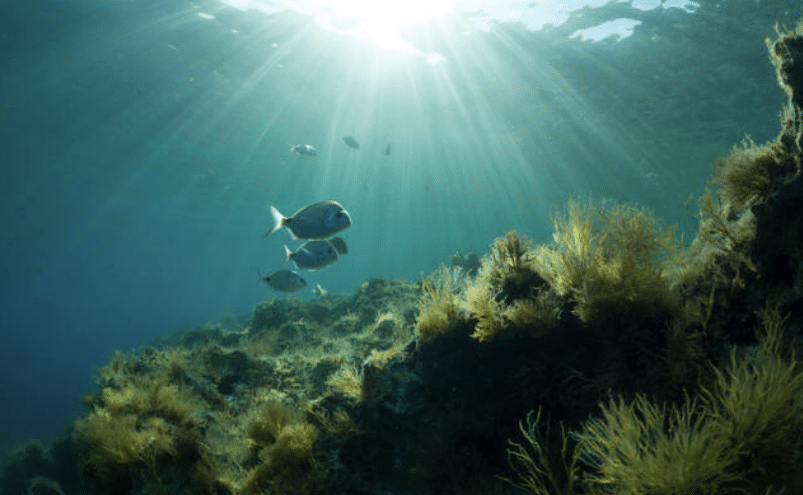
Dive centres operate within environments that are both ecologically sensitive and economically critical. Coral reefs, seagrass beds, and coastal ecosystems are directly affected by diver activity, vessel operations, and infrastructure.
These impacts are often incremental rather than immediate. A single instance of contact or disturbance may appear insignificant, but repeated exposure leads to cumulative degradation. Over time, this affects biodiversity, reef structure, and overall ecosystem stability.
At N9BO℠, we approach sustainability as an operational responsibility. Environmental impact is treated in the same way as safety risk—identified, managed, and reduced through structured control measures.
Diver Behaviour as a Primary Factor
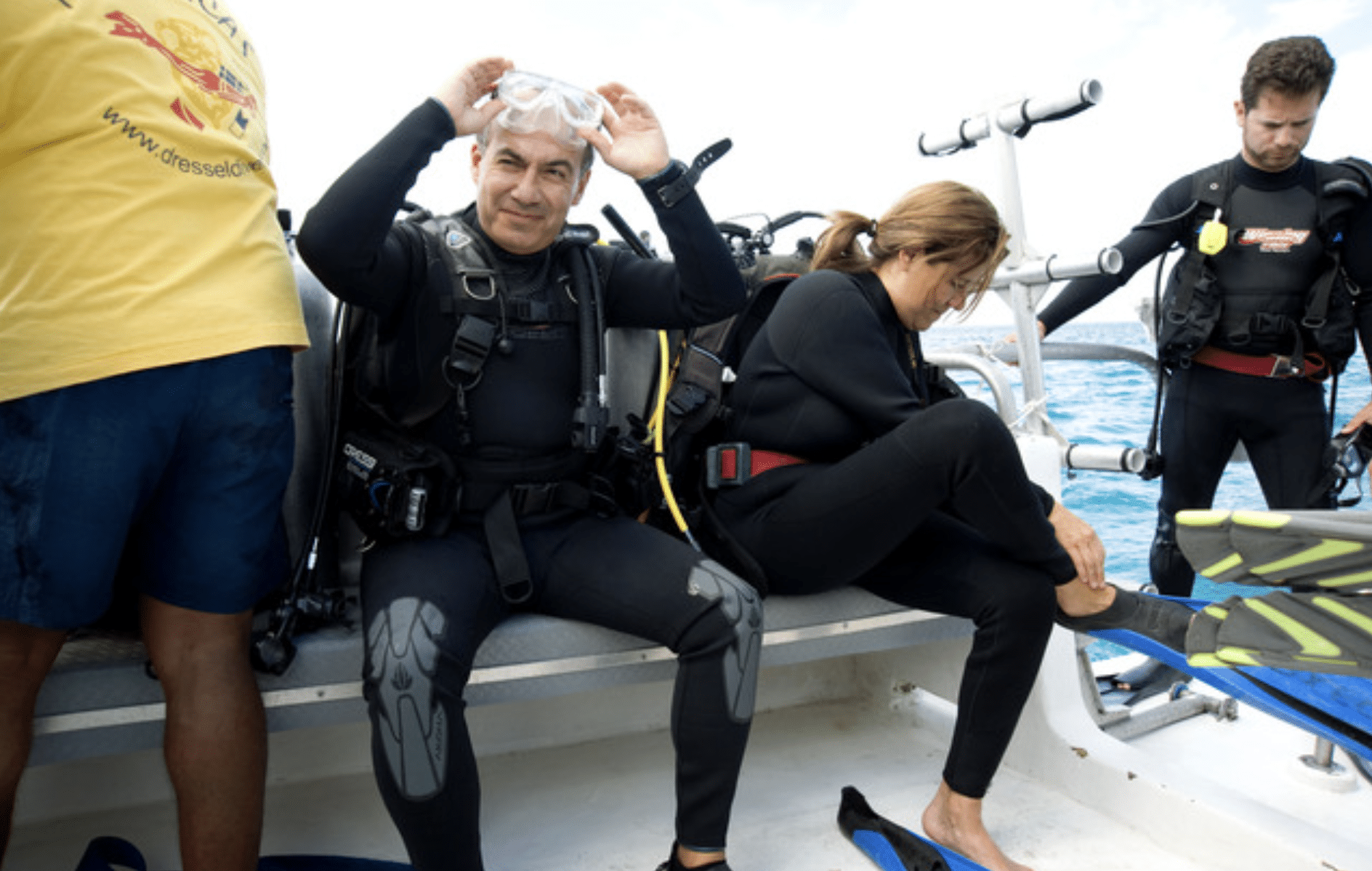
The most immediate and controllable impact comes from diver behaviour. Poor buoyancy control, lack of awareness, and improper positioning result in direct contact with marine life and substrate.
Common operational issues include:
- Fin contact with coral structures during poor trim
- Hand contact used for stabilisation or positioning
- Uncontrolled equipment damaging fragile environments
- Diver crowding in sensitive areas
These actions cause physical damage, increase sedimentation, and stress marine organisms. While individual incidents may appear minor, their cumulative effect is significant, particularly in high-traffic dive locations.
Effective control begins with training. Divers must understand not only what to avoid, but why it matters.
At N9BO℠, we integrate environmental awareness into diver training, ensuring that behaviour aligns with operational standards.
Buoyancy Control and Positioning
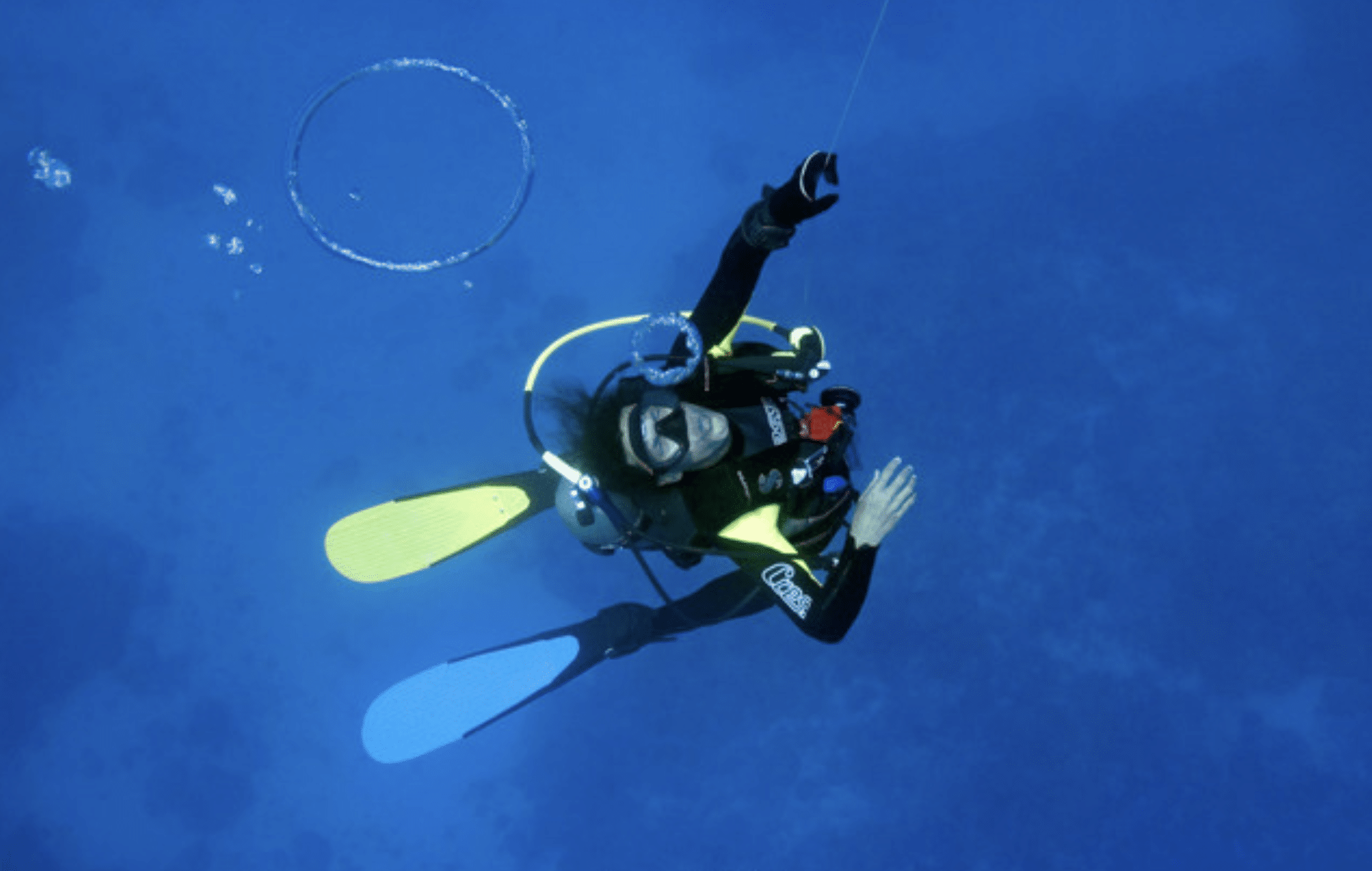
Buoyancy control is one of the most critical skills in reducing environmental impact. Divers who maintain stable buoyancy minimise contact with the environment and reduce sediment disturbance.
This is not only a skill issue—it is an operational standard. Dive centres must ensure that divers entering sensitive environments are capable of maintaining control.
Key control measures include:
- Pre-dive buoyancy checks and weighting verification
- Restricting access to sensitive sites based on skill level
- Reinforcing horizontal trim to reduce fin impact
- Active supervision during dives in fragile environments
Positioning also plays a role. Divers must be managed to avoid clustering and contact with high-risk areas.
At N9BO℠, buoyancy is treated as both a safety and environmental control measure.
Vessel Operations and Mooring Practices
Dive boats introduce additional environmental impact through anchoring, fuel management, and general operations. Anchoring on reefs is one of the most destructive practices, causing immediate structural damage.
The use of mooring systems significantly reduces this risk. Fixed moorings allow vessels to secure without contacting the reef structure.
Operational considerations include:
- Mandatory use of mooring lines where available
- Strict prohibition of anchoring on reef systems
- Controlled approach and departure procedures
- Minimising propeller wash in shallow areas
Fuel handling and waste management are also critical. Spills, leaks, and improper disposal introduce pollutants into the marine environment.
At N9BO℠, vessel operations are managed with environmental impact as a core consideration, not an afterthought.
Equipment and Waste Management
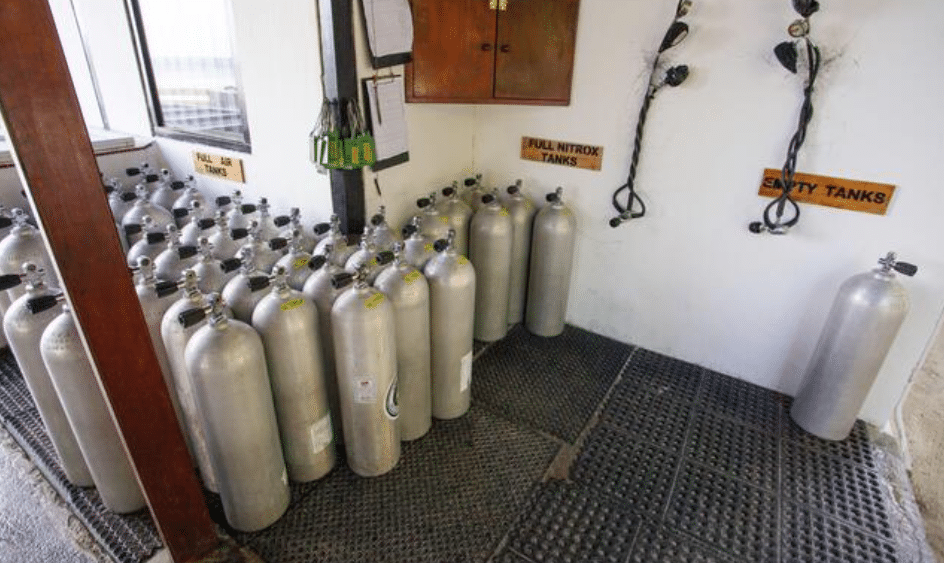
Dive centres generate waste through equipment use, maintenance, and daily operations. Improper handling of this waste contributes to environmental degradation both above and below the waterline.
Key areas of concern include:
- Plastic waste from packaging and consumables
- Chemical discharge from cleaning agents or maintenance
- Equipment degradation leading to microplastic release
Reducing impact requires structured management. This includes minimising single-use materials, using environmentally compatible products, and ensuring proper disposal procedures.
Equipment maintenance also plays a role. Well-maintained equipment reduces the likelihood of leaks, breakage, and environmental contamination.
At N9BO℠, equipment and waste management are integrated into operational procedures to ensure consistency and accountability.
Site Management and Load Control
High-traffic dive sites are particularly vulnerable to overuse. Without control, diver numbers exceed the environment’s capacity to recover, leading to long-term degradation.
Site management involves regulating:
- Number of divers per site
- Frequency of visits
- Diver distribution within the site
Rotating dive locations reduces pressure on individual sites and allows for recovery. Limiting group size improves control and reduces cumulative impact.
These measures require coordination and discipline. Without them, even well-trained divers contribute to degradation through sheer volume.
At N9BO℠, we treat site capacity as an operational limit, similar to safety or logistical constraints.

Education and Environmental Awareness
Sustainability is reinforced through education. Divers who understand the impact of their actions are more likely to adjust behaviour.
Effective education focuses on:
- Explaining the consequences of contact and disturbance
- Reinforcing correct techniques before entering the water
- Providing clear operational expectations
This is not a one-time briefing. It must be consistent across all dives and all personnel. Instructors, guides, and crew must model correct behaviour.
At N9BO℠, environmental awareness is embedded into training programmes, ensuring that knowledge translates into consistent action.
Balancing Operations and Conservation
Dive centres operate within a commercial framework, but long-term viability depends on environmental sustainability. Degraded dive sites reduce both ecological value and operational potential.
Balancing these priorities requires:
- Maintaining high operational standards
- Avoiding short-term decisions that increase long-term risk
- Integrating sustainability into business practices
Sustainable operations are not a limitation—they are a requirement for continuity.
At N9BO℠, we align operational objectives with environmental responsibility, ensuring that business and conservation support each other.
Operational Mindset
Sustainability in diving is not achieved through isolated actions. It requires consistent application of standards across all aspects of operation—diver behaviour, vessel management, equipment handling, and site use.
The impact of diving operations is cumulative. Small actions, repeated over time, define outcomes. Without control, degradation is inevitable. With control, impact can be minimised and environments preserved.
At N9BO℠, we treat environmental protection as an operational discipline. It is not separate from diving—it is part of how diving is conducted.
Maintaining this mindset ensures that dive operations remain viable, responsible, and aligned with the environments they depend on.

Operate Responsibly, Preserve the Environment
Contact N9BO℠ to integrate sustainable practices into your dive operations and training, ensuring long-term protection of the environments you rely on.
From the N9BO℠ Knowledge Base