The Role of the Vessel in Dive Operations
The vessel is the primary operational platform for most dive activities. It supports:
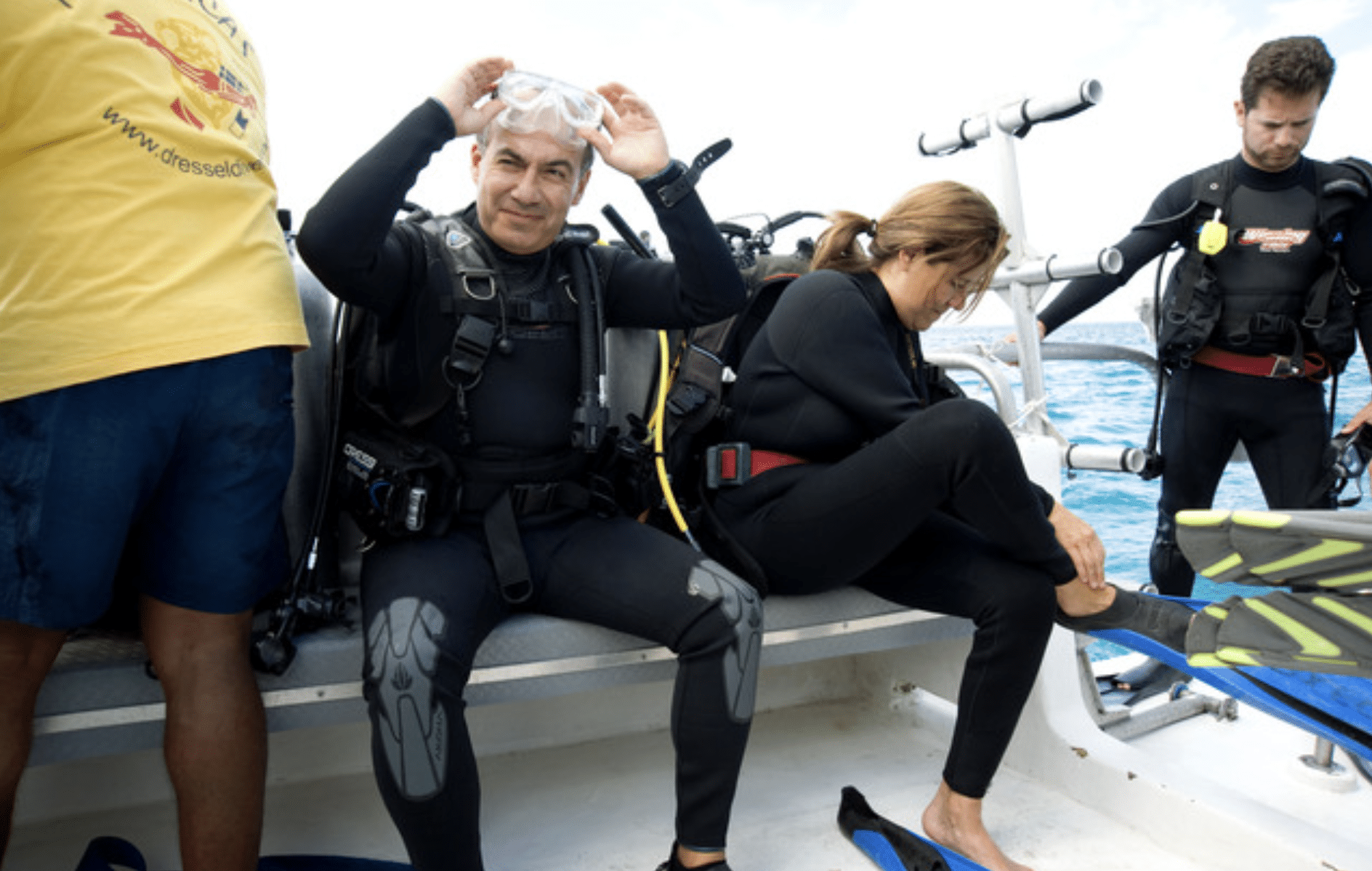
- Diver deployment and recovery
- Equipment transport and staging
- Emergency response capability
Any failure in vessel operation directly impacts diver safety.
This includes:
- Incorrect positioning during entry or exit
- Poor drift management
- Inadequate response to changing conditions
Dive safety does not begin at the waterline—it begins with vessel control.
At N9BO℠, we treat the boat as part of the diving system, not a separate component.
Fundamentals of Seamanship
Seamanship encompasses the knowledge and skills required to operate a vessel safely and effectively.
Core elements include:
- Understanding wind, current, and tide interaction
- Vessel handling and manoeuvring
- Anchoring and mooring techniques
These factors determine how the vessel behaves in different conditions.
Poor understanding leads to:
- Loss of position
- Increased risk during diver recovery
- Potential collision or grounding
Seamanship is not theoretical—it must be applied continuously.
At N9BO℠, we emphasise practical seamanship as a core operational skill.
Positioning and Diver Safety
Accurate vessel positioning is critical during both entry and recovery. The vessel must maintain a safe and predictable position relative to divers.
This requires:
- Accounting for current and drift
- Maintaining visual or electronic tracking of divers
- Adjusting position dynamically as conditions change
Incorrect positioning can result in:
- Divers surfacing away from the vessel
- Increased risk of separation
- Delayed recovery
Positioning must be proactive, not reactive.
At N9BO℠, we train operators to anticipate movement and maintain control.

Drift Management and Environmental Awareness
Environmental conditions directly affect vessel behaviour. Wind, current, and tide must be continuously assessed.
Effective drift management involves:
- Predicting vessel movement over time
- Adjusting position before drift becomes significant
- Maintaining awareness of surrounding hazards
Failure to manage drift leads to:
- Loss of operational control
- Increased workload during recovery
- Potential safety incidents
Environmental awareness must be continuous.
At N9BO℠, we integrate environmental monitoring into vessel operation procedures.
Communication Between Vessel and Dive Team
Coordination between the vessel operator and dive team is essential. Communication ensures alignment between surface and underwater operations.
This includes:
- Confirming entry and exit procedures
- Reporting diver location and status
- Coordinating recovery timing
Breakdowns in communication lead to:
- Misalignment of positioning
- Delayed response to diver needs
- Increased operational risk
Communication must be clear, structured, and continuous.
At N9BO℠, we treat vessel-to-diver communication as a critical control mechanism.
Emergency Preparedness and Response
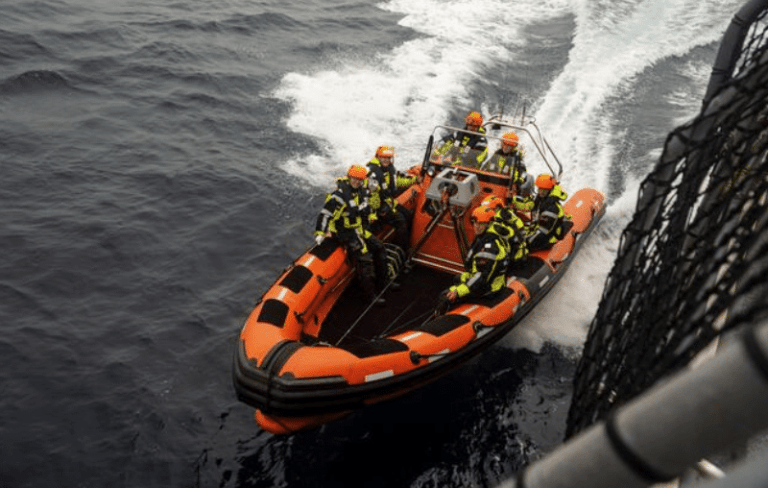
The vessel plays a central role in emergency response. It must be prepared to:
- Recover divers quickly
- Provide first aid or oxygen
- Transport casualties to shore or transfer points
Emergency readiness requires:
- Equipment availability and accessibility
- Crew familiarity with procedures
- Clear roles and responsibilities
Delays or confusion during emergencies increase risk.
At N9BO℠, we integrate emergency response planning into vessel operations.

Crew Coordination and Role Assignment
Effective vessel operation requires coordinated effort from the crew. Each member must understand their role.
Typical roles include:
- Vessel operator managing navigation and positioning
- Crew assisting with diver deployment and recovery
- Safety personnel monitoring conditions
Role clarity ensures:
- Efficient operations
- Reduced confusion during critical phases
- Improved response to changing conditions
Unclear roles increase workload and reduce effectiveness.
At N9BO℠, we emphasise structured crew coordination.
Equipment Handling and Deck Management
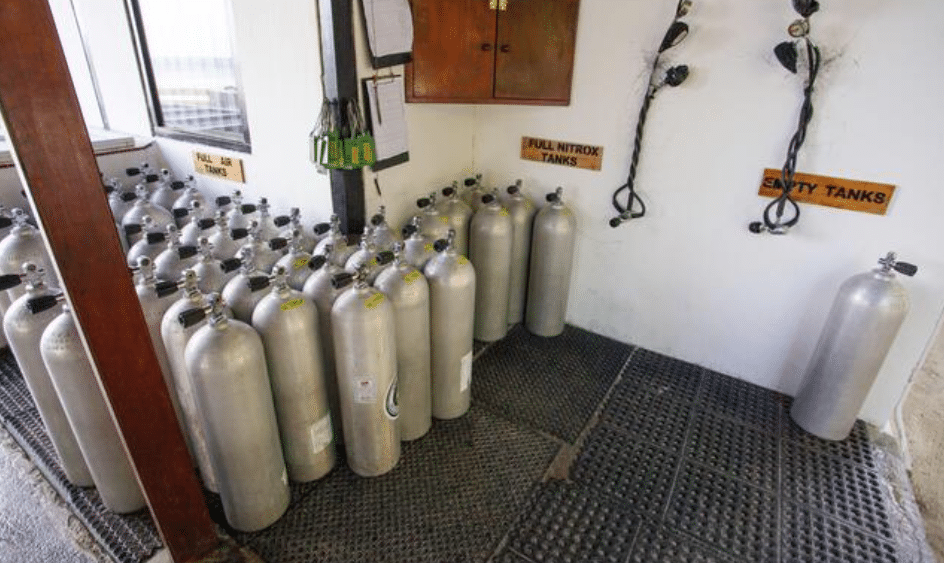
The vessel deck is an active workspace. Poor management increases the risk of injury or equipment damage.
Key considerations include:
- Securing equipment to prevent movement
- Maintaining clear access routes
- Organising gear for efficient deployment
Cluttered or disorganised decks create hazards, particularly in rough conditions.
Deck management must be maintained throughout the operation.
At N9BO℠, we treat deck organisation as part of operational safety.
Common Seamanship Failures in Dive Operations
Failures in vessel operation often result from lack of training or attention to detail.
Common issues include:
- Poor positioning during diver recovery
- Inadequate environmental assessment
- Miscommunication between crew and dive team
- Lack of emergency preparedness
These failures are preventable through training and structured procedures.
At N9BO℠, we address these risks through integrated seamanship training.
Operational Mindset
Seamanship is not separate from diving—it is part of the same system. Vessel operation affects every phase of the dive.
Effective operations require continuous control of both the underwater and surface environment.
At N9BO℠, we approach vessel handling as a safety-critical function. It requires training, awareness, and discipline.
In professional diving, safety is not limited to what happens underwater—it is defined by control across the entire operation.
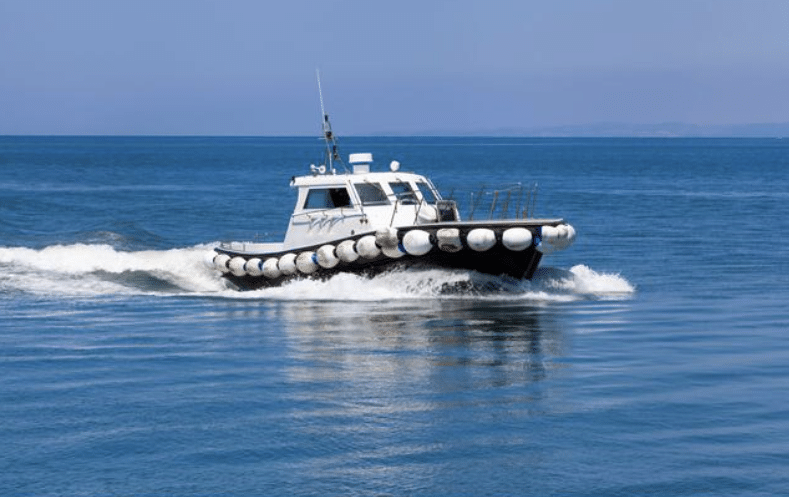
Operate Your Vessel with Precision and Control
Contact N9BO℠ to integrate seamanship and vessel operations training into your dive programmes, ensuring safe, efficient, and controlled dive operations.
From the N9BO℠ Knowledge Base