Beyond the Typical Research Site
While many research dives occur near established marine stations, remote projects introduce additional layers of complexity:
- Limited medical facilities
- Restricted communication access
- Difficult terrain
- Weather unpredictability
- Extended logistics chains
Scientific objectives remain important — but safety infrastructure must scale with environmental challenge.
Remote research diving is expedition diving with academic purpose.
Operational Planning Before Data Collection
Before entering the water, teams must establish:
- Clear research objectives
- Defined sampling methodology
- Equipment redundancy
- Gas planning margins
- Emergency evacuation protocol
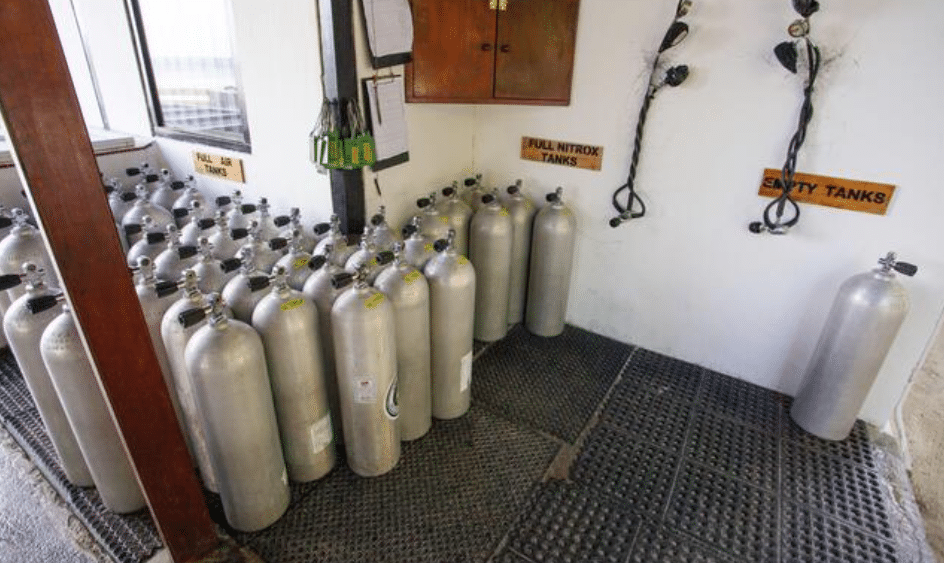
In remote locations, equipment replacement may be impossible.
Failure prevention becomes critical.
Scientific focus cannot overshadow operational preparation.
At N9BO℠, we emphasise that research diving requires the same structured planning as technical exploration.
Balancing Task Loading and Safety
Research tasks often include:
- Species counts
- Photogrammetry
- Coral health assessments
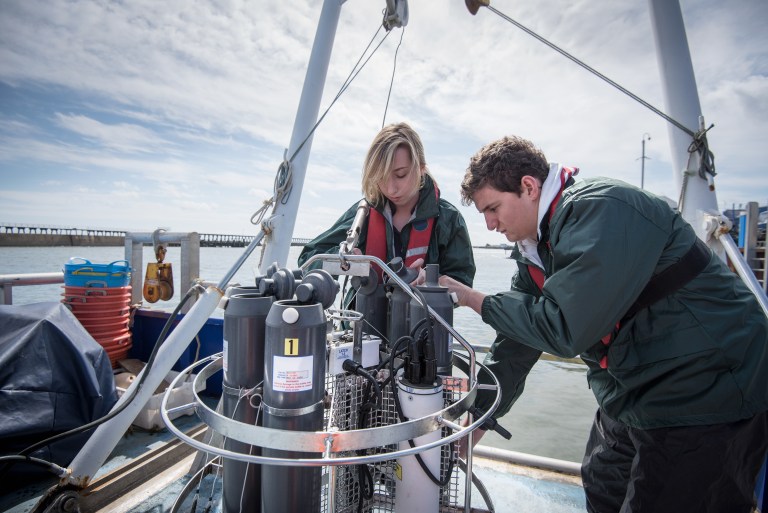
- Instrument deployment
- Sample collection
Each task increases cognitive load.
Divers must simultaneously manage:
- Buoyancy
- Gas supply
- Environmental hazards
- Data accuracy
Task saturation can degrade awareness.
Structured task prioritisation preserves safety.
Safety always precedes data collection.

Environmental Responsibility in Sensitive Areas
Remote research sites often contain fragile ecosystems.
Divers must maintain:
- Precise buoyancy
- Controlled propulsion
- Streamlined equipment configuration
- Hands-off discipline
Accidental disturbance can invalidate data and damage habitat.
Scientific integrity depends on minimal environmental impact.
Professional diving conduct supports ecological preservation.
Data Integrity Under Field Constraints
Accurate data collection requires:
- Consistent measurement methods
- Stable positioning
- Clear documentation
- Backup recording systems
Environmental stressors — current, cold, depth — complicate precision.
Training improves stability under these conditions.
A calm diver records better data.
Communication and Coordination Challenges
Remote research operations may rely on:
- Satellite communication
- HF/VHF radio
- Pre-established reporting schedules
Communication redundancy reduces isolation risk.
Surface teams must maintain awareness of dive status.
Delayed communication magnifies uncertainty.
Operational clarity stabilises remote projects.
Medical and Emergency Planning
Distance from definitive care increases the importance of:
- On-site oxygen capability
- Trauma kit readiness
- Evacuation mapping
- Contingency dive planning
Remote diving should include conservative exposure limits.
Shorter, structured dives often preserve operational margin.
In remote environments, small issues escalate quickly.
Preparedness reduces severity.
Psychological Stability in Isolation
Remote research expeditions may involve:
- Extended field deployments
- Limited social interaction
- Repetitive operational cycles
Fatigue and isolation can influence decision-making.
Structured rest cycles and team debriefing preserve mental clarity.
Professional endurance is essential.
Research quality depends on human stability.
When Science and Safety Align
Research diving contributes to:
- Coral monitoring
- Climate change analysis
- Biodiversity tracking
- Habitat preservation
These objectives deserve disciplined execution.
Scientific mission and diver safety must coexist.
At N9BO℠, we reinforce that operational discipline strengthens research reliability. Competent divers support science by controlling risk, maintaining precision, and protecting the environment.
Science benefits when safety culture leads.

Planning Remote Research Diving Operations?
Structured preparation ensures both scientific accuracy and operational safety. Contact N9BO℠ to discuss research diving support and advanced training.
From the N9BO℠ Knowledge Base