Diving Medicine Lives in the Grey Zone
Most dive injuries do not occur neatly within the scope of basic first aid or emergency medical services.
They exist in a grey zone—where symptoms are subtle, delayed, or environment-specific. The DAN Diving Medical Technician (DMT) is trained specifically to operate in this space.
What a DMT Is — and Is Not
A DMT is not a doctor, and not a substitute for emergency medical services.
Instead, the DMT is trained to:
- Recognise diving-related injuries early
- Differentiate between medical and diving-specific causes
- Initiate appropriate oxygen and first-line care
- Communicate effectively with DAN and hyperbaric facilities
This role is about early recognition and correct escalation.
Why Diving Physiology Changes Medical Response
Diving injuries involve unique factors:
- Inert gas loading
- Pressure-related effects
- Thermal stress
- Dehydration and exertion
Standard medical training does not always address these. DMT education integrates diving physiology into clinical decision-making.
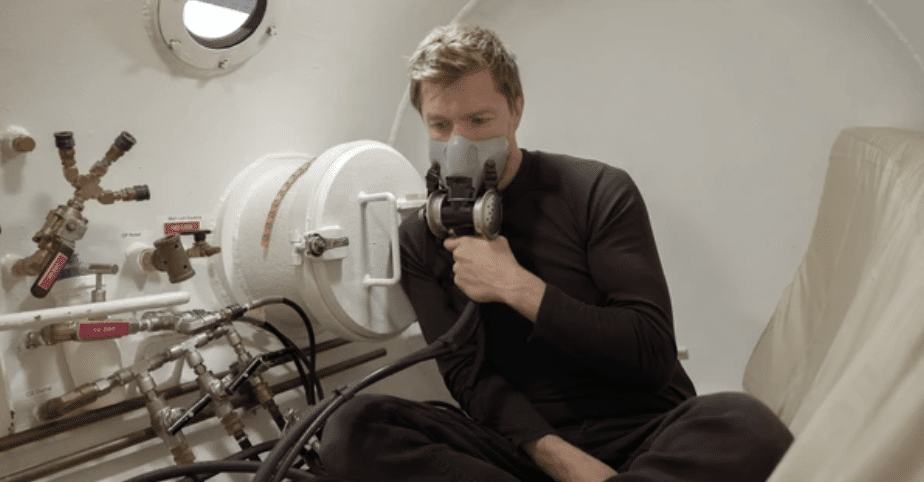
Instructor Perspective: Recognising the Early Signs
Instructors are often the first to notice something is wrong—but may not immediately recognise what it is.
At N9BO℠, DMT training emphasises recognising subtle indicators of DCS, AGE, or immersion-related illness before they escalate.
Oxygen Is a Medical Intervention, Not Just Equipment
Administering oxygen correctly requires medical understanding.
DMT training covers:
- Indications and contraindications
- Flow rates and delivery systems
- Monitoring response
This transforms oxygen from a “safety accessory” into a controlled treatment.
DMTs Improve Emergency Handover
Poor handovers delay treatment.
A trained DMT can provide accurate, relevant information to DAN, EMS, or hyperbaric staff—saving time when it matters most. Professional medical communication is a core part of the role.
Value in Remote and Expeditionary Diving
In remote environments, delays are inevitable.
DMTs provide an additional safety buffer by stabilising patients and guiding evacuation decisions. Expedition and technical operations benefit significantly from onboard DMT capability.
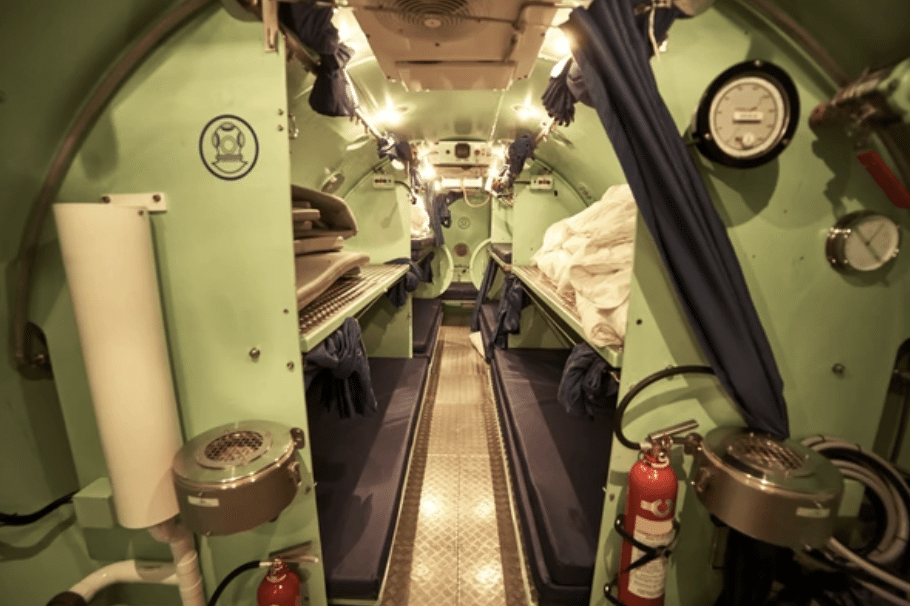
DMTs Support Dive Operations Proactively
Beyond emergencies, DMTs contribute by:
- Advising on hydration and workload
- Monitoring post-dive symptoms
- Supporting incident prevention
This proactive role improves overall safety culture.
Professional Parallels
In offshore, aviation, and expedition medicine, trained medical technicians bridge the gap between first aid and doctors.
DMTs fulfil the same function in diving operations.
The Bottom Line
The DAN Diving Medical Technician is a force multiplier for dive safety.
By combining medical training with diving-specific knowledge, DMTs improve outcomes, reduce escalation, and support informed decision-making.
At N9BO℠, DMT training is positioned as a critical component of professional dive leadership.
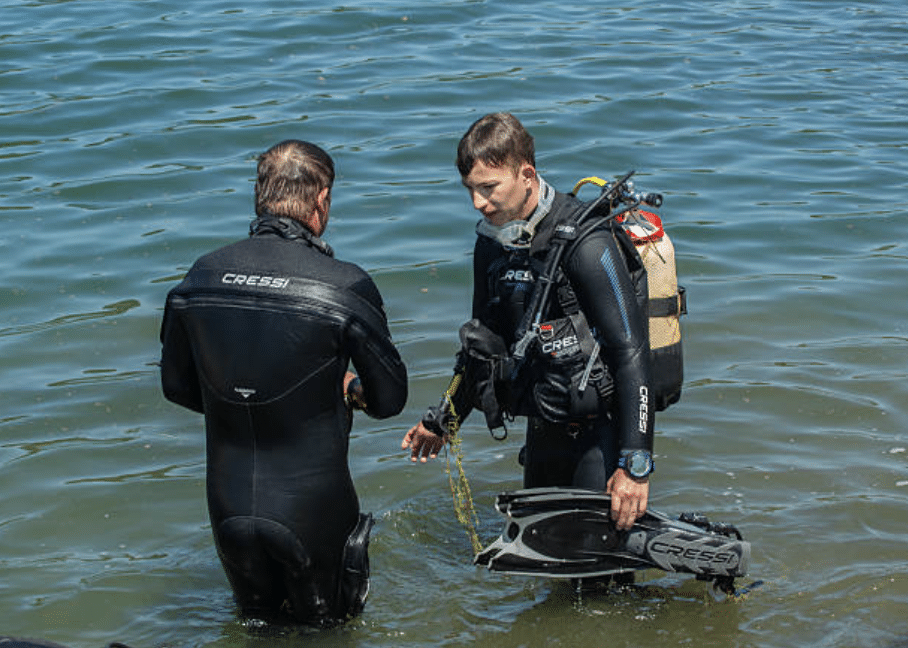
Interested in Diving Medical Training?
Medical preparedness is a critical layer of diving safety. Contact us to discuss DAN-based medical training and emergency response programmes.
From the N9BO℠ Knowledge Base