Research Diving Is Not Tourism With Data
Environmental and scientific diving operates under fundamentally different priorities than recreational diving.
Objectives are mission-driven, timelines are tight, and safety margins must account for task loading, equipment complexity, and environmental sensitivity. Professional research diving exists to support science—not personal experience.
The Role of the Professional Diver in Research
Research divers are expected to:
- Execute precise task sequences
- Maintain stable positioning for data collection
- Protect fragile environments
- Operate within strict methodological constraints
Unlike recreational diving, success is measured by data quality and repeatability, not enjoyment.
Why Technical Competence Is Only the Baseline
Scientific diving often takes place in:
- Cold or low-visibility water
- Strong currents
- Overhead or confined spaces
- Remote locations with limited support
Technical skills create access—but judgment, discipline, and teamwork ensure mission success.
Instructor Perspective: Training for Purpose, Not Performance
Instructors observe that divers trained only for performance struggle when tasks dominate the dive.
At N9BO℠, training for research support emphasises:
- Buoyancy precision
- Task prioritisation
- Communication under load
- Environmental awareness
This mindset shift is critical.
Supporting Exploration and Documentation Projects
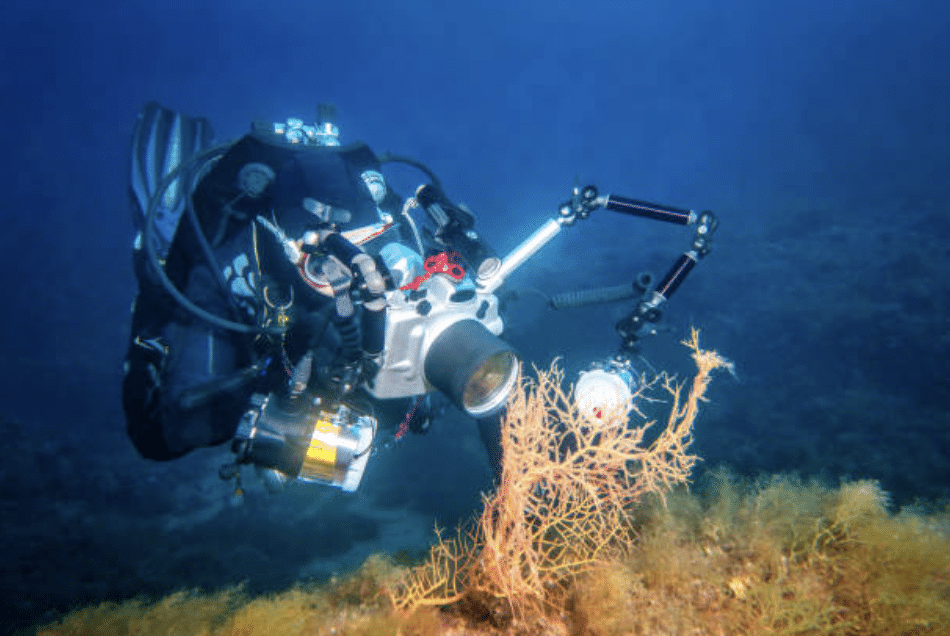
Marine expeditions—such as deep reef surveys, cave mapping, or wreck documentation—require divers who can operate for the team, not themselves.
Professional training prepares divers to:
- Follow predefined plans
- Adapt to changing conditions
- Abort without hesitation
- Preserve equipment and data
Partnerships With Scientific and Media Organisations
Organisations like National Geographic, academic institutions, and conservation bodies rely on divers who understand operational discipline.
Trust is earned through consistency, discretion, and professionalism—not social media visibility.
Environmental Ethics in Research Diving
Scientific diving must minimise impact.
Poor finning, uncontrolled buoyancy, or careless contact can compromise years of research. Professional training embeds environmental ethics into every skill.
Documentation, Data Integrity, and Repeatability
Research dives are part of larger datasets.
Consistency matters more than individual excellence. Professional divers understand their role within long-term scientific frameworks.
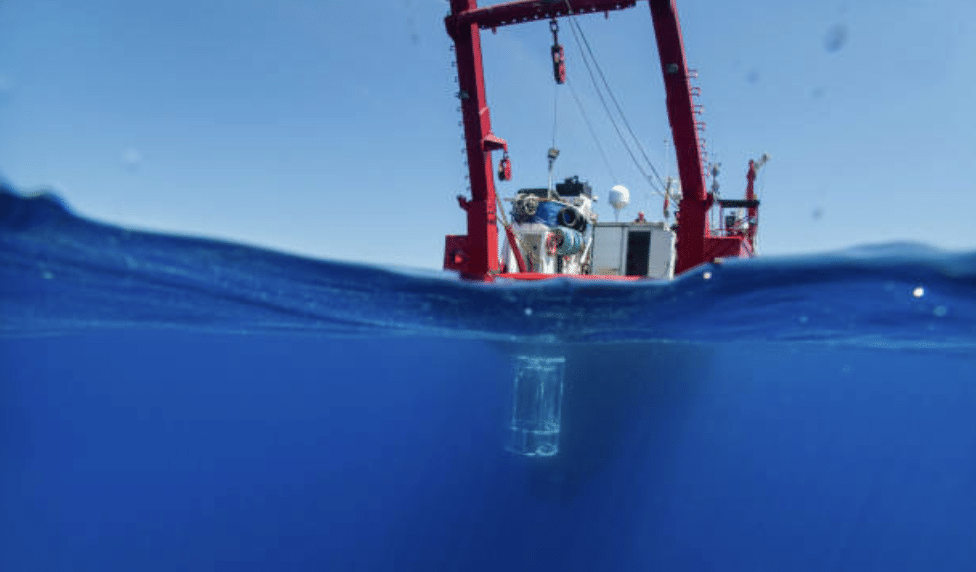
Expedition Support Beyond the Water
Research divers often assist with:
- Equipment preparation
- Logistics and transport
- Risk assessments
- Emergency planning
These contributions are as important as in-water performance.
Professional Parallels
In polar research, archaeology, and space exploration, field operators support scientists through disciplined execution.
Research diving follows the same model.
The Bottom Line
Environmental research depends on divers who understand that the mission comes first.
Professional diving enables science by providing safe, controlled, and repeatable access to underwater environments. At N9BO℠, divers are trained not just to explore—but to contribute meaningfully.
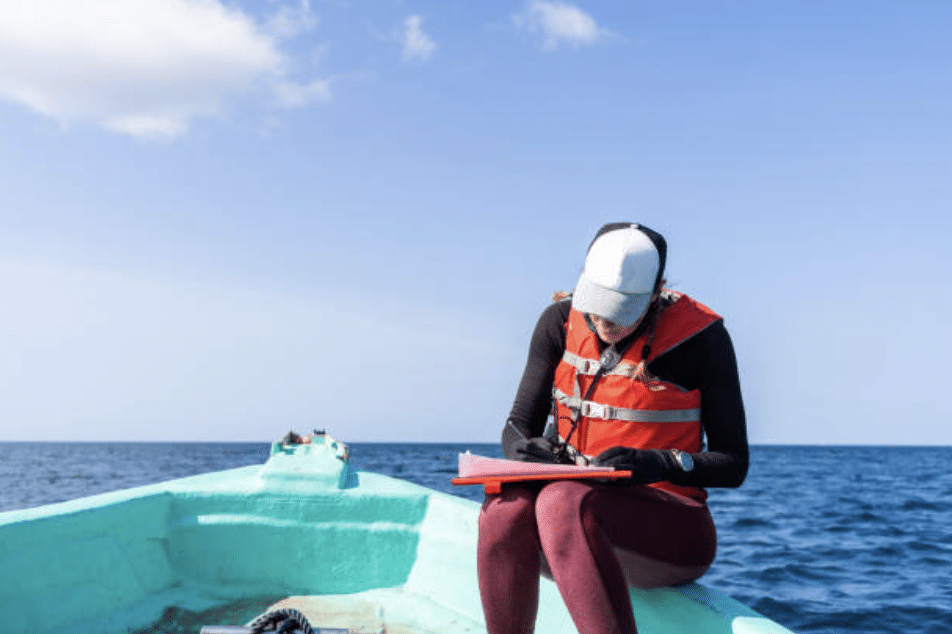
Interested in Expedition or Research Diving?
Professional divers play an important role in conservation and research operations. Contact us to discuss training pathways that support expedition and environmental diving work.
From the N9BO℠ Knowledge Base