What Makes CCR Fundamentally Different
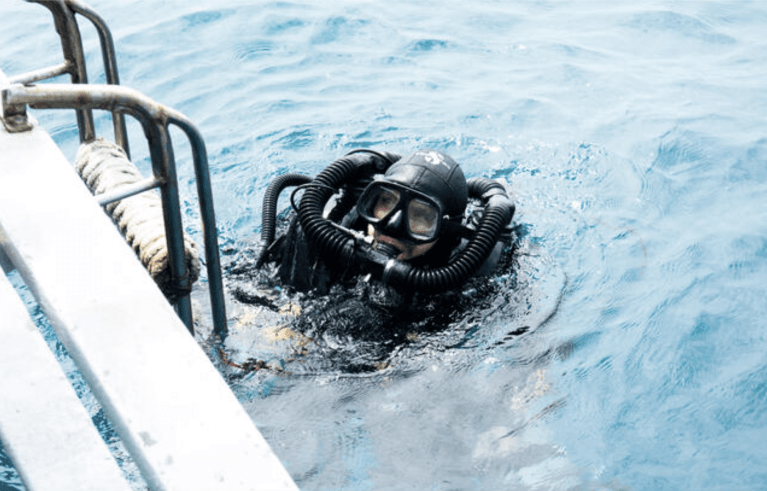
Unlike open-circuit (OC) scuba, CCR systems:
- Recycle exhaled gas
- Remove carbon dioxide via scrubber
- Add oxygen to maintain setpoint
- Operate within a semi-closed breathing loop
This changes everything.
Instead of breathing from a tank directly, the diver manages a life support ecosystem.
Gas is no longer just consumed.
It is regulated.
Control replaces simplicity.
Oxygen Setpoint: The Core Variable
CCR diving revolves around maintaining a stable oxygen partial pressure (PO₂).
Too low:
- Hypoxia
- Loss of consciousness
- Silent incapacitation
Too high:
- Oxygen toxicity
- Seizure risk
- Sudden incapacitation
The diver must monitor:
- PO₂ readings
- Cell consistency
- Setpoint control
CCR is continuous management.
Not passive breathing.
Carbon Dioxide: The Invisible Threat
CO₂ management defines CCR safety.
Scrubber failure or excessive work of breathing can lead to:
- Hypercapnia
- Panic
- Cognitive impairment
CO₂ buildup is insidious.
Symptoms may include:
- Increased respiratory drive
- Anxiety
- Reduced clarity
CCR discipline includes:
- Scrubber duration tracking
- Proper packing
- Monitoring breathing resistance
At N9BO℠, we emphasise that CCR diving requires cognitive stability and procedural fidelity. The system rewards calm methodical behaviour.
Redundancy: Built Into the Philosophy
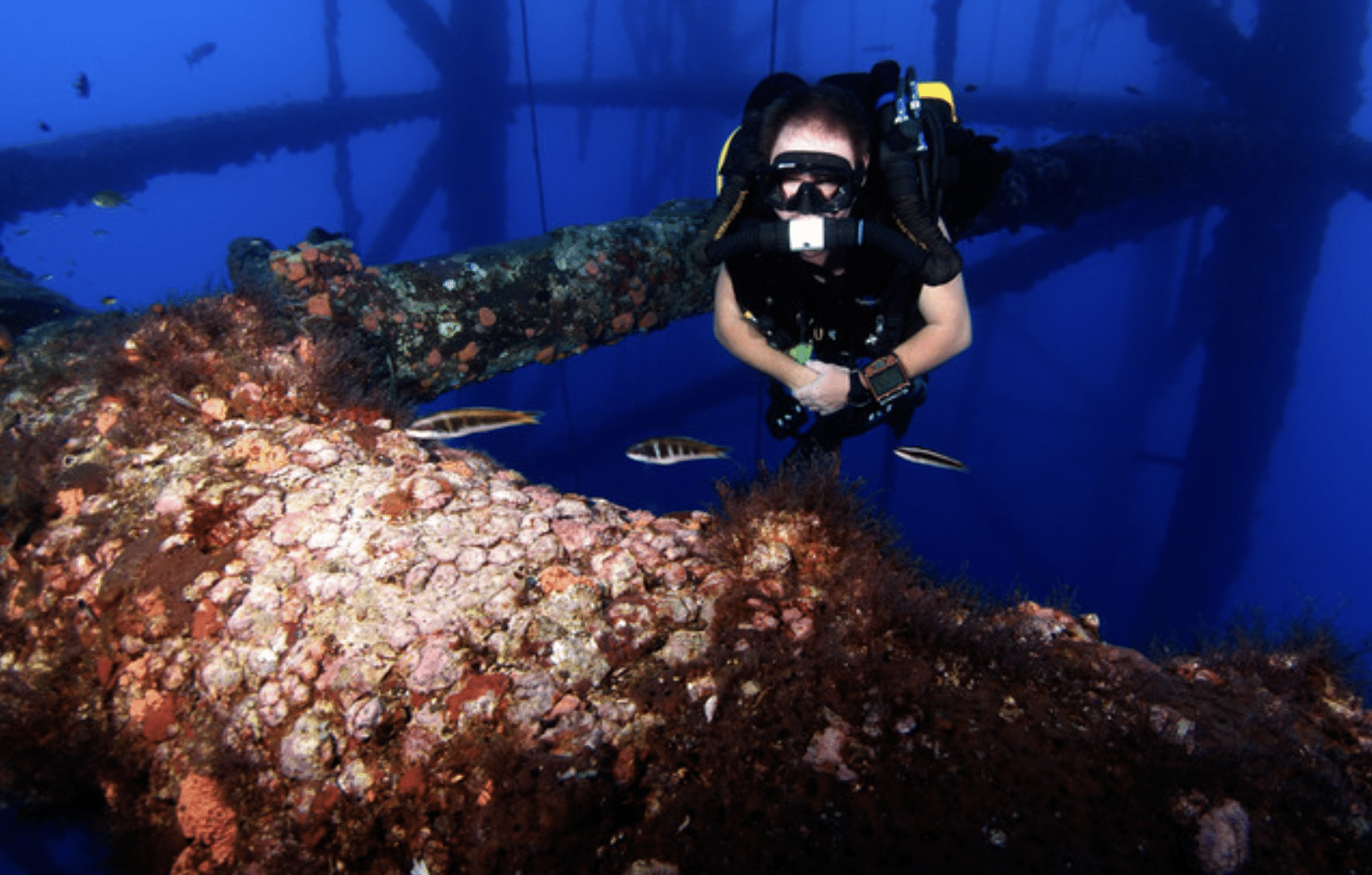
CCR divers carry:
- Bailout cylinders
- Independent regulators
- Multiple PO₂ sensors
- Manual oxygen addition capability
Redundancy exists because:
- Electronics can fail
- Sensors can drift
- Human error can occur
CCR divers must be prepared to transition to bailout without hesitation.
Planning for failure defines technical maturity.
Gas Efficiency and Extended Range
CCR systems:
- Optimise oxygen fraction
- Reduce gas waste
- Extend bottom time
- Decrease decompression obligation in some profiles
However, extended range increases:
- Exposure time
- Task loading
- Decompression complexity
Longer dives require stronger discipline.
Capability increases responsibility.
Human Factors in CCR Diving
CCR divers must manage:
- Cognitive load
- Task saturation
- Instrument monitoring
- Decision fatigue
Unlike OC diving, failure may not be immediately obvious.
Situational awareness must remain elevated.
Silence underwater does not equal safety.
Quiet systems require active attention.
Training and Progression
CCR training includes:
- Loop management
- Failure drills
- Manual control practice
- Bailout switching
- Pre-dive checklist discipline
Training intensity exceeds recreational norms.
Comfort without competence is dangerous.
Structured repetition builds resilience.

CCR Is Not a Status Symbol
Rebreathers are sometimes perceived as advanced prestige equipment.
In reality, they are:
- Complex
- Demanding
- Unforgiving of complacency
The system requires:
- Conservative planning
- Strict maintenance
- Honest self-assessment
Ego undermines safety.
Discipline protects it.
Operational Integration
CCR is widely used in:
- Cave exploration
- Deep wreck penetration
- Military operations
- Scientific research
These environments demand:
- Gas optimisation
- Minimal disturbance
- Extended endurance
CCR supports mission objectives when managed properly.
Professional culture must match technological capability.
Life Support Is a System, Not Equipment
CCR divers do not simply wear equipment.
They operate a system.
A living, dynamic gas control loop.
Physics, physiology, and human judgement intersect continuously.
Modern technical diving pushes boundaries.
Only structured mindset sustains safety.

Considering CCR Diving?
Closed-circuit systems demand disciplined training and structured progression. Contact N9BO℠ to discuss CCR pathways aligned with safety and operational integrity.
From the N9BO℠ Knowledge Base