Two Worlds, Same Water
At first glance, diving is diving.
Mask, fins, regulator, buoyancy control—these elements exist in both recreational and public safety environments. But this similarity is superficial.
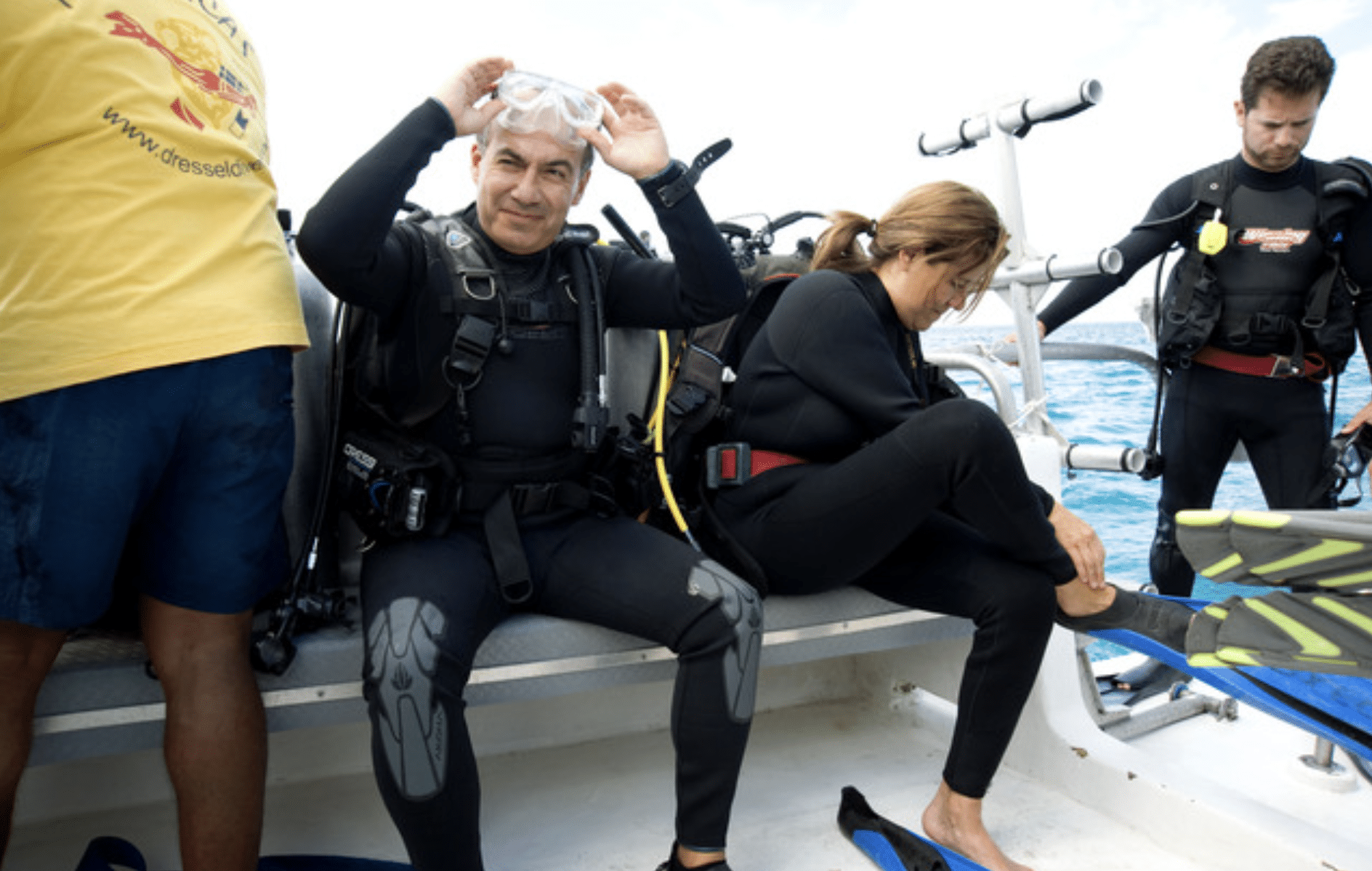
Recreational diving is designed around:
- Comfort
- Enjoyment
- Controlled exposure
Public safety diving is defined by:
- Task completion
- Environmental uncertainty
- Operational accountability
The difference lies not in the water, but in the purpose.
One dives to experience.
The other dives to achieve.
The Environment: From Clear Water to Zero Visibility
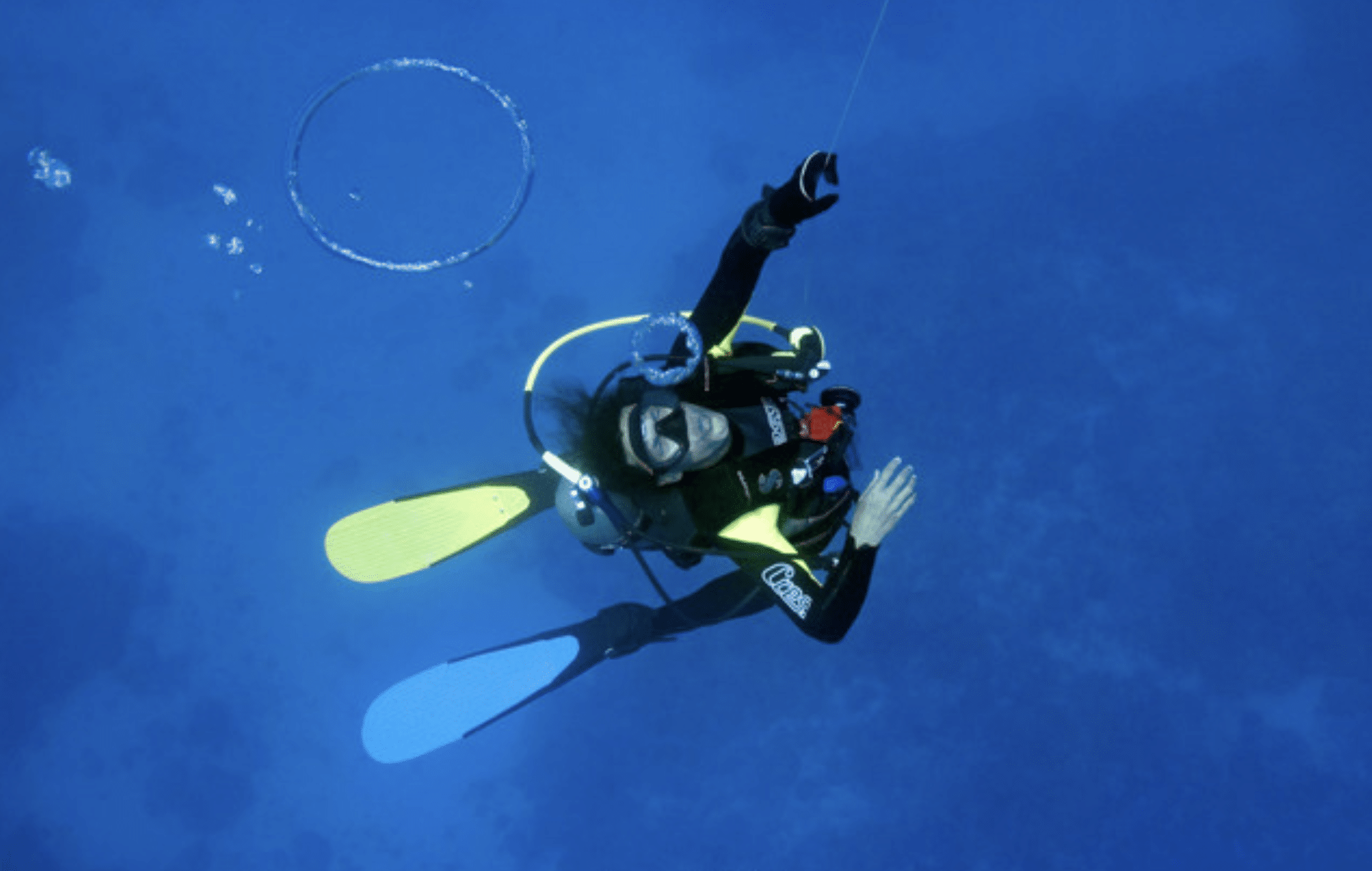
Recreational divers are typically trained and encouraged to dive in conditions that support:
- Good visibility
- Predictable currents
- Minimal hazards
Even when conditions degrade, the expectation is that divers can abort safely.
Public safety divers do not have that luxury.
They operate in:
- Zero visibility environments
- Contaminated water
- Debris-filled areas
- Confined or entangled spaces
In these conditions, vision is replaced by:
- Touch
- Procedure
- Team coordination
The environment is not chosen.
It is imposed.
The Objective: Exploration vs Mission Completion
A recreational dive has flexible objectives.
If conditions change, the dive can be shortened, modified, or cancelled with minimal consequence.
Public safety diving is different.
Every dive has a defined objective:
- Recover a victim
- Locate evidence
- Inspect a structure
- Secure a scene
Failure to complete the task may result in:
- Delayed investigations
- Compromised evidence
- Emotional impact on families
The dive is not optional.
The outcome matters.
Mindset Shift: Comfort vs Responsibility
This is where the real transition happens.
Recreational divers are trained to:
- Stay within limits
- Maintain comfort
- Avoid unnecessary risk
Public safety divers must:
- Operate despite discomfort
- Manage risk, not avoid it
- Execute tasks under pressure
The mindset shifts from:
“Am I comfortable?”
to:
“Am I capable of completing this safely and correctly?”
This distinction defines professional diving.

Skill Application: Technique vs Execution Under Pressure
Recreational training focuses on:
- Skill acquisition
- Familiarisation
- Controlled practice
Skills are often demonstrated in:
- Clear water
- Low-stress environments
Public safety diving requires:
- Skill execution under stress
- Consistency in degraded conditions
- Procedural discipline
For example:
A recreational diver may practice mask removal.
A public safety diver must:
- Maintain orientation
- Continue task execution
- Communicate with the team
while managing the same failure.
The skill is the same.
The context is not.
Team Dynamics: Buddy System vs Operational Unit
Recreational diving relies on the buddy system.
This is often informal, based on:
- Mutual support
- Shared responsibility
Public safety diving operates as a structured team.
Roles are clearly defined:
- Diver
- Tender
- Supervisor
- Safety diver
Each role has:
- Specific responsibilities
- Communication protocols
- Operational boundaries
The team functions as a system.
Not as individuals.

Procedures vs Flexibility
Recreational diving allows for flexibility.
Divers adapt based on:
- Experience
- Preference
- Conditions
Public safety diving prioritises:
- Standardisation
- Procedures
- Repeatability
Why?
Because consistency reduces error.
Procedures ensure that:
- Every team member understands the operation
- Actions are predictable
- Communication is clear
Flexibility exists—but only within defined frameworks.
Risk Management: Avoidance vs Control
Recreational divers are trained to avoid risk.
If something feels wrong:
- Abort the dive
- Surface
- Reassess
Public safety divers must often operate within risk.
They are trained to:
- Identify hazards
- Mitigate exposure
- Continue operations safely
This does not mean accepting unnecessary danger.
It means understanding that:
- Risk cannot always be eliminated
- It must be managed
Equipment: Simplicity vs Configuration for Task
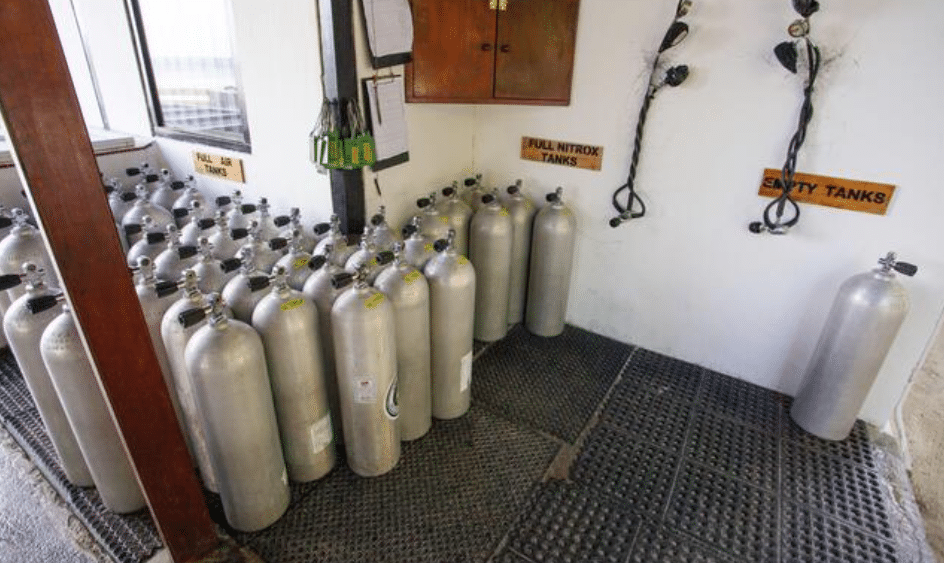
Recreational equipment is streamlined for ease of use.
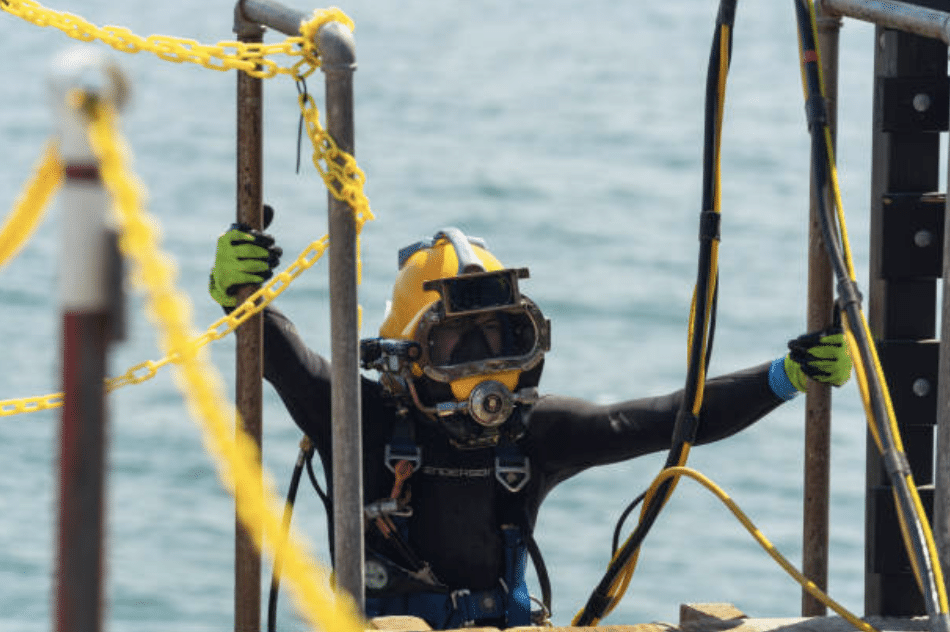
Public safety equipment is configured for:
- Communication systems
- Redundancy
- Task-specific requirements
This includes:
- Full-face masks
- Surface-supplied systems
- Tethered operations
Equipment becomes part of the operational system.
Not just life support.
Training Philosophy at N9BO℠
At N9BO℠, we emphasise that transitioning from recreational to public safety diving is not about adding certifications.
It is about redefining:
- Discipline
- Responsibility
- Operational mindset
Training focuses on:
- Realistic scenarios
- Team integration
- Procedural execution
Because capability is not built in ideal conditions.
It is built where things go wrong.
Final Perspective
Public safety diving and recreational diving share the same medium.
But they are fundamentally different disciplines.
One prioritises:
- Experience
- Enjoyment
- Personal development
The other demands:
- Precision
- Accountability
- Team performance
Understanding this difference is essential.
Because the moment a diver enters public safety operations, the standard changes.
And so does the responsibility.
Ready to Transition from Recreational to Operational Diving?
Contact N9BO℠ to train with structured ERDI programmes built for real-world public safety environments.
From the N9BO℠ Knowledge Base