The Responsibility Behind the “Intro Dive”
Discover Scuba Diving is sometimes misunderstood as a casual experience product.
In reality, it represents one of the highest responsibility ratios in the industry:
- Uncertified participants
- Limited theoretical knowledge
- Unfamiliar environment
- Elevated anxiety levels
Participants rely entirely on professional oversight.
The instructor or supervising Divemaster must anticipate reactions before they occur.
This is not a casual dive. It is structured risk management.
The Psychology of the First Breath
The first inhalation underwater is psychologically significant.
Participants may experience:
- Excitement
- Apprehension
- Elevated breathing rate
- Sensory overload
Professional instructors monitor breathing patterns and body language closely.
Controlled pacing prevents cognitive overload.
A rushed introduction increases stress. A measured introduction builds confidence.
The underwater environment amplifies emotional states. Calm instruction stabilises them.
Briefing as Risk Mitigation
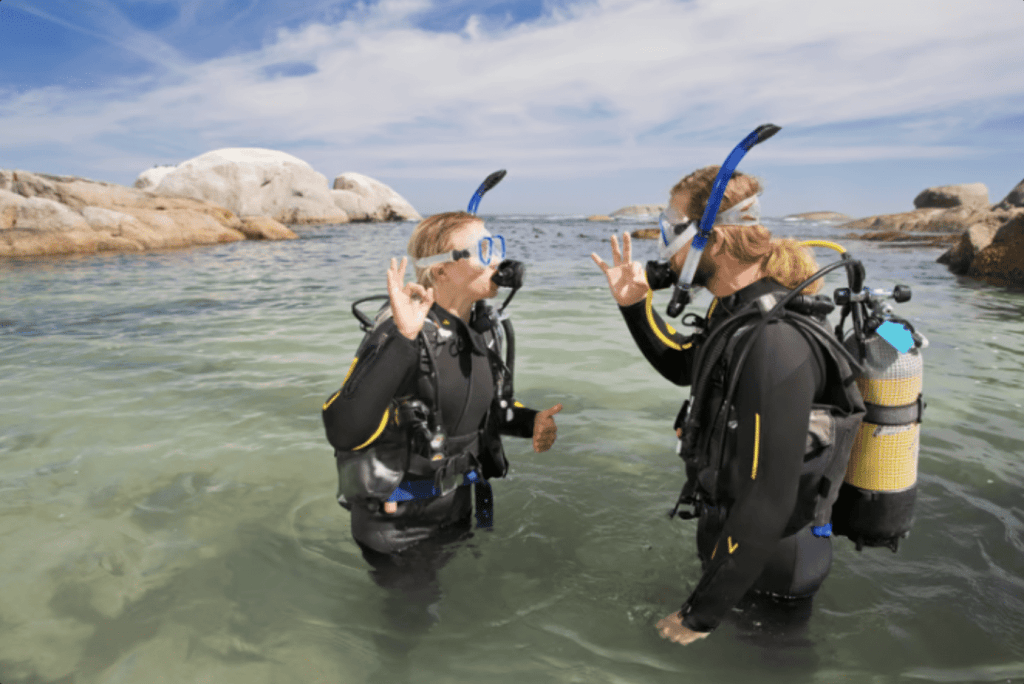
The surface briefing sets the tone.
Effective briefings cover:
- Equalisation
- Mask clearing
- Regulator recovery
- Hand signals
- Depth limitations
- Instructor proximity
Clarity reduces surprise.
Surprise elevates stress.
Participants must understand that the instructor remains within arm’s reach.
Predictability builds trust.
Confined Water Before Open Water
Structured DSD programmes begin in confined or shallow controlled environments.
Skill introduction includes:
- Controlled breathing
- Regulator clearing
- Basic buoyancy awareness
Only once comfort stabilises should depth gradually increase.
Progression should always follow behavioural readiness, not time pressure.
At N9BO℠, we reinforce that participant comfort dictates pace — not schedule.
Instructor Positioning and Control
Professional DSD execution demands disciplined positioning.
Instructors must:
- Maintain physical proximity
- Monitor gas supply
- Observe body posture
- Control ascent rate
- Anticipate instability
Loose supervision invites preventable incidents.
Precision supervision builds confidence.
A DSD instructor is both guide and guardian.

Environmental Selection Matters
Site selection influences success.
Ideal conditions include:
- Minimal current
- Good visibility
- Calm surface
- Gradual depth profile
Complex sites increase participant stress and reduce learning capacity.
Introductory diving should prioritise control over spectacle.
Safety precedes scenery.
The Impact on Long-Term Diving Culture
A participant’s first experience shapes:
- Future certification decisions
- Confidence level
- Perception of safety
- Trust in the diving industry
A poorly managed DSD can discourage continuation.
A professionally executed DSD builds positive association and respect for standards.
Introductory experiences influence industry reputation.
Instructor Discipline Over Marketing Pressure
Commercial pressure sometimes encourages pushing participants beyond readiness.
Professional ethics reject this approach.
If a participant:
- Cannot equalise
- Exhibits anxiety
- Demonstrates unstable buoyancy
- Fails to follow instruction
the dive must remain conservative or be terminated.
Abort is not failure — it is professionalism.
Standards exist to protect participants.
When Introduction Is Done Correctly
A successful Discover Scuba Diving experience produces:
- Calm breathing
- Controlled descent
- Comfortable buoyancy
- Clear communication
- Positive emotional response
The objective is not depth. It is confidence.
The experience must remain structured from entry to exit.
At N9BO℠, we treat introductory diving with the same procedural discipline applied to technical operations. Professional culture begins at the first breath.

Ready to Experience Your First Breath Underwater?
A structured introduction makes all the difference. Contact N9BO℠ to schedule a professionally supervised Discover Scuba Diving experience.
From the N9BO℠ Knowledge Base