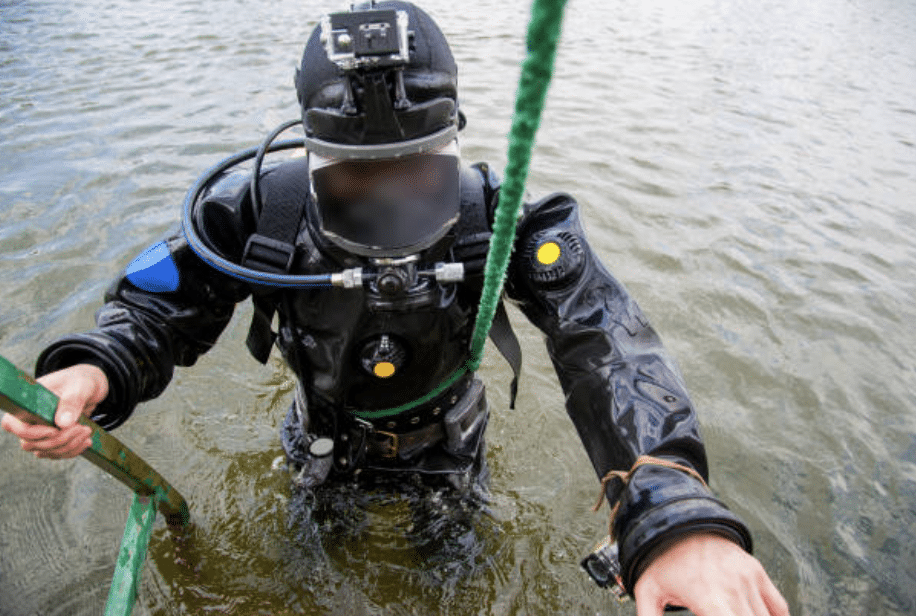
ERDI & Public Safety Diving

Full Face Mask Diving: Communication, Protection, and Operational Control Underwater

Why Full Face Masks Exist in Public Safety Diving

In recreational diving, equipment is largely designed for comfort and simplicity. Public safety diving operates under very different constraints. Divers may work in contaminated water, zero visibility environments, cold conditions, or locations where communication with the surface is critical. The full face mask was developed to address these operational challenges.

An FFM seals around the entire face rather than just the eyes and nose, allowing the diver to breathe through both nose and mouth while maintaining a protected breathing environment. This reduces jaw fatigue, improves thermal protection, and allows integration with underwater communication systems. For law enforcement, recovery teams, and emergency response divers, these advantages are not luxuries — they are operational necessities.

At N9BO℠, FFM training begins with understanding that the equipment is not simply an upgrade. It is a different system requiring different habits and procedures.


Communication Changes Everything

One of the most significant advantages of full face mask diving is communication. In ERDI operations, divers often remain in constant contact with tenders and supervisors on the surface. Instructions, updates, and safety information can be transmitted in real time, reducing uncertainty and improving coordination.

This fundamentally changes underwater operations. Instead of relying solely on hand signals or line pulls, teams operate more like coordinated units. Search patterns can be adjusted immediately, hazards communicated instantly, and diver workload reduced through clear direction from the surface.

However, communication introduces a new layer of discipline. Divers must learn to speak clearly, manage breathing while communicating, and avoid cognitive overload. Surface teams must also be trained to communicate efficiently. Poor communication can create confusion rather than clarity. ERDI training addresses this by integrating communication procedures into operational scenarios rather than treating them as an accessory skill.


Protection in Contaminated and Harsh Environments

Public safety divers frequently operate in environments unsuitable for traditional open-face equipment. Contaminated water, fuel residues, biological hazards, and low temperatures all increase exposure risk. A full face mask provides an additional barrier between the diver and the environment, reducing direct contact with potentially harmful water.

This protective function is one of the main reasons FFMs are standard equipment in many emergency response agencies. Combined with drysuits and proper decontamination procedures, they form part of a complete exposure protection system.

At N9BO℠, this aspect is taught within the broader context of risk management. Equipment alone does not eliminate risk; it reduces exposure when used correctly within established procedures.

A person in full scuba diving kit, including a mask and gloves, is being assisted by another person wearing a red vest labelled CALE. They appear to be preparing for a dive outdoors, with trees in the background.

New Failure Modes Require New Training

While FFMs provide clear advantages, they also introduce new risks. Mask flooding, regulator free-flow, communication failure, or incorrect strap adjustment can quickly escalate if the diver is not properly trained. Unlike a standard regulator, removal of a full face mask requires deliberate procedure and backup planning.

ERDI training emphasises bailout procedures, emergency mask removal, and transition drills. Divers must become comfortable managing failures calmly and methodically. The objective is not simply to use the equipment, but to understand how it behaves when things go wrong.

This reflects a core principle at N9BO℠: professional equipment demands professional discipline. The more capable the system, the more important training becomes.


Operational Efficiency and Reduced Diver Stress

When properly used, full face masks can significantly reduce diver workload. Breathing becomes more natural, communication reduces uncertainty, and the diver can focus more effectively on the task at hand. In search and recovery operations, inspections, or evidence recovery, this increased efficiency translates directly into safer and more controlled operations.

However, this benefit only appears when training is thorough. Without structured familiarisation, the mask can feel restrictive or unfamiliar. Proper training removes this barrier and allows the diver to use the equipment confidently.

At N9BO℠, FFM training integrates equipment handling with real operational scenarios, ensuring divers understand not only how to wear the mask, but how to work effectively with it.


A Professional Tool, Not a Comfort Upgrade

The full face mask represents a transition from recreational diving equipment to operational life-support systems. It enables communication, improves protection, and enhances control — but only when supported by disciplined procedures and team coordination.

For this reason, ERDI Full Face Mask training is not about equipment familiarity alone. It is about operational mindset. Divers learn to think in terms of systems, redundancy, and communication rather than individual comfort.

In professional diving, the goal is always the same: reduce uncertainty, increase control, and maintain safety margins even when environments become unpredictable. The full face mask, properly understood and trained, becomes a powerful tool in achieving that objective.
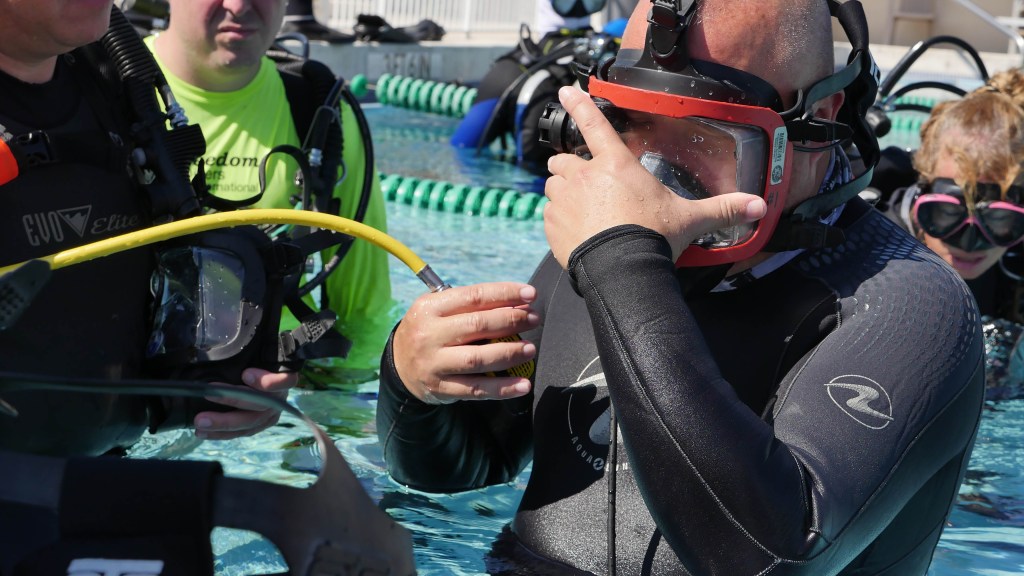
Several people in wetsuits and scuba masks stand in a swimming pool, one person adjusting their full-face mask while another holds a yellow air hose. Pool lane dividers are visible in the background.

Interested in ERDI Full Face Mask Training?

Full face mask diving requires specialised procedures and operational training. Contact N9BO℠ to learn more about ERDI Full Face Mask programmes and public safety diving pathways.


From the N9BO℠ Knowledge Base


Share this

What Is a Tender in Public Safety Diving? The Most Critical Role Nobody Sees

Public Safety Diving Is a Team Operation

Unlike recreational diving, public safety diving is never an individual activity.

A surface team supports every diver in the water—and at the centre of that team is the tender. When tending fails, divers get lost, entangled, or worse.


What Is a Tender?

A tender is the surface-based operator responsible for:

  • Managing the diver’s lifeline
  • Maintaining orientation and search patterns
  • Monitoring diver progress
  • Communicating commands and status
  • Initiating emergency response

The tender controls the dive—the diver executes it.


Instructor Perspective: The Tender Prevents Emergencies

Instructors frequently analyse incidents where divers “disappeared” underwater.

At N9BO℠, post-incident reviews often reveal the same cause: inadequate tending, not diver incompetence.


Line Management Is Not Rope Handling

The tether is not a leash—it is a navigation and safety system.

Tenders are trained to:

  • Pay out and retrieve line precisely
  • Detect tension changes
  • Interpret line signals
  • Maintain consistent reference

Poor line discipline creates confusion underwater.

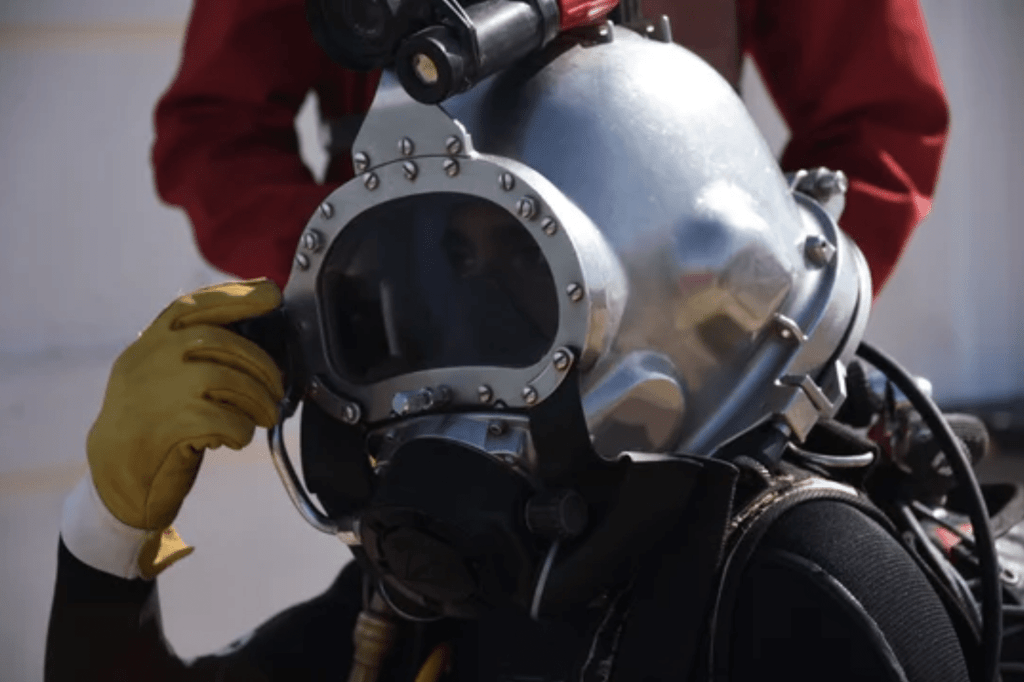
A person wearing a large metal diving helmet and yellow gloves prepares for a dive, with another individual in a red suit standing behind them.

Communication Is the Tender’s Primary Tool

Most public safety dives occur in zero visibility.

The tender becomes the diver’s eyes and ears through:

  • Line pull signals
  • Voice communication systems
  • Pre-arranged command structures

Clear, calm communication keeps divers oriented and focused.


Maintaining Situational Awareness

The tender tracks:

  • Diver location
  • Search progress
  • Time and air considerations
  • Environmental changes

The diver cannot see the whole picture—the tender must.


Search Pattern Control

In ERDI operations, search patterns are controlled from the surface.

Tenders ensure:

  • Proper spacing
  • Complete coverage
  • No overlap or missed areas

A good tender guarantees search integrity.


Emergency Recognition and Response

The tender is often the first to recognise trouble.

Changes in:

  • Line tension
  • Communication patterns
  • Diver timing

May indicate entanglement, disorientation, or distress. Early intervention saves lives.

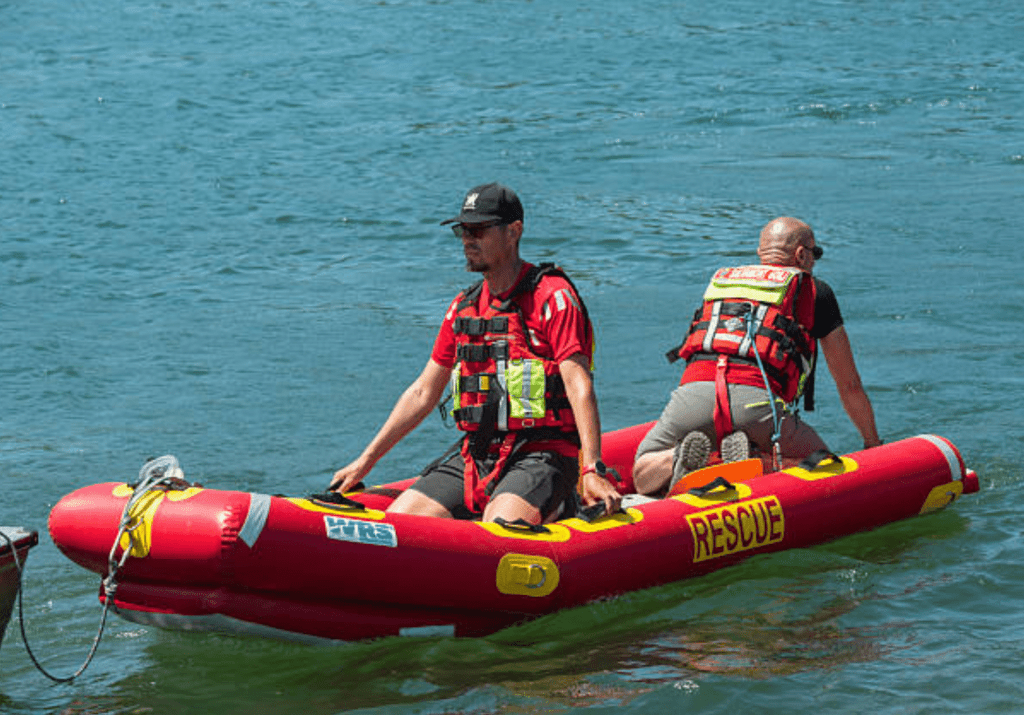
Two men in life jackets and caps ride an inflatable rescue boat labelled RESCUE on a calm blue body of water; one man is seated at the front whilst the other is kneeling at the rear, steering the boat.

The Psychological Anchor

Divers working blind and tethered rely on trust.

A competent tender provides psychological stability, reducing stress and cognitive overload. Confidence underwater begins topside.


Tender ≠ Junior Role

Tending is not a beginner assignment.

Professional teams assign experienced personnel to tender roles because mistakes at the surface propagate underwater.


Training the Tender Properly

ERDI training treats tenders as operators, not assistants.

They are trained in:

  • Dive theory
  • Search methodology
  • Emergency procedures
  • Team coordination

The role demands competence, not convenience.


The Bottom Line

Public safety divers do not work alone.

The tender is the unseen professional who ensures dives are controlled, recoverable, and safe. At N9BO℠, tender training is delivered with the same seriousness as diver training—because the most critical role is often the one nobody sees.

A diver in full kit emerges from the water between large rusted metal pillars as two workers stand on rocky ground, one holding a rope attached to the diver.

Building a Complete Public Safety Diving Team?

Effective PSD operations depend as much on surface support as underwater skill. Contact us to discuss ERDI team training and operational development programmes.


From the N9BO℠ Knowledge Base


Share this

ERDI Confined Space Operations: When Water, Space, and Risk Converge

Confined Spaces Change the Rules of Diving

Confined space environments remove one of diving’s most basic safety assumptions: freedom of movement.

Tunnels, culverts, pipes, flooded structures, and submerged compartments constrain divers physically and psychologically, turning small problems into potentially fatal situations.


Why Confined Space Operations Require Specialised Training

Standard diving training assumes open water and multiple exit options.

Confined space operations introduce:

  • Restricted entry and exit points
  • Overhead hazards
  • Entanglement and entrapment risks
  • Zero visibility conditions
  • Increased gas management complexity

ERDI Confined Space Operations exists because these environments tolerate no improvisation.


Instructor Perspective: Panic Has Nowhere to Go

Instructors often observe that stress escalates faster in confined spaces than in open water.

At N9BO℠, training deliberately prepares divers to control physiological and psychological responses when space, light, and time are limited.


Entry, Exit, and Egress Planning

Every confined space operation begins with a plan to get out.

Training emphasises:

  • Defined entry and exit procedures
  • Clear abort criteria
  • Continuous reference maintenance
  • Redundant navigation strategies

Without an exit plan, entry should not occur.

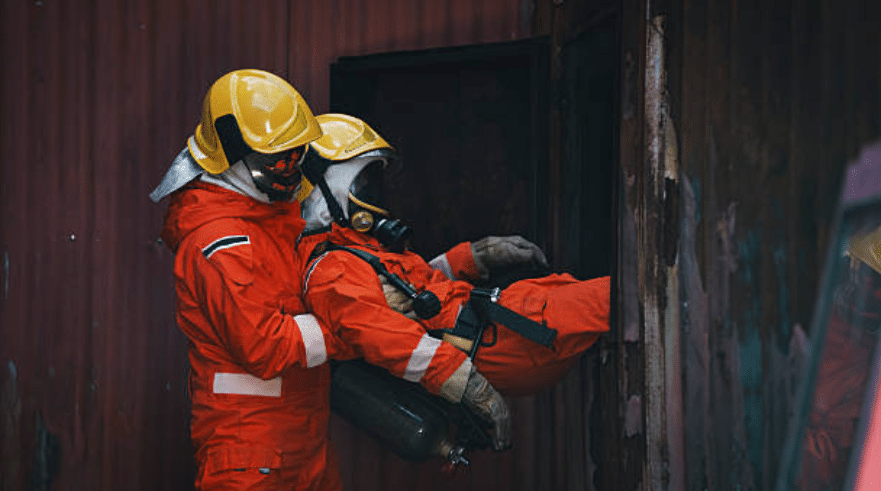
Two firefighters in orange suits and yellow helmets, one helping to carry or rescue the other through a doorway of a damaged, metal structure. Both wear protective gear and breathing apparatus.

Line Management and Orientation

Lines are lifelines in confined spaces.

ERDI training teaches:

  • Proper line placement
  • Avoidance of entanglement
  • Tactile navigation techniques
  • Maintaining orientation when vision fails

Losing the line is often the beginning of a fatal sequence.


Gas Management Under Constraint

Confined spaces increase gas consumption.

Stress, restricted movement, and task loading demand conservative gas planning. Training reinforces reserve discipline and bailout readiness.


Equipment Configuration Considerations

Bulky or poorly configured equipment increases risk.

Training addresses:

  • Streamlined setups
  • Reducing snag points
  • Managing hoses, reels, and tools

Equipment must serve the environment—not fight it.


Team Roles and Communication

Confined space operations are team efforts.

ERDI training reinforces:

  • Clear role assignment
  • Pre-arranged communication protocols
  • Surface and topside coordination

Silence and assumption are dangerous here.

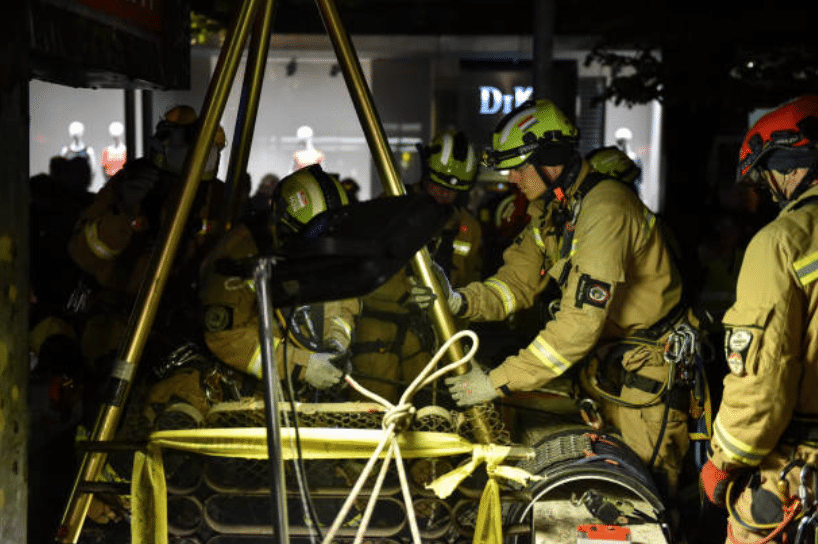
Firefighters in full kit work together at night, using ropes and equipment in a rescue operation, possibly involving a confined space. The scene is illuminated, with a shopping area visible in the background.

Incident Escalation and Rescue Limitations

Rescue options inside confined spaces are extremely limited.

Training addresses:

  • Self-rescue priority
  • Controlled withdrawal
  • Recognition of unrecoverable scenarios

Decision-making must be conservative and unemotional.


Common Confined Space Scenarios

ERDI Confined Space Operations prepares divers for:

  • Flooded vehicles and structures
  • Storm drains and culverts
  • Submerged vessels and compartments
  • Industrial water systems

Each environment presents unique hazards.


The Bottom Line

Confined space diving leaves no margin for error.

ERDI Confined Space Operations training equips public safety divers with the procedures, discipline, and mindset needed to operate safely where space, visibility, and escape are limited. At N9BO℠, this programme is delivered with realism, conservatism, and unwavering respect for the risks involved.

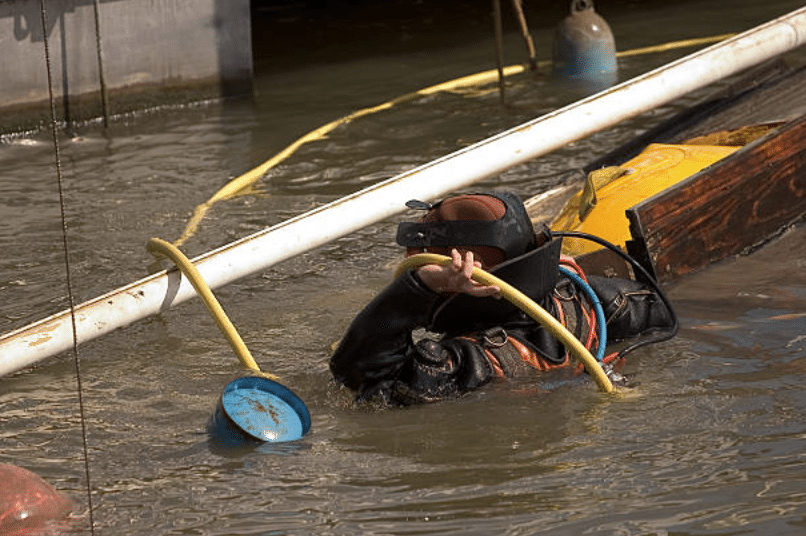
A diver in a black wetsuit and helmet is partially submerged in murky water, holding a yellow hose near debris and pipes, with floating objects and equipment visible around.

Operating in Restricted or Confined Water Environments?

Confined space diving requires specialised procedures and disciplined training. Contact us to discuss ERDI confined space operations training programmes.


From the N9BO℠ Knowledge Base


Share this

ERDI Hull Searching: Systematic Underwater Inspections for Security and Safety

The Hull Is a Blind Spot by Design

From the surface, a vessel’s hull is invisible.

This blind zone can conceal:

  • Improvised explosive devices
  • Smuggling compartments
  • Structural damage
  • Entanglement hazards

Hull searching exists because what cannot be seen still poses risk.


Why Hull Searching Requires Specialised Training

Hull searches are not casual swims.

They involve:

  • Zero or near-zero visibility
  • Confined movement along curved surfaces
  • Repetitive contact-based search patterns
  • Psychological stress from proximity and uncertainty

ERDI Hull Searching addresses these realities directly.


Instructor Perspective: “I Think I Covered It” Is Not Acceptable

Instructors often hear divers claim they “believe” they searched everything.

At N9BO℠, hull searching training replaces belief with verifiable coverage, using structured patterns and accountability.


Search Methodology Over Speed

The programme emphasises:

  • Defined start and end points
  • Overlapping search lanes
  • Consistent body positioning
  • Tactile reference maintenance

Completeness matters more than pace.

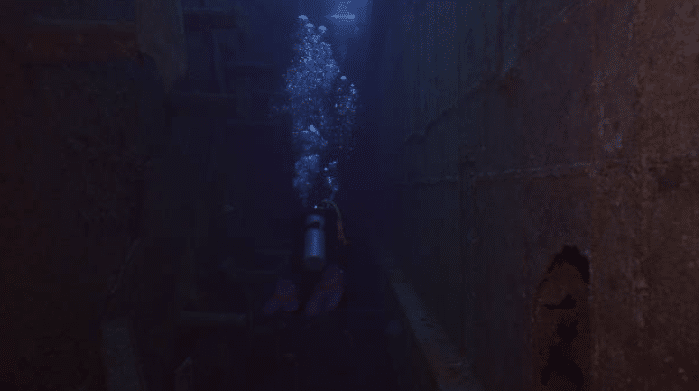
A scuba diver with an oxygen cylinder swims through the narrow passage of a sunken shipwreck, surrounded by dark water and rusted metal walls, with bubbles rising towards the surface.

Tactile Search Techniques

Visibility is often irrelevant during hull searches.

Divers are trained to:

  • Read hull features by touch
  • Identify anomalies
  • Distinguish normal fittings from foreign objects

Hands become primary sensors.


Managing Risk Around Vessels

Hull searches introduce unique hazards:

  • Propellers and thrusters
  • Intakes and discharge ports
  • Mooring lines and debris

Training reinforces hazard recognition and safe approach angles.


Working Around Vessel Geometry

Hull shape changes constantly.

Divers must adapt to:

  • Keels
  • Bilge curves
  • Rudders and shafts

Search patterns must flex without losing coverage.


Team Coordination and Surface Support

Hull searching is rarely solo.

ERDI training emphasises:

  • Surface tracking
  • Diver progress monitoring
  • Clear abort criteria

Support teams are integral to safety.

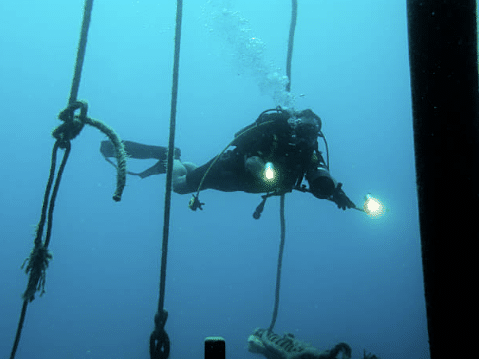
A scuba diver swims underwater among ropes, with bubbles rising above and two torches shining from their gear, against a blue ocean background.

Security and Law Enforcement Applications

Hull searches are commonly used for:

  • Port security
  • VIP vessel protection
  • Pre-departure inspections
  • Post-incident assessments

Accuracy directly affects public safety.


Documentation and Reporting

Findings must be clearly reported.

Training includes:

  • Descriptive reporting
  • Sketches and references
  • Photographic documentation when possible

Clear reporting supports decision-making.


The Bottom Line

Hull searching is not about finding something—it’s about proving nothing is there.

ERDI Hull Searching training equips divers with disciplined, repeatable methods to inspect vessels safely and thoroughly. At N9BO℠, this programme is taught with operational realism and uncompromising attention to detail.

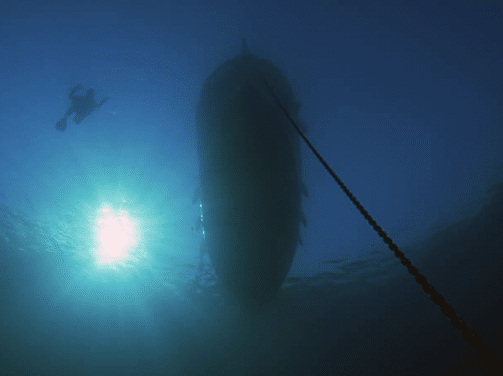
Underwater view of a large boat anchored to the sea floor, with sunlight shining through the water and a diver swimming near the surface.

Conducting Maritime or Security Inspections?

Hull searching requires structured search patterns, discipline, and operational awareness. Contact us to discuss ERDI hull inspection and public safety diving training.


From the N9BO℠ Knowledge Base

Share this

ERDI Forensic Operations: Turning Underwater Recovery into Usable Evidence

Recovery Is Easy — Forensics Is Not

Anyone can pick something up underwater.

Forensic operations demand that evidence be recognised, documented, preserved, and transferred in a way that survives legal scrutiny. Water accelerates degradation and contamination, turning every action into a potential point of failure.


Why ERDI Forensic Operations Exists

Public safety divers frequently encounter the following:

  • Firearms and weapons
  • Vehicles and components
  • Human remains
  • Trace evidence

Without forensic training, well-meaning actions can irreversibly compromise cases.


Instructor Perspective: Good Intentions Destroy Evidence

Instructors often see divers rush to “secure” items.

At N9BO℠, forensic operations training reinforces a core principle: once disturbed, evidence cannot be reconstructed.


Scene Assessment Comes First

Before any movement, divers are trained to:

  • Assess scene boundaries
  • Identify evidence relationships
  • Determine priorities with investigators

Forensic awareness begins before entering the water.

A scuba diver with camera equipment and lights explores an underwater rock formation, creating bubbles as they investigate the marine environment.

Documentation Underwater

Water complicates documentation.

Training emphasises:

  • In-situ photography and video
  • Scaled measurements
  • Orientation markers
  • Narrative notes communicated to surface teams

Accuracy outweighs speed.


Evidence Handling and Contamination Control

Forensic evidence underwater is vulnerable to:

  • Cross-contamination
  • Loss of trace material
  • Improper packaging

ERDI training teaches controlled handling from submersion to laboratory transfer.


Chain of Custody Discipline

Chain of custody applies underwater exactly as it does on land.

Divers are trained to:

  • Maintain documentation continuity
  • Clearly identify handlers
  • Prevent unauthorised access

Human Remains Recovery

Recovery of remains is both technically and emotionally demanding.

Training addresses:

  • Respectful handling
  • Preservation of contextual evidence
  • Coordination with forensic specialists

Professional conduct protects dignity and investigation integrity.

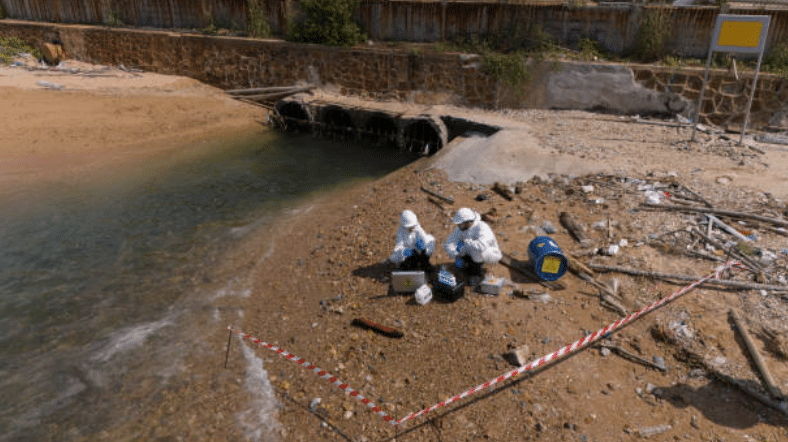
Two people in protective suits collect samples beside a polluted riverbank, near a drainage pipe, with scientific equipment and caution tape marking the area.

Team Coordination With Investigators

Divers operate within a broader investigative framework.

ERDI Forensic Operations emphasises communication with:

  • Law enforcement
  • Medical examiners
  • Forensic technicians

Divers support investigations—they do not replace them.


Operational Stress and Cognitive Load

Forensic operations often occur under time pressure and public scrutiny.

Training includes:

  • Stress management
  • Procedural adherence
  • Avoidance of tunnel vision

Errors under pressure are preventable.


The Bottom Line

Underwater forensics is not about speed—it is about precision.

ERDI Forensic Operations training transforms divers into reliable forensic assets who protect evidence, support justice, and operate with methodological rigour. At N9BO℠, this training is delivered with real-world realism and strict adherence to professional standards.

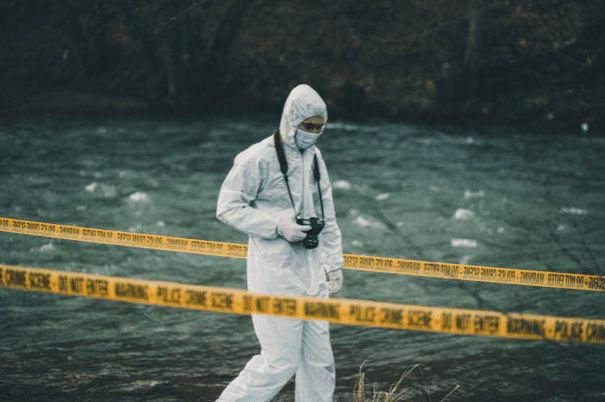
A person in a white hazmat suit and face mask walks by a river behind yellow police tape, holding a camera, appearing to investigate a potential crime scene outdoors.

Need Structured Forensic Diving Training?

Forensic diving requires disciplined procedures to preserve evidence integrity underwater. Contact us to discuss ERDI forensic operations training programmes.


From the N9BO℠ Knowledge Base


Share this

ERDI Swift Water Operations: When Water Becomes a Moving Hazard

Moving Water Is a Force, Not a Medium

In swift water, water is no longer a passive environment.

Current, hydraulics, strainers, and debris transform rivers and floodwaters into powerful forces capable of overpowering even strong swimmers and experienced divers. Misjudging water movement is one of the fastest ways to lose control—and lives.


Why Swift Water Requires Its Own Discipline

Traditional diving and rescue training assumes relative stability.

Swift water operations introduce:

  • Unpredictable flow patterns
  • Rapidly changing depth and velocity
  • Limited visibility and footing
  • High entanglement risk

ERDI Swift Water Operations exists because these conditions invalidate standard assumptions.


Instructor Perspective: Confidence Is Not Protection

Instructors frequently encounter rescuers who underestimate rivers because they appear shallow or familiar.

At N9BO℠, swift water training deliberately challenges this complacency, reinforcing that moving water demands humility and respect.


Core Focus of ERDI Swift Water Operations

The programme emphasises:

  • Dynamic risk assessment
  • Self-rescue techniques
  • Victim approach strategies
  • Shore-based and in-water operations
  • Team positioning and communication

Rescuer safety always precedes victim contact.

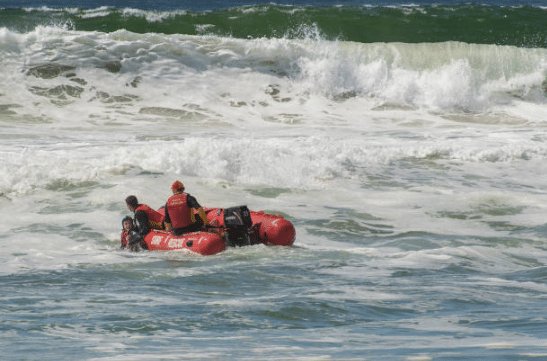
Two lifeguards in a red inflatable rescue boat assist a person in rough sea waters, with waves crashing in the background.

Hydraulics, Strainers, and Foot Entrapment

Swift water hazards are often invisible until it’s too late.

Training covers:

  • Reading surface indicators
  • Identifying dangerous features
  • Avoiding foot entrapment
  • Escaping recirculating currents

Knowledge replaces guesswork.


Rope Systems and Tensioned Lines

Ropes are tools—not guarantees.

ERDI training teaches:

  • Proper rope deployment
  • Avoiding rope-related entanglement
  • Managing tension and angles
  • Clear communication between team members

Improper rope use can be fatal.


Swift Water and Flood Response

Floodwater combines current with contamination and debris.

Training prepares teams for:

  • Zero-visibility conditions
  • Structural hazards
  • Vehicle-related rescues
  • Personal protective considerations

Flood response is often chaotic—discipline is essential.

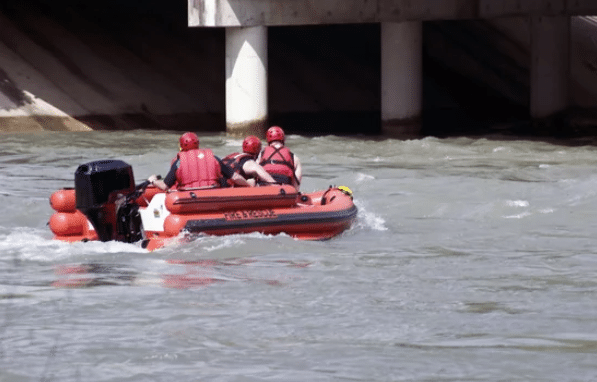
Three people wearing red helmets and life jackets ride in an orange inflatable rescue boat on a river, approaching a concrete structure with pillars.

Team Roles and Command Structure

Swift water operations demand clear leadership.

ICS-aligned command ensures:

  • Controlled task allocation
  • Avoidance of spontaneous rescues
  • Accountability in rapidly evolving scenes

Rescue without structure increases casualties.


Transition Between Swimming and Wading

Many swift water incidents occur at knee-to-waist depth.

Training addresses:

  • Safe wading techniques
  • Body positioning
  • Load distribution
  • When to disengage

Shallow does not mean safe.


Professional Integration

ERDI Swift Water Operations integrates seamlessly with:

  • Public safety diving
  • Flood response
  • Search and rescue
  • Emergency management

It forms a critical capability for inland water response.


The Bottom Line

Swift water does not forgive mistakes.

ERDI Swift Water Operations training equips responders with the skills, judgment, and discipline needed to operate in moving water without becoming part of the emergency. At N9BO℠, this programme is delivered with real-world realism, conservative decision-making, and uncompromising emphasis on rescuer safety.

Three people wearing orange life jackets ride an inflatable rescue boat on a wide, brown river with buildings and trees visible on the opposite bank.

Preparing for Swift Water or Flood Response Operations?

Moving water environments demand specialised training, teamwork, and risk awareness. Contact us to discuss ERDI swift water and rescue training programmes.


From the N9BO℠ Knowledge Base


Share this

ERDI Underwater Crime Scene Investigator: Evidence Recovery Below the Surface

Water Changes Everything About Crime Scenes

Water destroys assumptions.

Visibility, buoyancy, current, contamination, and time fundamentally alter how evidence behaves underwater. What would be trivial on land becomes complex and fragile below the surface.


Why Underwater Crime Scene Investigation Exists

Public safety divers are often first on scene for:

  • Homicides involving bodies of water
  • Weapon disposal
  • Vehicle submersion
  • Evidence dumping

Without specialised training, well-intentioned recovery can destroy evidentiary value.


Instructor Perspective: Recovery Is Not Investigation

Instructors routinely observe divers equating “finding” with “solving.”

At N9BO℠, ERDI Underwater Crime Scene Investigator training reinforces a critical distinction: recovery without methodology can compromise justice.


Core Objectives of the Programme

This ERDI programme focuses on:

  • Scene recognition and assessment
  • Evidence preservation underwater
  • Documentation before disturbance
  • Chain of custody integrity
  • Coordination with law enforcement and forensic teams

The diver becomes part of the investigative process—not a liability.

A human hand is reaching upward through a hazy, misty atmosphere, with soft, diffused light creating an ethereal and mysterious mood.

Scene Control in an Uncontrollable Environment

Unlike land scenes, underwater scenes cannot be secured traditionally.

Training addresses:

  • Perimeter management using lines and markers
  • Diver movement discipline
  • Avoiding fin wash and sediment disturbance

Control is procedural, not physical.


Documentation Before Recovery

Photography, video, sketches, and measurements must occur before evidence is moved.

Divers learn to:

  • Work methodically
  • Maintain spatial references
  • Communicate findings accurately to surface teams

Once disturbed, the original scene is gone forever.


Evidence Handling and Packaging

Waterlogged evidence behaves differently.

Training includes:

  • Proper containment underwater
  • Avoiding contamination
  • Labelling and transfer protocols

Every step must withstand courtroom scrutiny.

A person is floating face-down in calm water with one arm stretched forward and the other by their side, creating gentle ripples on the water's surface.

Chain of Custody Underwater

Chain of custody does not pause because evidence is wet.

Divers are trained to:

  • Log handovers precisely
  • Maintain documentation accuracy
  • Interface professionally with investigators

Errors here invalidate entire cases.


Legal Awareness for Divers

Divers are not investigators—but they operate within legal frameworks.

Training ensures divers understand:

  • Their role boundaries
  • Documentation requirements
  • Testimony implications

Professional awareness protects both the case and the diver.


Integration With Forensic Teams

ERDI training emphasises coordination.

Divers must work seamlessly with:

  • Law enforcement
  • Forensic technicians
  • Prosecutors

The underwater component must support the broader investigation.


The Bottom Line

Underwater crime scenes are fragile, complex, and legally sensitive.

ERDI Underwater Crime Scene Investigator training transforms divers from simple recovery assets into disciplined professionals who protect evidence, support justice, and operate with methodological integrity. At N9BO℠, this training is delivered with real-world realism and strict procedural discipline.

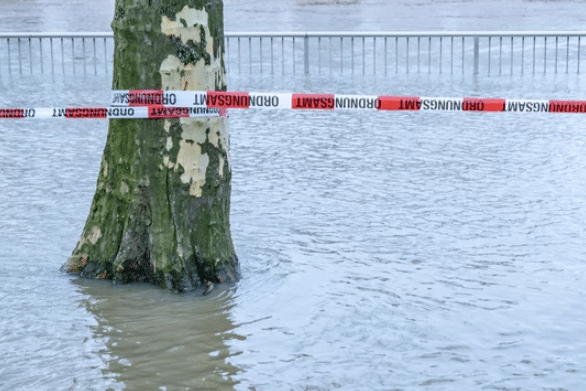
A tree trunk stands in floodwater, with red and white warning tape wrapped around it. A metal fence is visible in the background, and water covers the ground up to the tree.

Working in Law Enforcement or Public Safety Diving?

Underwater evidence recovery requires specialised procedures and training to preserve investigative integrity. Contact us to discuss ERDI forensic and operational training programmes.


From the N9BO℠ Knowledge Base

Share this

ERDI HUET Training: Surviving Aircraft and Offshore Egress the Professional Way

Helicopter Ditching Is Rare — and Absolutely Unforgiving

Helicopter incidents offshore are statistically uncommon.

When they occur, survival depends almost entirely on training and behaviour in the first seconds, not strength, fitness, or luck. Water, inversion, darkness, and panic combine instantly.


HUET Is About Psychology, Not Swimming

Many assume HUET is a swimming or breath-hold exercise.

It is not.

HUET focuses on:

  • Orientation under inversion
  • Controlled breathing under stress
  • Procedural sequencing
  • Muscle memory when vision fails

The body can swim — the mind must remain functional.


Why ERDI HUET Is Different

ERDI HUET is grounded in emergency response doctrine.

It integrates:

  • Public safety methodology
  • Incident stress exposure
  • Procedural discipline
  • Accountability and debrief

This moves training beyond mechanical drills into true survival preparation.

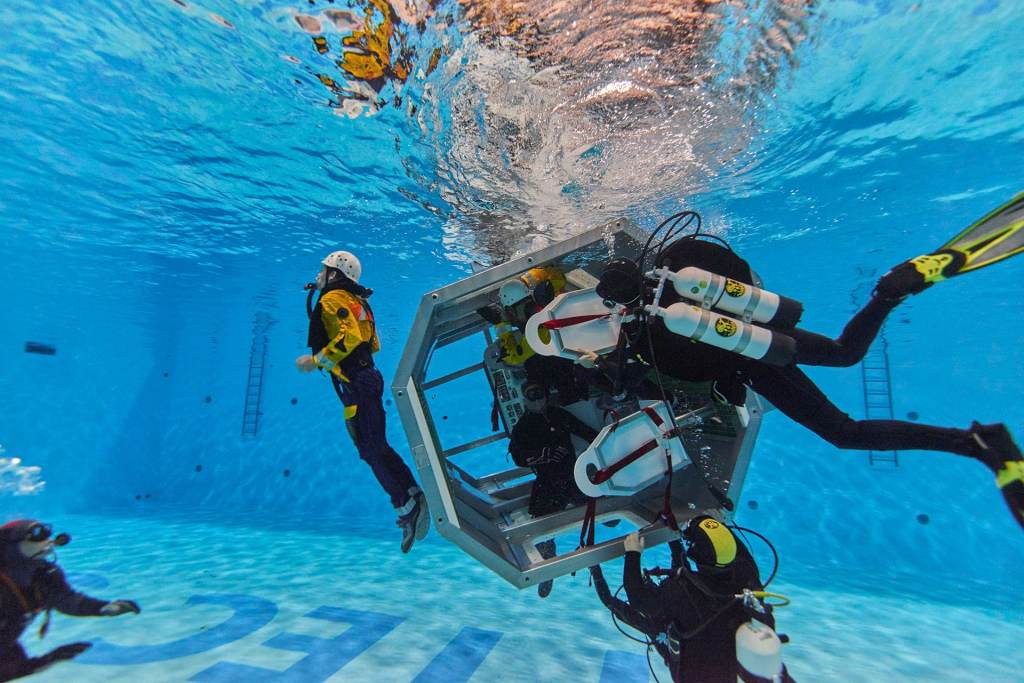
Four people wearing helmets and life jackets sit inside a training helicopter simulator partially submerged in a pool, whilst two instructors in black suits and helmets give directions from the water.

Instructor Perspective: Panic Is Predictable

Instructors consistently observe the same pattern:

  • Disorientation
  • Breath-holding
  • Grabbing the wrong reference
  • Premature release

At N9BO℠, training deliberately slows the process, reinforcing pause–orient–act under controlled stress.


The Importance of Reference Discipline

HUET survival depends on maintaining a physical reference.

Training emphasises:

  • Door and frame contact
  • Hand positioning
  • Deliberate movement sequencing

Letting go too early is one of the most common fatal errors.


Egress With Equipment and Constraints

Real-world egress is rarely clean.

ERDI HUET includes scenarios with:

  • Restricted exits
  • Simulated debris
  • Seatbelts and harnesses
  • Low or zero visibility

Realism builds resilience.


Cold Shock and Breath Control

Cold water shock can destroy breath control instantly.

Professional HUET training teaches participants to regain breathing rhythm before attempting movement—a critical survival skill.

Two people in yellow suits and blue helmets practise underwater escape training in a swimming pool, surrounded by bubbles as they exit a submerged metal structure.

Team Awareness and Exit Order

HUET is not always a solo event.

Training reinforces:

  • Exit sequencing
  • Avoiding entanglement
  • Maintaining spatial awareness

Poor coordination increases fatalities.


Transferable Survival Skills

HUET training builds capabilities applicable beyond aviation:

  • Vehicle submersion
  • Capsized vessels
  • Flooded compartments

The principles remain the same.


Professional Parallels

Military aircrew, SAR teams, and offshore operators all rely on HUET for one reason: it works under stress.


The Bottom Line

In a helicopter ditching, instinct kills.

Training saves.

ERDI HUET training at N9BO℠ builds procedural calm in the most hostile orientation imaginable—preparing professionals to survive the moment when everything else fails.

Several divers in scuba gear work underwater in a large pool, gathered around a metal structure. One diver in a yellow suit floats nearby. The pool floor has large text and training equipment is visible.

Preparing Teams for Offshore or Aviation Emergencies?

HUET training builds the skills and mindset required to survive underwater egress scenarios. Contact us to discuss ERDI and offshore survival training programmes.


From the N9BO℠ Knowledge Base

Share this

ERDI 5-Star Instructor Training Facility: What This Designation Really Means

Not All “5-Star” Designations Are the Same

In the dive industry, star ratings are often misunderstood as commercial awards or sales benchmarks.

The ERDI 5-Star Instructor Training Facility designation is fundamentally different. It reflects a training centre’s ability to deliver instructor-level education, uphold strict operational standards, and operate credibly within the public safety and emergency response domain.


What ERDI Looks for in a 5-Star Facility

ERDI does not award 5-Star status lightly.

Facilities must demonstrate:

  • Instructor Trainer capability
  • Documented operational experience
  • Compliance with ERDI standards and QA processes
  • Professional infrastructure and equipment
  • A proven track record in public safety diving

This designation signals capacity, not popularity.


Why This Matters in Public Safety Diving

Public safety diving is not recreational diving with a different label.

It involves:

  • Chain-of-command operations
  • Legal and evidentiary considerations
  • Risk-dense environments
  • Inter-agency coordination

An ERDI 5-Star facility must operate comfortably inside these realities—not simulate them.


N9BO℠: First and Only in Thailand

As of January 2026, N9BO℠ is the first and only ERDI 5-Star Instructor Training Facility in Thailand, and among a very limited number in Asia.

This reflects years of disciplined alignment with ERDI standards, instructor development, and real-world public safety operations—not a short-term commercial objective.

Two scuba divers in black suits are near a quay; one is climbing a metal ladder onto the quay while the other is still in the water, with only their head and orange equipment visible.

Partnerships Define Credibility

One of the clearest indicators of professional legitimacy is who trusts you to train their people.

N9BO℠ works alongside:

  • Law enforcement units
  • Emergency management agencies
  • Search and rescue (SAR) teams
  • Government and quasi-government organisations

These partnerships are built on results, discretion, and professionalism.


Instructor Training vs Diver Certification

Many facilities certify divers. Far fewer develop instructors.

ERDI 5-Star status confirms that a facility is trusted to:

  • Train future ERDI instructors
  • Uphold instructional standards
  • Shape safety culture across multiple agencies

This influence extends far beyond individual courses.


Instructor Perspective: Standards Without Shortcuts

At N9BO℠, ERDI instructor development programmes are delivered beyond minimum standards.

Training includes:

  • Realistic operational scenarios
  • Documentation and reporting discipline
  • Legal and ethical context
  • Instructor judgement under pressure

This ensures graduates can teach responsibly—not just replicate skills.

A person in a black diving suit and helmet with a camera climbs out of the water using a green rope, with one hand holding a metal ladder. The face is blurred.

Why Asia Needs Professional PSD Training Hubs

Public safety diving demand is growing across Asia, while instructor-level capacity remains limited.

N9BO℠ fills a regional gap by offering ERDI instructor development aligned with international best practice—while respecting local legal and operational contexts.


Quality Assurance and Accountability

ERDI 5-Star facilities are held to elevated QA expectations.

Training records, performance evaluation, and instructor conduct are continuously monitored. This protects students, agencies, and the integrity of the discipline.


Professional Parallels

In fire, EMS, and SAR domains, training centres are judged by outcomes—not advertising.

ERDI applies the same philosophy. Credibility is earned operationally.


The Bottom Line

An ERDI 5-Star Instructor Training Facility is not a badge—it is a responsibility.

It signals trust, capability, and professional alignment with public safety operations. As the first and only ERDI 5-Star facility in Thailand, N9BO℠ stands as a regional reference point for serious public safety diving training.

Police officers in water rescue gear stand on a dock next to a police boat, using ropes and equipment to search or retrieve something from the river. The scene appears focused and coordinated.

Looking for Professional Public Safety Diving Training?

ERDI 5-Star facilities operate to the highest instructor and operational standards. Contact us to discuss PSD and instructor-level training programmes.


From the N9BO℠ Knowledge Base


Share this

Professional Endurance: How Divers Stay Operational for Decades, Not Just Seasons

Careers End Quietly, Not Dramatically

Most diving careers do not end with a single dramatic incident.

They end through accumulation: fatigue, injury, cognitive overload, complacency, and gradual erosion of discipline. Professional diving training recognises that longevity is an active process—not an accident.


Endurance Is a System, Not a Trait

Some divers appear naturally resilient. In reality, endurance is built through systems:

  • Conservative planning
  • Margin protection
  • Physical conditioning
  • Cognitive discipline

Advanced professional training frames endurance as something designed—not hoped for.


Managing the Body for the Long Term

Divers who last manage:

  • Joint stress
  • Thermal exposure
  • Repetitive strain
  • Recovery cycles

Professional training teaches divers to recognise when to stop—not just when they can continue. Technical and professional programmes emphasise sustainability over bravado.

A smiling man in a wetsuit and scuba gear stands outdoors near the water, wearing a snorkel mask on his forehead.

Cognitive Endurance Matters More Than Strength

Decision quality erodes long before physical capacity.

Divers who burn out often do so mentally—losing patience, attention, or judgement. Advanced training treats cognitive endurance as a safety-critical asset.


The Role of Continuous Learning

Stagnation accelerates decline.

Professional divers remain students—updating knowledge, refining technique, and revisiting fundamentals. Instructor-level and professional programmes institutionalise continuous learning.


Instructor Perspective: Watching Careers Diverge

Instructors observe a clear divide:

  • Divers who protect margins and last
  • Divers who chase limits and fade

At N9BO℠, training is designed to place divers firmly in the first group.


Ethical Boundaries Preserve Careers

Divers who last understand when not to act.

Ethical restraint—respecting limits, authority, and scope—prevents career-ending mistakes. Professional and ERDI training reinforces this principle explicitly.

A scuba diver in full kit floats underwater near coral, holding an underwater camera with bright lights. The diver is surrounded by clear blue water and illuminated by sunlight from above.

Systems Prevent Burnout

Checklists, routines, and standard operating procedures reduce mental load.

Divers who rely on memory alone fatigue faster. Advanced professional training builds systems that protect attention and judgement.


Reputation Is a Career Asset

Long careers are sustained by trust.

Professionalism, consistency, and restraint build reputations that open doors and reduce pressure. Instructor and professional programmes treat reputation as operational capital.


Professional Parallels

In aviation, medicine, and emergency services, longevity correlates with discipline—not heroics.

Diving follows the same pattern. Sustainable professionals outlast talented risk-takers.


The Bottom Line

Short-term capability impresses.

Long-term discipline endures.

In professional diving, the goal is not to do the most—but to remain capable, trusted, and operational year after year.

At N9BO℠, training is designed not just to make divers skilled—but to keep them in the game.

An older man with a white beard and moustache smiles while wearing a black wetsuit and scuba diving gear, including a mask and breathing apparatus, near a body of water.

Building a Long-Term Diving Career?

Longevity in diving comes from discipline, training progression, and sustainable operational habits. Contact us to discuss training pathways designed for long-term professional development.


From the N9BO℠ Knowledge Base

Share this
Facebook
Instagram
X (Twitter)
TikTok
Youtube
Whatsapp