Moving Water Is a Force, Not a Medium
In swift water, water is no longer a passive environment.
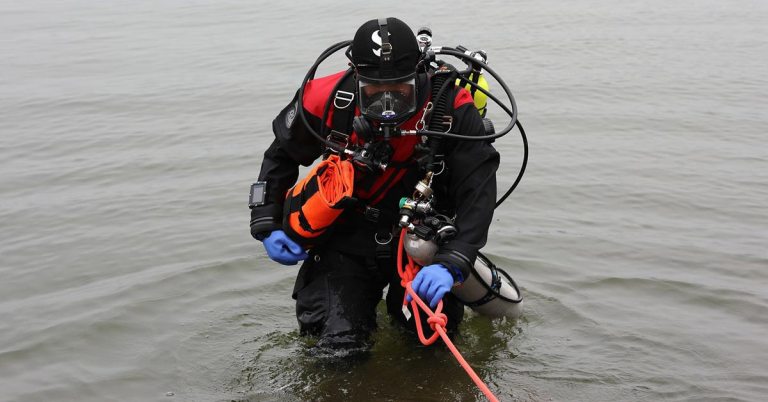
Current, hydraulics, strainers, and debris transform rivers and floodwaters into powerful forces capable of overpowering even strong swimmers and experienced divers. Misjudging water movement is one of the fastest ways to lose control—and lives.
Why Swift Water Requires Its Own Discipline
Traditional diving and rescue training assumes relative stability.
Swift water operations introduce:
- Unpredictable flow patterns
- Rapidly changing depth and velocity
- Limited visibility and footing
- High entanglement risk
ERDI Swift Water Operations exists because these conditions invalidate standard assumptions.
Instructor Perspective: Confidence Is Not Protection
Instructors frequently encounter rescuers who underestimate rivers because they appear shallow or familiar.
At N9BO℠, swift water training deliberately challenges this complacency, reinforcing that moving water demands humility and respect.
Core Focus of ERDI Swift Water Operations
The programme emphasises:
- Dynamic risk assessment
- Self-rescue techniques
- Victim approach strategies
- Shore-based and in-water operations
- Team positioning and communication
Rescuer safety always precedes victim contact.
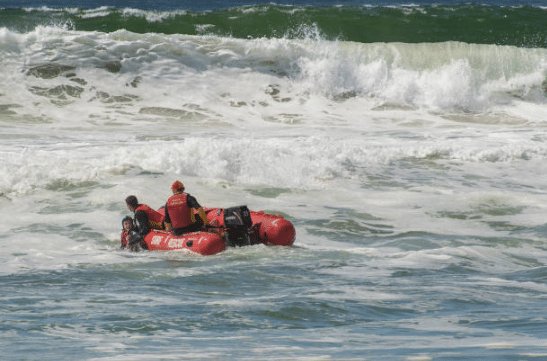
Hydraulics, Strainers, and Foot Entrapment
Swift water hazards are often invisible until it’s too late.
Training covers:
- Reading surface indicators
- Identifying dangerous features
- Avoiding foot entrapment
- Escaping recirculating currents
Knowledge replaces guesswork.
Rope Systems and Tensioned Lines
Ropes are tools—not guarantees.
ERDI training teaches:
- Proper rope deployment
- Avoiding rope-related entanglement
- Managing tension and angles
- Clear communication between team members
Improper rope use can be fatal.
Swift Water and Flood Response
Floodwater combines current with contamination and debris.
Training prepares teams for:
- Zero-visibility conditions
- Structural hazards
- Vehicle-related rescues
- Personal protective considerations
Flood response is often chaotic—discipline is essential.
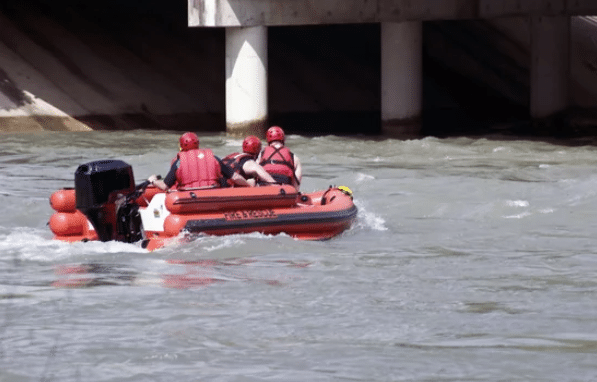
Team Roles and Command Structure
Swift water operations demand clear leadership.
ICS-aligned command ensures:
- Controlled task allocation
- Avoidance of spontaneous rescues
- Accountability in rapidly evolving scenes
Rescue without structure increases casualties.
Transition Between Swimming and Wading
Many swift water incidents occur at knee-to-waist depth.
Training addresses:
- Safe wading techniques
- Body positioning
- Load distribution
- When to disengage
Shallow does not mean safe.
Professional Integration
ERDI Swift Water Operations integrates seamlessly with:
- Public safety diving
- Flood response
- Search and rescue
- Emergency management
It forms a critical capability for inland water response.
The Bottom Line
Swift water does not forgive mistakes.
ERDI Swift Water Operations training equips responders with the skills, judgment, and discipline needed to operate in moving water without becoming part of the emergency. At N9BO℠, this programme is delivered with real-world realism, conservative decision-making, and uncompromising emphasis on rescuer safety.

Preparing for Swift Water or Flood Response Operations?
Moving water environments demand specialised training, teamwork, and risk awareness. Contact us to discuss ERDI swift water and rescue training programmes.
From the N9BO℠ Knowledge Base