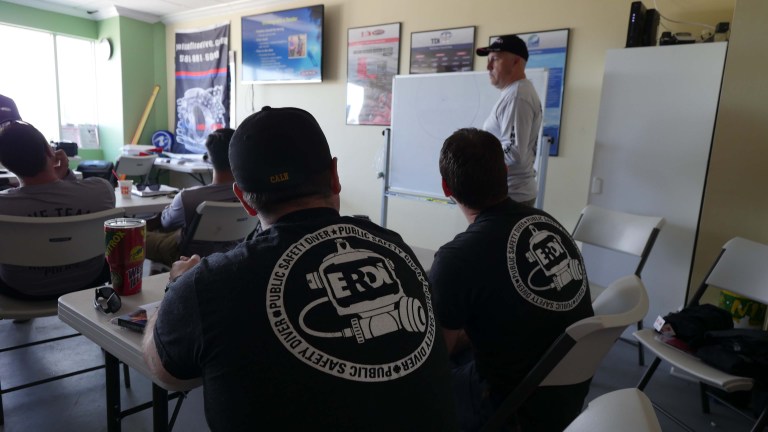
EOD Instruction Is an Ethical Role, Not Just a Technical One
Teaching underwater EOD is not simply about transmitting skills. It involves deciding who should know what, how much, and under what authority.
Every instructional decision has downstream implications. ERDI EOD instructor training treats ethics as foundational—not optional.
Authority Comes With Obligation
ERDI EOD instructors are entrusted with sensitive knowledge.
This authority must be exercised conservatively. Over-sharing, improvisation, or casual framing can encourage misuse. ERDI-certified instruction emphasises restraint over demonstration.
Trust Between Agencies Is Fragile
Underwater EOD operations often involve police, military, coast guards, and civilian authorities.
Trust is built when training providers operate predictably and within legal frameworks. ERDI programmes are designed to preserve that trust across jurisdictions.
Instructor Perspective: Saying “No” Is Part of the Job
One of the most important instructor skills is refusing requests that exceed scope or authority.
At N9BO℠, instructors are trained to enforce limits—even when faced with pressure from enthusiastic or senior candidates.

Preventing Curiosity-Driven Risk
Explosives attract curiosity. Training must neutralise that instinct.
ERDI instructors frame explosives as hazards to avoid—not problems to solve. ERDI EOD education actively discourages hands-on interaction.
Legal Accountability Follows Instruction
Instructors are accountable for how their training is interpreted and applied.
Poor instruction can expose agencies, instructors, and organisations to liability. ERDI instructor standards integrate legal awareness into teaching practice.
Ethics in Scenario Design
Training scenarios must simulate risk without normalising dangerous behaviour.
ERDI instructors design exercises that reinforce distance, marking, and withdrawal—not engagement. ERDI training philosophy prioritises behavioural conditioning.
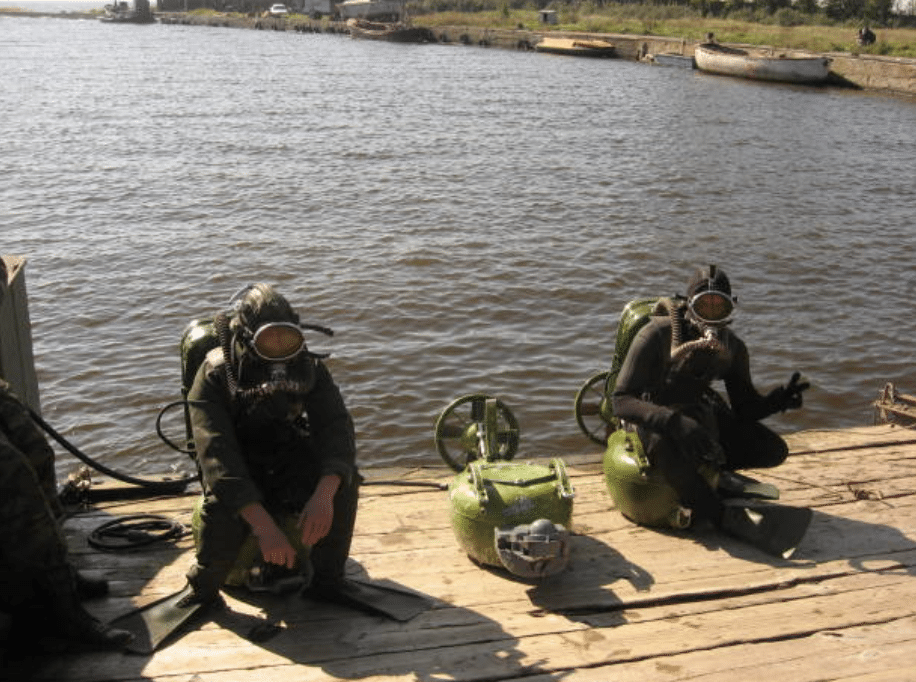
Instructor Conduct Shapes Culture
Students model instructor attitudes.
Casual language, bravado, or humour around explosives erodes seriousness. ERDI instructor training enforces professional tone at all times.
Why ERDI Instructor Numbers Remain Low
Limiting instructor numbers is intentional.
It ensures consistency, oversight, and accountability. ERDI’s global model prioritises control over expansion.
Professional Parallels
In nuclear safety, aviation security, and counterterrorism, instructors are vetted for judgement as much as skill.
ERDI follows the same principle. Authority must be earned continuously.
The Bottom Line
Underwater EOD instruction is an act of trust.
ERDI instructors safeguard not just divers—but public safety, legal order, and inter-agency confidence. This responsibility demands humility, restraint, and unwavering professionalism.
At N9BO℠, EOD instruction is delivered with the gravity it deserves.

Interested in ERDI Instructor-Level Training?
Instructor authority in high-risk environments carries operational and ethical responsibility. Contact us to discuss ERDI instructor development pathways.
From the N9BO℠ Knowledge Base