Recovery Is Easy — Forensics Is Not
Anyone can pick something up underwater.
Forensic operations demand that evidence be recognised, documented, preserved, and transferred in a way that survives legal scrutiny. Water accelerates degradation and contamination, turning every action into a potential point of failure.
Why ERDI Forensic Operations Exists
Public safety divers frequently encounter the following:
- Firearms and weapons
- Vehicles and components
- Human remains
- Trace evidence
Without forensic training, well-meaning actions can irreversibly compromise cases.
Instructor Perspective: Good Intentions Destroy Evidence
Instructors often see divers rush to “secure” items.
At N9BO℠, forensic operations training reinforces a core principle: once disturbed, evidence cannot be reconstructed.
Scene Assessment Comes First
Before any movement, divers are trained to:
- Assess scene boundaries
- Identify evidence relationships
- Determine priorities with investigators
Forensic awareness begins before entering the water.

Documentation Underwater
Water complicates documentation.
Training emphasises:
- In-situ photography and video
- Scaled measurements
- Orientation markers
- Narrative notes communicated to surface teams
Accuracy outweighs speed.
Evidence Handling and Contamination Control
Forensic evidence underwater is vulnerable to:
- Cross-contamination
- Loss of trace material
- Improper packaging
ERDI training teaches controlled handling from submersion to laboratory transfer.
Chain of Custody Discipline
Chain of custody applies underwater exactly as it does on land.
Divers are trained to:
- Maintain documentation continuity
- Clearly identify handlers
- Prevent unauthorised access
Human Remains Recovery
Recovery of remains is both technically and emotionally demanding.
Training addresses:
- Respectful handling
- Preservation of contextual evidence
- Coordination with forensic specialists
Professional conduct protects dignity and investigation integrity.
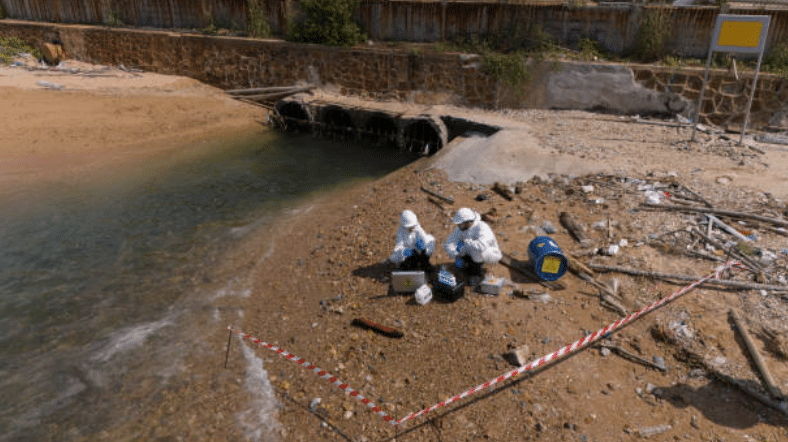
Team Coordination With Investigators
Divers operate within a broader investigative framework.
ERDI Forensic Operations emphasises communication with:
- Law enforcement
- Medical examiners
- Forensic technicians
Divers support investigations—they do not replace them.
Operational Stress and Cognitive Load
Forensic operations often occur under time pressure and public scrutiny.
Training includes:
- Stress management
- Procedural adherence
- Avoidance of tunnel vision
Errors under pressure are preventable.
The Bottom Line
Underwater forensics is not about speed—it is about precision.
ERDI Forensic Operations training transforms divers into reliable forensic assets who protect evidence, support justice, and operate with methodological rigour. At N9BO℠, this training is delivered with real-world realism and strict adherence to professional standards.
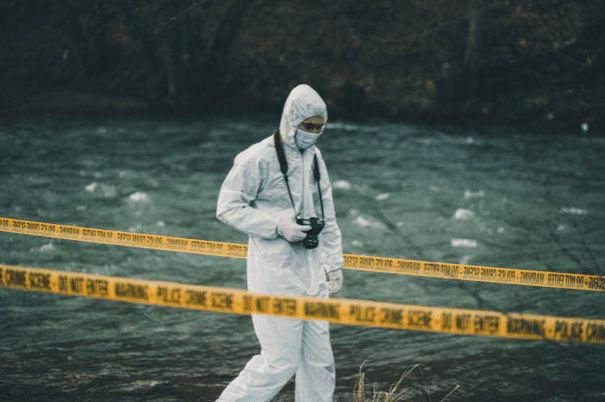
Need Structured Forensic Diving Training?
Forensic diving requires disciplined procedures to preserve evidence integrity underwater. Contact us to discuss ERDI forensic operations training programmes.
From the N9BO℠ Knowledge Base