Why Helicopter LZ Management Is a Critical Skill
In emergency operations, helicopters are used for:
- Medical evacuation (MEDEVAC).
- Search and rescue deployment.
- Disaster response.
- Tactical insertion and extraction.
- Offshore support operations.
But helicopters do not land themselves safely.
Landing zones must be:
- Identified.
- Assessed.
- Cleared.
- Secured.
- Communicated effectively.
A poorly prepared LZ can result in:
- Rotor strikes.
- Debris hazards.
- Communication breakdown.
- Casualty escalation.
The LZ Technician ensures safety before the aircraft touches down.
What the ERDI Helicopter LZ Technician Course Covers
The ERDI LZ Technician course focuses on:
- Site selection criteria.
- Obstacle identification.
- Wind and terrain assessment.
- Night LZ considerations.
- Perimeter control.
- Inter-agency communication.
- Safety zone establishment.
- Risk mitigation under stress.
The course is structured around:
Operational discipline.
Not theory alone.
Hazard Assessment: Reading the Environment
Every landing zone must be evaluated for:
- Power lines.
- Loose debris.
- Tree cover.
- Uneven terrain.
- Water proximity.
- Soft ground.
- Wind direction and speed.
Helicopters generate powerful rotor wash.
Loose debris becomes airborne.
Personnel must be positioned safely.
Hazards must be neutralised before arrival.
Improvisation without assessment creates danger.
Perimeter Control and Crowd Management
In public safety contexts:
- Bystanders gather.
- Scene chaos increases.
- Noise impairs communication.
The LZ Technician establishes:
- Clear perimeter.
- Restricted access zone.
- Designated approach paths.
- Safe casualty transfer corridor.
Discipline reduces confusion.
Structure reduces secondary injury risk.
Communication Protocols
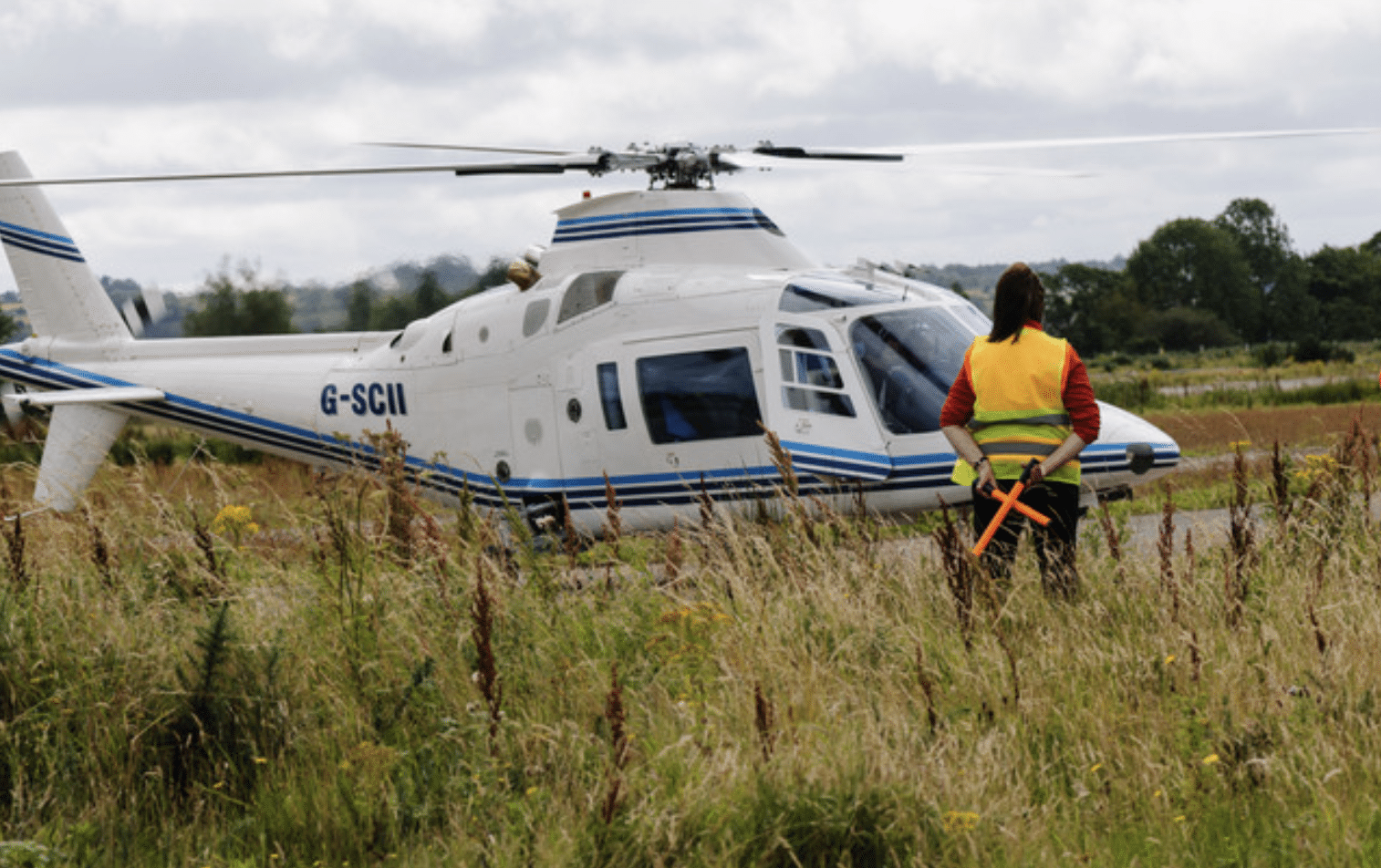
Clear communication with aircrew is essential.
This includes:
- Wind direction signals.
- Surface hazard updates.
- Ground status confirmation.
- Emergency abort communication.
Miscommunication can result in:
- Hard landings.
- Aborted approaches.
- Collision risk.
Radio discipline and hand signal accuracy matter.
Precision saves time.
Time saves lives.
Night and Low-Visibility LZ Operations
Night operations introduce additional risk:
- Reduced depth perception.
- Obstacle invisibility.
- Light misplacement hazards.
Improper use of lights can:
- Blind pilots.
- Distort terrain perception.
- Create glare confusion.
LZ technicians must understand:
Correct lighting placement.
Lighting is guidance — not decoration.
Integration with Incident Command System (ICS)
Helicopter LZ management does not occur in isolation.
It integrates within:
- Incident Command System (ICS).
- Fire services.
- Medical teams.
- Law enforcement.
- Maritime support units.
Role clarity is critical.
The LZ Technician must:
- Know their authority boundary.
- Coordinate with command.
- Maintain situational awareness.
Clear command structure reduces operational friction.
High-Risk Environments
ERDI LZ training prepares responders for:
- Offshore platforms.
- Flood zones.
- Mountainous terrain.
- Confined urban spaces.
- Maritime decks.
- Remote field operations.
Environmental variability requires:
Adaptability grounded in procedure.
Not guesswork.
Psychological Discipline Under Pressure
Helicopter arrivals are loud.
They create:
- Adrenaline spikes.
- Communication challenges.
- Time compression perception.
Professionals must:
Slow down cognitively.
Maintain composure.
Stick to checklist protocols.
Emotion must not override procedure.
Why Dive Professionals Should Care
Public safety divers often operate in:
- Flood response.
- Swiftwater operations.
- Disaster zones.
- Offshore environments.
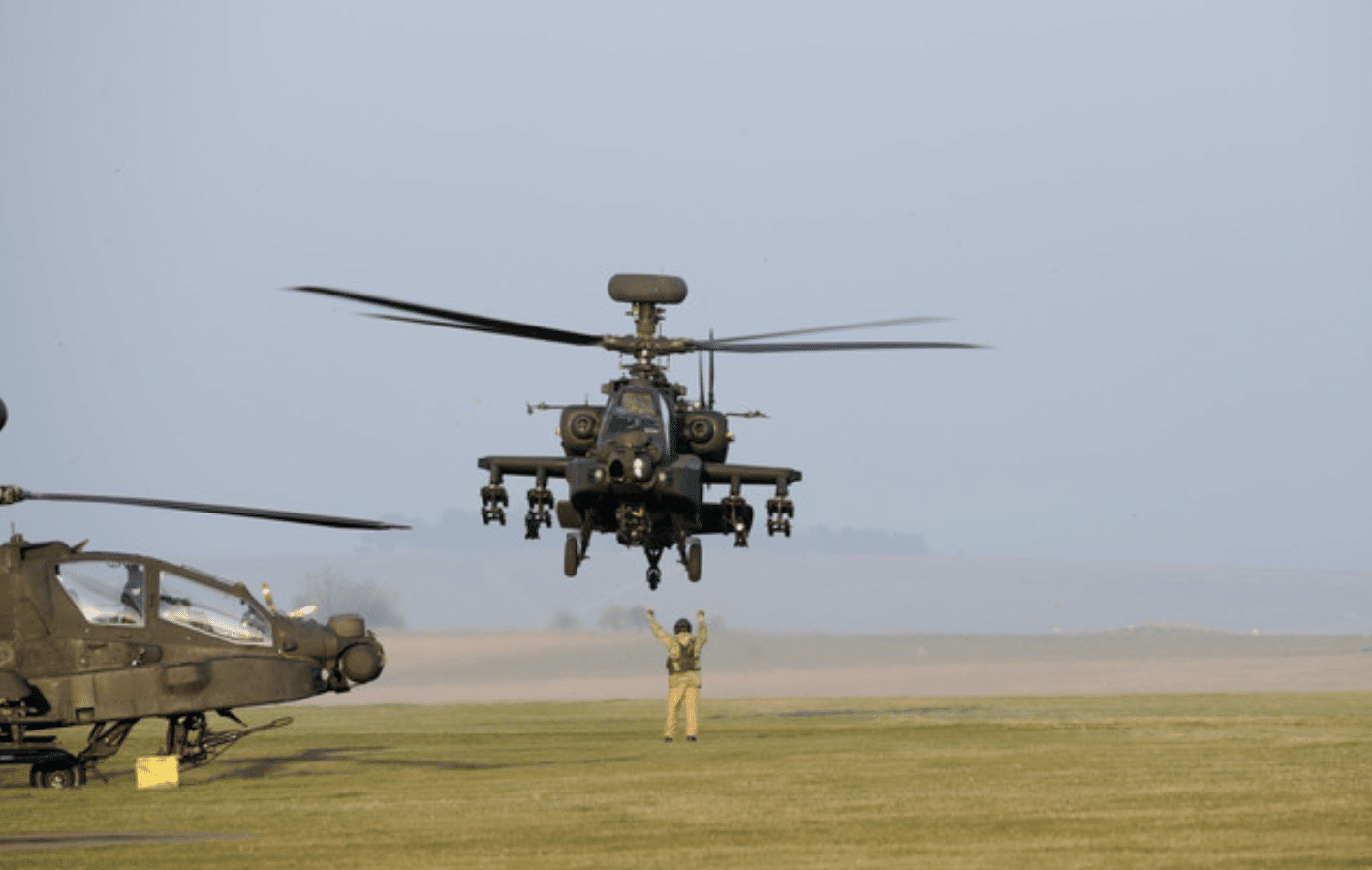
Helicopter integration is common.
Understanding LZ management:
- Increases operational value.
- Reduces inter-agency friction.
- Enhances safety culture.
Divers who understand air integration are assets.
How We Deliver LZ Training at N9BO℠
At N9BO℠, the ERDI Helicopter LZ Technician course includes:
- Scenario-based training.
- Realistic field simulations.
- Structured ICS integration.
- Communication drills.
- Night operation scenarios when possible.
- Hazard identification exercises.
We train responders to:
Operate calmly.
Communicate clearly.
Control environments.
Think structurally.
Because LZ management is not a visual signal.
It is operational command on the ground.
Operational Value
An effective LZ Technician:
- Prevents injury.
- Improves efficiency.
- Enhances pilot confidence.
- Speeds casualty transfer.
- Protects ground teams.
Helicopter operations amplify risk.
Professional LZ control reduces it.
Final Perspective
Helicopters represent speed.
Speed increases stakes.
Landing zones represent structure.
Structure reduces risk.
The ERDI Helicopter LZ Technician course builds:
Environmental literacy.
Communication discipline.
Perimeter authority.
Calm under pressure.
In high-risk operations, professionalism is not optional.
It is protective.

Need Structured Helicopter LZ Training?
Develop disciplined landing zone management skills aligned with ERDI standards. Contact N9BO℠ to schedule Helicopter LZ Technician training.
From the N9BO℠ Knowledge Base