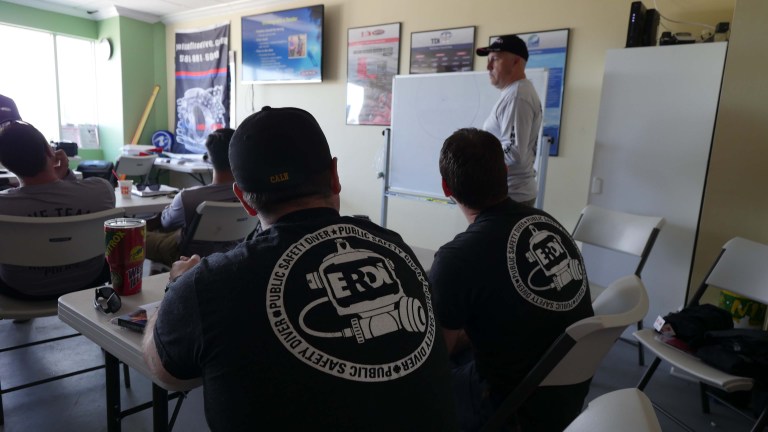
ERDI & Public Safety Diving

Trust, Ethics, and Authority: The Responsibility of ERDI EOD Instructors

EOD Instruction Is an Ethical Role, Not Just a Technical One

Teaching underwater EOD is not simply about transmitting skills. It involves deciding who should know what, how much, and under what authority.

Every instructional decision has downstream implications. ERDI EOD instructor training treats ethics as foundational—not optional.


Authority Comes With Obligation

ERDI EOD instructors are entrusted with sensitive knowledge.

This authority must be exercised conservatively. Over-sharing, improvisation, or casual framing can encourage misuse. ERDI-certified instruction emphasises restraint over demonstration.


Trust Between Agencies Is Fragile

Underwater EOD operations often involve police, military, coast guards, and civilian authorities.

Trust is built when training providers operate predictably and within legal frameworks. ERDI programmes are designed to preserve that trust across jurisdictions.


Instructor Perspective: Saying “No” Is Part of the Job

One of the most important instructor skills is refusing requests that exceed scope or authority.

At N9BO℠, instructors are trained to enforce limits—even when faced with pressure from enthusiastic or senior candidates.
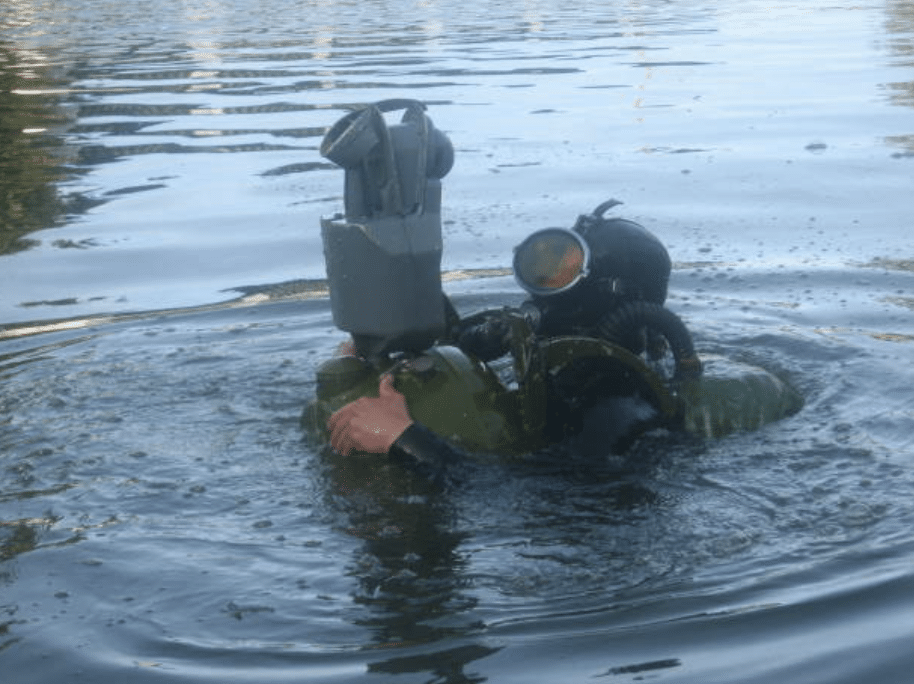
A diver in full kit, including breathing apparatus and mask, is partially submerged in water, holding a large piece of equipment above the surface. The surroundings are calm with gentle ripples on the water.

Preventing Curiosity-Driven Risk

Explosives attract curiosity. Training must neutralise that instinct.

ERDI instructors frame explosives as hazards to avoid—not problems to solve. ERDI EOD education actively discourages hands-on interaction.


Legal Accountability Follows Instruction

Instructors are accountable for how their training is interpreted and applied.

Poor instruction can expose agencies, instructors, and organisations to liability. ERDI instructor standards integrate legal awareness into teaching practice.


Ethics in Scenario Design

Training scenarios must simulate risk without normalising dangerous behaviour.

ERDI instructors design exercises that reinforce distance, marking, and withdrawal—not engagement. ERDI training philosophy prioritises behavioural conditioning.
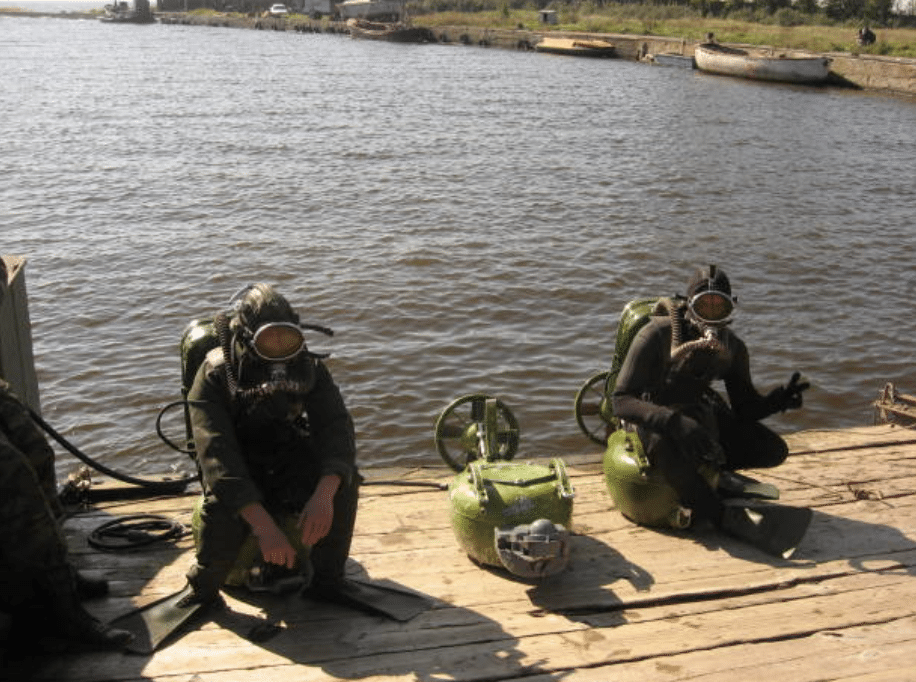
Two divers in vintage diving suits with helmets and oxygen tanks sit on a wooden jetty by a river. Diving equipment and flippers are lying nearby. The water and some boats are visible in the background.

Instructor Conduct Shapes Culture

Students model instructor attitudes.

Casual language, bravado, or humour around explosives erodes seriousness. ERDI instructor training enforces professional tone at all times.


Why ERDI Instructor Numbers Remain Low

Limiting instructor numbers is intentional.

It ensures consistency, oversight, and accountability. ERDI’s global model prioritises control over expansion.


Professional Parallels

In nuclear safety, aviation security, and counterterrorism, instructors are vetted for judgement as much as skill.

ERDI follows the same principle. Authority must be earned continuously.


The Bottom Line

Underwater EOD instruction is an act of trust.

ERDI instructors safeguard not just divers—but public safety, legal order, and inter-agency confidence. This responsibility demands humility, restraint, and unwavering professionalism.

At N9BO℠, EOD instruction is delivered with the gravity it deserves.
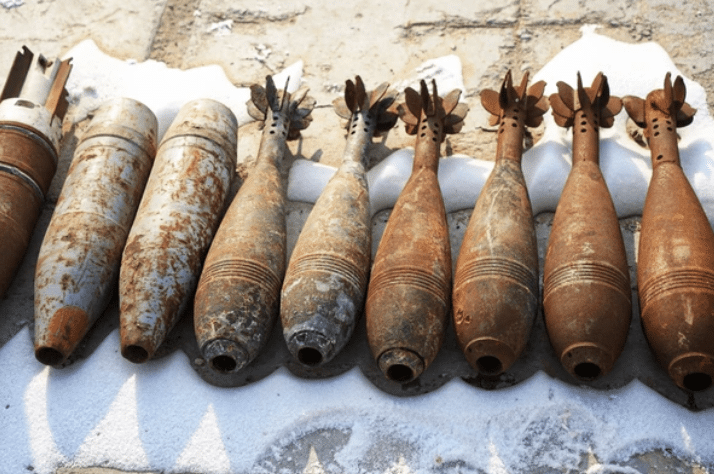
Several rusted and weathered mortar shells are lined up on a rough surface outdoors, some with visible tail fins, showing signs of age and corrosion.

Interested in ERDI Instructor-Level Training?

Instructor authority in high-risk environments carries operational and ethical responsibility. Contact us to discuss ERDI instructor development pathways.


From the N9BO℠ Knowledge Base


Share this

Gas Discipline and Movement Control in Explosive Environments

Explosive Environments Redefine “Normal” Diving Behaviour

In conventional diving, efficiency, trim, and gas optimisation support safety and performance. In explosive environments, those same elements become non-negotiable survival requirements.

Bubble release, fin wash, and uncontrolled buoyancy shifts can disturb unstable ordnance. ERDI underwater EOD training redefines normal diving behaviour around disturbance minimisation.


Gas Discipline Is Not About Endurance

In EOD contexts, gas discipline is not about extending bottom time—it is about predictability.

Controlled breathing minimises bubble output and pressure fluctuations. ERDI-certified training teaches divers to treat respiration as a tactical variable.


Bubble Management as a Hazard Control

Bubbles can:

  • Agitate unstable devices
  • Reduce visibility abruptly
  • Mask acoustic cues
  • Trigger mechanical sensitivity

Professional EOD divers learn bubble discipline through posture, breathing cadence, and positioning. ERDI training addresses this explicitly.


Buoyancy Must Be Passive and Stable

Active buoyancy corrections increase movement and bubble release.

In EOD diving, buoyancy must be set correctly before approach—then left untouched. ERDI underwater EOD programmes require divers to hold position without finning or sculling.

Chief Petty Officer ordnance mine clearance underwater

Movement Is Risk Amplification

Every movement increases uncertainty.

Fin kicks, hand motions, and body rotation all transmit energy through the water column. ERDI training teaches divers to move only when necessary—and then minimally.


Instructor Perspective: Teaching Stillness

Instructors observe that many experienced divers struggle most with doing less.

At N9BO℠, EOD training drills focus on stillness, patience, and positional discipline—not task execution.


Gas Planning for Immediate Withdrawal

Gas plans prioritise:

  • Rapid, calm withdrawal
  • No decompression obligations
  • Maximum reserve

ERDI EOD training prohibits profiles that complicate exit under stress.

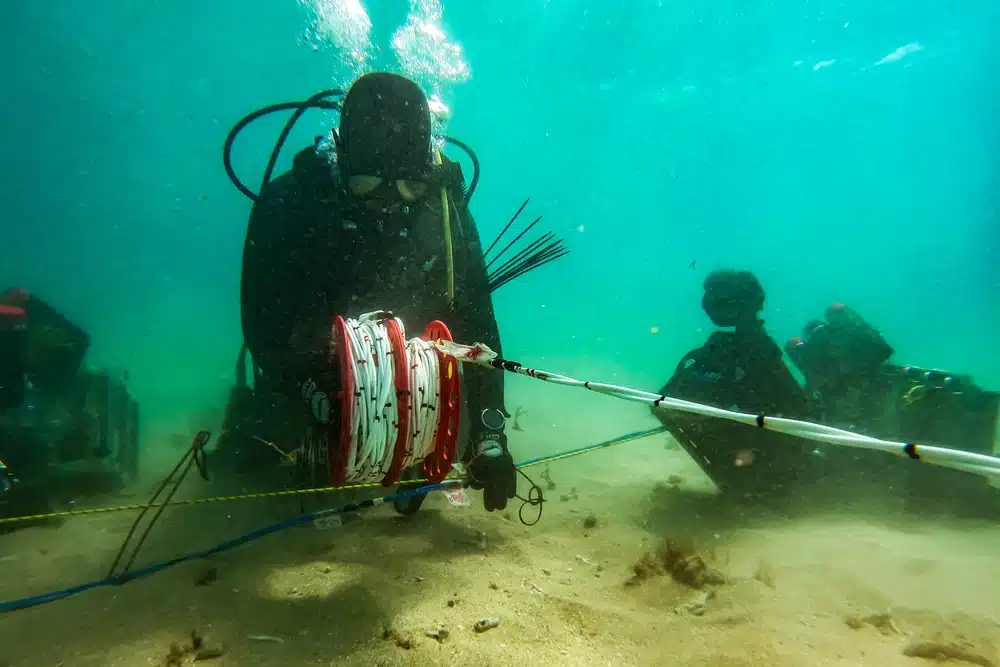
A scuba diver underwater holds a spool with red and white tape attached to a pole, whilst equipment and another diver are visible in the background on the sandy seabed.

Team Gas Synchronisation

Team divers must maintain matched profiles to avoid unplanned pressure differentials and movement.

Professional training enforces synchronised breathing rates and positioning. ERDI programmes treat the team as a single system.


Psychological Control Drives Physical Control

Stress accelerates breathing and movement instinctively.

ERDI training integrates stress management to prevent physiological escalation that could trigger explosive sensitivity.


Why This Discipline Is Rare

Most divers are trained to do things underwater.

EOD diving trains divers to not do things—and that restraint requires exceptional discipline. ERDI certification reflects this elevated standard.


The Bottom Line

In explosive environments, motion equals risk.

Gas discipline and movement control are not techniques—they are survival systems. ERDI underwater EOD training exists to enforce restraint where instinct would otherwise betray safety.

At N9BO℠, this discipline is taught with uncompromising precision.

A scuba diver underwater examines a large, rusty, and encrusted naval mine with protruding detonators. The surrounding water is blue and visibility is clear.

Operating in High-Risk Underwater Environments?

Precision in gas management and movement control is critical in explosive hazard environments. Contact us to discuss ERDI operational training and safety protocols.


From the N9BO℠ Knowledge Base


Share this

Underwater EOD Training: Why ERDI Certification Is Tightly Controlled

Scarcity Is a Safety Measure, Not a Barrier

Unlike many diving specialities, underwater EOD training is deliberately difficult to access.

This is not elitism—it is risk control. ERDI Underwater EOD programmes exist within a legal and operational framework where misuse can have fatal consequences beyond the dive team.


Explosive Knowledge Cannot Be “Partially Learned”

Incomplete understanding of explosives is more dangerous than none at all.

ERDI training ensures candidates receive comprehensive instruction covering recognition, avoidance, reporting, and legal constraints—without encouraging intervention. ERDI certification is designed to prevent overconfidence.


Legal Authority Shapes Training Boundaries

EOD diving intersects directly with law enforcement and military jurisdictions.

Divers must understand:

  • Authority limits
  • Evidence protocols
  • Inter-agency coordination
  • Jurisdictional handover

ERDI EOD training integrates these legal realities explicitly.


Instructor Authorisation Is Strictly Limited

Only a handful of ERDI Instructor Trainers globally are authorised to teach underwater EOD.

At N9BO℠, this responsibility is treated with gravity—because improper instruction creates downstream risk across agencies and borders.

Two scuba divers in full kit float underwater, facing each other with arms outstretched, surrounded by clear blue water and bubbles rising to the surface.

Preventing Skill Misapplication

Broad EOD knowledge in unqualified hands increases the risk of:

  • Curiosity-driven interaction
  • Improvised procedures
  • Unauthorised handling

ERDI-controlled training limits instruction to recognised operational contexts.


Psychological Screening and Maturity

ERDI EOD candidates are evaluated not just on skill, but judgement.

Training assumes emotional restraint, respect for authority, and ability to disengage. ERDI programmes prioritise maturity over enthusiasm.


Equipment Discipline in EOD Contexts

EOD diving mandates conservative, disturbance-minimising configurations.

Equipment is standardised to reduce error pathways. ERDI training removes optional complexity in favour of predictability.

A person wearing diving kit is underwater, holding onto a large red buoy or floating object, with visibility limited due to murky green water.

Why “Awareness-Only” Training Matters

ERDI underwater EOD training focuses on:

  • Recognition
  • Marking
  • Withdrawal
  • Reporting

Not disposal. This distinction is critical. ERDI certification prevents divers from exceeding legal authority.


International Risk and Accountability

Explosives do not respect borders.

ERDI maintains global control to prevent inconsistent standards and unsafe dissemination. N9BO℠ operates within this internationally coordinated framework.


Professional Parallels

In aviation security and hazardous materials handling, access is restricted for the same reason: risk multiplies with misuse.

Underwater EOD is no different.


The Bottom Line

Underwater EOD training is restricted because the stakes are absolute.

ERDI certification exists to prevent tragedy through disciplined limitation. The goal is not action—but prevention, control, and safe disengagement.

At N9BO℠, this responsibility is treated with the seriousness it demands.

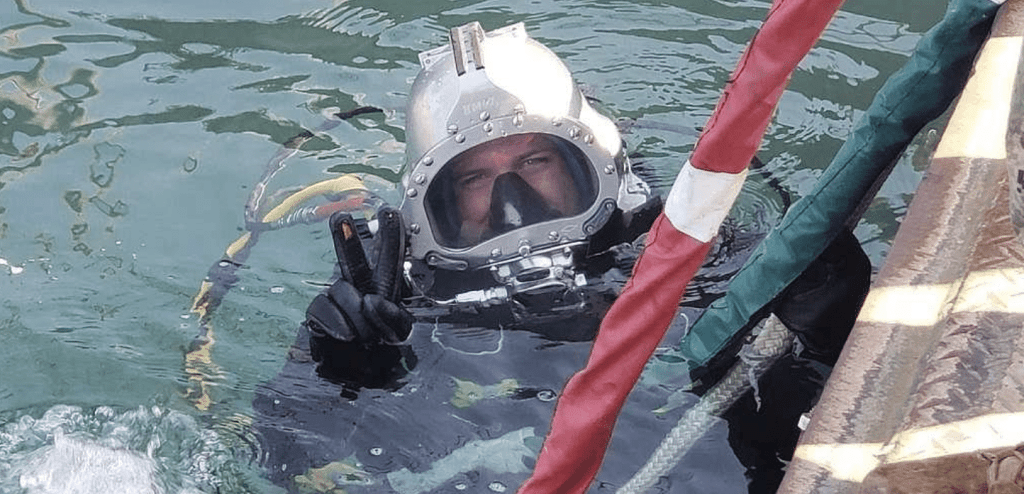
A diver in a heavy-duty helmet and suit floats in greenish water, holding onto a rope with one hand and making a peace sign with the other. Cables and a striped pole are visible beside the diver.

Considering ERDI Underwater EOD Training?

Underwater explosive operations demand strict standards, controlled instruction, and verified operational experience. Contact us to discuss eligibility and programme structure.


From the N9BO℠ Knowledge Base


Share this

Underwater Explosive Hazards: Why EOD Diving Is a Discipline of Its Own

Underwater Explosives Change Everything

Explosives underwater behave differently than on land. Shockwaves propagate farther, pressure effects amplify injury risk, and confined spaces magnify consequences.

This environment leaves no margin for improvisation. ERDI Underwater EOD training treats explosive presence as a dominant risk factor overriding all other dive considerations.


Why Standard PSD Training Is Not Enough

Public Safety Diving prepares divers for search, recovery, and rescue—but explosives introduce a separate threat model.

Movement, buoyancy, proximity, and even bubbles can trigger hazards. ERDI EOD training introduces protocols that supersede standard PSD procedures.


EOD Diving Is About Avoidance, Not Intervention

Contrary to popular belief, underwater EOD divers are not trained to “deal with” explosives.

They are trained to:

  • Recognise explosive indicators
  • Establish safety perimeters
  • Mark and report hazards
  • Withdraw safely

ERDI-certified programmes prioritise life preservation over action.


Instructor Perspective: Authority and Restraint

Only a very limited number of ERDI Instructor Trainers globally are authorised to teach underwater EOD.

At N9BO℠, instruction emphasises restraint, discipline, and legal boundaries—because unauthorised action can escalate into disaster.

A person on a boat films or photographs a scuba diver in black kit who is partially submerged in water, with snow-covered hills visible in the background. Other people stand nearby on the boat.

The Psychological Load of Explosive Environments

Knowing that a misjudgement could detonate an explosive changes cognitive load entirely.

Professional training prepares divers for heightened stress, slowed movement, and deliberate withdrawal. ERDI EOD programmes address psychological readiness explicitly.


Chain of Custody and Legal Implications

Explosive encounters carry legal consequences.

Divers must understand evidence handling, reporting protocols, and inter-agency coordination. ERDI training integrates law enforcement standards and documentation requirements.


Equipment Configuration for EOD Contexts

Equipment choices prioritise minimal disturbance and reliability.

Redundant systems are configured to reduce failure cascades. ERDI EOD training mandates conservative, standardised setups.


Team Roles and Command Structure

Underwater EOD operations operate under strict command hierarchy.

Divers do not make unilateral decisions. ERDI-certified training reinforces chain-of-command discipline.

Three men in diving gear sit and stand on the edge of a docked naval vessel, preparing for a dive. Two are seated at the water’s edge, whilst one stands adjusting equipment. The sea and ship equipment are visible.

Why This Training Is Rare

The combination of legal responsibility, explosives expertise, and underwater risk restricts who can teach and conduct EOD diving.

ERDI maintains strict control to prevent misuse. N9BO℠ operates within this elite, tightly regulated framework.


Professional Parallels

EOD diving mirrors military and counterterrorism protocols—slow, deliberate, and rule-bound.

Deviation is not bravery; it is liability.


The Bottom Line

Underwater explosives turn diving into a zero-margin environment.

ERDI EOD training exists to prevent well-intentioned divers from becoming casualties. It is a discipline defined by restraint, not action.

At N9BO℠, underwater EOD is taught with authority, legality, and uncompromising control.

Sunlight filters through the clear blue water, illuminating underwater rock formations and coral on the ocean floor, creating serene patterns of light and shadow.

Working in Law Enforcement or EOD Diving?

Underwater explosive operations require specialised training, procedures, and supervision. Contact us to discuss ERDI training pathways for operational teams.


From the N9BO℠ Knowledge Base


Share this
Facebook
Instagram
X (Twitter)
TikTok
Youtube
Whatsapp