Why EFR Instructor Matters in Diving
Every dive professional is expected to:
- Respond to emergencies.
- Recognise medical distress.
- Provide initial care.
- Coordinate evacuation.
But emergency competence must extend beyond:
Personal ability.
Professionals must also:
Teach these skills.
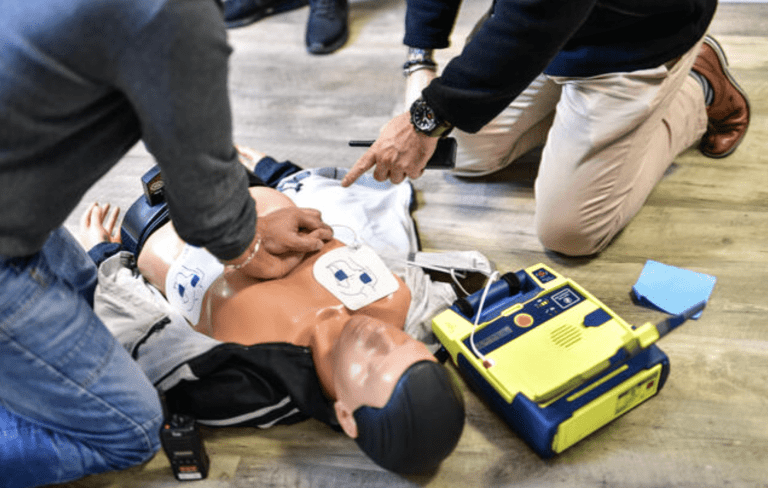
An EFR Instructor certification allows you to:
- Deliver CPR/AED courses.
- Teach primary and secondary care.
- Maintain active instructor status.
- Support dive centre compliance.
- Expand professional credibility.
Emergency response is foundational.
Teaching it demands discipline.
What the EFR Instructor Course Covers
The course includes:
- Teaching methodology.
- Course structure and standards.
- Risk management in training.
- Scenario facilitation.
- Student evaluation.
- AED instruction protocols.
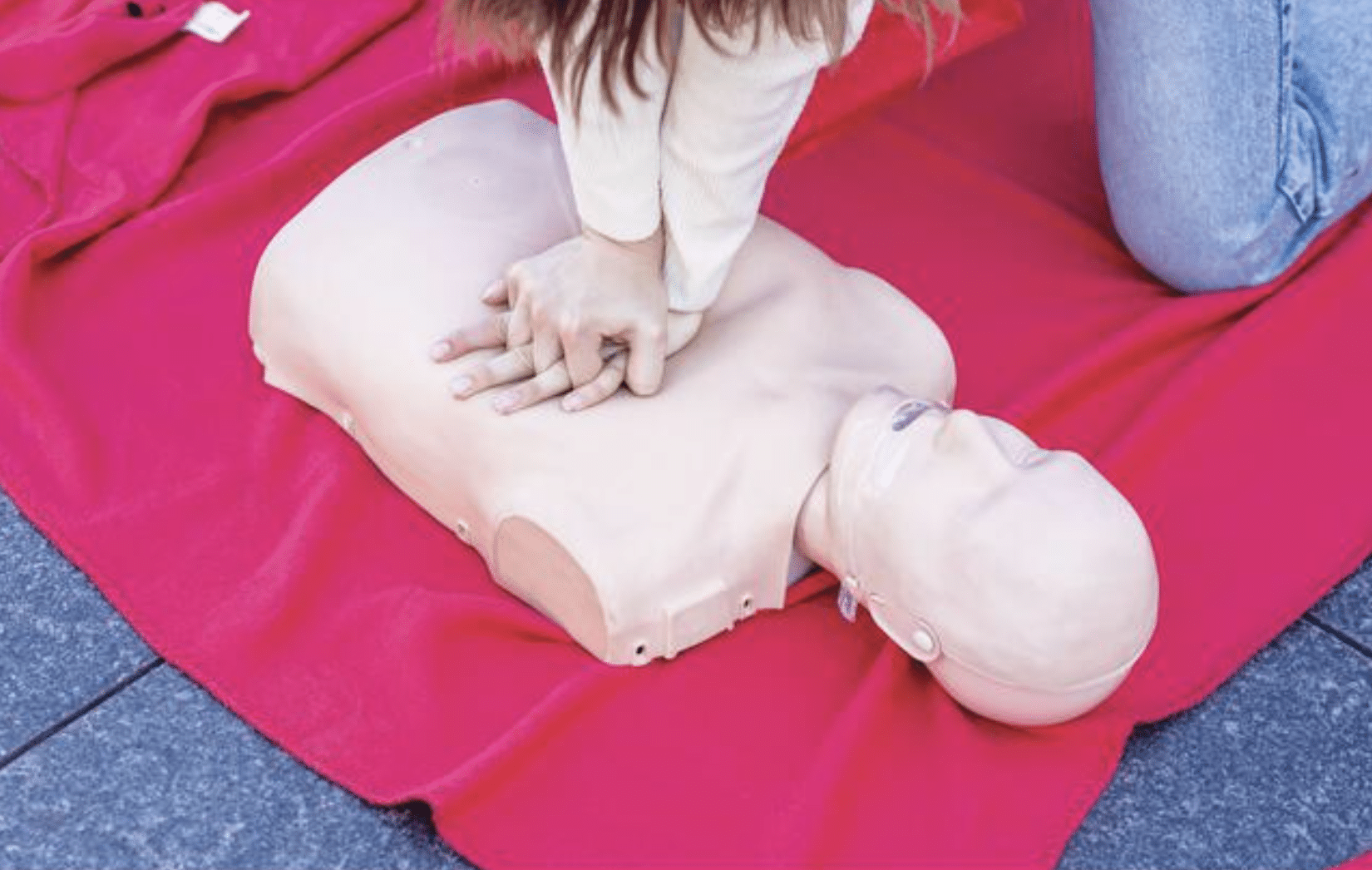
- CPR technique coaching.
- Oxygen use integration (where applicable).
It is not simply a skills review.
It is an instructor development course.
Delivery matters as much as content.
Primary Care: The Core Framework
EFR Primary Care covers:
- Scene safety assessment.
- Barrier use.
- CPR (adult, child, infant).
- AED deployment.
- Severe bleeding management.
- Shock management.
- Choking response.
As an instructor, you must:
Demonstrate confidently.
Correct gently but precisely.
Maintain standard compliance.
Manage class flow.
Authority must remain calm.

Secondary Care: Stabilisation and Monitoring
Secondary care expands into:
- Injury assessment.
- Illness recognition.
- Splinting basics.
- Bandaging techniques.
- Ongoing patient monitoring.
- Documentation discipline.
Instructors must teach:
Decision-making hierarchy.
Assessment sequence.
Communication clarity.
Students leave with:
Structured mental models.
Not just memorised steps.
Teaching Under Stress
Emergency training environments:
- Simulate pressure.
- Introduce noise.
- Increase adrenaline.
- Compress decision time.
Instructors must:
Control environment.
Control pacing.
Maintain safety.
Provide constructive feedback.
An EFR Instructor is:
A facilitator of stress exposure.
Professionalism underpins credibility.
Why Dive Professionals Should Upgrade
For dive professionals, EFR Instructor status:
- Increases employability.
- Expands revenue streams.
- Enhances safety culture.
- Improves leadership credibility.
- Supports instructor-level certifications.
Many dive leadership ratings require:
Current EFR Instructor status.
It is not optional for career progression.
It is structural.
Beyond Slides: Real Teaching Competence
At N9BO℠, we emphasise:
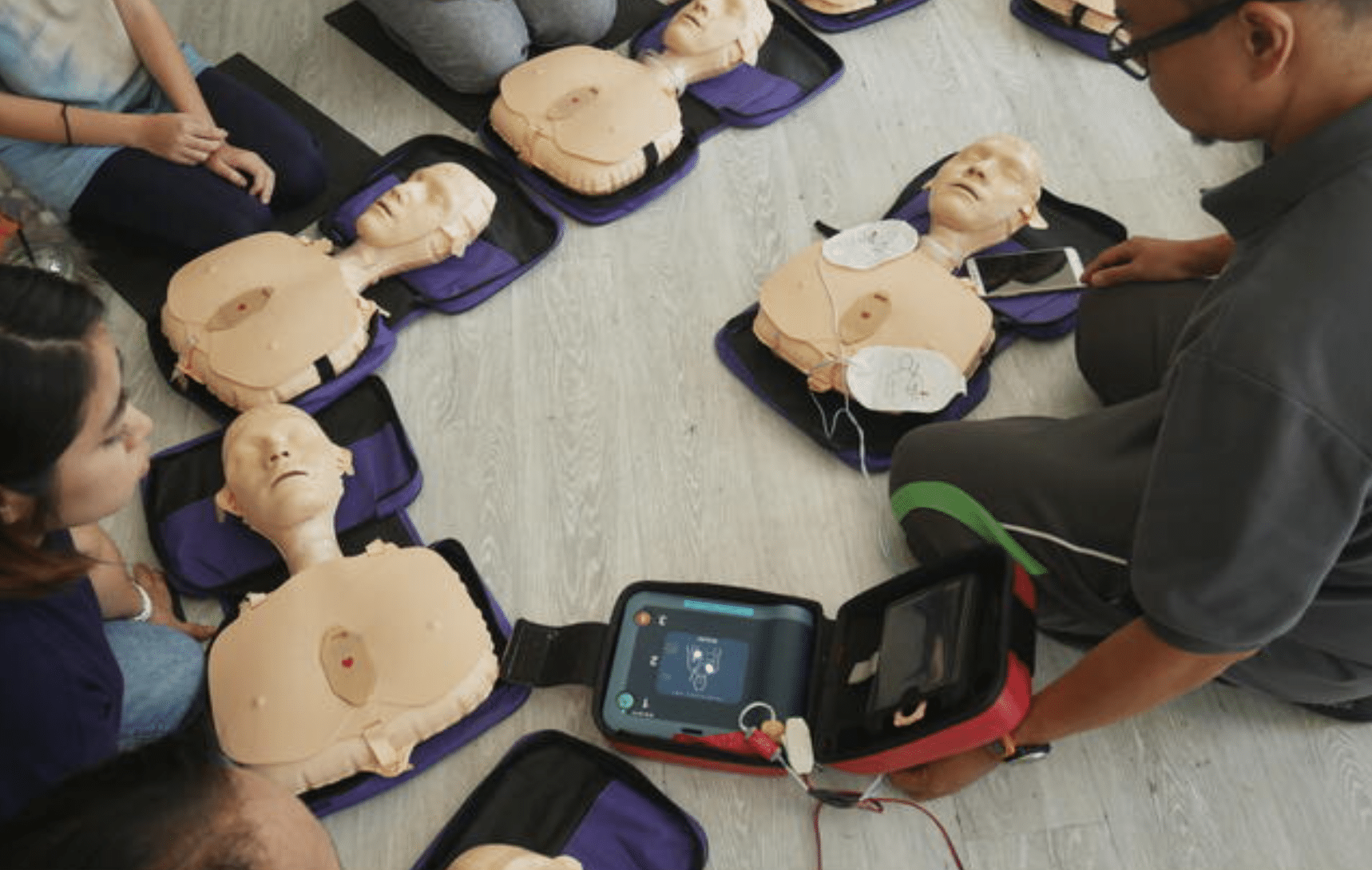
Scenario realism.
Feedback discipline.
Student correction techniques.
Standards compliance.
Professional presence.
Emergency instruction is not:
Reading slides.
It is:
Guiding behaviour change.
Confidence must be built.
Not assumed.
Integration with Diving Operations
EFR Instructors support:
- Rescue Diver courses.
- Divemaster training.
- Instructor Development Courses.
- Corporate emergency preparedness.
- Public safety diving programs.
Emergency training underpins:
Every professional pathway.
Strong emergency educators strengthen teams.
Common Instructor Pitfalls
New instructors often:
- Over-explain.
- Rush scenarios.
- Skip debriefing.
- Fail to correct technique.
- Lose structure under pressure.
Professional delivery requires:
Balance between realism and control.
Students must leave feeling:
Capable.
Not overwhelmed.
The Psychological Component
Emergency teaching involves:
- Managing student anxiety.
- Encouraging participation.
- Building confidence.
- Normalising stress reactions.
An EFR Instructor must:
Read room dynamics.
Adapt communication style.
Maintain composure.
Emergency authority begins with calm leadership.
Operational Ethics
Teaching emergency care carries:
Moral responsibility.
Incorrect instruction can:
- Lead to ineffective CPR.
- Delay AED use.
- Increase legal exposure.
- Create false confidence.
Standards exist for a reason.
Professional discipline protects students.
Professional Identity
Becoming an EFR Instructor signals:
Commitment to safety.
Instructional maturity.
Operational readiness.
Leadership development.
Emergency response is universal.
Diving is specific.
The combination builds resilience.
Final Perspective
The EFR Instructor course is not about:
Collecting another certification.
It is about:
Owning responsibility for lifesaving education.
Teaching emergency response builds:
Authority.
Confidence.
Professional value.
At N9BO℠, we train EFR Instructors to teach with clarity, structure, and composure — because emergency education demands more than enthusiasm. It demands discipline.
Ready to Teach Emergency Response Professionally?
Expand your instructional capability with structured EFR Instructor training at N9BO℠.
From the N9BO℠ Knowledge Base