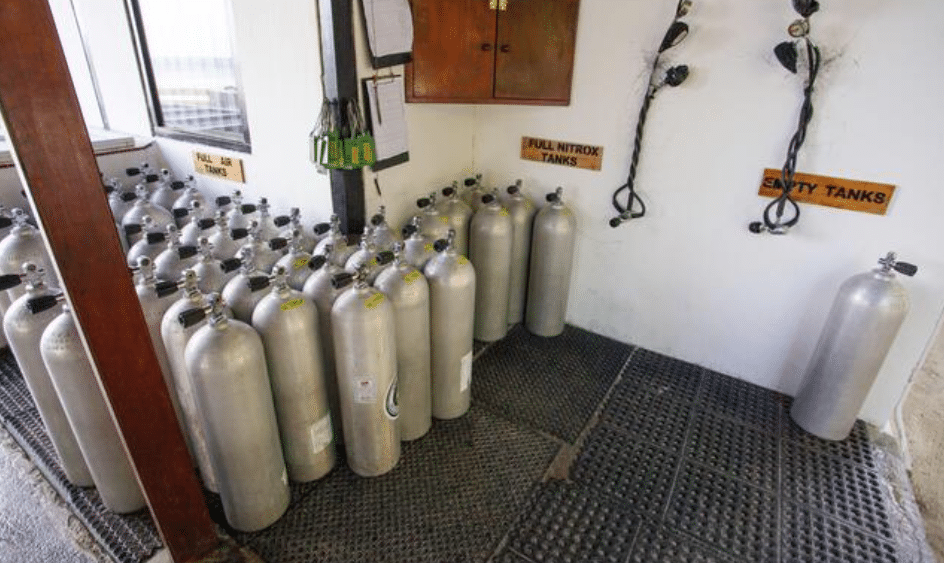
The Body’s Dependence on Oxygen
Human cells require oxygen to produce energy through aerobic metabolism. The brain, heart, and nervous system are particularly sensitive to oxygen deprivation.
Without oxygen:
- Brain cells begin to die within minutes
- Heart function deteriorates rapidly
- Organ failure begins progressively
The body has very limited oxygen reserves. Unlike water or food, oxygen deprivation causes life-threatening damage almost immediately.
This is why maintaining airway, breathing, and circulation is the first priority in emergency care.
At N9BO℠, we emphasise that oxygen supports every other emergency intervention.
How Oxygen Is Transported in the Body
Under normal conditions, oxygen enters the lungs and diffuses into the bloodstream, where it binds primarily to haemoglobin within red blood cells.
The cardiovascular system then transports oxygen to tissues throughout the body.
Medical emergencies disrupt this process in different ways:
- Airway obstruction prevents oxygen entry
- Lung injury reduces oxygen exchange
- Cardiac arrest stops circulation
- Shock reduces tissue perfusion
Supplemental oxygen increases the amount of oxygen available for transport and improves the efficiency of delivery to compromised tissues.
At N9BO℠, we teach responders to view oxygen as support for the body’s failing systems.
Why Oxygen Improves Emergency Outcomes
Supplemental oxygen increases the concentration of oxygen available to the casualty, improving blood oxygen saturation and supporting cellular survival.
This is particularly important because injured or stressed tissues often require more oxygen than normal, while the body’s ability to deliver it is reduced.
Providing high-concentration oxygen can:
- Reduce tissue hypoxia
- Improve brain and heart oxygenation
- Slow deterioration during respiratory compromise
- Support recovery during shock or trauma
In many emergencies, oxygen does not directly “fix” the problem, but it buys time by slowing secondary injury.
At N9BO℠, we emphasise that oxygen often preserves survivability until advanced care becomes available.
Oxygen in Cardiac Arrest and CPR
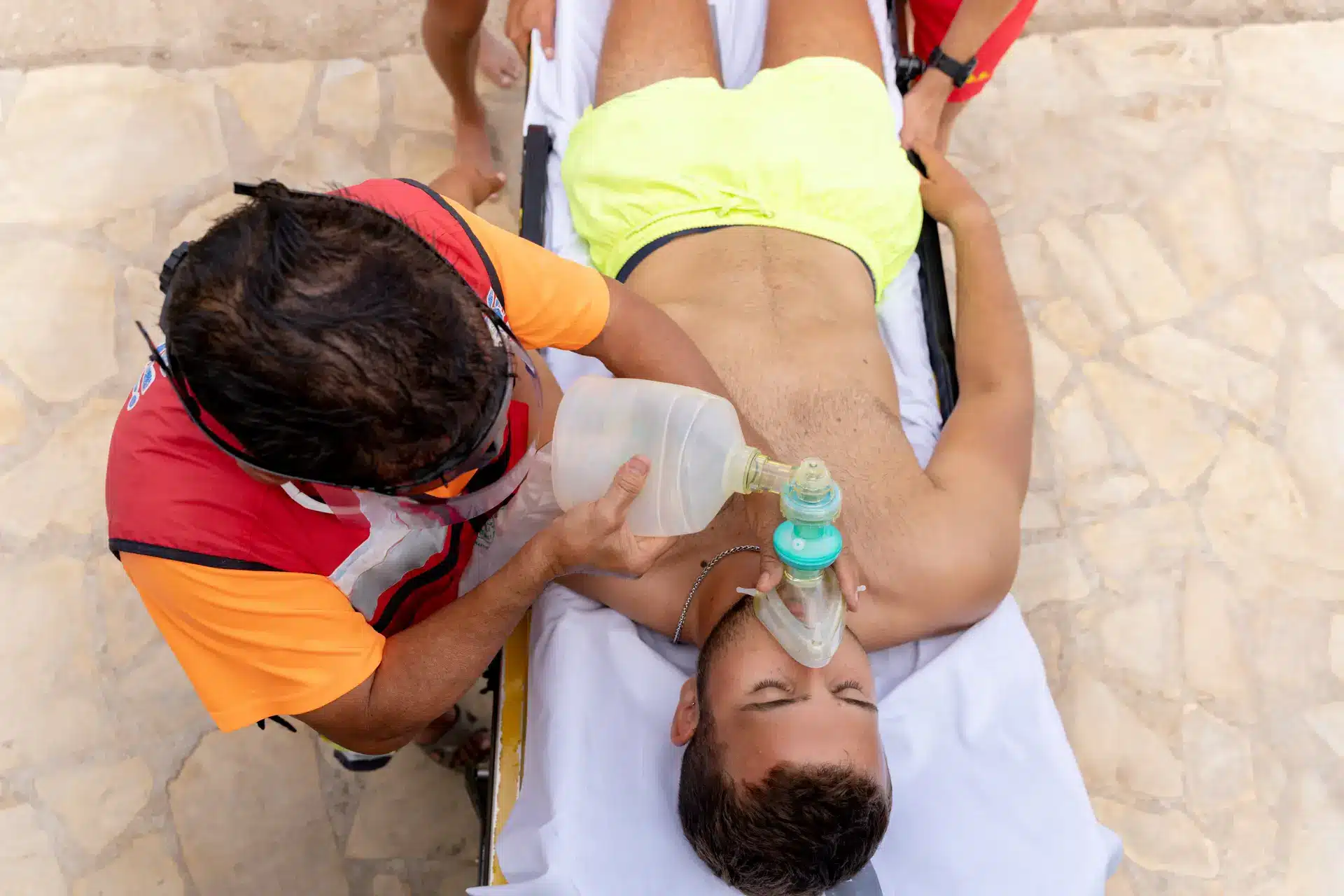
During cardiac arrest, the heart is unable to circulate oxygenated blood effectively. CPR attempts to restore limited circulation, but oxygen availability remains critical.
Supplemental oxygen during CPR increases the oxygen concentration available to the lungs and bloodstream, improving the effectiveness of rescue breathing and circulation efforts.
Although CPR maintains only partial blood flow, increasing oxygen availability improves the chance of preserving brain and organ function until defibrillation or advanced medical intervention occurs.
This is why oxygen is integrated into many advanced resuscitation protocols.
At N9BO℠, we teach that CPR and oxygen work together as part of a unified response system.
Oxygen and Diving Emergencies
In diving medicine, oxygen plays an even more significant role because many diving injuries directly involve gas exchange and tissue oxygenation.
In decompression illness, oxygen:
- Accelerates nitrogen elimination
- Reduces inert gas bubble size
- Improves oxygen delivery to damaged tissues
In drowning or near-drowning incidents, oxygen supports recovery from hypoxia caused by interrupted breathing.
In lung overexpansion injuries or arterial gas embolism, oxygen helps maintain tissue viability while definitive treatment is arranged.
The earlier oxygen is administered, the better the outcome tends to be.
At N9BO℠, we treat emergency oxygen as the primary first aid intervention in diving incidents.
Oxygen and Shock Management
Shock occurs when the body cannot deliver sufficient blood flow and oxygen to tissues.
This may result from:
- Severe bleeding
- Cardiac failure
- Trauma
- Allergic reactions
- Infection
As circulation becomes compromised, oxygen delivery decreases, leading to progressive organ dysfunction.
Supplemental oxygen helps maximise the oxygen content of the remaining circulating blood, improving tissue support during the critical period before definitive treatment.
While oxygen alone cannot reverse shock, it helps reduce secondary damage caused by oxygen deprivation.
At N9BO℠, we emphasise oxygen as a support measure within broader shock management.

The Importance of Early Oxygen Administration
One of the most important principles in emergency medicine is timing. Early oxygen administration improves outcomes because tissue damage caused by hypoxia becomes progressively harder to reverse.
Delayed oxygen delivery increases the risk of:
- Neurological damage
- Cardiac injury
- Organ failure
- Long-term complications
This is why emergency oxygen systems are positioned in dive centres, emergency response kits, ambulances, and industrial operations.
The responder must recognise symptoms quickly and begin oxygen administration without unnecessary delay.
At N9BO℠, we reinforce that rapid intervention often determines casualty outcome.
Oxygen Is Powerful—but Not Harmless
Although oxygen is life-saving, it must still be handled correctly.
High-pressure oxygen systems introduce risks including:
- Fire and combustion acceleration
- Oxygen toxicity at elevated pressures
- Equipment contamination hazards
Responders must therefore use oxygen systems according to established procedures and safety protocols.
The goal is controlled administration, not uncontrolled exposure.
At N9BO℠, we teach oxygen handling with the same discipline applied to all critical safety systems.
Operational Mindset
Oxygen is effective because it directly supports the body’s most fundamental requirement: cellular survival.
Medical emergencies often involve impaired oxygen delivery, and supplemental oxygen helps stabilise the casualty while further treatment is arranged.
However, oxygen is most effective when:
- Administered early
- Delivered correctly
- Integrated into a structured emergency response
At N9BO℠, we approach oxygen provision as a critical operational skill rather than a passive treatment.
In emergency response, oxygen does not solve every problem—but without it, many problems become significantly worse.
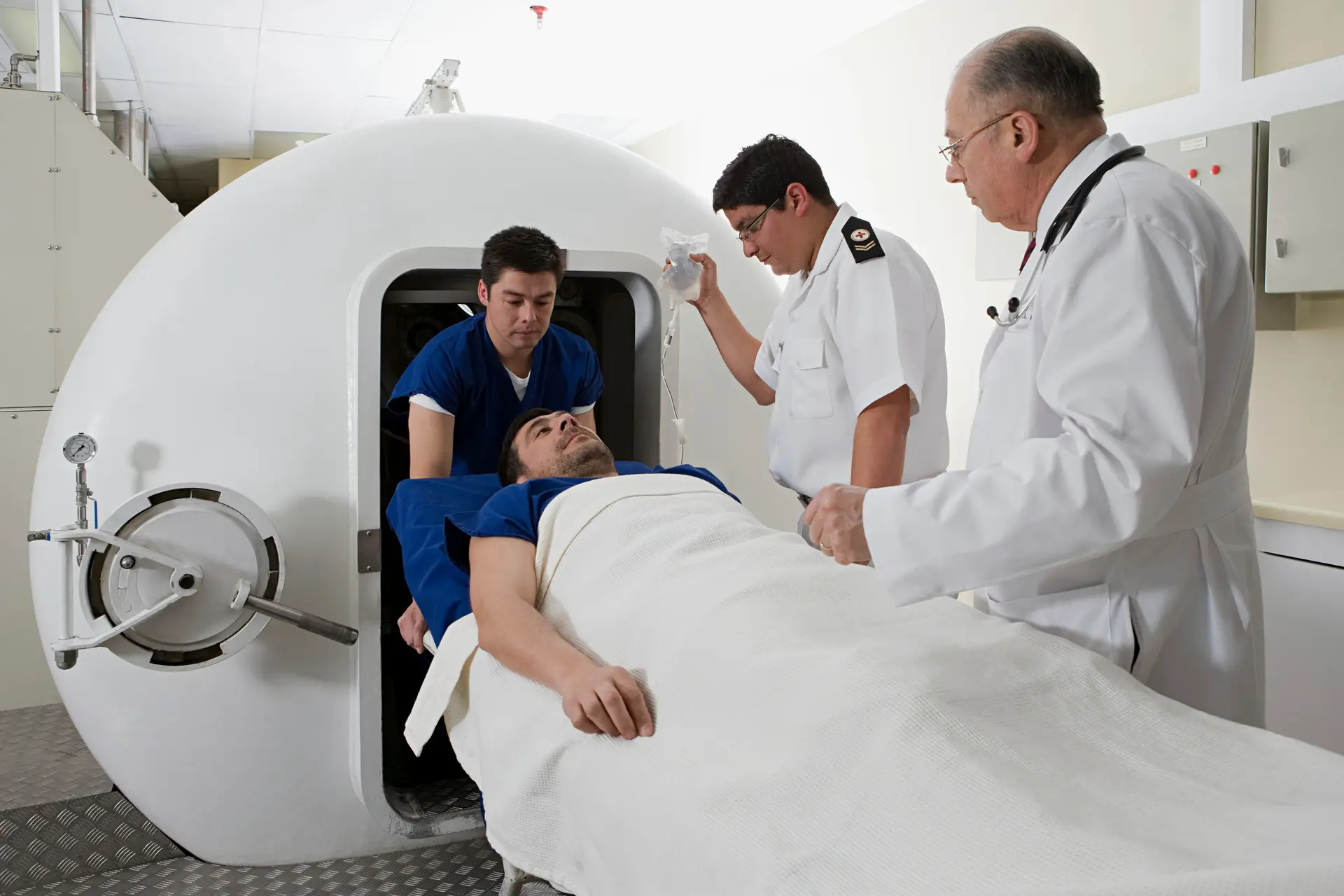
Train to Deliver Oxygen with Confidence
Contact N9BO℠ to integrate emergency oxygen training into your operational readiness programme, building the capability to respond effectively during critical medical emergencies.
From the N9BO℠ Knowledge Base