Certification Is a Snapshot, Not a Guarantee
Certifications document that a diver met a standard at a specific point in time. They do not guarantee continued proficiency.
Without use, skills decay. Technical diving training treats certification as a starting point—not a lifetime assurance.
Why Skill Fade Happens So Quickly
Skill decay occurs faster than most divers expect due to:
- Infrequent use
- Lack of realistic practice
- Absence of feedback
- Comfort replacing discipline
Complex motor and cognitive skills degrade first. Advanced technical diving progression recognises that rarely used emergency skills are the most vulnerable.
Confidence Often Outlasts Competence
A dangerous pattern emerges when divers feel capable but can no longer execute cleanly.
This mismatch increases risk. Technical diving training deliberately tests skills periodically to reveal decay before it becomes critical.
Emergency Skills Are Most Affected
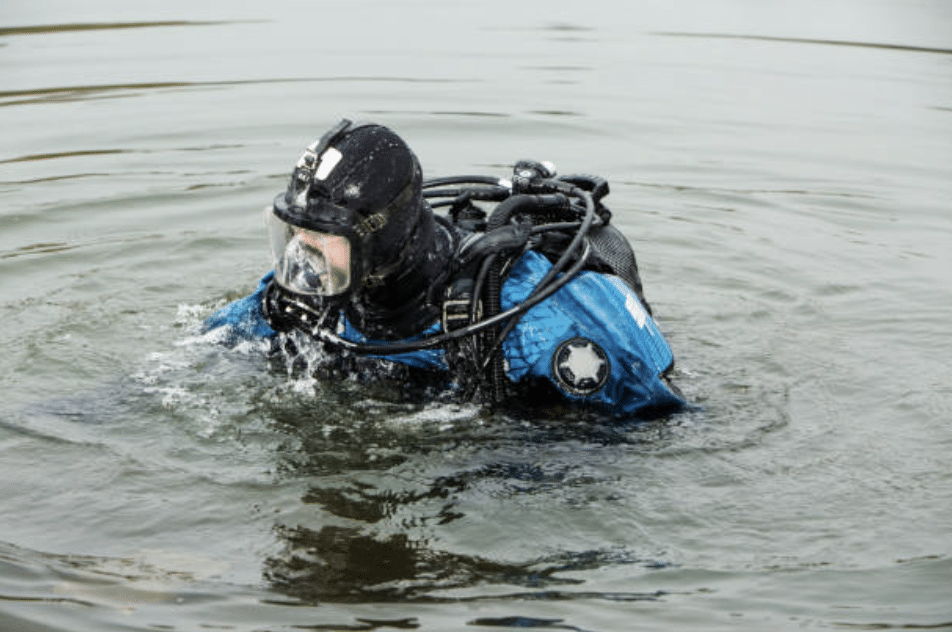
Emergency procedures are rarely used—and therefore fade fastest.
Under stress, degraded skills reappear inconsistently or not at all. Advanced technical diving progression requires periodic demonstration of emergency competence under realistic conditions.
Instructor Perspective: Seeing Skill Fade Firsthand
Instructors often observe experienced divers struggling with skills they once performed easily.
At N9BO℠, this observation drives a strong emphasis on refreshers and revalidation rather than assuming past proficiency remains intact.
Skill Decay Is Not a Moral Failure
Skill fade is not laziness or negligence—it is human.
Professional training systems are designed to account for this reality. Technical diving training normalises refresher training as part of responsible practice.
Preventing Skill Fade Through Deliberate Practice
Effective prevention requires:
- Scheduled skill refreshers
- Practice under load
- Objective performance criteria
- Instructor feedback
Advanced technical diving progression embeds regular skill verification to keep abilities sharp.
Team Risks of Uneven Skill Retention
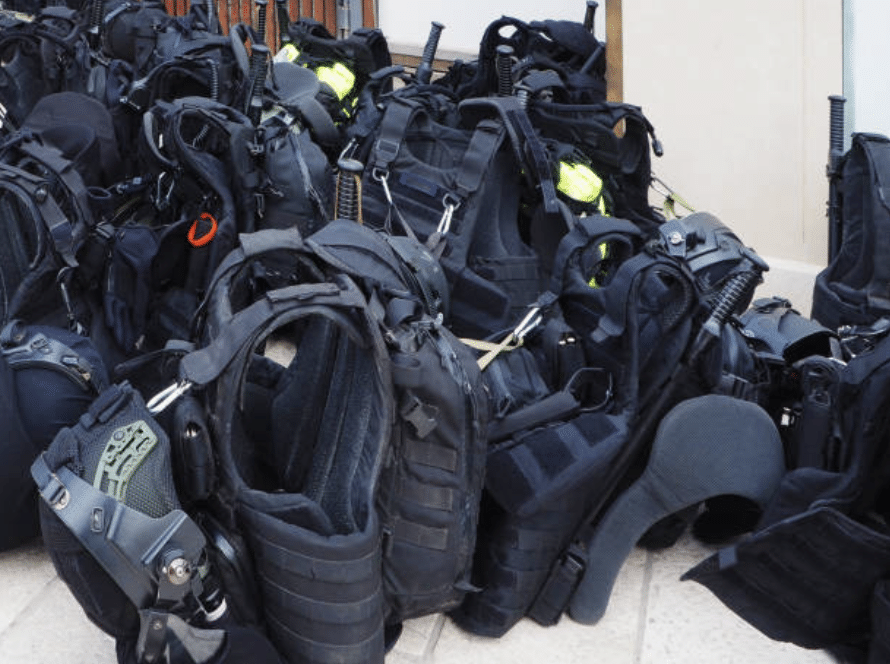
In teams, uneven skill retention increases risk. One diver’s degraded skills increase workload for others.
Professional teams verify competence regularly. Technical diving training treats skill maintenance as a team obligation.
Skill Fade and Stress Amplification
Under stress, faded skills collapse quickly. Movements become clumsy, sequencing fails, and hesitation increases.
Advanced technical diving progression stresses that skills must be maintained above minimum standards to survive stress.
Professional Parallels
Pilots, medics, and tactical units train core skills repeatedly—even if rarely used operationally.
Technical diving follows this professional model. Skills are refreshed to remain reliable.
The Bottom Line
Skills fade whether you notice or not.
Ignoring that reality is the real risk.
In technical diving, professionalism means maintaining competence—not just remembering training. The safest divers refresh skills before they need them.
At N9BO℠, skill maintenance is part of mastery.
Been Out of the Water for a While?
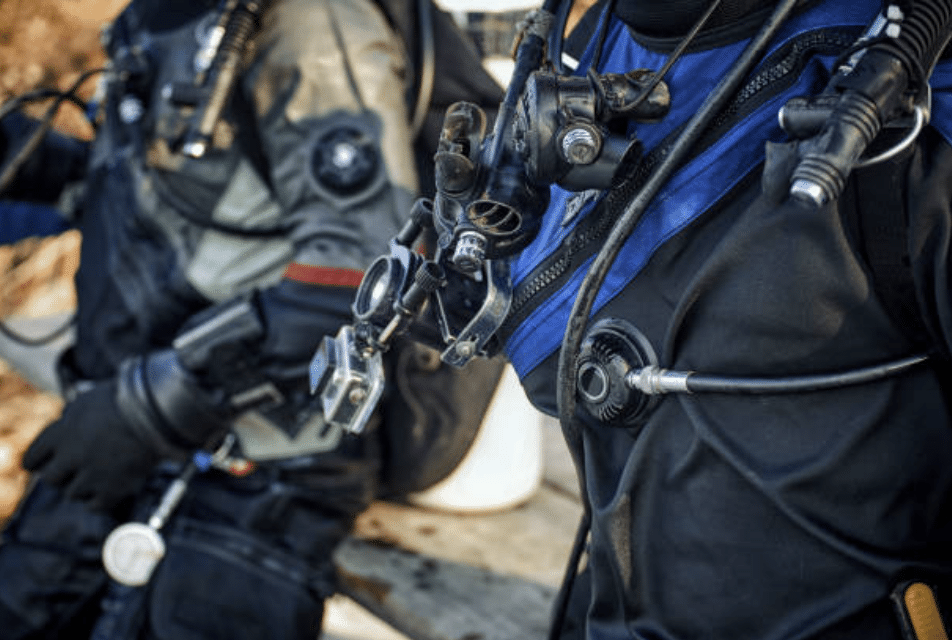
Skills deteriorate without regular use and structured practice. Contact us to discuss refreshers and training designed to restore confidence and competence.
From the N9BO℠ Knowledge Base