Why Refresher Training Matters
Diving is a perishable skill activity. Even experienced divers lose proficiency when they spend extended periods out of the water.
Core abilities such as buoyancy control, equipment setup, mask clearing, and emergency procedures gradually deteriorate without repetition. Confidence often declines at the same time, particularly if the diver has not been exposed to underwater environments recently.
This creates a mismatch between certification level and current capability. A diver may remain qualified on paper while no longer operating at the same practical standard.
The purpose of a refresher programme is to close that gap safely and systematically.
At N9BO℠, we view refresher training as operational recalibration rather than remedial instruction.
Objectives of a Scuba Refresher Programme
The primary objective of a refresher programme is to restore comfort and competence in the water before returning to normal diving activities.
This includes:
- Reviewing equipment assembly and pre-dive checks
- Rebuilding buoyancy and trim control
- Practising core safety and emergency procedures
- Improving situational awareness underwater
The programme also provides an opportunity to update divers on changes in equipment, procedures, or best practices that may have evolved since their last dives.
Importantly, the refresher is not designed as a test. It is a structured learning environment focused on rebuilding capability and confidence.
At N9BO℠, we emphasise progression and comfort rather than performance pressure.
Restoring Water Confidence
One of the most significant benefits of refresher training is the restoration of water confidence.
Divers returning after months or years away often experience uncertainty during equipment setup, descent, or underwater movement. This hesitation can increase stress and negatively affect breathing, buoyancy, and awareness.
Structured practice helps rebuild familiarity with the underwater environment. As skills become smoother, confidence returns naturally.
The process is gradual. Divers begin by focusing on basic procedures before progressing toward more dynamic skills and open water activity.
At N9BO℠, we believe confidence should be rebuilt through repetition and control, not assumption.

Reviewing Core Diving Skills
The programme revisits the fundamental skills that support safe recreational diving.
These commonly include:
- Regulator recovery and clearing
- Mask clearing and removal
- Buoyancy control techniques
- Controlled ascents and descents
- Air-sharing procedures
- Underwater communication
Even simple skills often degrade when unused. Reviewing them in a calm environment allows divers to regain smoothness and efficiency.
The emphasis is not speed, but consistency and comfort.
At N9BO℠, we focus on rebuilding muscle memory and procedural familiarity.
Buoyancy and Breathing Control
Buoyancy control is usually one of the first skills affected by inactivity. Divers may become overweighted, unstable, or less efficient underwater.
Refresher training reintroduces the relationship between breathing, buoyancy, and trim. Divers learn to make smaller adjustments and move more efficiently through the water.
Controlled breathing is equally important. Stress and uncertainty often lead to rapid breathing, increased gas consumption, and reduced situational awareness.
Re-establishing calm breathing patterns improves both comfort and overall diving performance.
At N9BO℠, we treat buoyancy and breathing as the foundation of underwater control.
Equipment Familiarisation and Updates
Equipment systems evolve over time, and divers returning after long absences may encounter unfamiliar configurations or procedures.
The refresher programme allows divers to:
- Review modern equipment systems
- Understand updated safety recommendations
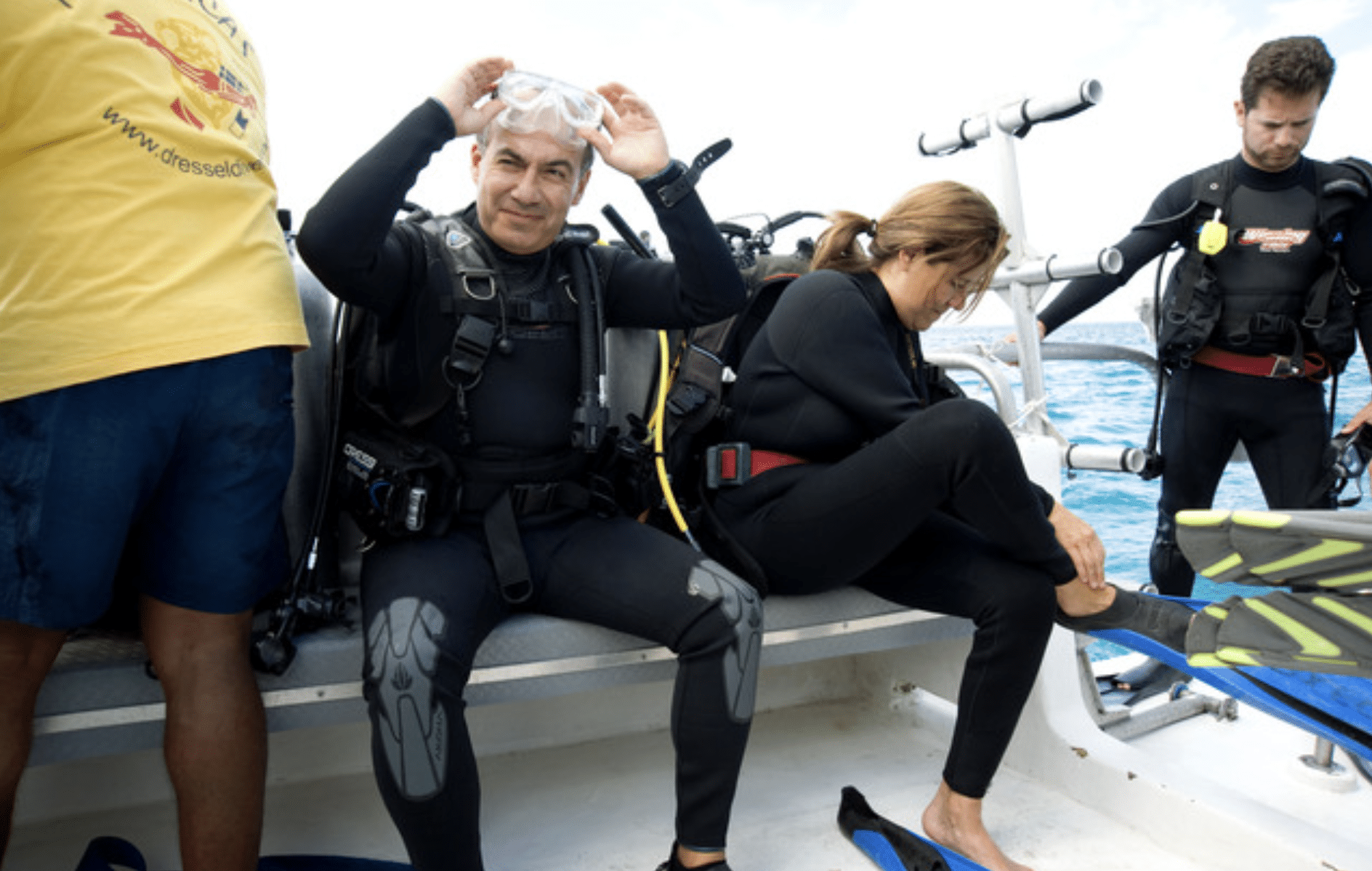
- Rebuild familiarity with personal or rental equipment
This process reduces uncertainty and improves pre-dive preparation.
It also reinforces the importance of proper equipment checks and buddy procedures before entering the water.
At N9BO℠, we emphasise that familiarity with equipment improves both safety and confidence.
Reducing Risk Through Structured Practice
Many diving incidents occur when divers overestimate their current capability after a long break from the sport.
A refresher programme reduces this risk by providing controlled re-exposure to underwater activity before progressing into more demanding dives.
The diver can identify weaknesses, rebuild lost skills, and correct poor habits in a supervised environment.
This structured approach significantly improves readiness and reduces stress during subsequent dives.
At N9BO℠, we treat refresher training as proactive risk management.
Who Benefits from a Refresher Programme
Refresher programmes are valuable for:
- Divers who have not dived recently
- Newly certified divers lacking experience
- Divers returning after injury or interruption
- Travellers preparing for dive holidays
- Professionals wanting to rebuild comfort and precision
The programme can also benefit active divers who simply want to refine foundational skills before progressing into more advanced training.
There is no negative aspect to reviewing fundamentals. In fact, strong foundational control is often what separates capable divers from unsafe ones.
At N9BO℠, we encourage refresher training whenever confidence or consistency declines.
The Psychological Value of Refresher Training
Beyond technical skills, refresher training provides psychological reassurance.
Returning divers often carry concerns about performance, memory, or underwater comfort. These concerns can create unnecessary stress before even entering the water.
A structured refresher removes uncertainty by allowing divers to rebuild confidence progressively in a supportive environment.
This improves enjoyment as much as safety. Divers who feel relaxed and prepared are more likely to enjoy the experience and continue diving actively.
At N9BO℠, we believe confidence is rebuilt through competence, not reassurance alone.
Operational Mindset
A scuba refresher programme reinforces a simple but important principle: certification does not replace current readiness.
Diving requires maintained skill, situational awareness, and comfort in the water. These qualities decline without practice and must be rebuilt deliberately.
Refresher training provides a controlled pathway back into diving, allowing divers to restore both technical ability and confidence before increasing exposure.
At N9BO℠, we approach refresher programmes as operational preparation. The goal is not simply to “remember” diving, but to return to the water safely, comfortably, and competently.
Strong divers are not defined by how long ago they certified, but by how prepared they are today.
Return to Diving with Confidence and Control
Contact N9BO℠ to schedule a scuba refresher programme and rebuild the confidence, awareness, and practical skills needed for safe and enjoyable diving.
From the N9BO℠ Knowledge Base