Instructor Development & Teaching Excellence

Lifeguard to Diver: Why Water Rescue Skills Do Not Automatically Transfer Underwater

Surface Rescue and Underwater Rescue Are Different Domains

Many lifeguards and water rescue professionals assume their experience translates directly underwater. While watermanship is invaluable, underwater rescue introduces constraints that fundamentally change risk management.

Limited visibility, depth, gas dependency, and equipment complexity alter everything. Professional public safety diving training treats underwater rescue as a distinct operational discipline.


The Physiological Shift Below the Surface

Underwater rescuers must manage:

  • Gas supply and consumption
  • Buoyancy and trim
  • CO₂ retention
  • Thermal stress

These factors do not exist at the surface. ERDI Public Safety Diver training prepares rescuers to manage physiology before attempting victim interaction.


Rescue Priorities Change Underwater

At the surface, speed often dominates decision-making. Underwater, uncontrolled speed can be fatal.

Professional underwater rescue prioritises:

  • Scene safety
  • Team coordination
  • Controlled recovery
  • Evidence preservation (when applicable)

Public safety diving training teaches rescuers to slow down to remain effective.

An orange life buoy with silver reflective stripes floats on clear blue water, casting a shadow beneath it.

Equipment Is Not Neutral

Rescue equipment adds drag, task loading, and failure points.

Lifeguards must learn to integrate tools without compromising buoyancy or awareness. ERDI training emphasises equipment management as a safety skill—not just a capability enhancer.


The Danger of “Hero Mode”

Surface rescuers are often praised for rapid, decisive action. Underwater, hero behaviour increases risk dramatically.

Professional training replaces heroism with discipline. Public safety diving programmes prioritise returning the rescuer safely above all else.


Instructor Perspective: Resetting Assumptions

Instructors frequently observe experienced lifeguards struggling initially underwater—not due to lack of ability, but due to incorrect assumptions.

At N9BO℠, instructors deliberately reset rescue mindset before advancing skills.


Team-Based Operations Underwater

Unlike many surface rescues, underwater operations are rarely solo.

Communication, spacing, and role clarity are essential. ERDI Public Safety Diver training treats teamwork as a core safety control.


Psychological Load of Subsurface Rescue

Underwater rescue often involves low visibility, entanglement risk, and emotionally charged scenarios.

Professional training prepares divers for these psychological stresses explicitly. Public safety diving instruction integrates mental resilience into skill development.

A police officer in black wetsuit and cap swims in turquoise sea water, adjusting their goggles, with POLICE written in yellow on their back.

Why Retraining Is Non-Negotiable

Attempting underwater rescue without formal training places both rescuer and victim at extreme risk.

ERDI-certified programmes exist because surface rescue experience alone is insufficient below the surface.


Professional Parallels

Firefighters, paramedics, and military personnel retrain for new environments despite existing expertise.

Diving follows the same rule. Environment dictates method.


The Bottom Line

Strong swimmers save lives at the surface.

Trained public safety divers save lives underwater.

In professional rescue operations, underwater capability must be trained deliberately. Experience above water is a foundation—not a substitute.

At N9BO℠, public safety divers are trained for the realities below the surface.
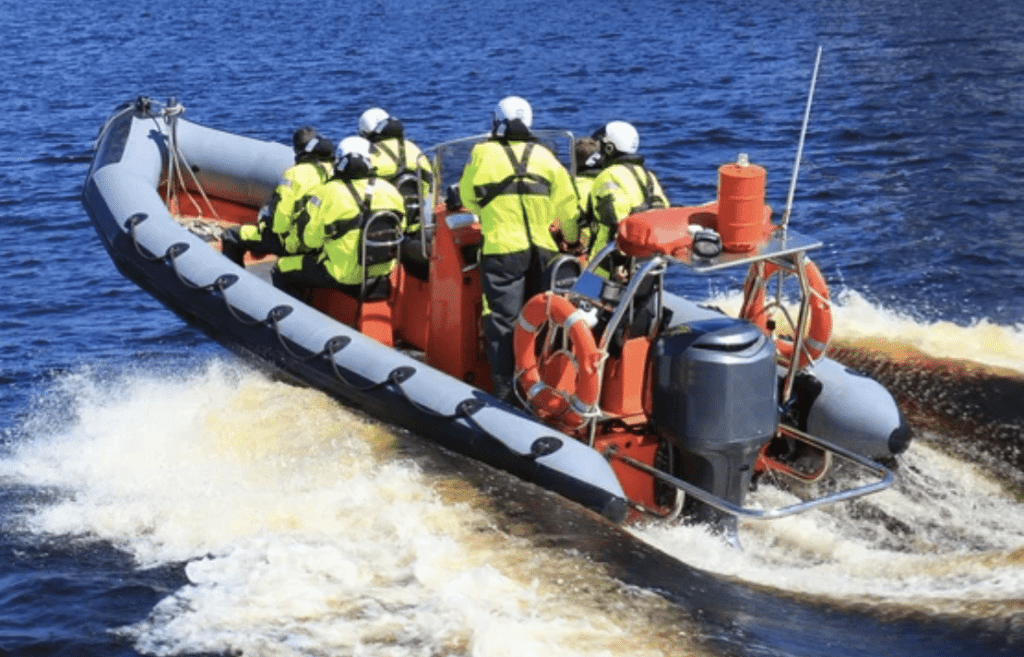
A group of people in bright yellow jackets and helmets ride a grey inflatable motorboat across dark blue water, creating a foamy wake behind them. The boat is equipped with safety gear and an outboard motor.

Transitioning From Surface Rescue to Diving Operations?

Surface rescue experience is valuable, but underwater operations require additional skills and mindset. Contact us to discuss appropriate rescue and PSD training pathways.


From the N9BO℠ Knowledge Base


Share this

Adaptive & Inclusive Diving: Teaching Beyond Physical Limitations

Inclusion Is a Professional Skill, Not a Gesture

Inclusive diving is sometimes framed as goodwill or charity. In reality, it is a high-level instructional discipline that demands planning, adaptability, and technical precision.

Teaching divers with disabilities requires instructors to understand limitations without lowering standards. Professional diving training treats inclusion as competence—not accommodation.


Ability Is Contextual, Not Absolute

A diver’s capability is shaped by environment, equipment, and task design—not just physical attributes.

Adaptive training focuses on what works rather than what is missing. Instructor-level training teaches problem-solving over assumption.


The Danger of Over-Protection

Instructors sometimes reduce challenge too much, unintentionally limiting progress.

Over-protection undermines confidence and skill development. Professional adaptive diving education emphasises calibrated challenge—safe, but meaningful.


Equipment as an Enabler

Adaptive diving often relies on thoughtful equipment configuration rather than complex modification.

Proper weighting, harnessing, propulsion aids, and team positioning unlock performance. Advanced instructor progression treats equipment as a learning tool.

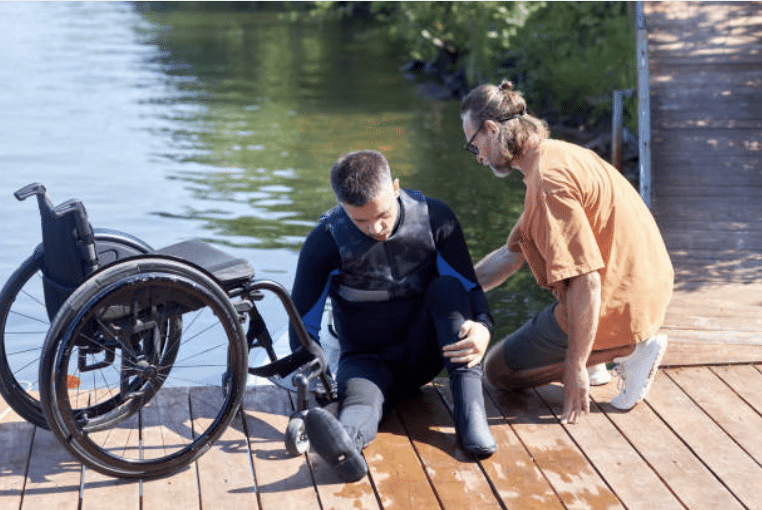
A man in a wetsuit sits on a jetty next to a wheelchair, with another man kneeling beside him, offering support near a body of water and a ramp surrounded by greenery.

Communication Is Central

Clear, respectful communication is essential—before, during, and after dives.

Instructors must listen carefully and adapt teaching methods without condescension. Professional training reinforces dignity and autonomy in instruction.


Instructor Perspective: Teaching Precision

Adaptive instruction exposes weaknesses in teaching technique.

Vague explanations, rushed demonstrations, or poor planning become immediately visible. At N9BO℠, adaptive programmes are used to sharpen instructor effectiveness across all student groups.


Team Integration Matters

Inclusive diving is safest when teams understand roles, spacing, and assistance protocols clearly.

Adaptive divers should not feel like liabilities. Professional diving training integrates inclusion into team-based safety planning.


Psychological Impact of Inclusive Training

Adaptive diving often produces profound confidence and independence.

However, instructors must manage emotional dynamics carefully. Instructor training addresses boundaries, professionalism, and emotional regulation.

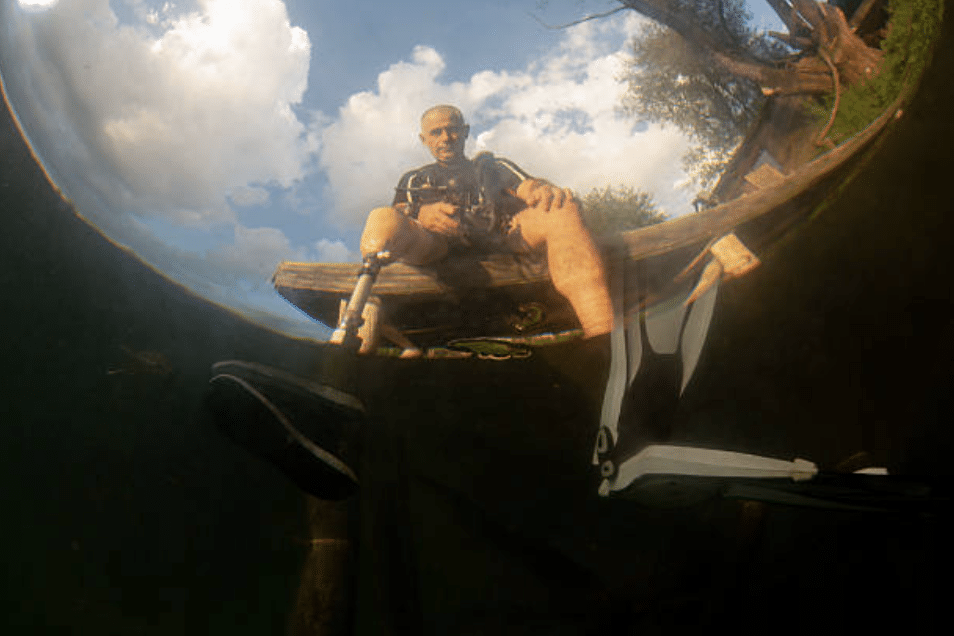
A man with a prosthetic leg sits on a wooden jetty above water, preparing to dive, with one leg submerged and wearing a swim fin; trees and clouds are visible in the background.

Why Inclusive Training Raises the Bar for Everyone

Teaching adaptively forces instructors to refine communication, observation, and flexibility.

Many instructors report becoming better teachers overall. Advanced technical instructor training recognises this multiplier effect.


Professional Parallels

In aviation and emergency services, inclusive training improves system resilience.

Diving reflects this reality. When systems accommodate diversity, everyone benefits.


The Bottom Line

Inclusion is not about lowering standards.

It is about expanding capability.

In professional diving, adaptive instruction represents some of the highest teaching competence. When done correctly, it empowers divers and strengthens instructors.

At N9BO℠, inclusive training is delivered with precision, respect, and professionalism.

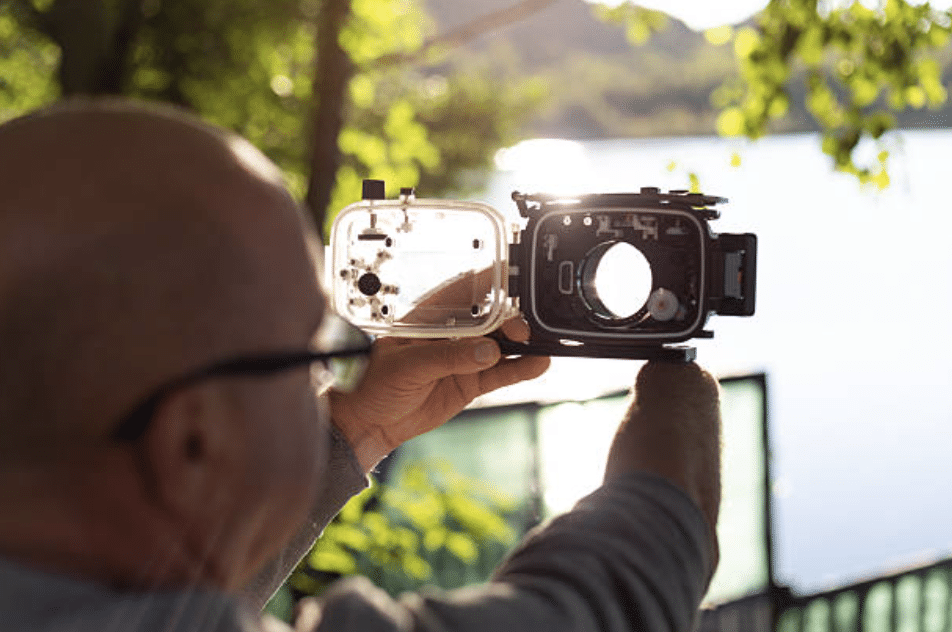
A person holds up an open underwater camera housing towards a sunlit lake, with green trees and a metal fence visible in the background. The sunlight is shining through the housing’s opening.

Interested in Adaptive Diving Instruction?

Inclusive teaching expands diving opportunities while maintaining safety and standards. Contact us to discuss training approaches for adaptive and inclusive diving programmes.


From the N9BO℠ Knowledge Base


Share this

Teaching Children to Dive: Responsibility, Psychology, and Long-Term Impact

Children Are Not Small Adults

One of the most common mistakes in youth diving education is treating children as miniature adults. While equipment may be scaled down, cognitive processing, emotional regulation, and risk perception are fundamentally different.

Professional diving training recognises that teaching children requires a separate mindset—not a simplified version of adult instruction.


The Instructor’s Responsibility Is Magnified

When teaching children, instructors carry an elevated duty of care. Decisions affect not only immediate safety, but long-term attitudes toward risk, learning, and authority.

At N9BO℠, youth programmes are designed with conservative pacing and explicit safeguards to protect both physical and psychological well-being.


Psychology Matters More Than Technique

Children learn through trust, reassurance, and positive reinforcement. Fear or embarrassment can shut down learning instantly.

Instructor-level training emphasises emotional intelligence when working with young divers—reading cues, pacing exposure, and knowing when to stop.


Confidence Must Be Built, Not Forced

Confidence in children develops through success at manageable challenges—not pressure.

Rushing progression may produce certification, but it damages trust and enjoyment. Professional diving education prioritises comfort and curiosity over milestones.

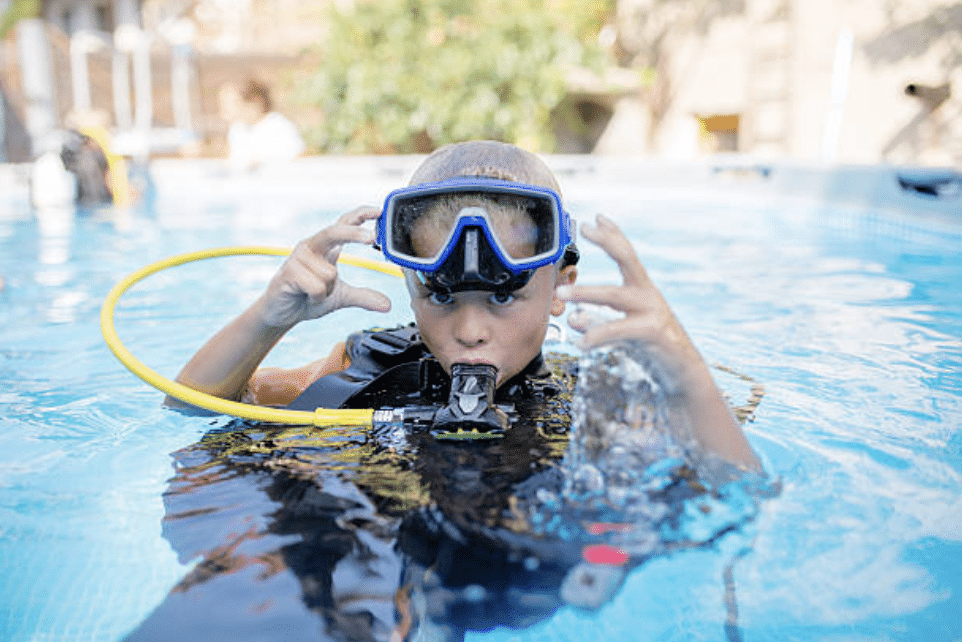
A young boy wearing scuba diving kit, including a mask and regulator, is in a swimming pool. He is raising his hands playfully near his head whilst looking at the camera; bubbles are visible in the water.

Teaching Safety Without Creating Fear

Children must understand rules and boundaries without becoming anxious.

Effective instructors frame safety as empowerment, not danger avoidance. At N9BO℠, safety is taught as something that enables exploration—not restricts it.


Physiological Considerations

Children differ physiologically in:

  • Thermoregulation
  • Fatigue onset
  • Attention span
  • Stress response

Professional youth training accounts for these differences through shorter sessions, warmer conditions, and frequent breaks.


Instructor Perspective: Slowing Down Is Success

Instructors often feel pressure—from parents or centres—to accelerate progress.

At N9BO℠, instructors are trained to resist this pressure and prioritise developmental readiness over external expectations.


Long-Term Impact of Early Dive Experiences

A child’s first experiences underwater shape their relationship with diving for years.

Positive, respectful instruction builds lifelong divers. Poor experiences often end interest permanently. Professional training recognises this long-term responsibility.

Three young people laughing and talking together while standing in the shallow end of a clear blue swimming pool on a sunny day. One person is holding onto a pool ladder.

Team and Parental Communication

Teaching children requires clear communication with parents and guardians.

Expectations, limits, and safety protocols must be transparent. Instructor training treats parental engagement as part of the safety system.


Professional Parallels

In aviation, mountaineering, and youth sports, early instruction emphasises foundations and attitude over performance.

Diving follows the same principle. Early experiences shape future behaviour.


The Bottom Line

Teaching children to dive is not about producing young divers quickly.

It is about creating safe, confident humans around water.

In professional diving education, responsibility outweighs ambition. When done correctly, youth diving builds trust, respect, and lifelong appreciation for the underwater world.

At N9BO℠, youth education is approached with discipline, patience, and care.

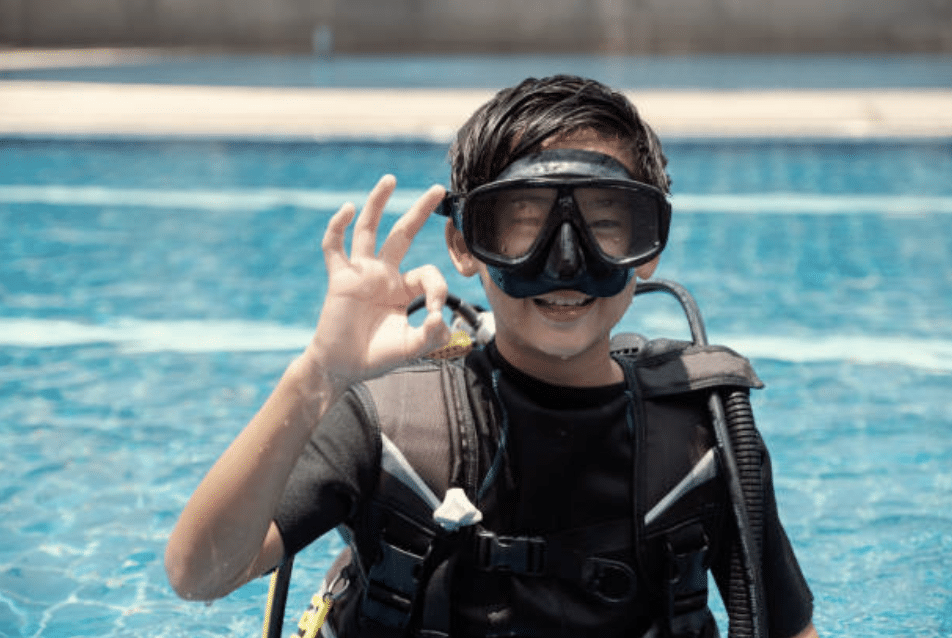
A smiling young boy wearing scuba gear and a diving mask stands in a swimming pool, holding up his hand to make an OK sign, signalling that he is ready or feeling good.

Planning to Teach Young Divers?

Teaching children requires a different psychological and instructional approach. Contact us to discuss safe, responsible, and effective youth diving training.


From the N9BO℠ Knowledge Base


Share this

Teaching Under Pressure: Why Instructor Stress Management Matters More Than Student Skill

Students Mirror the Instructor

Students take emotional cues from instructors—consciously and unconsciously. Calm instructors produce calm students. Stressed instructors generate anxiety.

This mirroring effect is especially strong underwater, where non-verbal cues dominate. Technical diving instructor training treats instructor behaviour as a primary training variable.


Stress Amplifies Teaching Errors

Under pressure, instructors may:

  • Over-correct
  • Rush explanations
  • Miss early warning signs
  • Increase task loading unintentionally

These behaviours degrade learning and safety. Advanced instructor development teaches instructors to regulate stress before attempting to manage students.


Instructor Stress Is Often Invisible

Instructors may feel composed while projecting tension through posture, movement, or communication.

Students pick up these cues instantly. Technical diving training teaches instructors to manage visible calm—not just internal confidence.


The False Focus on Student Weakness

When training degrades, instructors often attribute issues to student ability.

In reality, instructor stress frequently drives confusion, hesitation, and poor execution. Advanced instructor progression teaches instructors to self-assess before blaming students.

Two men in wetsuits stand in shallow water; one is wearing scuba gear with an oxygen cylinder while the other hands him swim fins and assists him.

Instructor Perspective: Leading by Emotional Example

Effective instructors slow down when things become complex. They simplify, pause, and reframe.

At N9BO℠, instructors are trained to lead psychologically before they lead technically.


Teaching Under Realistic Conditions

Instructor stress spikes during:

  • Time pressure
  • Multiple struggling students
  • Environmental degradation
  • Assessment scenarios

Technical instructor training exposes candidates to these conditions deliberately—so calm leadership becomes habitual.


Communication Under Instructor Stress

Instructor stress degrades clarity. Signals become rushed, explanations fragment, and authority becomes brittle.

Professional training reinforces slow, deliberate communication under pressure. Advanced instructor development treats communication as emotional regulation.

A scuba diver in a wetsuit and goggles gestures with one gloved hand to their mouth, as if talking. The background shows blue sky and water.

Safety Culture Starts With the Instructor

Students learn what matters by watching what instructors prioritise under stress.

If instructors cut corners, students will too. Technical diving training emphasises instructor discipline as cultural leadership.


Instructor Stress and Assessment Bias

Stress can distort assessment—either becoming overly harsh or overly permissive.

Professional instructor training teaches evaluators to maintain objectivity under pressure.


Professional Parallels

In aviation and emergency services, instructor calm is recognised as a safety-critical skill.

Technical diving follows the same model. Teaching competence includes emotional leadership.


The Bottom Line

Students don’t just learn skills.

They absorb behaviour.

In diving education, instructor stress management is a safety skill. The most effective instructors create calm environments where learning and safety reinforce each other.

At N9BO℠, instructors are trained to lead under pressure.

Two scuba divers in black wetsuits stand in calm water, one fully equipped with oxygen cylinders and sitting in the water, the other standing beside, both preparing for a dive.

Want to Improve Instructor Performance Under Pressure?

Instructor calm and control directly influence student safety and learning outcomes. Contact us to discuss training that strengthens instructional leadership and stress management.


From the N9BO℠ Knowledge Base

Share this

Why Teaching Makes You a Better Diver: The Instructor Effect

Teaching Reveals What Practice Hides

Divers can perform skills successfully without fully understanding them. Teaching removes that safety net.

When you must explain why something works, demonstrate it cleanly, and correct others, gaps in understanding become obvious. Technical diving training recognises teaching as one of the most powerful tools for refining competence.


You Cannot Fake Understanding as an Instructor

Students ask questions that expose assumptions:

  • “Why do we do it this way?”
  • “What happens if this fails?”
  • “Is there another option?”

Instructors must answer clearly—or admit uncertainty. Advanced technical diving progression uses instructor development to deepen conceptual mastery.


Teaching Sharpens Fundamentals

Instructors demonstrate skills repeatedly, slowly, and precisely. This repetition reinforces fundamentals that experienced divers may otherwise let drift.

Buoyancy, trim, communication, and sequencing become non-negotiable. Technical diving training treats instructional demonstration as elite-level practice.


Watching Others Fail Teaches You Faster

Seeing students struggle reveals failure modes you may never encounter personally.

Instructors learn how stress degrades performance, how confusion manifests, and how small errors escalate. Advanced technical diving progression accelerates learning through observation.

Two people in wetsuits and beanies are preparing scuba diving equipment on a wooden jetty by the water, with one kneeling and the other standing while handling a yellow oxygen cylinder.

Teaching Builds Metacognition

Metacognition—thinking about how you think—is critical underwater.

Teaching forces instructors to analyse decision processes, not just outcomes. Technical diving training strengthens this self-awareness through instructional responsibility.


Instructor Perspective: Raising Your Own Standards

Instructors know students will copy what they see. This accountability raises personal standards automatically.

At N9BO℠, instructors are expected to model best practice at all times—above minimum standards.


Teaching Improves Communication Precision

Instructors must communicate clearly, concisely, and unambiguously.

This precision transfers directly to team diving. Advanced technical diving progression treats instructional communication as a performance amplifier.


Humility Through Teaching

Teaching exposes how much there is still to learn.

The best instructors remain students themselves. Technical diving training encourages humility as a safety trait—not a weakness.

Three men in wetsuits and scuba gear stand in shallow sea water, with one man appearing to instruct the others. The sea is calm, and the sky is clear in the background.

Teaching vs Repetition

Repeated diving without reflection can stagnate growth. Teaching forces reflection on every skill and decision.

This is why many divers experience a leap in competence after instructor-level training. Advanced technical diving progression leverages this effect deliberately.


Professional Parallels

In aviation, medicine, and the military, instructors are often the most proficient operators.

Technical diving mirrors this reality. Teaching refines mastery.


The Bottom Line

Teaching doesn’t just transfer knowledge.

It transforms the teacher.

In technical diving, becoming an instructor sharpens discipline, deepens understanding, and elevates performance. The act of teaching makes you safer.

At N9BO℠, instructors are trained as professionals first—and teachers second.

A person in scuba diving gear stands in the water near a boat while another person sprays water on the diver's face with a hose. Rocky islands are visible in the background.

Thinking About Moving Into Teaching?

Teaching forces clarity, discipline, and a deeper understanding of skills. Contact us to discuss instructor development pathways and professional progression.


From the N9BO℠ Knowledge Base


Share this

Stress Exposure Training: Why Safe Failure Is the Best Teacher

Training Without Stress Is Incomplete

Perfect dives teach very little. Calm conditions, predictable scenarios, and unlimited time do not reflect operational reality.

Divers trained only in ideal conditions often struggle when stress appears. Technical diving training intentionally introduces stress—not to overwhelm students, but to teach them how to function when pressure is real.


What Stress Exposure Training Really Means

Stress exposure training is not about panic. It is about controlled discomfort.

It involves:

  • Time pressure
  • Task loading
  • Simulated failures
  • Cognitive challenges

All introduced gradually and safely. Advanced technical diving progression uses stress as a teaching tool, not a punishment.


Why Failure Must Be Experienced

Divers who have never failed do not know how they react under pressure.

Safe failure reveals:

  • Stress responses
  • Communication breakdowns
  • Skill weaknesses
  • Decision patterns

Technical diving training treats failure as diagnostic information—not embarrassment.


Stress Reveals Truth

Under stress, rehearsed behaviour disappears and habits emerge.

This is why stress exposure is critical. Advanced technical diving progression allows instructors to see what students really do—not what they intend to do.

A scuba diver in a black wetsuit and full diving kit floats on the surface of dark blue water, looking down at a submerged tablet or instrument.

Instructor Perspective: Designing Safe Failure

Instructors carefully design scenarios to stay within training limits while still creating meaningful pressure.

At N9BO℠, stress exposure is progressive. Students are never surprised with stress beyond their current capability.


Stress and Memory Encoding

Skills learned under mild stress are retained more reliably than those learned in comfort.

This is why technical diving training embeds stress into drills—so responses remain accessible when needed.


Avoiding the “Freeze” Response

Untrained stress often leads to freezing or rushed action.

Stress exposure training teaches divers to pause, breathe, and regain control. Advanced technical diving progression conditions calm response rather than reflexive panic.


Team Stress Exposure

Teams must experience stress together. Individual calm does not guarantee team stability.

Professional training stresses communication and coordination under load. Technical diving training treats team stress management as a core skill.

Two people assist a scuba diver in black kit preparing to enter the water from a wooden jetty, with scuba cylinders and equipment visible, and the blue sea in the background.

Why Stress Should Be Incremental

Overwhelming stress teaches nothing. Gradual exposure builds confidence and competence.

Advanced technical diving progression follows a stepwise approach to ensure learning—not shutdown.


Professional Parallels

Military, aviation, and emergency services all rely on stress exposure training.

Technical diving adopts the same model. Performance under pressure is trained—not hoped for.


The Bottom Line

You don’t rise to the occasion.
You fall back on training.

In technical diving, stress exposure is how divers learn to function when it matters most. Safe failure builds real confidence.

At N9BO℠, stress is used deliberately—so panic is never the first experience.

A scuba diver in black kit and a camouflage oxygen cylinder is partially submerged, swimming face-down in calm water.


Want Training That Builds Real Capability?


Controlled stress and safe failure allow divers to develop resilience and decision-making before real consequences exist. Contact us to discuss performance-focused training approaches.


From the N9BO℠ Knowledge Base


Share this

Training vs Experience: Why One Without the Other Is Incomplete

The False Choice Between Training and Experience

Many divers frame progression as a choice: learn by doing or learn through courses. This framing is misleading.

Experience and training serve different purposes. Technical diving training exists to shape experience—not replace it.


What Experience Really Provides

Experience exposes divers to variability: different conditions, minor failures, unexpected changes.

However, experience alone does not guarantee improvement. Without feedback, experience often reinforces existing habits—good or bad. Advanced technical diving progression ensures experience is processed, not just accumulated.


What Training Provides That Experience Cannot

Training introduces:

  • Structured skill progression
  • Objective performance standards
  • Controlled stress exposure
  • External evaluation

Experience rarely provides these elements consistently. Technical diving training accelerates learning by compressing critical lessons safely.


Experience Without Training Creates Plateaus

Many divers reach a point where experience no longer improves performance.

They dive frequently but stop progressing. Advanced technical diving progression breaks these plateaus by challenging assumptions and refining technique deliberately.

A scuba diver swims through an underwater cave, surrounded by rocky walls and illuminated by blue light from the cave entrance above.

Training Without Experience Lacks Context

Conversely, training without sufficient experience produces brittle competence.

Skills may be technically correct but untested under varied conditions. Technical diving training relies on experience to anchor learning in reality.


Instructor Perspective: Seeing the Gap

Instructors often encounter highly experienced divers struggling with structured skills—and newly trained divers lacking adaptability.

At N9BO℠, training bridges this gap by integrating real-world scenarios with formal evaluation.


Why Experience Can Reinforce Bad Habits

Without correction, divers optimise for comfort rather than efficiency.

Poor trim, lazy communication, and informal procedures become normalised. Advanced technical diving progression exists to re-align experience with best practice.

Scuba divers explore a sunken shipwreck deep underwater, surrounded by blue light filtering from the sun above and marine growth covering the ship’s metal structure.

The Role of Mentorship

Mentorship connects experience and training. Mentors interpret experience and guide learning deliberately.

Technical diving training encourages ongoing mentorship rather than isolated course completion.


Experience Must Be Interrogated

Professional divers reflect on dives actively:

  • What changed?
  • What surprised me?
  • What would I do differently?

Advanced technical diving progression formalises this reflection process.


Professional Parallels

In aviation and medicine, experience is valuable—but only when paired with structured training and recurrent evaluation.

Technical diving follows the same model. Neither alone is sufficient.


The Bottom Line

Experience teaches what happens.
Training teaches why.

In technical diving, safety and mastery emerge when experience is guided, structured, and continuously refined through training.

At N9BO℠, experience is shaped—not left to chance.

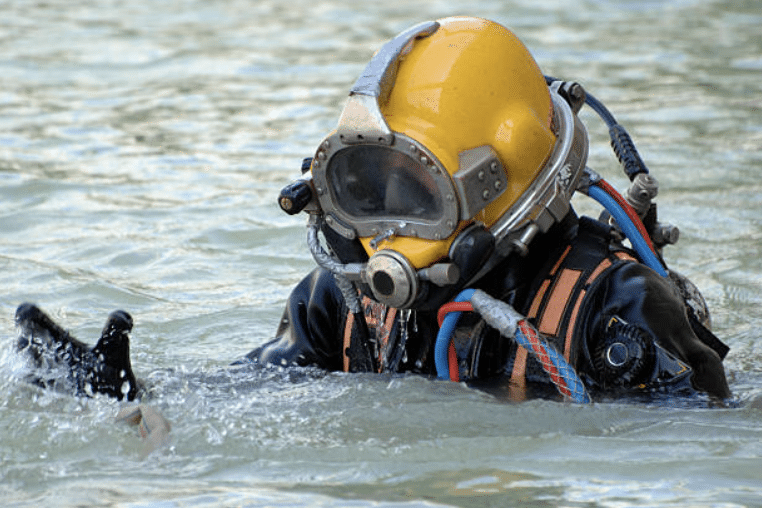
A diver wearing a yellow helmet and a full-face mask suit is partially submerged in water, with gloved hands visible above the surface and air hoses connected to the helmet.


Balancing Training and Experience in Your Diving?


Experience builds familiarity, while training provides structure and correction. Contact us to discuss training pathways that turn experience into real competence.


From the N9BO℠ Knowledge Base

Share this

Stress Exposure Training: Why Comfort Does Not Build Capability

Comfort Is Not the Goal

Comfort feels reassuring. Calm dives, smooth execution, and predictable conditions reinforce confidence—but they do not build resilience.

Technical diving training is not designed to make divers comfortable. It is designed to make them capable. Capability is revealed when stress appears, not when everything goes according to plan.


Why Stress Reveals the Truth

Stress compresses time, narrows attention, and amplifies errors. Under stress, habits dominate and weak procedures collapse.

Training without stress tests only ideal performance. Advanced technical diving progression deliberately introduces stress to reveal how divers actually respond when margins shrink.


The Difference Between Stress and Panic

Stress is not panic. Stress is elevated demand within controlled limits. Panic is loss of control.

Professional training exposes divers to stress without allowing panic to develop. Technical diving training carefully calibrates stress so learning occurs without overwhelming the student.


Controlled Stress vs Real Emergencies

Stress exposure in training is designed, monitored, and reversible. Instructors manage complexity, intervene early, and preserve safety margins.

Real emergencies offer no such safeguards. Advanced technical diving progression ensures that the first exposure to stress happens in training—not during an uncontrolled event.

A scuba diver explores an underwater cave, shining a torch on the rocky surface, with greenish-blue light illuminating the surrounding water and cavern walls.

Why Comfortable Training Creates Fragile Divers

Divers trained only in calm conditions often struggle when faced with:

  • Equipment malfunctions
  • Task overload
  • Environmental changes
  • Time pressure

Their confidence collapses because it was never tested. Technical diving training treats comfort-only training as incomplete preparation.


Stress and Memory Formation

Stress enhances learning when properly managed. Difficult experiences are remembered more vividly and integrated more deeply.

This is why advanced technical diving progression uses scenario-based stress to anchor procedures and decision-making pathways.


Instructor Perspective: Calibrating Stress Carefully

Effective instructors walk a fine line. Too little stress produces complacency; too much causes overload.

At N9BO℠, instructors increase stress incrementally, watching closely for signs of saturation and stepping back when learning is maximised.

Two scuba divers with torches explore an underwater cave, surrounded by rocky walls and illuminated by blue light in the background. Bubbles rise from their breathing apparatus as they navigate the sandy cave floor.

Stress Builds Trust in Procedures

Under stress, divers learn whether procedures hold up. When procedures work under pressure, confidence becomes grounded rather than assumed.

Technical diving training builds trust in systems by proving them in adverse conditions.


Stress and Team Dynamics

Stress reveals communication breakdowns and authority issues. Teams that communicate well under calm conditions may fragment under pressure.

Advanced technical diving progression uses stress to strengthen team coordination and mutual support.


Professional Parallels

Military, aviation, and emergency services all train under stress. Simulations are intentionally uncomfortable because reality will be worse.

Technical diving aligns with this professional model. Stress exposure is preparation—not punishment.


The Bottom Line

Comfort feels good.

Stress builds capability.

Technical diving safety depends on preparation that extends beyond ideal conditions. The most reliable divers are those who have experienced stress before—and learned to manage it.

At N9BO℠, training prepares divers for reality, not just certification.

A scuba diver with two oxygen cylinders swims underwater, illuminated by rays of sunlight streaming down from the surface above. The surroundings are dark, creating a dramatic contrast with the light.


Want to Perform Calmly Under Pressure?


Capability develops when training safely exposes divers to controlled stress. Contact us to discuss training approaches that build real operational confidence.


From the N9BO℠ Knowledge Base

Share this

Training vs Real Diving: Why Courses Are Designed to Feel Harder Than Reality

Why Good Training Feels Uncomfortable

Well-designed training rarely feels comfortable. It introduces stress, complexity, and scrutiny in ways that ordinary dives do not.

This discomfort is intentional.

Technical diving training is structured to stretch capacity in controlled environments so that real-world dives feel manageable by comparison. Training that feels easier than reality leaves divers underprepared when conditions deteriorate.


The Difference Between Training and Operations

Operational dives prioritise stability and margin. Training dives prioritise learning.

To achieve learning, instructors deliberately:

  • Increase task loading
  • Introduce simulated failures
  • Apply performance pressure
  • Observe under scrutiny

Advanced technical diving progression uses this contrast to build confidence rooted in capability, not luck.


Why Stress Is Introduced in Training

Stress reveals weaknesses that calm conditions hide. Divers who perform flawlessly when relaxed may struggle when challenged.

Training exposes these gaps early—when consequences are limited. Technical diving training treats stress as a diagnostic tool rather than an obstacle.

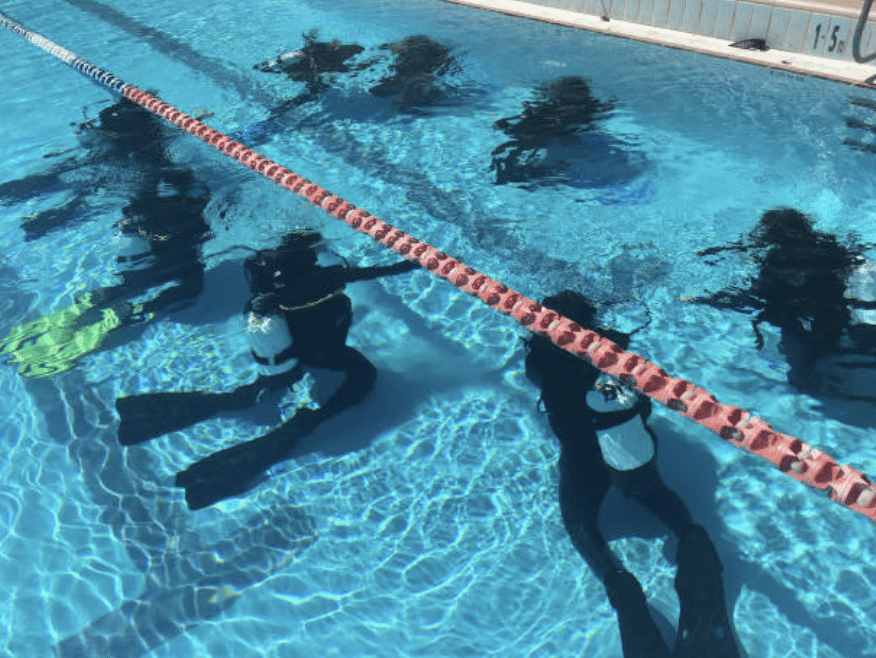
Several scuba divers in wetsuits and flippers are underwater in a swimming pool, practising near a lane divider. Sunlight creates patterns on the pool floor.

Controlled Difficulty vs Real Risk

Training difficulty is controlled. Risks are managed, margins are preserved, and instructors are positioned to intervene.

Real diving offers no such guarantees. Advanced technical diving progression ensures that the hardest moments occur in training—not in unstructured environments.


Why Students Often Feel “Worse” During Training

As awareness increases, confidence may temporarily drop. Students become conscious of complexity they previously overlooked.

This phase is normal—and healthy. Technical diving training recognises that reduced confidence paired with increased awareness is a sign of genuine learning.


Training Builds Decision-Making Capacity

Courses do not aim to produce perfect execution. They aim to build decision-making under pressure.

By making training scenarios harder than typical dives, advanced technical diving progression ensures that real-world decision-making occurs with surplus capacity.


The Role of Instructor Pressure

Instructor observation adds pressure. Knowing that performance is being evaluated elevates stress—even when no additional task is added.

This pressure simulates real-world stakes. At N9BO℠, instructors use observation deliberately to surface habits that might otherwise remain hidden.

A group of scuba divers wearing wetsuits and kit float together on the surface of the deep blue sea, preparing to dive or surfacing after a dive.

Why Easy Training Is a Red Flag

Training that never challenges students may feel enjoyable—but it fails to reveal limits.

Divers who complete “easy” courses often struggle later when exposed to complexity. Technical diving training treats challenge as essential—not optional.


Post-Training Calm Is the Goal

Well-trained divers often report that real dives feel calmer and slower than training scenarios.

This is success.

Advanced technical diving progression aims to create operational headroom, not just certification completion.


Professional Parallels

Military, aviation, and emergency services all train harder than they operate. Simulations introduce chaos so real missions feel controlled.

Technical diving adopts this same philosophy. Training prepares for reality—not ideal conditions.


The Bottom Line

Training should challenge you.
Real dives should feel manageable.

If a course feels demanding, it is likely doing its job. The goal of technical training is not comfort—it is preparedness.

At N9BO℠, training is designed so reality feels easier.

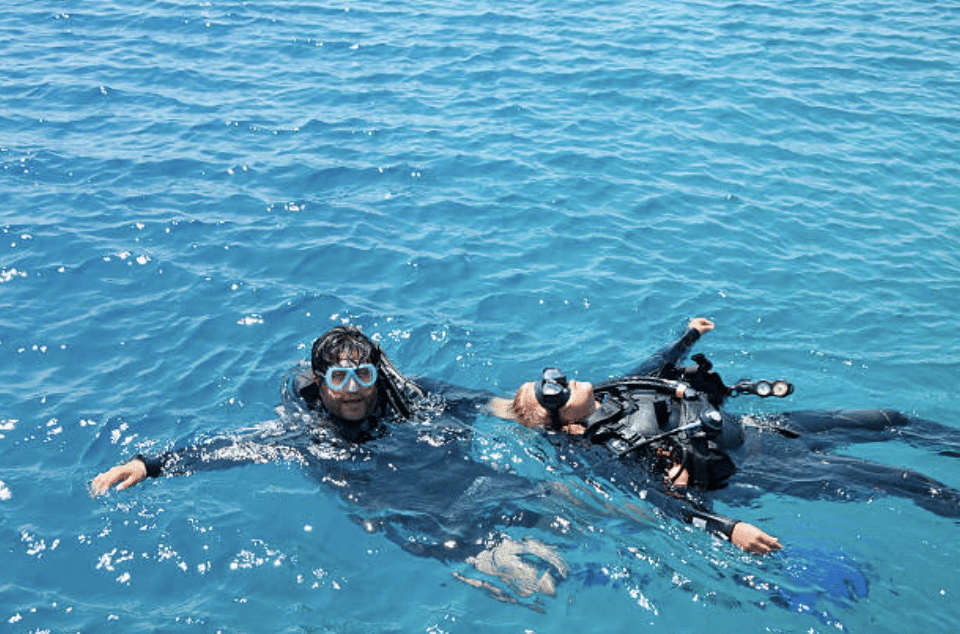
Two scuba divers float on the surface of bright blue water, wearing wetsuits, masks, and snorkels. One diver is facing the camera, while the other is lying on their back, partly submerged.


Wondering Why Training Feels So Demanding?


Training is intentionally structured to build resilience before real-world challenges appear. Contact us to discuss training approaches designed for long-term competence.


From the N9BO℠ Knowledge Base

Share this

Leadership Underwater: Why the Best Dive Leaders Talk Less and Observe More

The Myth of the Vocal Leader

Many divers associate leadership with decisiveness, direction, and frequent instruction. On land, these traits are often visible and valued. Underwater, however, excessive signalling, micromanagement, or constant correction can degrade team performance.

Effective underwater leadership is quiet.

Technical diving training teaches that leadership underwater is primarily observational. Leaders monitor team state, environmental change, and subtle behavioural cues—intervening only when necessary.


Why Talking Less Improves Awareness

Every signal, correction, or instruction draws attention. Excessive communication fragments focus and increases task loading.

The best leaders preserve attention by communicating deliberately and minimally. Advanced technical diving progression trains leaders to intervene only when the information adds value or prevents escalation.

Silence, when intentional, is not absence—it is bandwidth.


Leadership as Environmental Monitoring

Underwater leaders track:

  • Team spacing and trim
  • Breathing patterns
  • Task saturation
  • Environmental drift
  • Decision points

This monitoring happens continuously and quietly. Technical diving training frames leadership as pattern recognition, not command.

Two divers in full scuba gear, including helmets and oxygen tanks, communicate while partially submerged in murky water near a concrete embankment.

Authority Without Dominance

Strong leaders do not assert authority constantly. Instead, they establish trust through predictability, competence, and restraint.

Teams respond more effectively to leaders who intervene sparingly than to those who direct constantly. Advanced technical diving progression emphasises influence over instruction.


When Leaders Intervene

Effective leaders intervene:

  • Early, before escalation
  • Calmly, without urgency
  • Clearly, without ambiguity

Late or emotional intervention signals loss of control. Technical diving training teaches leaders to act before problems become obvious.


Leadership and Ego

Poor leadership often stems from ego. Leaders who need to be seen leading tend to over-communicate, over-correct, or override team input.

Professional leaders suppress ego in favour of team performance. At N9BO℠, leadership is taught as a service role—not a status.


Shared Leadership in Technical Teams

Leadership in technical diving is not rigidly hierarchical. Responsibility shifts based on position, awareness, and task load.

Advanced technical diving progression teaches teams to distribute leadership dynamically while maintaining clear decision authority.

A person in a blue jacket stands on a shoreline, looking out at two scuba divers in the water in the distance. The setting appears calm and outdoors.

Instructor Perspective: Teaching Leadership Behaviour

Instructors assess leadership not by who gives orders, but by who notices changes first, supports teammates quietly, and prevents problems without drama.

At N9BO℠, leadership evaluation focuses on behaviour—not personality.


When Leadership Fails

Leadership failure often appears as:

  • Overconfidence
  • Micromanagement
  • Delayed intervention
  • Ignored team cues

These failures increase stress and reduce trust. Technical diving training treats leadership errors as systemic risks, not personal flaws.


Professional Parallels

In aviation, emergency medicine, and military operations, the best leaders are calm observers who act decisively—but rarely.

Technical diving mirrors this model. Leadership is measured by outcomes, not visibility.


The Bottom Line

Underwater leadership is not loud.

It is perceptive.

The best dive leaders create calm, predictable dives by observing more than they speak and acting before problems demand attention. In technical diving, leadership is demonstrated through restraint.

At N9BO℠, leaders are trained to see first—and act only when it matters.

Two scuba divers in black wetsuits and blue gloves enter the water from a boat, creating splashes, whilst two more divers swim in the background on a calm body of water.


Developing Leadership Skills Underwater?


Effective dive leadership is built on awareness, restraint, and observation rather than constant direction. Contact us to discuss leadership-focused training and development.


From the N9BO℠ Knowledge Base


Share this
Facebook
Instagram
X (Twitter)
TikTok
Youtube
Whatsapp