How Configuration Became an Identity Debate
Few topics in technical diving generate as much emotional debate as equipment configuration. Backmount versus sidemount discussions often resemble ideological arguments rather than technical evaluations. Divers align themselves with one system, defend it vigorously, and sometimes dismiss alternatives outright.
This mindset is understandable. Equipment choices are highly personal, require significant investment, and become intertwined with training history. However, treating configuration as an identity rather than a tool is a conceptual error—one that technical diving training actively works to correct.
Backmount and sidemount exist to solve different problems. Neither was designed to be universally superior.
Backmount: Stability, Standardisation, and Team Integration
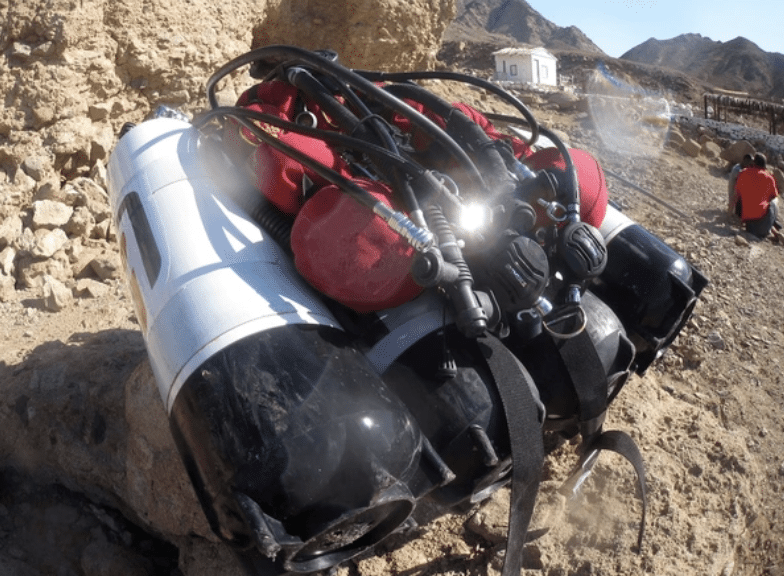
Backmount configurations—typically twin cylinders with an isolator manifold—remain the dominant system for many technical environments. Their strengths lie in stability, familiarity, and team standardisation.
Backmount systems offer:
- Predictable trim characteristics
- Centralised gas access
- Straightforward gas sharing protocols
- Strong compatibility with standard team procedures
These characteristics make backmount particularly effective for open-water technical diving, wreck diving with moderate penetration, and instructional environments. TDI technical diving courses often begin with backmount because it provides a stable platform for learning failure management and team coordination.
Backmount’s structure also supports clear, standardised responses under stress—an important factor in mixed-experience teams.
Sidemount: Flexibility, Access, and Constraint Management
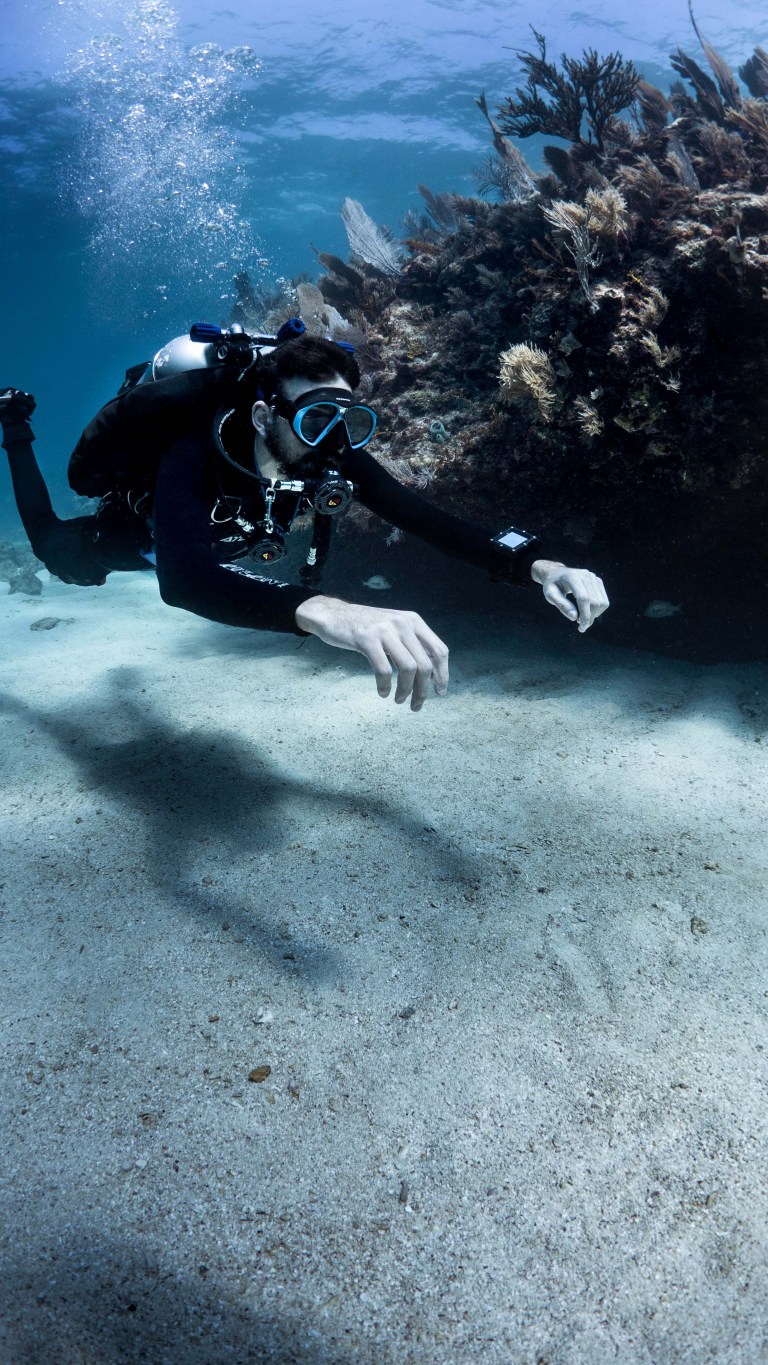
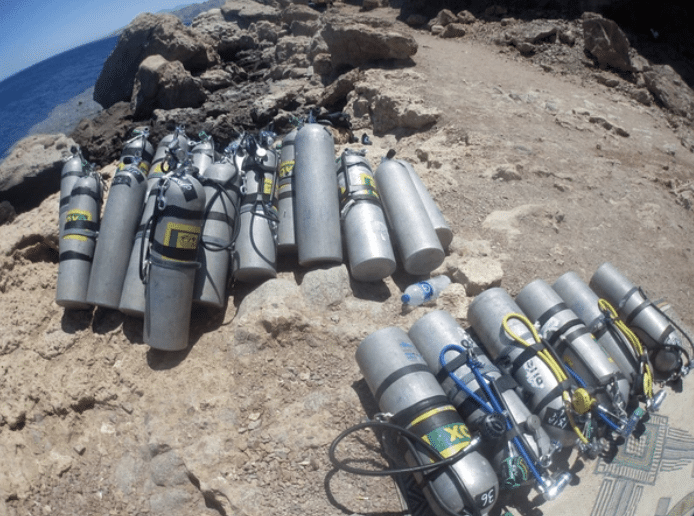
Sidemount systems were developed to address specific challenges: restricted environments, long penetrations, equipment transport limitations, and access to valves in tight spaces. Their advantages are undeniable in the right context.
Sidemount excels when:
- Physical restrictions limit back-mounted cylinders
- Divers must pass through narrow restrictions
- Equipment needs to be transported over difficult terrain
- Redundancy must remain accessible at all times
However, sidemount demands higher discipline. Cylinder management, trim stability, and gas tracking are more complex, especially early in training. This is why advanced technical diving progression often introduces sidemount after foundational skills are solid.
Trim, Balance, and Reality
One of the most persistent myths is that one configuration automatically produces better trim. In reality, trim quality reflects diver skill far more than equipment choice.
Poorly adjusted backmount divers struggle with head-up posture. Poorly managed sidemount divers struggle with imbalance and drag. Technical diving training makes it clear that no configuration compensates for weak fundamentals.
The real question is not “which trims better?” but “which configuration supports stable trim for this diver, in this environment, with this objective?”
Gas Management and Cognitive Load
Configuration directly influences how divers perceive and manage gas. Backmount centralises gas, simplifying monitoring but reducing immediate redundancy access without valve drills. Sidemount decentralises gas, increasing accessibility but also increasing tracking complexity.
Neither approach is inherently safer. Safety emerges from familiarity, rehearsal, and procedural discipline—all core elements of TDI technical diving courses.
Divers transitioning between configurations often underestimate the cognitive load of relearning gas awareness. Technical training addresses this through gradual exposure rather than abrupt switching.
Team Compatibility and Standard Operating Procedures
In team diving, configuration compatibility matters. Gas sharing, positioning, and emergency responses are influenced by how equipment is worn. Mixed configurations are possible, but they require deliberate planning and mutual understanding.
This is why technical diving training emphasises configuration discussions during dive planning. Teams must understand not just their own equipment, but how teammates’ systems affect response options.
Configuration choice should support the team, not complicate it.

Logistics, Travel, and Operational Reality
Outside of idealised training environments, logistics matter. Travel restrictions, equipment availability, and transport challenges often influence configuration decisions more than theory.
Sidemount offers advantages for remote locations or airline travel. Backmount may be more practical where infrastructure supports twinsets and fills. Advanced technical diving progression encourages divers to adapt pragmatically rather than cling to a single solution.
Professional divers learn to choose tools that fit the operation—not the other way around.
Training Pathways and Configuration Bias
Some training environments introduce configuration bias early, presenting one system as “the right way.” While consistency is important during initial learning, this bias can limit adaptability if not addressed later.
Well-rounded technical divers understand multiple configurations and their trade-offs. Technical diving training at higher levels focuses on decision-making, not dogma.
At N9BO℠, configuration is taught as a contextual choice grounded in environment, objective, and team structure.
Choosing the Right Tool
The correct configuration is the one that:
- Supports stable buoyancy and trim
- Minimises cognitive load
- Integrates cleanly with the team
- Matches environmental constraints
- Is thoroughly practised and understood
Anything else is secondary.
Backmount and sidemount are not rivals. They are tools in a technical diver’s toolkit. Mature divers choose deliberately—and change when conditions demand it.
The Professional Perspective
Professional technical divers are rarely dogmatic about configuration. They are pragmatic, conservative, and adaptable. They understand that environments change, objectives evolve, and equipment must follow.
At N9BO℠, divers are taught that identity does not keep you safe—judgement does.
Neither system compensates for poor planning or weak fundamentals. Both require rigorous training and repetition, addressed in TDI technical diving courses and related programmes.
At N9BO℠, configuration choice is framed as a practical decision, not a philosophical one. The right system is the one that supports safety, efficiency, and mission objectives.

Unsure Which Configuration Fits Your Diving?
Equipment configuration should support the environment and objective, not personal identity. Contact us to discuss configuration choices based on your diving goals.
From the N9BO℠ Knowledge Base