Inclusion Is a Professional Skill, Not a Gesture
Inclusive diving is sometimes framed as goodwill or charity. In reality, it is a high-level instructional discipline that demands planning, adaptability, and technical precision.
Teaching divers with disabilities requires instructors to understand limitations without lowering standards. Professional diving training treats inclusion as competence—not accommodation.
Ability Is Contextual, Not Absolute
A diver’s capability is shaped by environment, equipment, and task design—not just physical attributes.
Adaptive training focuses on what works rather than what is missing. Instructor-level training teaches problem-solving over assumption.
The Danger of Over-Protection
Instructors sometimes reduce challenge too much, unintentionally limiting progress.
Over-protection undermines confidence and skill development. Professional adaptive diving education emphasises calibrated challenge—safe, but meaningful.
Equipment as an Enabler
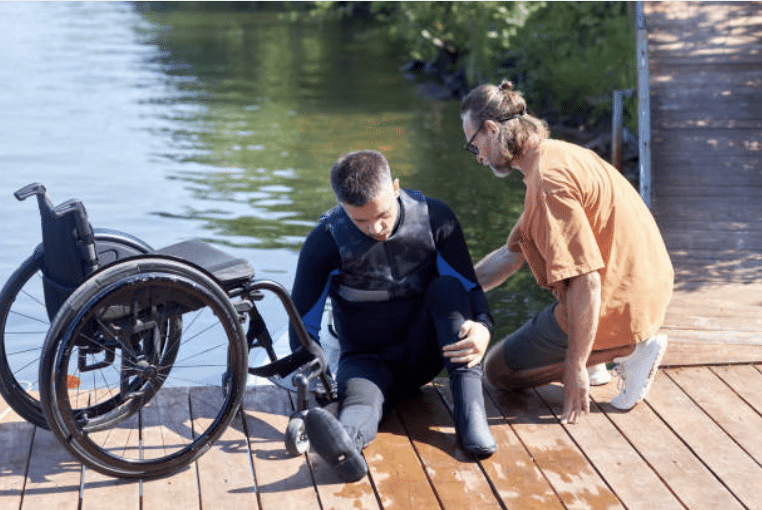
Adaptive diving often relies on thoughtful equipment configuration rather than complex modification.
Proper weighting, harnessing, propulsion aids, and team positioning unlock performance. Advanced instructor progression treats equipment as a learning tool.
Communication Is Central
Clear, respectful communication is essential—before, during, and after dives.
Instructors must listen carefully and adapt teaching methods without condescension. Professional training reinforces dignity and autonomy in instruction.
Instructor Perspective: Teaching Precision
Adaptive instruction exposes weaknesses in teaching technique.
Vague explanations, rushed demonstrations, or poor planning become immediately visible. At N9BO℠, adaptive programmes are used to sharpen instructor effectiveness across all student groups.
Team Integration Matters
Inclusive diving is safest when teams understand roles, spacing, and assistance protocols clearly.
Adaptive divers should not feel like liabilities. Professional diving training integrates inclusion into team-based safety planning.
Psychological Impact of Inclusive Training
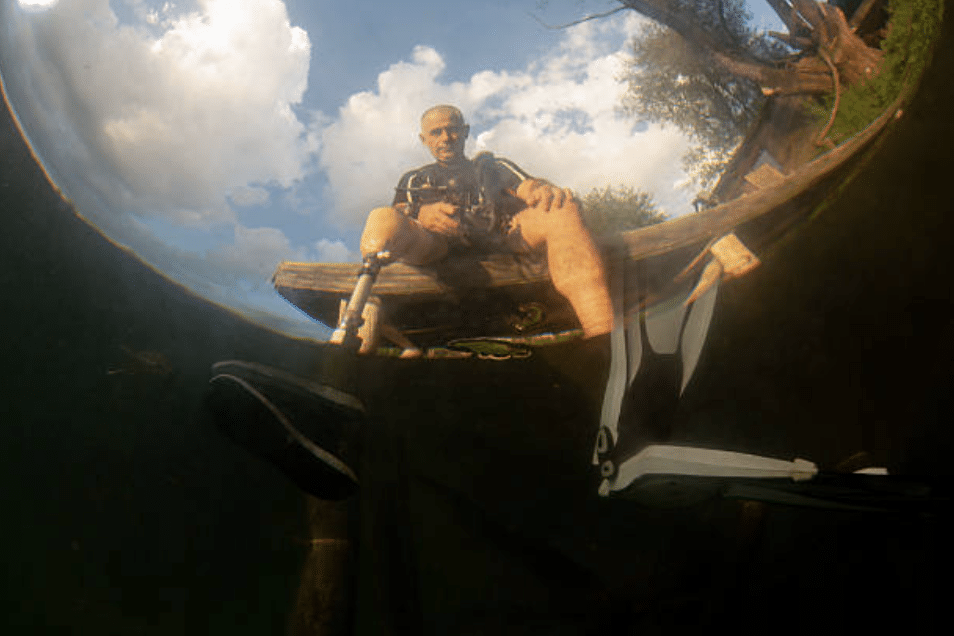
Adaptive diving often produces profound confidence and independence.
However, instructors must manage emotional dynamics carefully. Instructor training addresses boundaries, professionalism, and emotional regulation.
Why Inclusive Training Raises the Bar for Everyone
Teaching adaptively forces instructors to refine communication, observation, and flexibility.
Many instructors report becoming better teachers overall. Advanced technical instructor training recognises this multiplier effect.
Professional Parallels
In aviation and emergency services, inclusive training improves system resilience.
Diving reflects this reality. When systems accommodate diversity, everyone benefits.
The Bottom Line
Inclusion is not about lowering standards.
It is about expanding capability.
In professional diving, adaptive instruction represents some of the highest teaching competence. When done correctly, it empowers divers and strengthens instructors.
At N9BO℠, inclusive training is delivered with precision, respect, and professionalism.
Interested in Adaptive Diving Instruction?
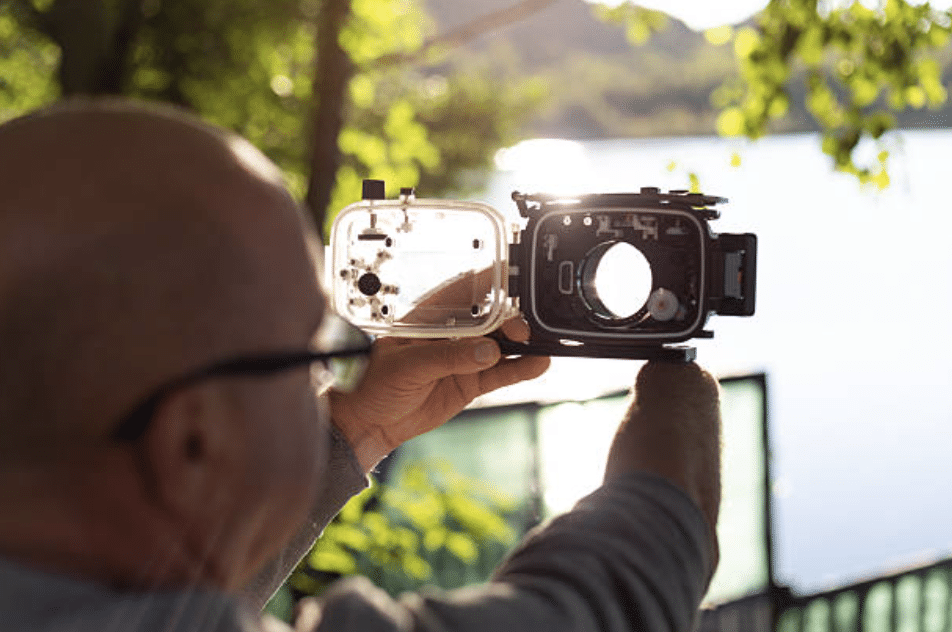
Inclusive teaching expands diving opportunities while maintaining safety and standards. Contact us to discuss training approaches for adaptive and inclusive diving programmes.
From the N9BO℠ Knowledge Base