The Manager Shapes the Operation More Than Any Instructor
Instructors deliver training underwater—but managers shape everything that happens before and after the dive.
Equipment standards, scheduling pressure, staffing decisions, maintenance discipline, and emergency readiness all flow from management. Professional dive operations succeed or fail at the leadership level.
The Hidden Scope of Responsibility
A competent base leader is responsible for:
- Operational risk management
- Equipment lifecycle oversight
- Staff competency and fatigue management
- Emergency response readiness
- Regulatory and agency compliance
These responsibilities directly affect diver safety, often invisibly.
Why Poor Management Creates Good Instructors in Bad Situations
Even highly competent instructors are constrained by weak leadership.
Common failures include:
- Overbooking and rushed schedules
- Deferred maintenance
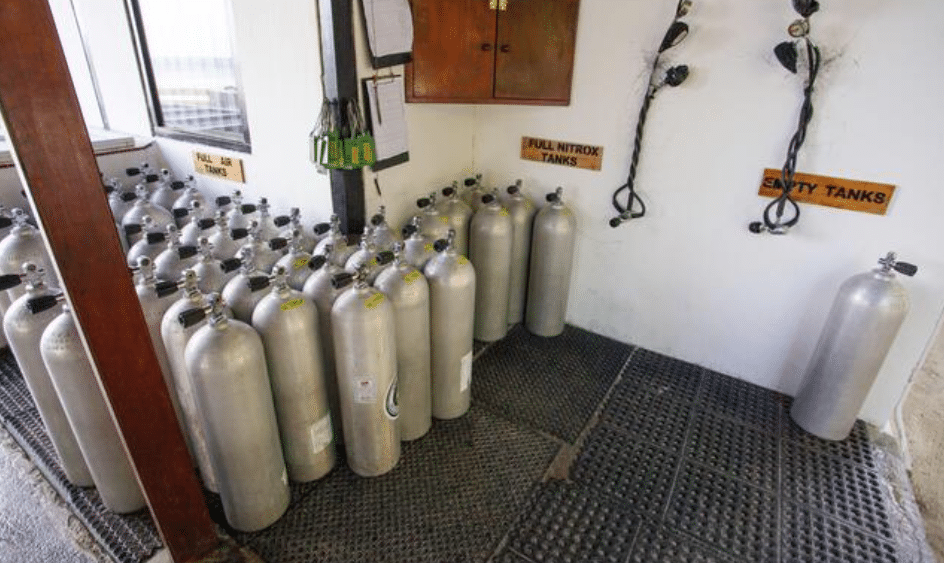
- Inadequate gas quality control
- Poor emergency planning
Professional leadership training addresses systemic risk—not individual skill gaps.
Instructor Perspective: When Leadership Fails
Instructors often recognise unsafe practices but lack authority to change them.
At N9BO℠, leadership training emphasises empowering managers to support—not undermine—instructor judgement.

Base Leaders Control Risk Accumulation
Most incidents are not single-point failures. They result from accumulated compromises.
Managers either halt this drift—or accelerate it. Professional management training focuses on recognising early warning signs.
Documentation, Audits, and Accountability
Effective leaders implement:
- Equipment service tracking
- Training records
- Incident reporting
- SOP audits
These systems protect both divers and organisations legally and operationally.
Managing People Is Managing Risk
Staff fatigue, experience mismatch, and morale directly influence safety.
Base leaders trained in human factors reduce burnout and decision fatigue. Professional operations training integrates leadership psychology.
Emergency Readiness Starts on Land
Emergency response plans, drills, oxygen availability, and communication systems are managerial responsibilities.
A calm response underwater depends on preparation above water. Professional leadership training reinforces this connection.

The Business–Safety Balance
Profit pressure tempts shortcuts.
Professional managers understand that safety discipline protects reputation and longevity. Advanced leadership training reframes safety as an asset—not a cost.
Professional Parallels
In aviation and maritime operations, leadership failures cause most incidents.
Diving operations are no different. Strong leadership stabilises complex systems.
The Bottom Line
Dive safety is not created underwater.
It is created in offices, workshops, and schedules.
The Dive Shop Manager or Base Leader is the quiet cornerstone of safe operations. When trained properly, this role transforms risk into resilience.
At N9BO℠, leadership is treated as a professional discipline.
Managing or Planning to Run a Dive Operation?
Safe diving operations depend on leadership, planning, and operational discipline. Contact us to discuss leadership and operational training pathways for dive professionals.
From the N9BO℠ Knowledge Base