Instructor Development & Teaching Excellence

Debriefing Done Right: Why the Dive Is Not Over When You Surface

The Missed Opportunity After the Dive

For many divers, surfacing marks the end of the process. Gear is packed, stories are exchanged, and attention shifts to logistics or relaxation. While this is natural, it represents a missed opportunity.

The post-dive period is when learning is most accessible. Events are fresh, emotional responses are still present, and memory is vivid. Technical diving training treats debriefing as an integral phase of the dive—not an optional add-on.


Why Experience Alone Does Not Teach

Experience only teaches when it is examined. Without reflection, divers repeat the same patterns—good and bad—without understanding why outcomes occurred.

Divers often say, “The dive went fine,” without analysing how or why. Advanced technical diving progression reframes success as something to be dissected, not assumed.


What Makes a Debrief Effective

An effective debrief is structured, focused, and honest. It examines:

  • What was planned
  • What actually happened
  • Why differences occurred
  • What should change next time

This structure prevents debriefs from devolving into storytelling or blame. Technical diving training emphasises process over personality.


Why “Nothing Went Wrong” Is Not Enough

A dive where nothing goes wrong can still reveal important lessons. Subtle inefficiencies, communication gaps, or near-misses often hide beneath successful outcomes.

Ignoring these signals reinforces complacency. Advanced technical diving progression encourages divers to ask, “What nearly went wrong?” rather than stopping at “What went right?”
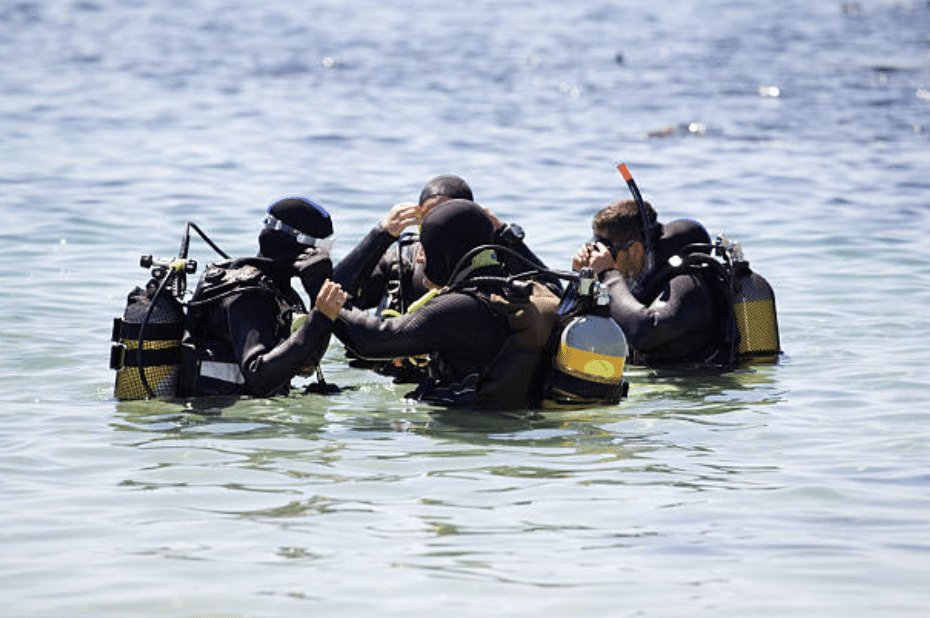
A group of scuba divers in wetsuits and diving gear gather in shallow, clear water near the shore, appearing to discuss or prepare for a dive.

Psychological Safety in Debriefing

For debriefs to be effective, participants must feel safe to speak openly. Defensive or punitive debriefs suppress learning.

Instructors and team leaders play a critical role in setting tone. At N9BO℠, debriefs are framed as collective problem-solving—not performance reviews.


Separating Outcome From Process

Good outcomes can result from poor process, and bad outcomes can occur despite good process. Confusing outcome with competence leads to flawed conclusions.

Technical diving training trains divers to evaluate decisions, communication, and execution—regardless of how the dive ended.


The Role of Self-Debriefing

Not all dives involve teams or instructors. Self-debriefing is an essential skill for solo practice and independent diving.

Structured questions help:

  • Where did I feel rushed?
  • When did awareness narrow?
  • What would I simplify next time?

Advanced technical diving progression encourages divers to document reflections while memory is fresh.

Four people wearing wetsuits are standing and floating in shallow, clear water, possibly near a shoreline, engaged in conversation or activity. One person is holding something in their hands.

Instructor Perspective: Teaching Reflection

Instructors often spend as much time teaching how to debrief as how to dive. Candidates who resist reflection typically struggle to progress.

At N9BO℠, debrief quality is treated as a marker of maturity and readiness—not an administrative task.


Debriefing and Team Development

Teams that debrief together develop trust and shared understanding. Over time, they learn each other’s tendencies and improve coordination.

Skipping debriefs deprives teams of this growth. Technical diving training reinforces debriefing as a team discipline.


Professional Parallels

In aviation, emergency response, and military operations, after-action reviews are mandatory. These professions recognise that improvement comes from reflection—not repetition.

Technical diving adopts this same professional approach. Debriefing is where experience becomes expertise.


The Bottom Line

The dive does not end at the surface.

It ends when learning is complete.

Technical diving rewards those who reflect honestly, challenge assumptions, and refine behaviour after every dive. The most accomplished divers are not those who make the fewest mistakes—but those who learn the most from each one.

At N9BO℠, every dive ends with reflection.
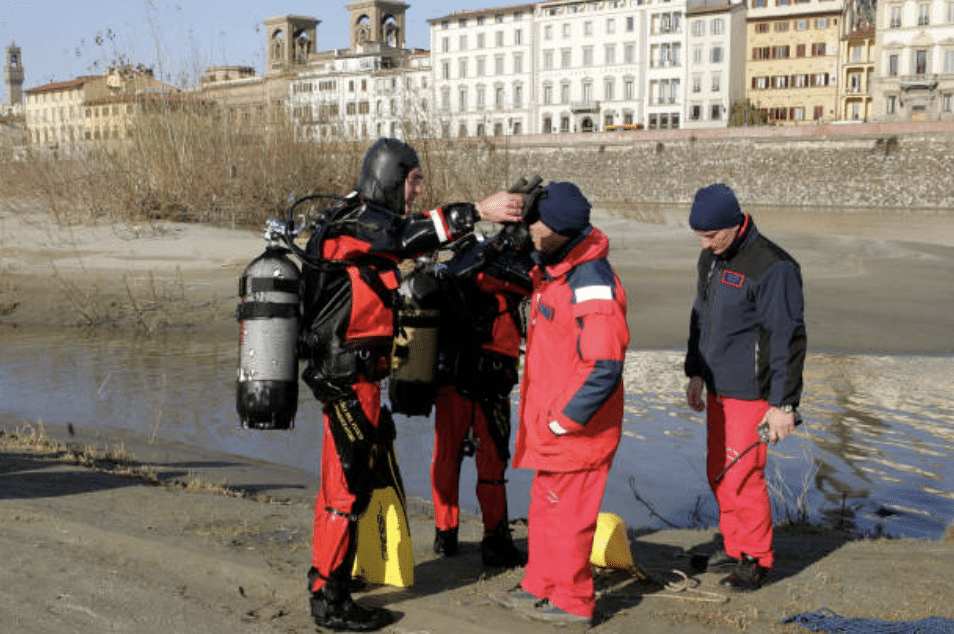
Three rescue workers in red uniforms stand near a riverbank whilst another person in a wetsuit and scuba gear adjusts equipment. Buildings and trees are visible across the river in the background.


Want to Improve Faster After Every Dive?


Proper debriefing turns experience into learning and prevents repeated mistakes. Contact us to discuss structured post-dive evaluation methods.


From the N9BO℠ Knowledge Base


Share this

The Difference Between Skill and Competence: Why Passing a Course Is Not the End

Why Certification Feels Like a Finish Line

Completing a technical diving course is a significant achievement. Divers invest time, effort, and emotional energy, and certification often feels like validation of competence.

This perception is understandable—but incomplete.

Certification confirms that a diver has met minimum performance standards under controlled conditions. It does not guarantee consistent performance across varied environments, stress levels, or team configurations. Technical diving training is explicit about this distinction, yet it is often overlooked once the card is issued.


Skill vs Competence: A Crucial Distinction

A skill is the ability to perform a task correctly under specific conditions. Competence is the ability to perform that task reliably across changing conditions while managing other demands.

For example:

  • A diver may demonstrate valve shutdowns in training
  • Competence means performing them calmly while managing buoyancy, awareness, and team communication

Advanced technical diving progression focuses on transforming isolated skills into integrated competence.


Why Skills Degrade After Certification

Skills that are not reinforced degrade. Muscle memory fades, procedures become fuzzy, and confidence may outpace ability.

This degradation is often invisible until conditions deteriorate. Divers may not realise that competence has slipped until they are challenged. Technical diving training emphasises deliberate practice after certification to prevent this decay.


The Role of Context in Competence

Skills learned in one context may not transfer seamlessly to another. Differences in visibility, temperature, equipment, or team dynamics can expose gaps.

Advanced technical diving progression teaches divers to practise skills across varied contexts, reinforcing adaptability rather than rote performance.

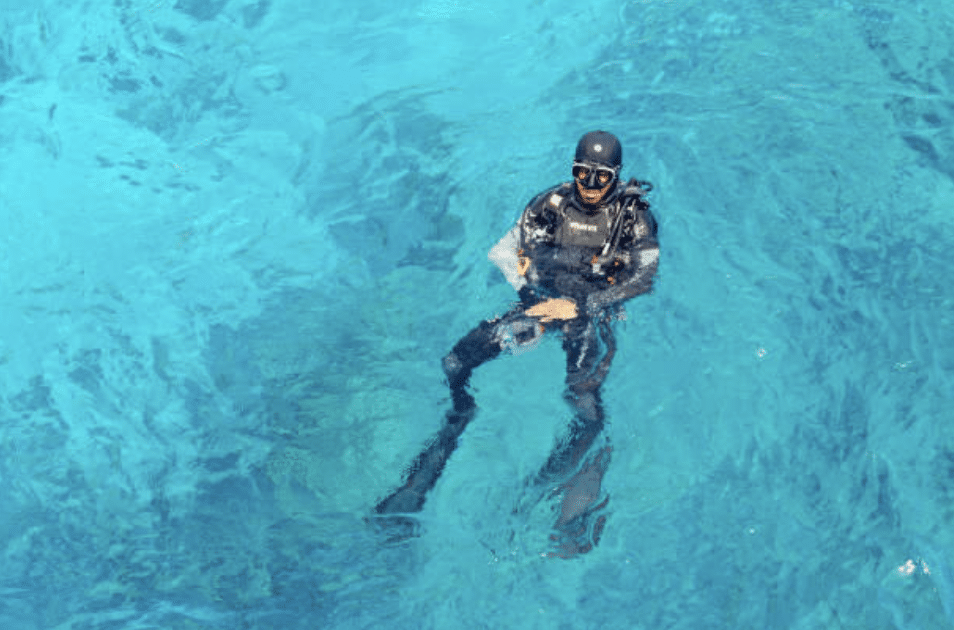
A scuba diver wearing a black wetsuit, mask, and fins floats on the surface of clear, bright blue water.

Why Some Divers Plateau

Many divers stop progressing shortly after certification. Without structured goals, practice becomes infrequent and unfocused.

Competence requires intention. TDI technical diving courses encourage divers to view certification as a licence to practise—not a declaration of mastery.


Instructor Perspective: Post-Certification Reality

Instructors often observe that newly certified divers are capable but fragile. Skills exist, but margins are thin.

This is not a criticism—it is a reality of learning. At N9BO℠, instructors emphasise post-course mentoring, practice dives, and progressive exposure to complexity.


The False Comfort of “I’ve Passed”

Passing a course can create false confidence. Divers may underestimate how much mental bandwidth training environments provide.

Real dives demand more. Advanced technical diving progression prepares divers to recognise this gap and manage it responsibly.

Two scuba divers in full kit are underwater in a swimming pool, facing each other. They appear to be practising hand signals or equipment checks. Sunlight filters through the water, creating bright patterns on the pool floor.

Building Competence Deliberately

Competence develops through:

  • Repetition under varied conditions
  • Honest self-assessment
  • Conservative planning
  • Feedback from peers and mentors

This process takes time. Technical diving training provides the framework, but the diver must continue the work.


Professional Parallels

In professional fields, certification authorises practice—it does not signify expertise. Surgeons, pilots, and emergency responders all undergo continuous development.

Technical diving aligns with this model. At N9BO℠, competence is treated as an ongoing process, not a static achievement.


Measuring Real Competence

Competence reveals itself when:

  • Conditions worsen
  • Tasks stack up
  • Plans change
  • Pressure increases

Divers who remain calm, conservative, and communicative demonstrate competence—not those who merely execute isolated skills.


The Bottom Line

Passing a course proves you can perform.

Competence proves you can continue performing.

Technical diving is not about collecting certifications—it is about building reliable capability over time. The most respected divers are those who keep training long after the card is issued.

At N9BO℠, certification is the beginning—not the end.

Two scuba divers in wetsuits and masks float in clear blue water near a wooden jetty, with diving gear and air cylinders visible as they prepare to submerge.


Finished a Course but Want Real Competence?


Certification marks the beginning of development, not the end. Contact us to discuss structured progression beyond initial training.


From the N9BO℠ Knowledge Base


Share this

Experience vs Training: Why Time in the Water Alone Is Not Enough

The Comforting Myth of Experience

“Experience” is one of the most frequently cited justifications in diving discussions. Divers often reference years in the water, number of dives, or familiarity with a site as evidence of competence. While experience matters, it is commonly misunderstood.

Time in the water does not inherently produce improvement. It produces familiarity—and familiarity can be deceptive. Technical diving training exists because experience alone does not reliably correct errors, refine judgement, or prepare divers for new levels of complexity.

Without structured feedback, experience tends to reinforce what already exists, whether good or bad.


Repetition Without Correction

Human learning is not linear. Repeating an action does not guarantee improvement unless errors are identified and corrected. In diving, this is particularly problematic because many inefficient or unsafe habits do not produce immediate consequences.

Examples include:

  • Subtle buoyancy instability
  • Poor situational awareness
  • Inconsistent gas monitoring
  • Delayed communication

A diver may perform hundreds of dives without incident while slowly embedding these habits. Advanced technical diving progression intervenes by deliberately exposing and correcting them before consequences escalate.


Why “I’ve Always Done It This Way” Is a Warning Sign

Experience can become a liability when it hardens into rigidity. Divers who rely solely on past success may resist new procedures or dismiss structured training as unnecessary.

This mindset often appears when divers transition from recreational to technical environments. TDI technical diving courses frequently encounter candidates with extensive experience but limited adaptability.

Experience should expand options, not restrict them.

A scuba diver in a wetsuit and mask stands at the edge of the sea, holding two oxygen cylinders, preparing to enter the water on a sunny day. Waves lap at the shore in the background.

Training as Accelerated Experience

Structured training compresses learning. In a controlled environment, divers encounter scenarios that might otherwise take years to experience—if they ever do.

Failure drills, task loading, and complex planning exercises simulate conditions that expose weaknesses early. Technical diving training accelerates learning by removing randomness and focusing attention where it matters most.

This is not artificial difficulty; it is efficient preparation.


Feedback: The Missing Ingredient

Experience without feedback is blind. Divers rarely observe their own subtle errors underwater. Without external input, they assume performance is adequate.

Technical instructors provide:

  • Objective observation
  • Immediate correction
  • Contextual explanation
  • Progressive challenges

This feedback loop is what transforms experience into competence. At N9BO℠, instructor feedback is treated as a primary safety tool—not an evaluation hurdle.


Why Experience Fails Under New Conditions

Experience is context-specific. A diver may be highly competent in one environment and struggle in another. Depth, visibility, temperature, task load, and team composition all affect performance.

Advanced technical diving progression deliberately varies conditions to prevent over-specialisation. Divers learn to generalise skills rather than depend on familiar contexts.

Experience without variation breeds fragility.


Confidence vs Competence

One of the most dangerous outcomes of experience without training is misplaced confidence. Confidence often increases faster than competence, especially when dives remain uneventful.

Technical training recalibrates this imbalance. TDI technical diving courses expose candidates to controlled stress, revealing gaps between perceived and actual capability.

This recalibration is uncomfortable—but essential.

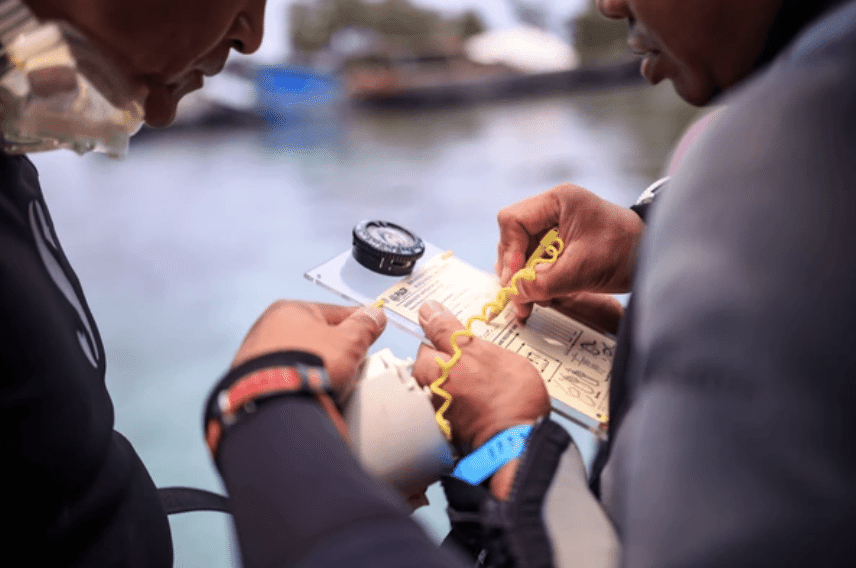
Two people in wetsuits closely examine a waterproof map or chart; one is holding a compass, and water with blurred boats is visible in the background.

When Experience Becomes an Asset

Experience becomes valuable when paired with reflection, correction, and adaptability. Divers who seek training after building experience often progress rapidly because they can contextualise instruction.

The key difference is openness. Divers who view training as refinement rather than remediation benefit most.


Instructor-Level Perspective

From an instructional standpoint, experience-heavy but training-light divers are among the most challenging to teach—not because they lack ability, but because habits are deeply ingrained.

Instructor-level training emphasises not just skill execution, but learning how to learn. This meta-skill allows divers to continue improving long after formal training ends.


Professional Diving Parallels

In professional fields—aviation, medicine, emergency services—experience is respected but never accepted without ongoing training. Certifications are renewed. Skills are revalidated. Procedures evolve.

Technical diving training aligns with this professional model. Experience is valued, but it must be continuously shaped by structured education.


The Bottom Line

Experience is a resource.

Training is what makes it useful.

Time in the water without guidance may feel reassuring, but it does not guarantee readiness for complexity. The safest divers are those who combine experience with disciplined training, honest feedback, and a willingness to evolve.

At N9BO℠, experience is respected—but it is never allowed to replace preparation.

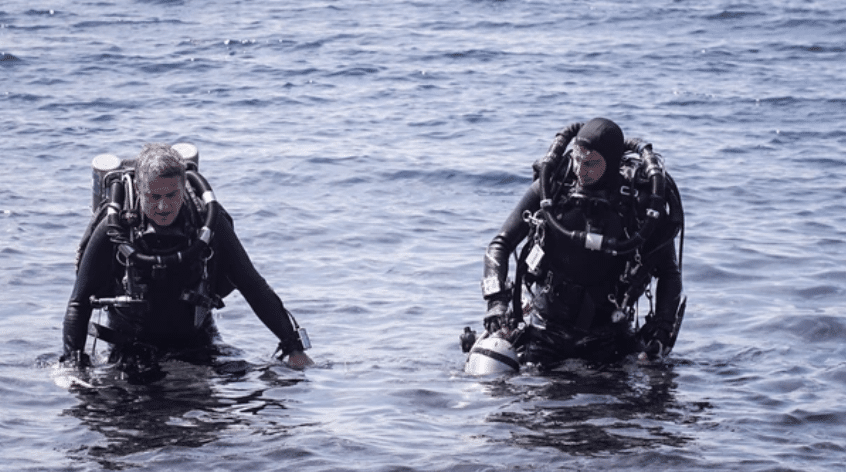
Two scuba divers in full kit stand waist-deep in the sea, facing forward, with blue water and gentle waves surrounding them.

Relying on Experience Alone?

Time underwater does not automatically translate into competence. Structured training and feedback are what turn experience into capability.


From the N9BO℠ Knowledge Base


Share this

Training Beyond Standards: Why Minimum Requirements Are Never the Goal

What Training Standards Are—and What They Are Not

Training standards play a critical role in diver education. They establish baseline competencies, ensure consistency across instructors, and provide a framework for quality assurance. Without standards, training would vary wildly in content and expectations.

However, standards are often misunderstood.

Standards define minimum acceptable performance, not optimal capability. They answer the question: What is the least a diver must demonstrate to be certified safely under controlled conditions? They do not answer: What is required to operate confidently, consistently, and conservatively in complex real-world environments?

This distinction is fundamental in technical diving training and professional-level instruction.


Why Minimums Exist in the First Place

Agencies design standards to be achievable by a wide range of candidates under a wide range of conditions. This necessarily means they are conservative in scope and limited in depth.

If standards required mastery in every conceivable scenario, few divers would ever certify. TDI technical diving courses, like all professional programmes, therefore establish minimums that instructors are expected to build upon—not stop at.

Confusing minimum standards with optimal training is one of the most common errors made by divers and instructors alike.


The Risk of “Standards-Driven” Thinking

Divers trained to focus exclusively on standards often ask the wrong questions:

  • “Is this required?”
  • “Will this be evaluated?”
  • “Do I need to demonstrate this to pass?”

This mindset encourages compliance rather than competence. It creates divers who can perform in evaluation settings but struggle when variables increase.

Advanced technical diving progression reframes training objectives around capability, not certification.

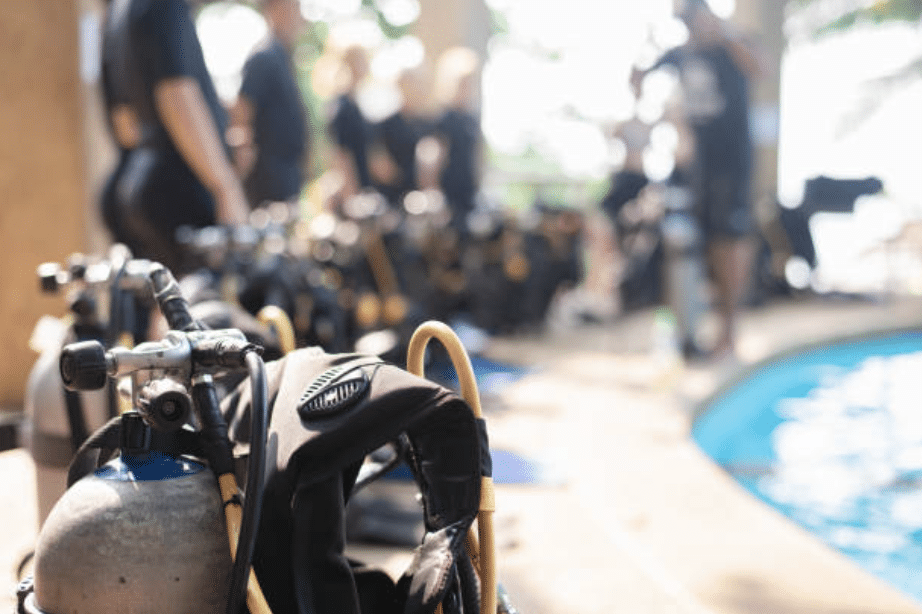
A row of scuba diving cylinders and equipment is lined up beside a swimming pool, with several people standing and preparing in the blurred background.

Real-World Diving Does Not Follow Standards

Real dives are messy. Conditions change. Equipment behaves unpredictably. Team dynamics evolve. Standards cannot anticipate every combination of variables.

Professional technical divers understand that standards are starting points. They use them as references, not ceilings. At N9BO℠, training is deliberately structured to exceed minimum requirements in areas that matter most: stability, decision-making, and failure management.


Why Instructors Must Teach Beyond the Checklist

Instructor responsibility does not end at the checklist. In fact, the checklist is often where meaningful instruction begins.

A competent instructor uses standards to:

  • Identify minimum performance thresholds
  • Diagnose weaknesses beyond those thresholds
  • Design scenarios that exceed evaluation conditions

Technical diving training delivered strictly to standards may produce certified divers, but not necessarily capable ones. This distinction matters when those divers progress into deeper, longer, or more complex environments.


Skill Mastery vs Skill Demonstration

Demonstrating a skill once is not mastery. Mastery requires:

  • Consistency
  • Stability under task load
  • Performance under stress
  • Repeatability across environments

Standards often require demonstration without requiring long-term consistency. Advanced technical diving progression focuses on repetition and integration until skills become automatic.

Divers who mistake demonstration for mastery are often surprised when skills degrade under pressure.


Exceeding Standards Without Becoming Unsafe

Going beyond standards does not mean pushing candidates recklessly. It means expanding margins deliberately.

Examples include:

  • Holding stops more precisely than required
  • Practising failures beyond minimum scenarios
  • Adding planning complexity incrementally
  • Reinforcing conservative decision-making

At N9BO℠, exceeding standards is done methodically, ensuring that divers are challenged without being overwhelmed.

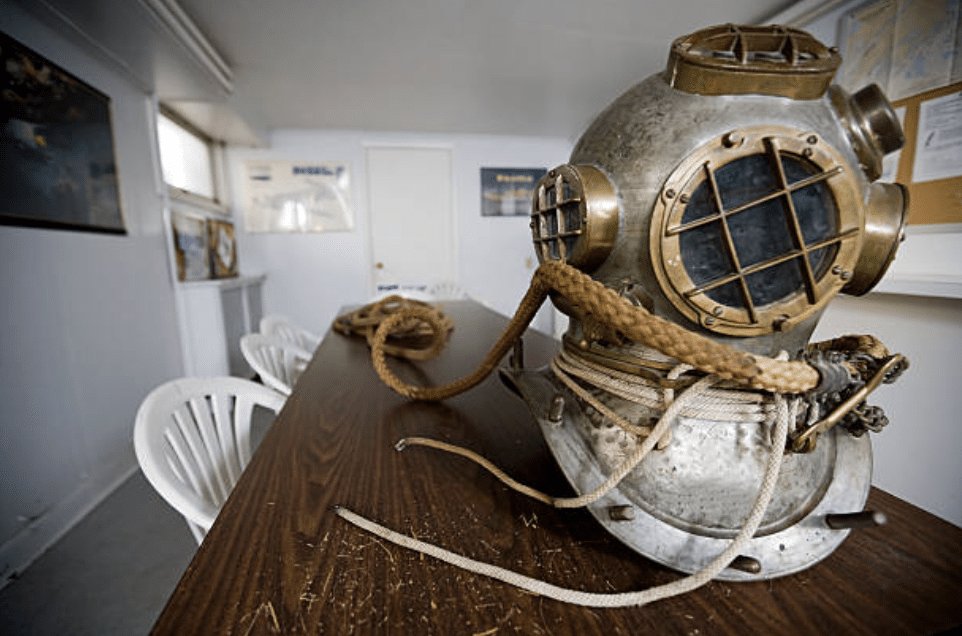
A vintage metal diving helmet with thick ropes rests on a long wooden table in a room with white chairs and nautical posters on the walls.

The Professional Perspective on Standards

In professional diving domains—public safety, commercial, military—meeting minimum standards is never the operational objective. Standards define qualification, not readiness.

Technical diving training draws heavily from this mindset. Divers are encouraged to ask: Would this be acceptable if conditions deteriorated? If fatigue increased? If a teammate struggled?

If the answer is uncertain, training continues.


Why Some Divers Resist Going Further

Not all divers welcome training beyond standards. Some view it as unnecessary, time-consuming, or overly strict. This resistance often reflects a mismatch between expectations and the realities of technical environments.

Advanced technical diving progression naturally filters candidates. Those who value depth of competence over speed of certification tend to thrive. Others may choose to remain within less demanding scopes—and that choice is valid.


Standards as a Safety Net, Not a Target

Standards exist to prevent unsafe training—not to define excellence. When divers aim for the minimum, they operate without buffer. When they train beyond it, they create resilience.

At N9BO℠, standards are treated as the floor, never the ceiling. Training is built around preparing divers for the worst plausible day, not the ideal one.


The Bottom Line

Meeting standards gets you certified.

Exceeding them keeps you safe.

Technical diving rewards preparation, restraint, and depth of understanding—not shortcuts to certification. The divers who thrive long-term are those who trained beyond what was required, not those who stopped as soon as they passed.

A group of young scuba divers wearing wetsuits and kit stand together outdoors, listening to an instructor and smiling. One woman gestures to her nose, while another holds a pair of flippers. Buildings and palm trees are visible in the background.

Expecting More Than the Minimum?

Professional training is about building margin, not just meeting requirements. Contact us to discuss programmes that go beyond baseline standards.


From the N9BO℠ Knowledge Base

Share this

Valve Drills Explained: Purpose, Precision, and Why Speed Is the Wrong Metric

Why Valve Drills Are So Often Misunderstood

Valve drills are one of the most recognisable components of technical diving training. They are also one of the most frequently misinterpreted. Videos, social media clips, and informal discussions often portray valve drills as demonstrations of dexterity or speed—how quickly a diver can reach back, manipulate valves, and return to position.

This framing misses the point entirely.

Valve drills exist to teach failure recognition, prioritisation, and controlled response. Speed is a secondary outcome that may develop with experience, but it is never the primary objective. This distinction is made explicit in technical diving training, yet it is often lost outside formal instructional contexts.


What Valve Drills Are Actually Training For

At a fundamental level, valve drills simulate gas delivery failures. These failures can include:

  • Free-flowing regulators
  • Burst hoses
  • Manifold leaks
  • Isolation failures

The drill teaches divers to:

  1. Recognise the failure
  2. Stabilise buoyancy and position
  3. Isolate the problem
  4. Preserve breathable gas
  5. Communicate clearly with the team

Each of these steps is far more important than how quickly a valve is turned. TDI technical diving courses structure valve drills to reinforce this sequence rather than encourage rushed responses.

A scuba diver wearing gear and a red cylinder is partially submerged in a calm, blue body of water, with only their head and equipment visible above the surface.

Stability Before Action

One of the first corrections instructors make during valve drills is slowing the diver down. Many candidates instinctively rush to “fix” the problem, sacrificing buoyancy, trim, and awareness in the process.

In technical environments, instability creates secondary problems. Depth excursions affect decompression obligations. Poor trim interferes with access and visibility. Loss of awareness compromises team coordination.

This is why advanced technical diving progression insists that divers stabilise before acting. A calm pause often prevents escalation and preserves options.


Why Speed Is a Dangerous Obsession

Speed-focused valve drills create several risks:

  • Incomplete isolation of the failure
  • Accidental shutdown of functioning valves
  • Loss of situational awareness
  • Increased breathing rate due to stress

A fast but sloppy drill is worse than a slow, precise one. Real failures rarely reward haste; they reward clarity.

Professional technical divers understand that time spent stabilising is time well invested.

Several sets of scuba diving equipment, including wetsuits, buoyancy compensators, regulators, and masks, are neatly arranged on the ground next to parked vehicles in a car park.

Valve Drills and Cognitive Load

Valve drills are not purely mechanical tasks. They are cognitive exercises performed under simulated stress. The diver must:

  • Interpret sensory input (sound, bubbles, resistance)
  • Recall procedural sequence
  • Maintain awareness of depth and gas
  • Communicate with teammates

This multi-layered demand is why valve drills are so revealing during technical diving training. Weaknesses in task integration become immediately apparent.


Equipment Familiarity and Configuration Consistency

Effective valve drills require intimate familiarity with one’s equipment. Valve placement, hose routing, and manifold orientation must be consistent and predictable.

Frequent configuration changes undermine procedural memory. This is why TDI technical diving courses emphasise standardisation during early training. Consistency reduces hesitation and error under stress.

Valve drills are not the place to “experiment” with new setups.


Team Awareness During Valve Drills

Valve drills are often performed while teammates observe. This is intentional. Team members learn to recognise:

  • Signs of distress
  • Loss of control
  • Incorrect shutdown sequences

They also practise positioning and readiness to assist if the drill escalates. Advanced technical diving progression reinforces that valve failures are team events, not private challenges.


When Valve Drills Go Wrong

Instructors frequently see valve drills fail not because candidates cannot reach their valves, but because they:

  • Rush without stabilising
  • Fixate on one valve and ignore the system
  • Stop communicating
  • Forget to monitor depth and time

These failures are instructive. They reveal how a diver is likely to behave during a real incident. Technical training uses these moments diagnostically rather than punitively.

A scuba diver in full kit, including a black-and-white hood and two large air cylinders, floats on the surface of calm water.

Valve Drills in Real-World Context

In actual dives, valve failures rarely occur in isolation. They may coincide with:

  • Reduced visibility
  • Current
  • Task load
  • Narcosis
  • Fatigue

This reality is why advanced technical diving progression integrates valve drills with other tasks rather than practising them in isolation forever. The goal is adaptability, not choreography.


Mastery Looks Boring—and That’s the Point

Well-executed valve drills are unremarkable. The diver remains stable. Movements are deliberate. Communication continues. Nothing dramatic happens.

This “boring” appearance is the hallmark of competence.

At N9BO℠, valve drills are taught as risk-management rehearsals, not demonstrations. Divers are evaluated on composure, control, and clarity—not theatrics.


The Takeaway

Valve drills are not about speed.

They are about discipline.

They exist to ensure that when gas delivery fails—as it eventually will—the diver responds with calm precision rather than panic. This capability defines technical competence far more than depth records or equipment lists.

In tactical training, a mantra famously used by US Navy SEALs is “Slow is smooth and smooth is fast“. In technical diving, smooth is safe.

Fast is optional.

Sunlight filters through the clear blue water, illuminating underwater rock formations and coral on the ocean floor, creating serene patterns of light and shadow.

Want to Train Valve Drills the Right Way?

Valve drills are about control and accuracy, not speed. Contact us to discuss proper skill development and performance standards.


From the N9BO℠ Knowledge Base


Share this

Why Early Technical Training Often Fails

The Shock of the First Technical Course

One of the most common reactions from divers completing their first technical course is surprise—not at the complexity of the material, but at how difficult the experience felt compared to expectations. Many enter technical training assuming that it is simply a more advanced version of recreational diving: deeper dives, more equipment, more theory.

Instead, they encounter something fundamentally different.

Technical training does not merely add skills; it restructures how divers think, plan, and prioritise underwater. This cognitive shift is often more demanding than the physical or theoretical elements, particularly in the early stages of technical diving training.


The Myth of Linear Progression

Recreational training often follows a linear pattern: learn a skill, practise it briefly, then move on. Success is measured by completion. Technical training disrupts this model.

In technical courses, divers may feel that they are “going backwards.” Skills that once felt automatic—buoyancy, trim, awareness—suddenly deteriorate under task load. This can be frustrating, especially for experienced recreational divers.

This phenomenon is not regression; it is exposure. TDI technical diving courses are designed to reveal weaknesses that were previously hidden by forgiving environments and low task demand.


Task Integration vs Task Addition

A major reason early technical training feels overwhelming is that divers often try to add new tasks without integrating them. For example:

  • Performing valve drills while forgetting depth control
  • Managing gas switches while losing awareness of teammates
  • Navigating while neglecting breathing discipline

Technical training requires tasks to be integrated into a single, coherent workflow. This integration takes time and repetition. Advanced technical diving progression deliberately slows the pace to allow this process to occur.

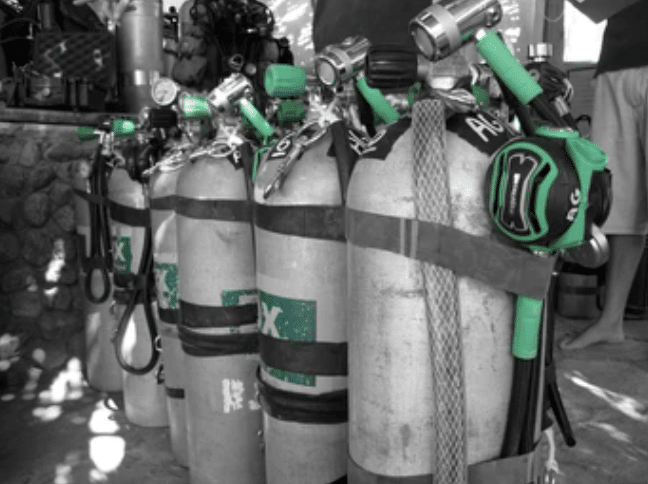
Several scuba diving air cylinders are lined up outdoors. The cylinders are mostly in greyscale except for the vibrant green valves and regulators, which stand out. A person’s legs are visible in the background.

Cognitive Load and Mental Fatigue

Mental fatigue is a defining feature of early technical training. Planning, executing, and debriefing technical dives require sustained concentration. Unlike recreational diving, where many decisions are reactive, technical diving demands continuous anticipation.

Divers may feel exhausted after relatively short dives—not from exertion, but from cognitive effort. This is normal and expected. Technical diving training is as much about building mental endurance as physical skill.


Why Knowledge Alone Is Not Enough

Many divers attempt to compensate for difficulty by studying more theory. While knowledge is important, it does not replace embodied skill. Knowing decompression theory does not guarantee stable stops. Understanding gas planning does not ensure calm gas sharing under stress.

Technical training exposes the gap between intellectual understanding and practical execution. This gap is where most early frustration occurs—and where the most valuable learning happens.


Instructor Pressure vs Self-Imposed Pressure

It is important to distinguish between instructor demands and self-imposed expectations. Instructors set standards to ensure safety, but many divers place additional pressure on themselves to perform perfectly.

This self-pressure often leads to rushing, fixation, or over-control—all of which degrade performance. Advanced technical diving progression teaches divers to slow down, accept imperfection, and focus on process rather than outcome.

Several scuba diving air cylinders are lined up outdoors. The cylinders are mostly in greyscale except for the vibrant green valves and regulators, which stand out. A person’s legs are visible in the background.

The Role of Failure in Technical Competence

Unlike recreational training, where failure is often avoided or minimised, technical training uses controlled failure as a teaching tool. Simulated gas loss, equipment malfunctions, and task interruptions are introduced intentionally.

These scenarios are not designed to overwhelm, but to normalise problem-solving under pressure. Divers who initially struggle often become stronger technicians precisely because they experienced difficulty early.


Why Some Divers Quit—and Why That’s Not Always Bad

Not every diver who begins technical training completes it. This is not a reflection of worth or ability; it is often a reflection of alignment.

Technical diving demands patience, discipline, and comfort with uncertainty. Some divers discover that their enjoyment of diving is better served within recreational or light technical limits. Recognising this is a success, not a failure.

Technical diving training is meant to filter as much as it is meant to develop.


Reframing Difficulty as Progress

The most successful technical divers are those who reframe early difficulty as evidence that training is working. When dives feel challenging, it means assumptions are being tested and habits refined.

At N9BO℠, early struggle is treated as a signal—not of inadequacy, but of transition. Divers who embrace this phase tend to emerge calmer, more deliberate, and more resilient.

Technical competence is not built in comfort.

It is built in structured difficulty.

A scuba diver in full kit is underwater, surrounded by deep blue water, with bubbles rising above their head as they swim horizontally.

Considering Technical Training Too Early?

Timing matters in technical development. If you’re unsure whether advanced training is appropriate right now, we can help assess readiness and next steps.


From the N9BO℠ Knowledge Base


Share this

Intro to Tech: Skills That Matter Before the Course

Why “Eligibility” Is Not the Same as Readiness

One of the most common misconceptions in technical diving is that meeting course prerequisites equals being prepared. Logged dive counts, certification levels, and depth experience are useful screening tools, but they do not reliably predict performance once task loading and failure management are introduced.

Technical instructors routinely see divers who are eligible for training but not ready for it. This disconnect often leads to frustration, extended courses, or, in some cases, unsafe outcomes. Understanding the difference between eligibility and readiness is the first step toward responsible progression into technical diving training.

Readiness is not about perfection; it is about stability. A diver who can maintain consistent control, awareness, and discipline under moderate stress will progress far more effectively than a diver who relies on favourable conditions or constant instructor correction.


Buoyancy Control as a Cognitive Skill

Buoyancy is often discussed as a physical skill, but in technical diving it is fundamentally cognitive. Maintaining depth while managing tasks, monitoring gas, and communicating with teammates requires mental bandwidth. If buoyancy control consumes attention, it competes with more critical decision-making processes.

In recreational contexts, minor depth deviations are inconsequential. In technical environments, they can affect decompression accuracy, gas consumption, and team coordination. This is why technical diving training treats buoyancy as a baseline competency, not an advanced refinement.

Divers preparing for technical courses should be able to:
• Hold depth within a narrow range without visual reference
• Adjust buoyancy smoothly without large corrective inputs
• Maintain control while performing secondary tasks

Without this foundation, learning stalls quickly.


Trim and Body Position: Efficiency, Not Aesthetics

Trim is frequently misunderstood as an aesthetic concern. In reality, trim directly affects propulsion efficiency, gas consumption, environmental impact, and situational awareness.

A diver who is consistently out of trim expends unnecessary energy and attention correcting position. This inefficiency becomes magnified during longer exposures or decompression dives. TDI technical diving courses and PADI Tec training programmes both emphasise trim early because it underpins almost every other skill.

Proper trim supports:
• Stable propulsion
• Reduced silting in overhead environments
• Predictable positioning relative to teammates
• Easier equipment access during failures

Preparing divers should focus on maintaining trim without conscious effort, allowing attention to shift elsewhere when complexity increases.

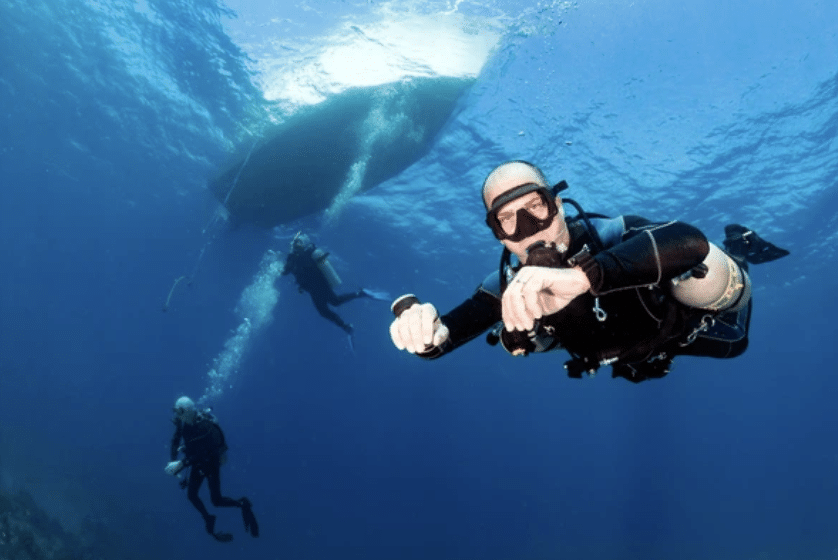
Three scuba divers swim underwater near a boat, with one diver close to the camera giving an OK hand signal, and two others in the background descending towards the sea floor. Sunlight filters through the water’s surface.

Propulsion: Moving Without Consequence

In technical diving, propulsion is not about speed—it is about control. Inefficient finning increases gas consumption, disturbs visibility, and destabilises trim. More importantly, it adds cognitive load.

Technical training assumes divers can move deliberately without collateral effects. This includes:
• Stopping precisely
• Backing away from obstacles
• Turning without hand movement
• Maintaining position during task execution

These skills are rarely taught explicitly in recreational programmes, yet they are central to advanced technical diving progression.


Situational Awareness: The Skill That Is Hardest to Measure

Situational awareness is often cited but rarely defined. In technical diving, it refers to a diver’s ability to continuously integrate information about:
• Depth and time
• Gas status (self and team)
• Team position and communication
• Environmental conditions
• Task progression

Divers who lack situational awareness tend to fixate—on a reel, a camera, a valve—while the broader dive context degrades unnoticed. Technical diving training deliberately exposes this tendency so it can be addressed.

Preparation involves cultivating habits of frequent scanning, disciplined checks, and proactive communication, even on simple dives.


Gas Discipline Before Gas Complexity

Before introducing multiple cylinders, gas switches, or helium, divers must demonstrate disciplined gas awareness with simple systems. This includes:
• Regular pressure checks without prompting
• Understanding consumption trends
• Predicting gas usage rather than reacting to it

Divers who struggle with single-cylinder gas awareness will struggle far more once redundancy and sharing are introduced. This is why TDI technical diving courses build complexity only after gas discipline is evident.


Emotional Regulation Under Task Load

One of the least discussed but most important preparatory skills is emotional regulation. Stress responses—rushing, fixation, tunnel vision—are normal human reactions. Technical training does not eliminate them; it teaches divers to recognise and manage them.

Divers preparing for technical training should ask themselves:
• How do I respond when something interrupts a dive?
• Do I slow down or speed up under pressure?
• Can I pause, breathe, and reassess?

Advanced technical diving progression relies on calm, deliberate responses far more than physical strength or endurance.

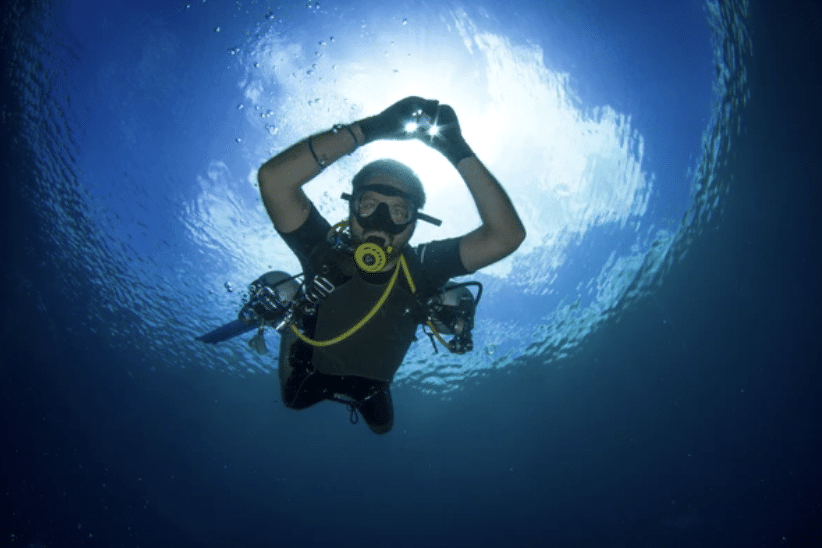
A scuba diver underwater looks up towards the sunlit surface, wearing full diving kit and making a hand signal with both hands, surrounded by deep blue water.

Knowledge vs Embodied Skill

Many divers attempt to prepare for technical training by studying theory extensively. While knowledge is essential, it cannot replace embodied skill. Knowing what to do does not guarantee the ability to do it under stress.

Effective preparation balances theory with repetition, reflection, and honest self-assessment. This is why divers who arrive with fewer certifications but stronger fundamentals often outperform those with extensive theoretical knowledge but weak control.


Preparing the Right Way

The most effective way to prepare for technical training is not to rush into it, but to refine fundamentals intentionally. Seek feedback, slow down dives, reduce task clutter, and practise control under benign conditions.

At N9BO℠, divers are encouraged to view preparation as an investment. The stronger the foundation, the more productive—and safer—technical training becomes.

Technical courses do not create discipline; they reveal it.

Situational awareness is another cornerstone. Technical divers must monitor depth, time, gas, teammates, and environmental cues simultaneously. This ability develops through experience and is reinforced through structured TDI technical diving courses.

Finally, mental discipline matters. Technical training rewards patience, preparation, and humility. Divers who approach training with an open mindset progress more effectively than those focused solely on certification outcomes.

At N9BO℠, pre-course preparation is discussed openly to ensure candidates are ready for Advanced technical diving progression, not merely eligible on paper.

Two scuba divers underwater, both wearing full kit and masks, holding hands as they swim in the blue-green water, surrounded by bubbles and filtered light.

Not Ready for a Technical Course Yet?

Proper preparation matters more than certification timing. Contact us to discuss skill development before committing to technical training.


From the N9BO℠ Knowledge Base

Share this

Facebook
Instagram
X (Twitter)
TikTok
Youtube
Whatsapp