The Mismatch Between Image and Reality
Popular images of technical diving often emphasise extremes: deep wrecks, dramatic cave passages, complex equipment, and heroic problem-solving. These narratives create the impression that technical diving is defined by excitement and constant challenge.
The reality is far less dramatic—and far safer.
Professional technical diving aims to be predictable, calm, and repetitive. Technical diving training deliberately strips away unnecessary excitement, replacing it with routine and structure. When a dive feels boring, it usually means everything is working as intended.
Why Excitement Is a Warning Sign
Excitement often indicates uncertainty. Elevated heart rate, heightened focus, and adrenaline may feel energising, but they are signs that the diver is operating near or beyond comfort limits.
In technical diving, these physiological states impair judgement, increase CO₂ retention, and narrow awareness. Advanced technical diving progression teaches divers to recognise excitement as a cue to slow down—not push forward.
Calm is capacity.
Predictability as a Safety Feature
Predictability reduces cognitive load. When procedures, equipment behaviour, and team actions are consistent, divers spend less mental energy monitoring for surprises.
This allows attention to remain available for situational awareness and decision-making. TDI technical diving courses emphasise routine not because divers lack imagination, but because predictability creates safety.
Repetition Builds Reliability
Repetition is often misunderstood as stagnation. In technical diving, repetition builds reliability.
Repeating the same procedures:
- Reinforces muscle memory
- Reduces hesitation
- Improves coordination
- Exposes subtle errors
Technical diving training relies heavily on repetition so that critical actions become automatic under stress.

Why “Nothing Happened” Is a Success
After a technical dive, hearing “nothing happened” is a positive outcome. It means:
- Plans were realistic
- Procedures worked
- Teams communicated effectively
- Margins were preserved
Dives that generate stories often involve near-misses. Advanced technical diving progression teaches divers to value uneventful outcomes over memorable ones.
The Ego Trap of Seeking Drama
Some divers equate difficulty with competence. They seek dives that feel challenging to validate their skill.
This mindset can lead to:
- Overextension
- Compressed margins
- Rationalised risk
Professional divers understand that competence is demonstrated through restraint. Technical diving training actively discourages thrill-seeking behaviour.
Boredom and Situational Awareness
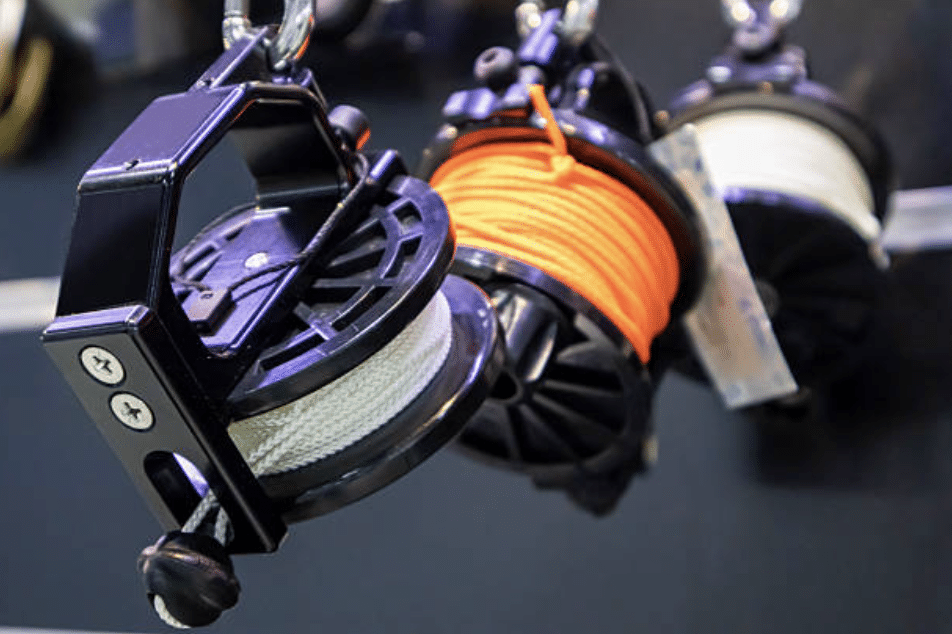
Boredom does not mean inattention. Skilled technical divers remain aware even when nothing appears to be happening.
This quiet vigilance allows early detection of small deviations before they escalate. Advanced technical diving progression trains divers to maintain awareness without anxiety.
Instructor Perspective: Teaching Calm
Instructors often focus less on dramatic drills and more on how candidates behave during routine phases of the dive.
Unstable buoyancy, wandering attention, or rushed behaviour during “boring” segments reveal more about a diver’s readiness than dramatic failure drills.
At N9BO℠, instructors teach candidates to perform routine tasks with the same discipline as emergencies.
Professional Parallels
In aviation, the best flights are uneventful. In medicine, the best procedures are routine. In emergency services, the best operations are calm and controlled.
Technical diving follows the same principle. Technical diving training aligns with professional cultures that value consistency over excitement.
Redefining Satisfaction in Diving
Divers who remain in technical diving long-term often report a shift in what they find satisfying. Precision, smooth execution, and clean teamwork replace adrenaline as sources of fulfilment.
This shift reflects maturity—not loss of passion.
The Bottom Line
Excitement feels good.
Predictability keeps you alive.
In technical diving, boredom is not a lack of challenge—it is evidence of mastery. The goal is not to survive drama, but to avoid creating it.
At N9BO℠, boring dives are successful dives.
Looking for Consistency Instead of Excitement?
Safe technical diving is predictable, controlled, and uneventful by design. Contact us to learn how disciplined training creates that stability.
From the N9BO℠ Knowledge Base