What Is the SDI Rescue Diver Course?
Most diver training focuses primarily on personal skills and self-management. Divers learn how to plan dives, control buoyancy, manage equipment, and safely explore the underwater environment.
The Rescue Diver course introduces a different perspective.
Instead of focusing solely on the individual diver, students learn how to recognise developing problems, assist other divers, manage emergencies, and contribute positively to overall dive safety.
The course combines practical rescue techniques with prevention strategies, helping divers understand that the best rescue is often the one that never becomes necessary.
At N9BO℠, we often describe Rescue Diver as the course that transforms divers from participants into active contributors to dive safety.
The Importance of Prevention
One of the most valuable lessons taught during rescue training is that emergencies rarely occur without warning.
Many incidents begin as small issues:
- Poor buoyancy control
- Equipment problems
- Stress or anxiety
- Inadequate planning
- Environmental changes
- Fatigue or overexertion
Divers who learn to recognise these early warning signs can often intervene before a situation escalates.
The course therefore places significant emphasis on observation, awareness, and proactive decision-making.
Students quickly discover that preventing an emergency is usually easier than managing one.
At N9BO℠, we teach that effective rescue divers spend most of their time preventing problems rather than responding to them.
Developing Situational Awareness
Rescue training changes the way divers observe the underwater environment.
Rather than focusing exclusively on marine life, photography, or personal dive objectives, Rescue Divers learn to maintain broader situational awareness.
This includes monitoring:
- Buddy behaviour
- Team positioning
- Environmental conditions
- Equipment issues
- Signs of stress or fatigue
- Potential hazards
As awareness improves, divers become more capable of recognising subtle changes that may indicate a developing problem.
This skill often improves every aspect of diving, not just rescue situations.
At N9BO℠, we believe situational awareness is one of the most valuable skills any diver can develop.
Managing Diver Stress
Many diving incidents involve stress as a contributing factor.
Stress affects breathing, decision-making, communication, and overall performance. A diver who becomes anxious or overwhelmed can quickly find themselves struggling to manage otherwise simple situations.
The Rescue Diver course teaches students how to:
- Recognise signs of stress
- Communicate effectively
- Provide reassurance and assistance
- Manage escalating situations calmly
Understanding human behaviour becomes just as important as understanding diving procedures.
Students learn that effective rescue often begins with good communication and calm leadership.
At N9BO℠, we teach that managing people is frequently more important than managing equipment.
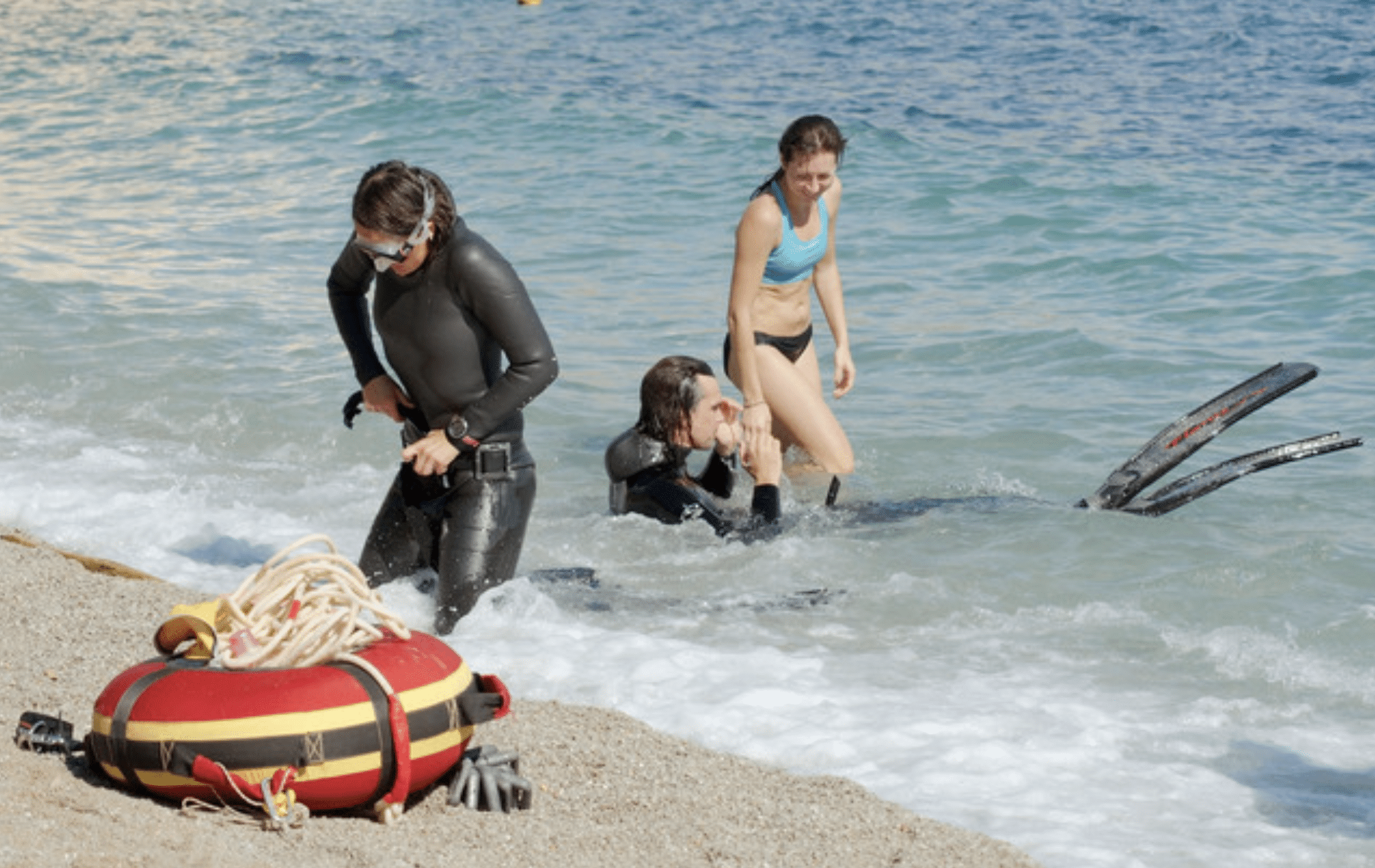
Practical Rescue Skills
The course includes a wide range of practical rescue techniques designed to address common diving emergencies.
Students learn how to:
- Assist tired divers
- Respond to panicked divers
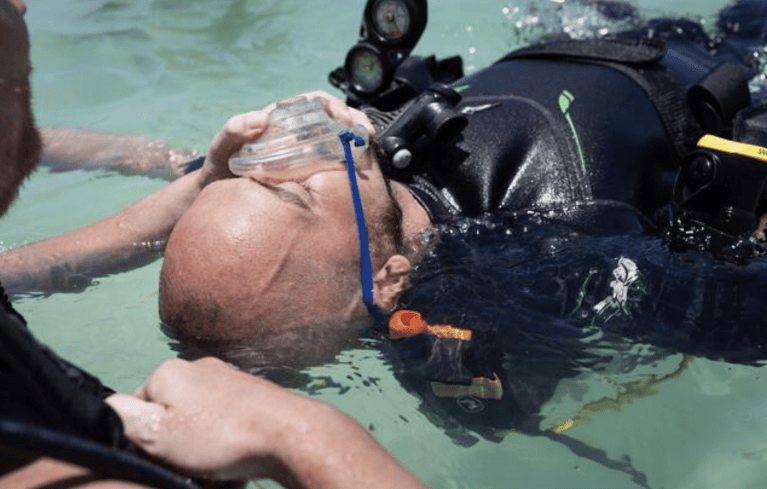
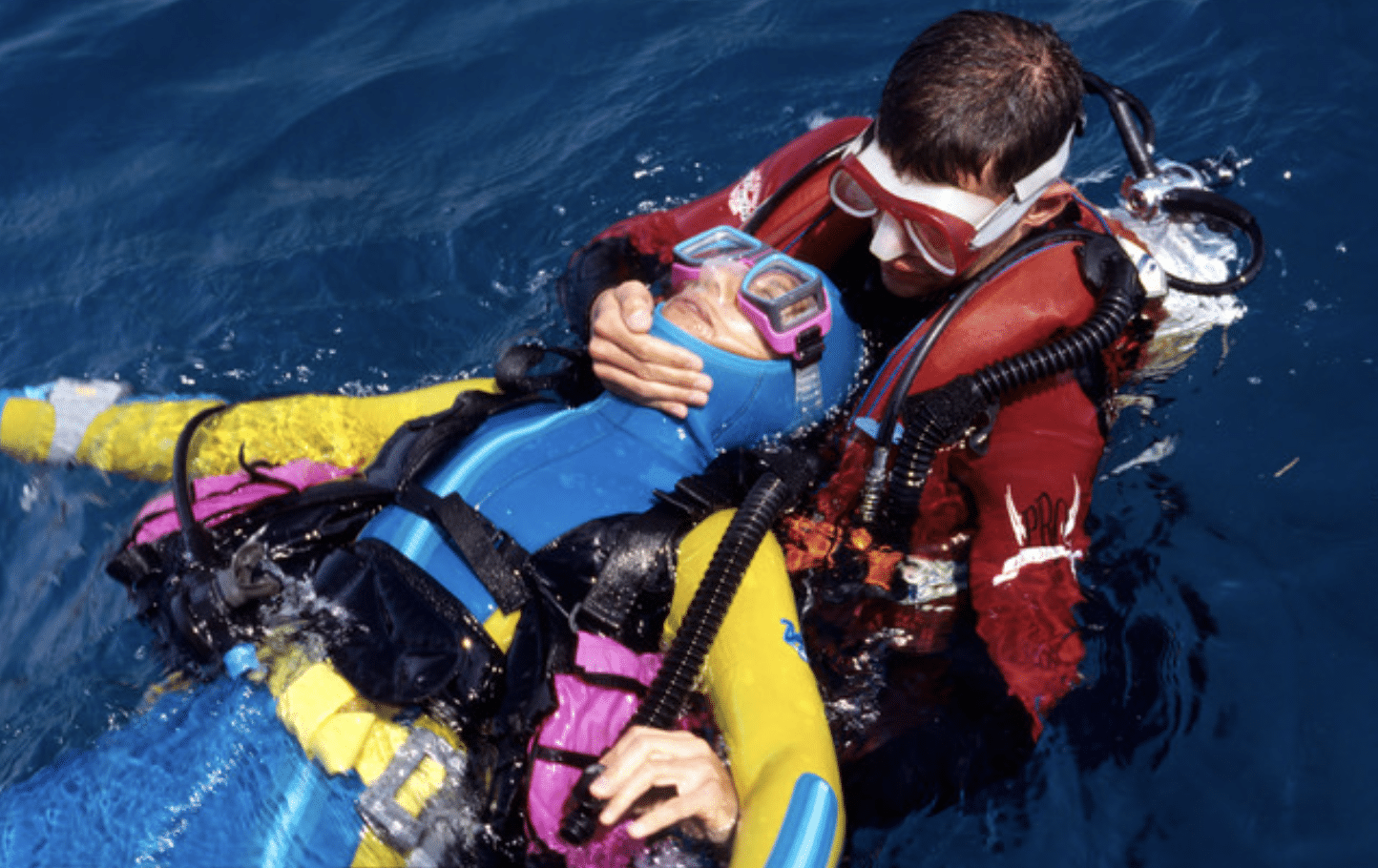
- Conduct surface rescues
- Manage unresponsive divers
- Perform underwater assistance procedures
- Coordinate emergency responses
These exercises are realistic, physically demanding, and often highly rewarding.
While the skills themselves are important, the course also emphasises judgement and decision-making. Knowing when and how to intervene can be just as important as the rescue techniques themselves.
At N9BO℠, we focus on creating divers who can think clearly under pressure.
Emergency Planning and Response
Rescue operations do not begin when an incident occurs. They begin during dive planning.
Students learn how to:
- Assess environmental conditions
- Identify potential hazards
- Develop emergency action plans
- Coordinate with surface support
- Manage resources effectively
This planning mindset helps divers understand that safety is a continuous process rather than a reaction to emergencies.
The course reinforces the importance of preparation, communication, and organisation.
At N9BO℠, we teach that good planning often prevents the need for rescue altogether.
Building Confidence Through Competence
Many divers find the Rescue Diver course challenging, but also incredibly rewarding.
As students practise rescue scenarios and problem-solving exercises, they begin to develop confidence in their ability to handle unexpected situations.
This confidence comes from:
- Knowledge
- Repetition
- Experience
- Structured training
Divers often discover that they become calmer and more relaxed during normal dives because they understand how to respond if something goes wrong.
The course therefore improves both capability and peace of mind.
At N9BO℠, we believe confidence is strongest when it is built on competence rather than assumption.

A Turning Point in Diver Development
Many experienced divers consider Rescue Diver to be one of the most valuable courses they have ever completed.
Unlike courses that focus primarily on new environments or equipment, Rescue Diver changes the way people think about diving itself.
Students begin viewing dives through a broader lens, considering:
- Team safety
- Risk management
- Emergency preparedness
- Environmental conditions
- Human factors
This shift in perspective often marks a significant step in a diver’s development.
At N9BO℠, we frequently see Rescue Diver graduates become more thoughtful, more aware, and more capable underwater.
Preparing for Leadership and Professional Training
The Rescue Diver certification is also an important prerequisite for many advanced and professional programmes.
Divers who later pursue:
- SDI Divemaster
- Assistant Instructor
- Instructor
- Public Safety Diving
- Technical Diving
often benefit greatly from the awareness and judgement developed during rescue training.
The course provides a strong foundation for future leadership roles because it encourages responsibility, teamwork, and proactive thinking.
At N9BO℠, we view Rescue Diver as one of the most important milestones in a diver’s educational pathway.
Operational Mindset
The SDI Rescue Diver course reinforces a simple but powerful principle: the safest divers are the ones who notice problems early.
Rescue diving is not about dramatic interventions or heroic actions. It is about awareness, preparation, communication, and calm decision-making.
Strong Rescue Divers develop:
- Situational awareness
- Risk assessment skills
- Emergency preparedness
- Leadership qualities
- Confidence under pressure
These qualities improve every dive, whether an emergency occurs or not.
At N9BO℠, we approach Rescue Diver training as the course where divers learn that safety is everyone’s responsibility.
The best rescue divers are often the ones who never need to perform a rescue because they recognised the problem before it became an emergency.
Become a More Aware, Capable, and Confident Diver
Contact N9BO℠ to begin your SDI Rescue Diver course and develop the awareness, prevention skills, and emergency response capabilities that define truly competent divers.
From the N9BO℠ Knowledge Base